
Landoll Trailers For Sale in Texas
Browse Landoll trailers for sale in Texas, including traveling axle and hydraulic tilt models built for heavy equipment hauling.
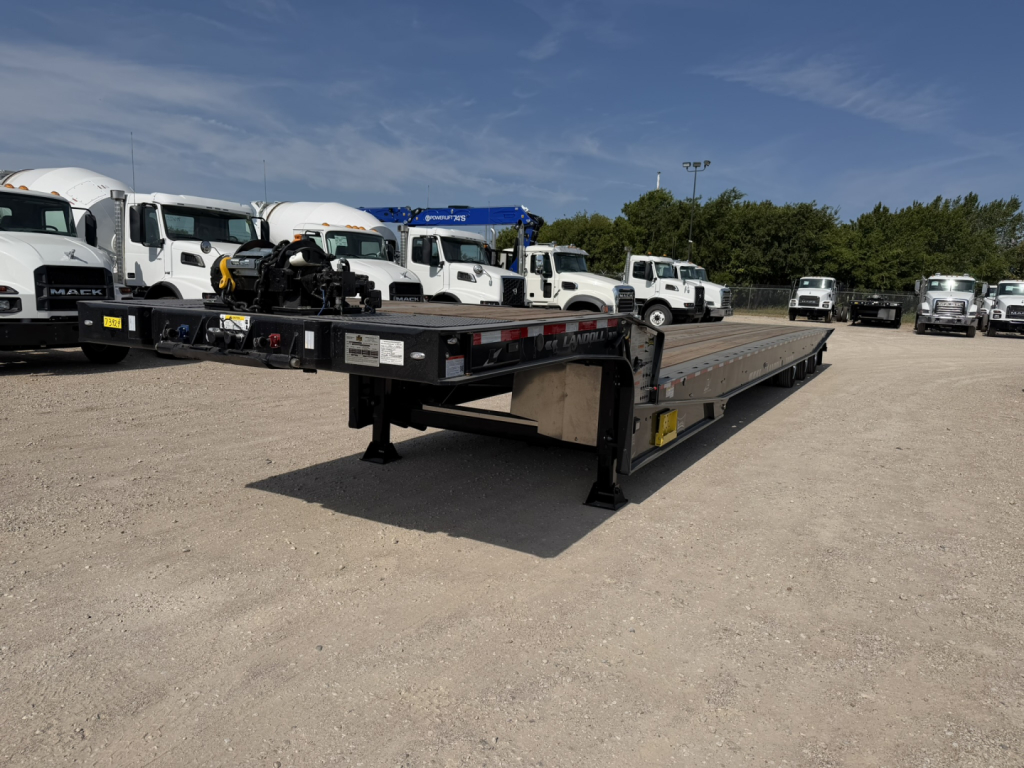
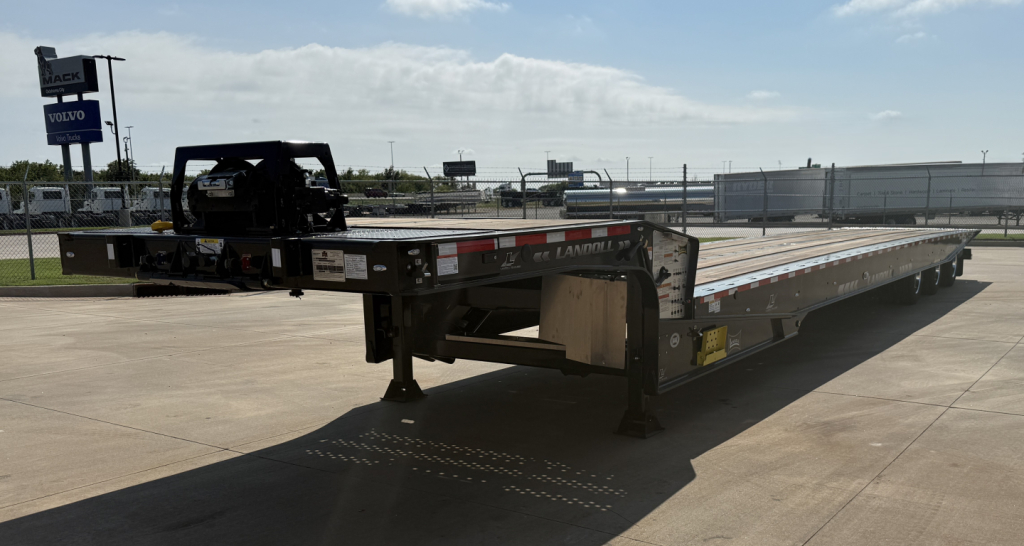
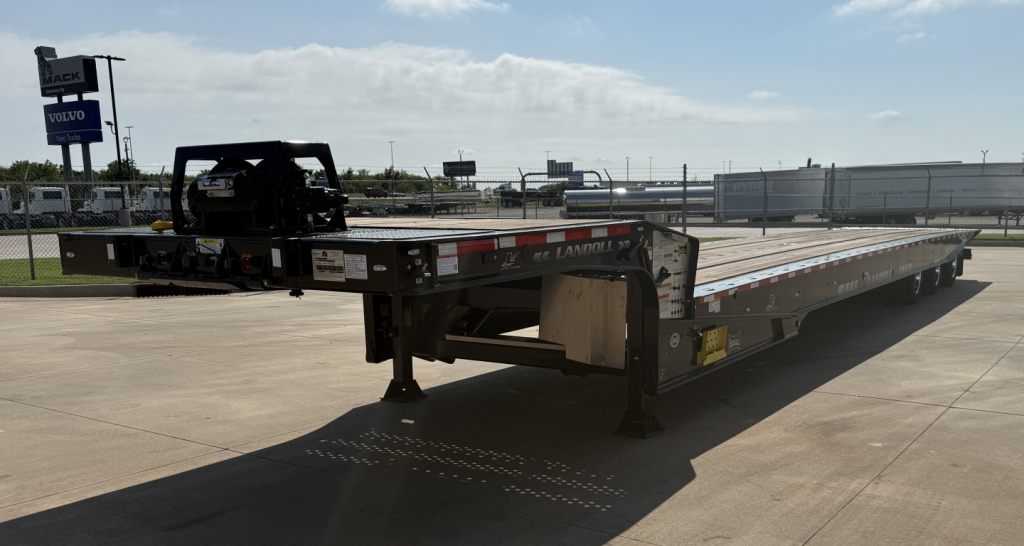
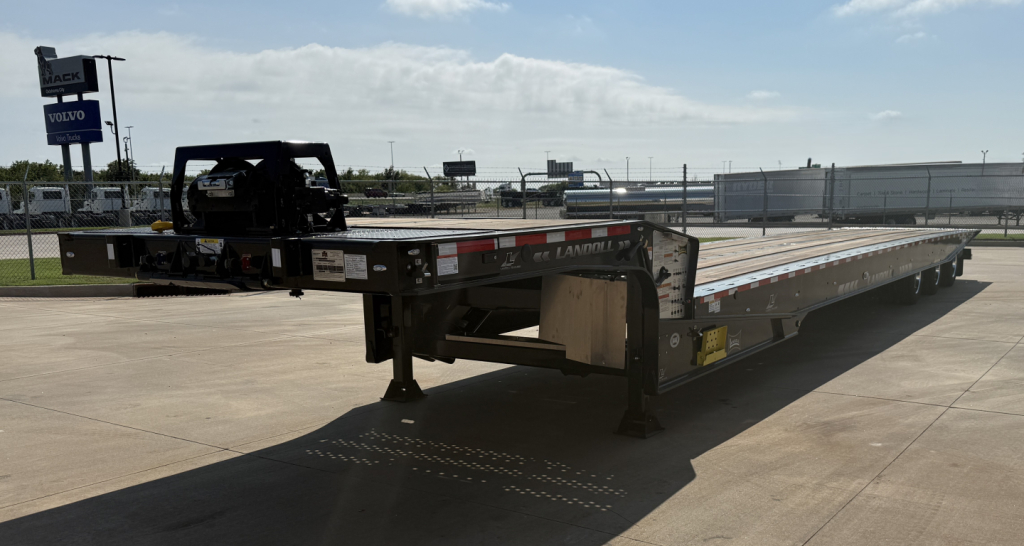
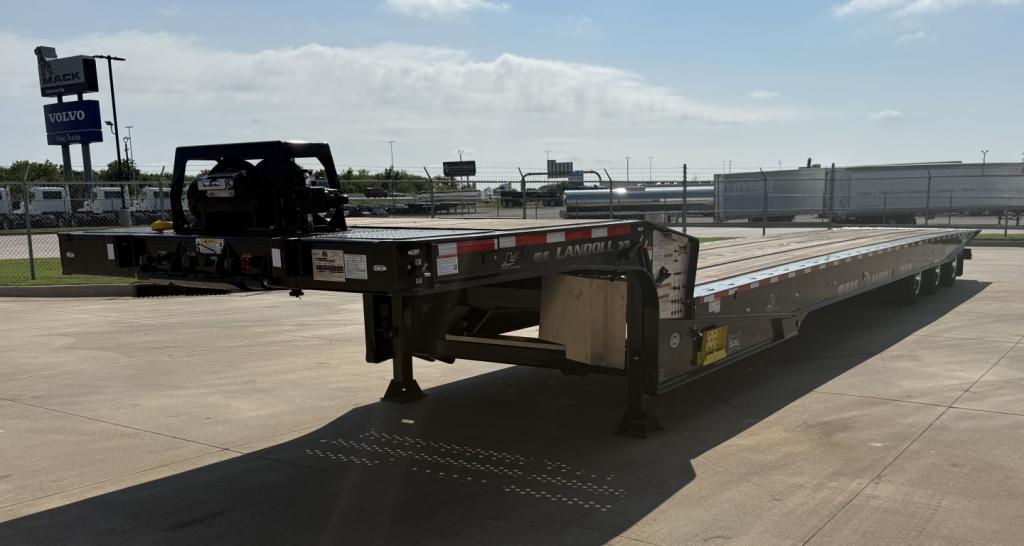
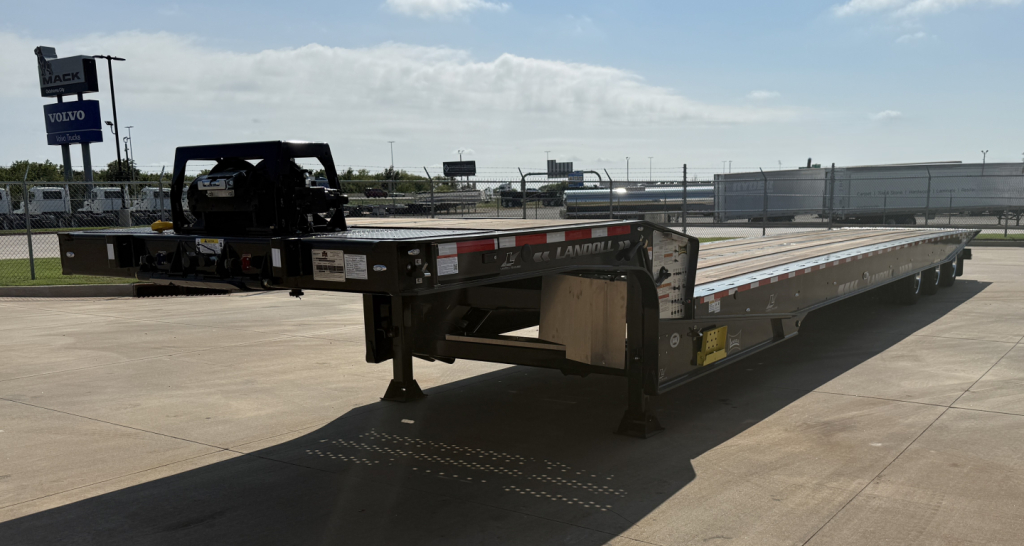
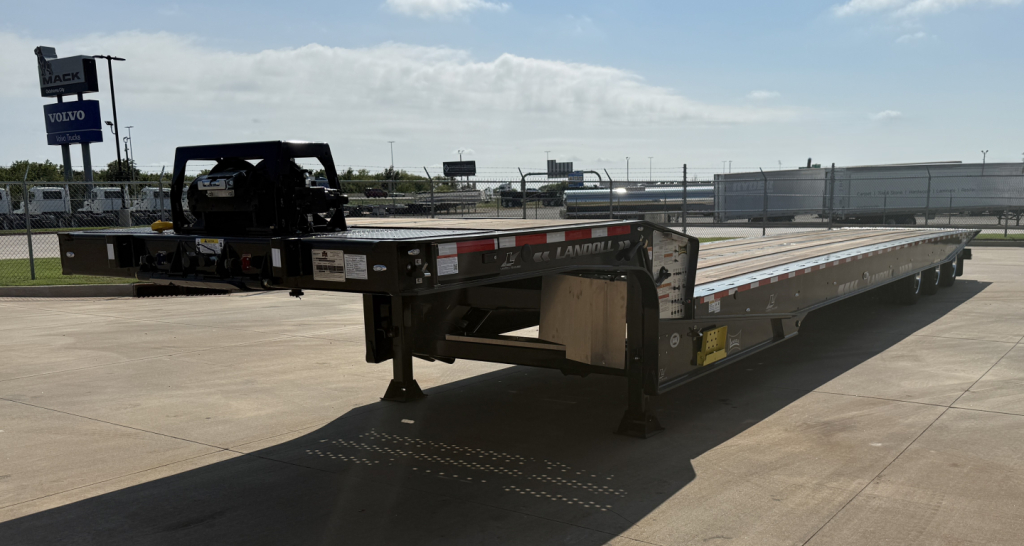
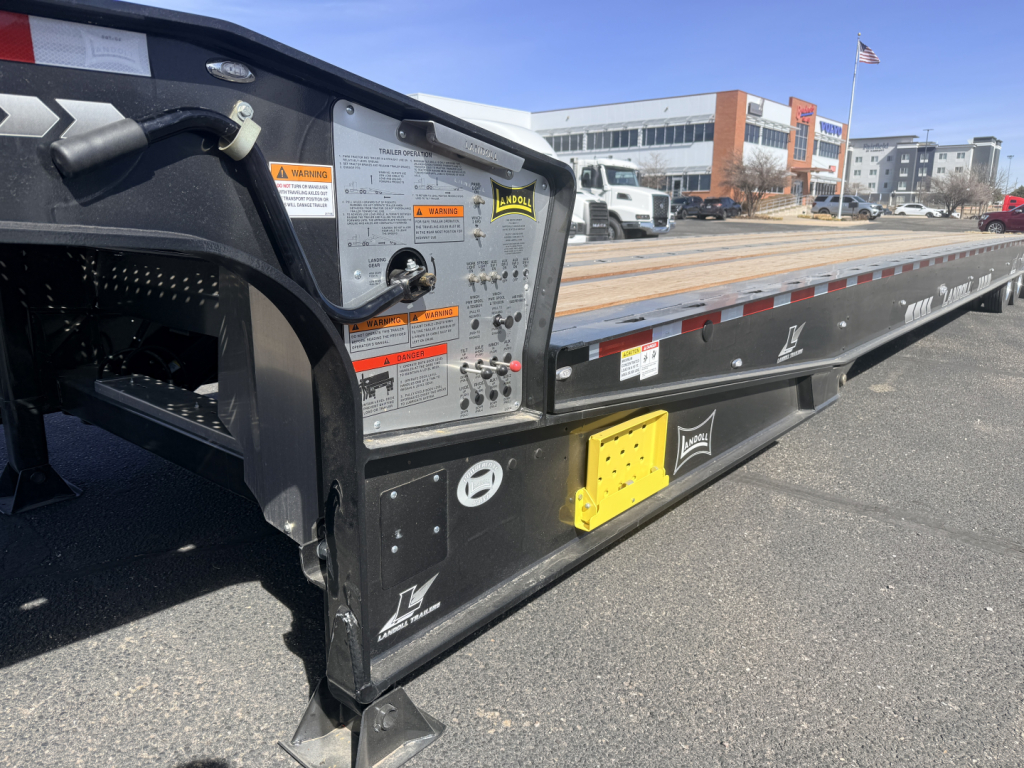
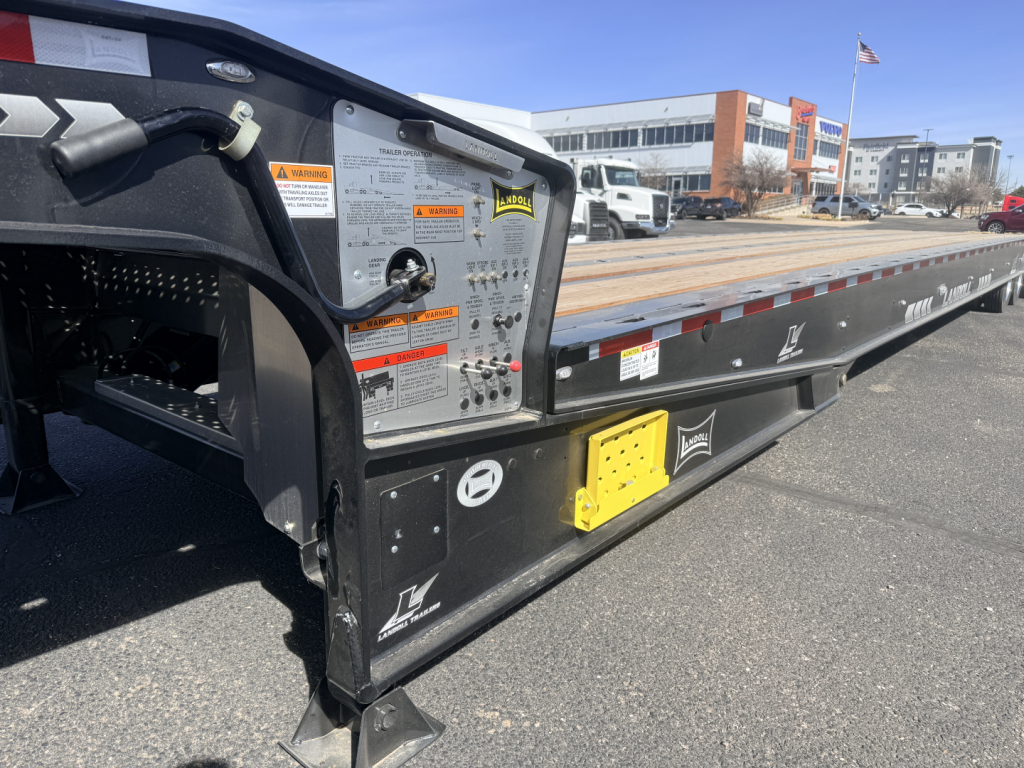
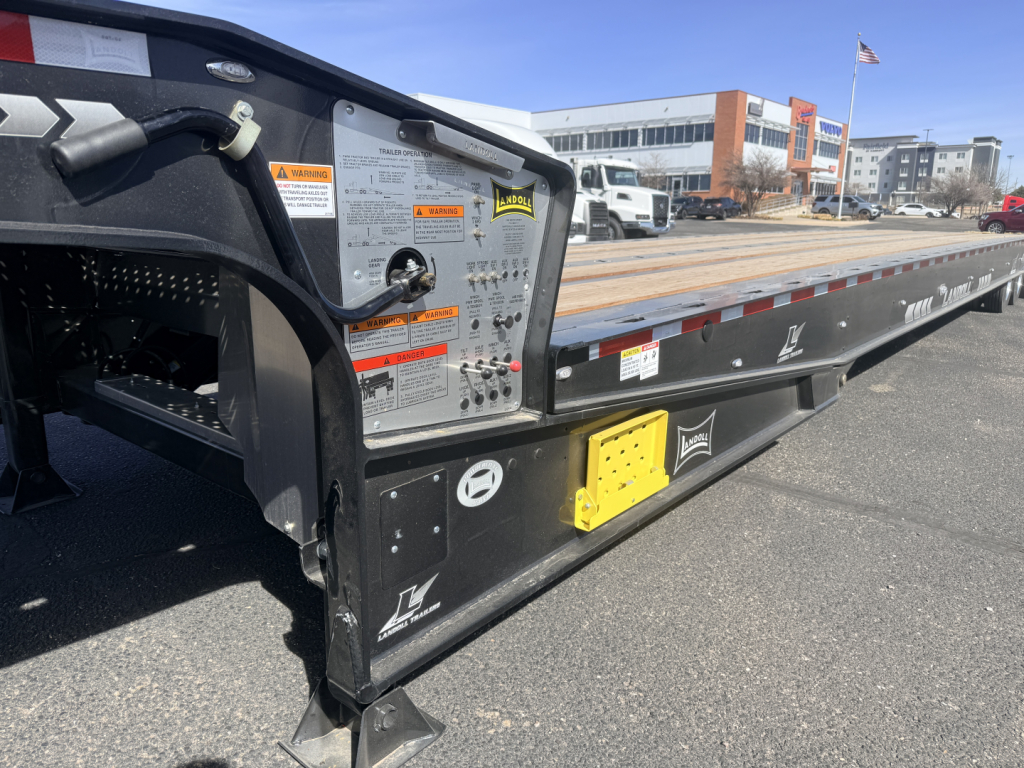
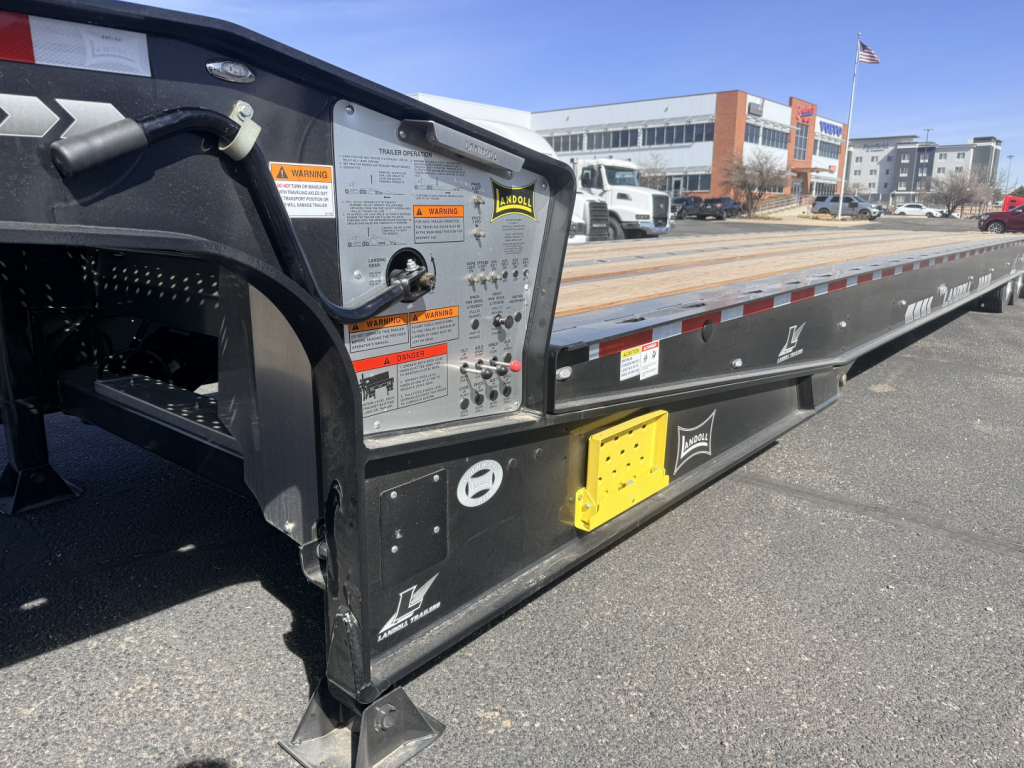
Selling a landoll trailer? List your landoll trailer for sale and reach thousands of commercial buyers.
Landoll Trailers in Texas
The main buying decisions usually come down to deck length, axle configuration, rated capacity, and how the trailer manages approach angle. A model like the Landoll 930 series is typically spec'd for heavy equipment with a hydraulic tilt deck, air ride suspension, and tandem axle layout in the 50,000 to 70,000 lb class, though exact ratings vary by build. Key specs worth checking include kingpin setting, swing clearance, loaded deck height, lower deck length, tail length, and ground clearance. Buyers hauling pavers, rollers, skid steers, compact track loaders, forklifts, or agricultural equipment should also pay close attention to load angle, traction plating, chain slot layout, winch capacity, and deck surface materials such as Apitong flooring.
A Landoll trailer's value is often in day-to-day usability. Features like wireless remote controls for tilt and winch functions, air dump valves, tool storage, LED work lighting, strobe lighting, and tire inflation systems can make a real difference when loading in tight jobsites or on uneven ground. Air ride suspension helps protect both the trailer and the machine being hauled, while common tire sizes such as 17.5-inch rubber keep the deck profile low. Drum brakes, steel construction, polished outer wheels, and powder coat finishes are also typical on many specs buyers will see in the market.
For Texas buyers, application matters as much as gross capacity. A trailer that spends most of its time moving compact equipment between metro jobs may be spec'd differently than one handling larger iron across longer distances in West Texas. Look closely at axle ratings, securement points, deck length behind the kingpin, and whether the trailer's tail and hydraulic geometry fit the equipment mix you haul most often. A properly matched Landoll can reduce loading time, improve machine clearance, and give a fleet a more versatile option than a conventional fixed deck equipment trailer.
Frequently Asked Questions about Landoll Trailers in Texas
What is a Landoll trailer best used for?
Landoll trailers are best known for hauling construction and industrial equipment that benefits from a low load angle and hydraulic loading system. They are commonly used for skid steers, compact track loaders, rollers, pavers, forklifts, tractors, and other machines that can be difficult to load on a standard fixed deck trailer. Their design helps reduce loading time and improves clearance for lower-profile equipment.
What should I look at first when comparing Landoll trailers?
Start with rated capacity, usable deck length, lower deck length, tail length, and loaded deck height. After that, review axle count, axle ratings, suspension type, kingpin setting, swing clearance, and the trailer's load angle. Those numbers tell you how well the trailer will handle your equipment weights, wheelbase, and ground clearance needs in real operating conditions.
Are Landoll trailers good for low-clearance equipment?
Yes. One of the main reasons buyers choose a Landoll trailer is the hydraulic tilt design that creates a lower loading angle than many conventional equipment trailers. That makes them a strong fit for pavers, scissor lifts, sweepers, forklifts, and other machines that are prone to dragging or hanging up during loading and unloading.
Why does air ride matter on a Landoll trailer?
Air ride suspension helps cushion the load, improve ride quality, and maintain better control over deck height during operation. For fleets hauling expensive equipment, it can reduce shock transfer compared with rougher suspension setups. Air dump functionality also helps during loading by adjusting trailer height and improving approach geometry.
What deck and securement features are important on a Landoll trailer?
Buyers should pay attention to deck material, traction plates, chain slots, winch setup, and overall tie-down layout. Apitong decking is a common choice because it holds up well under equipment traffic, while traction plating on the tail and approach improves grip during loading. A good securement layout saves time and makes it easier to position chains and binders correctly for different machine types.