
Pneumatic - Dry Bulk Trailers For Sale in Texas
Shop pneumatic dry bulk trailers for cement, sand, lime, and fly ash. Compare aluminum and steel builds, capacities, weights, and suspension.
Have pneumatic - dry bulk trailer to sell? List it here to reach thousands of buyers.
Pneumatic - Dry Bulk Trailers in Texas
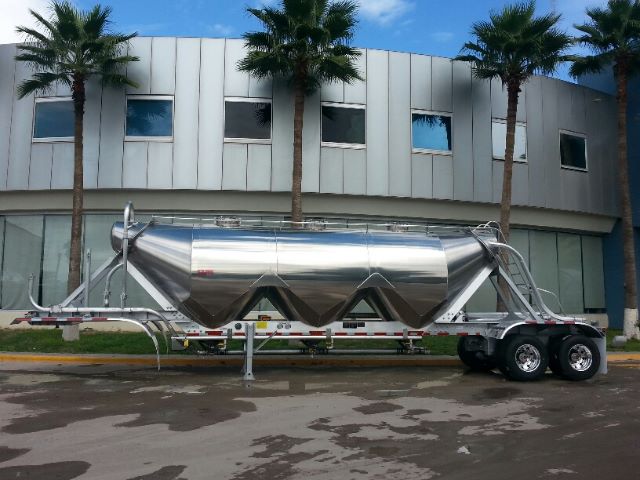
Capacity and empty weight are closely linked, so aluminum versus steel construction deserves a hard look. Aluminum pneumatic trailers are favored when payload is the priority, since they typically cut tare weight and improve legal carrying capacity. Steel units are often chosen for tougher service, abrasive commodities, or operations that value durability over every last pound of payload. Many dry bulk trailers in this class run around 42 feet in length with tandem axles, air ride suspension, 24.5-inch wheels, and capacities near the 1,000 cubic foot range, but actual usable payload depends on product density and bridge laws. Hopper thickness, shell thickness, frame design, and the quality of welds matter more than paint when a trailer is loaded every day with heavy material.
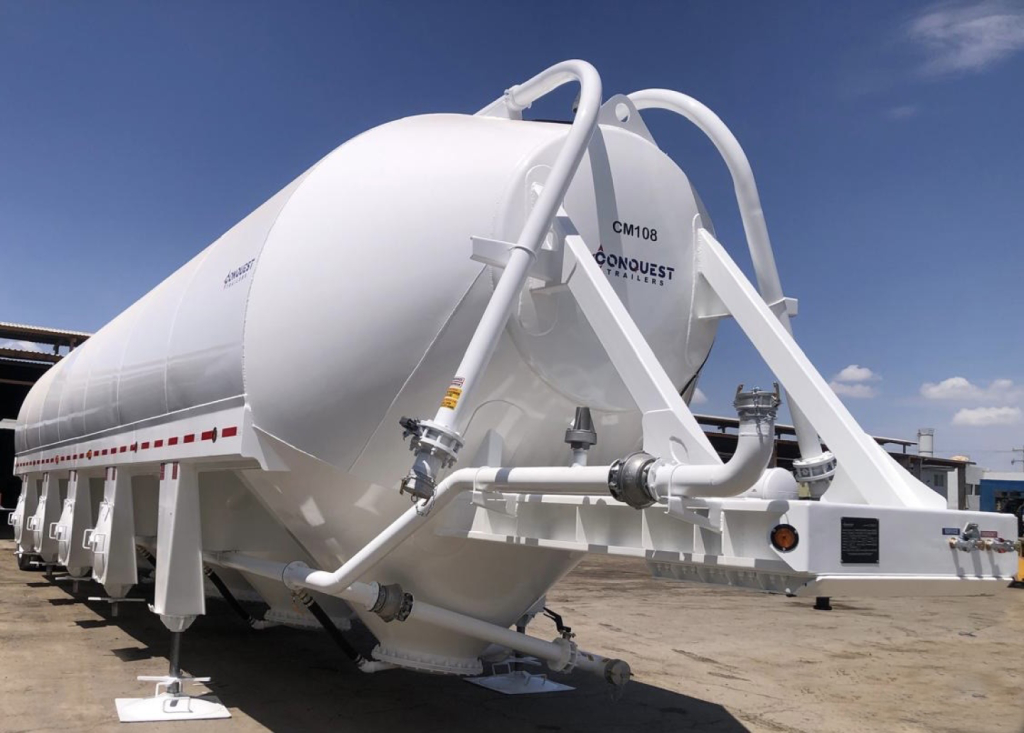
Unloading system design is where one pneumatic trailer can separate itself from another. Look closely at the cone configuration, drop tees, vibrators, blowdown plumbing, aeration, and hose storage. Features like flow cone vibration systems, bottom drop tees, and properly sized discharge plumbing can make a major difference in unload speed and cleanout. Suspension and running gear also deserve attention because these trailers often see repeated off-pavement loading environments and high gross weights. Hendrickson air ride setups, quality landing gear, aluminum wheels, and well-protected lights and wiring are common specs buyers look for when uptime is critical.
A smart inspection should focus on tank condition, pressure integrity, and maintenance history. Verify the hydrostatic test or pressure test documentation, inspect hoppers and seams for cracking or repairs, and check the manifold, valves, gauges, and hoses for wear or leakage. Ask about prior commodities, because contamination risk matters if the next load is food-grade, resin, or another sensitive product. In Texas service, it also helps to consider climate, route length, and loading site conditions when comparing trailers. The right pneumatic dry bulk trailer is the one that balances cubic capacity, legal payload, unload efficiency, and long-term durability for the material you haul every day.
Frequently Asked Questions about Pneumatic - Dry Bulk Trailers in Texas
What commodities are pneumatic dry bulk trailers commonly used to haul?
Pneumatic dry bulk trailers are commonly used for cement, fly ash, lime, sand, frac sand, flour, sugar, and plastic pellets or resin, depending on the trailer’s configuration and cleanliness standards. The commodity matters because bulk density and flow behavior affect how much product the trailer can legally carry and how efficiently it will unload. Some setups are better suited for abrasive construction materials, while others are maintained for cleaner industrial or food-related service.
Is an aluminum or steel pneumatic dry bulk trailer better?
Aluminum is typically preferred when lower empty weight and higher payload are the priority, which can improve revenue on dense commodities within legal weight limits. Steel is often selected for rugged duty cycles and applications where impact resistance and long-term structural durability are more important than saving tare weight. The better choice depends on the commodity, route, expected abuse, and how closely the operation runs against gross and bridge limits.
What should I inspect on a used pneumatic dry bulk trailer?
Focus on the pressure vessel, hopper sections, weld seams, discharge plumbing, valves, gauges, and hose tubes. Review pressure test records and inspect for cracks, patch repairs, corrosion, leaking fittings, and worn vibration or aeration components. Running gear matters too, so check suspension condition, brake wear, wheel-end service history, tires, and landing gear. A trailer can look clean outside and still have costly issues in the tank, plumbing, or pressure system.
How important is cubic foot capacity on a pneumatic dry bulk trailer?
Cubic foot capacity is important, but it should never be viewed alone. A larger cubic capacity trailer does not always mean a larger legal payload, because the commodity’s density and the trailer’s empty weight may put the combination at a weight limit before the tank is full. Buyers should compare cubic capacity, tare weight, axle setup, and the actual product being hauled to determine which trailer will deliver the best legal payload and operating efficiency.
What features help a pneumatic dry bulk trailer unload faster and cleaner?
Efficient unloading depends on a well-designed cone and plumbing system, including properly configured hoppers, drop tees, vibration or aeration systems, and discharge lines sized for the commodity. Clean hose storage, good seals, functional valves, and a pressure system without leaks also improve unload time. For hard-to-flow materials, vibration systems and well-designed flow cones can make a noticeable difference in how completely the trailer empties and how much residual product is left behind.