
Gallegos Trailers For Sale in Texas
Shop Gallegos trailers for sale in Texas. Compare dry bulk pneumatic trailer specs, construction, tare weight, suspension, and capacity.
Have gallegos trailer to sell? List it here to reach thousands of buyers.
Gallegos Trailers in Texas
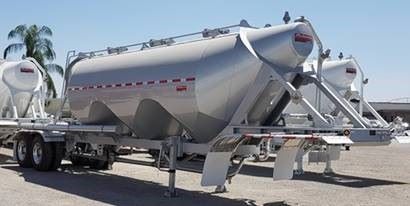
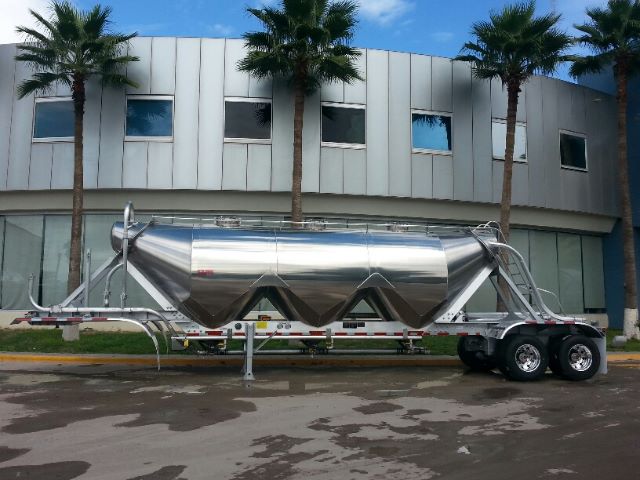
Common Gallegos pneumatic trailers in the market include 42-foot tandem axle configurations around 1,040 cubic feet, a popular size for moving cement, fly ash, lime, sand, and similar dry bulk products. Typical specs include air ride suspension, 24.5-inch wheels, and hose tube storage for bulk unloading equipment. Many units are built with components buyers already know, such as Hendrickson suspensions, Holland or Atlas landing gear, aluminum wheels, and vibration-assisted discharge systems. On bulk trailers, hopper design, cone flow, bottom drop arrangement, and pressure or vibration system setup matter as much as the published cubic capacity.
A serious buyer should pay close attention to commodity match, not just trailer size. Fine powders, heavier bulk materials, and products prone to bridging can all change which trailer setup performs best. Steel versus aluminum vessel thickness, operating pressure rating, hydrostatic test rating, discharge plumbing, and vibrator or flow cone design all affect unloading speed and residual material left in the tank. If the trailer will stay in Texas service, also consider heat, road conditions, and the availability of service parts for suspension, brakes, valves, and pneumatic components.
Gallegos trailers appeal to owner-operators and bulk fleets that want a straightforward spec with practical running gear and familiar service items. When comparing listings, it is smart to look beyond model year and focus on tare weight, overall vessel condition, suspension brand, axle rating, tire size, wheel material, and signs of prior weld or structural repair. For pneumatic dry bulk work, the right trailer is the one that matches your product density, unloading system, and legal payload targets without creating service headaches.
Frequently Asked Questions about Gallegos Trailers in Texas
What are Gallegos trailers commonly used for?
Gallegos trailers are commonly associated with pneumatic dry bulk hauling, especially for commodities such as cement, fly ash, lime, sand, and other powdered or granular materials. These trailers are designed to load in bulk and unload through pressurized or vibration-assisted systems, which makes them a practical choice for construction supply, industrial material, and oilfield support operations.
Should I choose a steel or aluminum Gallegos pneumatic trailer?
The choice depends on your freight and operating priorities. Aluminum trailers usually offer lower empty weight, which can increase legal payload and improve efficiency on weight-sensitive lanes. Steel trailers generally give up some payload but can be attractive for severe service, abrasive commodities, or buyers who prioritize ruggedness and repair familiarity. The better option is the one that fits your commodity, route profile, and maintenance program.
What specs matter most on a Gallegos dry bulk trailer?
The most important specs are cubic capacity, tare weight, body material, vessel thickness, suspension type, axle rating, and discharge system design. Buyers should also look at hopper configuration, vibrator or flow cone setup, hose tube capacity, wheel and tire size, and pressure-related details such as working pressure and test rating. Those specifications determine payload, unloading speed, and long-term serviceability more than paint or model year alone.
Is a 1,040 cubic foot pneumatic trailer a good all-around size?
A 1,040 cubic foot trailer is a common all-around size in dry bulk because it balances capacity, maneuverability, and legal weight considerations for many products. It works well for a broad range of construction and industrial commodities, but the right size still depends on product density. Heavier materials can gross out before filling the vessel, while lighter materials may benefit from larger cubic capacity.
What should I inspect before buying a used Gallegos trailer?
Inspect the vessel for cracks, patches, corrosion, and signs of weld repair around hoppers, seams, mounts, and the subframe. Check suspension condition, brake components, tires, wheels, landing gear, valves, plumbing, and hose tube integrity. On a pneumatic trailer, unloading performance is critical, so pay close attention to the condition of the discharge system, bottom drops, vibrators, and any evidence of air leaks or prior pressure-related repairs.