
Gallegos Trailers For Sale
Browse Gallegos trailers for sale, including pneumatic dry bulk and vacuum tank trailers with buyer-focused details on specs, materials, and use.
Selling a gallegos trailer? List your gallegos trailer for sale and reach thousands of commercial buyers.
Gallegos Trailers
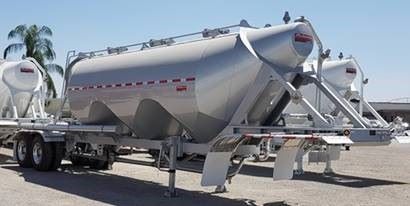
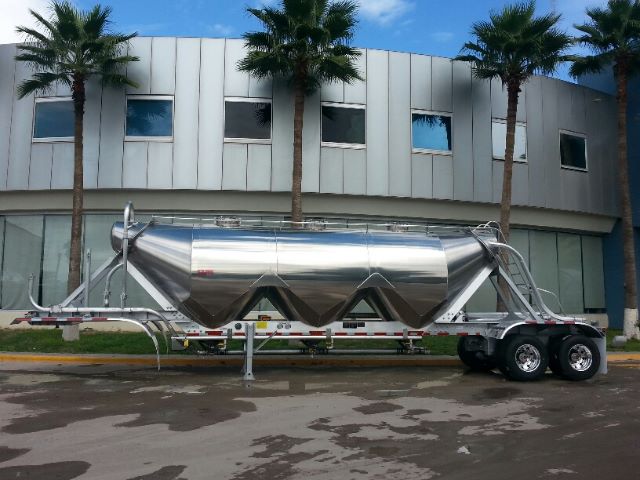
On pneumatic dry bulk models, key buying points include cubic foot capacity, hopper design, discharge system, and empty weight. A typical Gallegos pneumatic trailer in this class may run around 42 feet in length with capacities near 1,040 cubic feet, usually on a tandem axle air ride suspension. Buyers hauling cement, fly ash, lime, sand, or similar dry commodities should pay close attention to hopper wall thickness, body construction, vibrator or flow cone setup, hose tube storage, and the discharge plumbing layout. Components such as Hendrickson air ride suspension, aluminum wheels, 24.5-inch rubber, and quality landing gear are common spec areas because they influence ride quality, service life, and maintenance intervals.
Gallegos vacuum tank trailers are aimed at liquid waste, oilfield fluids, and industrial suction applications where tank construction and pressure-related features are critical. Important details include barrel capacity in barrels or gallons, shell and head thickness, baffle count, rear discharge configuration, manway layout, scrubber system, pressure gauge placement, and valve setup. Aluminum vacuum tanks can offer a strong balance of lighter weight and corrosion resistance, while buyers should still confirm lining, anticorrosive treatment, and reinforcement details based on the product being hauled. Tandem axle air ride suspensions, ABS, auto slack adjusters, hose trays, work lights, and catwalk access are all practical features that matter when these trailers spend long days in field service.
A buyer comparing Gallegos trailers should look beyond model year and focus on application fit. For dry bulk, that means matching cube capacity, material type, and discharge performance to the product and unload routine. For vacuum service, it means confirming tank design, valve package, and cleanout access against the actual job cycle. Also verify axle ratings, tire size, wheel material, lighting, and frame construction, especially if the trailer will operate on rough lease roads, at plants, or in high-cycle regional service. Gallegos trailers appeal to operators who need purpose-built equipment with straightforward specs for specialized hauling rather than general freight work.
Frequently Asked Questions about Gallegos Trailers
What types of trailers does Gallegos commonly build?
Gallegos is commonly associated with specialized trailers such as pneumatic dry bulk trailers and vacuum tank trailers. Pneumatic models are used for dry commodities like cement, sand, lime, and fly ash, while vacuum tank trailers are built for fluid recovery, industrial waste, and oilfield service. The exact build can vary by material, capacity, axle setup, and discharge configuration, so buyers should match the trailer type to the product and unloading method required.
Is aluminum or steel better on a Gallegos trailer?
Aluminum is typically preferred when lower tare weight and better corrosion resistance are priorities, which can help increase payload and reduce long-term exposure issues. Steel is often chosen for lower acquisition cost and a rugged structure suited for harsh jobsite conditions. The better choice depends on commodity type, route conditions, and how important payload gain is in your operation. On either material, wall thickness, weld quality, and reinforcement design matter as much as the base metal itself.
What should I look for on a Gallegos pneumatic dry bulk trailer?
Focus on cubic foot capacity, empty weight, body and hopper construction, vibration or flow cone discharge system, suspension, hose storage, and tire and wheel spec. A dry bulk trailer has to unload efficiently, so the hopper and plumbing design are just as important as the trailer's advertised capacity. Buyers should also check axle ratings, landing gear brand, brake setup, and whether the trailer's dimensions and kingpin setting fit the tractors and plants they run with.
What are the main inspection points on a Gallegos vacuum tank trailer?
Key inspection points include shell and head thickness, baffles, manholes, rear discharge valves, scrubber system, pressure gauge, lining condition, and any signs of corrosion or poor repairs. Also inspect suspension components, brakes, ABS, landing gear, hose trays, and catwalk or ladder access. Because vacuum trailers work in demanding environments, buyers should verify the tank was built and maintained for the intended product and operating pressure range.
Are Gallegos trailers suitable for oilfield and industrial service?
Yes. Many Gallegos vacuum and bulk trailer configurations are well suited for oilfield, industrial, and plant support work because they are designed around specialized hauling tasks rather than general freight. Pneumatic units fit dry material movement, while vacuum tank trailers fit fluid recovery and waste transport. Suitability still depends on the exact trailer spec, including material, tank or barrel size, axle rating, valve package, and jobsite durability features.