
Dump Trailers For Sale in Texas
Browse dump trailers for sale in Texas, including end dumps with steel or aluminum bodies, tandem axles, common specs, and hauling applications.
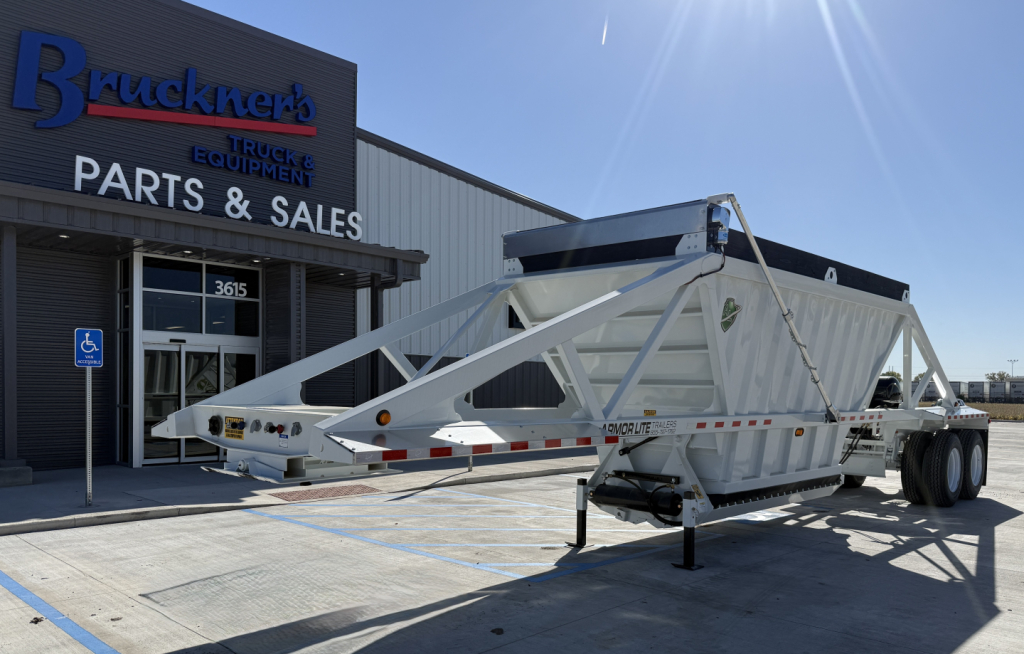
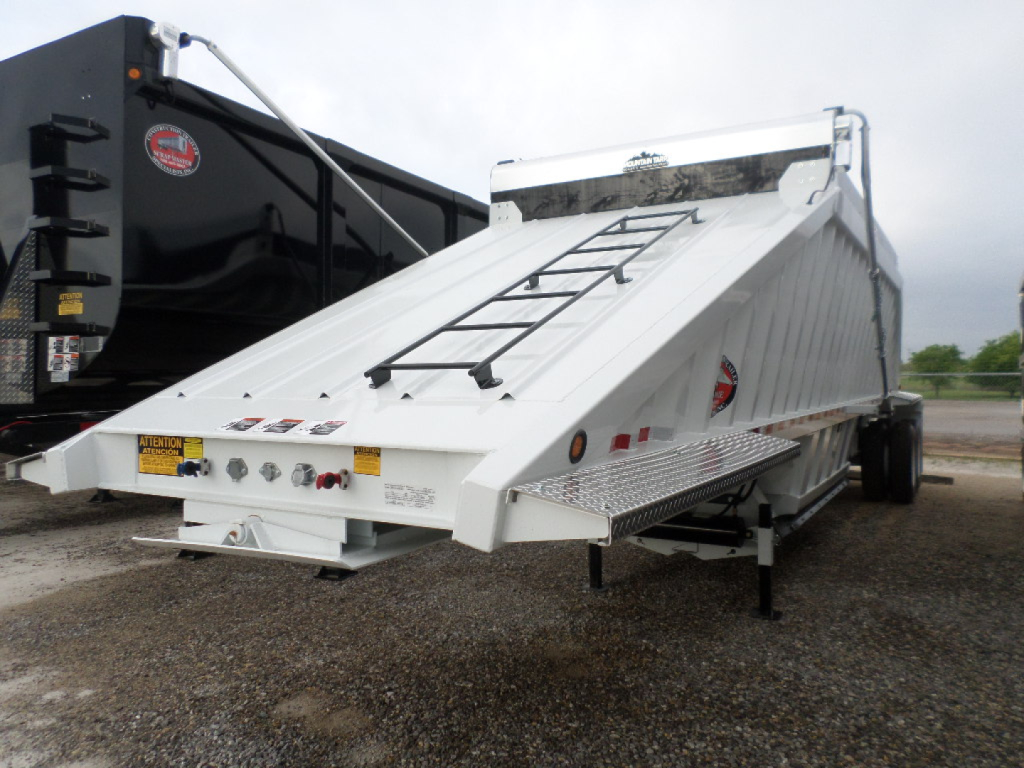
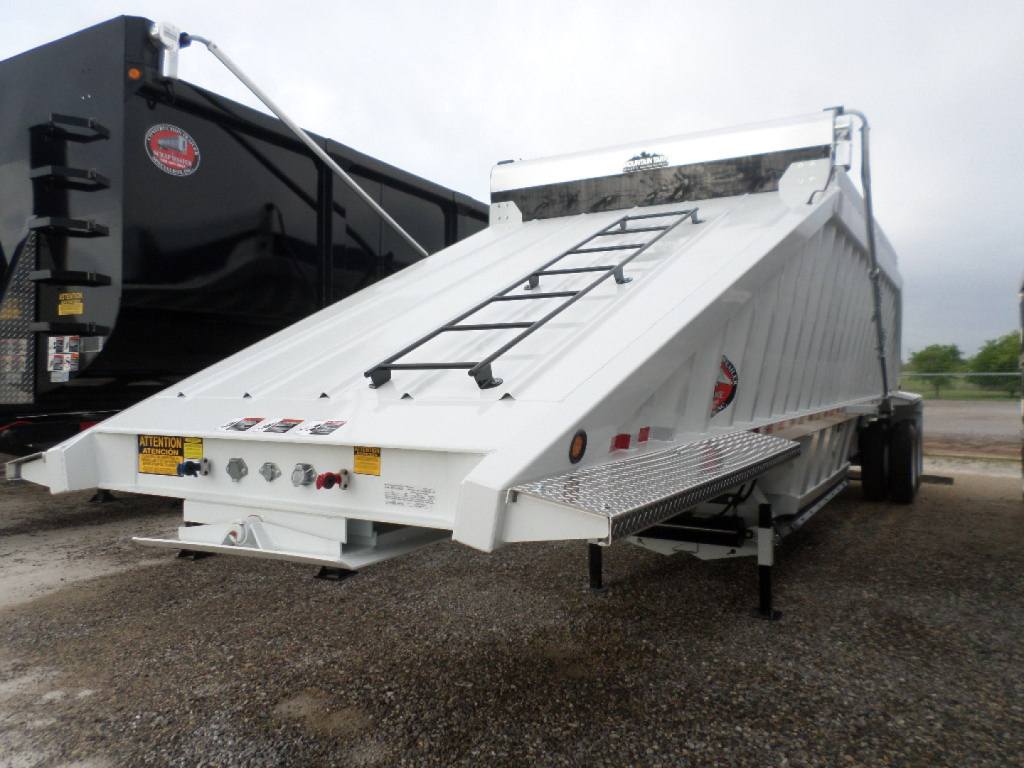
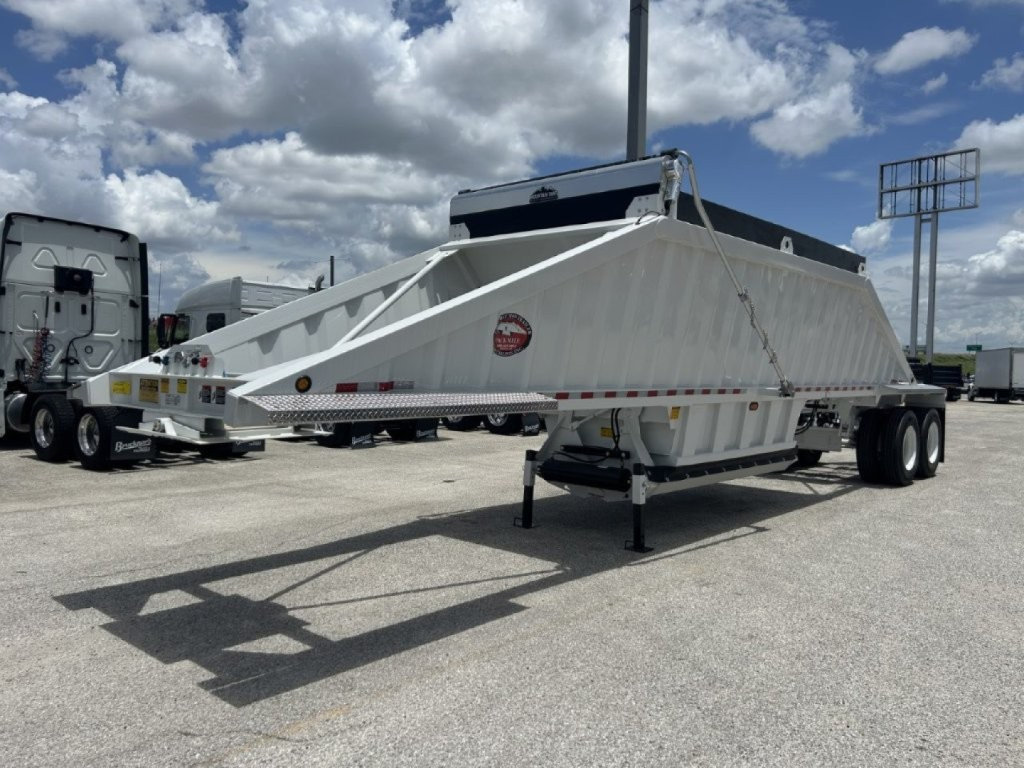
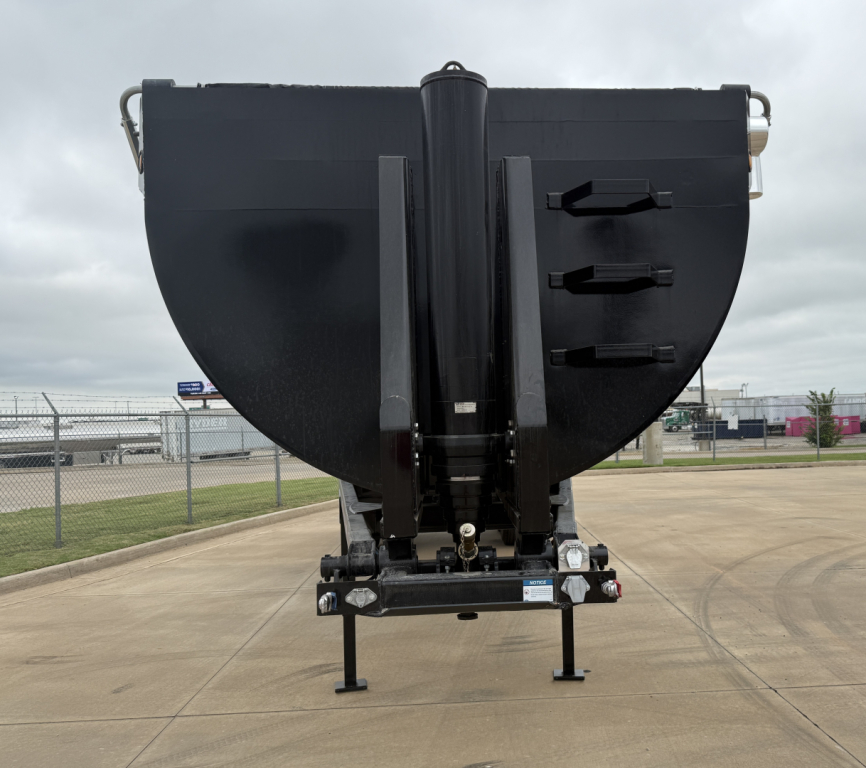
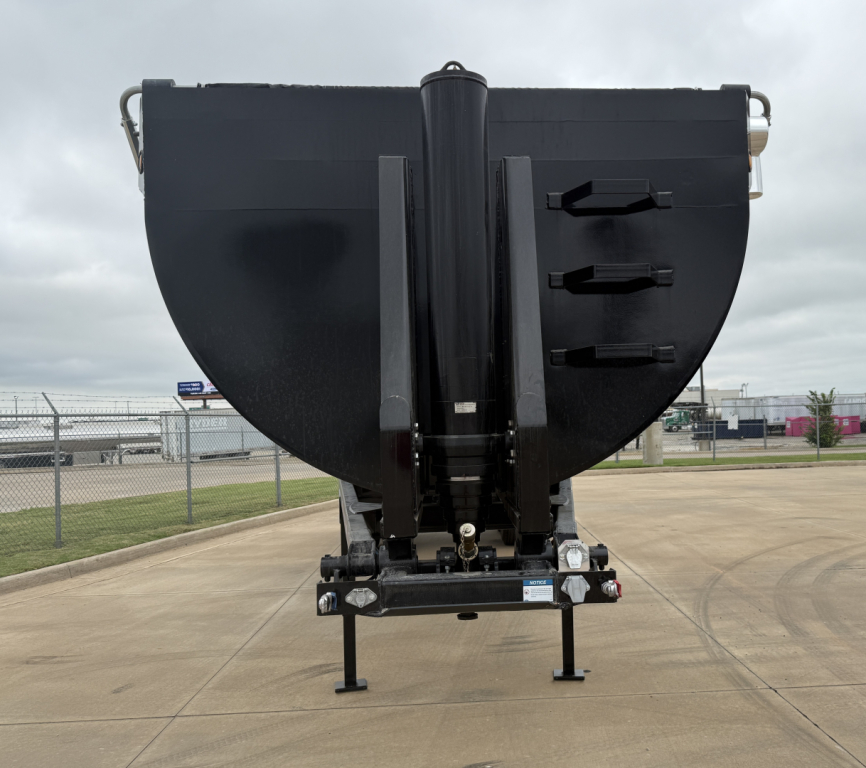
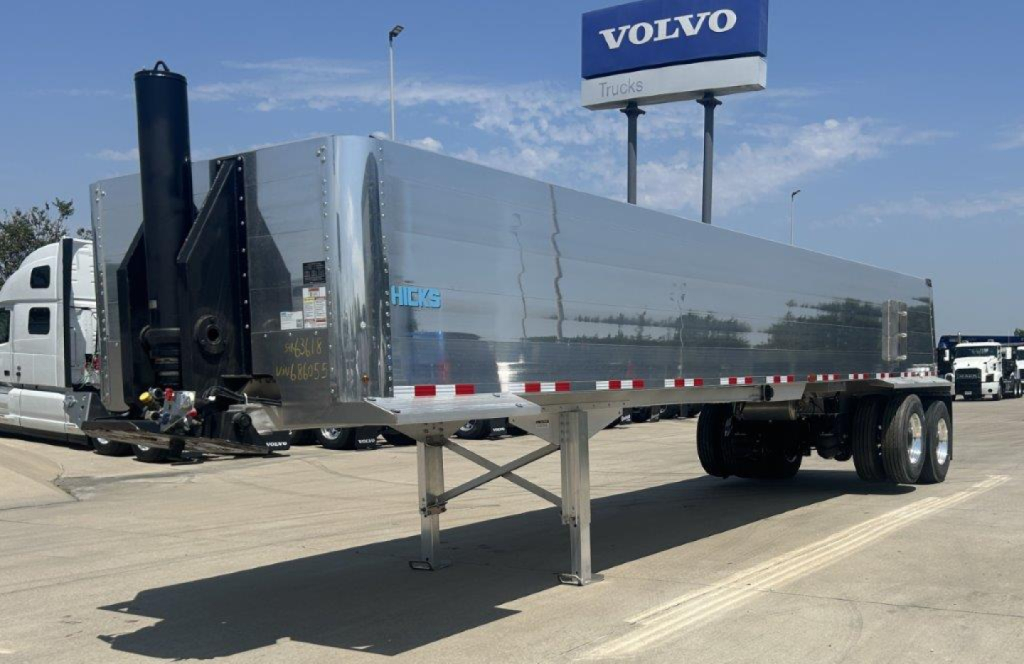

Selling a dump trailer? List your dump trailer for sale and reach thousands of commercial buyers.
Dump Trailers in Texas
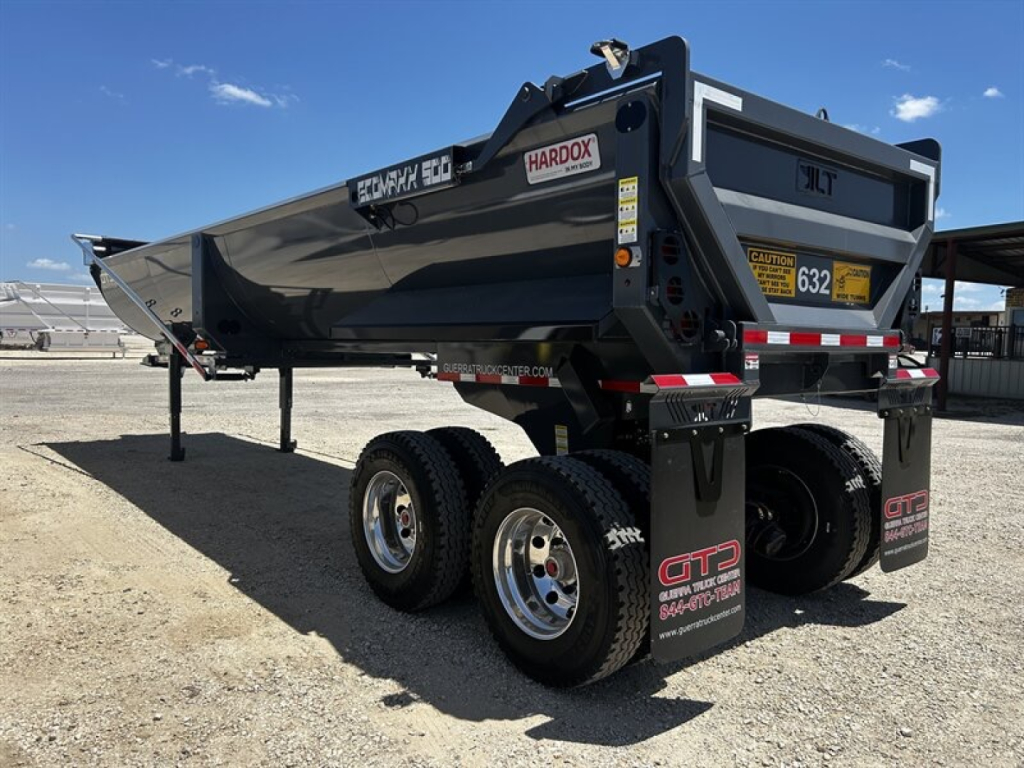
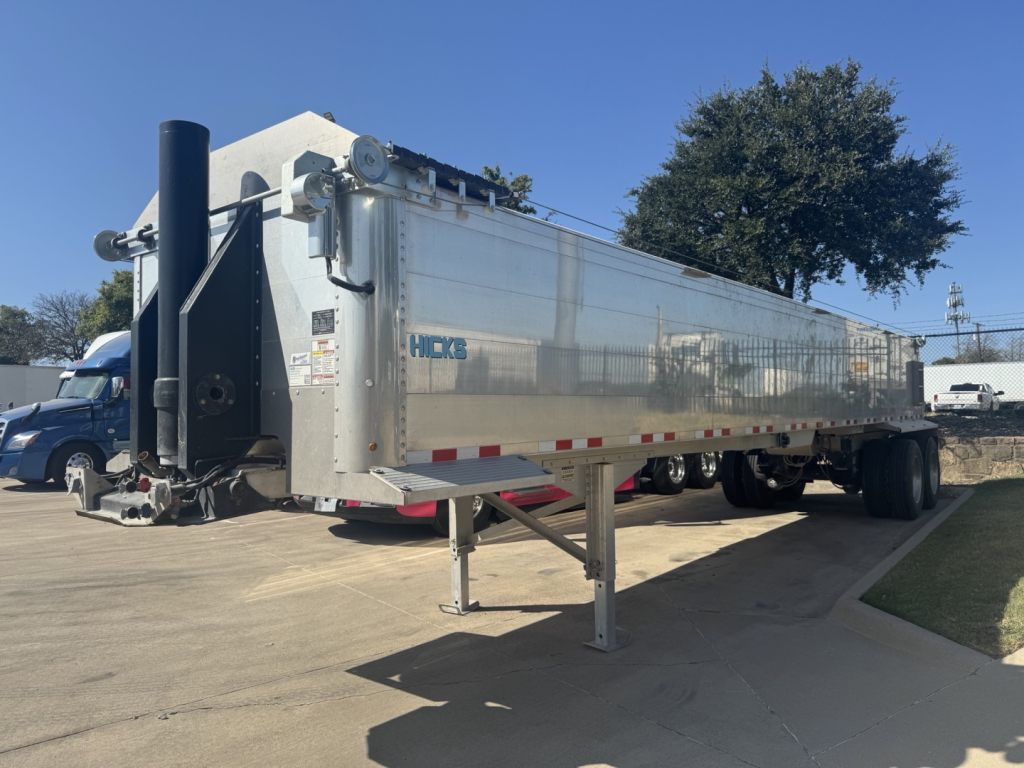
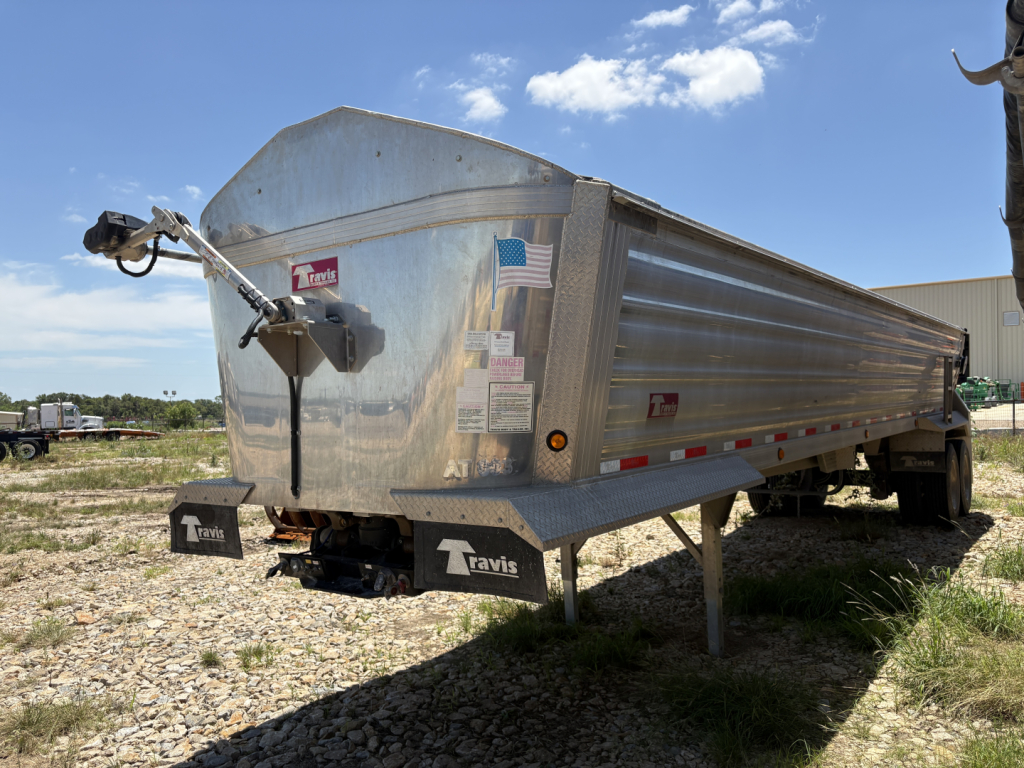
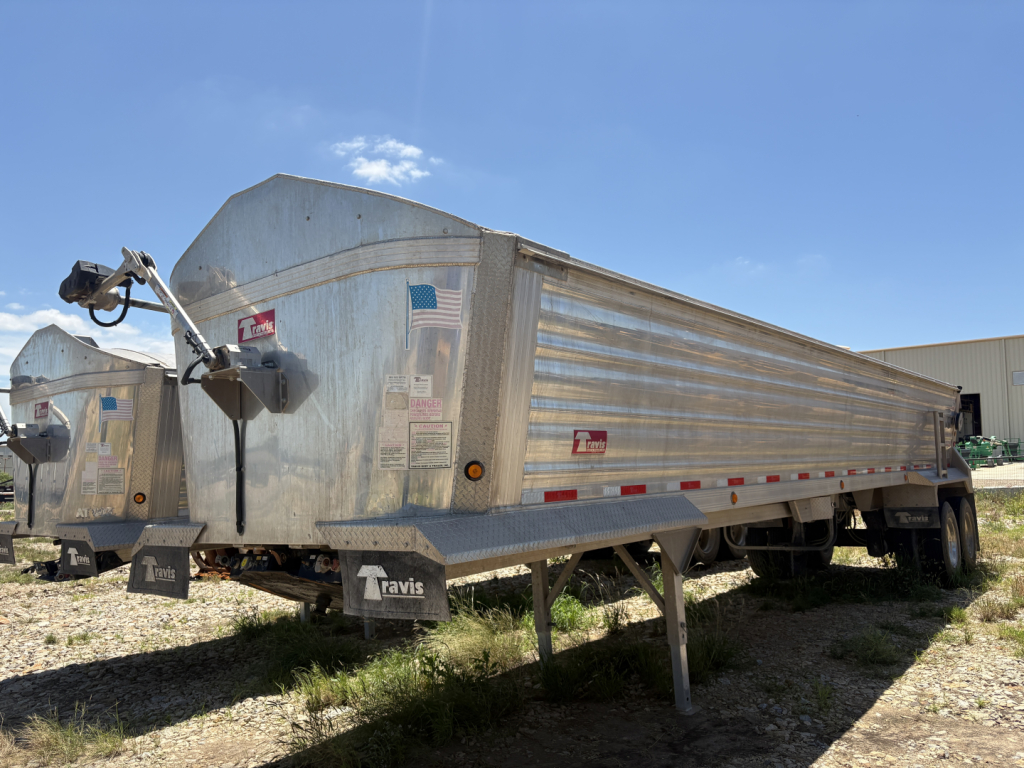
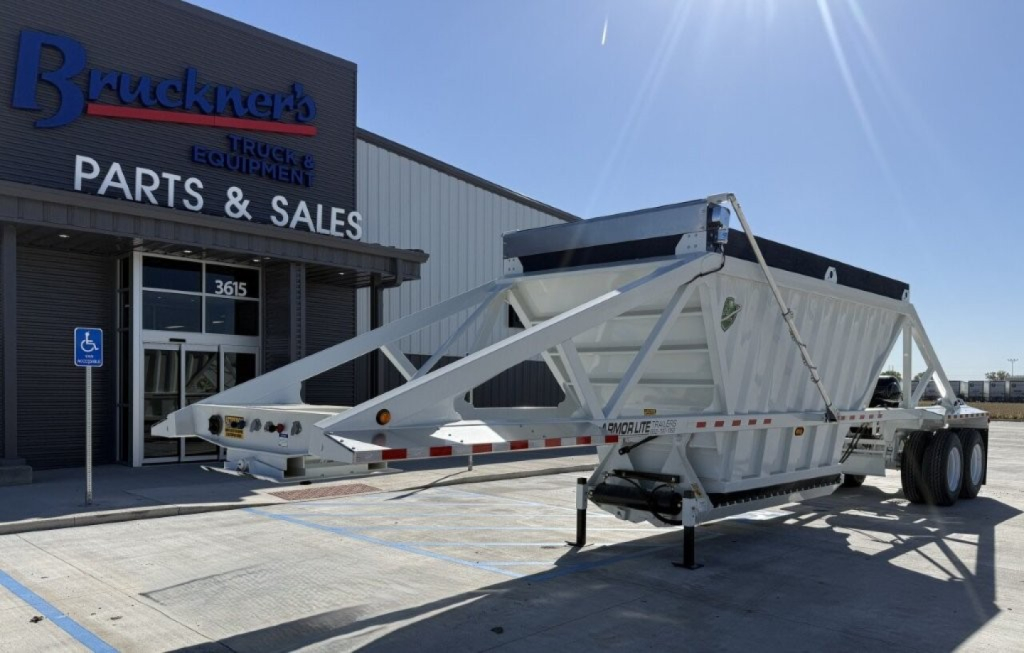
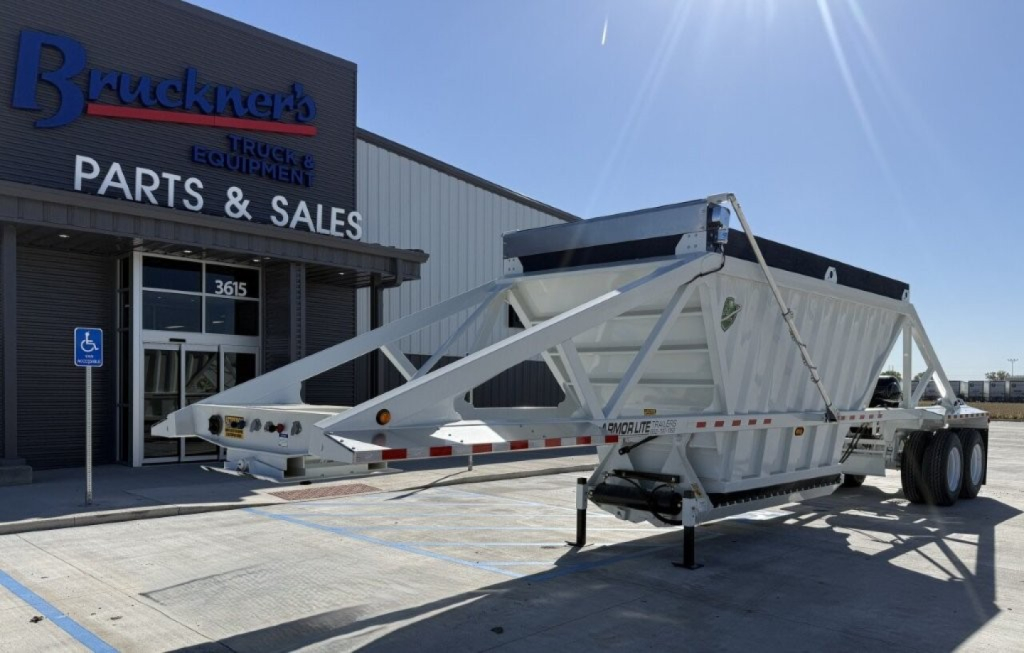
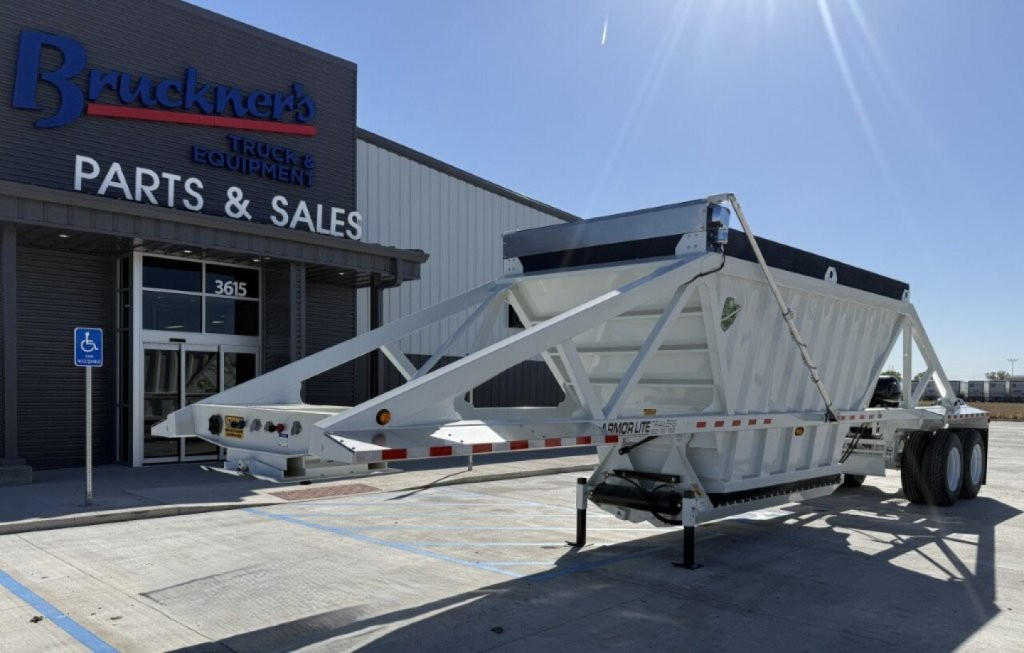
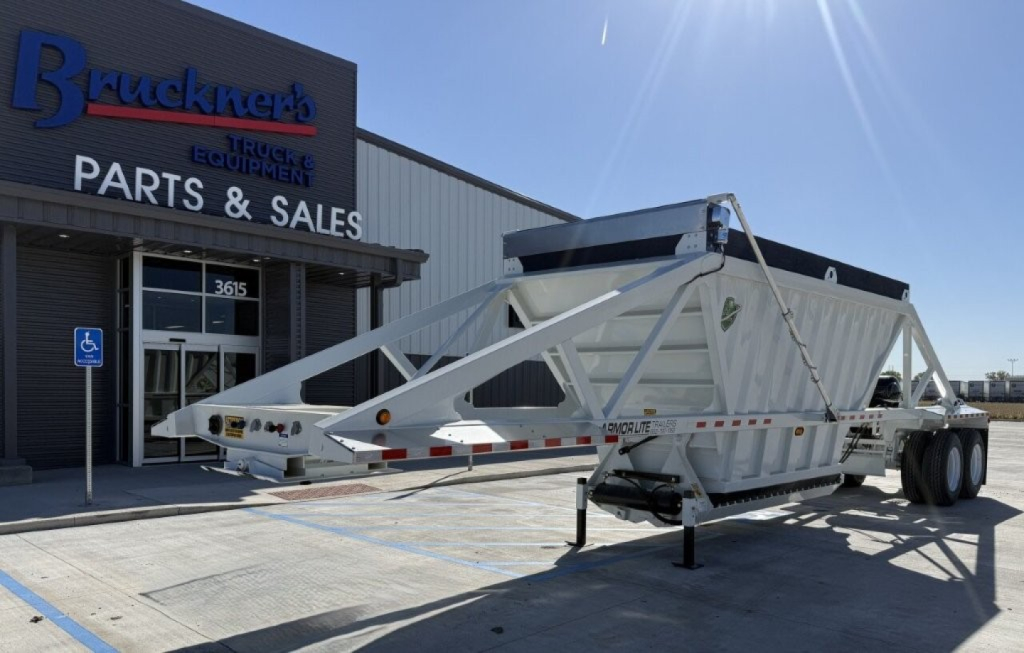
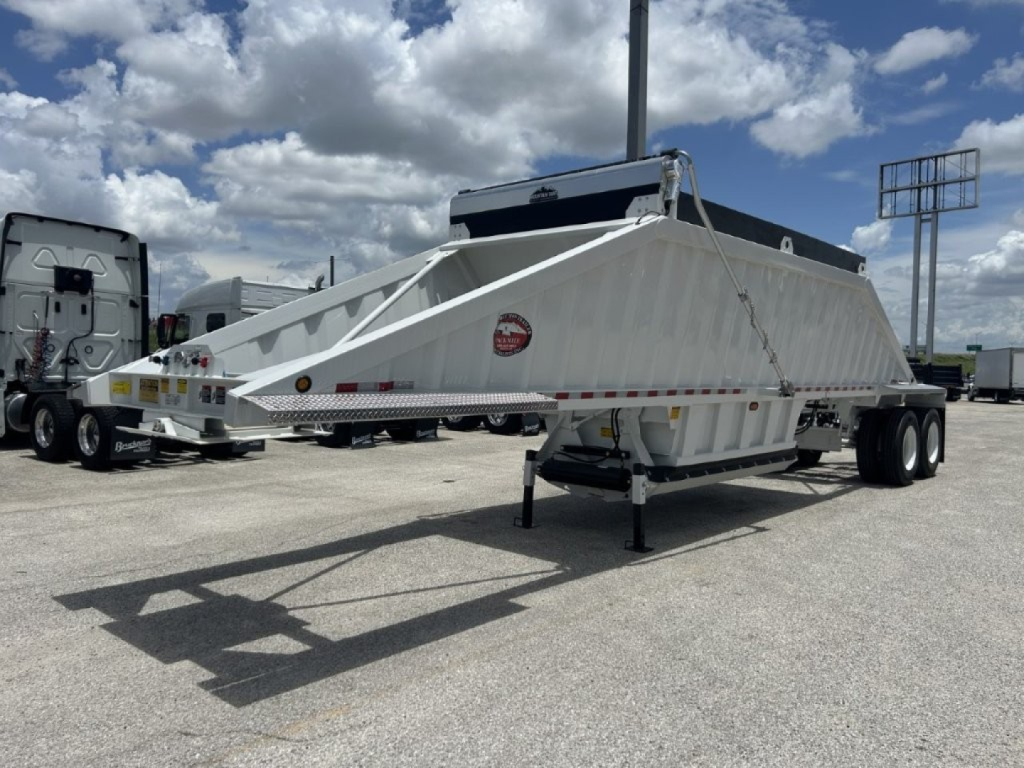
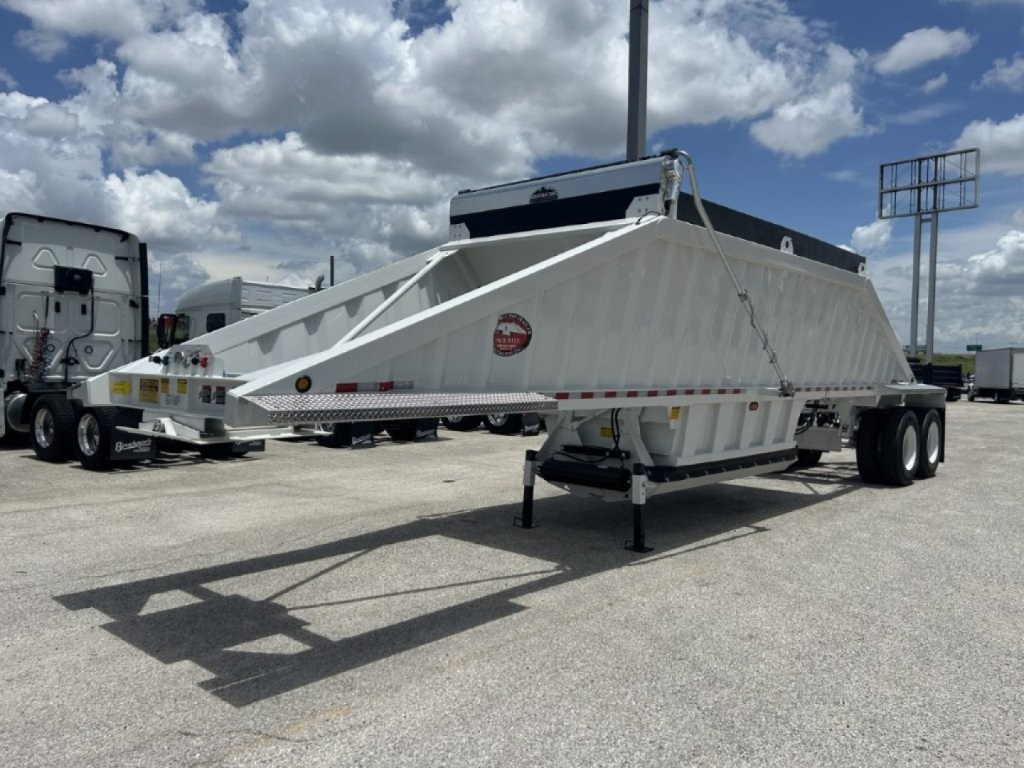
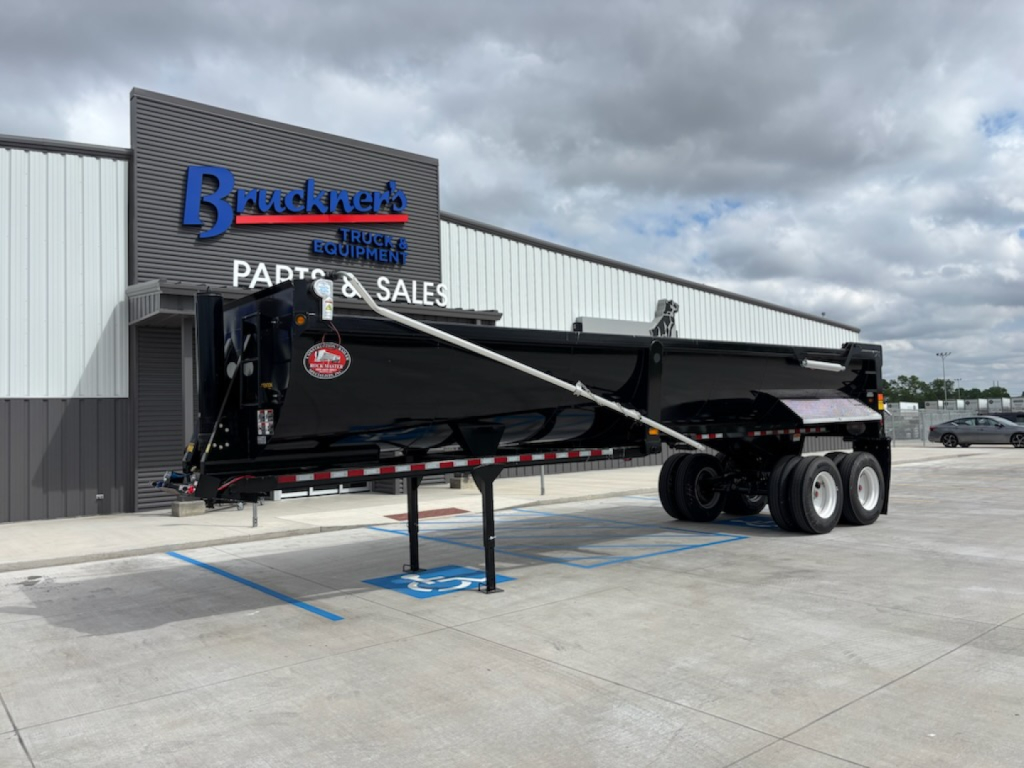
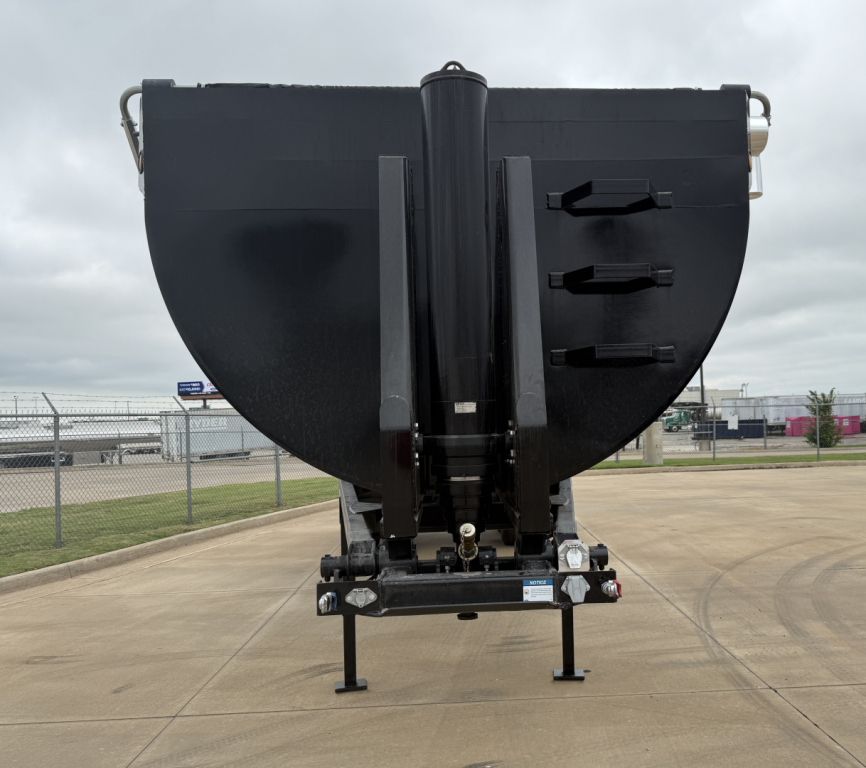
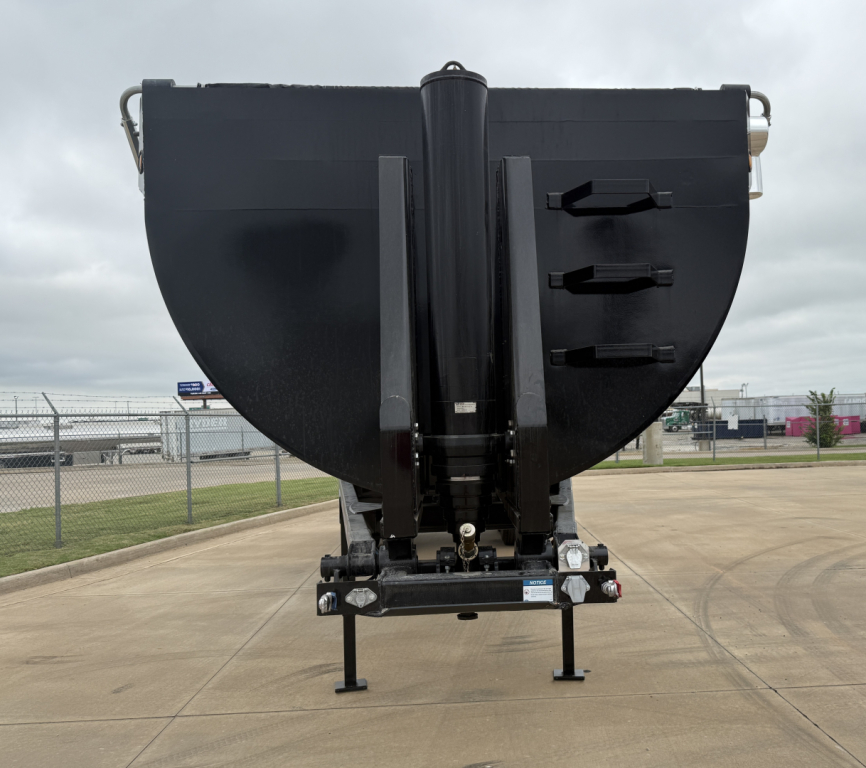
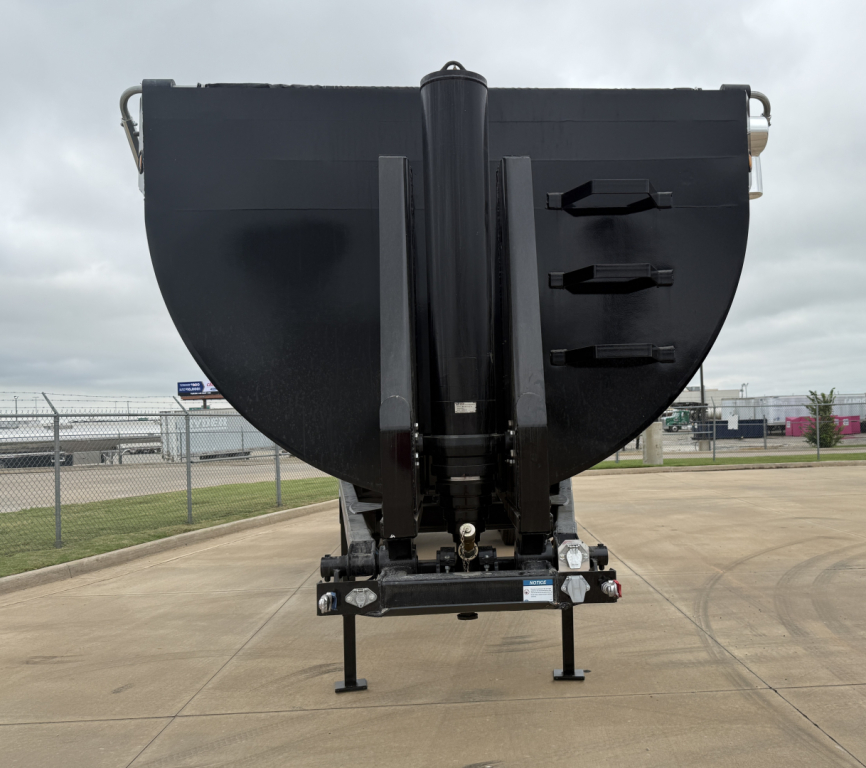
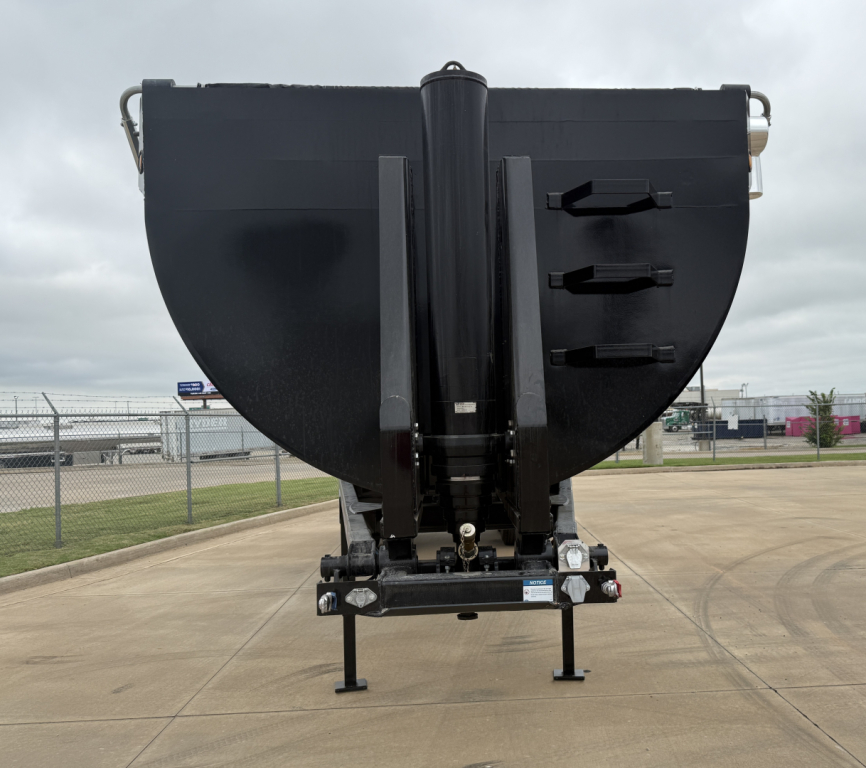
Body construction matters because it affects empty weight, durability, and what commodity the trailer handles best. Aluminum dump trailers, especially frameless end dumps, are popular when payload is a priority and corrosion resistance matters. They are often paired with aluminum wheels, tire inflation systems, lift axles, and floor liners to protect the body in abrasive applications. Steel dump trailers generally cost less up front and hold up well in severe service, especially when hauling rock, scrap, demolition material, or other dense loads that punish the body. Buyers should pay close attention to side height, cubic yard rating, liner thickness, bang boards, slope sheets, and gate design because those details determine how the trailer loads, sheds material, and survives repeated impact.
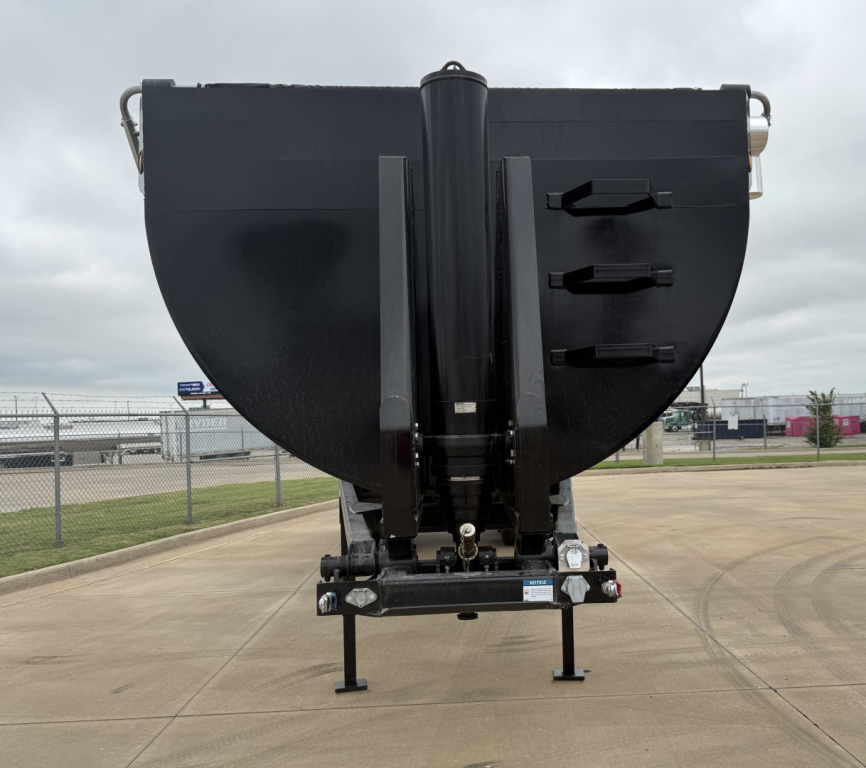
Suspension and stability deserve close attention on any dump trailer purchase. Spring ride is simple, durable, and still common on work-focused trailers, while air ride can improve road manners and reduce shock transmission into the body. Frameless designs save weight and can maximize payload, but they also put more importance on proper loading and dumping practices. Lift axle configuration, tire size, wheel material, push block setup, air tank capacity, quick release valves, and tarp style all affect day-to-day productivity. A top-hinge rear gate is common for free-flowing material, while cross gate and other gate arrangements may fit more controlled discharge. Texas operators hauling on uneven jobsites or soft ground should also consider chassis geometry, kingpin setting, and center-of-gravity behavior when raised.
A good dump trailer is not just a box with a hoist. It is a balance of payload, structural life, unloading stability, and maintenance cost. For buyers comparing listings, the most useful questions are usually the simplest ones: what material is being hauled, how dense is it, how often is the trailer dumped, and how rough are the roads between plant and jobsite. Those answers will point you toward steel or aluminum, frameless or frame-type construction, spring ride or air ride, and the right combination of liner, tarp, axle package, and gate controls. In a market like Texas, where trailers may see highway miles, off-road loading, and extreme heat in the same week, spec discipline matters more than chasing capacity alone.
Frequently Asked Questions about Dump Trailers in Texas
What is the difference between an aluminum dump trailer and a steel dump trailer?
Aluminum dump trailers are lighter, which usually means better payload potential and good corrosion resistance. Steel dump trailers are heavier but often better suited for severe service and dense, abrasive materials that create more impact and wear. The right choice depends on the commodity, haul distance, and how much value you place on payload versus long-term resistance to hard use.
Is spring ride or air ride better on a dump trailer?
Spring ride is common on dump trailers because it is durable, straightforward, and well suited for rough jobsite use. Air ride can improve ride quality and may reduce some shock transfer into the trailer, which helps in certain applications and on longer highway runs. Buyers should match the suspension to road conditions, maintenance preference, and the type of material being hauled rather than assuming one is always better.
What should I look for in a Texas dump trailer spec?
Texas buyers should focus on body material, cubic yard capacity, side height, liner thickness, gate style, suspension type, and axle package first. Heat, long haul distances, mixed highway and jobsite use, and heavy aggregate work make tarp systems, tire inflation systems, lift axles, and durable brake and wheel-end components especially relevant. Stability when raised is also critical, particularly on uneven terrain or soft ground.
What is a frameless end dump trailer best used for?
A frameless end dump is typically chosen for bulk material hauling where low trailer weight and strong payload are important. Common uses include sand, gravel, dirt, asphalt-related material, and other free-flowing commodities. Because frameless designs place different stresses on the trailer and tractor, they require proper loading and dumping technique, especially when unloading off-level.
How important are liners, tarps, and gate controls on a dump trailer?
These options have a direct impact on productivity and body life. Floor liners help protect the trailer from wear and can improve material release in abrasive or sticky applications. Electric tarp systems speed up loading and unloading compliance, while front-plumbed tailgate controls and the right gate configuration can make discharge faster, safer, and easier for the driver.