
Other Trailers For Sale in Texas
Browse other trailers for sale in Texas, including specialty hauling trailers, spreader bars, hydraulic tail units, and niche transport equipment.
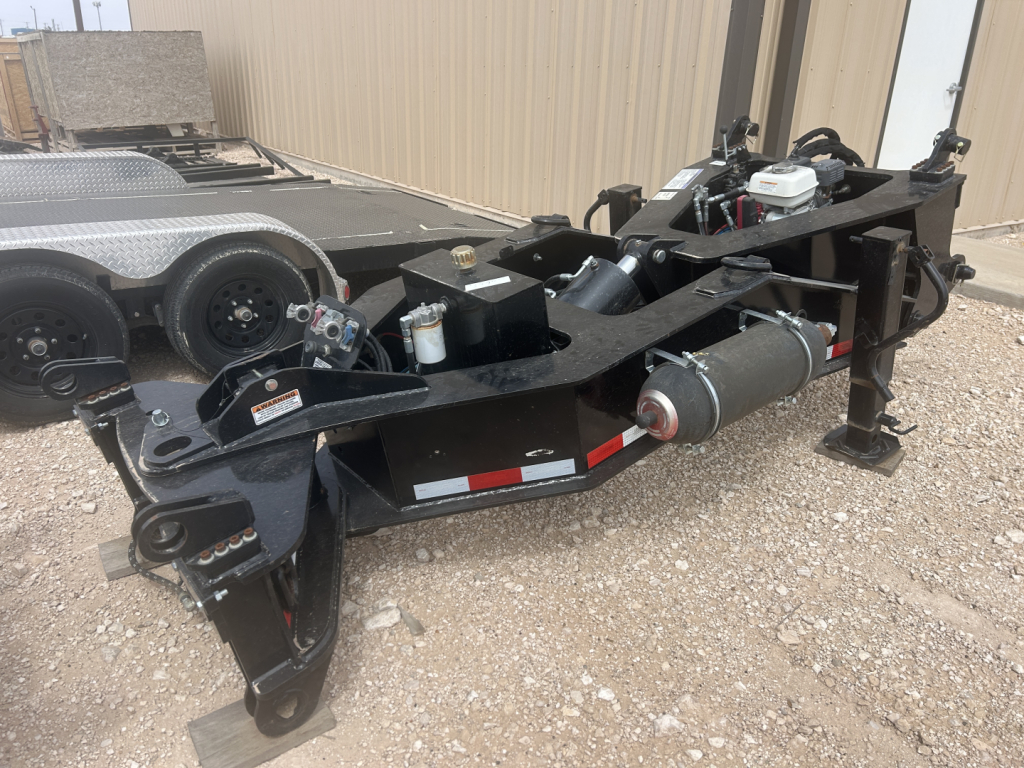
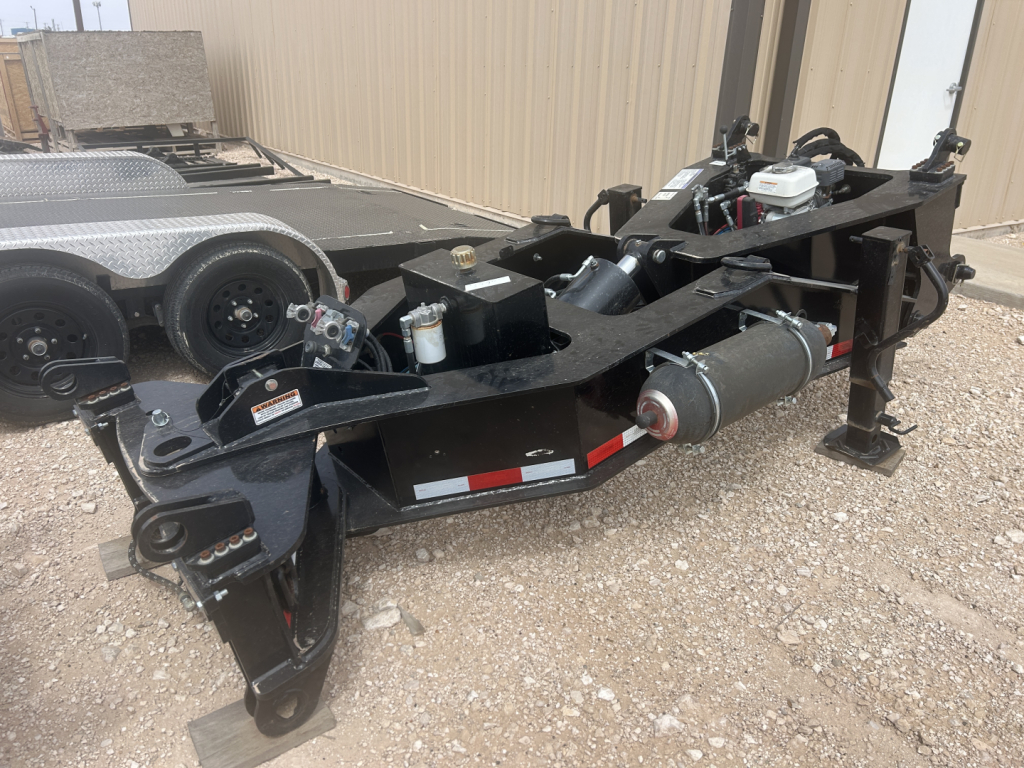
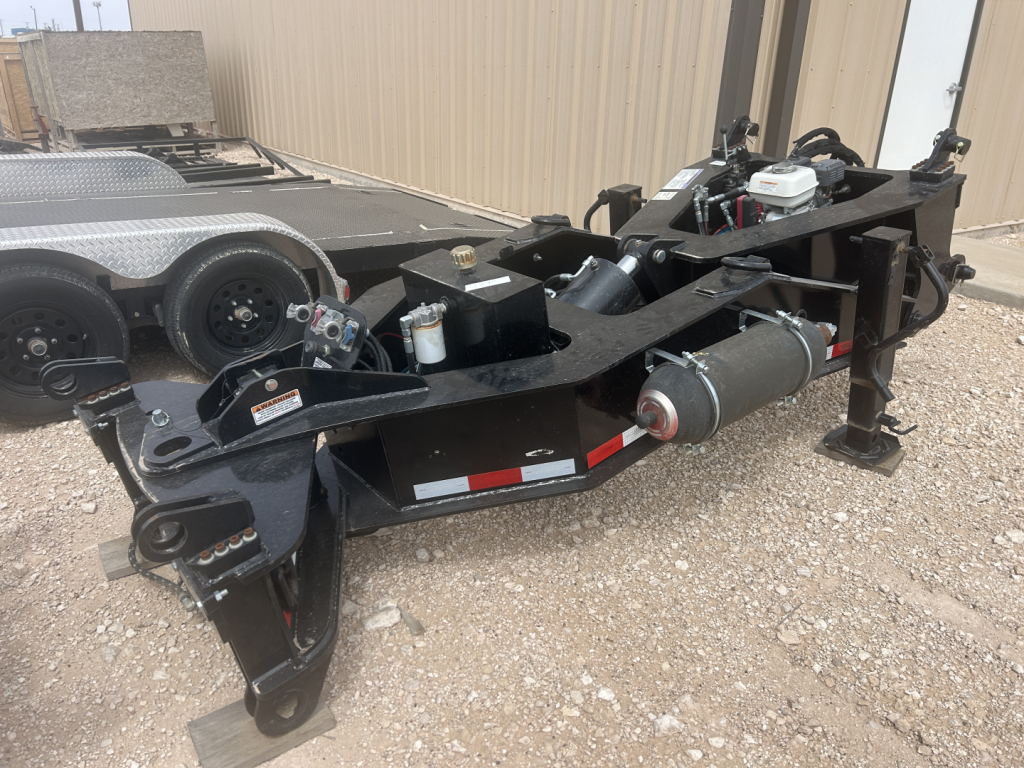
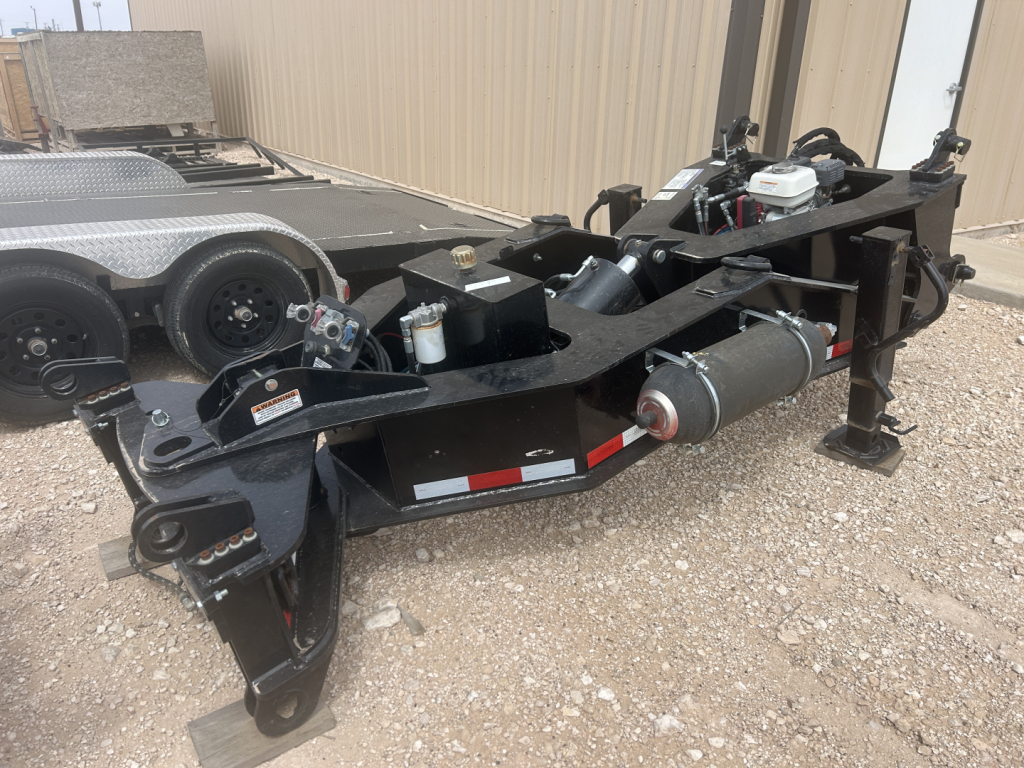
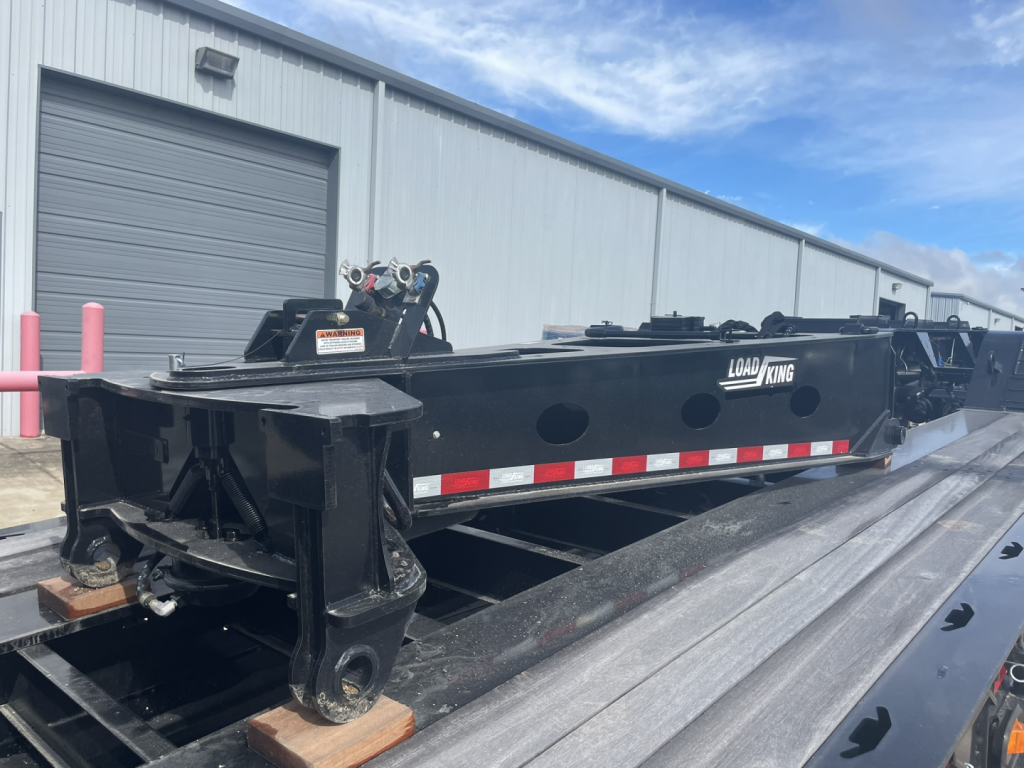
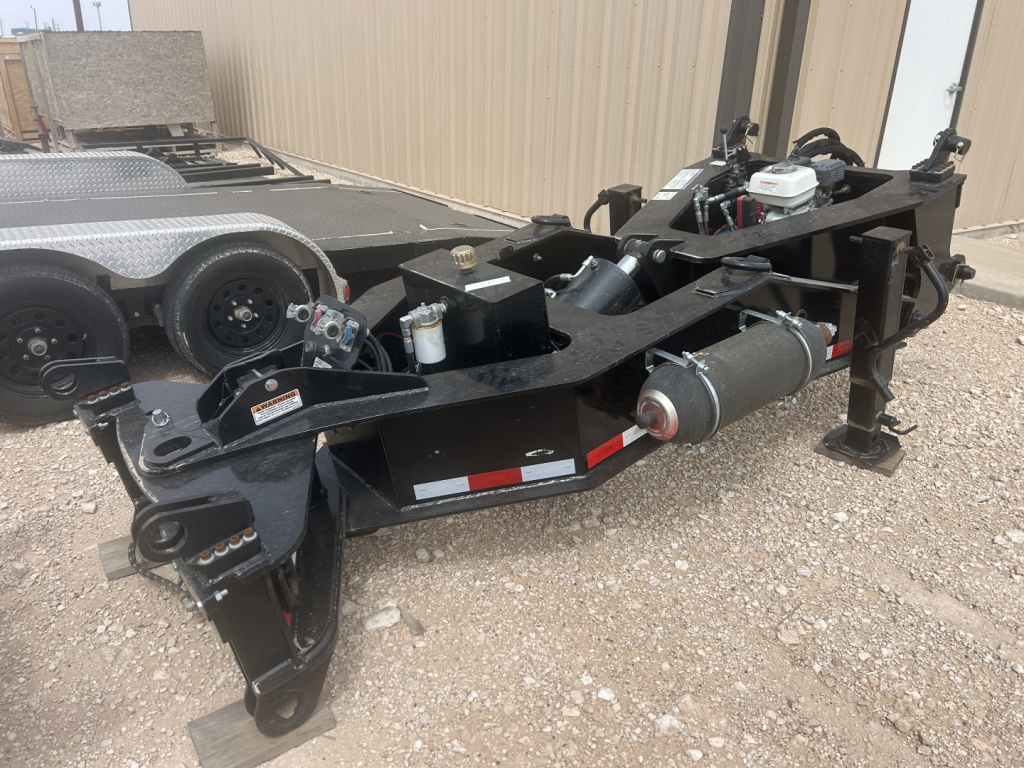

Selling a other trailer? List your other trailer for sale and reach thousands of commercial buyers.
Other Trailers in Texas
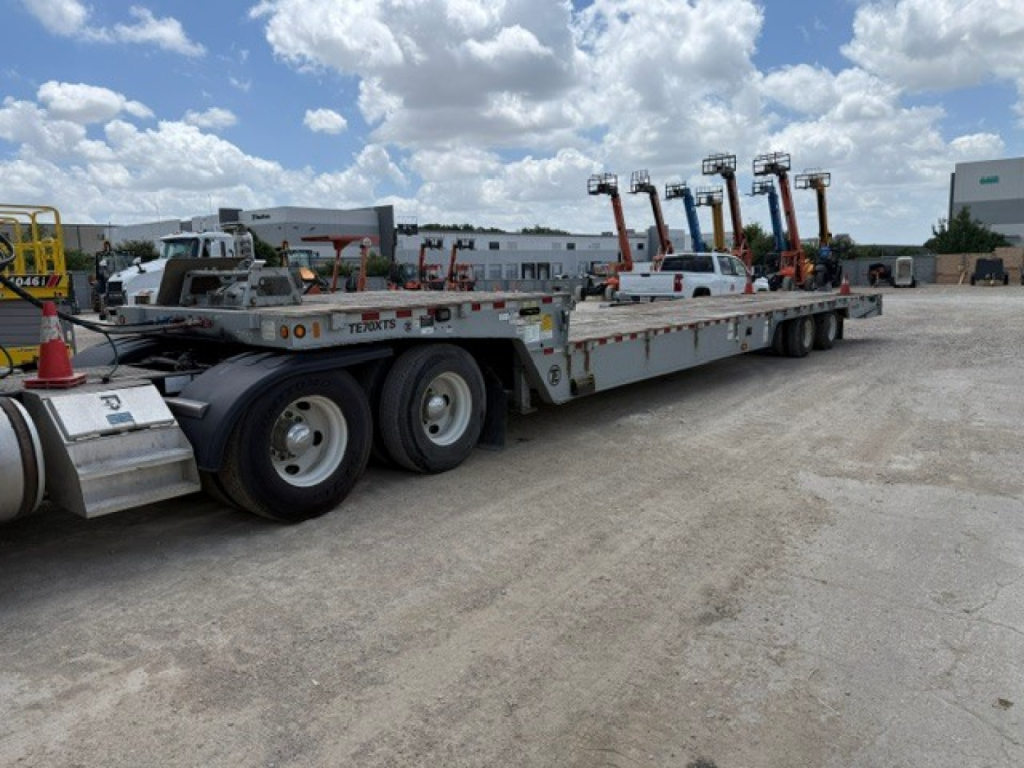
A buyer should start with application and geometry. For example, a hydraulic tail or traveling tail trailer is built to improve loading angles and ground clearance for equipment with low approach points, while a spreader bar or stinger is part of a heavier specialized setup designed to distribute weight and adapt axle spacing. On these trailers, specs such as overall deck length, kingpin setting, loaded deck height, tail length, load angle, swing clearance, and lower deck length matter more than cosmetic features. Capacity ratings can range from moderate equipment-hauling applications up into 55-ton, 60-ton, and heavier configurations when the trailer is engineered to accept flip axles, boosters, or spreader assemblies.
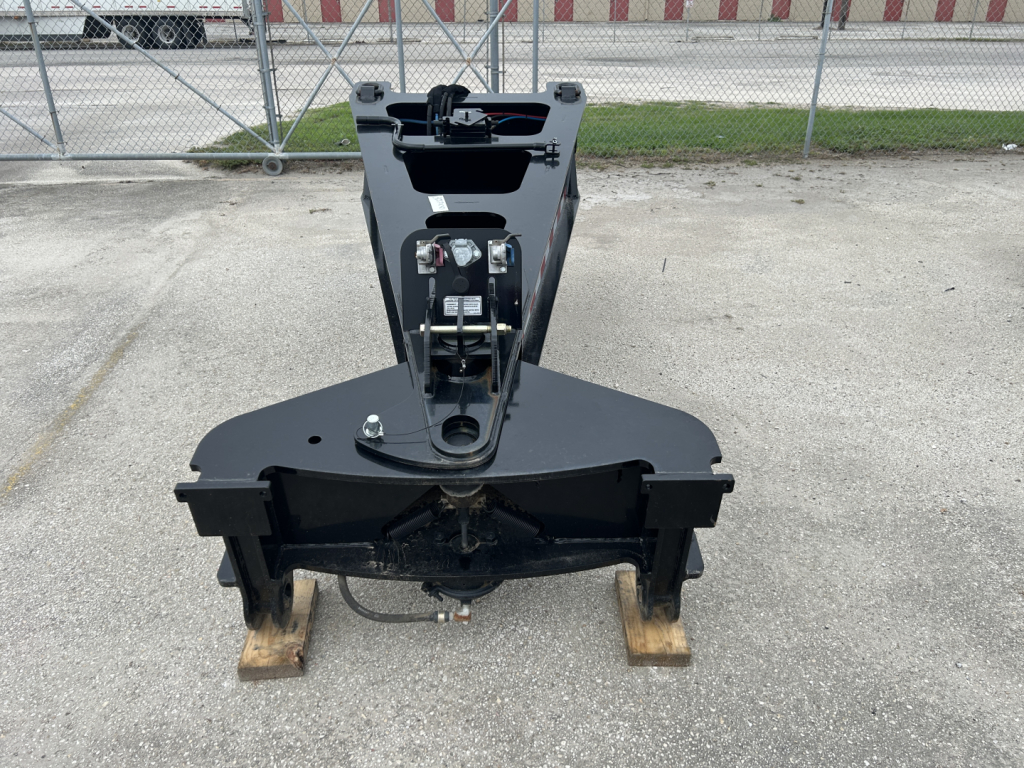
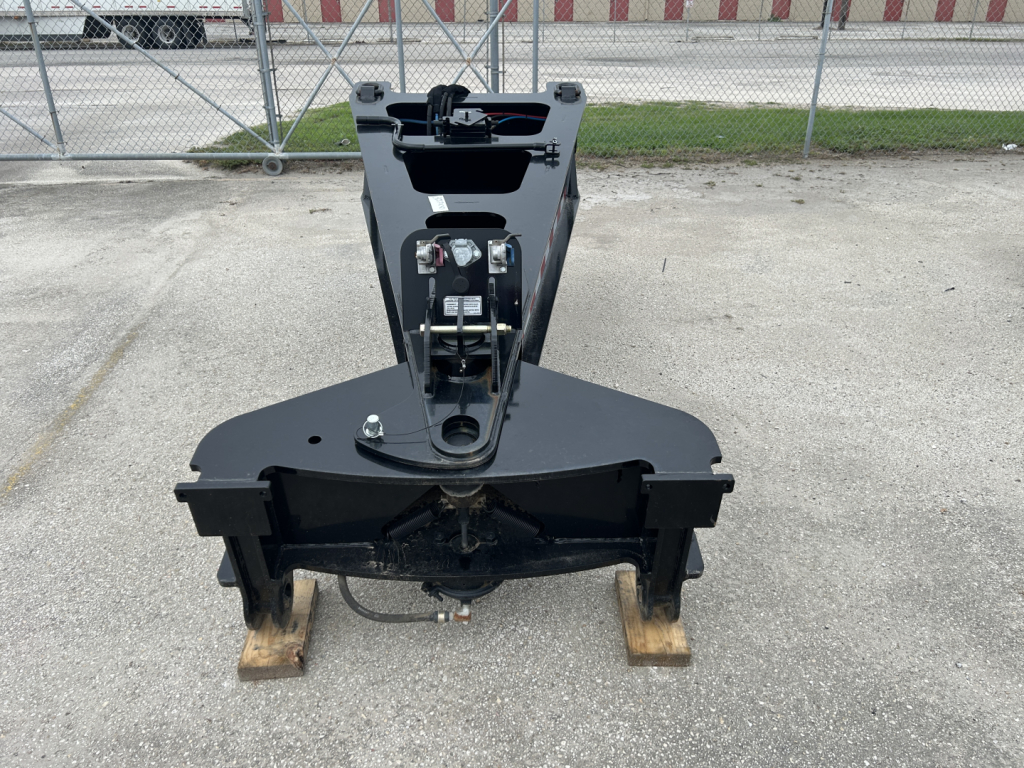
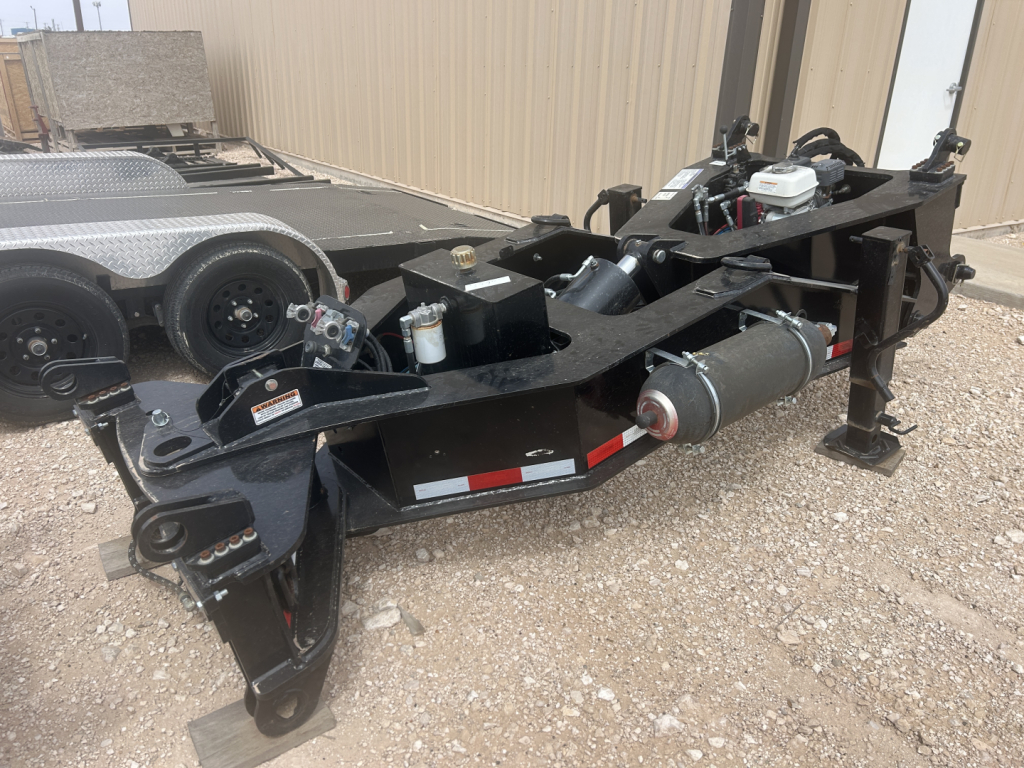
Construction details are equally important because specialty trailers live hard lives. Steel frames remain common for strength and repairability, with hardwood decking such as apitong often used for traction and durability. Buyers should look closely at air ride versus mechanical suspension, axle ratings, tire size, brake type, landing gear, chain slots, D-rings, winches, and remote-control hydraulic functions. On more advanced units, useful options can include manual dump valves, tire inflation systems, LED work lights, traction plates, tool boxes, and air-lock pin systems. If the trailer is part of a multi-piece heavy haul setup, confirm compatibility for air, electric, hydraulic, and physical connection points before making a decision.
Texas operators also need to think in practical terms about serviceability and legal operation. Specialty trailers may require more attention to bridge law, axle spacing, permit routing, and replacement parts support than a standard tag or flatbed. A lower deck height can improve loadability, but it also affects clearance planning and tire selection. The best trailer in this category is the one that matches your freight profile, loading environment, and support equipment already in the fleet. If you regularly move construction machinery, oversized components, or specialized industrial loads, a well-matched other trailer can improve loading speed, reduce handling risk, and give you more flexibility than a conventional trailer design.
Frequently Asked Questions about Other Trailers in Texas
What types of equipment are usually included in the other trailer category?
The other trailer category usually includes specialty units that do not fit standard trailer classes. Common examples are hydraulic traveling tail trailers, spreader bars, stingers, nitro-style booster components, and niche heavy haul support equipment. These trailers are typically designed around a specific transport problem such as improving load angle, adjusting axle spread, or distributing weight for permitted heavy haul moves.
How do I choose the right specialty trailer for heavy equipment hauling?
Start with the equipment you haul most often and work backward to the trailer geometry. Deck height, lower deck length, tail length, load angle, swing clearance, and capacity rating all directly affect whether a machine can be loaded safely and legally. If the trailer is part of a larger heavy haul setup, axle compatibility, connection points, and the ability to accept flip axles or booster components are just as important as the base trailer rating.
Why does deck height matter on an other trailer?
Deck height affects both loading and legal transport. A lower loaded deck height can help carry taller equipment without exceeding height limits, and it can make loading easier for machines with limited ground clearance. The tradeoff is that lower trailers require close attention to ground clearance at transitions, jobsite entrances, and uneven terrain, especially in construction and energy applications common in Texas.
What features are worth paying extra for on a specialty trailer?
High-value features depend on application, but buyers often prioritize air ride suspension, hydraulic or wireless remote functions, tire inflation systems, quality decking, chain tie-down provisions, strong lighting, and durable tail traction surfaces. On heavy haul support equipment, air-lock pins, dependable hydraulic systems, and compatibility with existing fleet components can be more important than appearance or brand preference. The right options reduce loading time, improve operator control, and lower downtime in the field.
Are specialty trailers harder to maintain than standard trailers?
They can be, because many have hydraulic systems, custom frame layouts, or purpose-built connection hardware that standard trailers do not use. Maintenance is still manageable when parts availability, cylinder service, suspension components, brake parts, and tire sizes are considered before purchase. For buyers in Texas, it also helps to choose configurations that local shops understand and that can be serviced without long delays during busy hauling seasons.