
2027 Other Trailers For Sale in Texas
Shop 2027 other trailers in Texas, including flip axles and nitro spreader bars for heavy haul, lowboy capacity expansion, and load support.

Selling a 2027 other trailer? List your 2027 other trailer for sale and reach thousands of commercial buyers.
2027 Other Trailers in Texas
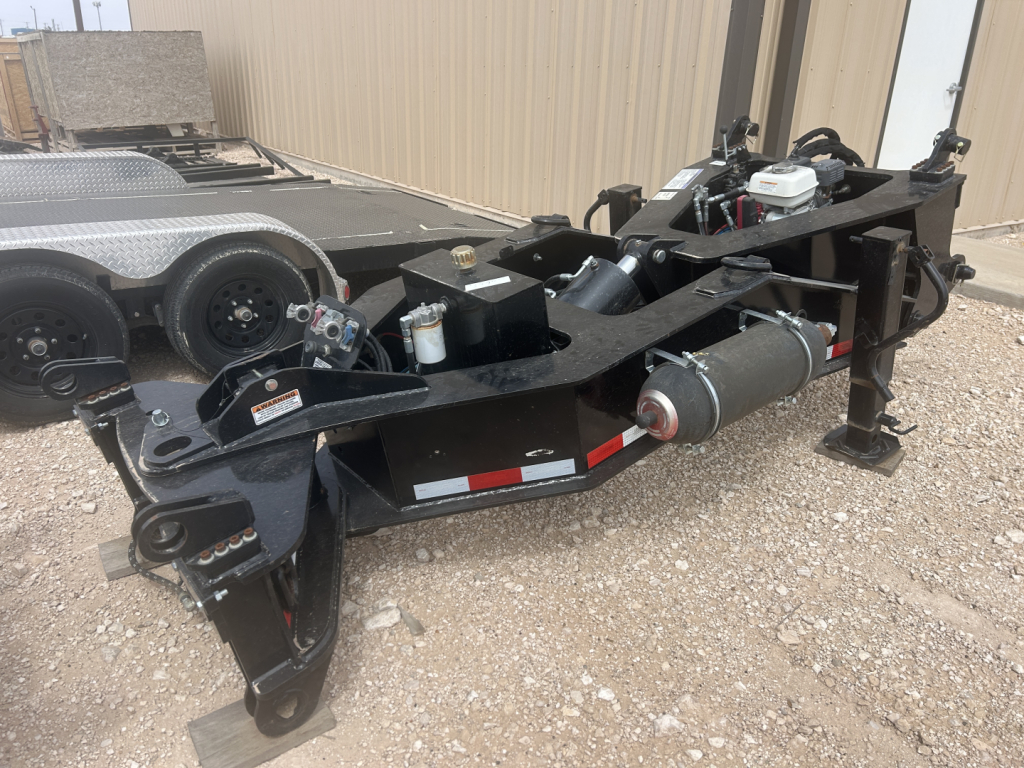
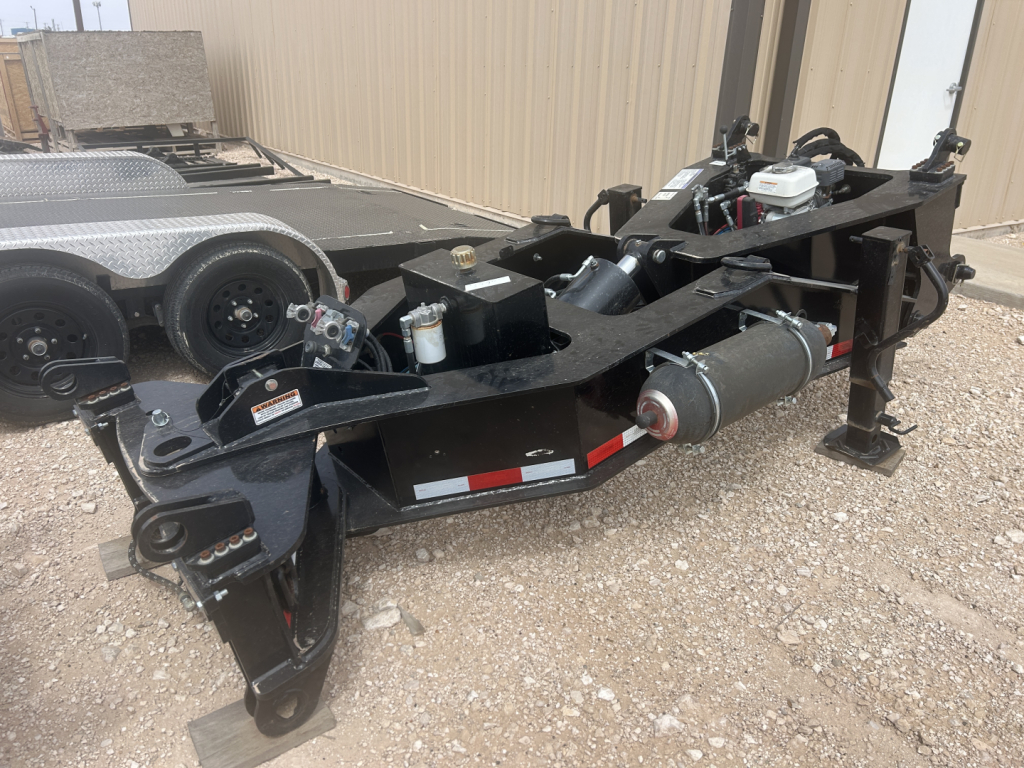
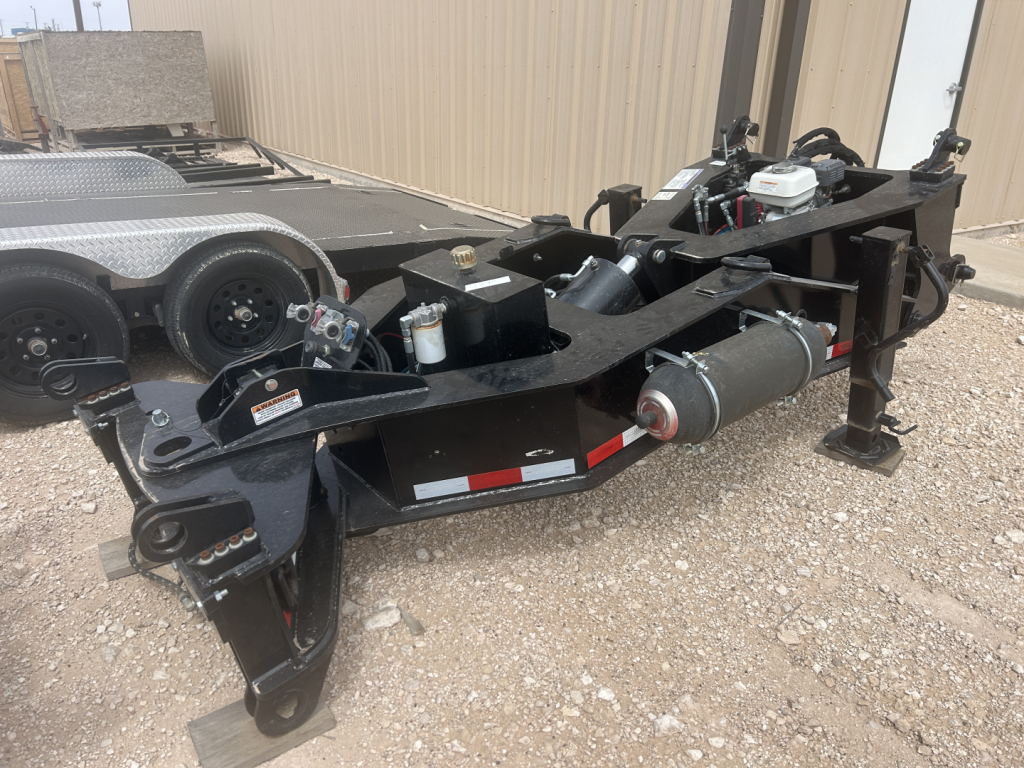
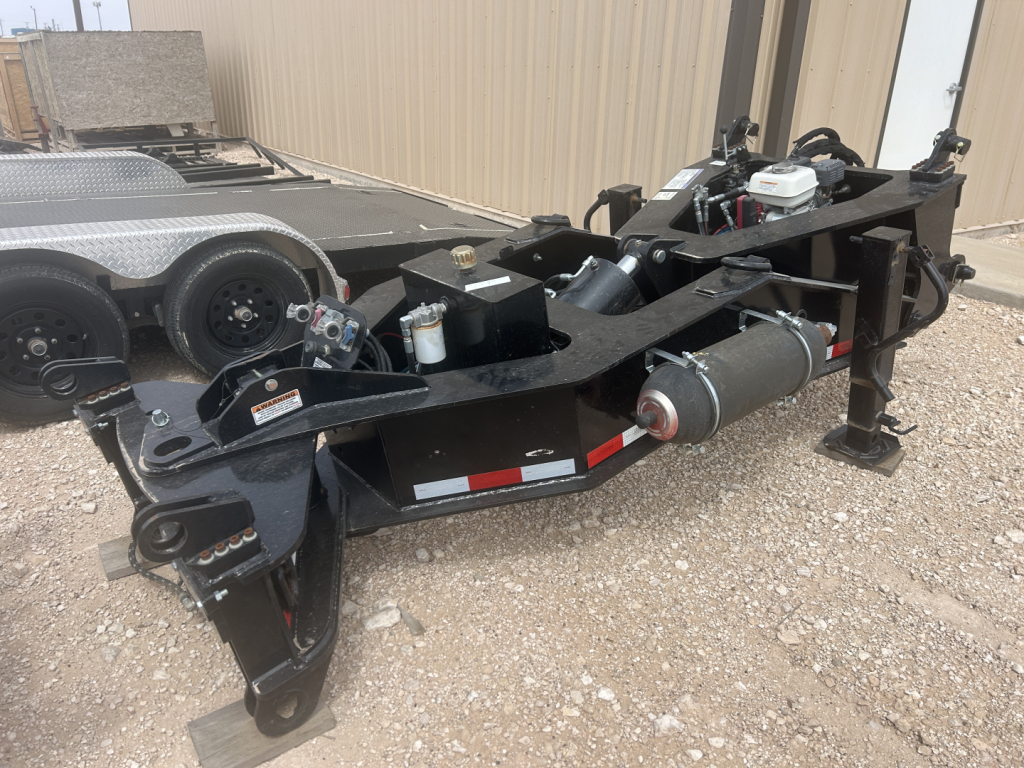
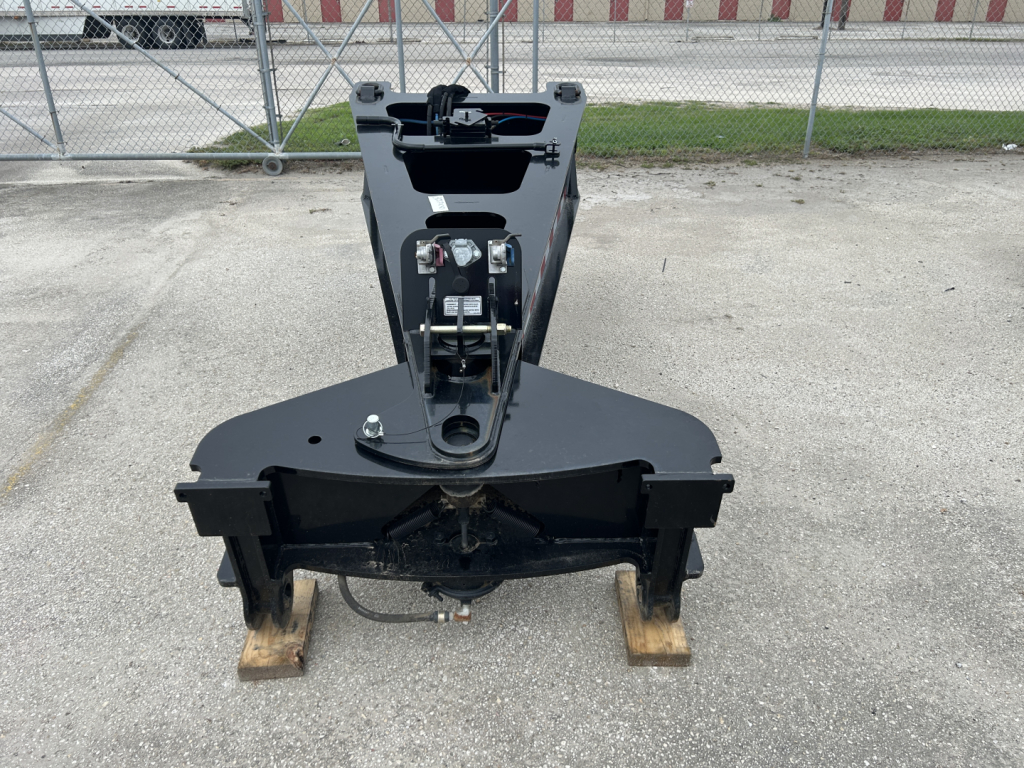
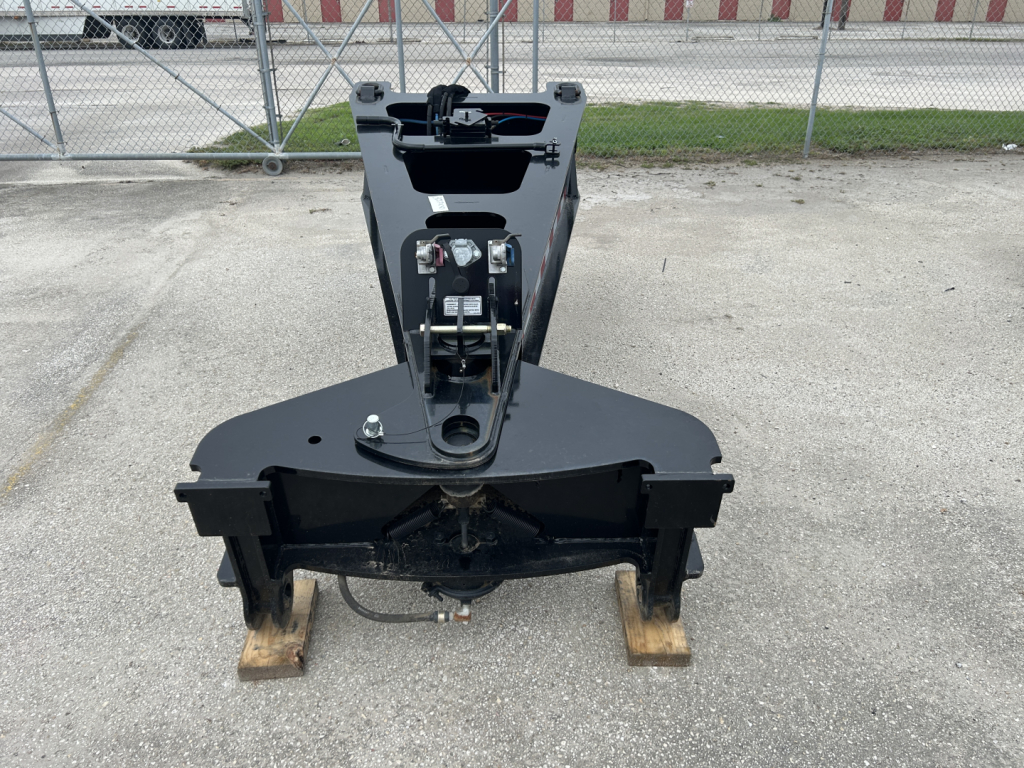
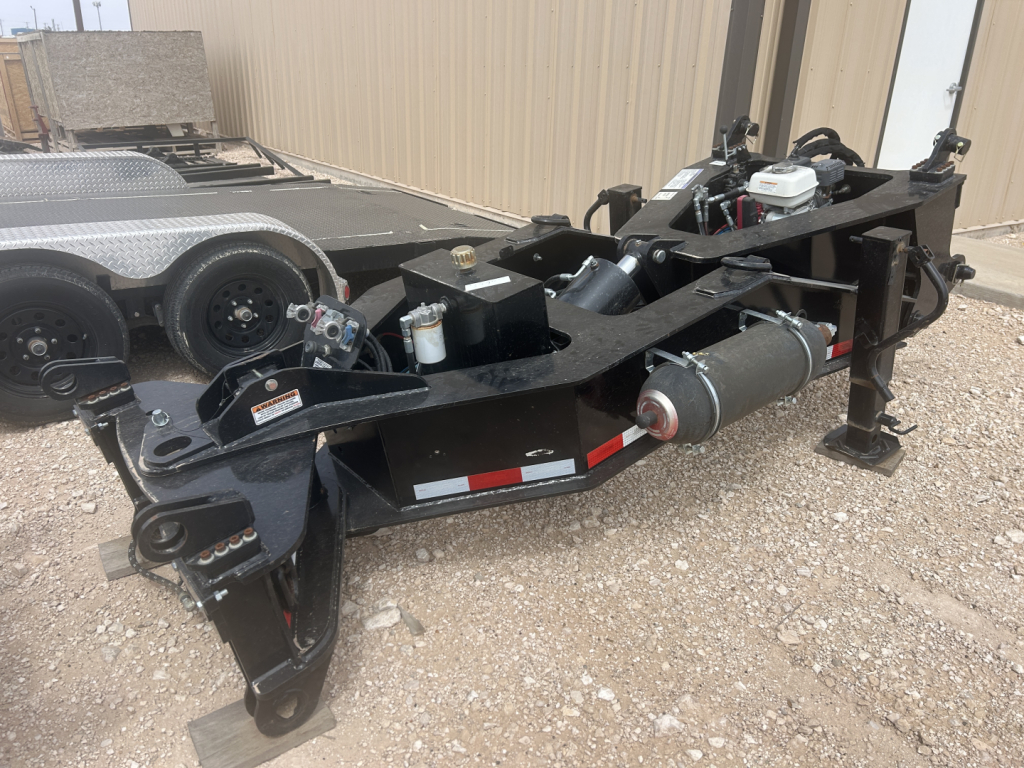
A buyer should start with compatibility. Flip axles and spreader bars must match the parent trailer’s connection style, width, ride height, top link arrangement, and intended axle group. Common specs in this class include 25,000-lb axles, 54.5-inch axle spacing, 108-inch overall width, air ride suspension, drum brakes, and 275/70R22.5 rubber. On nitro spreader bars and stinger-style systems, look closely at the hydraulic or nitrogen-assisted lift setup, power unit specs, cylinder size, electrical harness, and rated tonnage. A mismatch in connection pins, shims, linkage geometry, or electrical plug style can turn a useful add-on into a fabrication project.
In real operation, these trailer components are purchased to solve a payload distribution problem. A flip axle can help increase legal carrying capacity and improve weight spread at the rear of a lowboy. A nitro spreader bar can be used to support additional flip axles and maintain proper geometry under load. Buyers hauling construction iron, crushers, paving equipment, transformers, or other dense machinery should pay attention to axle ratings, suspension type, brake spec, tail channel construction, D-rings, stake pockets, flag holders, and lighting packages. In Texas and neighboring states, permit work often depends on exact dimensions and axle-group spacing, so a small spec difference can affect route approval, escort requirements, and how efficiently a load can be permitted.
Condition and support details matter just as much as the base rating. Check tire size and wheel spec, inspect brake components and air system layout, and confirm whether the unit includes chains, pins, shims, battery back-up provisions, and sealed wiring. Fresh paint does not tell you much on specialized heavy-haul gear. What matters is structural integrity, proper alignment, serviceability, and whether the equipment is already set up for the trailer fleet it will work with. Buyers comparing 2027 other trailers should focus on legal load strategy, compatibility with existing lowboy equipment, and how the added axle or spreader configuration will perform on the specific loads they run every week.
Frequently Asked Questions about 2027 Other Trailers in Texas
What is included in the “other trailers” category for heavy-haul equipment?
This category usually includes specialized trailer components and support equipment that fall outside standard trailer classes. Common examples are flip axles, nitro spreader bars, stingers, jeep-style attachments, and other heavy-haul add-ons used with lowboys or detachable goosenecks. These units are designed to change axle configuration, improve weight distribution, or increase legal carrying capacity for over-dimensional and overweight hauling.
What should I verify before buying a flip axle or spreader bar?
The first step is confirming compatibility with the trailer it will be used on. Check overall width, axle spacing, connection style, top links, pins, shims, ride height, suspension type, brake setup, and electrical plug configuration. Buyers should also verify the rated capacity of the attachment and how that rating fits the trailer’s intended gross load and permitted axle group. A heavy-haul attachment that does not match the base trailer can create fitment, handling, and permitting problems.
How does a flip axle help with hauling capacity?
A flip axle adds an additional axle group behind the trailer, which can improve weight distribution and increase legal payload in many hauling situations. It is commonly used on lowboy and RGN combinations to better spread the load across more axles and help meet bridge and permit requirements. Actual legal capacity depends on state law, axle spacing, trailer configuration, and the permitted load, so the benefit is not just the axle rating itself but the full axle-group layout.
What is a nitro spreader bar used for?
A nitro spreader bar is a heavy-haul attachment used to support one or more flip axles while maintaining spacing and load-carrying geometry behind the trailer. These units commonly use a nitrogen accumulator system and self-contained power unit to help raise, lower, or manage the axle assembly. Buyers use them when they need a higher-capacity rear axle setup for concentrated loads that would exceed the limits of a simpler single flip configuration.
Why do axle spacing and dimensions matter so much in Texas heavy haul?
In Texas, axle spacing, trailer width, and overall configuration have a direct effect on permit approval, route planning, and legal weight distribution. A unit with the right axle rating but the wrong spacing may not deliver the permitted weight you expect. Small differences in dimensions can also affect bridge formula calculations, escort requirements, and the practicality of moving loads across multiple states. That is why buyers should evaluate trailer attachments as part of a full permitted hauling setup, not as stand-alone equipment.