
New Trailers For Sale in Kansas
New trailers for sale in Kansas, including lowboy, dump, flip axle, and specialty trailer configurations for heavy haul and construction work.
Learn more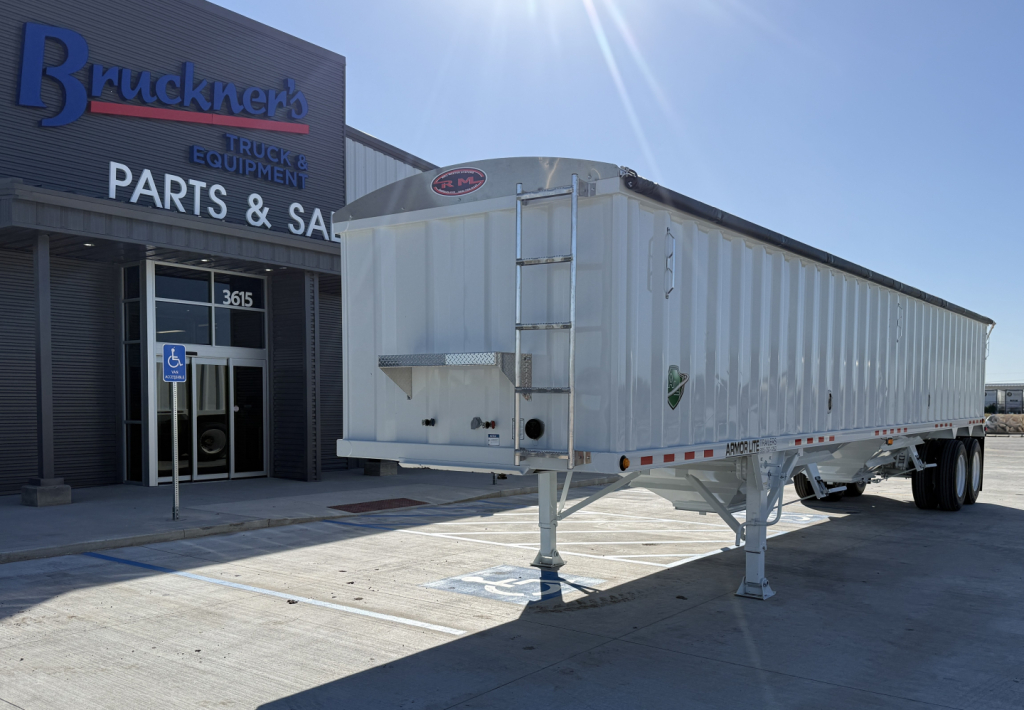
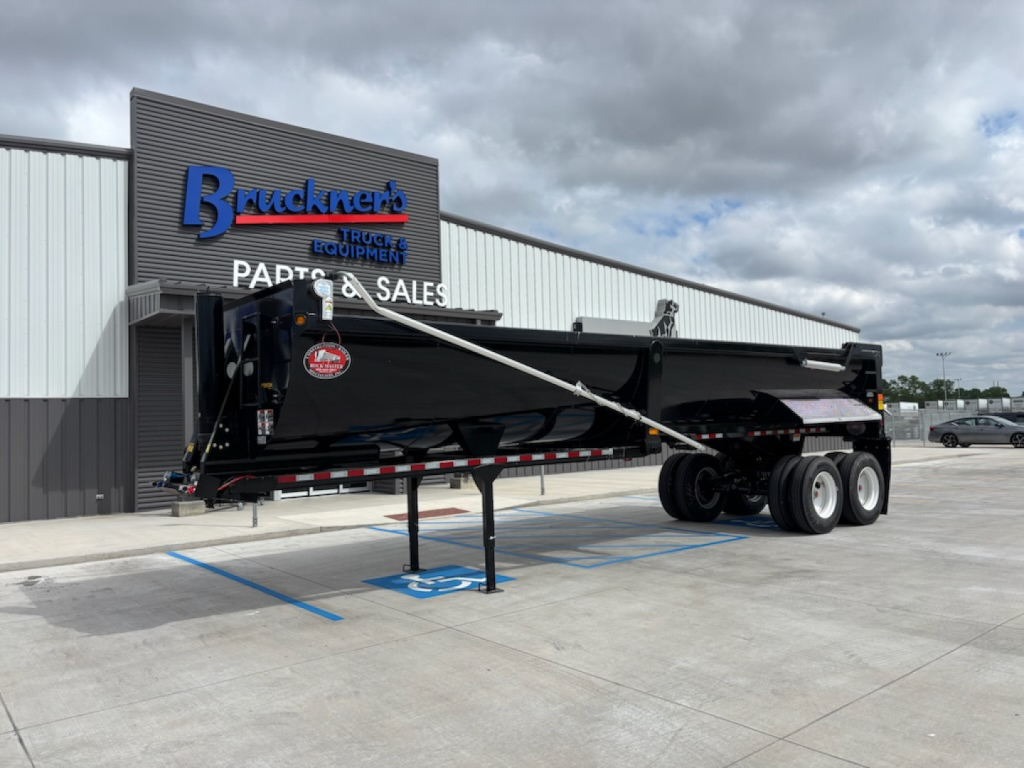
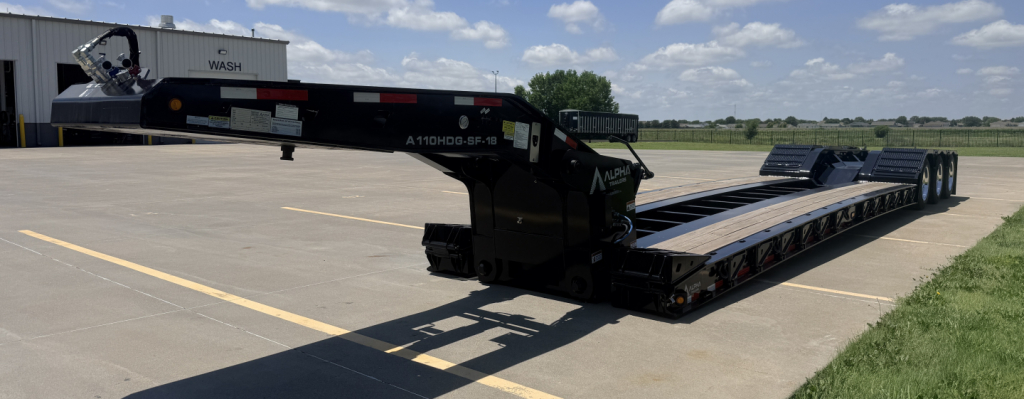
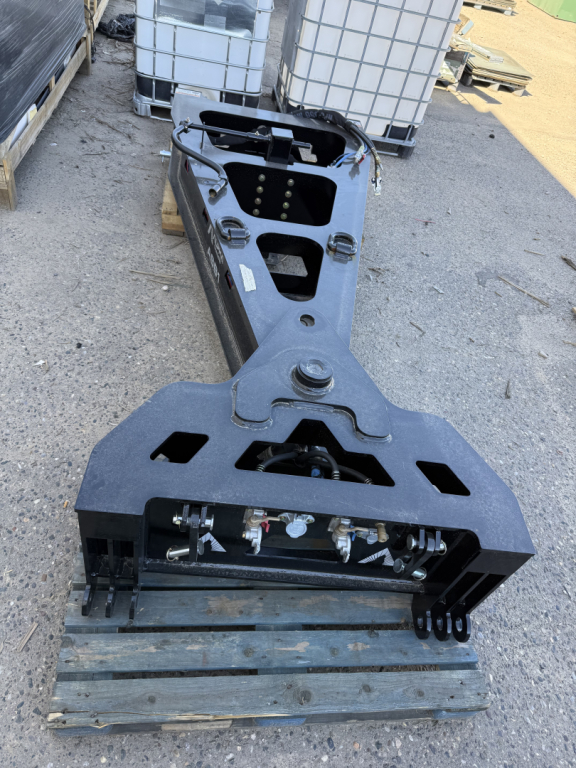
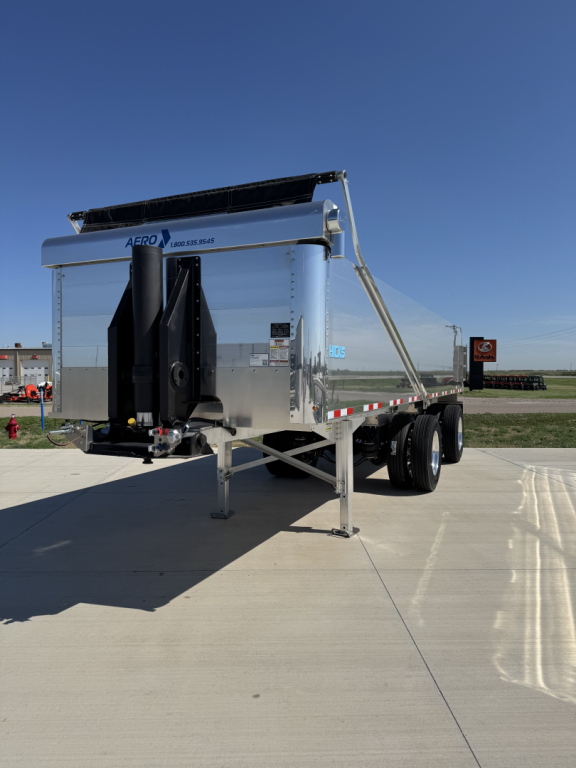
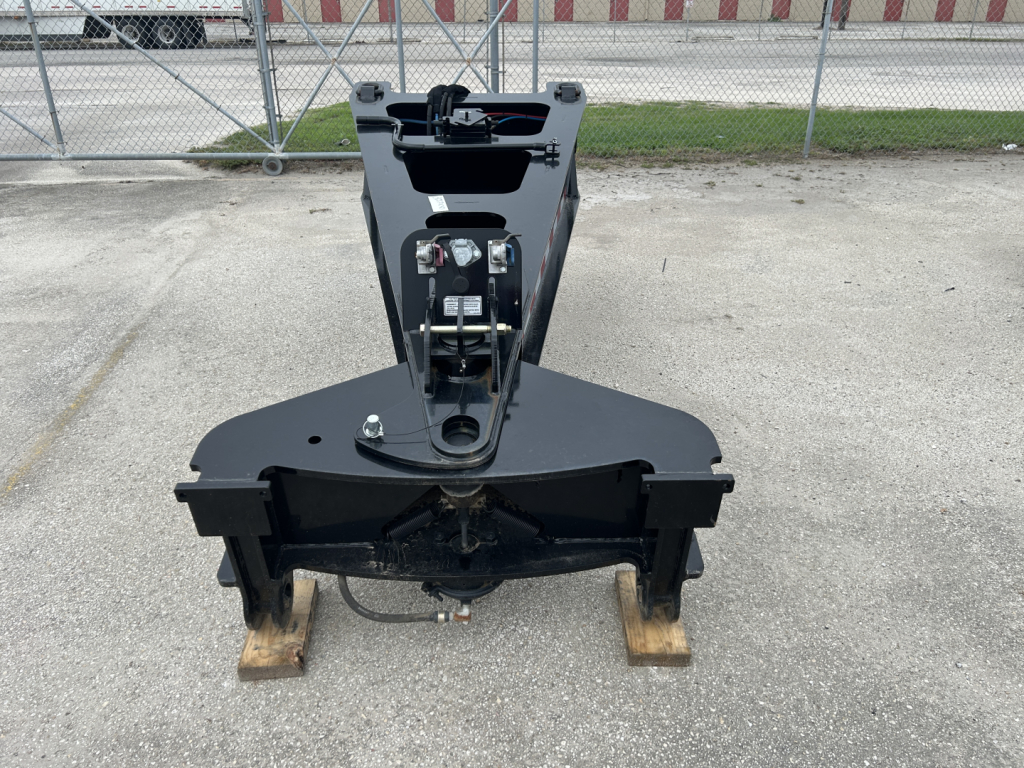
Showing 25 to 30 of 30 results
Have new trailer to sell? List it here to reach thousands of buyers.
About New Trailers in Kansas
Kansas buyers often need equipment that can run both local construction routes and regional highway work, so trailer spec matters more than badge alone. On lowboy trailers, key points include deck length, loaded deck height, gooseneck design, ride height adjustment, number of axles, tire size, ramp style, and whether the trailer is prepped for additional flip axles. Features such as air ride suspension, boom troughs, toolboxes, work lights, upper flange reinforcement, and load-bearing wheel covers can make a real difference in day-to-day use. Heavy haul operators should also pay attention to swing clearance, neck extension options, axle group configuration, and the trailer’s ability to adapt to different machine weights and overall length requirements.
For dump trailers, the core buying decision usually comes down to body style and material spec. Frameless half-round dumps are common for hauling rock, sand, millings, and other bulk loads where clean unloading and body strength matter. Buyers should compare tub material, sidewall and floor thickness, gate style, tarp system, suspension type, and wiring setup. A 1/4-inch Hardox or similar abrasion-resistant steel body is a common choice for hard use, while details like high-lift gates, electric flip tarps, ladders, and rear fenders affect safety and uptime. Single-point suspension, tandem axle layout, drum brakes, and standard 11R24.5 rubber remain common specs in this segment.
New trailer buyers also benefit from looking beyond the base trailer to the complete hauling system. Flip axles, spreader bars, and jeeps are not just accessories. They are part of axle loading strategy, permitted weight distribution, and jobsite flexibility. If your work includes paving equipment, excavators, cranes, or other oversize machinery, the right combination of lowboy, flip axle, and spacing equipment can determine where and how legally the load can move. On any new trailer purchase, verify GVWR, empty weight, deck construction, brake package, suspension type, wheel setup, kingpin and neck dimensions where applicable, and how the trailer fits your routing, permitting, and loading practices in Kansas and surrounding states.
Frequently Asked Questions
What types of new trailers are common in Kansas heavy haul and construction work?
Kansas buyers commonly shop for lowboy trailers, dump trailers, and specialty heavy haul equipment such as flip axles, jeeps, converter dollies, and spreader bars. Lowboys are used for construction and agricultural equipment that needs low deck height and high concentrated load capacity. Dump trailers are used for aggregate, dirt, asphalt, and demolition material. Specialty axle equipment is important when axle spacing and legal weight distribution must match state permit requirements.
What should I look for when comparing a new lowboy trailer?
Start with deck length, loaded deck height, axle count, suspension type, and gooseneck design. Then look at details that affect how the trailer works in the field, including ride height adjustment, ramp configuration, neck swing clearance, flip axle preparation, boom troughs, toolbox space, and tire size. A lowboy that matches your machine dimensions, axle weight needs, and loading method will usually outperform a trailer chosen only by rated capacity.
Why does dump trailer body design matter so much?
Body design directly affects payload type, durability, and how cleanly the trailer unloads. Frameless half-round dump trailers are popular because they shed sticky material well and handle repeated bulk hauling efficiently. Material grade and thickness matter too. Abrasion-resistant steel such as Hardox is often chosen for severe-duty service. Buyers should also consider gate style, tarp system, suspension, and brake package because those specs affect safety, maintenance, and turnaround time.
What is the purpose of a flip axle or spreader bar on a trailer setup?
A flip axle adds axle capacity and helps distribute weight across more points, which is critical for heavy haul applications. A spreader bar changes axle spacing so the trailer can meet legal bridge and permit requirements. These components are often necessary for hauling larger equipment legally and efficiently, especially when the base trailer is designed to work with one or two additional axle groups.
Are air ride and drum brakes still common on new trailers?
Yes. Air ride suspension is still common on many lowboy trailers because it helps with ride quality, deck height control, and load protection. Drum brakes also remain widely used across lowboy and dump trailer applications because they are familiar to fleets, serviceable in most markets, and proven in heavy-duty work. The right combination depends on load type, maintenance practices, and operating environment.