
New Hopper Trailers For Sale in Kansas
New hopper trailers for sale in Kansas. Compare grain hopper specs, capacities, side heights, suspensions, tarp systems, and material options.
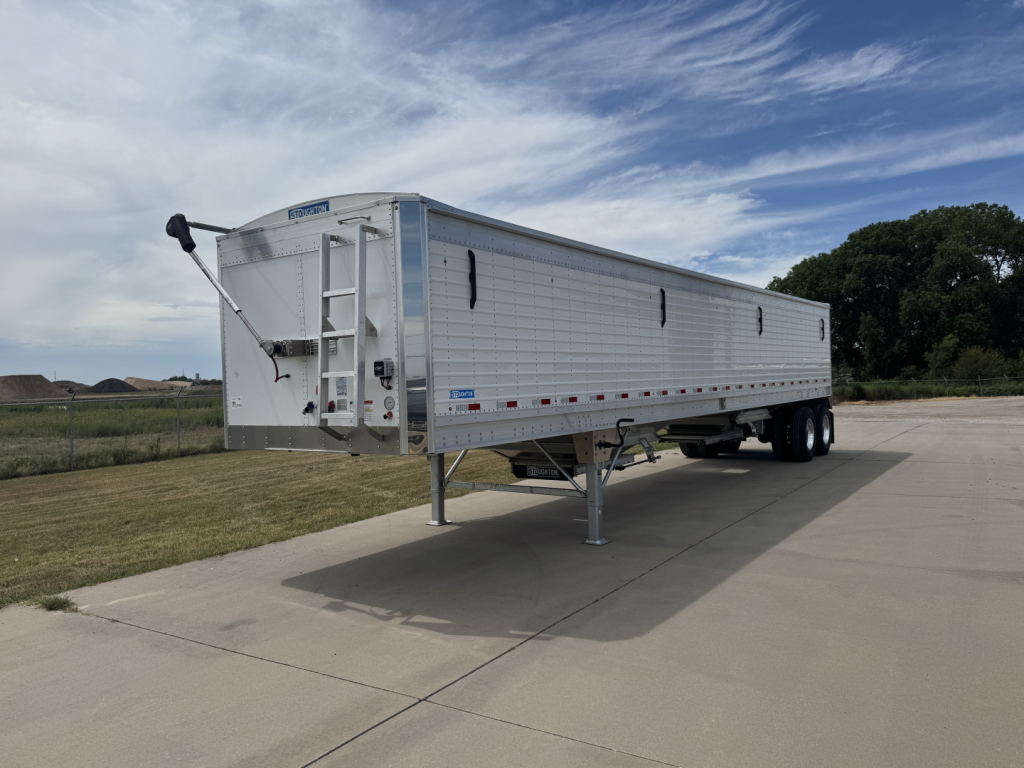
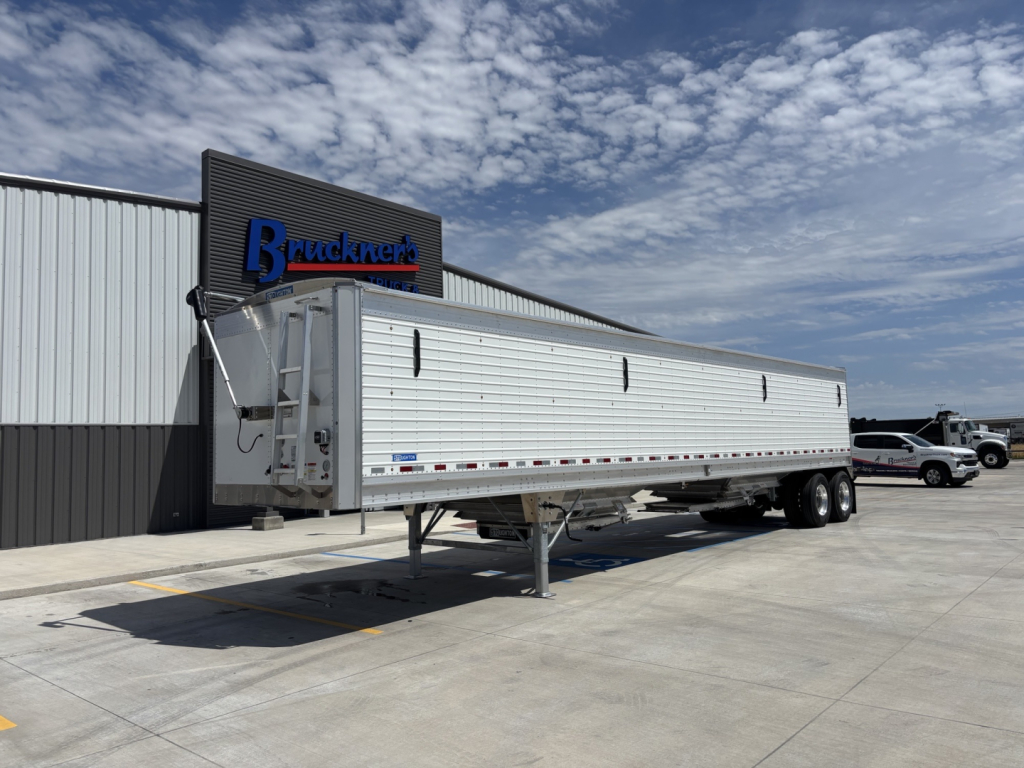
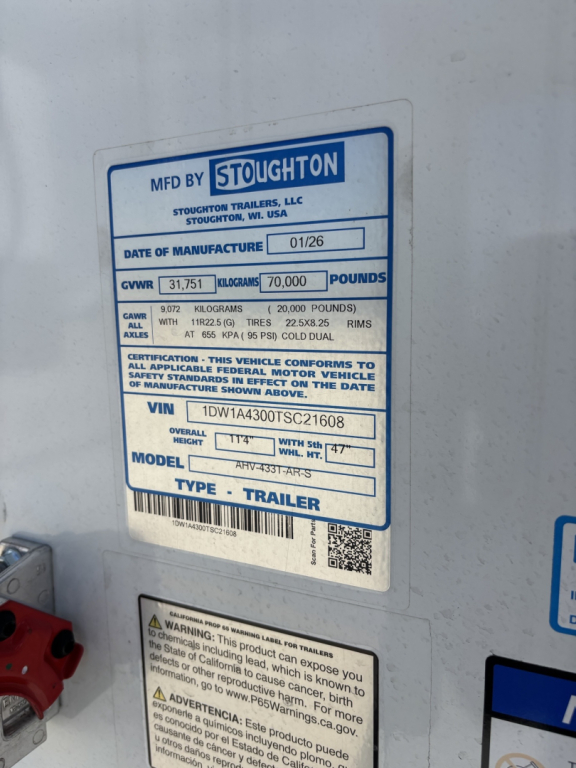
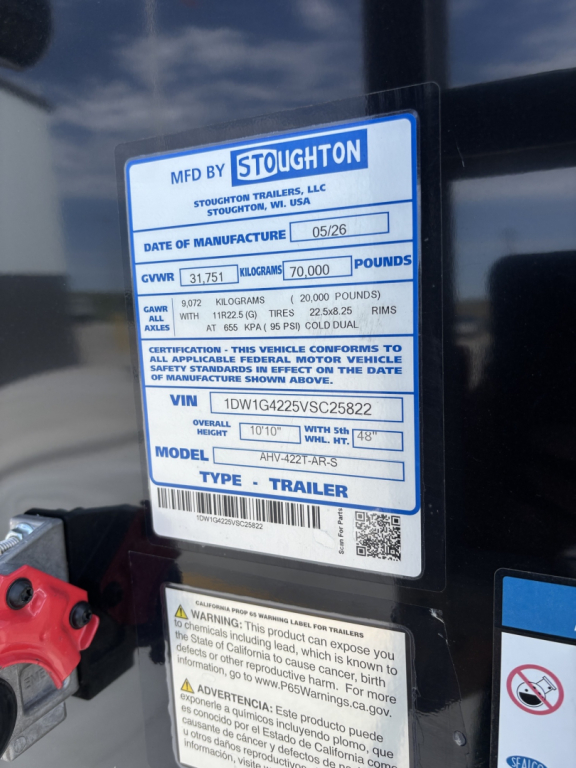
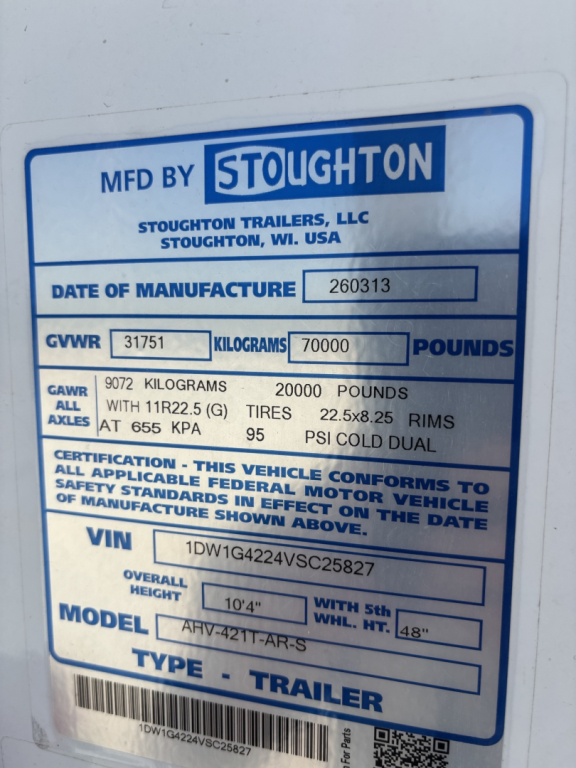
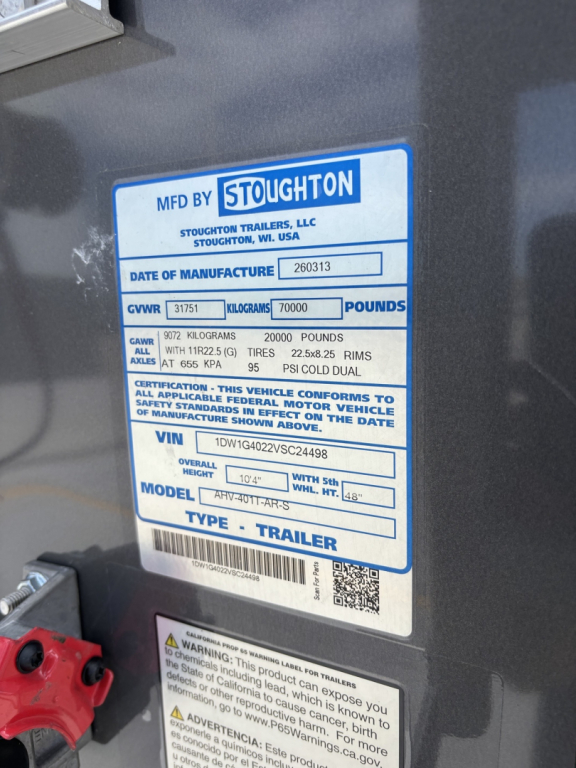
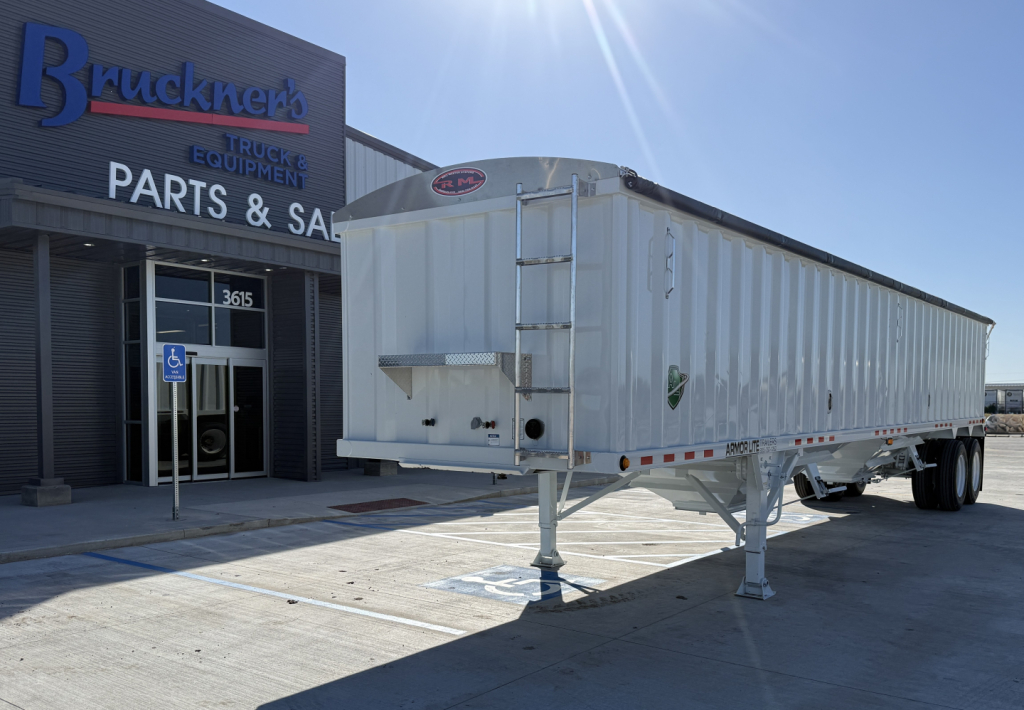
Selling a new hopper trailer? List your new hopper trailer for sale and reach thousands of commercial buyers.
New Hopper Trailers in Kansas
Material choice drives both tare weight and long-term durability. Aluminum hopper trailers are popular when payload is the priority, especially for grain haulers trying to maximize legal weight and corrosion resistance. Steel hopper trailers usually cost less up front and can be a fit for fleets that want a more traditional construction or run in demanding service, but they typically carry more empty weight. Buyers should look closely at sidewall construction, subframe material, post spacing, rear wall design, and whether the trailer includes features like stainless rear panels, galvanized subframes, or removable inner liners. Details such as trap door opening size, two-stage manual traps, ground clearance, and ladder and catwalk layout all affect day-to-day unloading speed and driver safety.
Suspension, brake, and wheel-end specs deserve just as much attention as the body. Air ride suspension is common on premium grain hoppers because it helps ride quality and can be easier on the trailer and cargo, while spring suspension remains a straightforward option on some specs. Many new hopper trailers in this class use tandem axles with a 49-inch spread, drum brakes, ABS, and 11R22.5 or 11R24.5 rubber. Tire inflation systems, aluminum wheels, sealed wiring harnesses, and LED lighting are worth considering if uptime and maintenance control are priorities. Fifth wheel height, kingpin setting, and overall trailer height should also be checked against your tractors, loading points, and bin clearance. A trailer with higher sides may add needed capacity, but it can also affect loading access and total height.
Tarp system and discharge setup often separate a good hopper spec from the right hopper spec. Electric tarps with remote operation save time in repetitive farm-to-elevator or elevator-to-feed-mill lanes, while manual roll tarps may be acceptable for lower-utilization service. Hopper opening dimensions matter if you unload into older pits or work across mixed receiving locations. If your lanes stay mostly in Kansas and surrounding grain markets, a practical spec usually balances bushel capacity, empty weight, weather protection, and ease of cleanout rather than chasing one number alone. The best new hopper trailer for sale is the one matched to your commodity, your tractor height, your scale strategy, and the unloading infrastructure you actually use every week.
Frequently Asked Questions about New Hopper Trailers in Kansas
What size hopper trailer is most common for grain hauling?
For grain hauling, 40-foot to 43-foot hopper trailers are among the most common sizes. Many buyers choose based on a mix of bushel capacity, empty weight, bridge law considerations, and where the trailer has to load and unload. A 40-foot trailer can be a practical fit for certain operations and facilities, while 42-foot and 43-foot models often provide more cubic capacity for lower-density commodities.
Is an aluminum hopper trailer better than a steel hopper trailer?
Aluminum hopper trailers usually offer lower tare weight and strong corrosion resistance, which makes them attractive for maximizing payload in grain service. Steel hopper trailers generally have a lower initial purchase price and can suit operators who prioritize upfront cost or prefer a heavier construction. The right choice depends on your payload goals, operating environment, maintenance plan, and how long you expect to keep the trailer.
How much grain does a hopper trailer hold?
Capacity varies by trailer length, side height, and body design, but many grain hopper trailers hold roughly 1,100 to more than 1,400 bushels. Cubic foot ratings are often a better starting point than bushel numbers because commodity density changes the actual load. Wheat, corn, soybeans, and feed ingredients can scale differently, so buyers should compare rated capacity with legal gross weight and axle distribution on their normal routes.
What hopper trailer specs matter most before buying?
The most important specs usually include trailer length, side height, cubic capacity, empty weight, body material, suspension type, trap door size, overall height, kingpin setting, and wheel and tire package. Buyers should also check tarp style, landing gear, lighting, wiring protection, and corrosion-resistant components such as galvanized or stainless parts. These details affect payload, unloading speed, maintenance costs, and compatibility with your tractors and receiving pits.
Are electric tarps worth it on a new hopper trailer?
Electric tarps are often worth the extra cost for fleets and owner-operators who load frequently and want faster, safer tarp operation. They reduce the physical effort required from the driver and can save time at each stop, especially during harvest or high-turn grain movements. Manual tarps still have a place on lower-use trailers or simpler specs, but electric systems are common on new hopper trailers built for regular commercial work.