
New Flips/Converter Dollies/Jeeps Trailers For Sale in Kansas
New flip axles, converter dollies, and jeeps for heavy haul service in Kansas. Compare axle spacing, suspension, width, and legal load setup.

Selling a new flips/converter dollies/jeeps trailer? List your new flips/converter dollies/jeeps trailer for sale and reach thousands of commercial buyers.
New Flips/Converter Dollies/Jeeps Trailers in Kansas
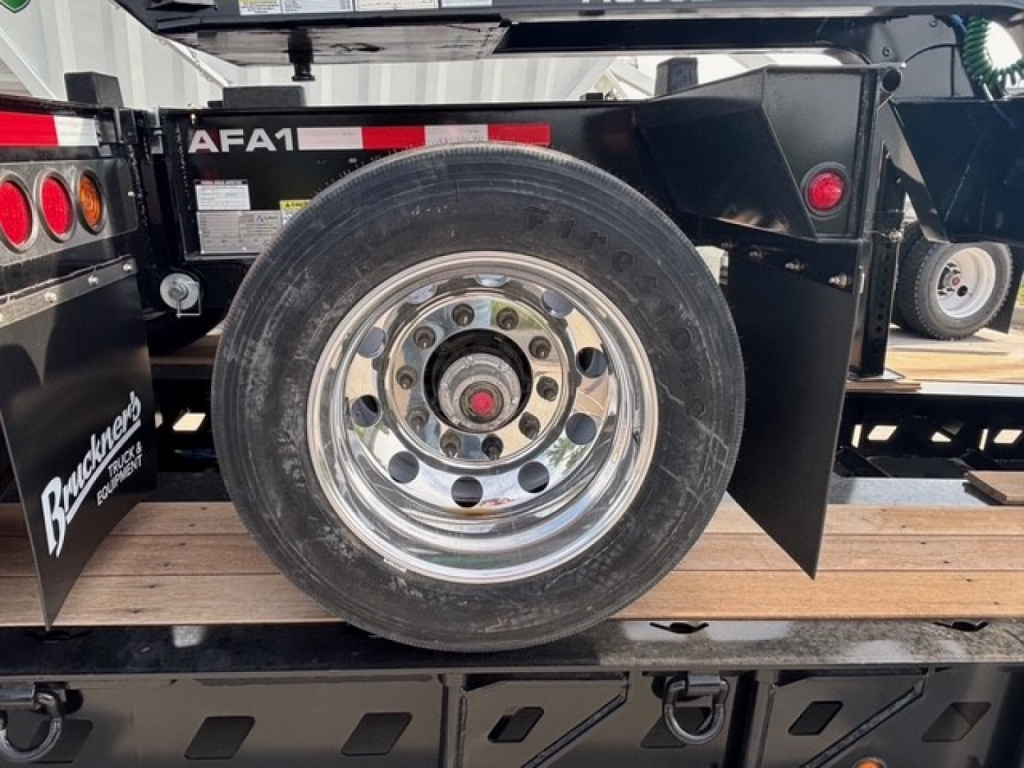
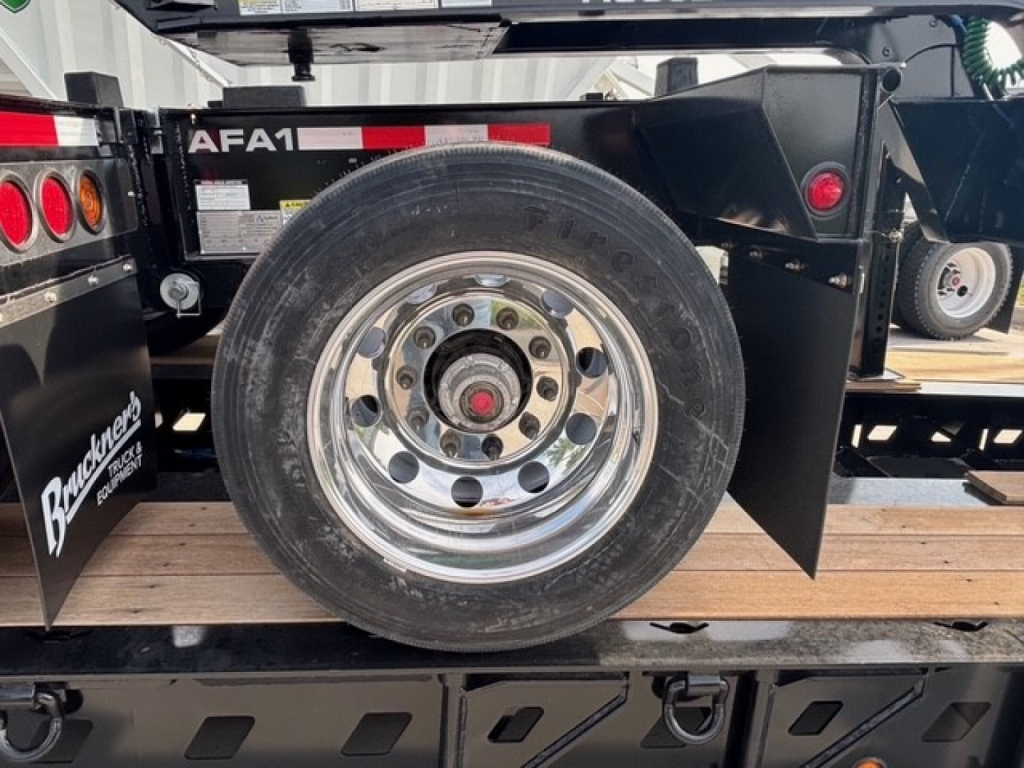
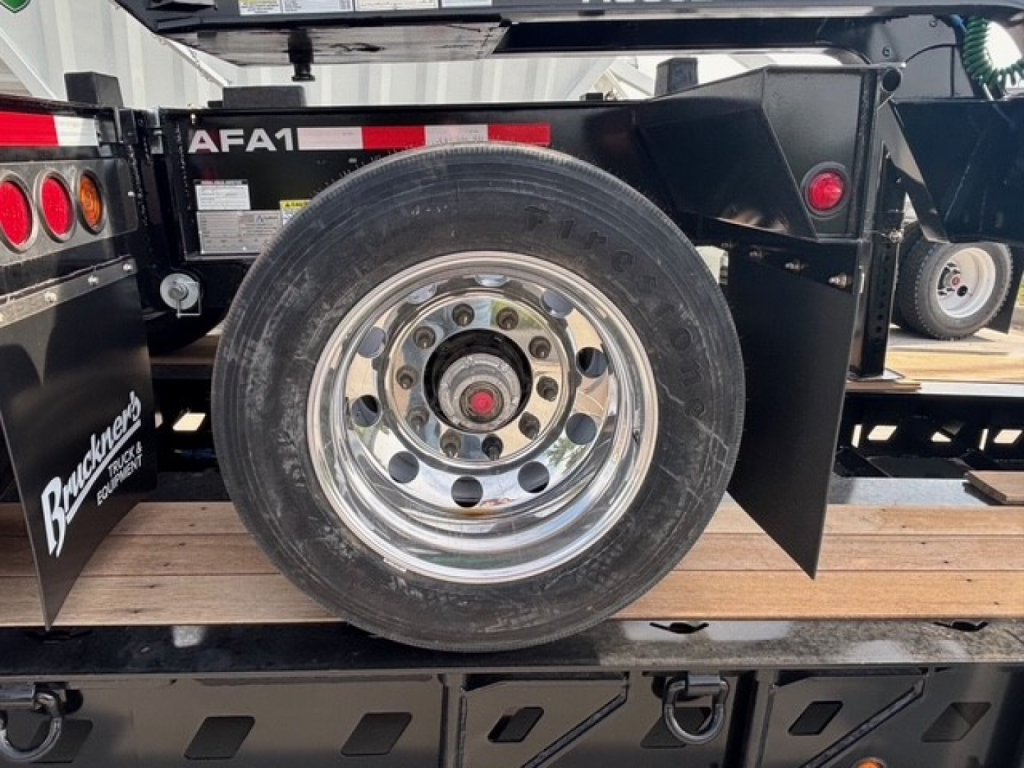
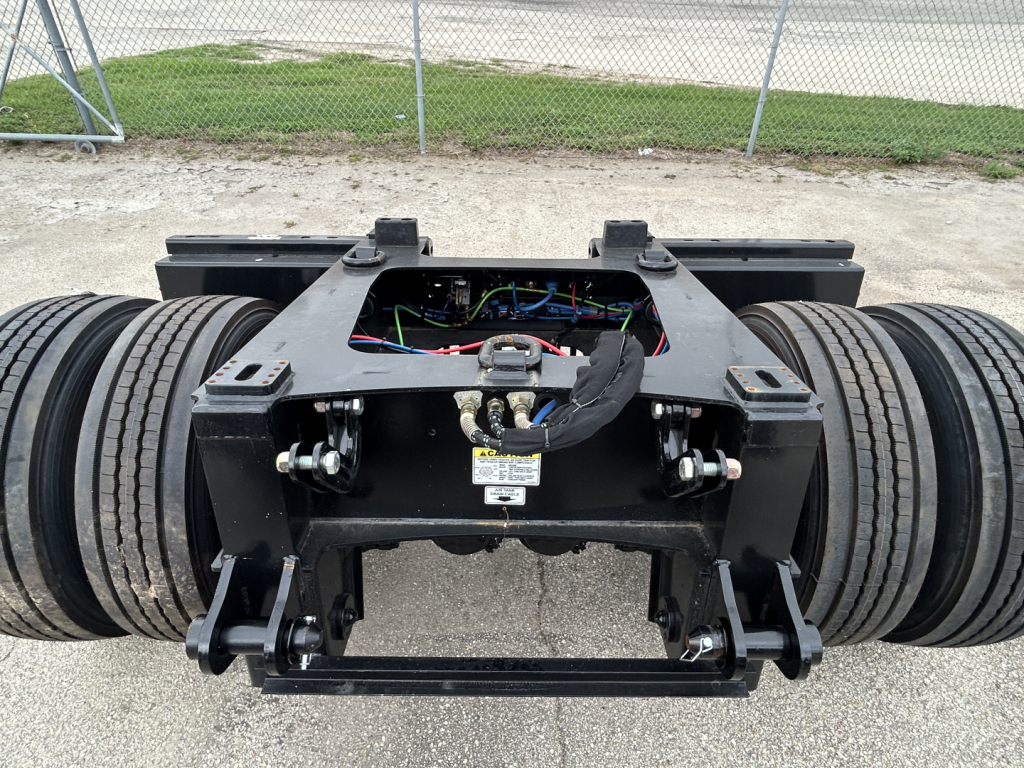
On flip axles, the specs that matter most are width, axle spacing, suspension type, and rated capacity. Common configurations in this class include 102-inch and 108-inch overall widths, axle spacing around 54 to 60 inches, and single-axle or multiple-axle layouts for 25,000 lb to 27,500 lb per axle and higher depending on the application. Air ride suspension is popular because it helps with load equalization and ride quality, and independent leveling valves can make setup easier when the trailer is loaded on uneven ground. Tire size is often 255/70R22.5 or 275/70R22.5, and wheel packages may combine steel inner wheels with aluminum outers to balance cost, durability, and appearance. Details like limit chains, suspension isolation kits, upper support brackets, and 4-way electrical plugs are not minor items on this equipment. They directly affect how quickly the axle can be installed, how well it tracks, and how reliably it performs under a permit load.
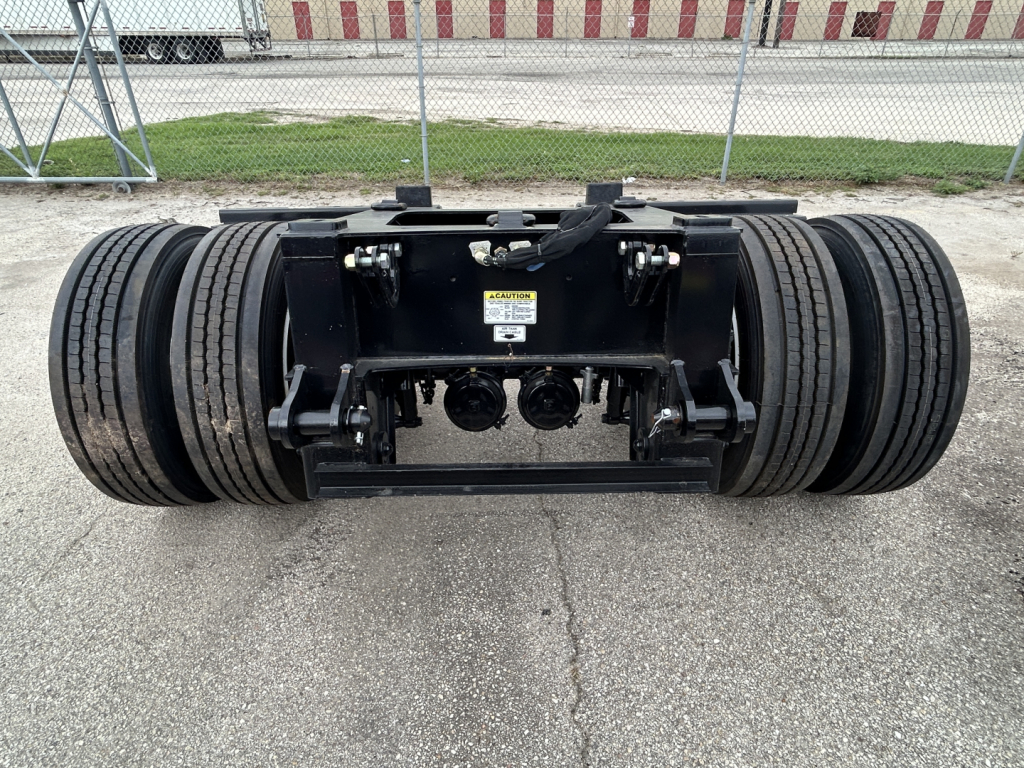
Jeeps and converter dollies serve a different role, but the buying logic is similar. A jeep is installed between the tractor and trailer to add axle group capacity and shift kingpin weight away from the tractor, which is critical on larger loads and longer wheelbase combinations. Converter dollies are more common in towing and double-trailer applications, but in specialized hauling the focus stays on proper coupling geometry, braking, and legal spacing. On any of these units, brake size, hub-piloted axles, lighting, sealed harnesses, and load signage provisions matter because these components are expected to operate in oversize and overweight service where downtime is expensive and inspections are routine. Flag holders, stake pockets for wide-load signs, strobes, and upgraded tail light packages are common because permit loads need to be visible and compliant from the start.
For a buyer comparing new units, the smartest approach is to verify the exact trailer series or neck design the attachment was built for, then confirm capacity, loaded deck height impact, suspension setup, and axle spacing against the states where the combination will run. Kansas operators often need equipment that can cross into surrounding states without forcing a complete reconfiguration, so bridge law flexibility and axle group spacing should be part of the decision. New equipment in this category appeals to fleets that want known maintenance history, current brake and lighting specs, and factory-matched fitment with modern heavy haul trailers. If the attachment is right for the trailer, it becomes a revenue tool. If the geometry or rating is off, it becomes a permitting and scaling problem every trip.
Frequently Asked Questions about New Flips/Converter Dollies/Jeeps Trailers in Kansas
What is the difference between a flip axle and a jeep?
A flip axle mounts to the rear or intermediate connection point of a lowboy or specialized trailer to add carrying capacity and help distribute load weight across more axles. A jeep mounts between the tractor and the trailer neck to add an axle group ahead of the trailer and reduce the load carried on the tractor drives and steer axle. Both are used in heavy haul service, but they solve different weight distribution and bridge law issues.
How do I know if a new flip axle will fit my trailer?
Fitment starts with the trailer manufacturer, trailer series, connection design, and ride height. The axle width, axle spacing, suspension type, bracket arrangement, electrical connection, and brake setup all need to match the trailer it was built for. Buyers should also confirm deck height change, loaded attitude, and whether support brackets, shims, or isolation components are required for proper installation and tracking.
Why does axle spacing matter on flips, dollies, and jeeps?
Axle spacing directly affects bridge compliance, permit routing, and how weight is distributed across the combination. A few inches can change how a state calculates allowable weight on an axle group. Spacing also affects turning behavior, tire scrub, and how the unit follows the trailer. In heavy haul applications, axle spacing is not just a physical dimension. It is a legal and operational specification.
Are air ride suspensions preferred on this type of equipment?
Air ride suspension is common because it helps equalize load, improves ride quality, and can make hookup and leveling easier. On specialized hauling equipment, air ride can also reduce shock transfer into the trailer and cargo compared with harsher suspension designs. Buyers should still verify the exact suspension rating, leveling valve configuration, and serviceability of the components, especially if the unit will see frequent attach-detach cycles or rough jobsite access.
What features are most important for oversize or overweight hauling?
The most important features are correct capacity rating, legal axle spacing, brake specification, compatible electrical connections, and durable suspension components. After that, visibility and compliance items become important, including LED lighting, strobes, tail light packages, flag holders, and stake pockets for wide-load signs. Sealed harnesses, hub-piloted axles, quality tires, and proper wheel selection also matter because these units work in high-stress service where roadside repairs and permit delays are costly.