
New Lowboy Trailers For Sale in Kansas
New lowboy trailers for sale in Kansas, including hydraulic detachable gooseneck models built for heavy equipment hauling and low deck height.
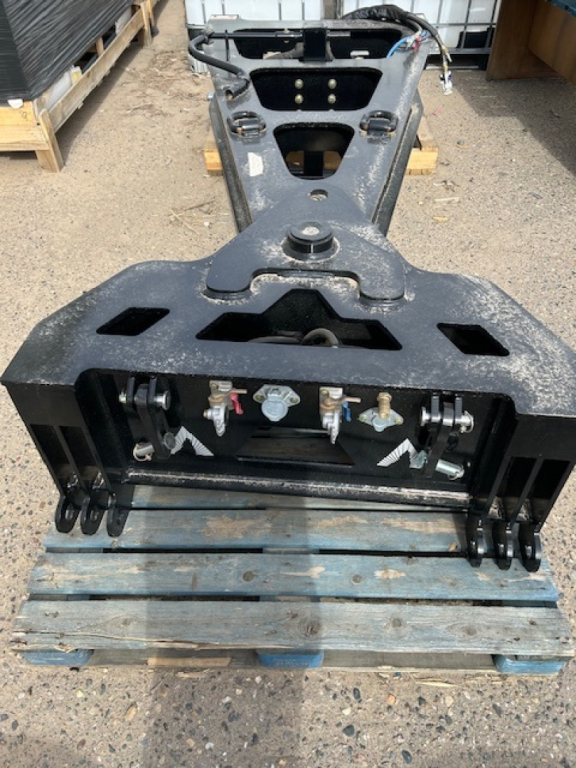
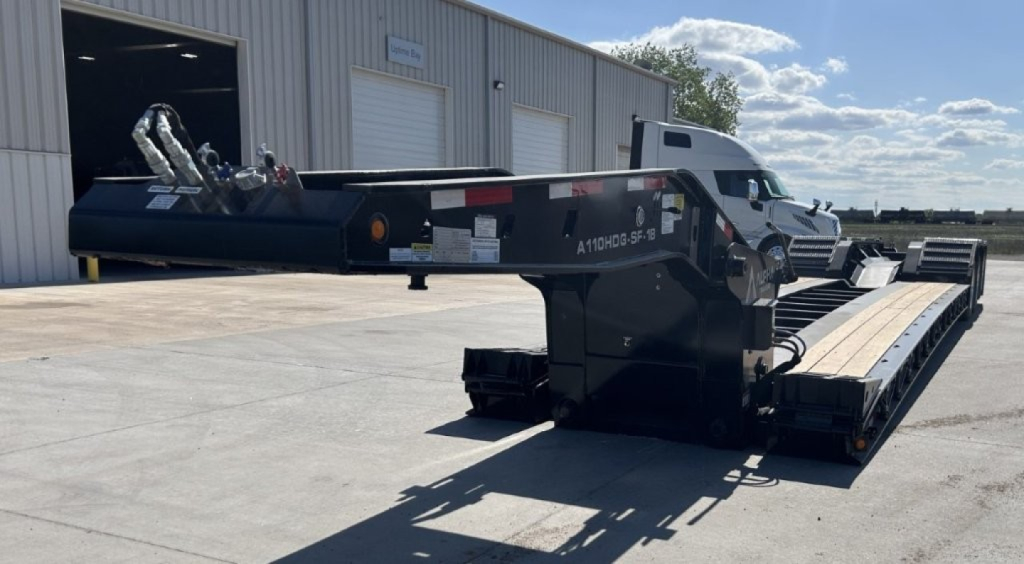
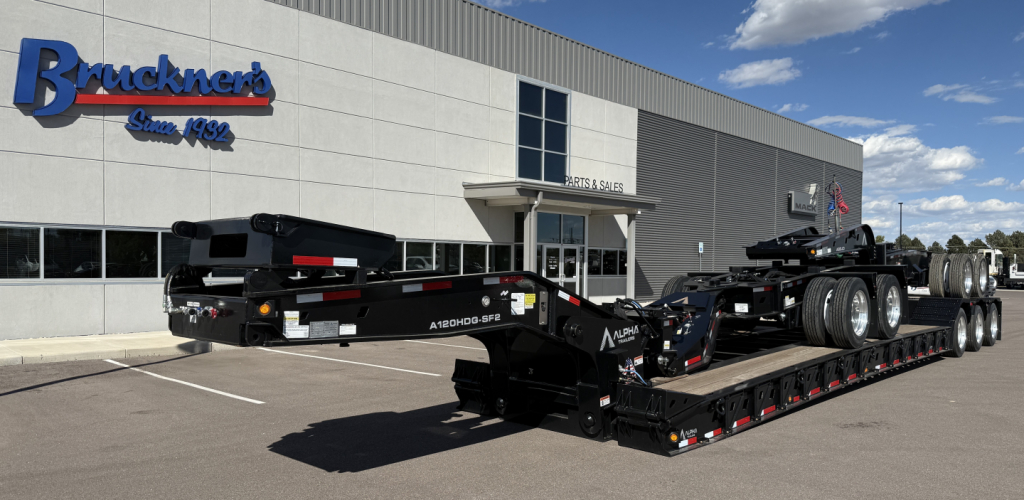
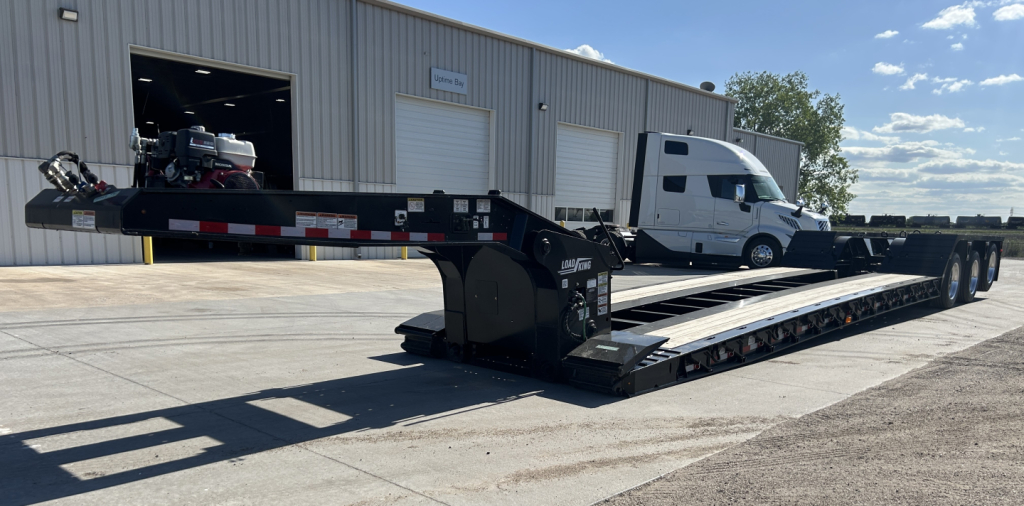
Selling a new lowboy trailer? List your new lowboy trailer for sale and reach thousands of commercial buyers.
New Lowboy Trailers in Kansas
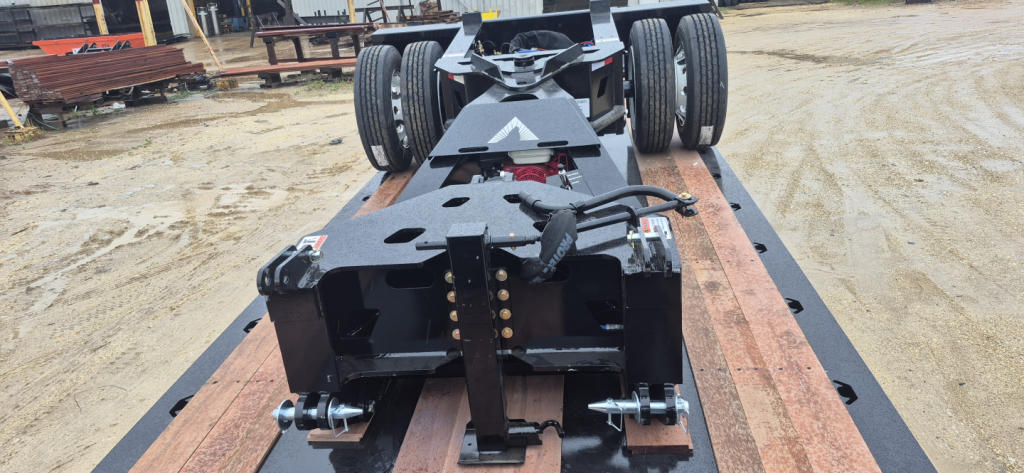
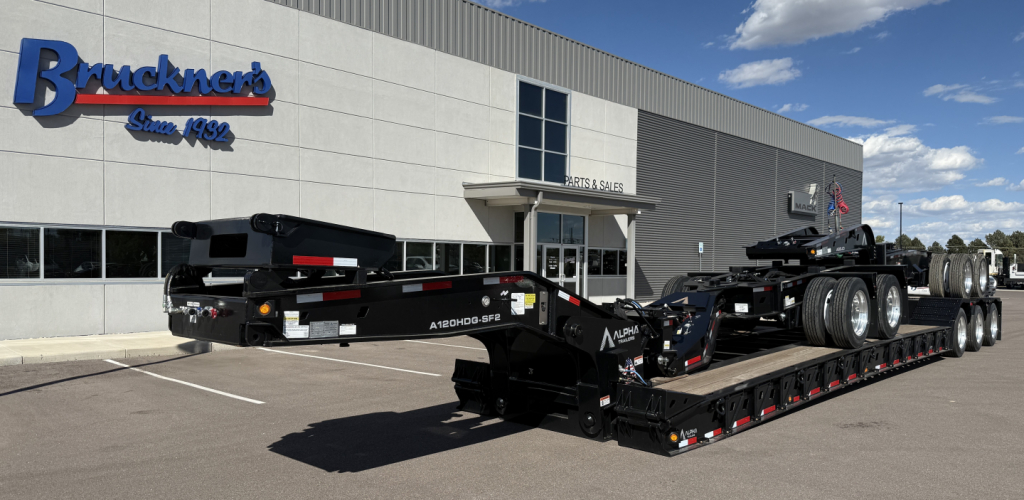
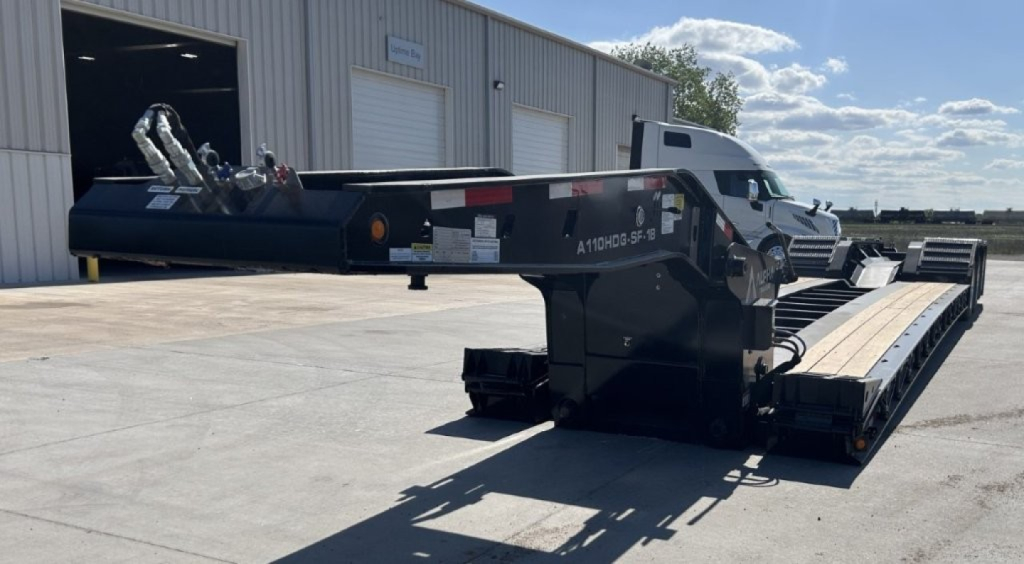
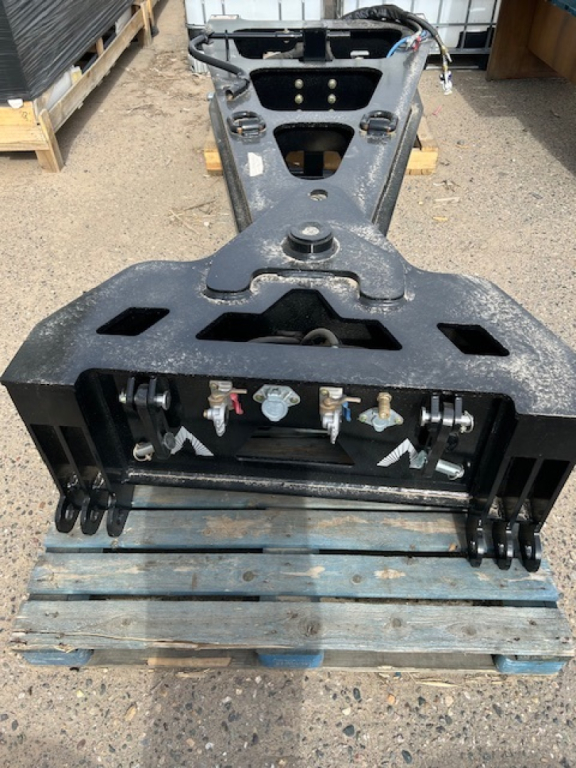
The biggest buying decision usually starts with capacity and neck style. Many new lowboy trailers in this class are hydraulic detachable gooseneck units, often called HDG or RGN-style lowboys, because they allow equipment to be driven onto the deck from the front after the neck is detached. Common ratings include 35-ton, 50-ton, and 55-ton configurations, with heavier specialized setups available. Buyers should look closely at load concentration ratings, loaded deck height, deck length, gooseneck swing clearance, and ride height adjustment. An 18-inch loaded deck height is popular when overall height is tight, and a 26-foot deck is a common fit for mid-size to larger iron. Features like front flip ramps, covered boom troughs, upper flange reinforcement, and future stinger prep can make a real difference in how adaptable the trailer is over time.
Axle package and deck outfitting matter as much as the base rating. Air ride suspensions are common on newer lowboys because they improve ride quality for both trailer and machine, while lift axles and flip axle compatibility give flexibility when gross weight changes from job to job. Typical heavy-haul configurations use 22.5-inch rubber, 54.5-inch axle spacing, drum brakes, and heavy-duty wheel covers. On the deck, chain slots, bent D-rings, swing-out outriggers, and apitong flooring are all practical details that affect how easily the trailer handles mixed freight and different track widths. Toolboxes, onboard pony motors, LED work lights, sealed harnesses, and onboard scale systems also add value for operators who want faster loading and fewer surprises at the scale.
For a buyer comparing new lowboy trailers, the best unit is the one that matches the equipment fleet you move most often, not just the highest published capacity. Check the deck length against your common machines, verify the neck swing and ground clearance for the tractors you plan to run, and confirm whether the trailer is rated for flip axles or spreader bars if your loads will grow. In Kansas, where heavy equipment may run between construction, agriculture, and energy applications, a well-spec'd lowboy needs to balance legal height, durable deck construction, secure tie-down options, and serviceable hydraulic systems. Those details determine how efficiently the trailer works once it is in the field.
Frequently Asked Questions about New Lowboy Trailers in Kansas
What is a lowboy trailer used for?
A lowboy trailer is used to haul heavy equipment and overheight machinery that cannot be transported efficiently on a standard flatbed or step deck. Common loads include excavators, bulldozers, wheel loaders, paving equipment, and other machines with high operating weight or tall overall height. The low deck height helps keep the load lower for better stability and improved compliance with height restrictions.
What is the difference between a lowboy and a detachable gooseneck trailer?
A lowboy describes the trailer type, while a detachable gooseneck refers to the loading configuration. Many lowboys are hydraulic detachable gooseneck models, which let the front neck disconnect so equipment can be driven directly onto the deck. That setup is preferred for tracked and wheeled machinery because it improves loading efficiency and reduces the need for separate ramps.
How do I choose the right lowboy trailer capacity?
Start with the actual operating weight of the machines you move most often, then compare that to the trailer's load concentration rating rather than only the gross capacity number. Deck length, axle count, axle spacing, neck design, and flip axle compatibility also affect real-world hauling capability. A trailer that is correctly matched to your typical equipment mix will usually perform better than one selected only for the highest tonnage rating.
Why does loaded deck height matter on a lowboy trailer?
Loaded deck height directly affects overall transport height, stability, and route flexibility. A lower deck allows taller machines to stay closer to legal height limits, which can reduce permit complications and route restrictions. An 18-inch loaded deck height is common on heavy-haul lowboys because it gives operators more room to transport taller equipment without exceeding clearance limits.
What features should buyers look for on a new lowboy trailer?
Important features include hydraulic detachable gooseneck operation, load-bearing deck construction, apitong flooring, chain slots, D-rings, swing-out outriggers, air ride suspension, lift axles, and compatibility with flip axles or spreader bars. Buyers should also look at practical service items such as sealed electrical harnesses, LED lighting, pony motors, toolbox space, and accessible hydraulic components. These details affect loading speed, securement flexibility, long-term durability, and maintenance costs.