
New Stoughton Trailers For Sale in Kansas
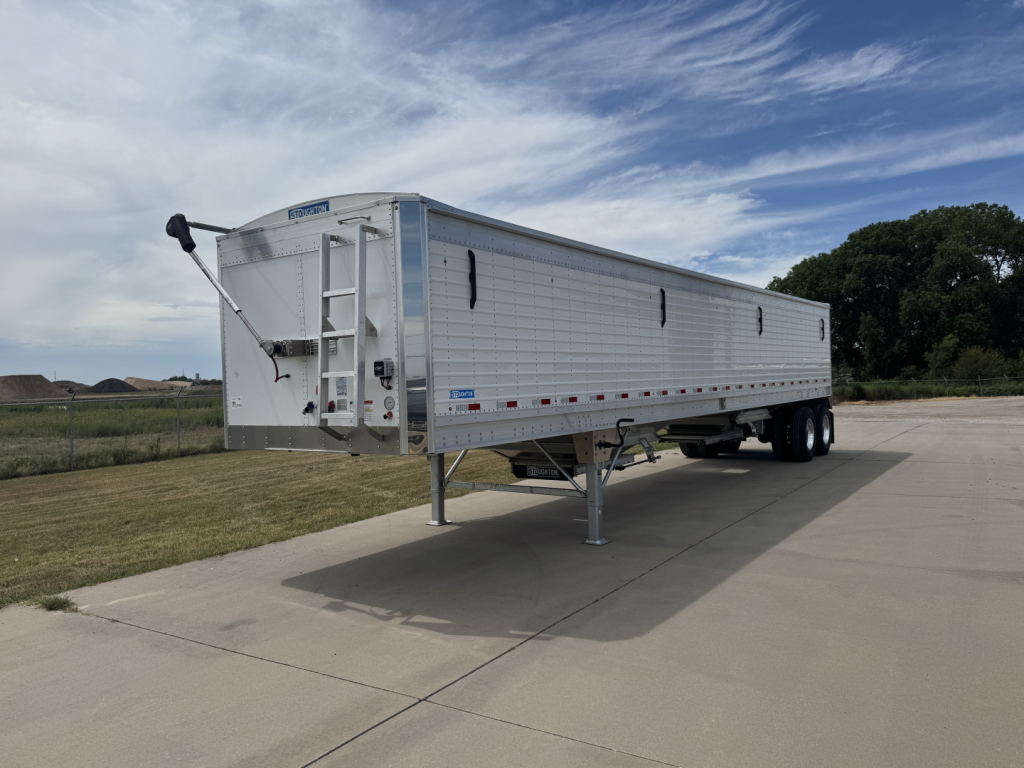
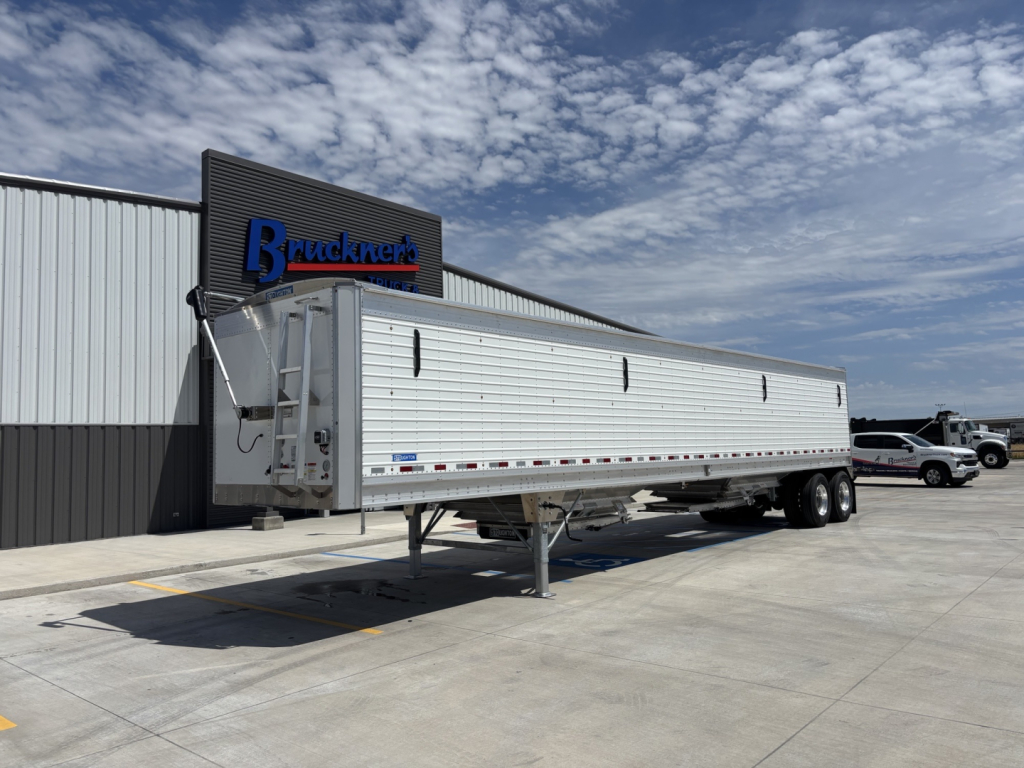
New Stoughton grain hopper trailers for sale in Kansas. Compare aluminum hopper specs, bushel capacity, side height, tarp, suspension, and axle setup.
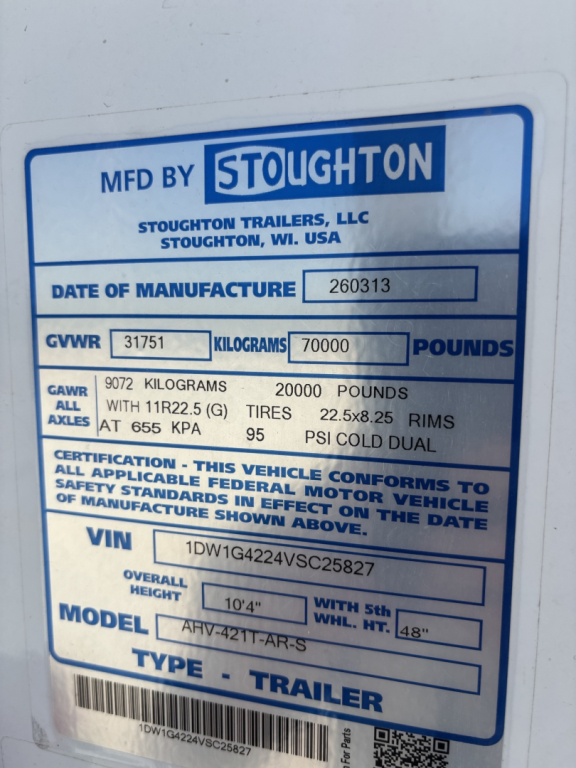
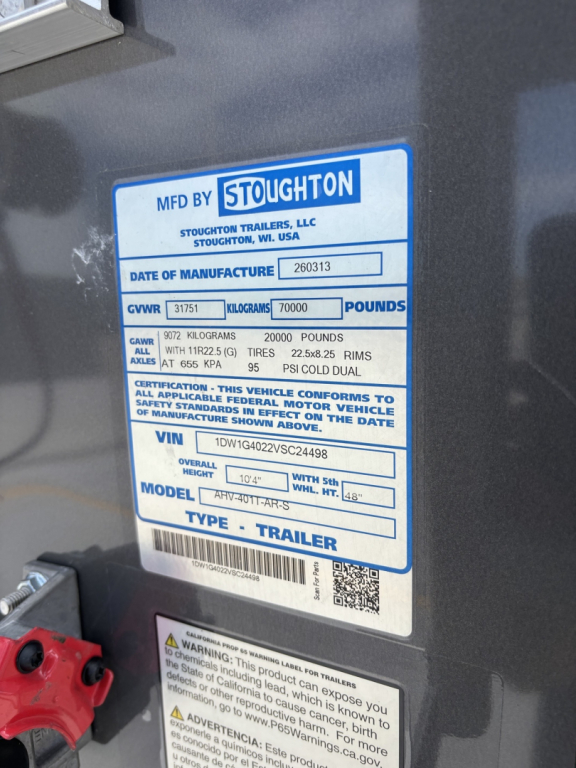
Selling a new stoughton trailer? List your new stoughton trailer for sale and reach thousands of commercial buyers.
New Stoughton Trailers in Kansas
Construction details matter on a new hopper trailer, and Stoughton specs in this class typically lean toward corrosion resistance and service life. Aluminum bodies help control tare weight, while galvanized steel subframes and landing gear add durability in high-stress areas. Buyers will also notice details like .050 aluminum sidewalls, .063 aluminum front panels, stainless rear wall components, and removable inner liners. Corrugated versus flat sidewalls can affect stiffness, appearance, and cleanout preference. A removable liner is worth attention if the trailer will switch between commodities or if easier maintenance and interior protection are priorities over the long term.
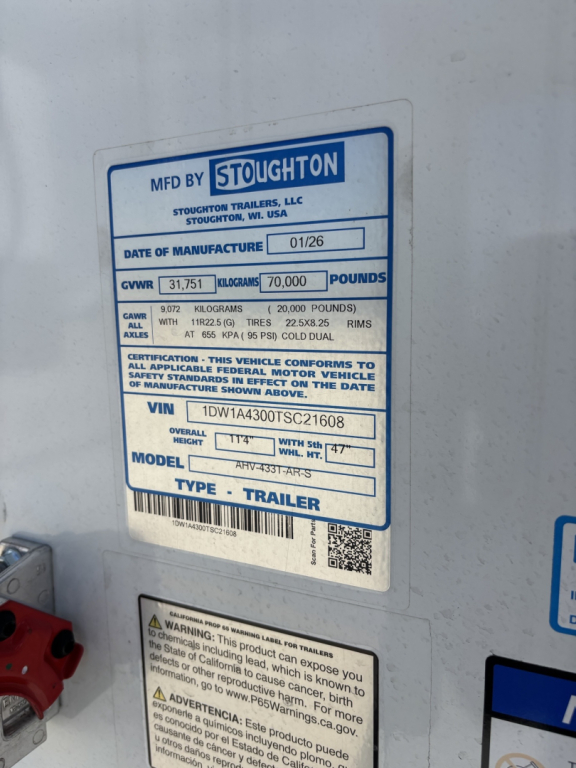
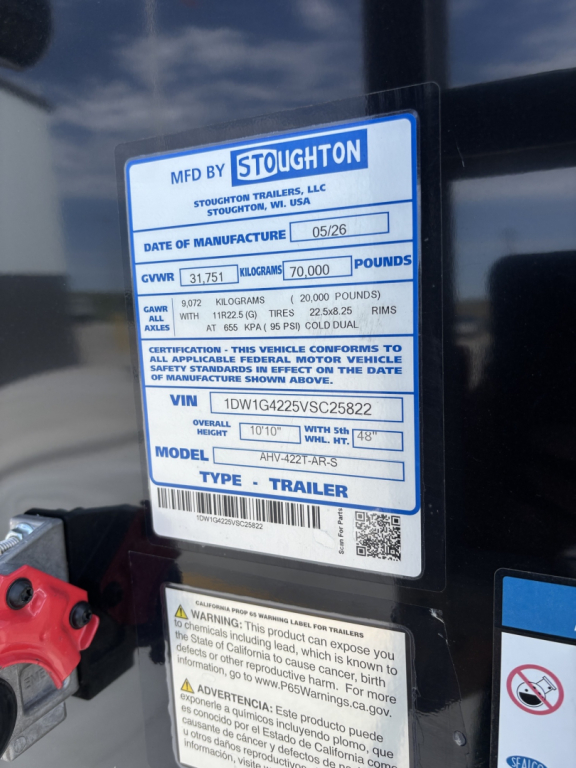
Running gear and unloading setup are just as important as body dimensions. Many Stoughton grain hoppers use tandem axles with a 49-inch spread, air ride suspension, drum brakes, 2S1M ABS, and 11R22.5 rubber on aluminum wheels. A 20-inch kingpin setting and 47-inch to 48-inch fifth wheel height are common numbers to verify against your tractor fleet, especially if you run multiple wheelbase specs or need bridge compliance across state lines. Hopper discharge dimensions, trapdoor style, and ground clearance deserve a close look because they affect unload speed and pit compatibility. Two-stage manual trapdoors, roughly 29-inch wide openings, and about 24 inches of ground clearance are common in this group. Electric tarp systems with remote controls are also a practical upgrade for reducing load securement time and improving driver efficiency.
For a buyer comparing new Stoughton hopper trailers, the real decision is matching body volume and overall height to your commodity mix, legal weights, and operating geography. A lower-side 40-foot or 42-foot hopper can be a smart fit where height restrictions, older loadout facilities, or tighter farm access are part of the job. Taller 43-foot trailers push more volume for lighter commodities but need to be checked carefully for clearance and weight distribution. LED lighting packages, ladders, anti-spray splash guards, and tire inflation systems can also make a measurable difference in uptime and safety. Stoughton remains a strong name in grain and bulk commodity trailer construction because these trailers are typically spec'd around the practical needs that matter most in the field: payload, durability, cleanout, and dependable unloading.
Frequently Asked Questions about New Stoughton Trailers in Kansas
What should I look at first when comparing new Stoughton grain hopper trailers?
Start with cubic capacity, side height, trailer length, and tare weight. Those specs determine how much grain the trailer can carry, how it loads at different elevators, and how close you can get to legal gross weight with your tractor. After that, compare kingpin setting, fifth wheel height, axle spread, and suspension because those dimensions affect tractor compatibility, bridge laws, and ride quality.
What is the advantage of an aluminum Stoughton hopper trailer?
An aluminum hopper trailer is built to keep empty weight down while maintaining strong payload capacity for grain and other bulk agricultural commodities. Lower tare weight can translate into more legal payload, which matters on repetitive harvest and elevator runs. Aluminum construction also helps with corrosion resistance, especially when the trailer is exposed to weather, fertilizer dust, and regular washdowns.
How do I choose between 68-inch, 74-inch, and 80-inch side heights on a grain hopper?
Side height should match the density of the commodity and the legal weights on your regular routes. Shorter sidewalls often make sense for heavier grain where weight limits are reached before the trailer is full. Taller sidewalls increase cubic volume and are better suited to lighter commodities or operations that want more capacity per trip. Overall loaded height and clearance at bins, augers, and elevators should be checked before moving to a taller body.
Why do kingpin setting and fifth wheel height matter on a hopper trailer?
Kingpin setting and fifth wheel height affect how the trailer sits behind the tractor, how weight is distributed across the axles, and whether the combination will clear the trailer neck and tires during turns. A common 20-inch kingpin setting and 47-inch to 48-inch fifth wheel height work well in many fleets, but they still need to match your tractors. If the dimensions are off, you can run into bridge compliance issues, poor weight balance, or clearance problems.
Are electric tarps and tire inflation systems worth it on a new grain hopper trailer?
For many operations, yes. An electric tarp saves time at loadout and unload points, reduces driver strain, and helps secure the load consistently in wind and bad weather. A tire inflation system can help maintain proper tire pressure across the trailer, which supports tire life, fuel economy, and roadside reliability. On high-mileage ag routes, both options can improve uptime and day-to-day efficiency.