
New 2027 Fontaine Trailers For Sale
Shop new 2027 Fontaine trailers including flatbeds and lowboys. Compare specs, capacities, deck setups, and hauling applications.
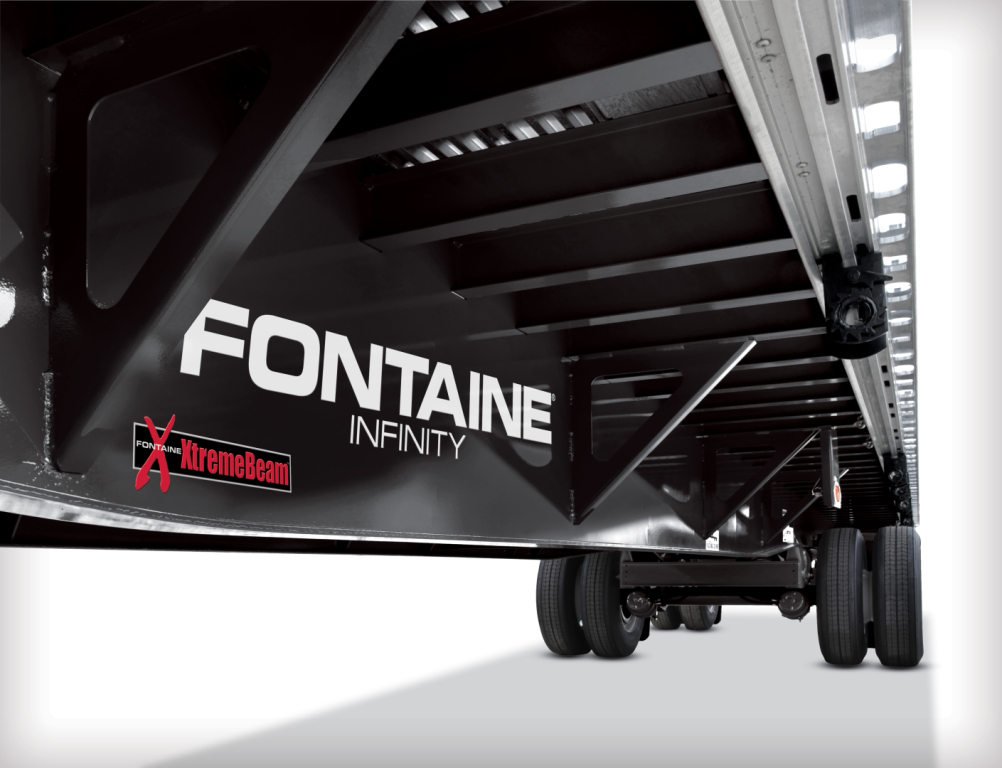
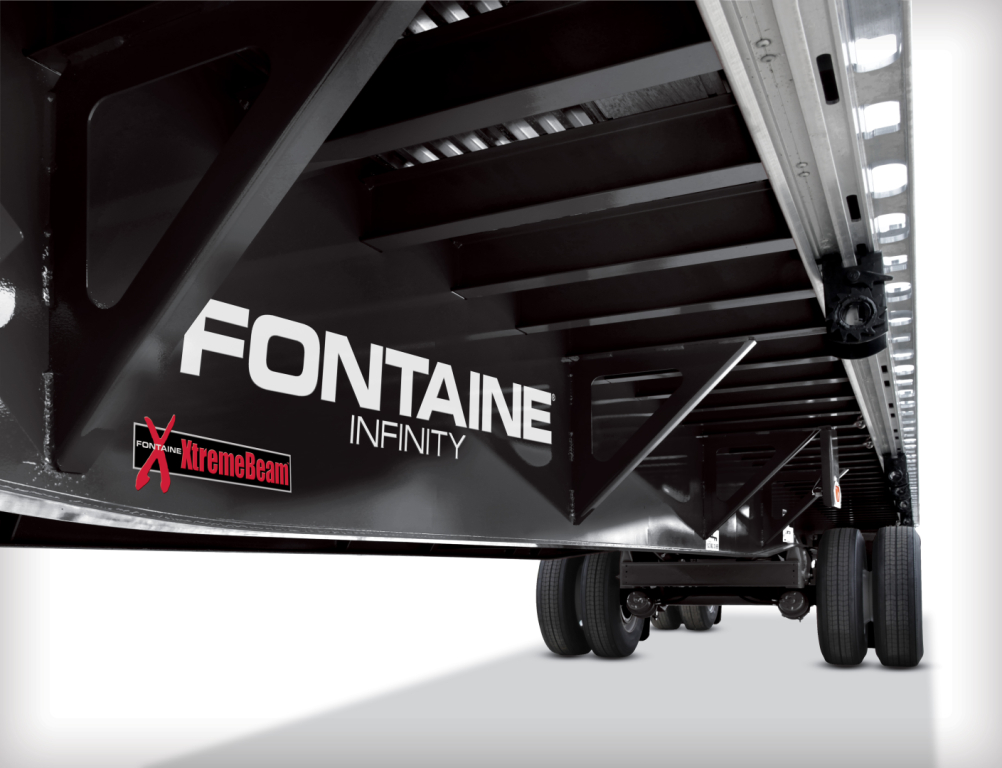
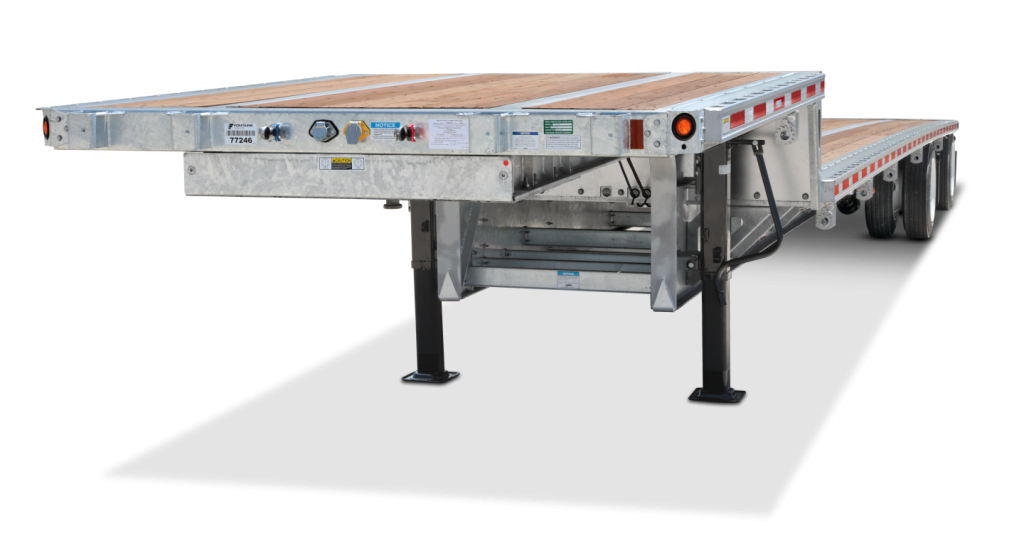
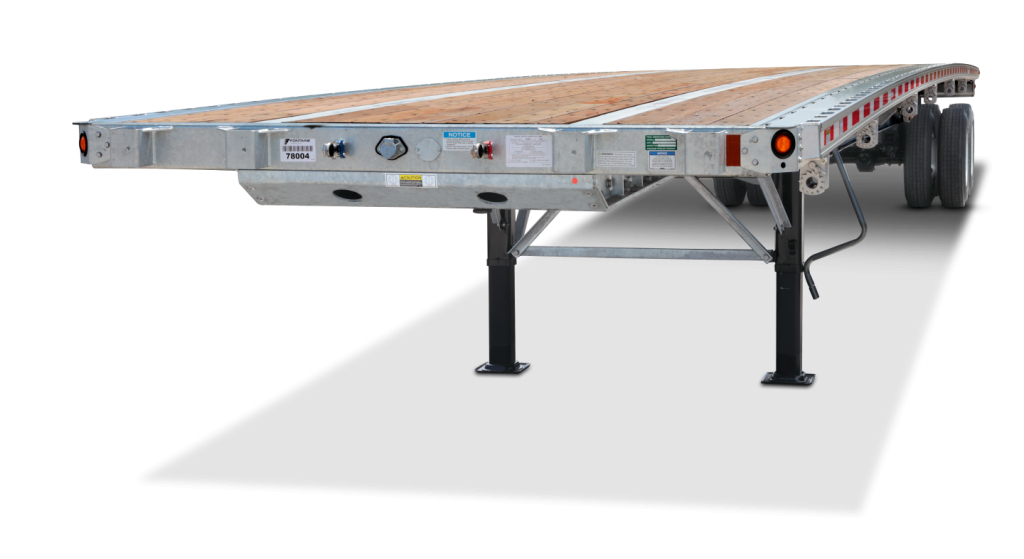
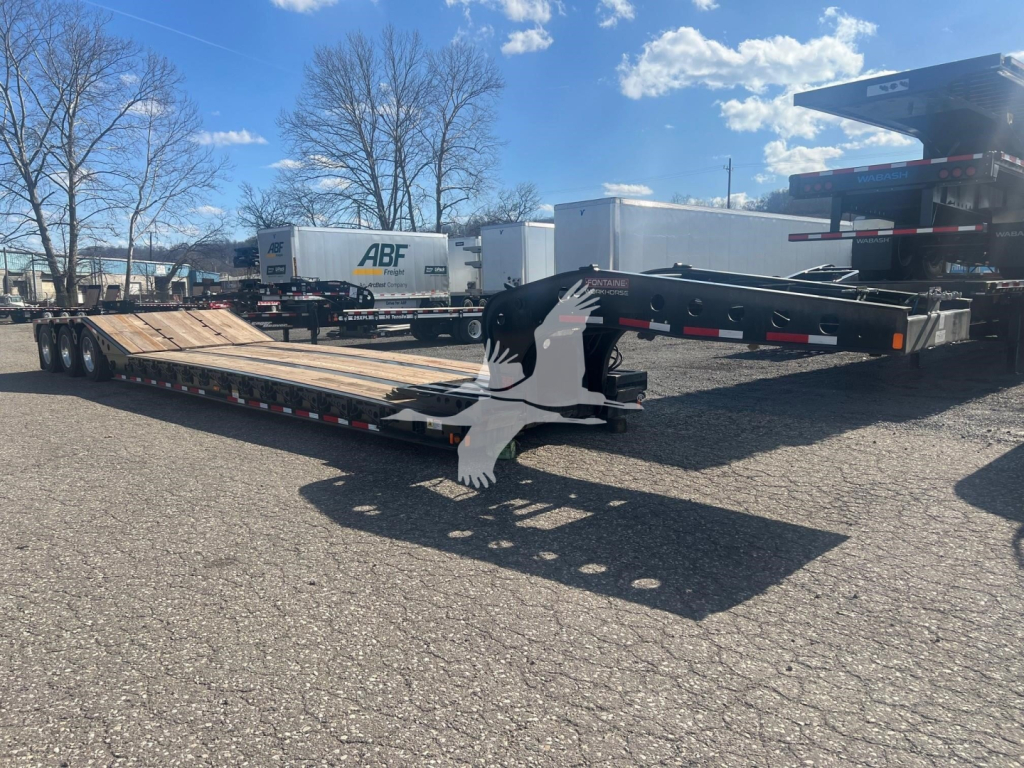
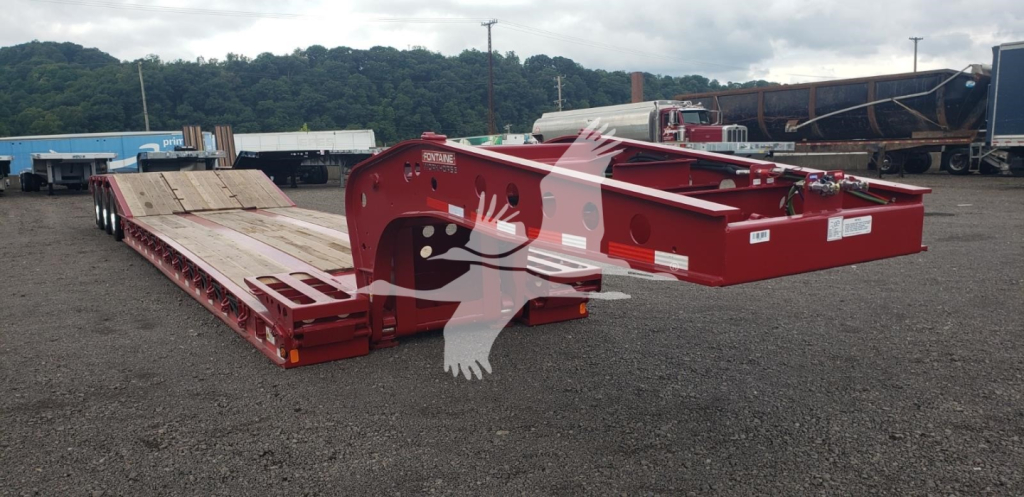
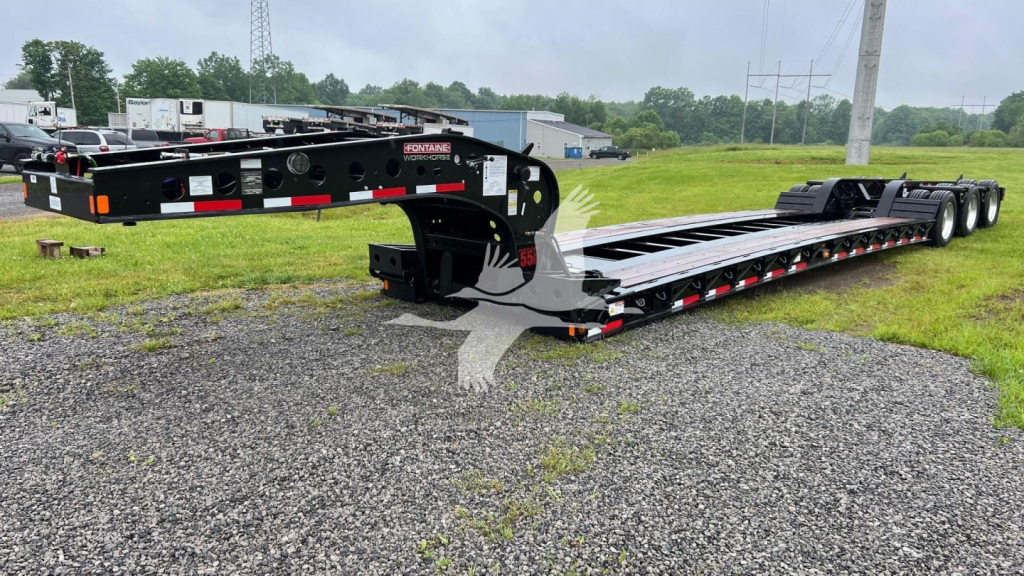
Showing 1 to 24 of 74 results
Have new 2027 fontaine trailer to sell? List it here to reach thousands of buyers.
New 2027 Fontaine Trailers
Frequently Asked Questions about New 2027 Fontaine Trailers
What should I look at first when comparing new 2027 Fontaine trailers?
Start with the trailer category and the actual job it needs to cover. A Fontaine flatbed is the right fit for general open-deck freight, while a Fontaine lowboy is built for heavier equipment and taller loads that need a lower loaded deck height. After that, compare overall length, main deck length, deck height, axle count, suspension type, and whether the trailer is designed to accept a flip axle, spreader, or neck extension. Those decisions affect legal payload, maneuverability, and how many types of loads the trailer can realistically handle.
What are common specs on Fontaine lowboy trailers?
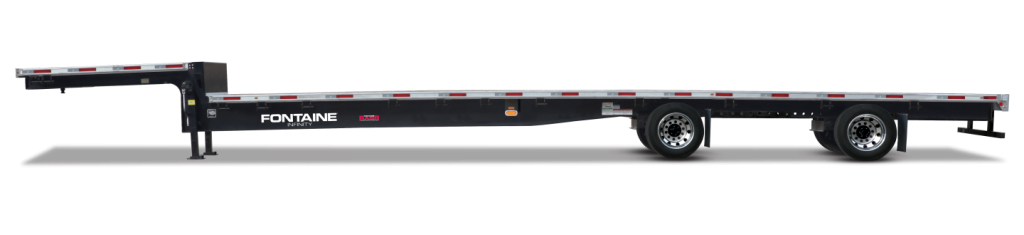
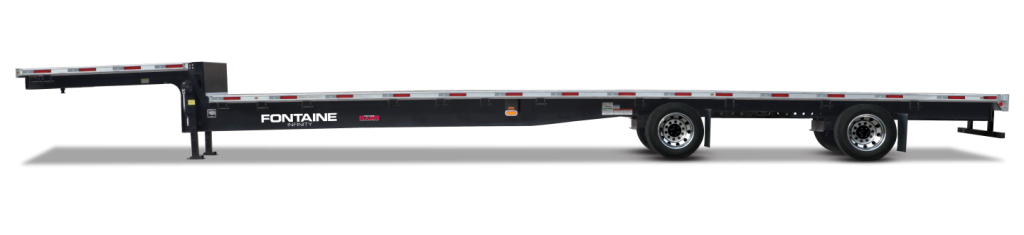
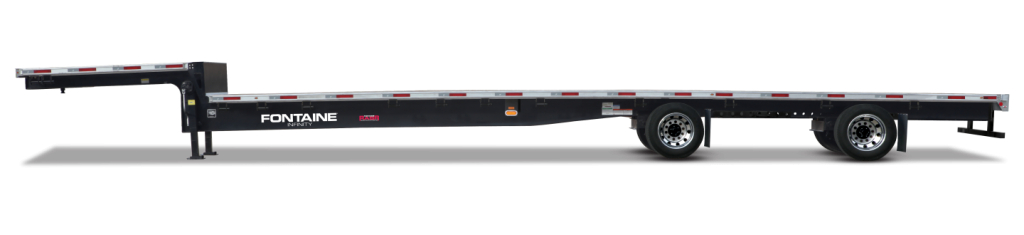
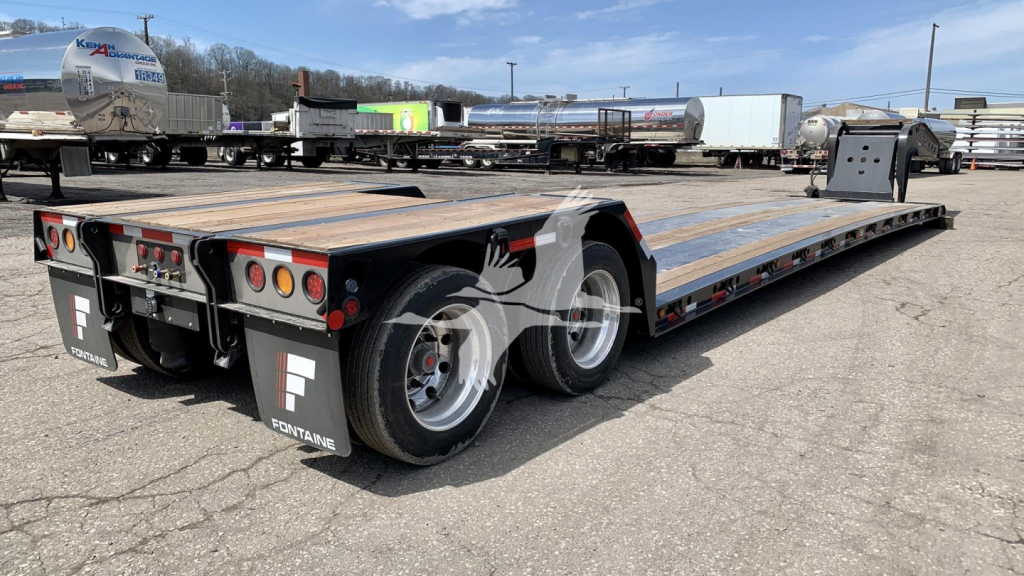
Fontaine lowboys commonly use hydraulic detachable goosenecks, air ride suspension, 102-inch width, Apitong flooring, and 22.5-inch rubber. Buyers often compare ton rating in a stated deck length, loaded fifth wheel height, suspension setting, kingpin setting, ground clearance, and the number of outriggers or D-rings. On heavier models, modular deck connections, flip axle compatibility, pony motors, lift axles, and multiple ride height positions are key details because they directly affect loading flexibility and permitting options.
Why does deck height matter so much on a Fontaine lowboy?
Deck height is one of the most important numbers on a lowboy because it determines how much machine height you can carry before running into bridge and overpass issues. A lower deck can make the difference between a simpler legal move and a permitted load with route restrictions. Deck height also affects loading angle, center of gravity, and how well the trailer handles pavers, rollers, dozers, excavators, and other low-clearance equipment. Buyers should look at both loaded deck height and ground clearance, because the trailer still needs to function on jobsite entrances and uneven surfaces.
What makes a Fontaine flatbed trailer a good fit for general freight?
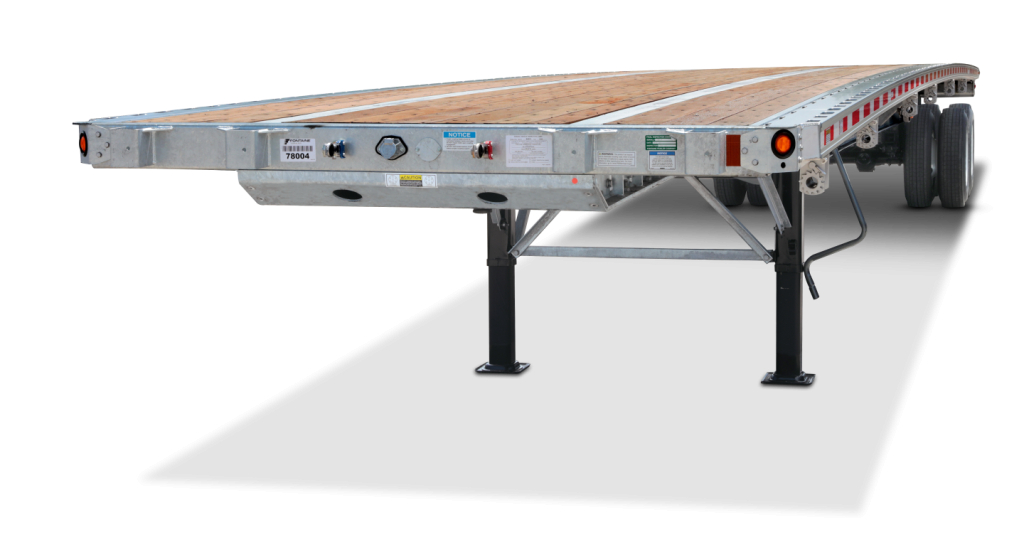
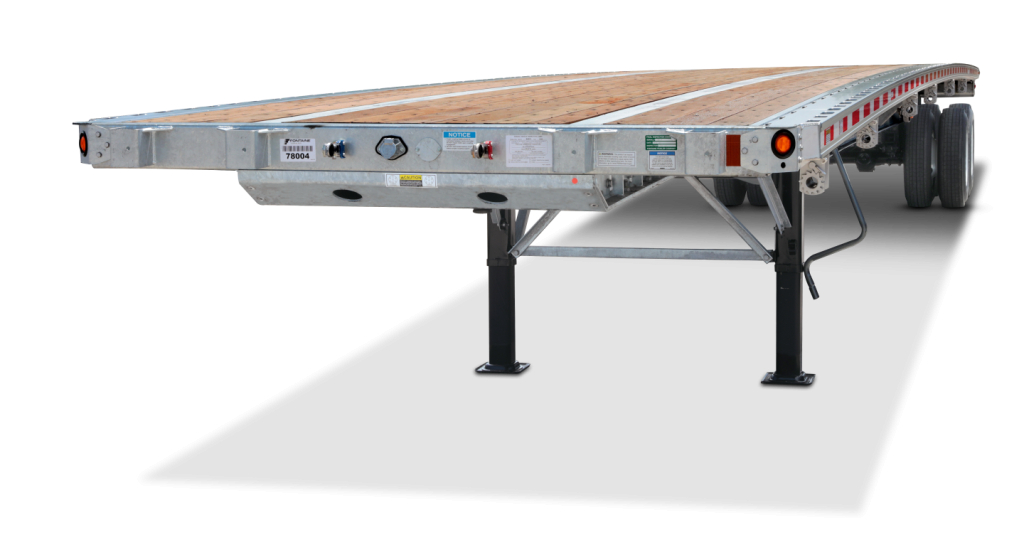
A Fontaine flatbed is typically chosen for freight that needs fast side loading, top loading, or crane loading. Lumber, steel, pipe, machinery, bundled materials, and palletized freight are common applications. Important spec points include deck length, aluminum versus steel construction, crossmember spacing, floor type, tie-down equipment, and axle configuration. The right setup depends on how often the trailer will be tarped, how dense the freight is, and whether the operation values lower tare weight or heavier-duty durability.
Are options like flip axles, outriggers, and pony motors worth paying attention to?
Yes, because those options can change the trailer's usable range more than cosmetic upgrades ever will. A flip axle can increase capacity and improve bridge compliance on heavier moves. Outriggers help when hauling wider equipment or using deck inserts and cribbing. A pony motor matters on hydraulic detachable neck lowboys because it supports neck operation without depending on the tractor. These are practical buying points that affect daily use, permit strategy, and how often the trailer can be adapted to different equipment classes.