
New 2027 Fontaine Drop Deck Trailers For Sale
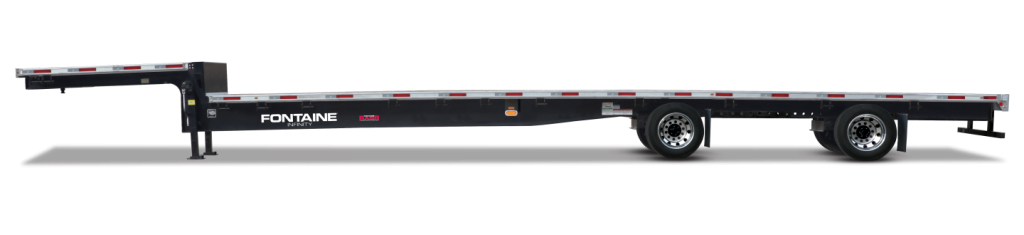
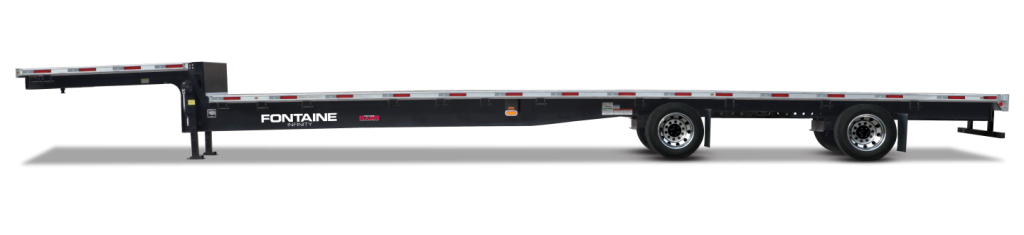
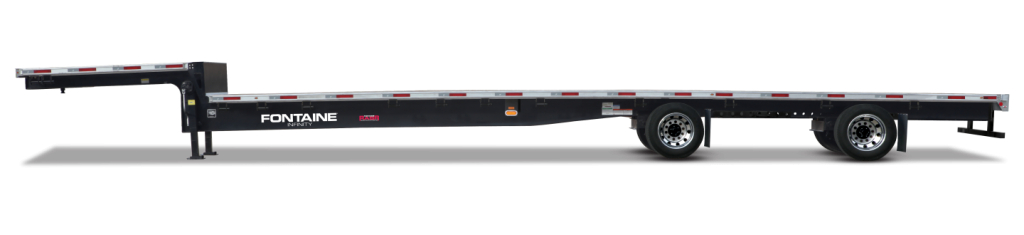
Shop new 2027 Fontaine drop deck trailers with aluminum-combo construction, air ride, strong tie-down systems, and low deck heights.

Selling a new 2027 fontaine drop deck trailer? List your new 2027 fontaine drop deck trailer for sale and reach thousands of commercial buyers.
New 2027 Fontaine Drop Deck Trailers
Frequently Asked Questions about New 2027 Fontaine Drop Deck Trailers
What is the main advantage of a Fontaine drop deck trailer compared with a standard flatbed?
The main advantage is lower deck height. A drop deck trailer places the main cargo area below the upper deck, allowing taller freight to move while staying within legal height limits in many states. That makes it a better fit for equipment, palletized freight, and building materials that would sit too high on a conventional flatbed. Fontaine drop decks are also typically equipped with strong tie-down systems, stake pockets, and winch tracks that support a wide range of securement methods.
What specs matter most when comparing new 2027 Fontaine drop deck trailers?
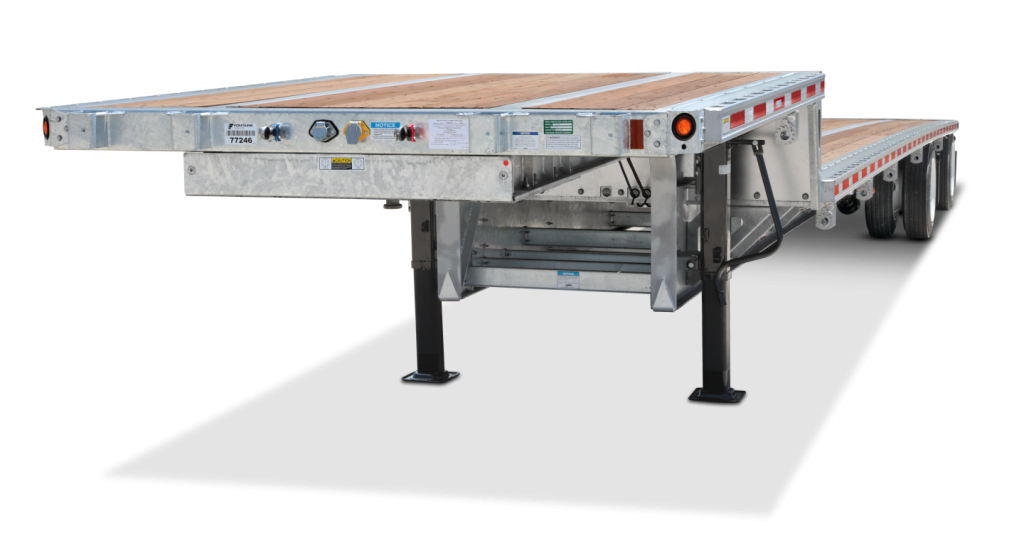
The most important specs are trailer length, upper and lower deck dimensions, loaded deck height, kingpin setting, axle spread, suspension type, flooring, and rated capacity. Buyers should also check concentrated load ratings, especially if the trailer will haul machinery or dense freight such as steel or coils. Securement details matter just as much as the headline capacity. Features like full-length winch tracks, chain tie-downs, stake pockets on 24-inch centers, bulkhead pockets, and coil package options directly affect how efficiently the trailer can be loaded and how many freight types it can cover.
Why do many buyers prefer a combo Fontaine drop deck trailer?
A combo trailer uses a mix of steel and aluminum to reduce tare weight while keeping strength where it is needed most. That usually means better payload potential than an all-steel build, along with good long-term durability for hard commercial use. On Fontaine drop decks, buyers often look for aluminum flooring with wood nailer strips, routed aluminum side rails, and heavy-duty main beam construction. Galvanized structural components can add corrosion resistance, which is especially useful in northern climates and high-moisture applications.
Is a rear axle slide important on a 53-foot Fontaine drop deck?
For many operations, yes. A rear axle slide gives the trailer more flexibility for bridge law compliance, state-specific axle requirements, and load positioning. It can be especially useful for fleets running different regions or handling varied freight weights and center-of-gravity positions. A Cal-legal sliding tandem setup can also help operators who need to work in western states with tighter axle rules. If the freight mix changes often, a sliding axle setup usually adds more operational value than a fixed tandem.
What types of freight are best suited for a new Fontaine drop deck trailer?
This category is commonly used for construction materials, forklifts, small industrial equipment, crated machinery, agricultural equipment, pipe, steel products, and palletized loads that need extra height clearance. The lower deck is valuable for freight that is too tall for a flatbed but does not require a detachable gooseneck. Buyers hauling mixed open-deck freight usually benefit from a trailer with air ride suspension, multiple chain tie-down points, sliding winches, and durable flooring that can handle repeated loading by forklift.