
New 2027 Fontaine Drop Deck Trailers For Sale in Texas
New 2027 Fontaine drop deck trailers for sale in Texas. Compare 48' and 53' models with air ride, combo construction, and securement options.

Selling a new 2027 fontaine drop deck trailer? List your new 2027 fontaine drop deck trailer for sale and reach thousands of commercial buyers.
New 2027 Fontaine Drop Deck Trailers in Texas
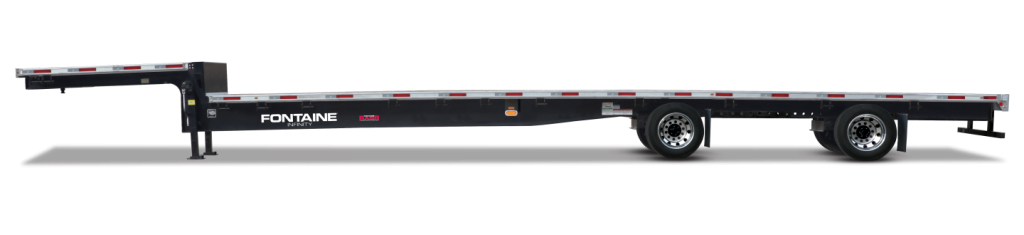
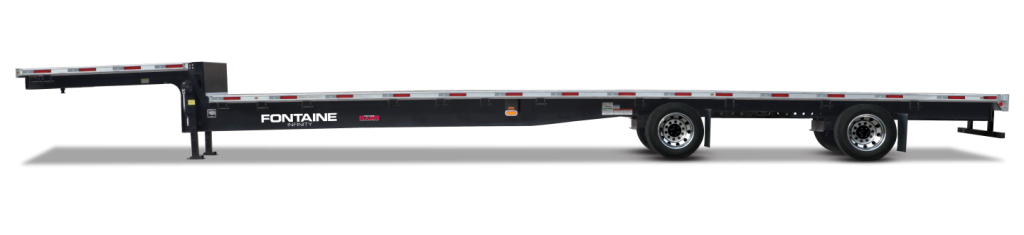
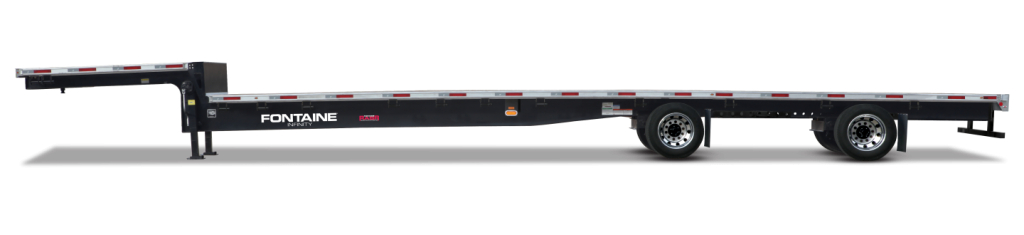
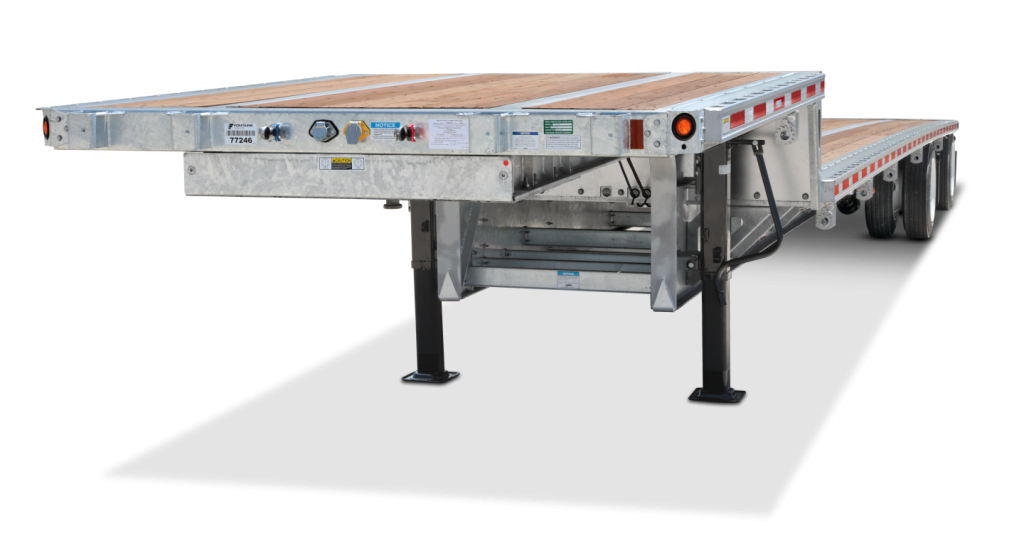
The first buying decision is usually deck length, axle configuration, and load rating. Many buyers look for 80,000-pound distributed capacity, but concentrated load ratings matter just as much if the trailer will haul equipment, coils, or dense freight. In this category, you will often see combo construction with aluminum flooring and steel or high-strength main beam components to balance payload and durability. Common specs include 1-1/8 inch aluminum floors with wood nailer strips, integrated rub rails, stake pockets on 24 inch centers, chain tie-downs, bulkhead pockets, and full-length winch tracks with sliding winches. Rear deck height around 40 inches and lower deck height in the upper-30-inch range are important numbers because they directly affect what freight can move legally.
Fontaine is well known in the open-deck market for practical securement layouts and fleet-friendly designs. Features such as air ride suspension, electric dump valves, 4S/2M ABS, spring brakes, and wide-spread or sliding tandem setups are common on newer drop decks. A rear axle slide can be especially useful for operators balancing bridge law compliance, state length requirements, and load placement flexibility. In Texas, buyers often pay close attention to kingpin setting, loaded fifth wheel height, axle spread, and tire size because those details affect tractor compatibility, turning radius, and how easily the trailer fits into a mixed regional and over-the-road operation.
Galvanized components and corrosion-resistant combo construction are worth a hard look if the trailer will see frequent loading, weather exposure, or long service cycles. Buyers comparing 2027 Fontaine step decks should focus on the deck structure, securement package, tare weight, and how the trailer is spec'd for the freight they actually haul most often. A lighter trailer can improve payload, but the best value usually comes from the right balance of beam strength, deck height, axle adjustability, and tie-down access. For many carriers and owner-operators, a properly spec'd drop deck is one of the most versatile trailers in the yard because it handles freight that a flatbed cannot legally or efficiently move.
Frequently Asked Questions about New 2027 Fontaine Drop Deck Trailers in Texas
What is the difference between a drop deck trailer and a flatbed trailer?
A drop deck trailer, also called a step deck, has two deck levels instead of one continuous flat deck. The upper deck sits over the tractor drive tires, and the lower deck drops down behind it to create additional cargo height clearance. That lower profile allows taller freight to move legally compared with a standard flatbed, while still keeping the trailer open for side, rear, and crane loading.
What freight is a Fontaine drop deck trailer commonly used for?
Fontaine drop deck trailers are commonly used for machinery, construction materials, steel products, crated equipment, agricultural equipment, and palletized freight that exceeds standard flatbed height limits. They are also popular for loads that need multiple securement points, chain tie-downs, stake pockets, and winch tracks. The category works well for carriers that need one trailer to cover both general commodity and more specialized open-deck work.
Why does rear deck height matter on a drop deck trailer?
Rear deck height is one of the key measurements because it determines total loaded height and can decide whether a load moves under legal height without permits. A lower deck height gives more room for tall cargo, but buyers also need to consider tire size, suspension type, and tractor fifth wheel height because those factors affect loaded trailer attitude. In practical use, even an inch or two can change what freight the trailer can handle without routing restrictions.
Should I choose a fixed spread axle or a rear axle slide on a drop deck trailer?
That depends on where and how the trailer will run. A fixed wide-spread tandem can offer stability and a straightforward setup, while a rear axle slide gives more flexibility for bridge compliance, load distribution, and meeting state-specific requirements such as California legal settings. Buyers hauling varying freight weights and lengths often prefer a slider because it provides more options when positioning the load and balancing axle weights.
What specs should I check first when comparing new 2027 Fontaine drop deck trailers?
Start with overall length, upper deck and lower deck dimensions, distributed and concentrated load ratings, rear deck height, trailer tare weight, and suspension type. Then look closely at securement details such as rub rail design, chain tie-downs, stake pocket spacing, winch track layout, and bulkhead pockets. Kingpin setting, fifth wheel height, axle spread, and flooring construction are also important because they affect tractor match, legality, and the trailer's day-to-day usability.