
2027 Fontaine Trailers For Sale
Shop 2027 Fontaine trailers for sale, including flatbed, drop deck, lowboy, and specialized models built for heavy haul and general freight.
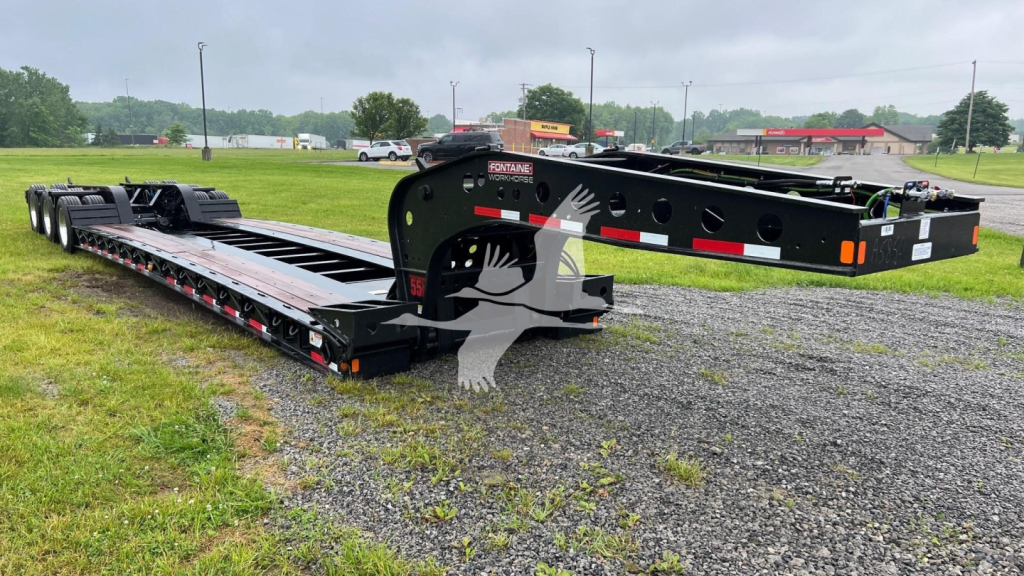
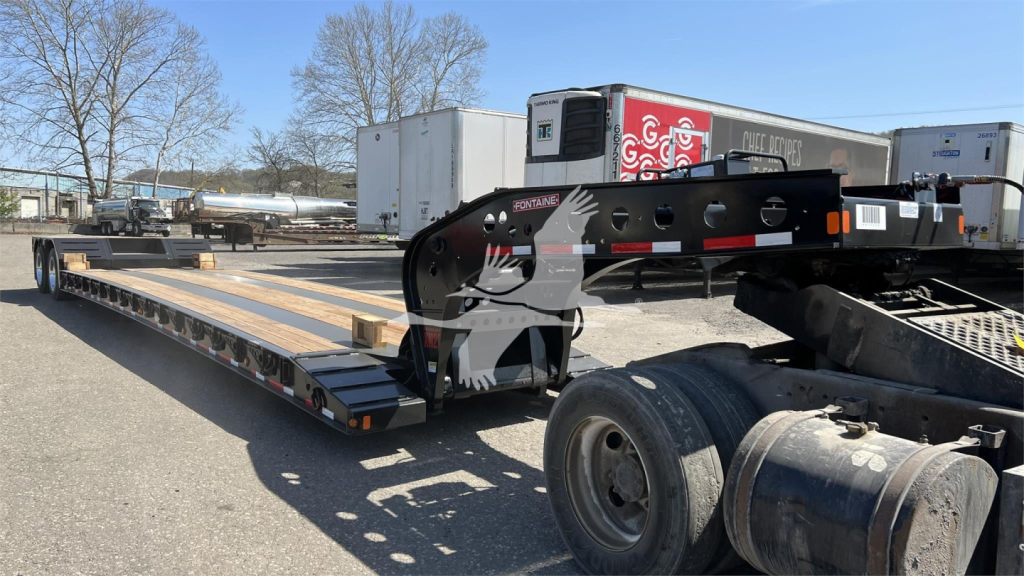
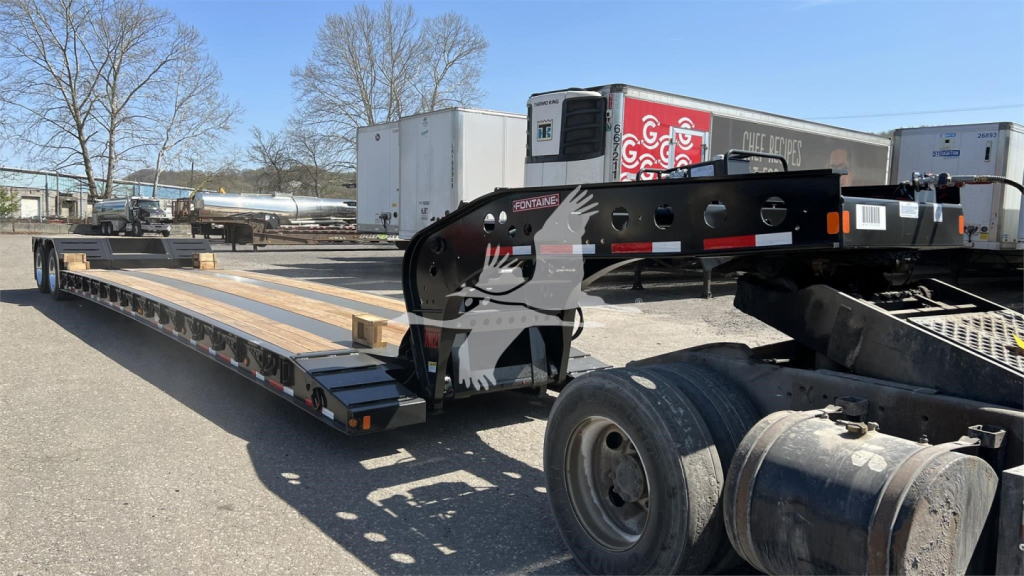
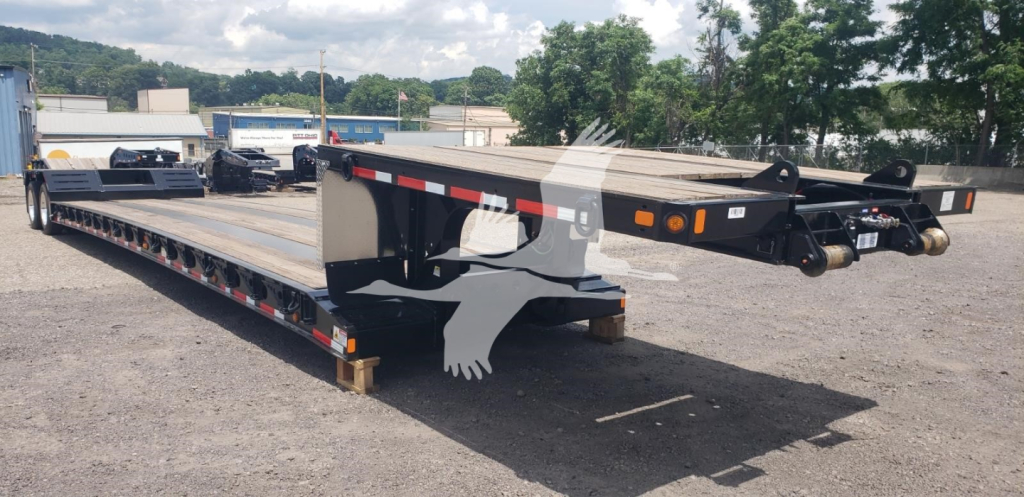
Showing 25 to 48 of 77 results
Have 2027 fontaine trailer to sell? List it here to reach thousands of buyers.
2027 Fontaine Trailers
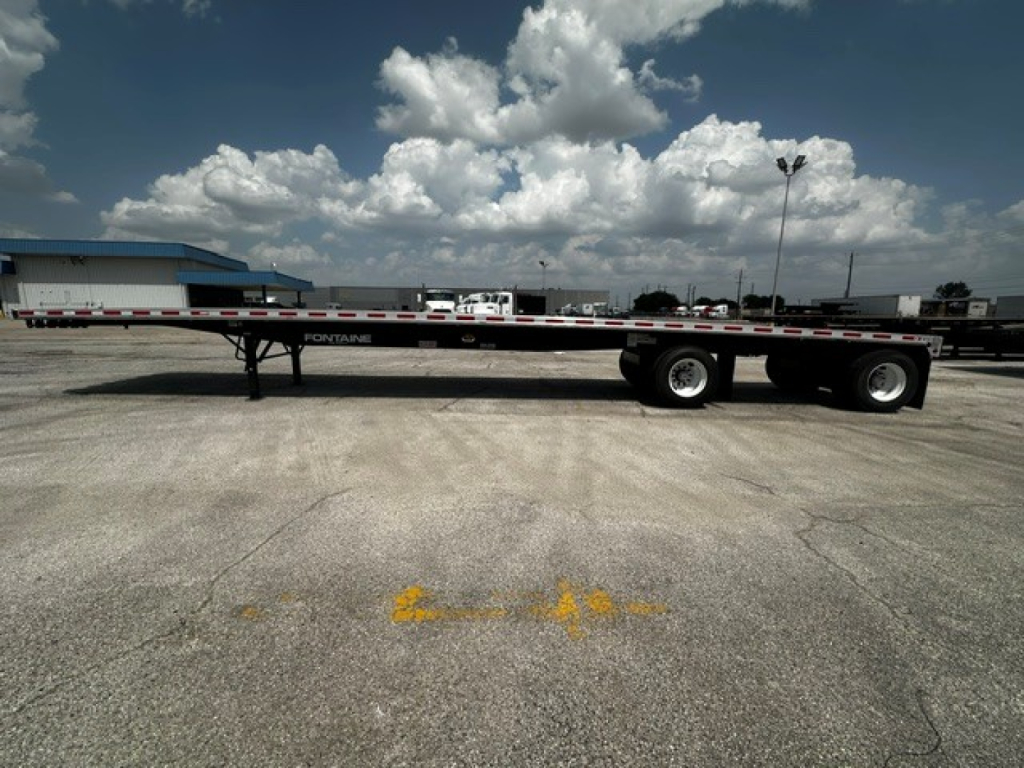
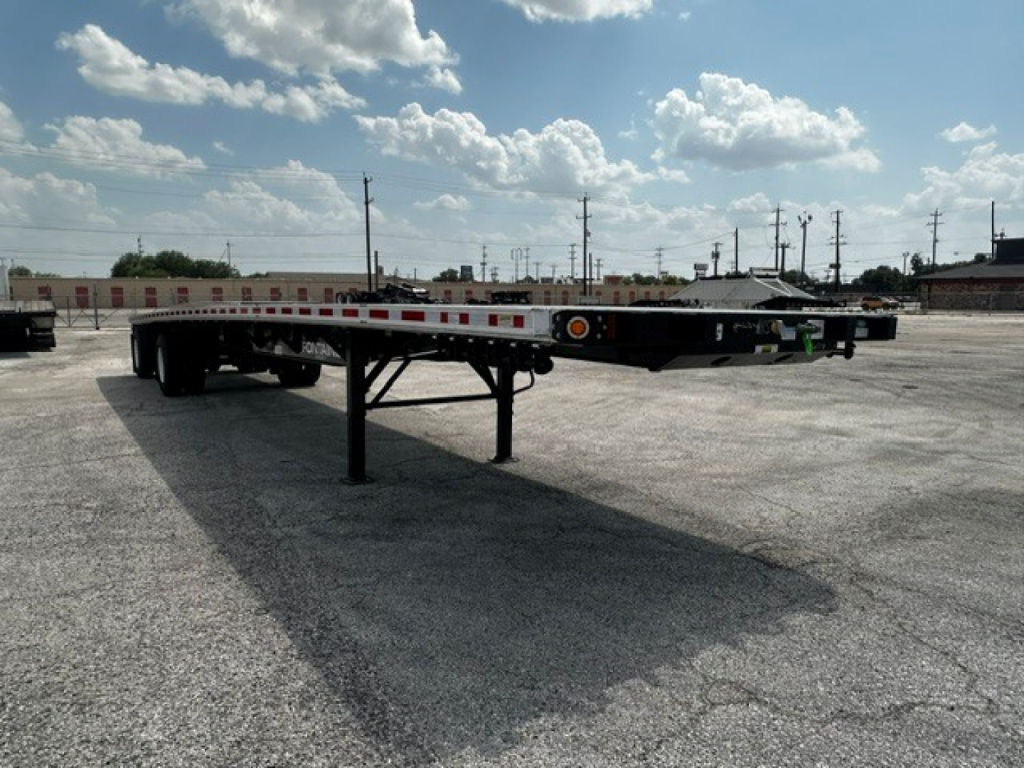
For flatbed and drop deck buyers, pay close attention to deck length, loaded deck height, floor type, crossmember spacing, winch track layout, and tie-down package. Common specs in this group include 48-foot to 53-foot overall lengths, 102-inch width, wood or aluminum flooring, air ride suspension, and sliding tandem setups. Extendable Fontaine trailers are often chosen for steel, pipe, structural components, and overlength freight, with extension ranges and lock spacing that matter just as much as base deck strength. Features like Apitong flooring, coil package options, pipe spools, sliding winches, and toolbox placement can make a real difference in day-to-day usability.
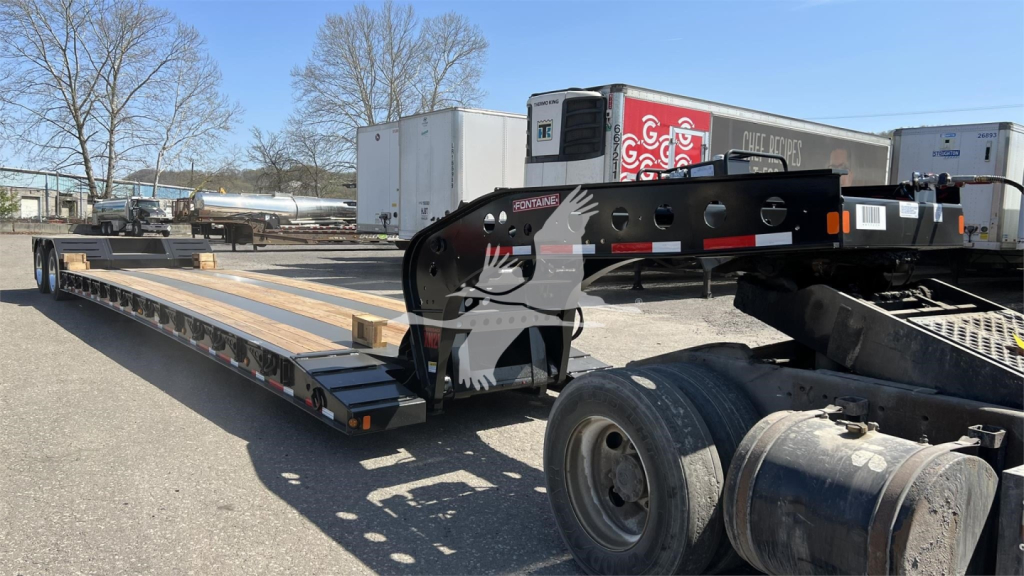
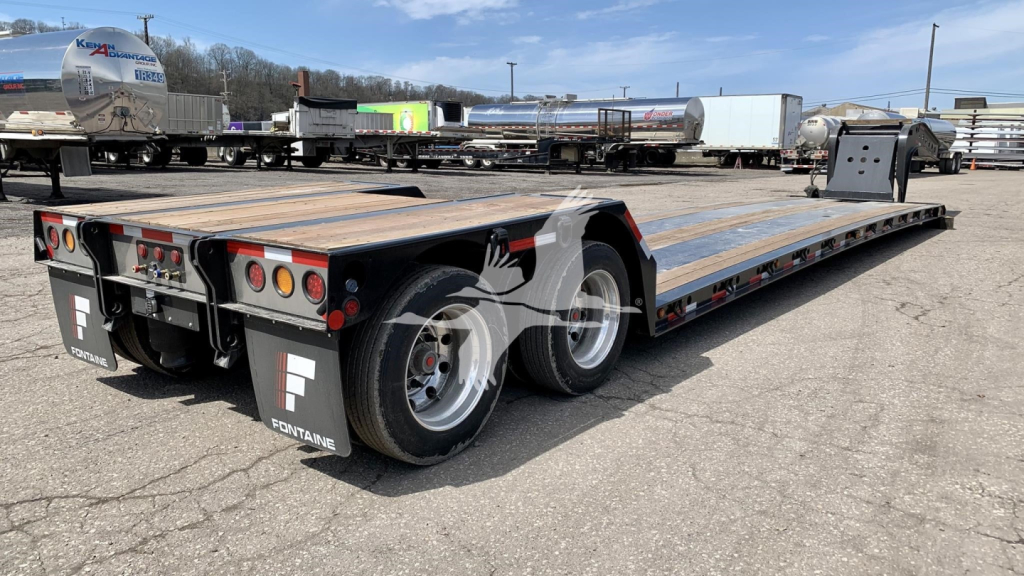
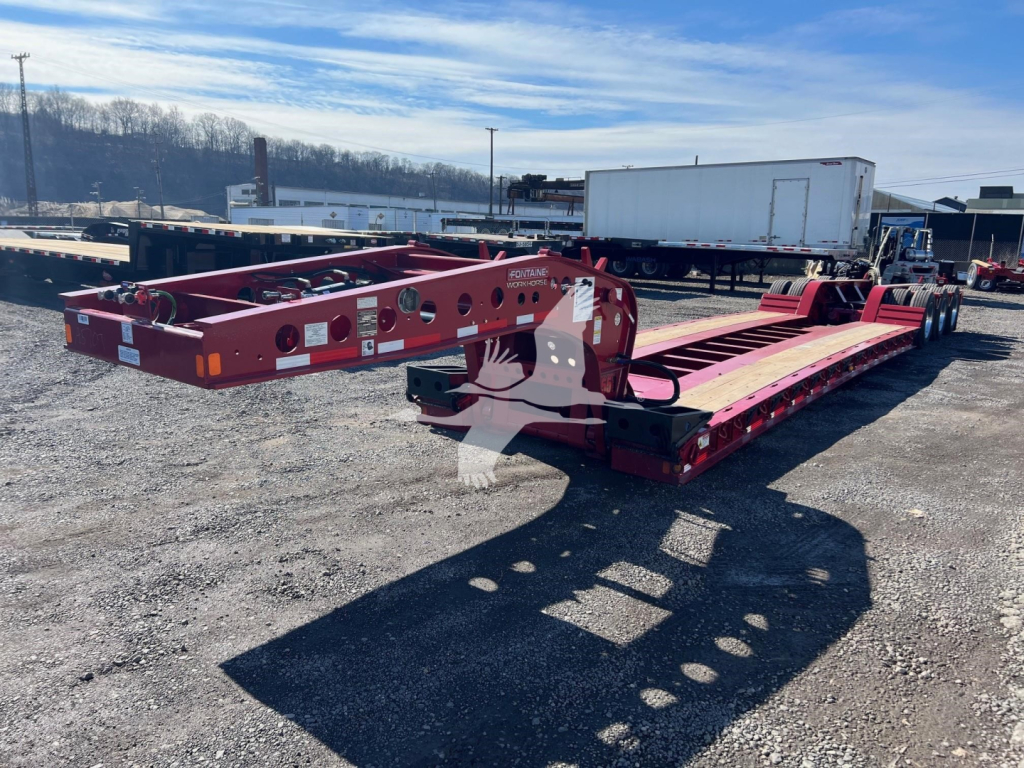
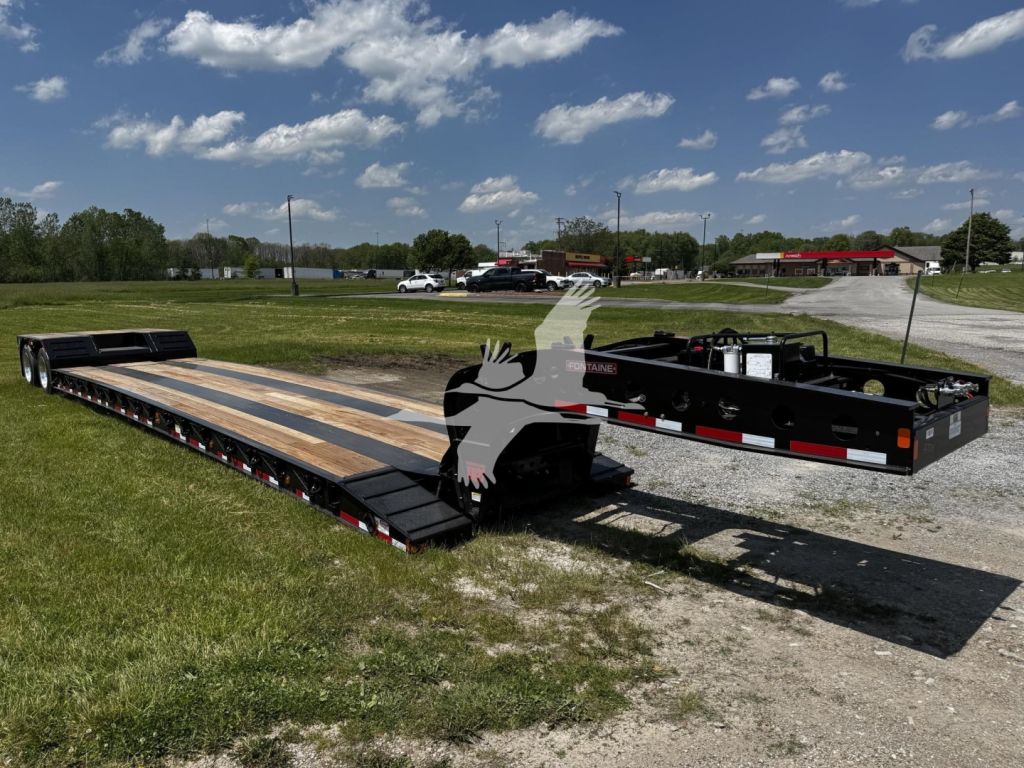
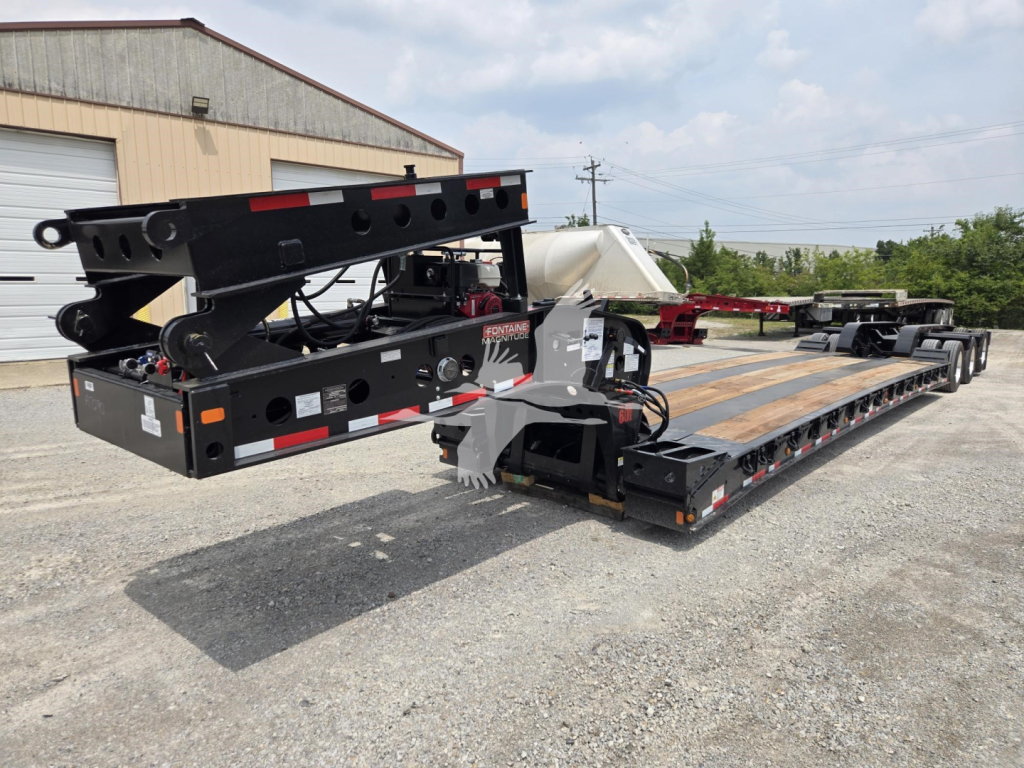
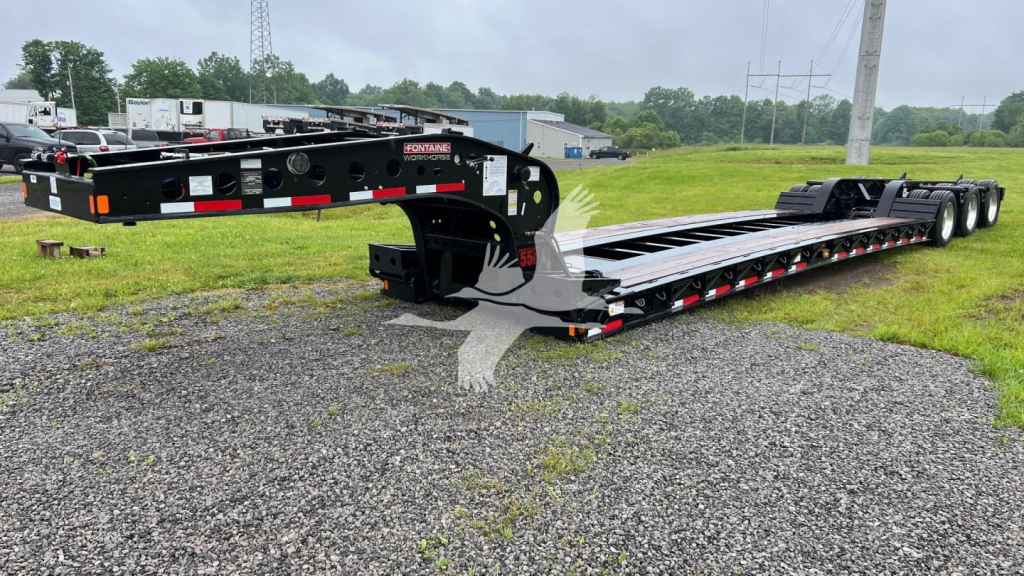
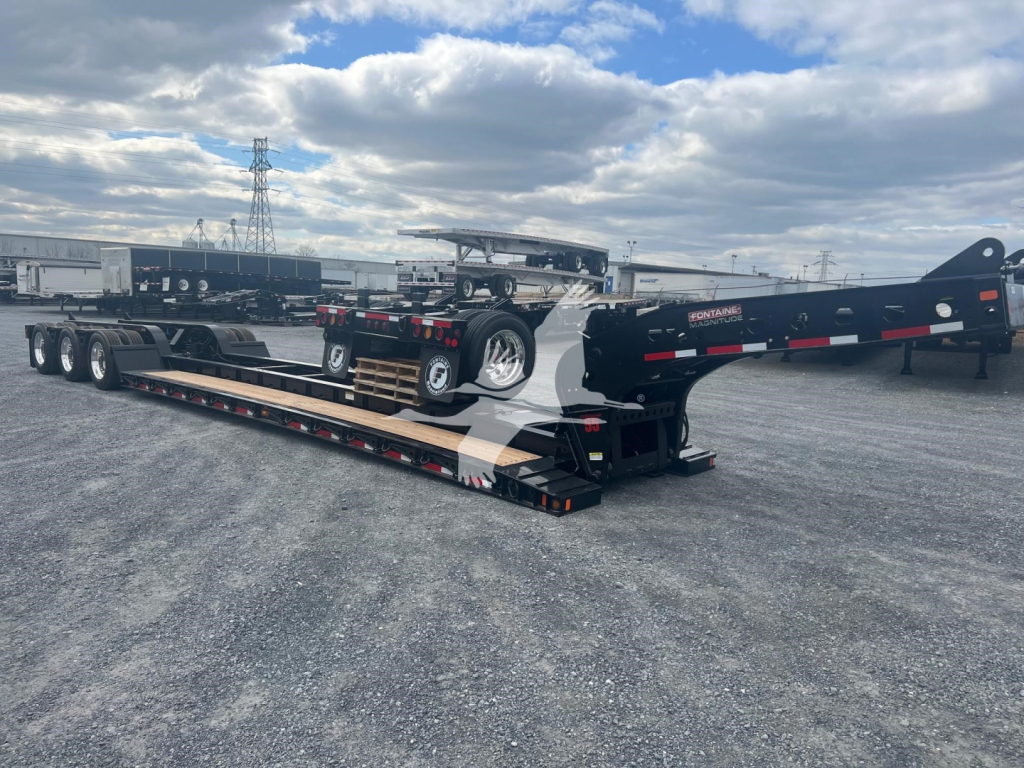
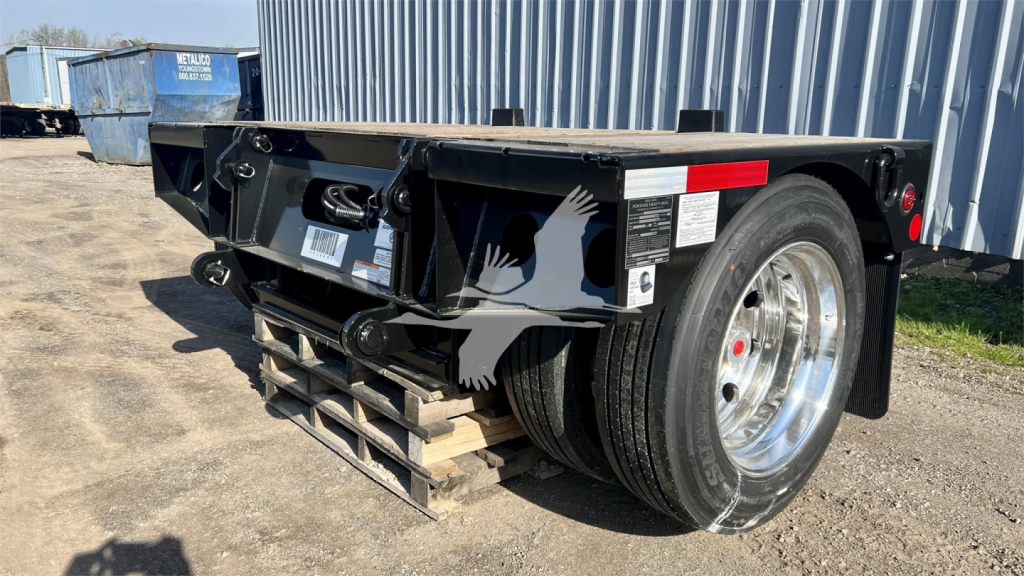
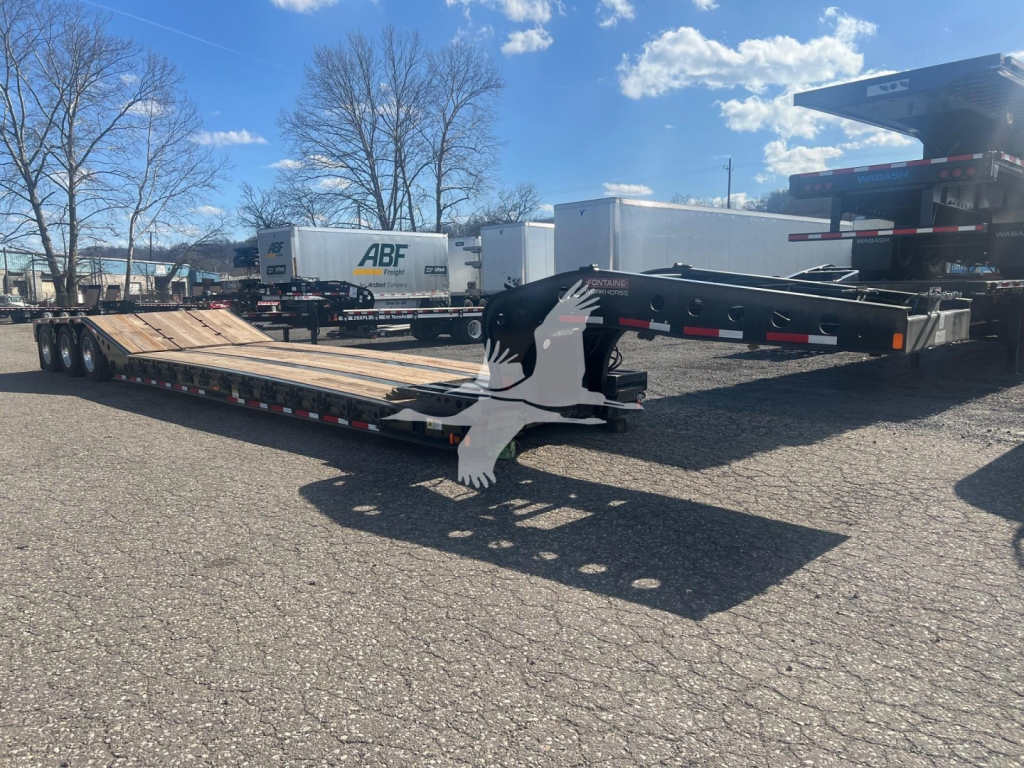
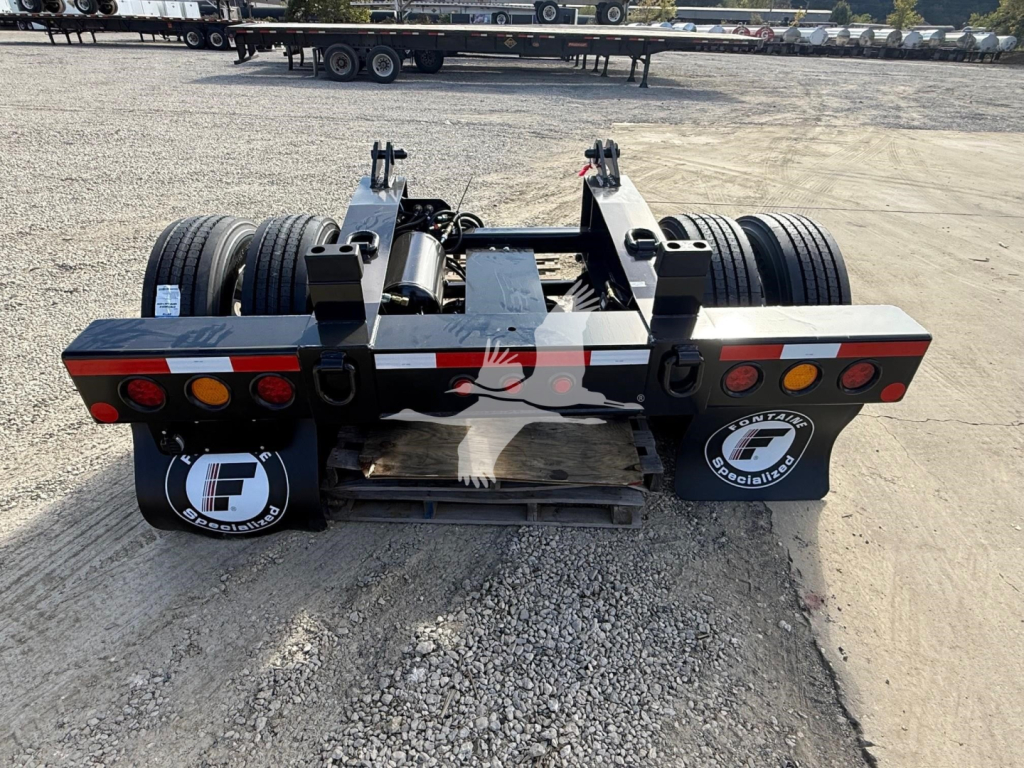
On the specialized side, Fontaine lowboys and double drops are built around legal capacity, deck height, neck design, and load angle. Buyers comparing detachable gooseneck models should look closely at hydraulic versus mechanical neck operation, ground bearing versus non-ground-bearing design, main deck length, swing clearance, and flip axle compatibility. Common heavy haul specs include tri-axle layouts, air ride suspension, removable outriggers, D-rings, lift axles, boom wells, and concentrated load ratings such as 55-ton class capacities in a defined deck area. Kingpin setting, axle spacing, and ride height adjustment also matter because they affect tractor compatibility, bridge law compliance, and how easily the trailer can be scaled and positioned for permit loads.
A good Fontaine trailer choice depends less on brand alone and more on matching the build to the freight lane. General commodity operators usually focus on weight, deck space, and securement flexibility. Construction, machinery, and oversize carriers tend to prioritize loaded deck height, neck style, axle group options, and attachment points for ramps, outriggers, and flip equipment. If the trailer will see mixed service, it is worth comparing suspension brand, tire size, wheel material, landing gear, lighting package, and serviceability of wear items. Fontaine has a strong presence in both standard platform trailers and specialized hauling equipment, so the smartest purchase is the one that aligns with actual freight dimensions, legal payload targets, and the tractor setup it will run behind.
Frequently Asked Questions about 2027 Fontaine Trailers
What types of trailers does Fontaine commonly build?
Fontaine is widely known for flatbed, drop deck, extendable, lowboy, and double drop trailers. In the specialized market, the brand is especially common in detachable gooseneck and heavy haul applications. The exact build can range from lightweight general freight platforms to high-capacity trailers designed for machinery, construction equipment, and other concentrated loads.
What should I check first when comparing Fontaine flatbed or drop deck trailers?
Start with deck length, trailer weight, axle configuration, suspension type, and floor material. After that, review the securement package, including winch tracks, sliding winches, tie-downs, chain slots, and coil package equipment if needed. These details affect both legal payload and how efficiently the trailer can handle the freight you move most often.
Are Fontaine lowboy trailers built for heavy haul work?
Yes. Many Fontaine lowboy and specialized models are designed specifically for heavy haul service and can include hydraulic detachable goosenecks, tri-axle groups, lift axles, outriggers, boom wells, and flip axle connections. Capacity should always be evaluated by the rated load in a specified deck area, along with axle ratings, deck height, and permit requirements in the states where the trailer will operate.
Why does kingpin setting matter on a Fontaine trailer?
Kingpin setting affects weight distribution between the tractor and trailer axles, turning clearance, and compatibility with the fifth wheel position on the truck. On specialized and lowboy trailers, kingpin location can also influence bridge compliance and how the load scales out. It is an important spec to verify before pairing a trailer with a particular tractor.
Is an extendable Fontaine trailer better than a fixed-length flatbed?
It depends on the freight. An extendable trailer is a strong choice for overlength loads such as pipe, steel members, and utility structures because it gives more flexibility in deck length. A fixed-length flatbed is often simpler, lighter, and easier to maintain for standard freight. Buyers should weigh extension range, lock spacing, tare weight, and the percentage of loads that actually require extra length.