
2027 Fontaine Trailers For Sale in Texas
Shop 2027 Fontaine trailers for sale in Texas, including flatbed and drop deck models with aluminum or combo construction and air ride options.
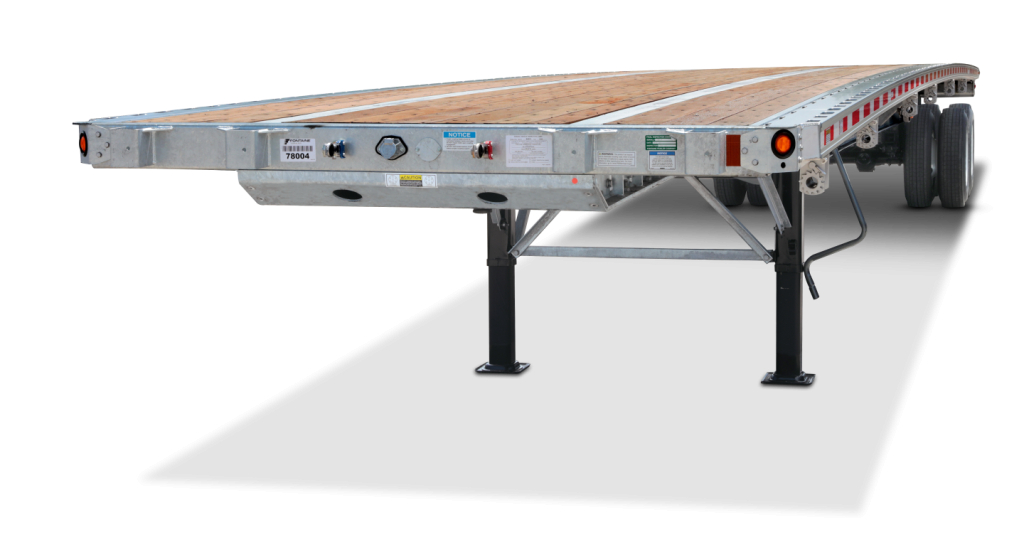
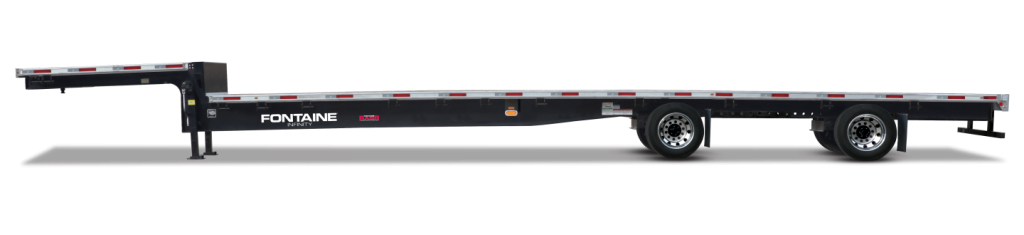
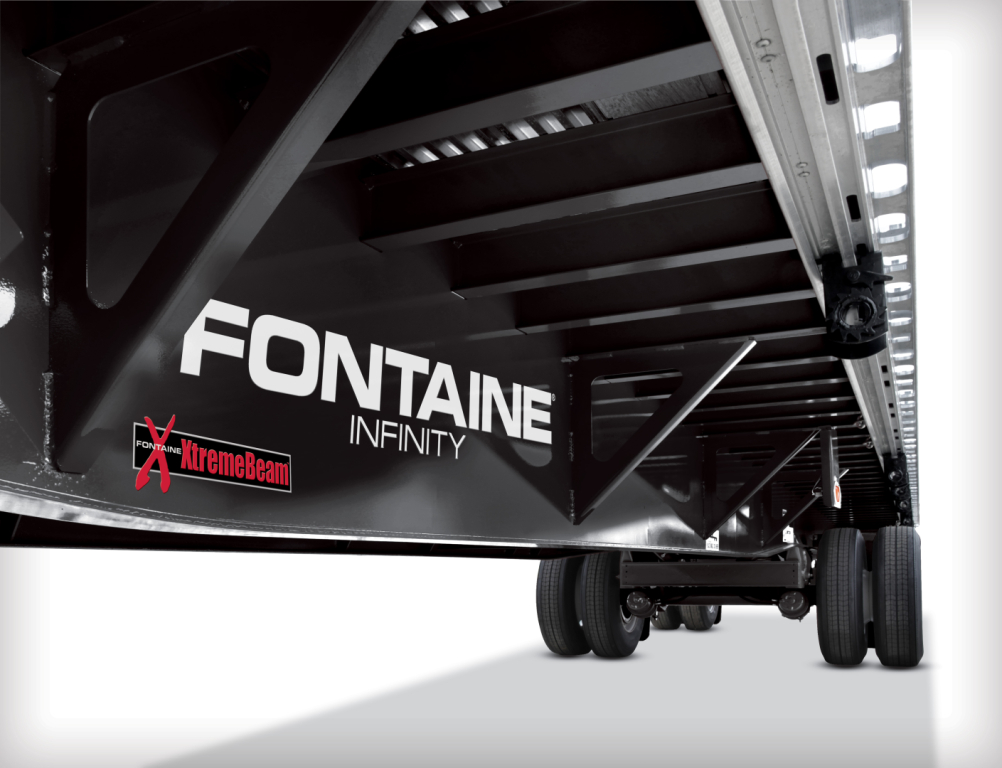
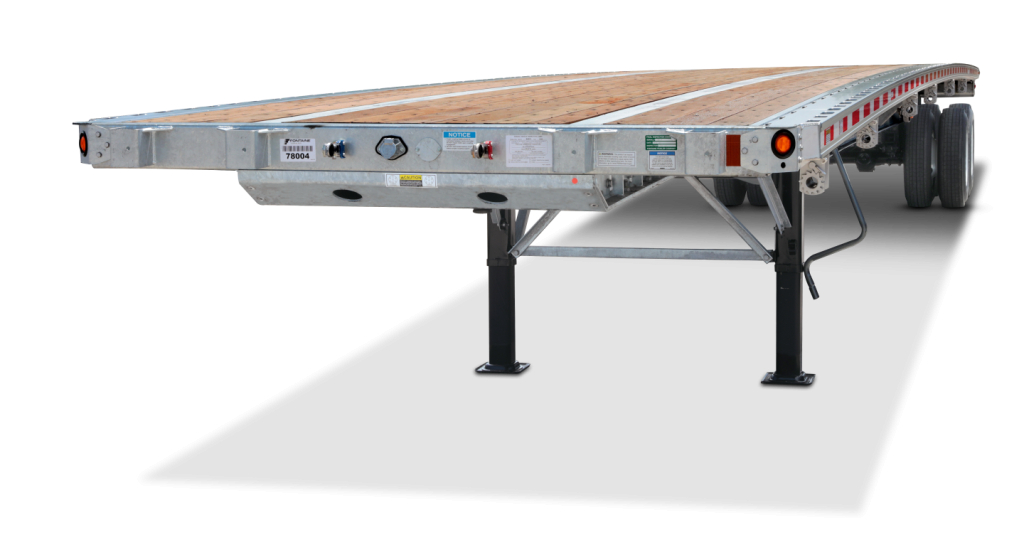
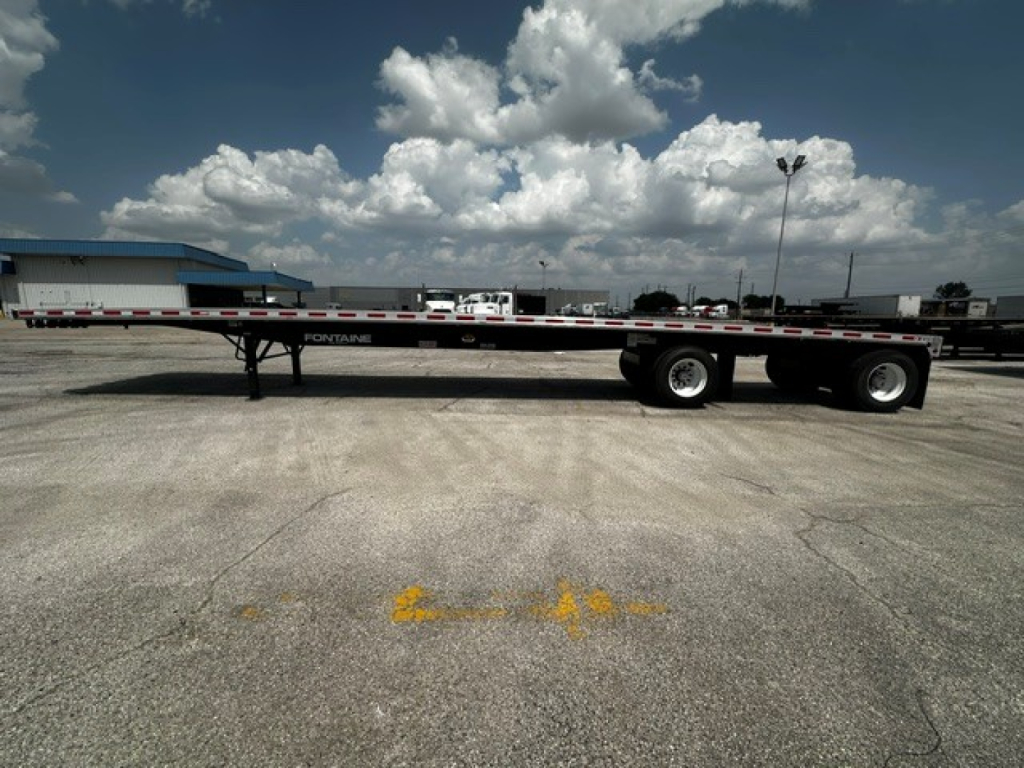
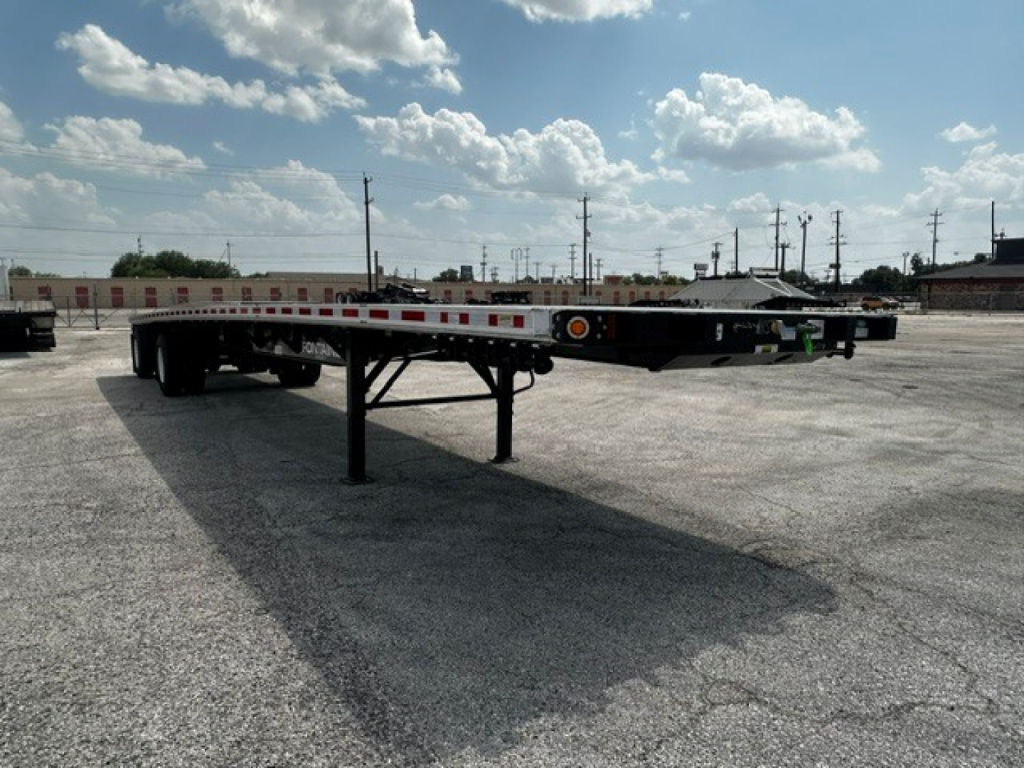
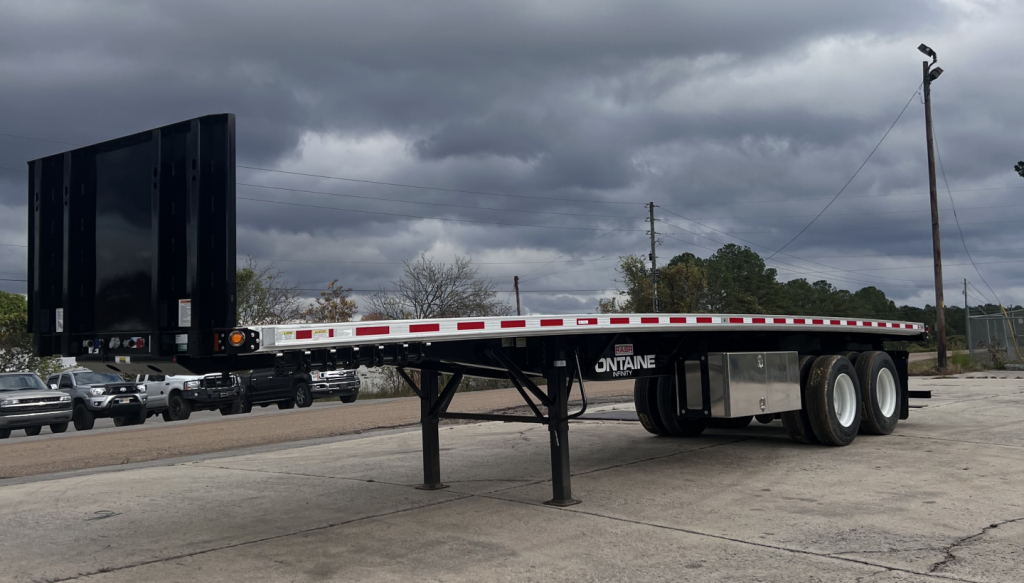
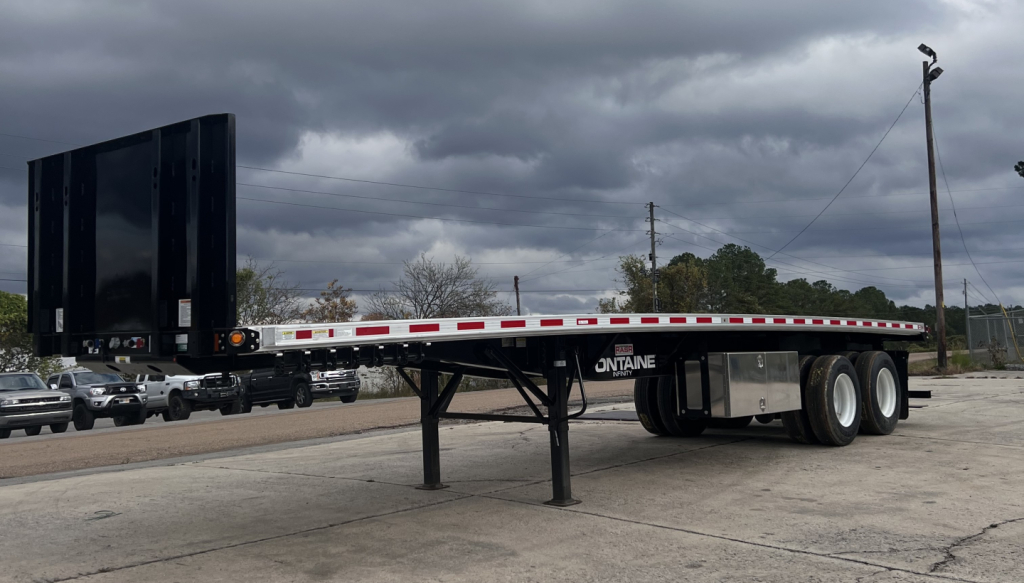
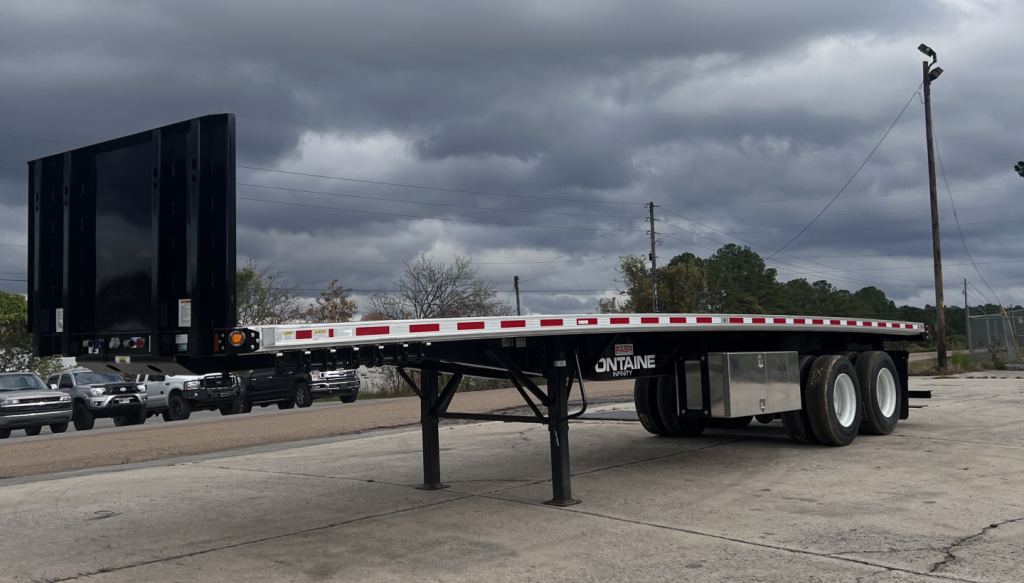
2027 Fontaine 53' Combo Flat - Rear Axle Slide
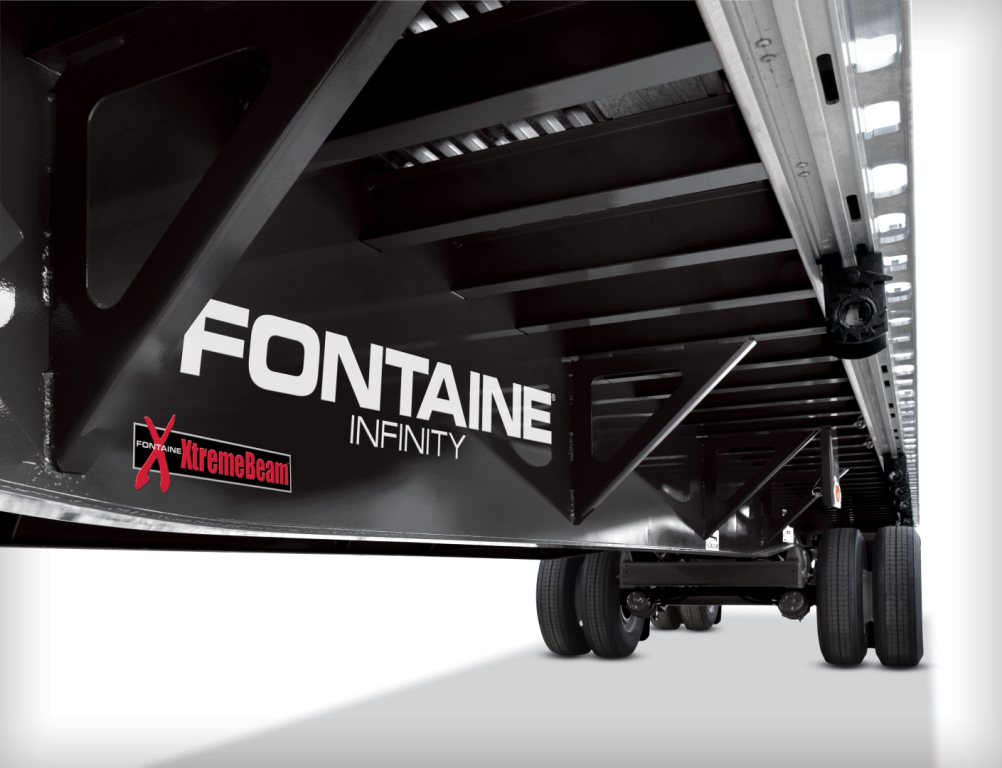
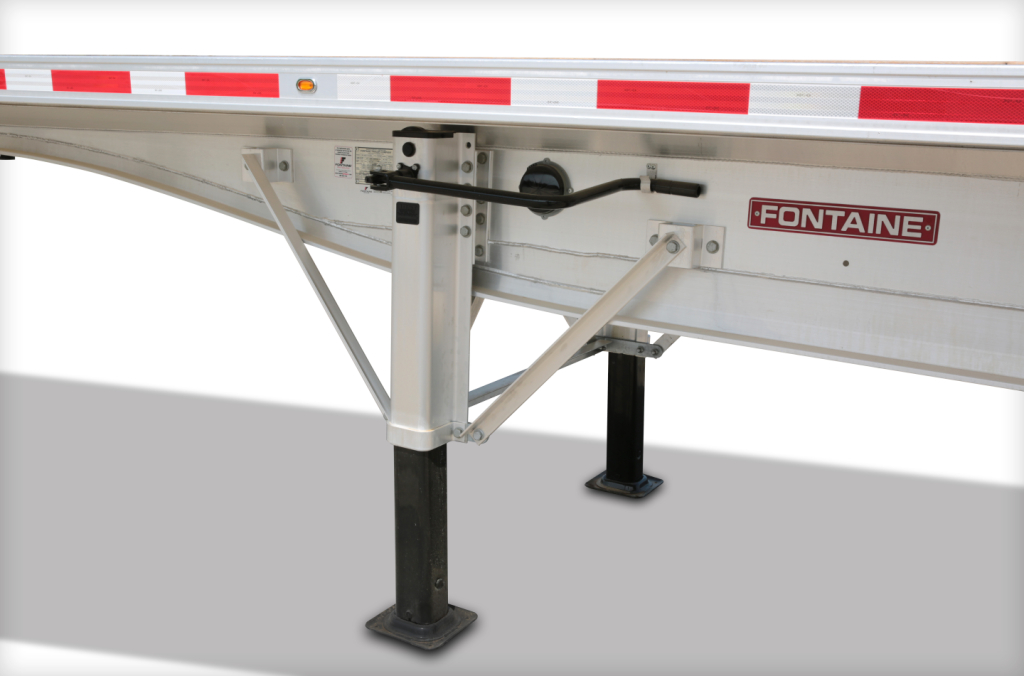
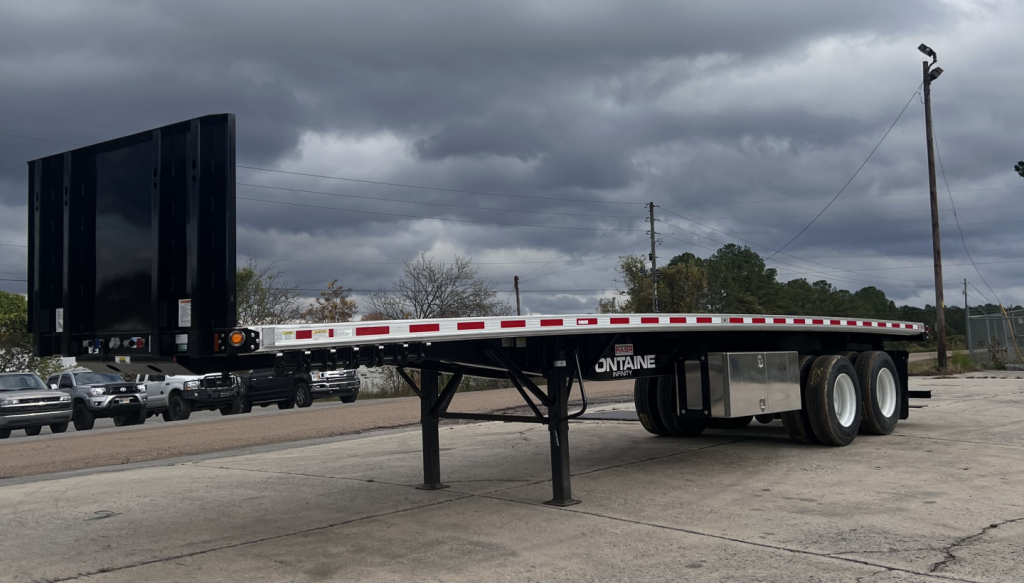
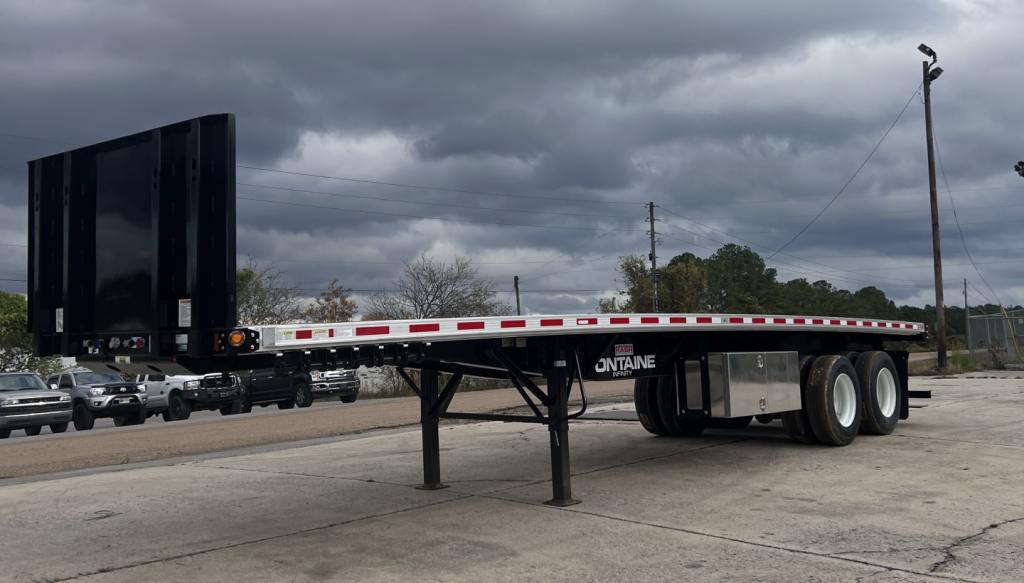
2027 Fontaine 53' Combo Flat - Rear Axle Slide
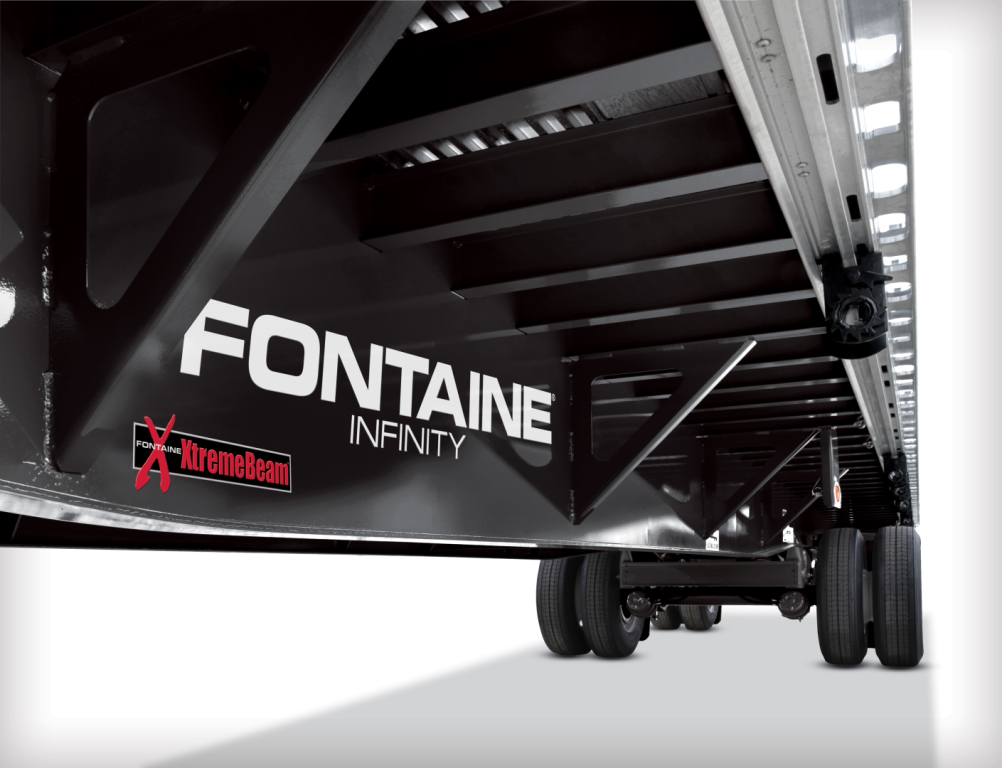
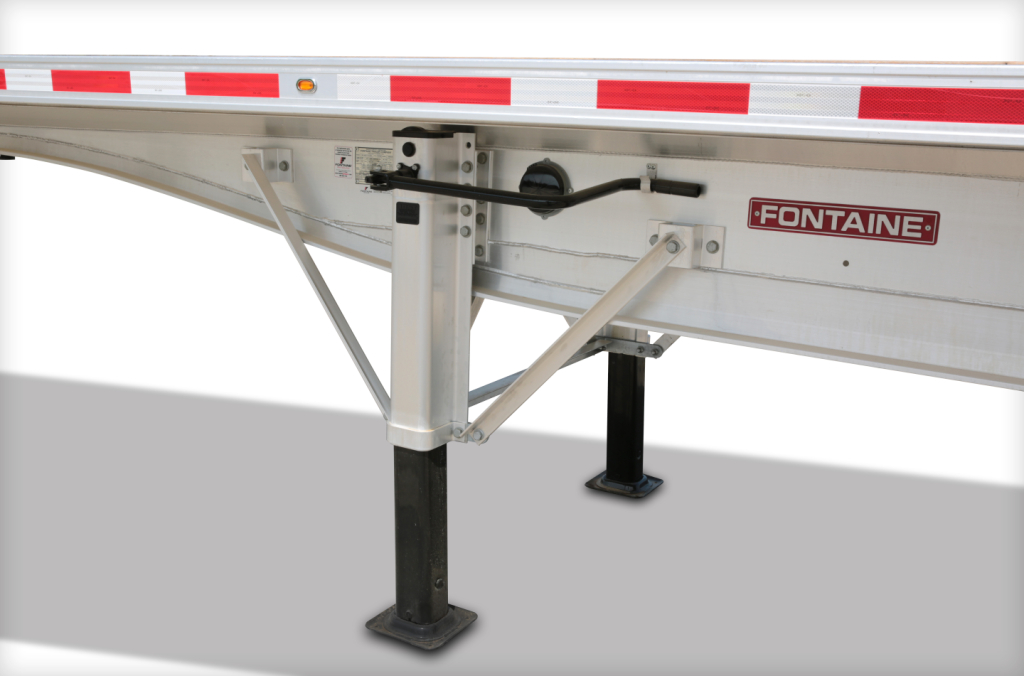
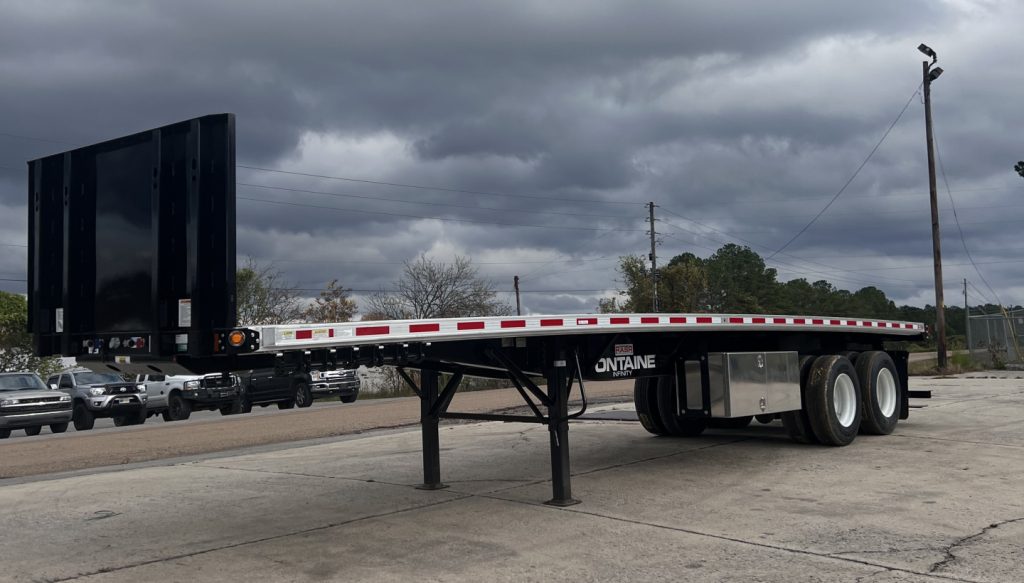
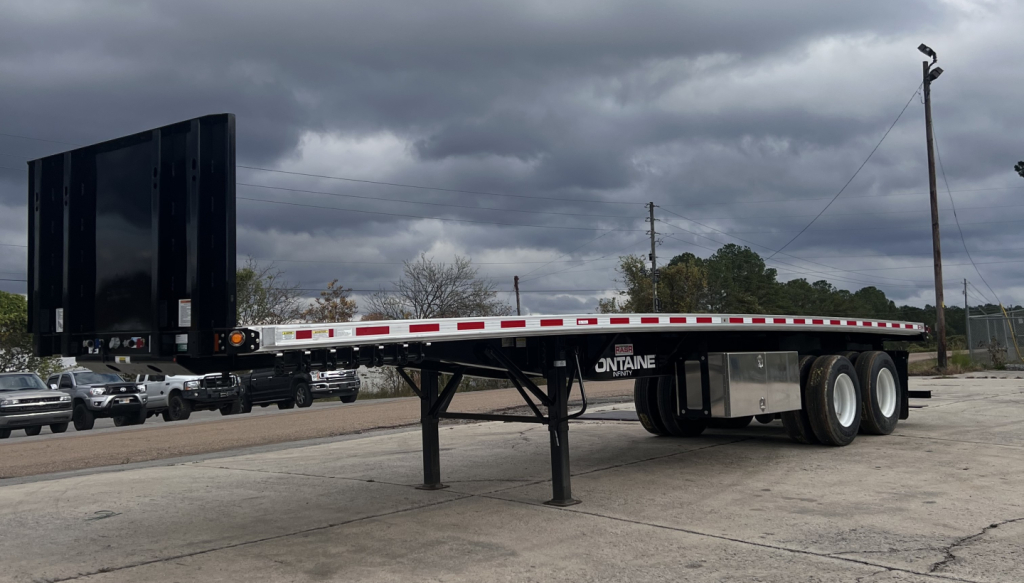
2027 Fontaine 53' Combo Flat - Rear Axle Slide
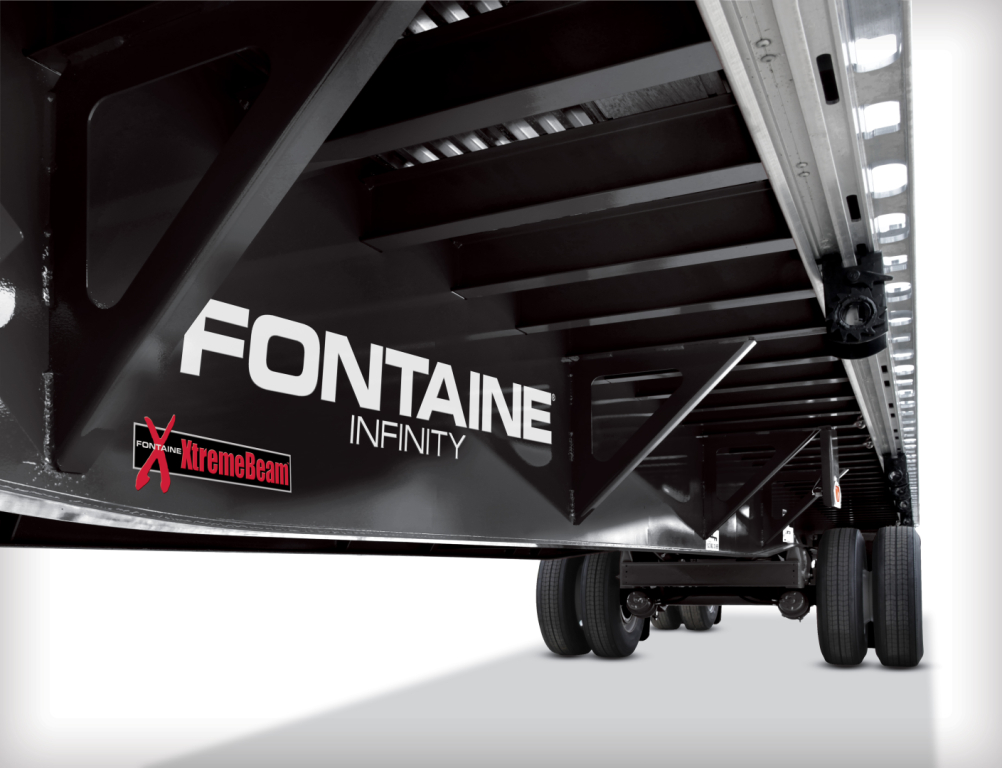
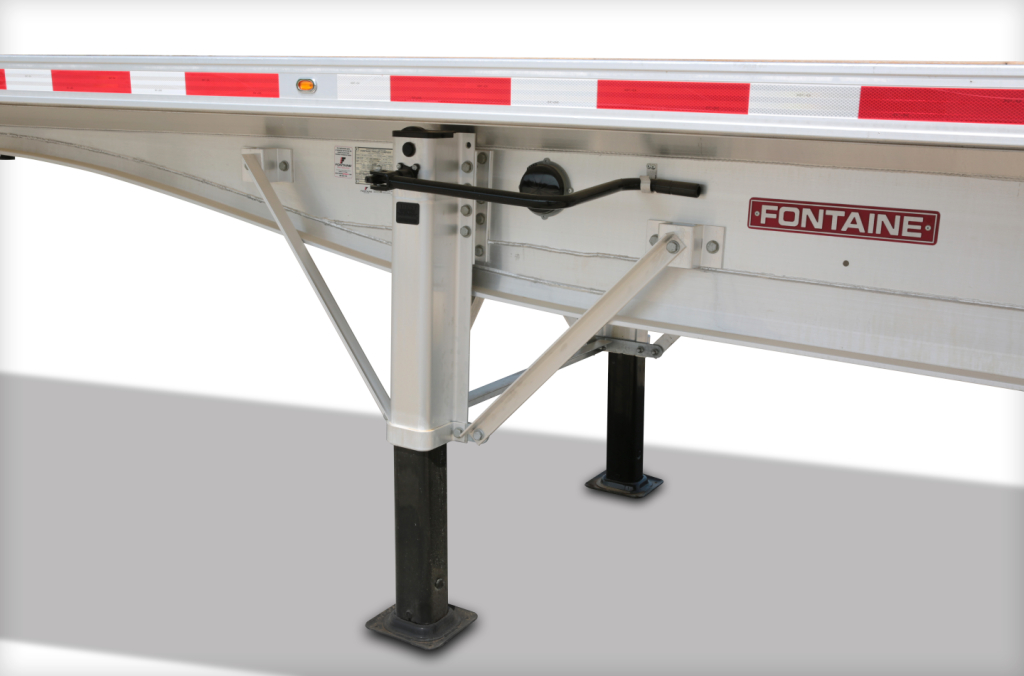
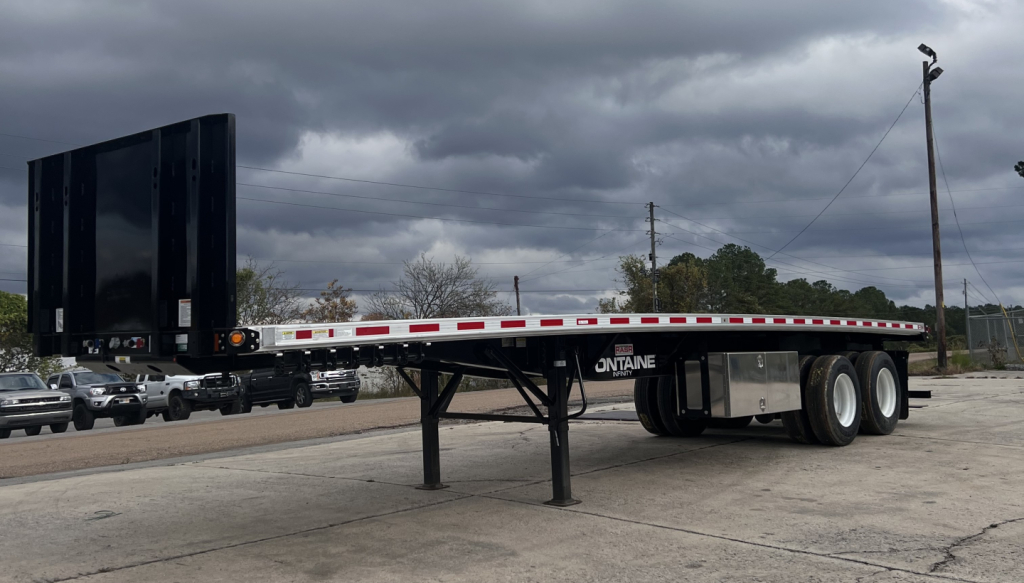
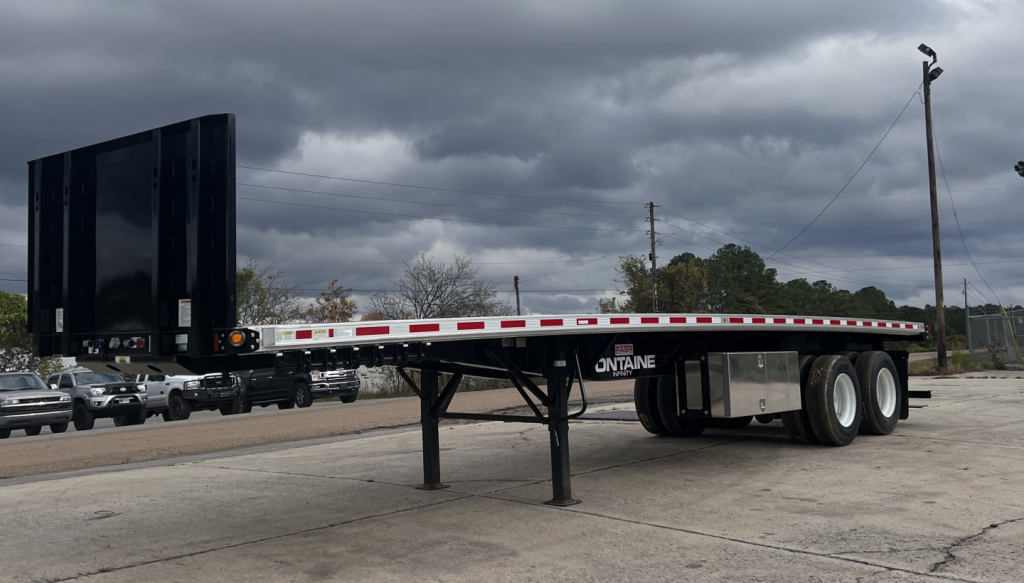
2027 Fontaine 53' Combo Flat - Rear Axle Slide
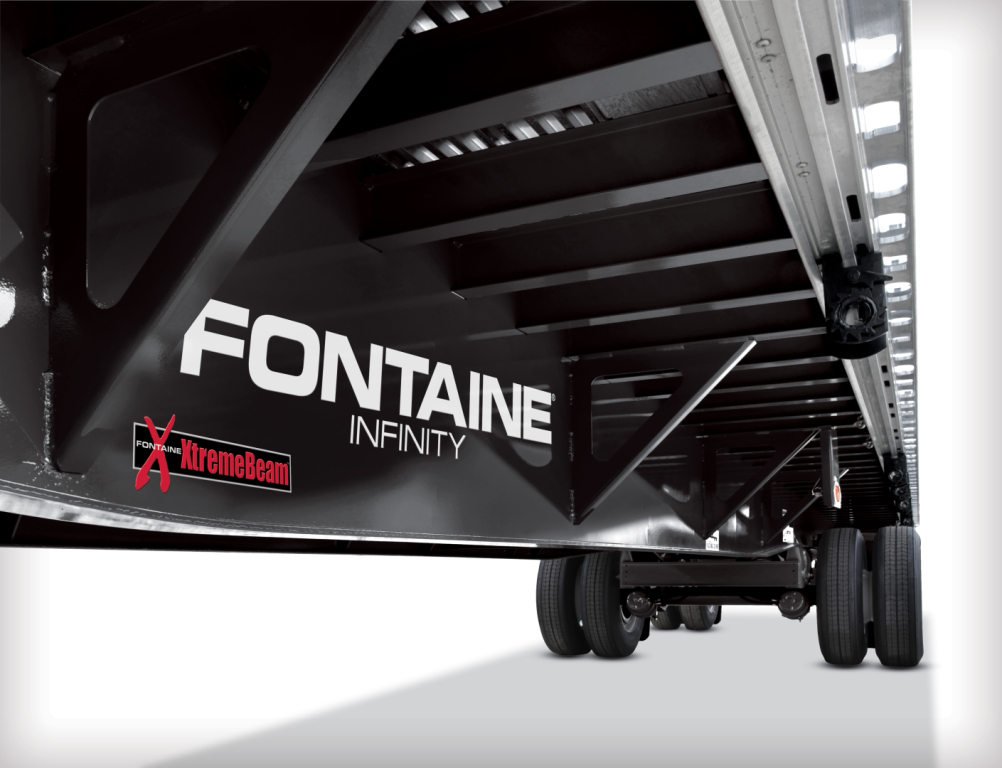
2027 Fontaine 53' Combo Flat - Rear Axle Slide
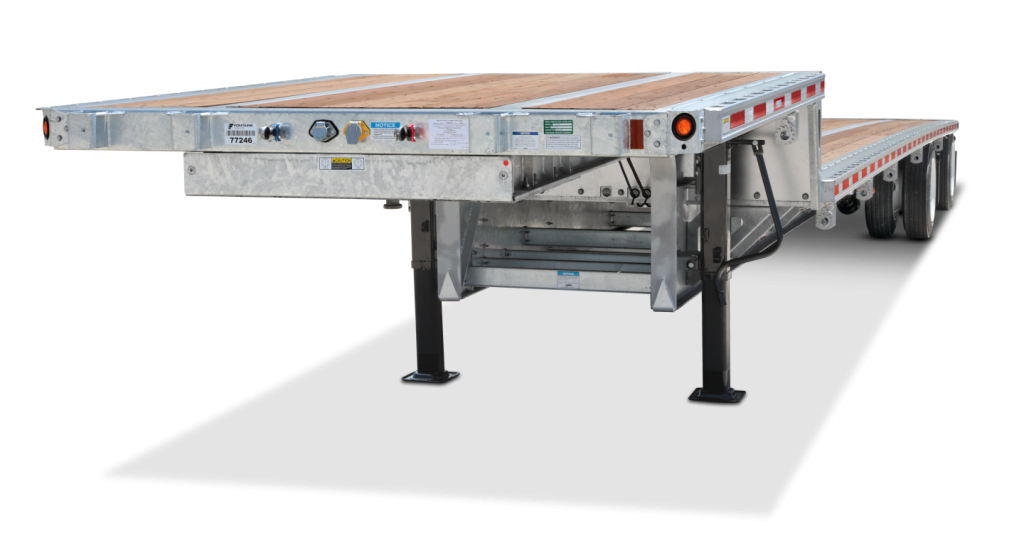
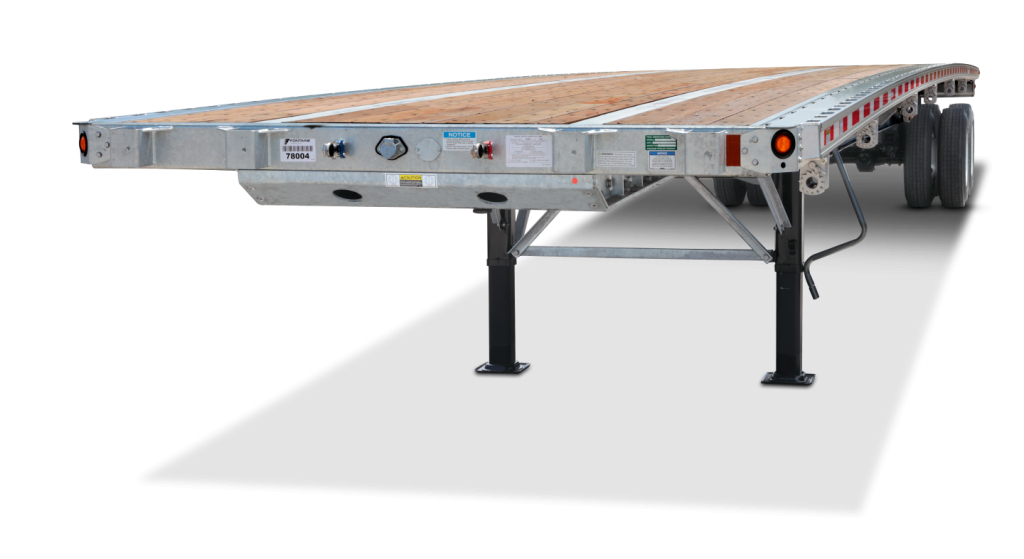
Showing 1 to 28 of 31 results
Selling a 2027 fontaine trailer? List your 2027 fontaine trailer for sale and reach thousands of commercial buyers.
2027 Fontaine Trailers in Texas
A lot of the buying decision comes down to material package and axle setup. Aluminum and combo Fontaine trailers are popular because they help keep empty weight down while still providing the structural support needed for concentrated loads, coil packages, and heavy securement use. Buyers will often compare aluminum main beams versus combo or galvanized steel sections, especially if the trailer will see a mix of corrosive environments, rough jobsite conditions, or higher forklift traffic. Typical specs in this category include 80,000-pound distributed capacity, concentrated load ratings, 30-inch kingpin settings on flatbeds, and 122-inch axle spreads for bridge compliance. On some 53-foot models, a rear axle slide can add flexibility for California legal spacing and load positioning.
Securement details matter as much as headline capacity. Fontaine trailers in this group commonly show integrated rub rails, stake pockets on 24-inch centers, multiple load securement openings, recessed chain tie downs, and sliding winches paired with full-length winch tracks. Aluminum floors with wood nailer strips are common because they give a good balance between durability, repairability, and cargo control. Coil package provisions, bulkhead pockets, toolboxes, dock bumpers, spare carriers, and electric dump valves are all features worth checking depending on your lanes and commodity mix. If a trailer will be loaded by forklift from the side, deck height, side rail design, and floor construction deserve extra attention. If it will haul taller freight, drop deck models with lower deck heights can open up more legal hauling options.
Texas buyers should also look closely at suspension type, tire size, wheel material, and corrosion protection. Air ride remains a strong fit for more delicate or variable freight, while galvanized components can make sense for buyers prioritizing long-term durability and lower maintenance exposure. On specialty flatbeds with forklift kits, axle lift systems and counterweight packages can be important for operations handling delivery equipment directly on the trailer. Across the category, the best 2027 Fontaine trailer is usually the one matched to freight profile first: deck length, concentrated load rating, axle spread, securement package, and tare weight should all line up with the work before cosmetic features enter the decision.
Frequently Asked Questions about 2027 Fontaine Trailers in Texas
What types of 2027 Fontaine trailers are most common in Texas?
The most common 2027 Fontaine trailers in Texas are flatbeds, combo flatbeds, and drop deck trailers. Flatbeds are used for general building materials, steel, pipe, and palletized freight that can be loaded from the side or overhead. Drop decks are a strong fit for taller freight because the lower main deck helps keep loads within legal height. Combo models are popular when buyers want a balance of lighter weight and jobsite durability.
What should I look for in a Fontaine flatbed or drop deck spec?
The most important items are deck length, trailer weight, concentrated load rating, kingpin setting, axle spread, and securement layout. Buyers should also review floor construction, suspension type, wheel and tire package, and whether the trailer includes coil package features, bulkhead pockets, toolboxes, or sliding winches. These details have a direct effect on payload, loading flexibility, and day-to-day usability.
Are aluminum or combo Fontaine trailers better for payload?
In general, aluminum and combo Fontaine trailers are chosen to reduce tare weight and preserve payload. An all-aluminum or aluminum-heavy configuration can be a strong option for operations that value every pound of legal cargo capacity. Combo trailers use steel in key structural areas and aluminum in others, which can provide a practical middle ground for buyers who want durability in high-wear zones without moving to a heavier all-steel platform.
Why does axle spread or a rear axle slide matter on a Fontaine trailer?
Axle spacing affects bridge law compliance, load distribution, and operational flexibility. A wide spread tandem can help with legal weight distribution and is common on open-deck trailers hauling heavier freight. A rear axle slide adds another layer of flexibility by allowing the operator to adjust spacing for different loads or regulatory requirements, including California legal settings on some 53-foot trailers.
What securement features are important on a Fontaine open-deck trailer?
Key securement features include stake pockets, rub rails, chain tie downs, sliding winches, and full-length winch tracks. Buyers hauling coil, steel, machinery, or irregular freight should also watch for coil package provisions, extra securement openings, and bulkhead pocket options. A well-designed securement package improves loading speed and gives more flexibility when the trailer is used for multiple freight types.