
2027 Fontaine Trailers For Sale in Pennsylvania
Shop 2027 Fontaine trailers for sale in Pennsylvania, including flatbed, lowboy, and extendable models built for heavy-haul and specialized freight.
Selling a 2027 fontaine trailer? List your 2027 fontaine trailer for sale and reach thousands of commercial buyers.
2027 Fontaine Trailers in Pennsylvania
For general commodity work, Fontaine flatbed and extendable flatbed trailers are often spec'd around a 48-foot to 53-foot base platform, with some extendable models stretching much farther for steel, pipe, precast, or fabricated components. Common details include Apitong flooring, integrated winch tracks, sliding winches, 102-inch overall width, and tandem axle setups with either spring ride or air ride suspension. Buyers should pay attention to kingpin setting, tandem slide range, crossmember spacing, and side rail construction, especially if the trailer will see frequent concentrated loading from forklifts, coils, or bundled building products. In Pennsylvania, where mixed highway, secondary road, and jobsite conditions are common, suspension choice and overall tare weight can affect both ride quality and payload flexibility.
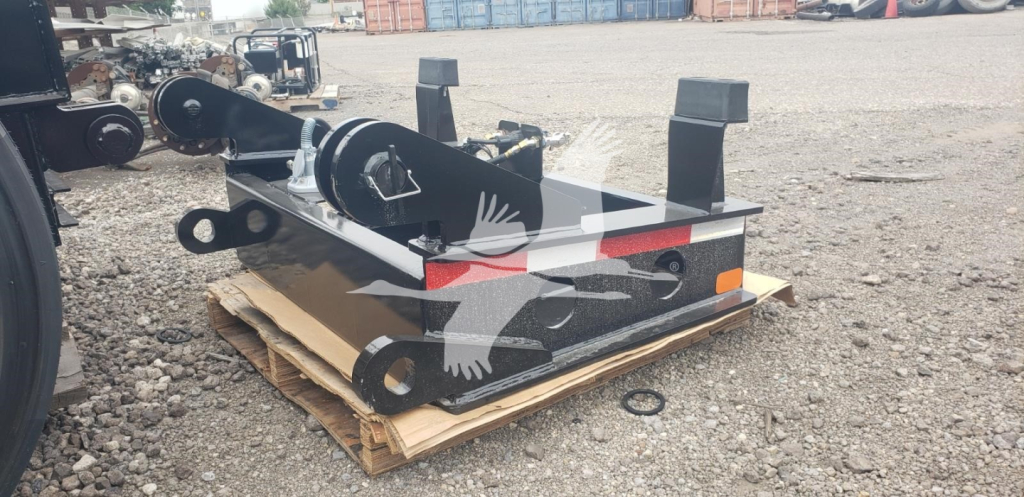
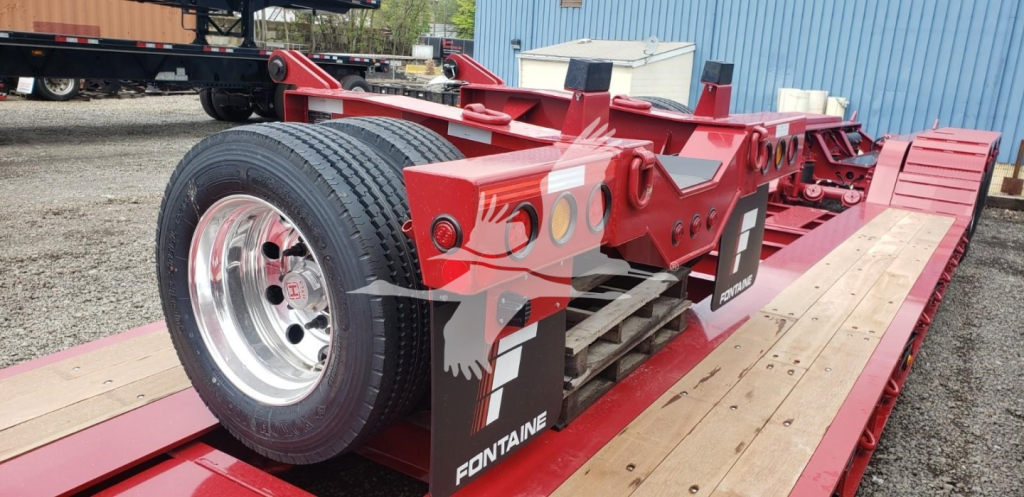
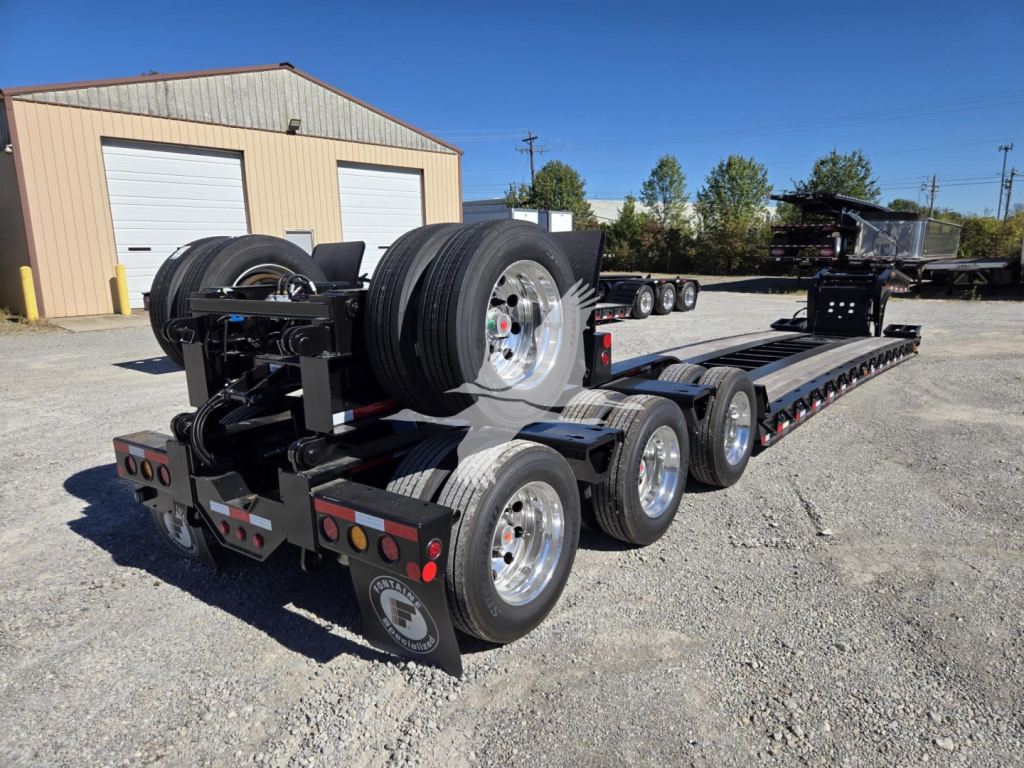
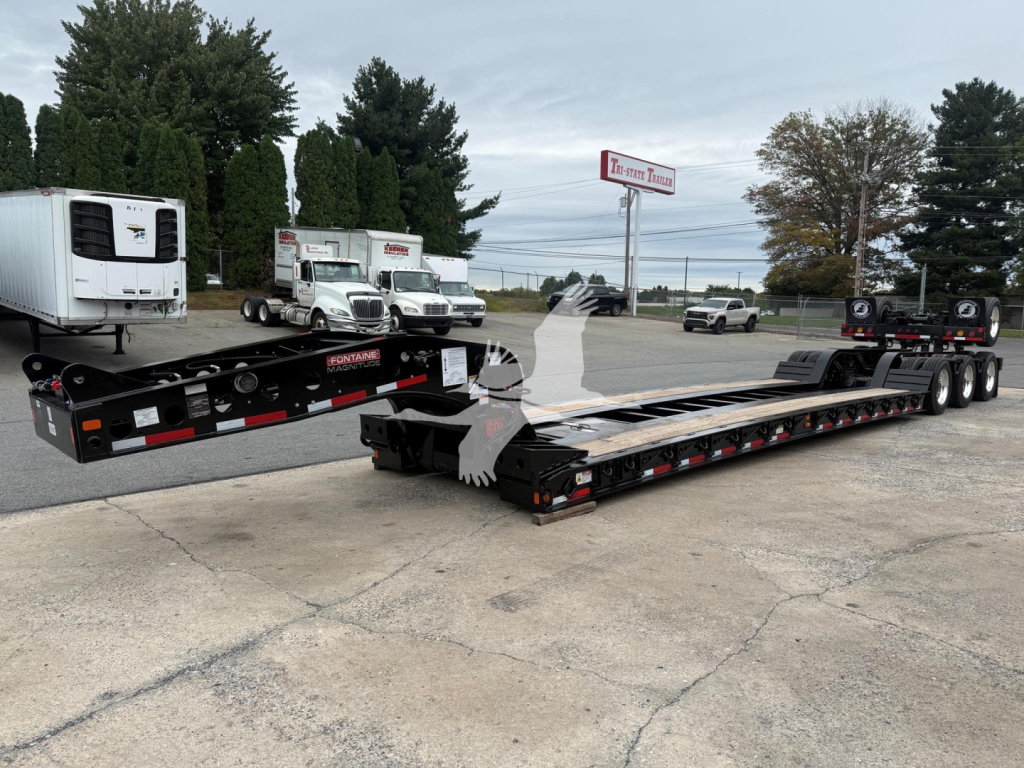
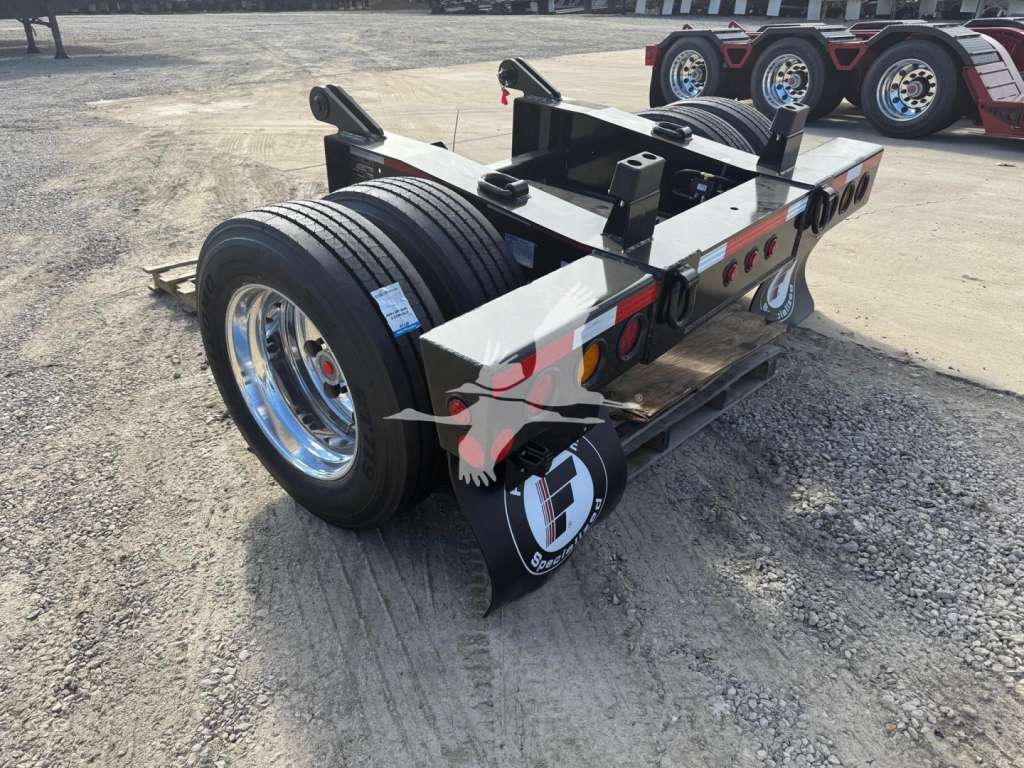
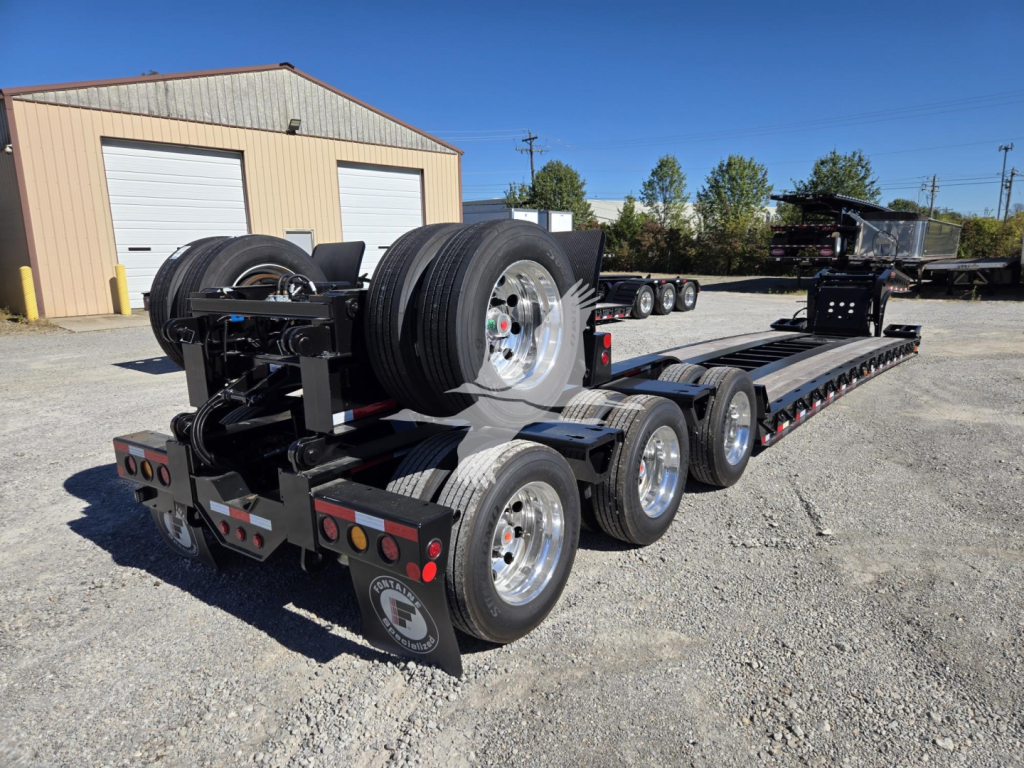
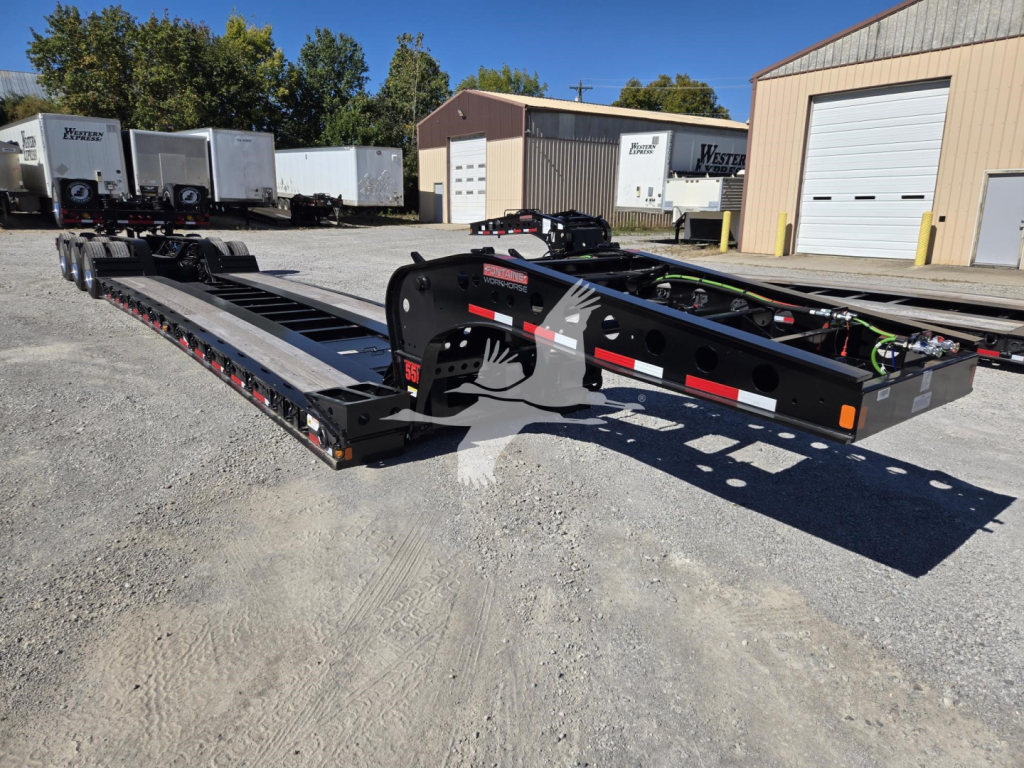
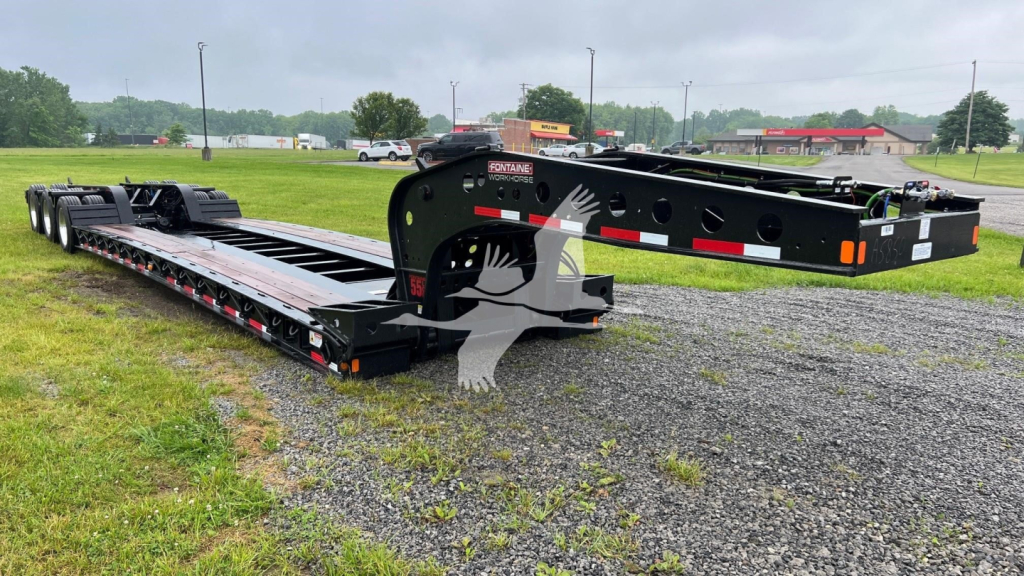
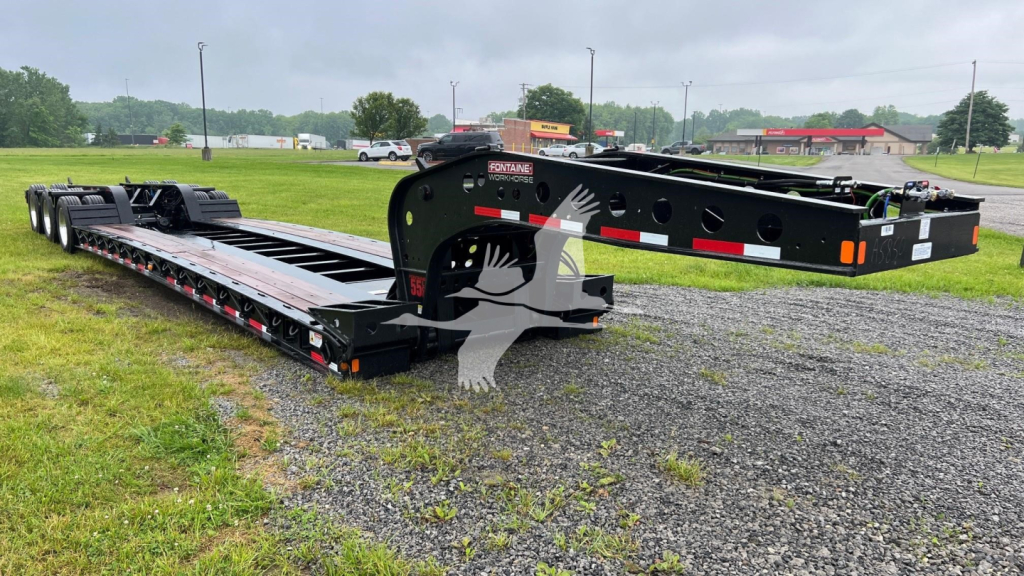
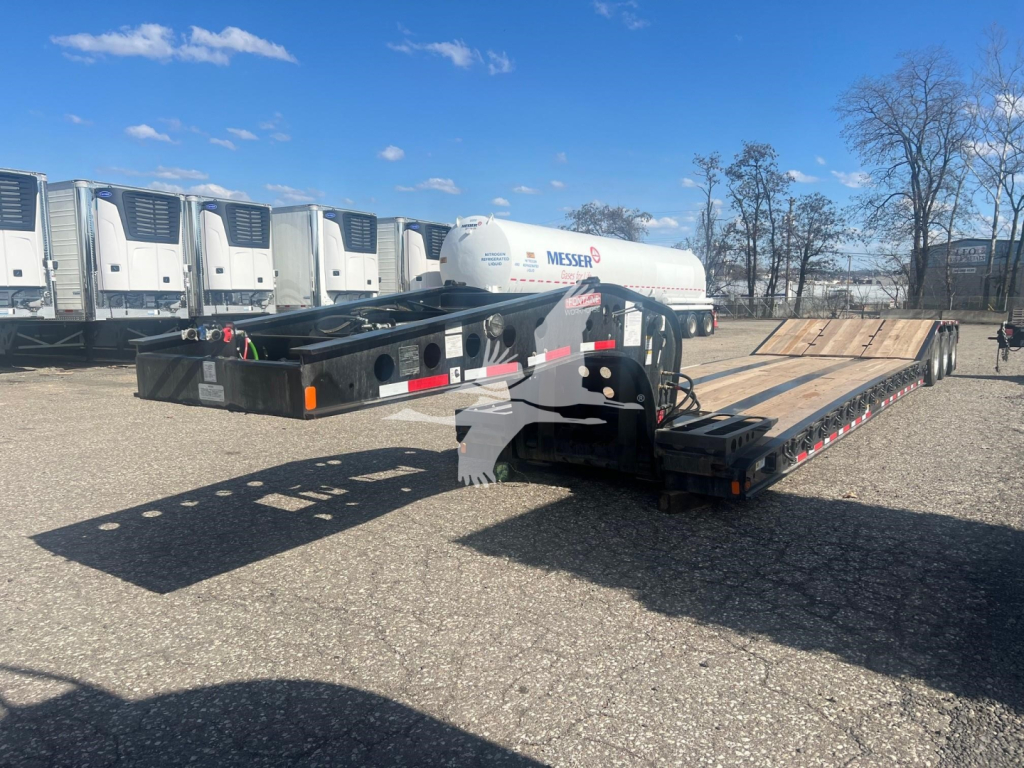
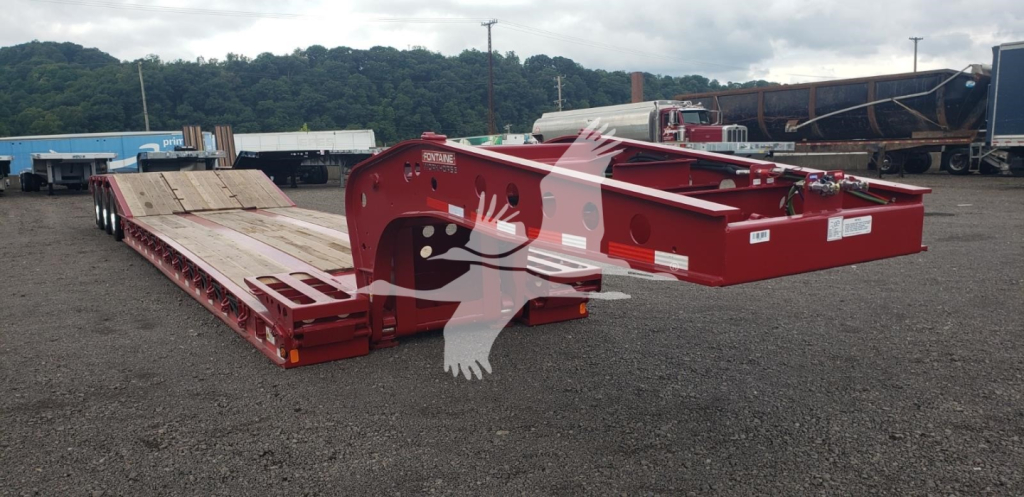
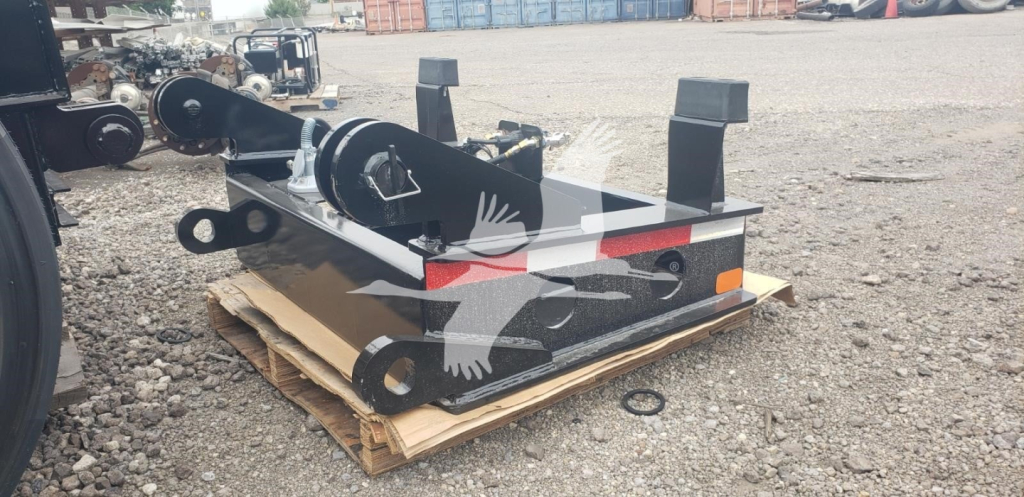
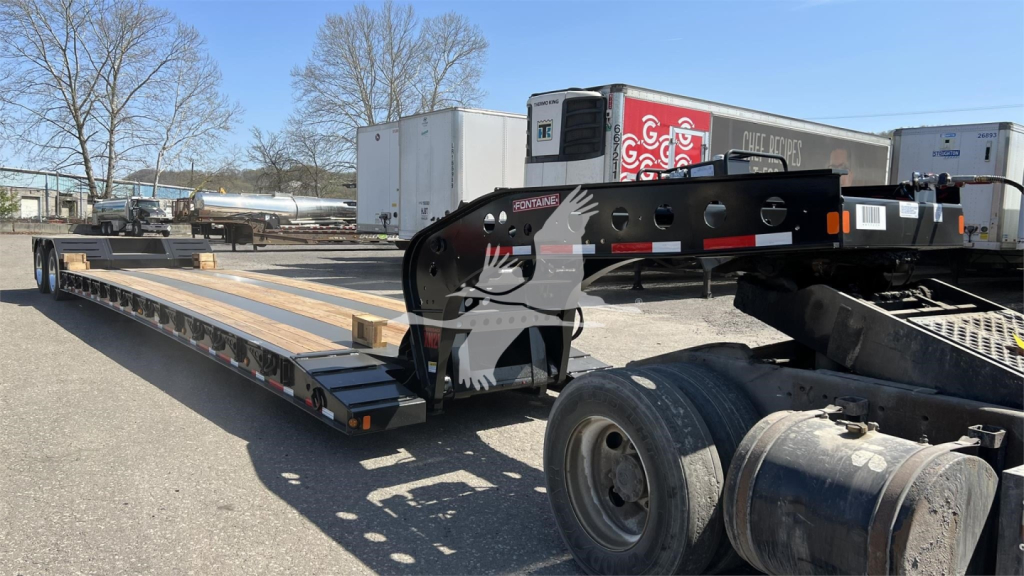
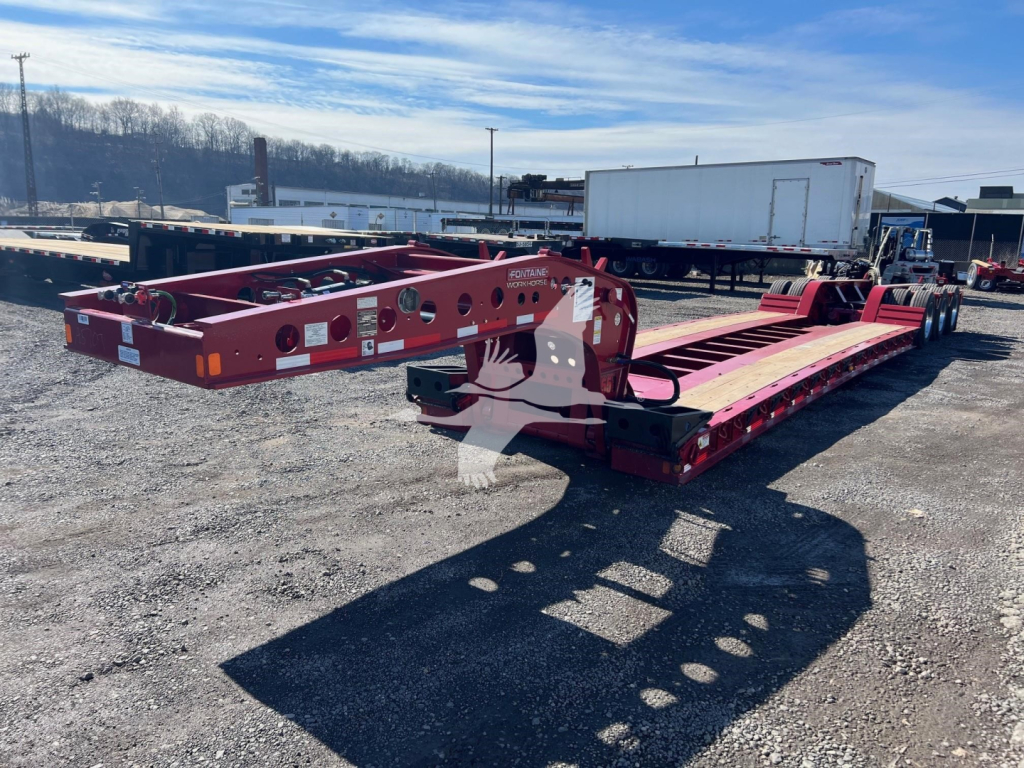
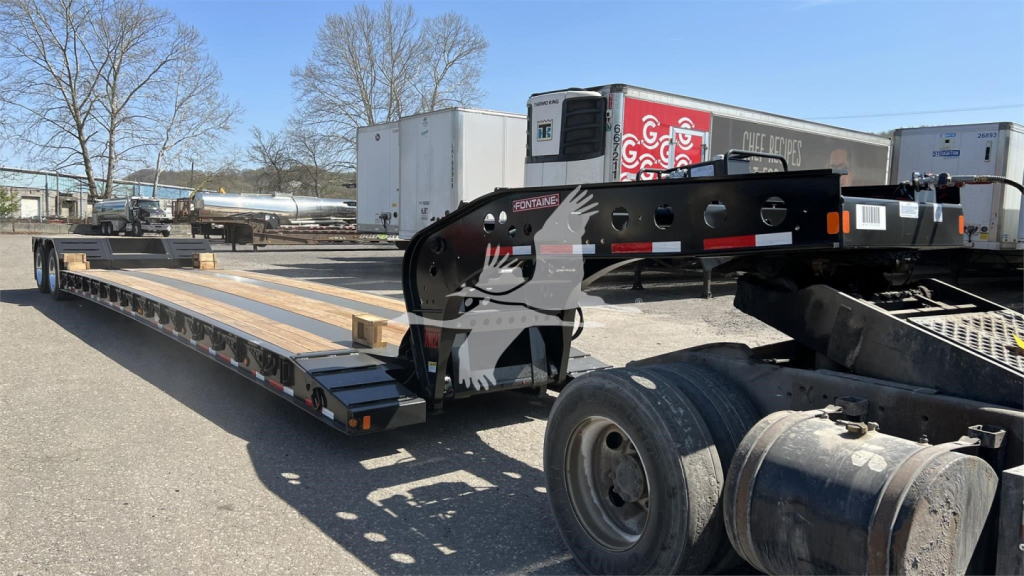
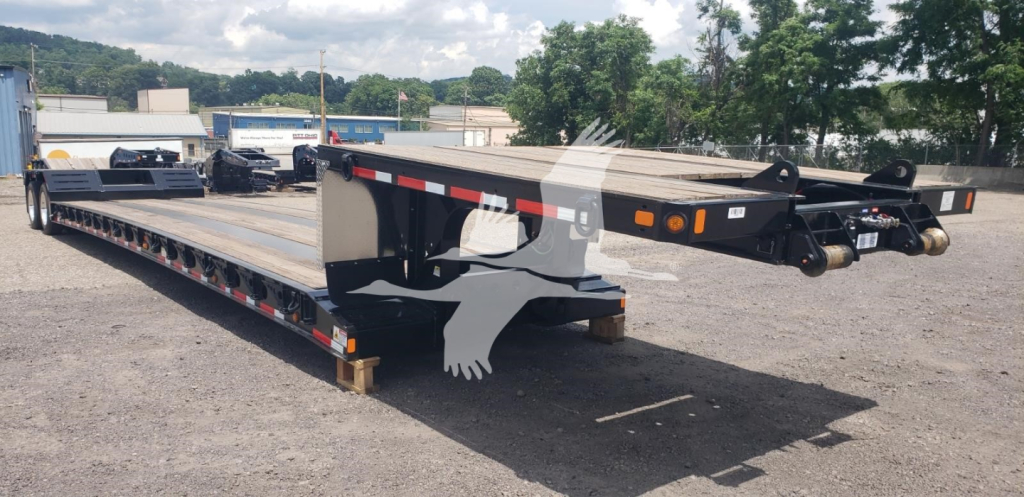
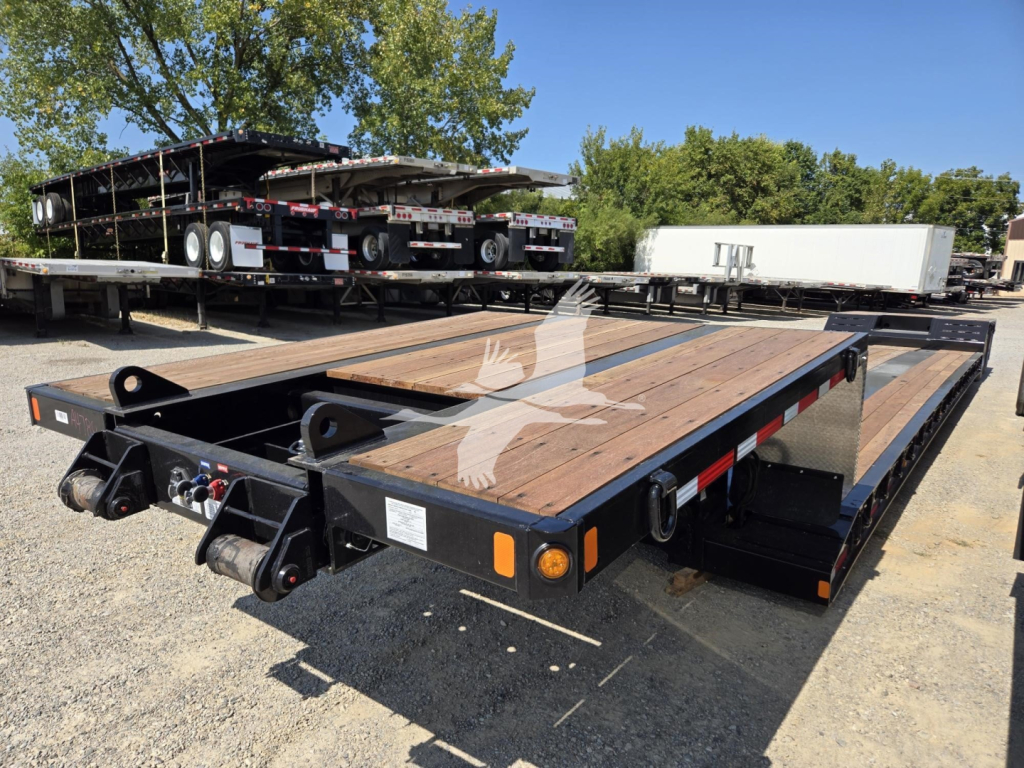
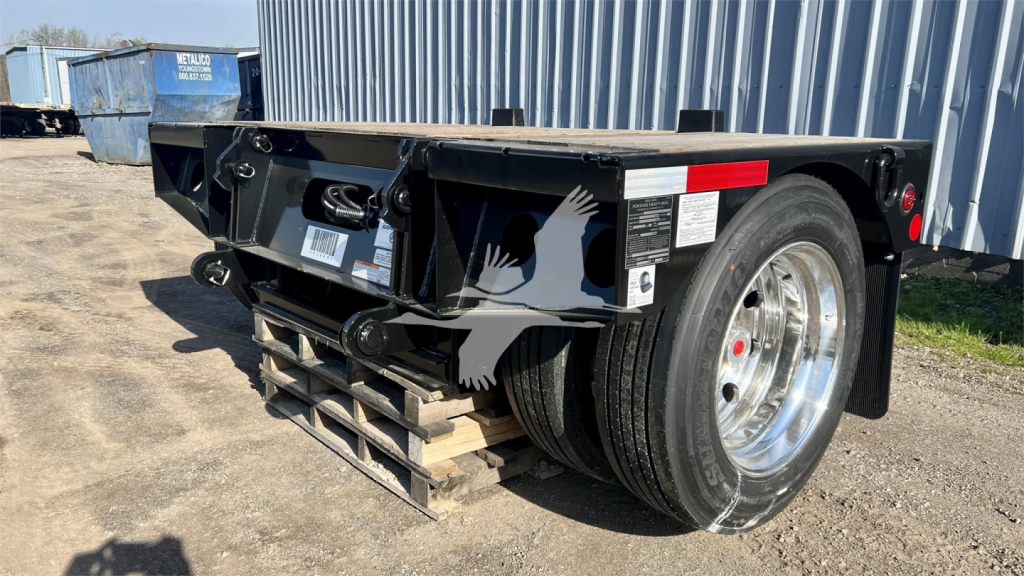
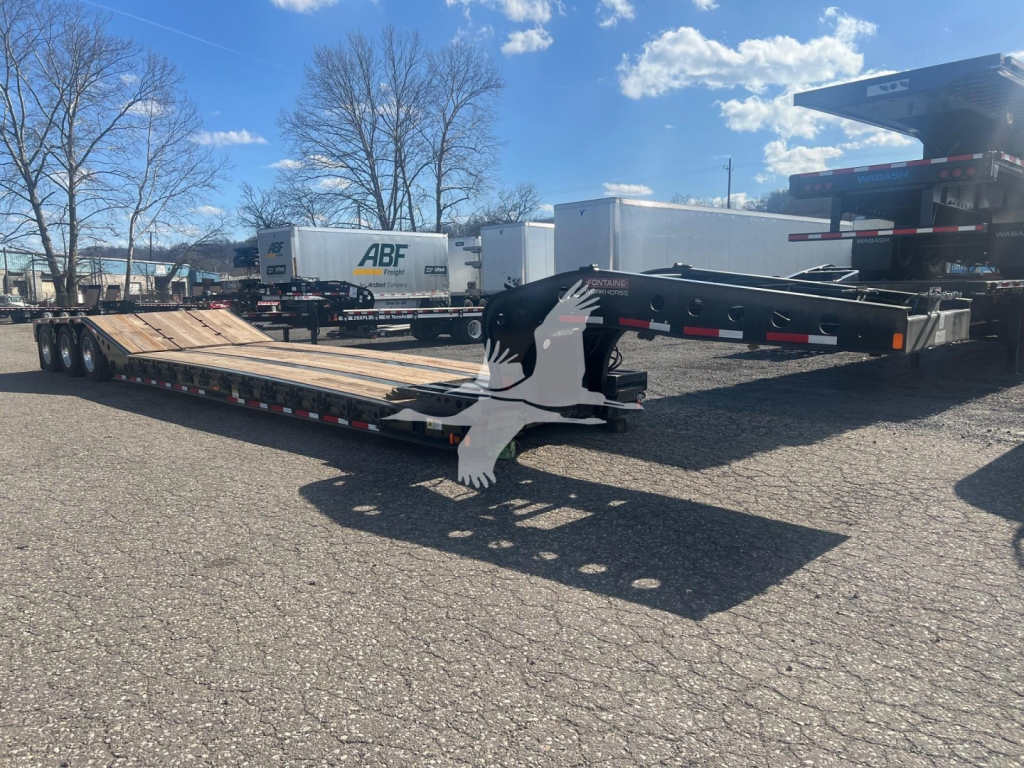
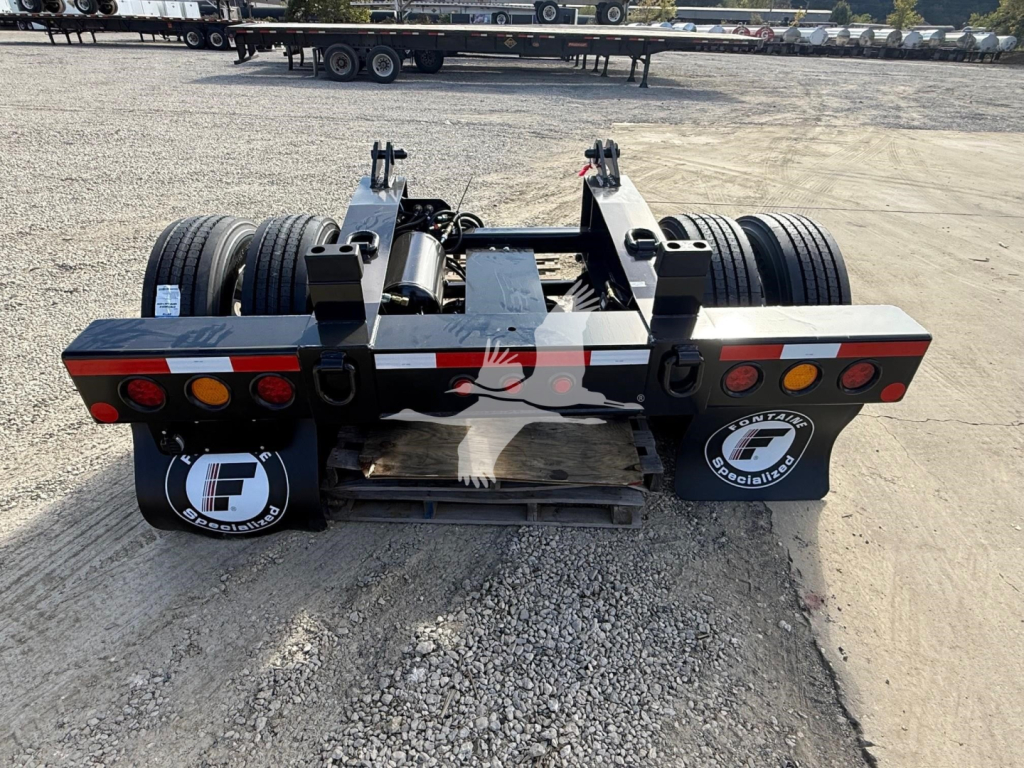
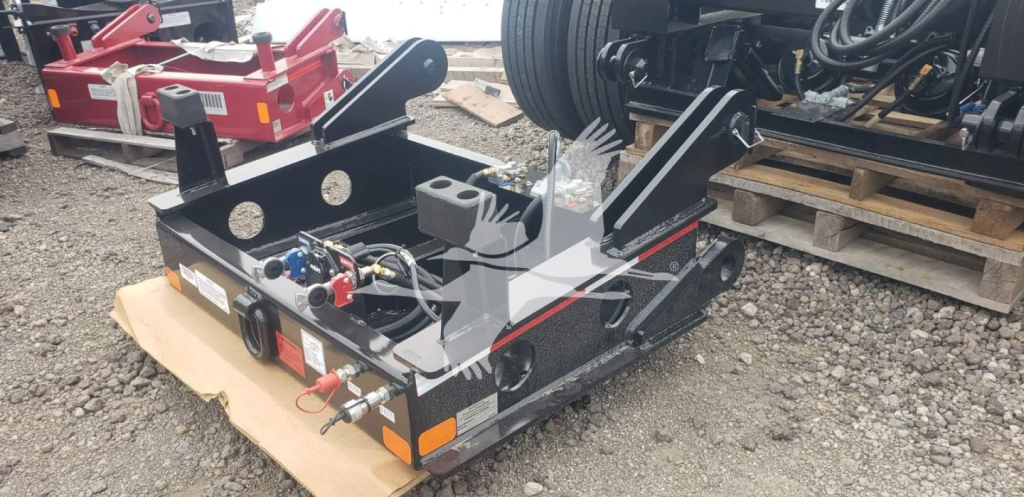
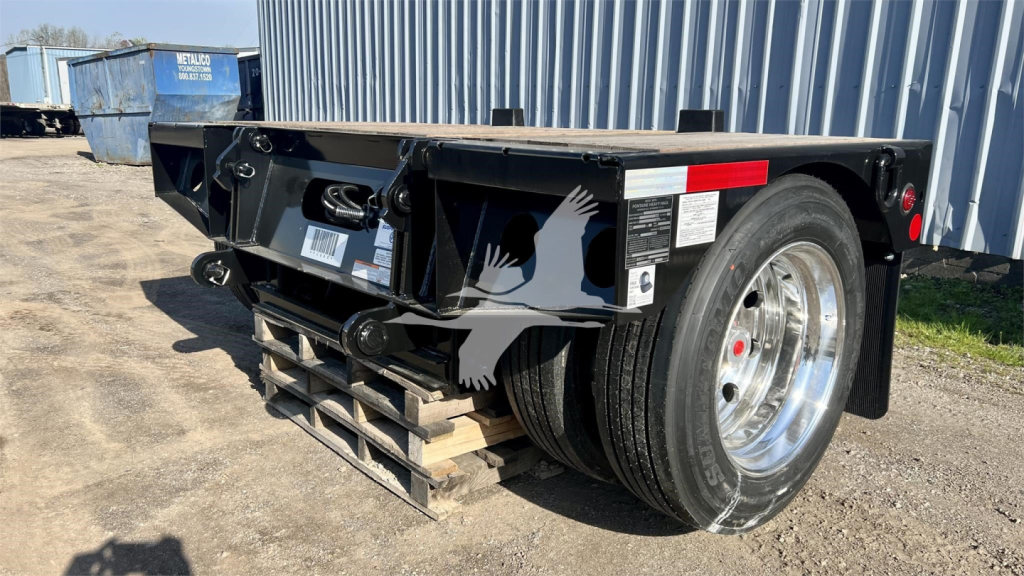
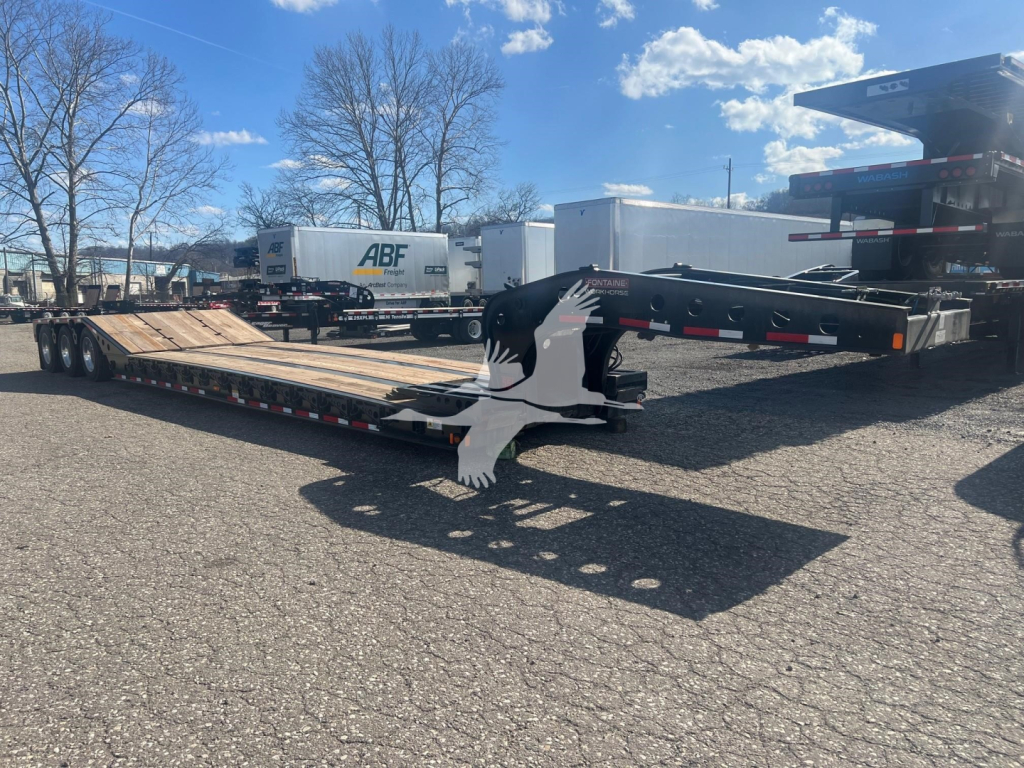
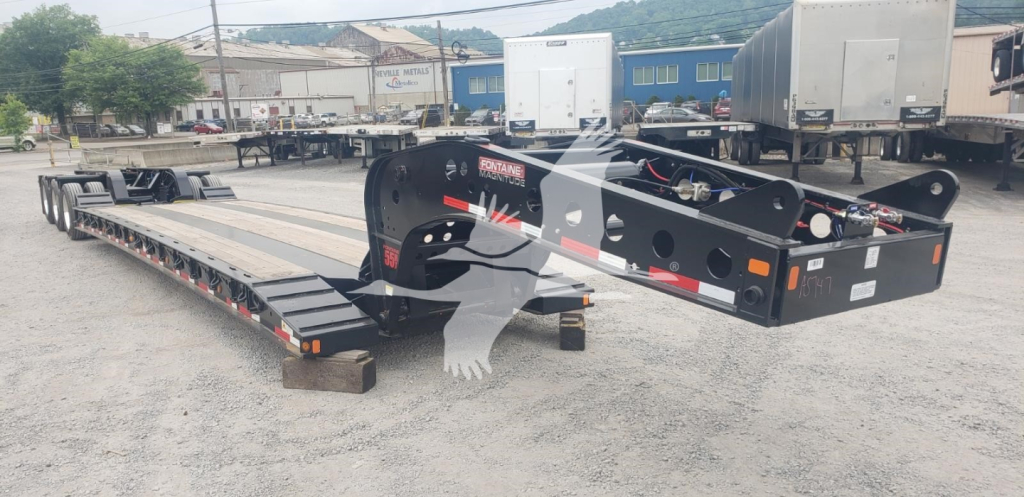
If the work involves taller machinery or over-height freight, Fontaine lowboy and double drop trailers deserve a closer look. A lowboy, also called a low-bed or lowboy trailer, lowers deck height to help keep loaded height legal while carrying heavier equipment such as dozers, excavators, pavers, or crushers. Double drop expandables go a step further for long, tall freight by combining a low main deck with an extendable well. On these trailers, buyers should focus on main deck length, loaded deck height, ground clearance, swing radius, detachable gooseneck style, outriggers, D-ring count, and compatibility with flip axles or jeep configurations. Ratings such as 40-ton or 55-ton capacity only tell part of the story, because the usable capacity depends on load length, axle group setup, and how the weight is distributed across the deck.
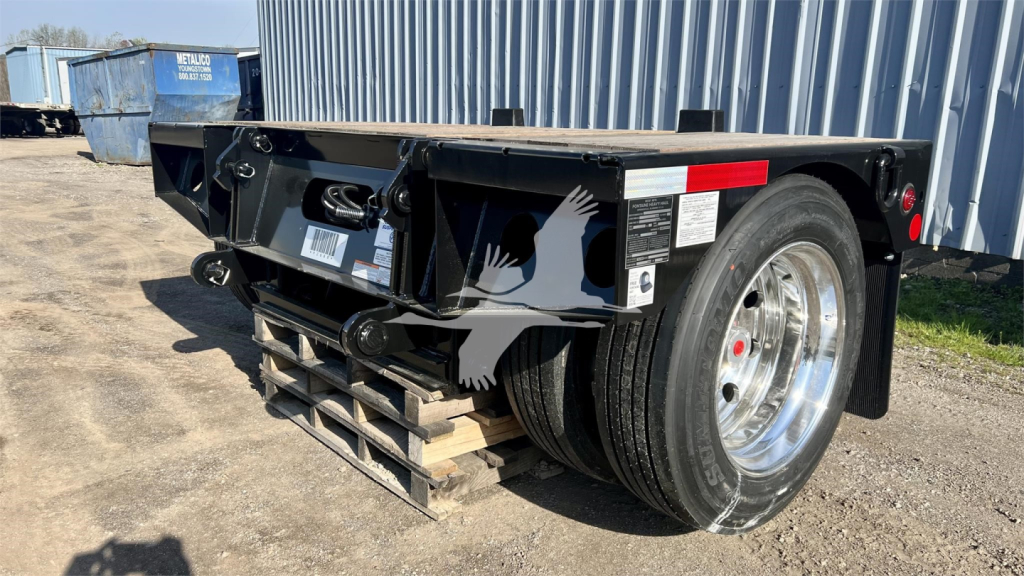
Fontaine specs often reflect real-world securement and heavy-haul needs, including traction cleats, chain slots, removable outriggers, air ride suspensions, lift axles, and hydraulic detachable neck options. For buyers comparing listings, the most important question is how closely the trailer's configuration matches the freight profile. A lighter extendable trailer may be the better fit for regular overlength building materials, while a heavier lowboy or Renegade-style double drop makes more sense for concentrated equipment loads and taller machines. Look closely at deck construction, extension lock spacing, brake and lighting setup, tire size, and axle spacing, since those details have a direct impact on permitting, loading method, maintenance cost, and day-to-day usability.
Frequently Asked Questions about 2027 Fontaine Trailers in Pennsylvania
What types of Fontaine trailers are most common in the 2027 model year?
The most common Fontaine trailer types buyers compare include flatbed trailers, extendable flatbeds, lowboy trailers, and double drop expandables. Flatbeds are suited for standard open-deck freight, while extendable flatbeds handle long materials such as steel, pipe, and structural components. Lowboys and double drops are built for heavy equipment and taller freight that require lower deck heights to stay within legal height limits.
What should I look at first when comparing a Fontaine lowboy or double drop?
Start with deck height, deck length, load rating in the stated load area, axle count, and whether the trailer is set up for flip axles or other heavy-haul attachments. A low advertised tonnage or high tonnage alone does not tell the full story. The trailer has to match the machine's weight, track width, overall height, and axle loading, along with the routes and permit requirements where it will operate.
Are Fontaine extendable trailers a good fit for steel and building materials?
Yes. Fontaine extendable trailers are commonly used for steel, pipe, precast pieces, trusses, and other overlength freight. Buyers should review extension range, lock interval spacing, floor type, side rail strength, winch track placement, and crossmember spacing. Those details matter because long freight can create different support and securement demands than standard palletized flatbed cargo.
What suspension setup is better on a Fontaine trailer, air ride or spring ride?
The better suspension depends on the application. Air ride generally offers better ride quality for sensitive freight and can improve handling on uneven roads, while spring ride remains a durable, simpler option for many vocational applications. For Pennsylvania operation, where trailers may run highways, industrial yards, and rougher access roads, buyers often weigh maintenance preference, load protection, and trailer tare weight when choosing between the two.
Why do kingpin setting and axle spacing matter on a Fontaine trailer?
Kingpin setting and axle spacing directly affect fifth wheel placement, bridge compliance, turning characteristics, and how easily the trailer can be matched to a specific tractor. On specialized trailers, those measurements also influence permit routing and weight distribution. Buyers should confirm that the trailer's geometry works with their tractor wheelbase, intended freight, and state bridge formulas before making a final decision.