
New Flips/Converter Dollies/Jeeps Trailers For Sale

Showing 1 to 24 of 25 results
Have new flips/converter dollies/jeeps trailer to sell? List it here to reach thousands of buyers.
New Flips/Converter Dollies/Jeeps Trailers
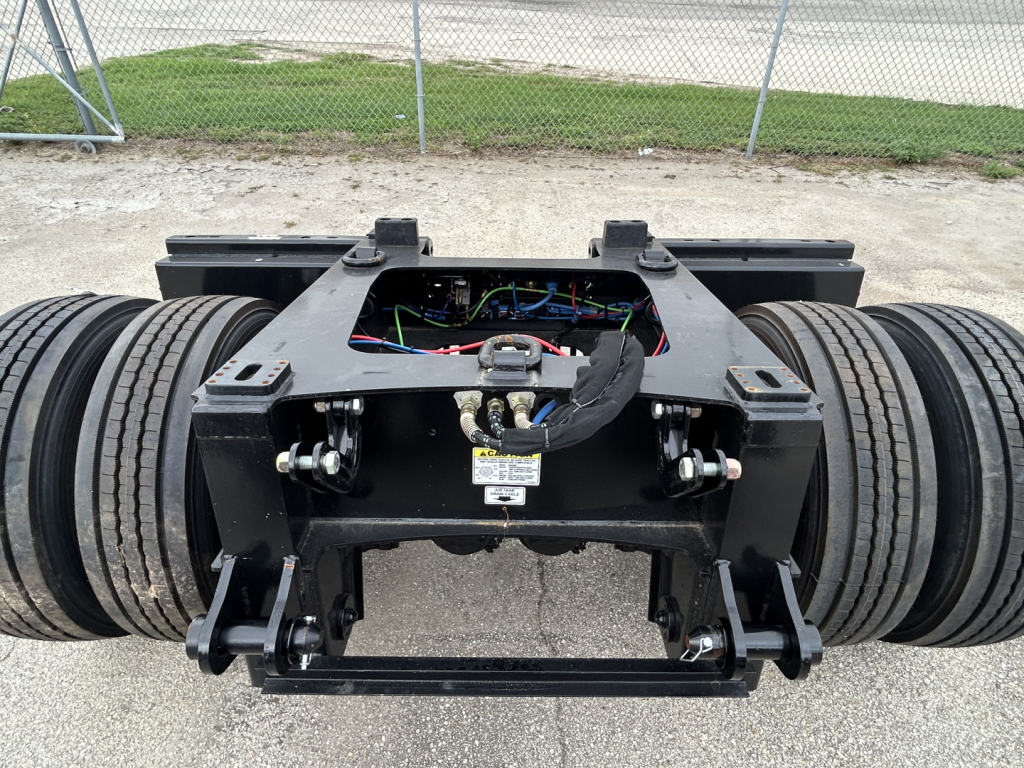
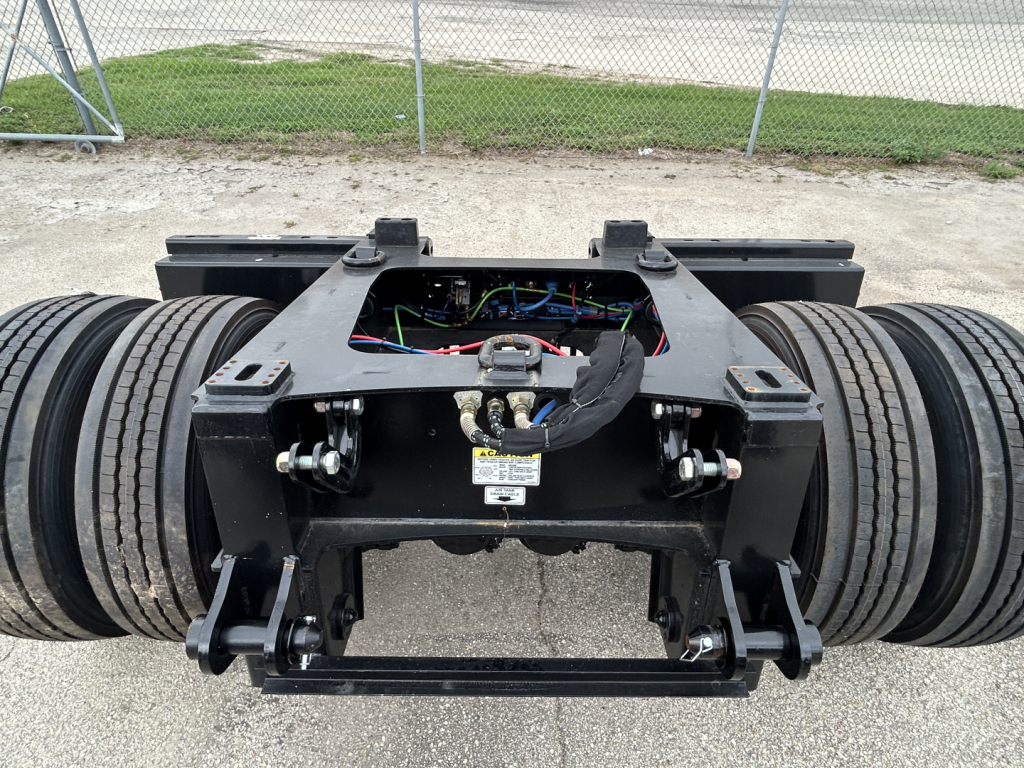
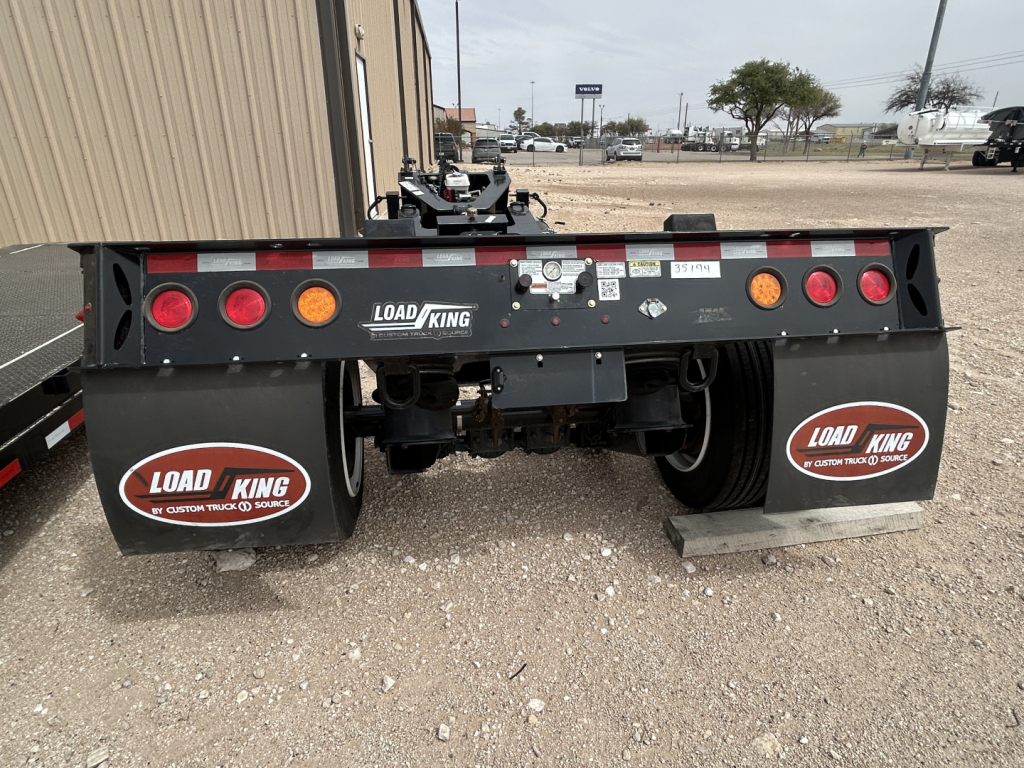
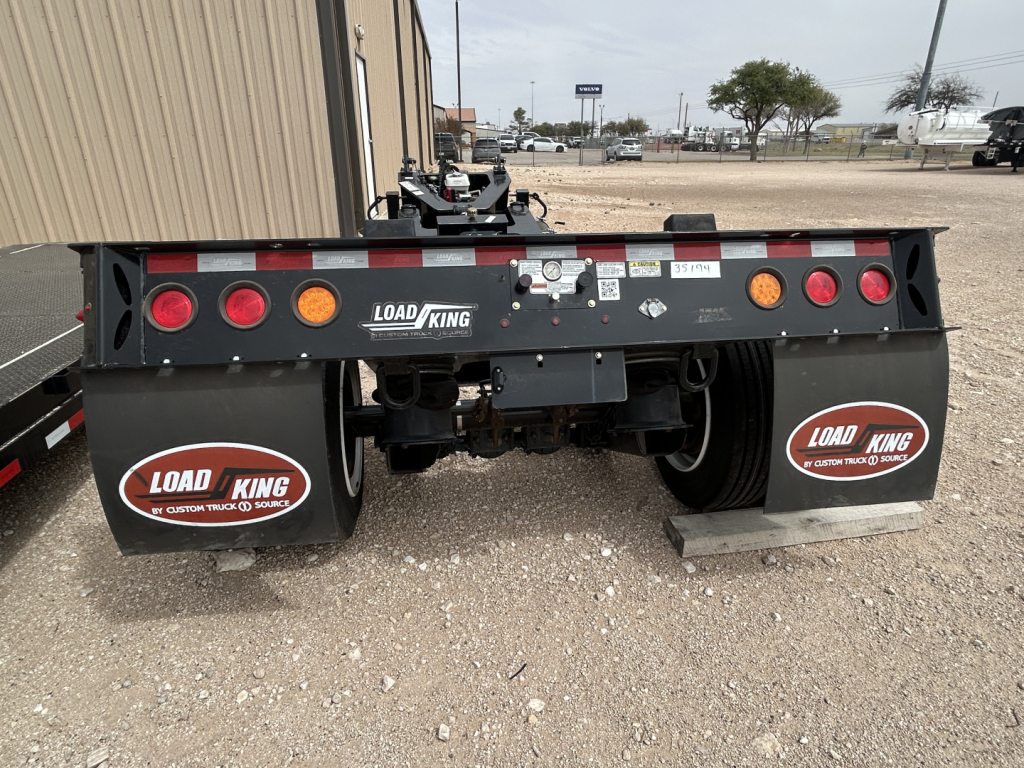
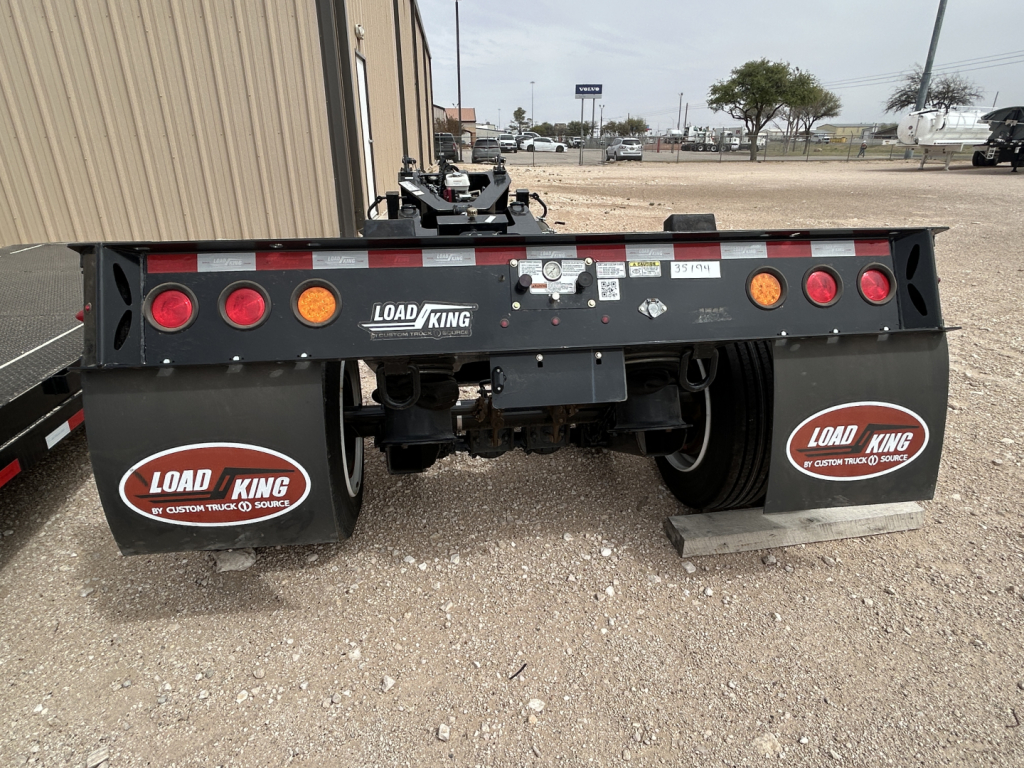
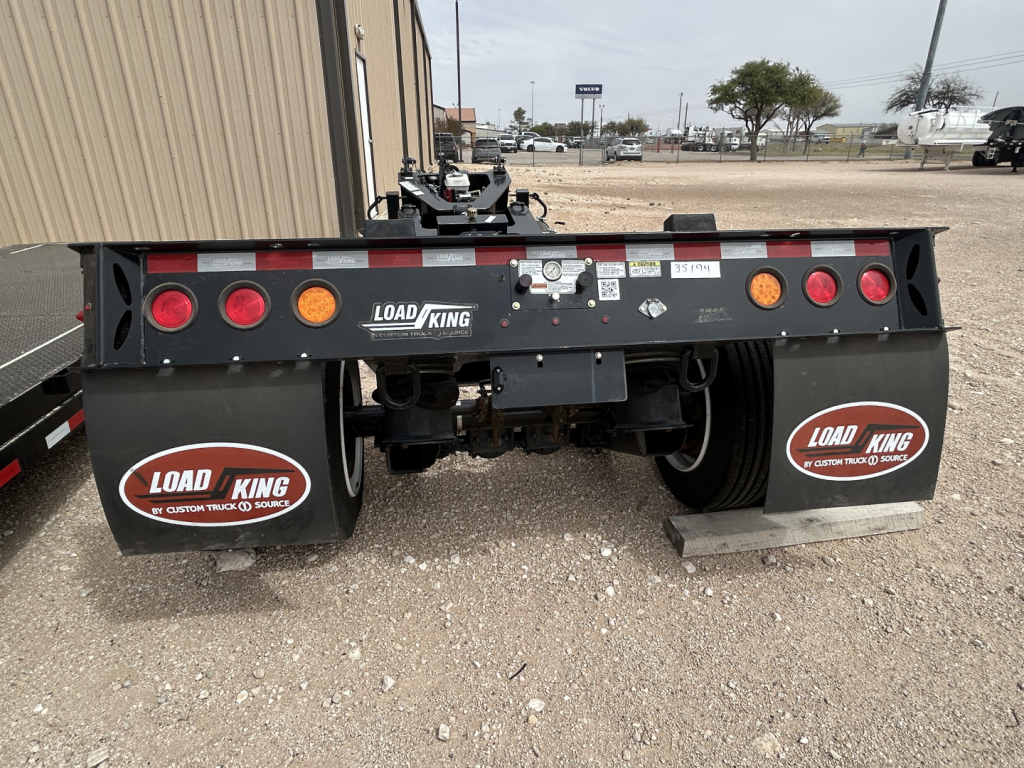
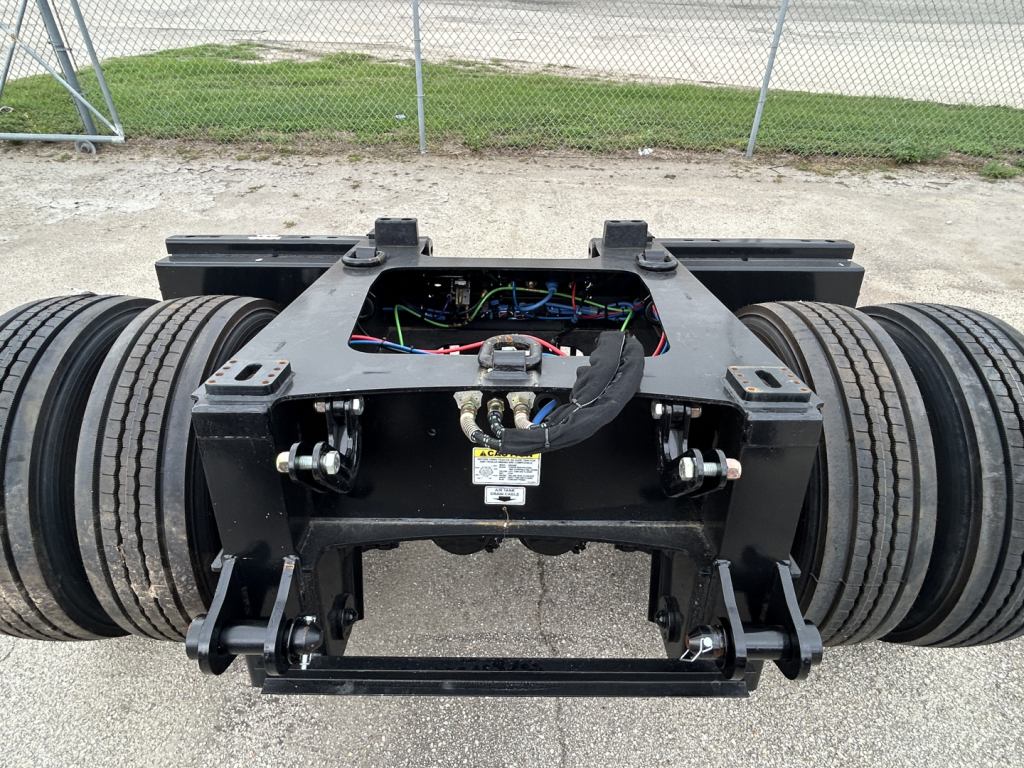
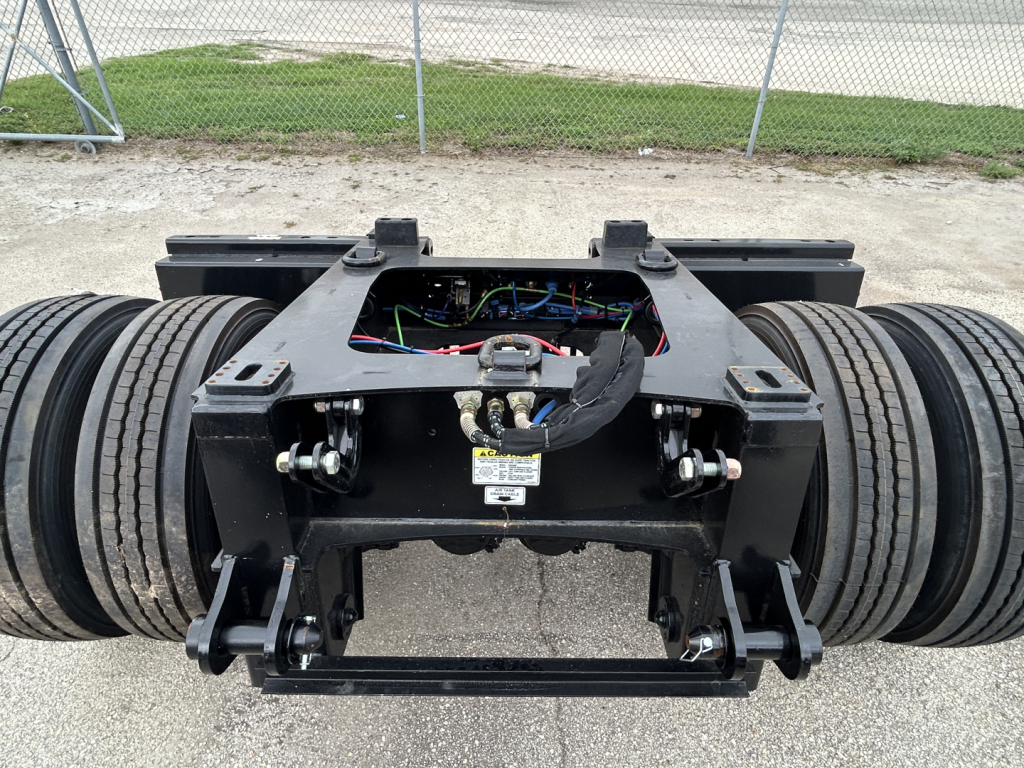
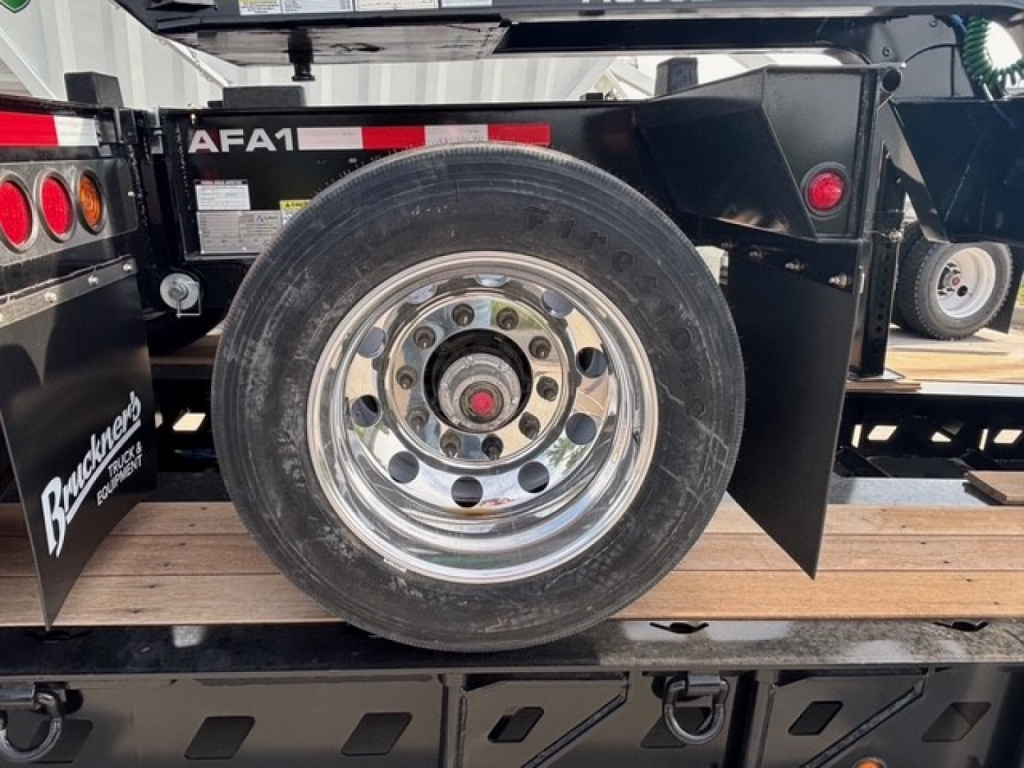
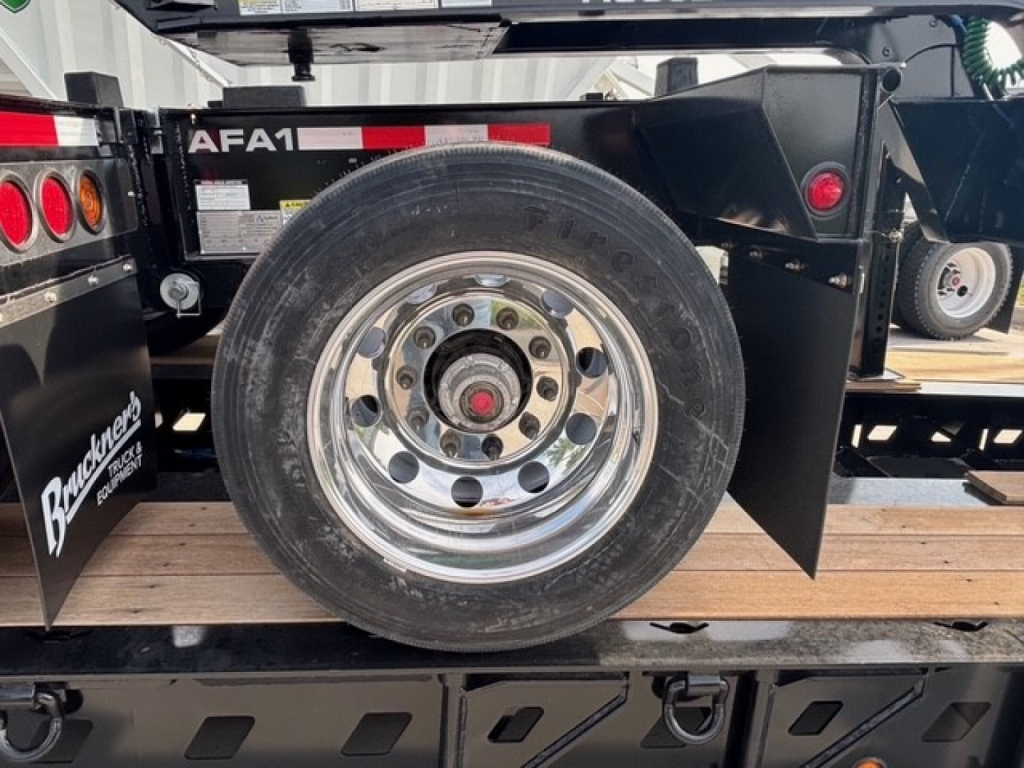
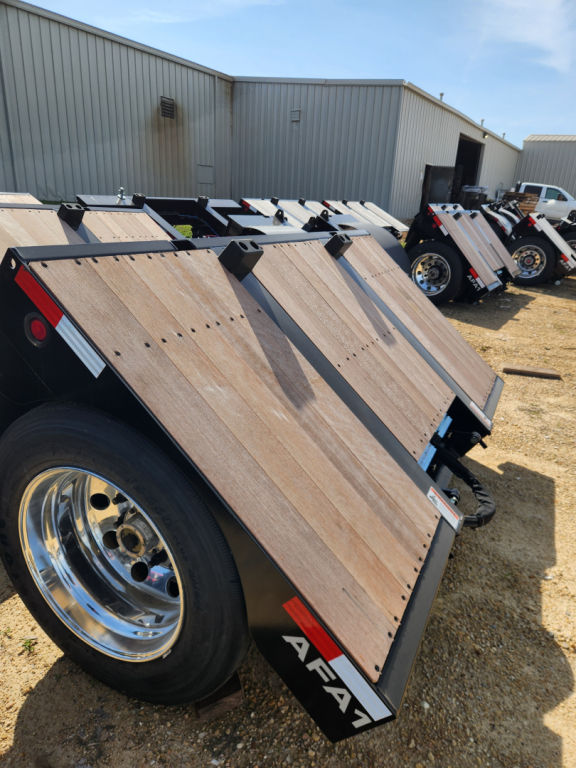
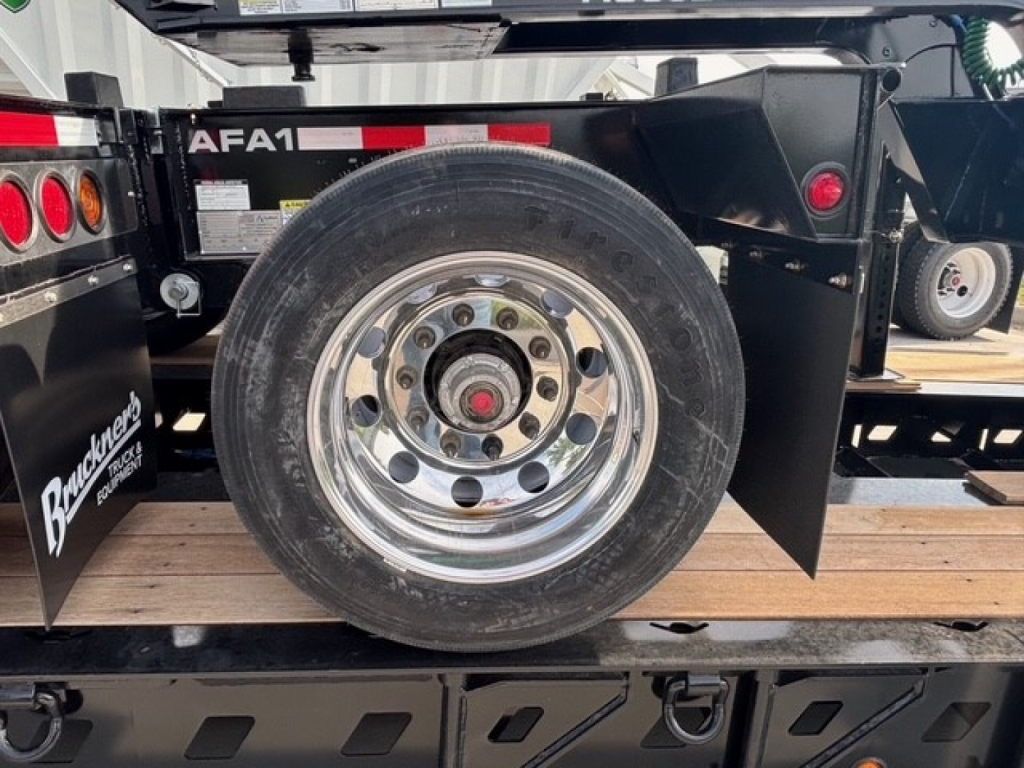
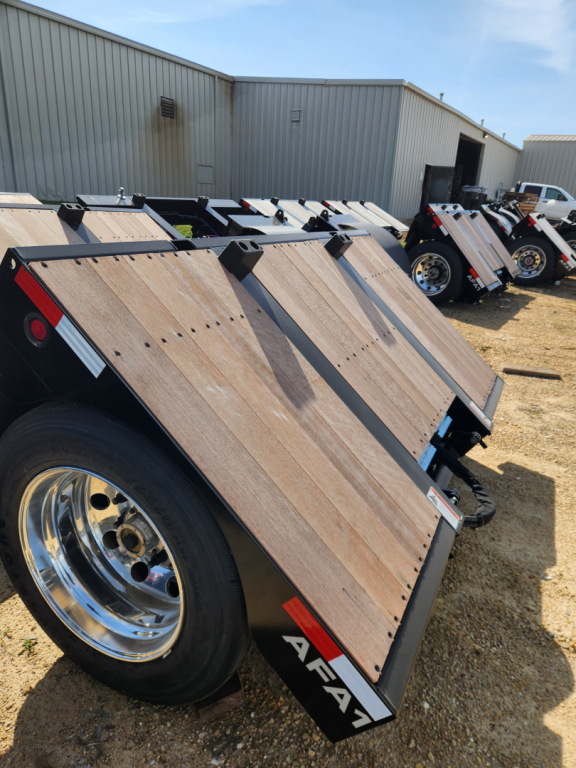
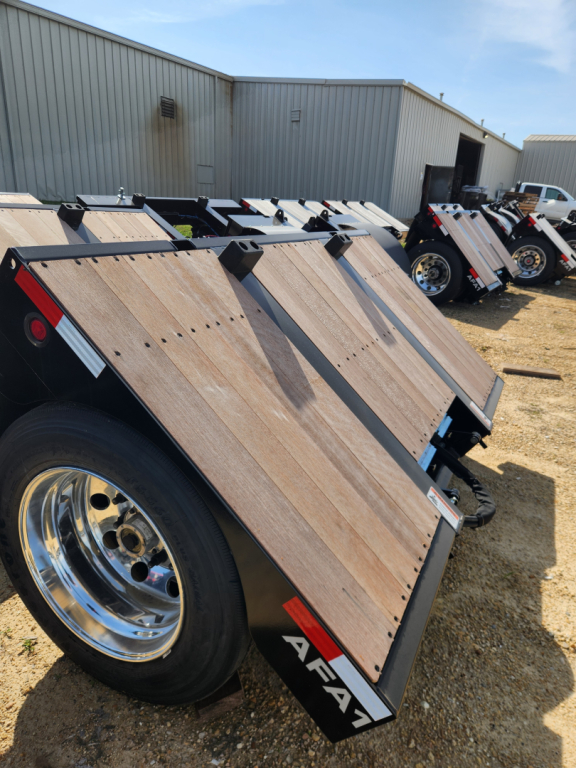
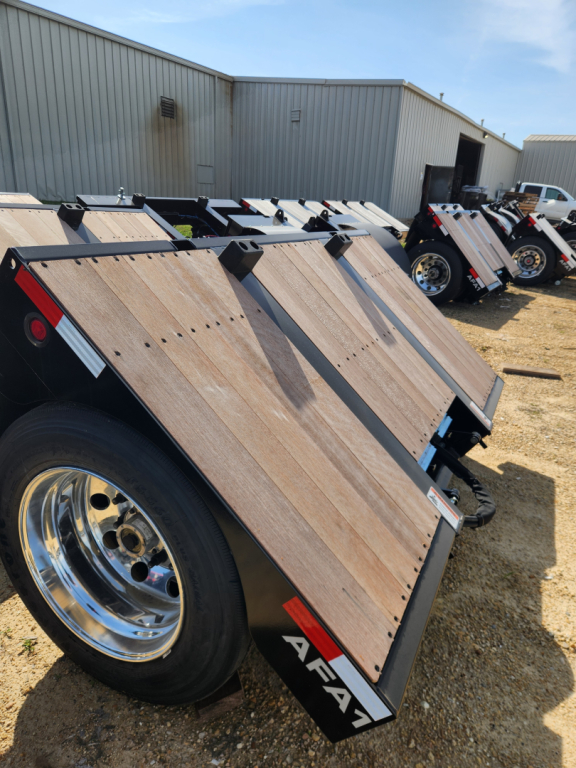
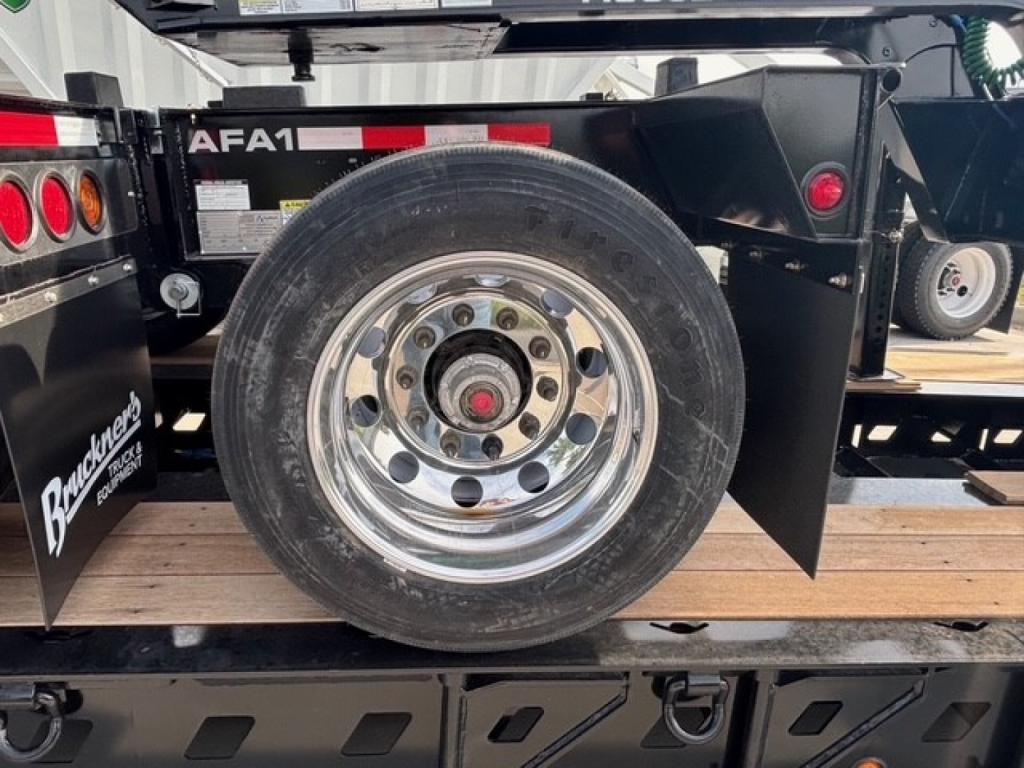
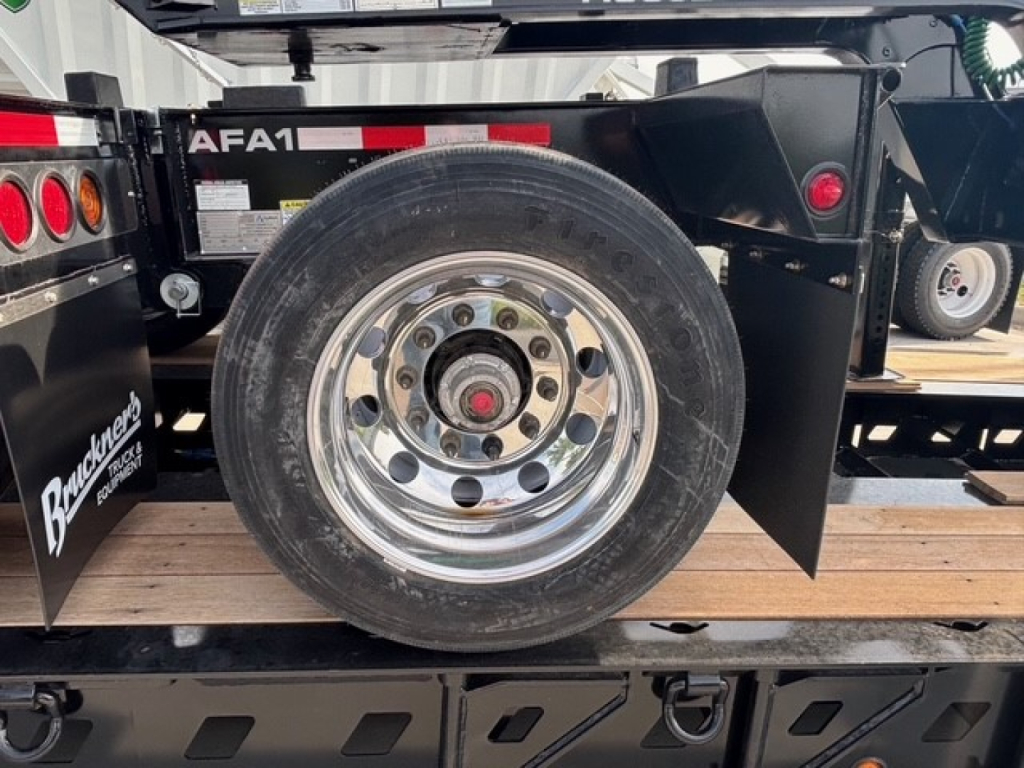
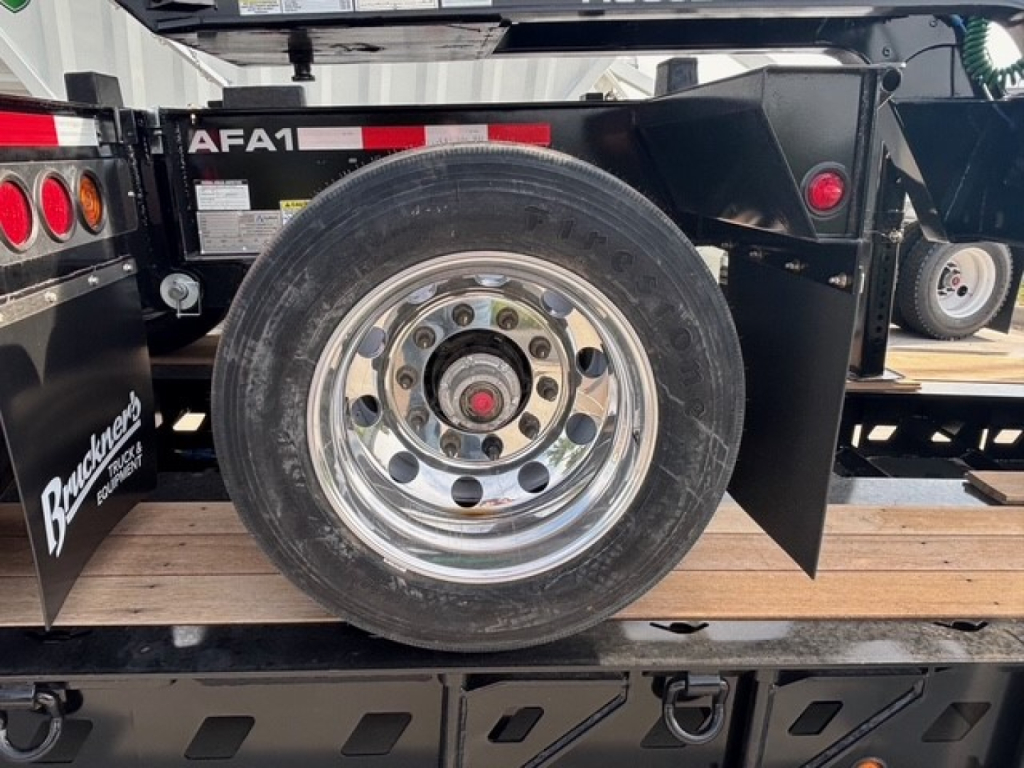
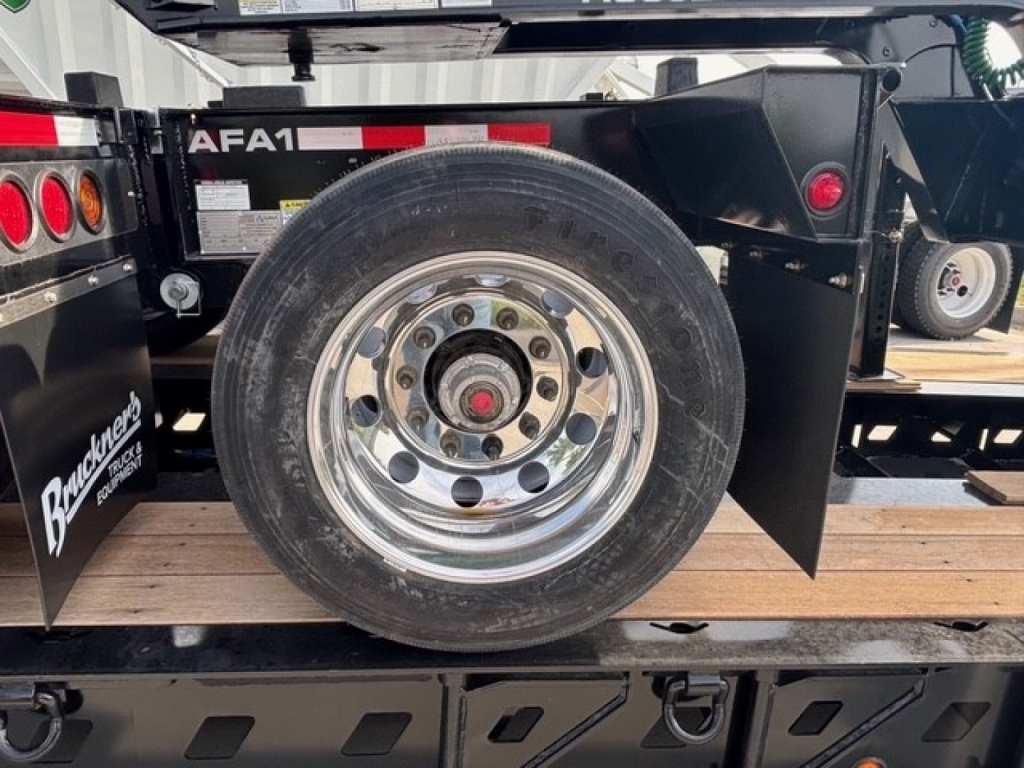
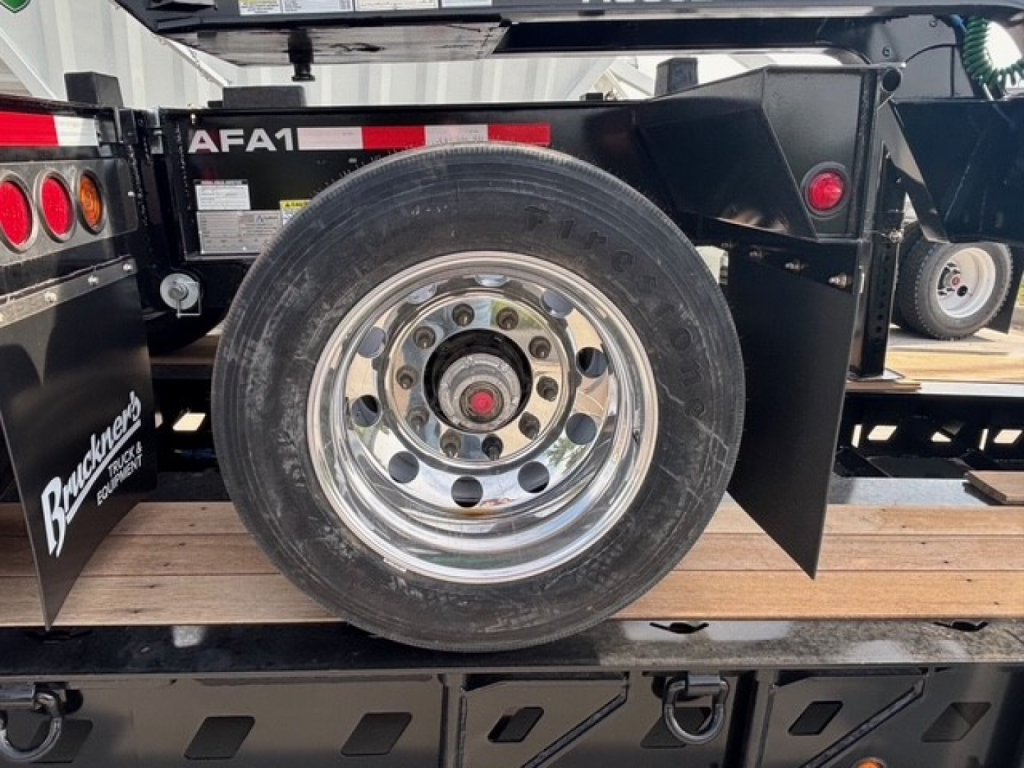
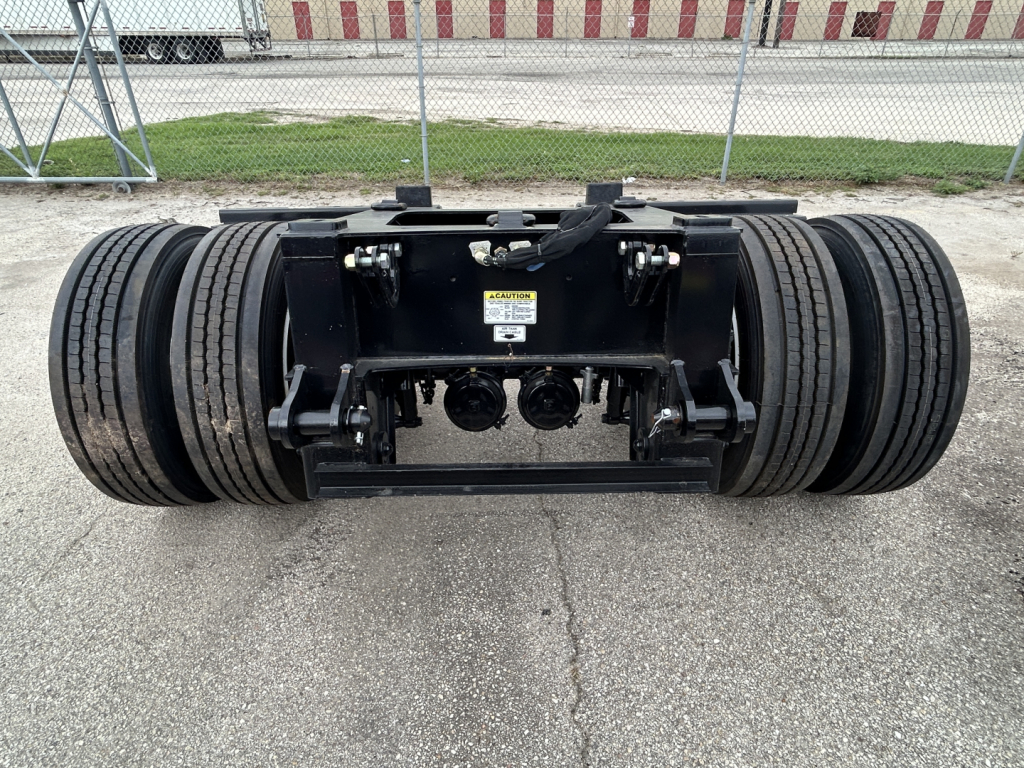
Flip axles are commonly added to the rear of a lowboy or specialized trailer to increase legal payload and distribute weight across more axles. In this category, common specs include single-axle configurations, steel construction, drum brakes, air ride suspension, and 255/70R22.5 tires with steel inner and aluminum outer wheels. Axle spacing is a key buying point, with common dimensions such as 54 or 54.5 inches affecting bridge law calculations and how the axle integrates with the rear frame. Details like D-rings, limit chains, stake pockets for wide load signs, flag holders, strobe light wiring, and leveling valves are not minor add-ons. They directly affect day-to-day oversize operation, securement flexibility, and how quickly a driver can put the trailer into permitted service.
A jeep, also called a booster jeep or lowboy jeep depending on application, is installed between the tractor and trailer to shift kingpin weight and create a longer axle group. This is important when a load is too heavy on the steer or drives, or when state permit rules require a different axle spread. Converter dollies serve a different purpose, typically adding an axle group and tow point between units, but the same buying principle applies: geometry and air-brake integration have to match the intended combination. Buyers should confirm kingpin setting, fifth wheel height, drawbar length, suspension travel, brake timing, ABS provisions, and tire and wheel spec across the whole setup. A mismatch in one of those areas can create loading issues, turning limitations, or permit problems that cost more than the initial purchase price.
For new equipment, pay attention to how the unit is spec'd for the exact trailer series and rated capacity you run. A flip axle built for an 8-foot-6-inch 55-ton trailer is a different tool than one built for a rail trailer or a heavier multi-axle platform. Structural design, neck or tail compatibility, brake package, and suspension brand all affect service life and maintenance support. The best buying decision usually comes from starting with your current trailer model, target gross load, and the states you run most often, then matching the attachment to those requirements. In this category, precision matters more than general capacity claims because these components only perform correctly when the entire combination is engineered to work together.
Frequently Asked Questions about New Flips/Converter Dollies/Jeeps Trailers
What is the difference between a flip axle, a jeep, and a converter dolly?
A flip axle is usually attached at the rear of a lowboy or specialized trailer to add carrying capacity and spread weight over another axle group. A jeep is installed between the tractor and the trailer to move kingpin weight off the truck and create additional axle spacing for permit and bridge compliance. A converter dolly is generally used to connect and support another trailer section or add a towable axle group between units. Each serves a different position in the combination, so fitment and intended application are more important than the general category name.
How important is axle spacing on a new flip axle or jeep?
Axle spacing is one of the most important specifications because it affects legal weight distribution, permit approval, and how the attachment physically matches the trailer. Spacing dimensions such as 54 or 54.5 inches can change bridge formula results and determine whether a unit fits the trailer tail or existing axle group correctly. Buyers should verify spacing against trailer manufacturer specs and the permit requirements in the states where the combination will operate.
What specs should buyers confirm before purchasing a new flip axle or jeep?
The key specs are trailer compatibility, rated capacity, number of axles, suspension type, brake type, ride height, tire size, wheel configuration, and connection details. On a jeep, kingpin setting, fifth wheel height, and drawbar geometry are critical. On a flip axle, rear connection design, axle spacing, and brake and air hookup layout are major factors. Small differences in these specs can affect turning clearance, deck height, brake performance, and whether the combination can be permitted legally.
Are air ride suspension and drum brakes common on this equipment category?
Yes. Many new flips, jeeps, and related heavy haul attachments are spec'd with air ride suspension and drum brakes because they are proven, serviceable, and widely supported in fleet maintenance. Air ride helps with load equalization and ride quality, while drum brakes remain common in heavy haul applications due to durability and parts availability. Buyers should still confirm suspension brand, brake size, valve configuration, and ABS setup so the new unit matches the rest of the trailer combination.
Why do accessory details like D-rings, flag holders, and strobe wiring matter on a flip axle?
These details matter because heavy haul work depends on quick permit compliance and practical roadside setup. D-rings provide securement points, flag holders and stake pockets help with oversize signage, and strobe wiring supports visibility requirements for permitted loads. Features like limit chains and leveling valve controls also affect how easily the axle can be connected, operated, and adjusted in the field. On specialized equipment, these operational details can save time and reduce setup issues on every move.