
New Flips/Converter Dollies/Jeeps Trailers For Sale in Texas
New flip axles, converter dollies, and jeeps for sale in Texas. Compare capacities, axle spacing, suspension, width, and heavy haul setup options.

Selling a new flips/converter dollies/jeeps trailer? List your new flips/converter dollies/jeeps trailer for sale and reach thousands of commercial buyers.
New Flips/Converter Dollies/Jeeps Trailers in Texas
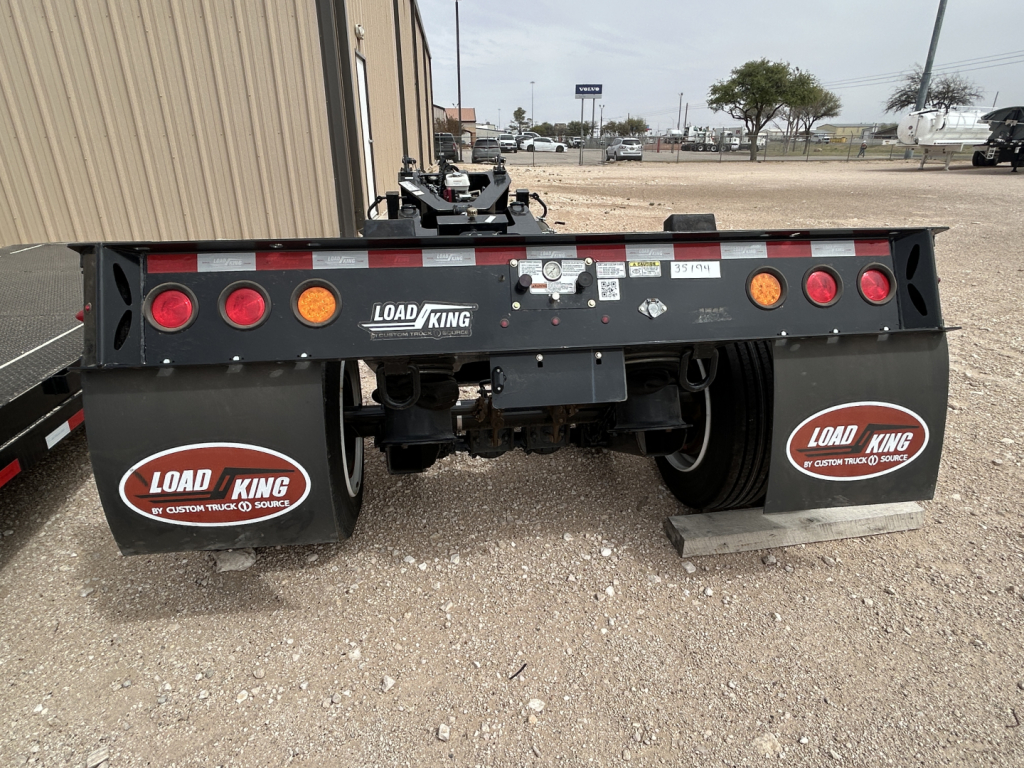
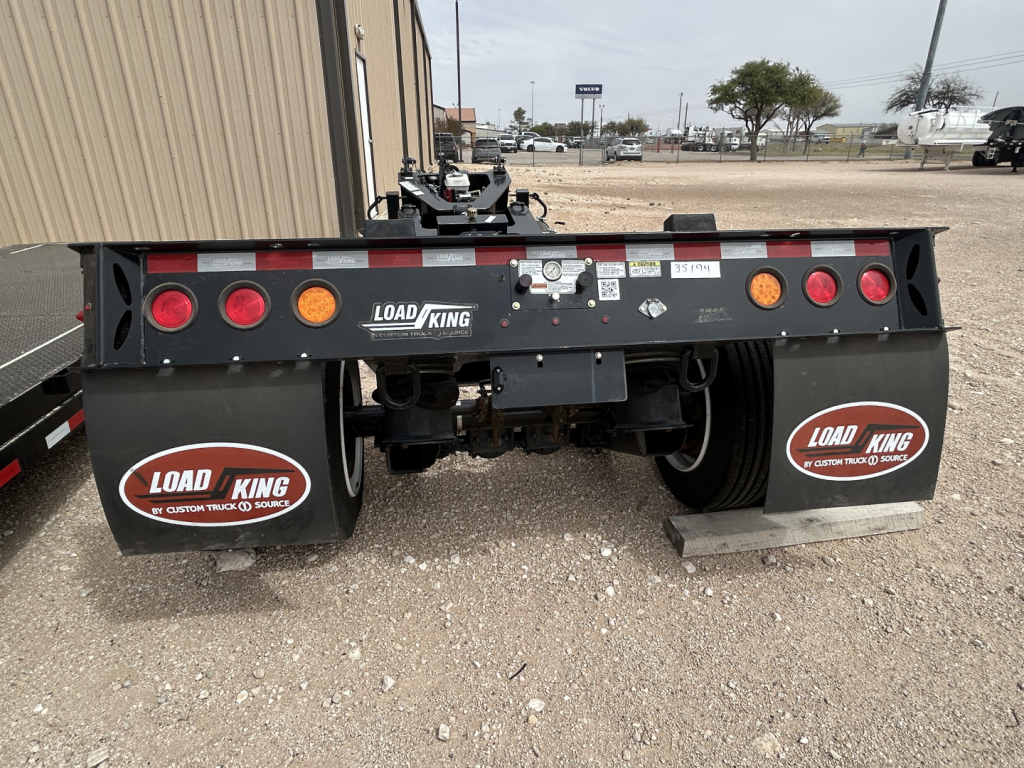
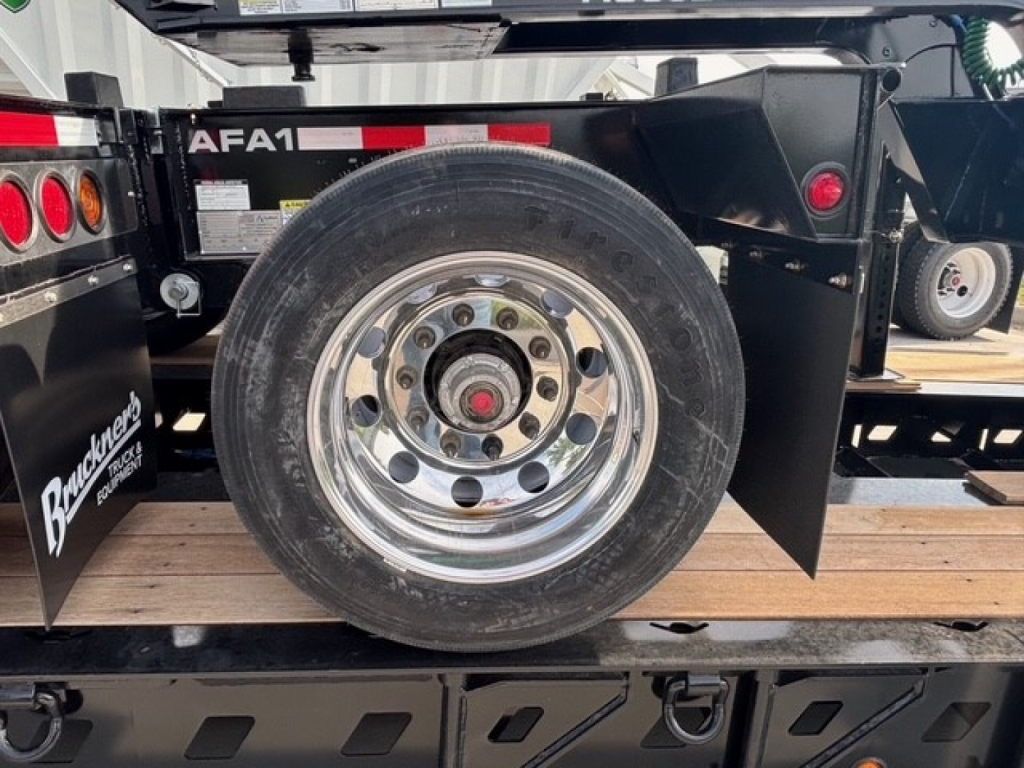
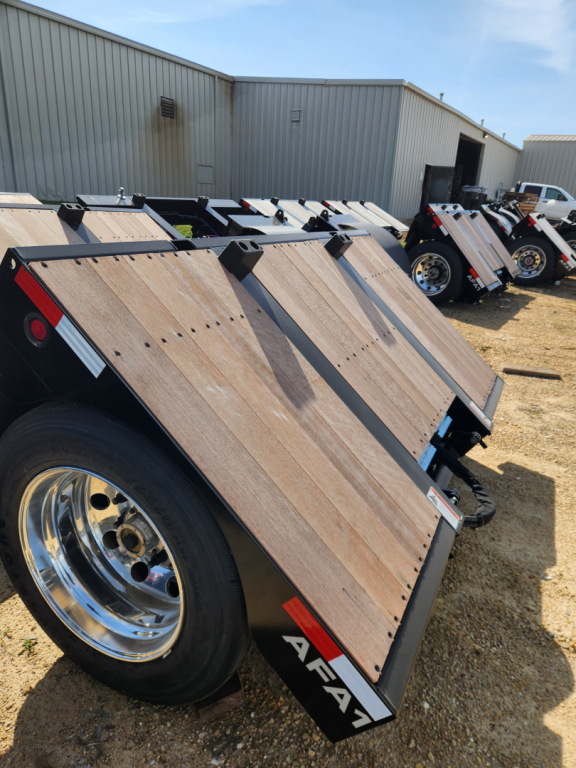
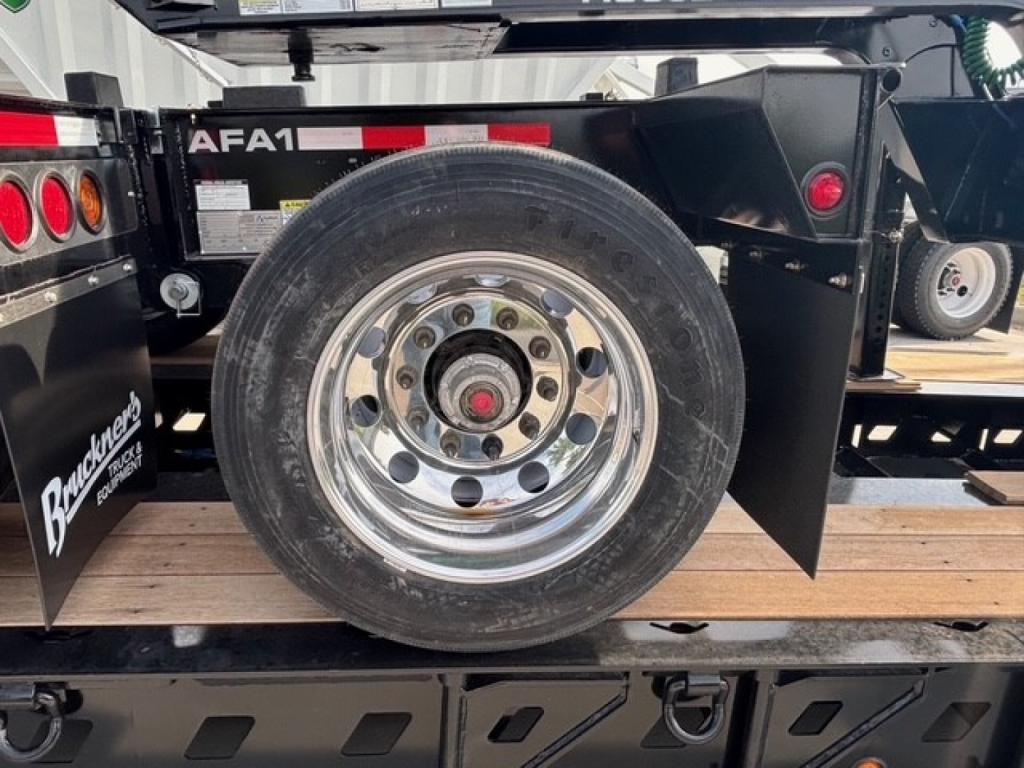
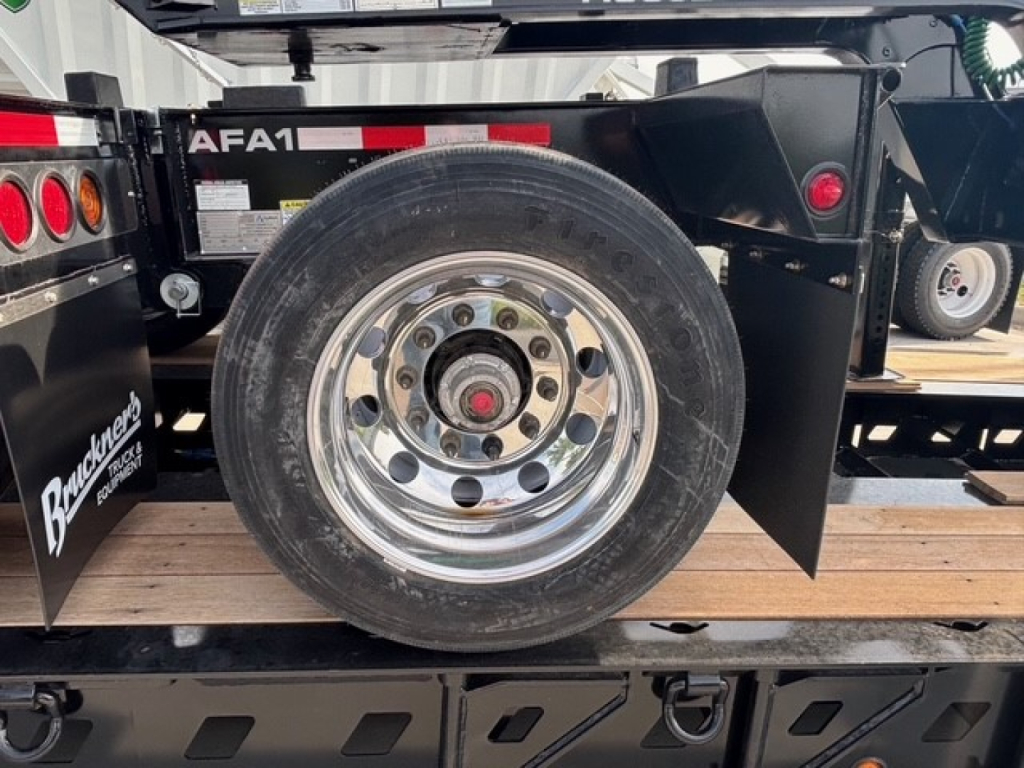
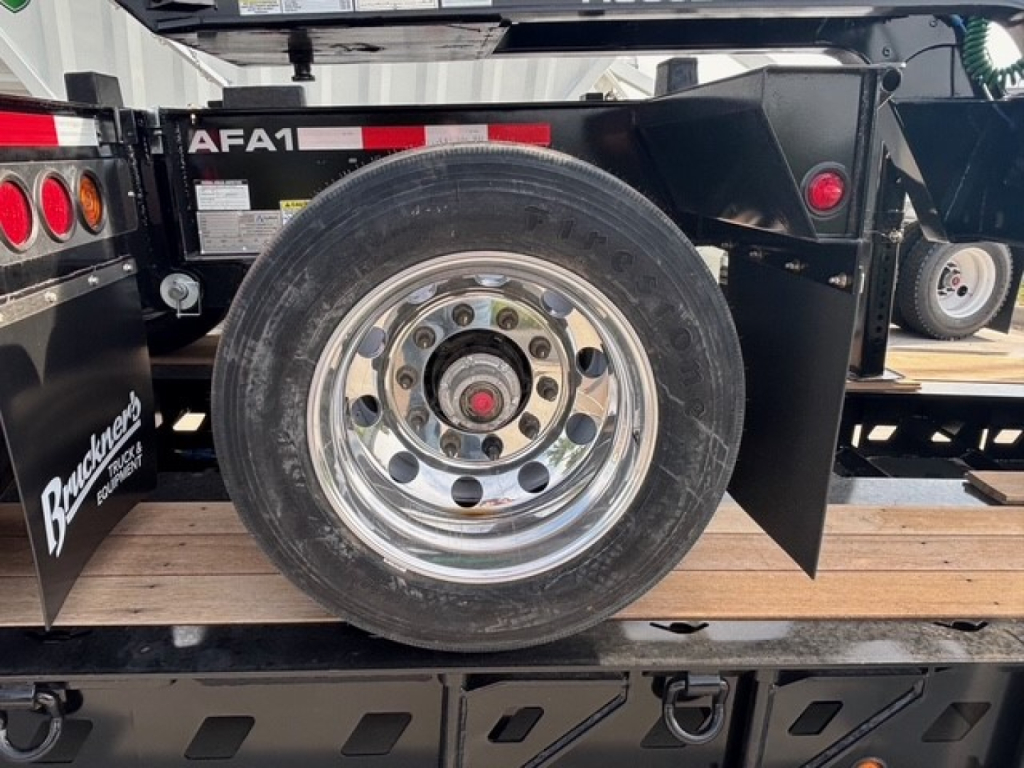
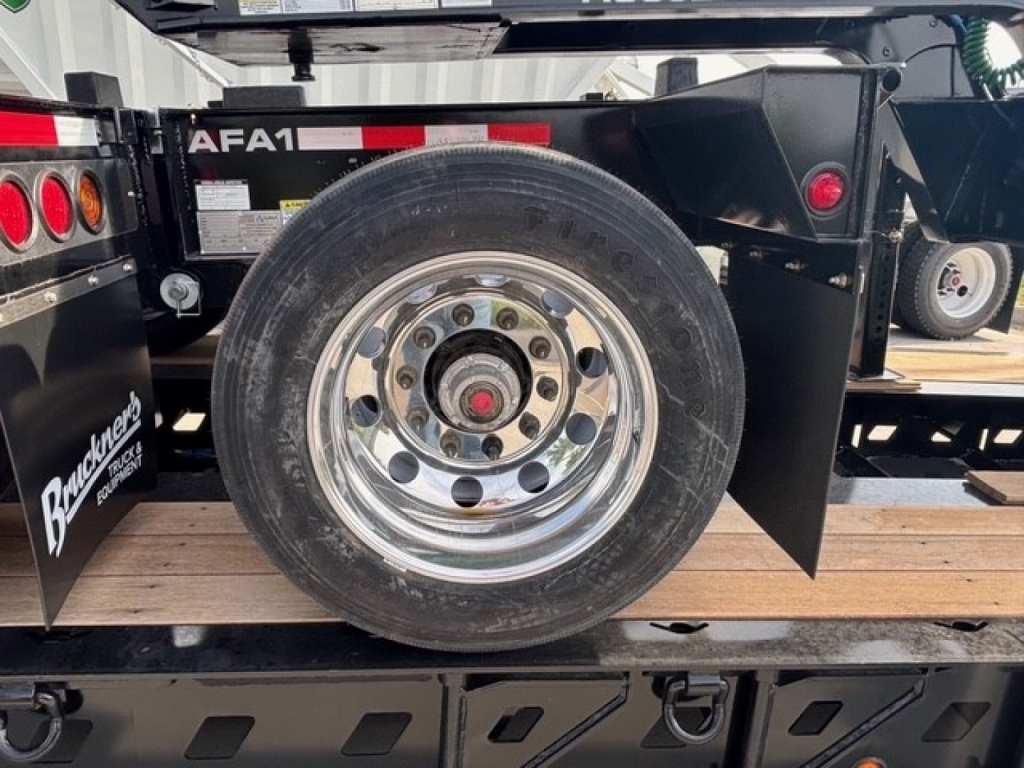
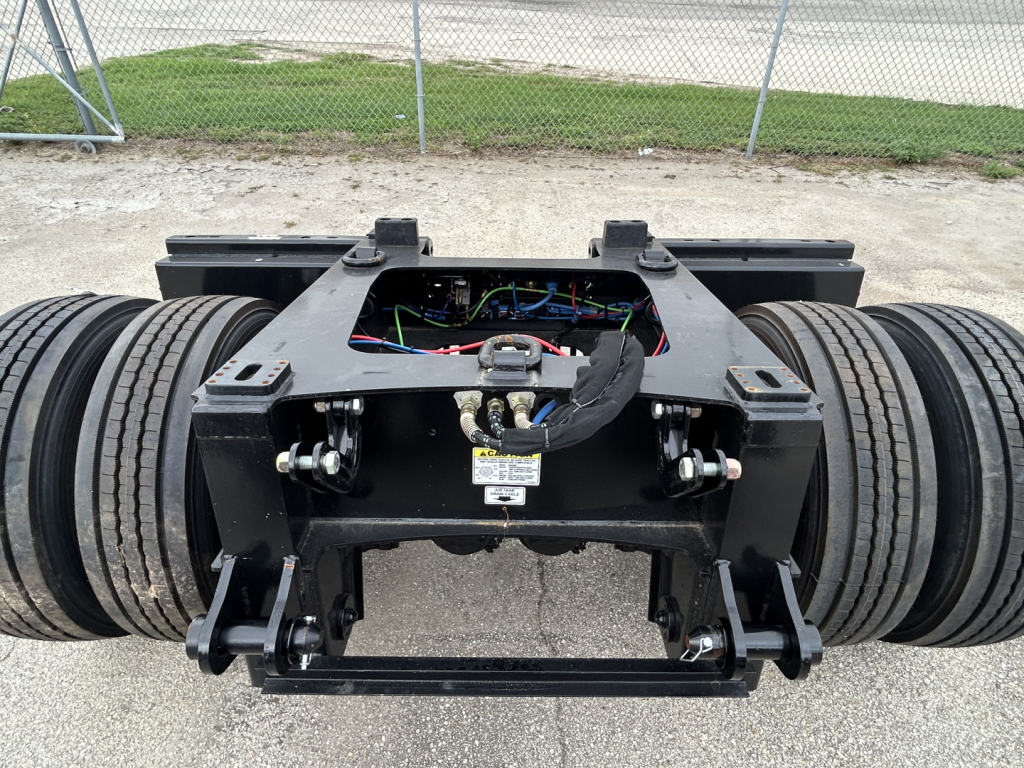
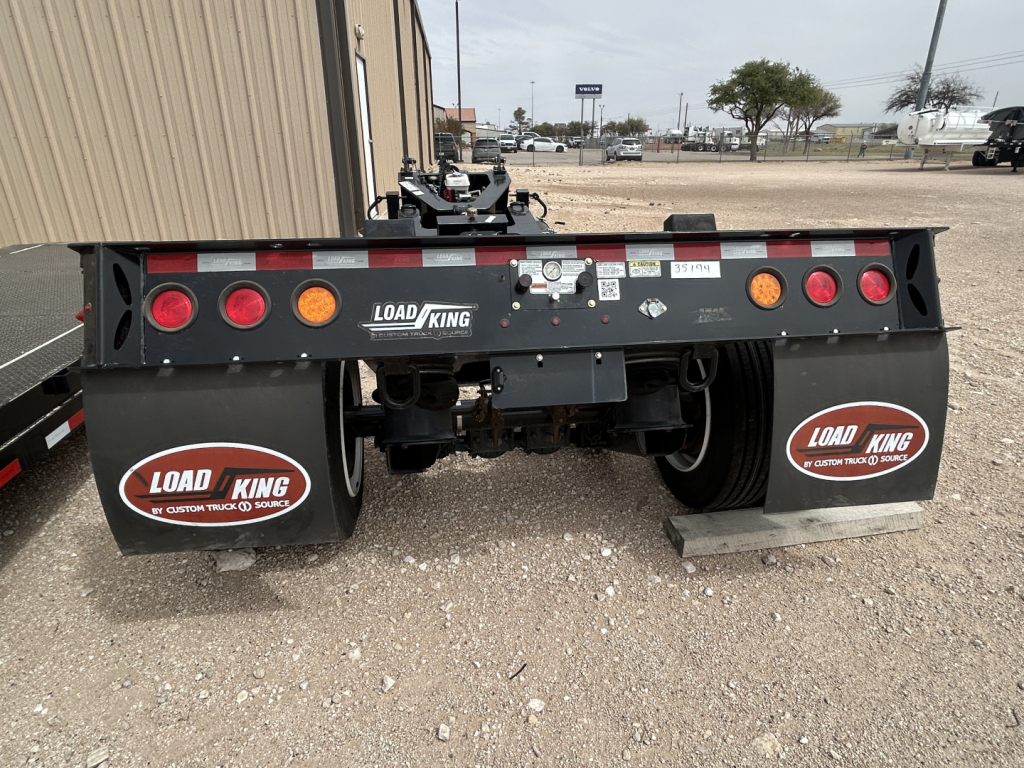
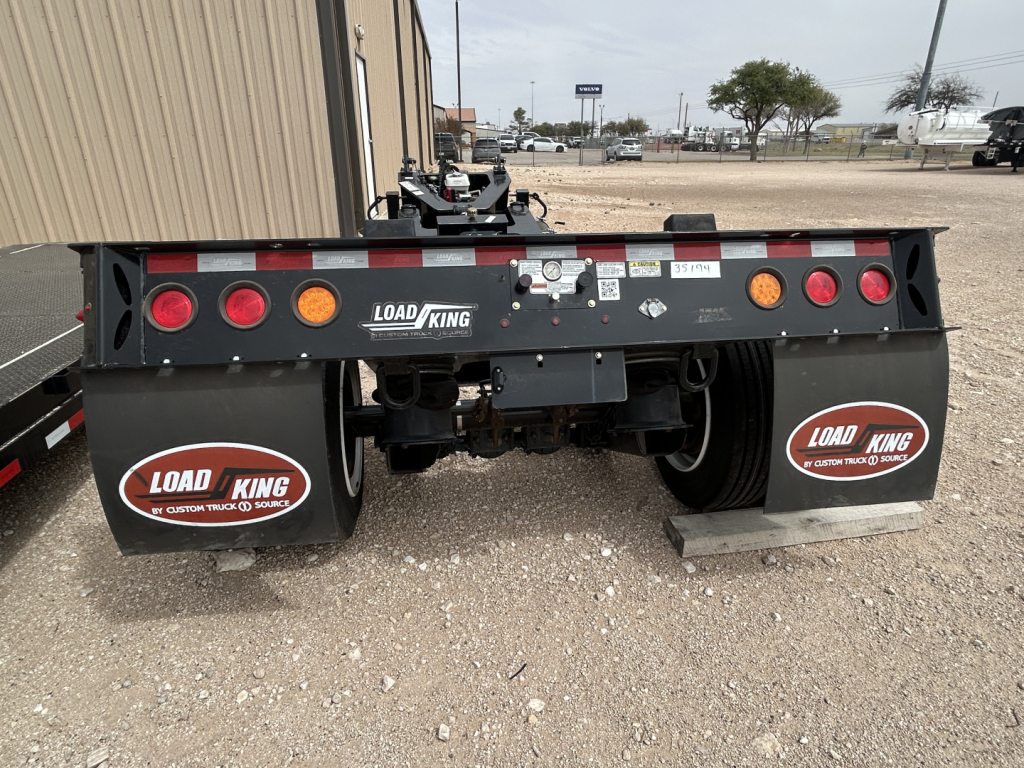
For Texas heavy haul buyers, width and axle spacing matter because they affect both legal routing and how well the trailer tracks under load. Common specs in this class include 102-inch and 108-inch overall widths, single axle ratings around 25,000 to 27,500 pounds, and axle spacing in the mid-50-inch to 60-inch range. Air ride suspension is common because it helps with load equalization and ride quality on specialized freight, and drum brake setups such as 16.5-inch by 7-inch brakes are still widely used in this segment. Tire and wheel packages often pair 22.5-inch rubber with outside aluminum wheels and inside steel wheels to balance appearance, durability, and replacement cost. On a new unit, buyers should also look for practical details like stainless taillight packages, sealed wiring harnesses, battery backup provisions, flag holders, stake pockets for wide load signs, D-rings, limit chains, and leveling valve controls.
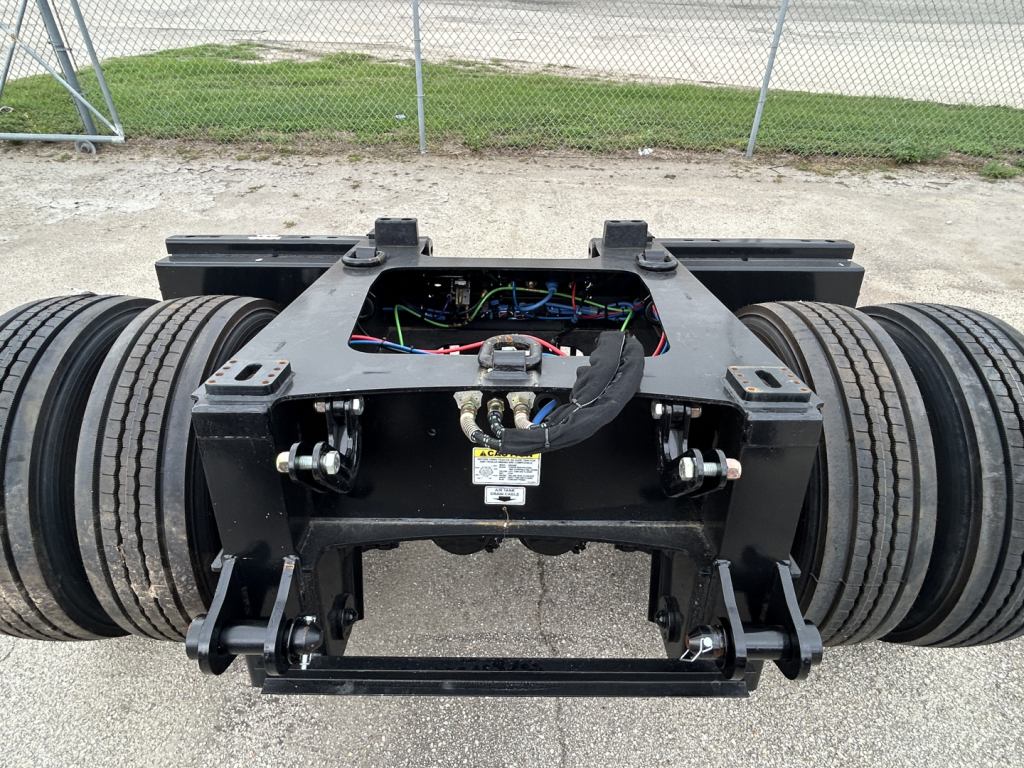
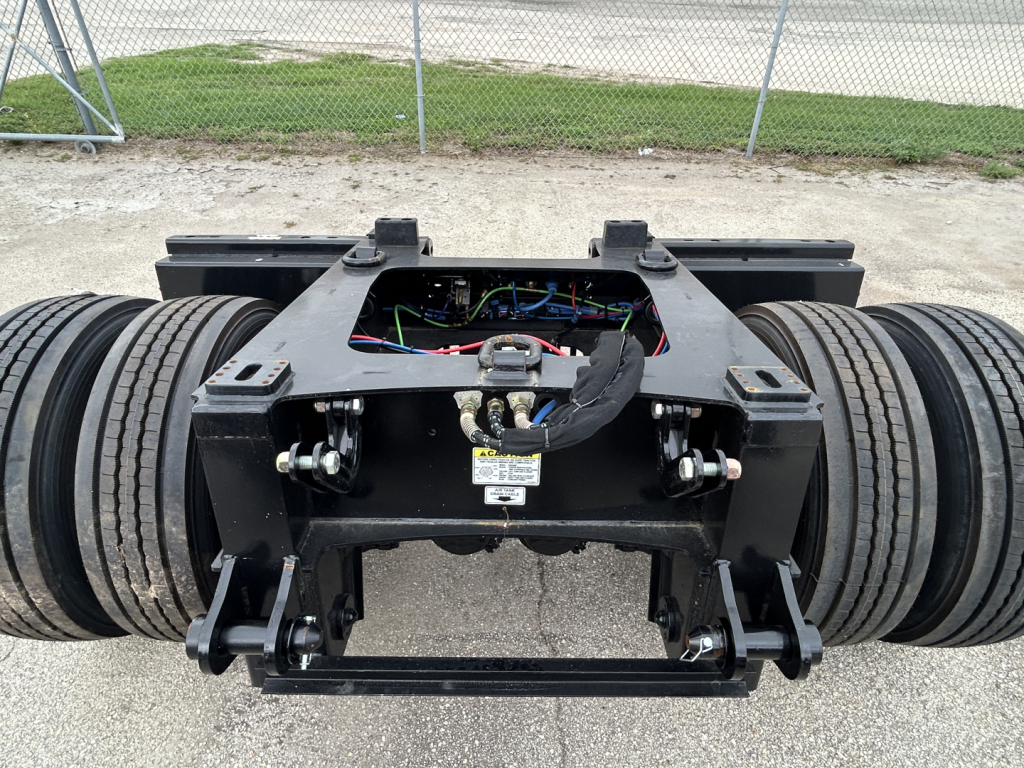
The biggest buying mistake in this category is assuming a flip, jeep, or dolly is universally interchangeable. These components are often built around a specific trailer model, neck height, connection geometry, and intended tonnage. A 55-ton setup and a 60-ton setup may look close on paper but still require different pin arrangements, booster brackets, shims, top links, or hydraulic hookups. Hydraulic flip axles can speed setup and reduce labor during attachment and removal, but they also add another system to inspect and maintain. Mechanical connection hardware is simpler, but only if it matches the trailer exactly. Before comparing price, confirm axle capacity, loaded deck height impact, brake and ABS requirements, ride height, kingpin or drawbar configuration where applicable, and whether the unit is designed for the bridge and permit work you actually pull.
New equipment in this class appeals to buyers who want current lighting and wiring standards, fresh suspension components, unworn brake drums, and known-spec axle housings instead of inheriting someone else's heavy haul wear. That matters on specialized freight where downtime, tire scrub, and poor load distribution cost more than the purchase price difference. A well-matched flip, converter dolly, or jeep should integrate cleanly with the tractor and trailer, hold alignment under load, and support legal payload goals without creating setup headaches. For buyers comparing listings, the smartest approach is to evaluate the whole axle group as part of a complete heavy haul system, not as a standalone attachment.
Frequently Asked Questions about New Flips/Converter Dollies/Jeeps Trailers in Texas
What is the difference between a flip axle, a jeep, and a converter dolly?
A flip axle is an auxiliary axle group that attaches to the rear of a lowboy or specialized trailer to increase payload capacity and improve weight distribution. A jeep mounts between the tractor and the trailer neck and adds axles forward of the deck to help with steer axle and drive axle bridge compliance. A converter dolly is a separate axle assembly with a drawbar used to connect and support certain trailer combinations. In heavy haul use, the terms are sometimes discussed together because all three are weight-distribution components, but they serve different positions in the combination and are not interchangeable.
How do I know if a flip axle or jeep will fit my trailer?
Fit depends on more than width and axle rating. Buyers need to confirm the trailer manufacturer and series, connection style, pin and bushing dimensions, ride height, axle spacing, suspension design, brake specification, and any required top links, shims, or booster brackets. On jeeps, kingpin setting, fifth wheel height, and neck geometry are also critical. The safest approach is to match the component to the exact trailer model and tonnage it was designed for, because small dimensional differences can create major alignment, loading, and permitting problems.
What axle spacing is common on new heavy haul flip axles?
Common spacing in this category is generally around 54 inches to 60 inches, with exact dimensions chosen to match the trailer design and the bridge formula requirements of the states where the equipment will operate. A wider spacing can improve legal weight distribution in some applications, but it also affects turning behavior, tire scrub, and overall setup length. The right spacing is the one that works with the trailer's engineering and the permit work the combination is expected to handle.
Is air ride suspension preferred on flips and jeeps?
Air ride suspension is common because it helps equalize load across the axle group, improves ride quality for specialized freight, and can make it easier to fine-tune the setup during loading and transport. It is especially useful on heavy haul combinations where maintaining proper weight transfer matters. That said, the suspension has to be matched to the trailer and the intended tonnage. Buyers should also inspect the leveling valve arrangement, ride height, and serviceability of air components, because performance under load is more important than the label on the suspension.
Why do lighting, wiring, and rear hardware matter on a new flip axle?
These details have a direct effect on daily usability and compliance. LED lighting, sealed harnesses, and battery backup provisions help keep the unit visible and functional in permit and escort operations. Rear hardware such as flag holders, stake pockets for wide load signs, D-rings, and limit chains supports legal marking and practical securement tasks. On specialized trailers, these features are not cosmetic. They reduce setup time, simplify inspections, and make the axle more workable in real heavy haul service.