
Dump Trailers For Sale in Colorado
Dump trailers for sale in Colorado, including bottom dump and side dump models with common specs, applications, suspension, tub, tarp, and axle details.
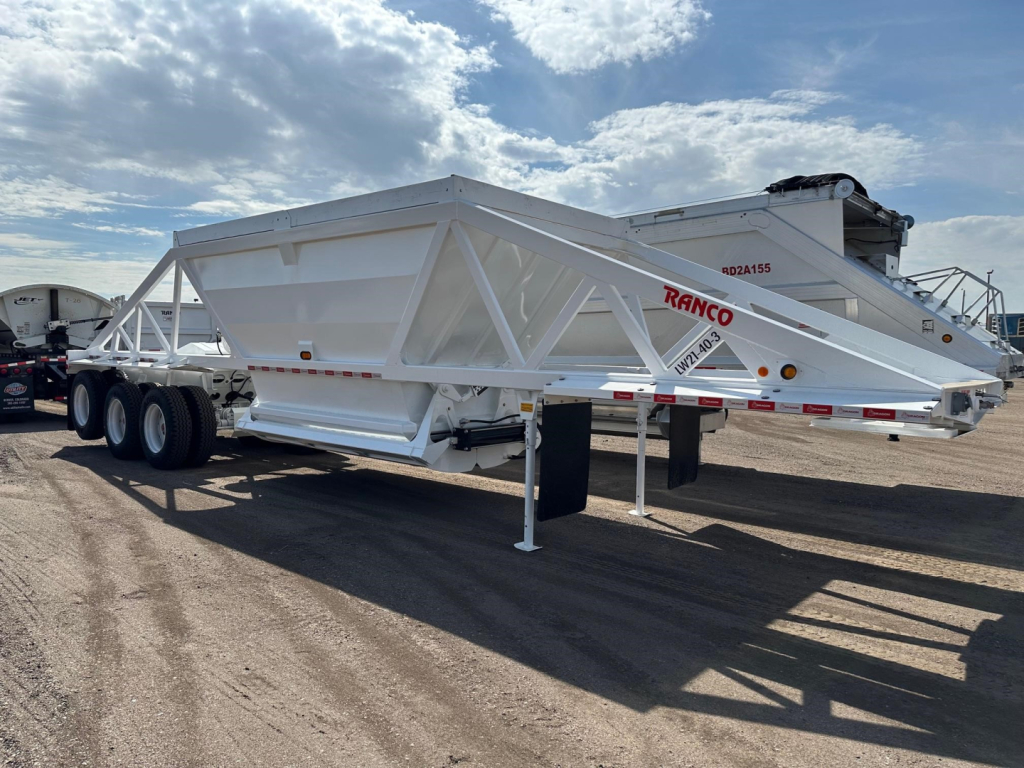
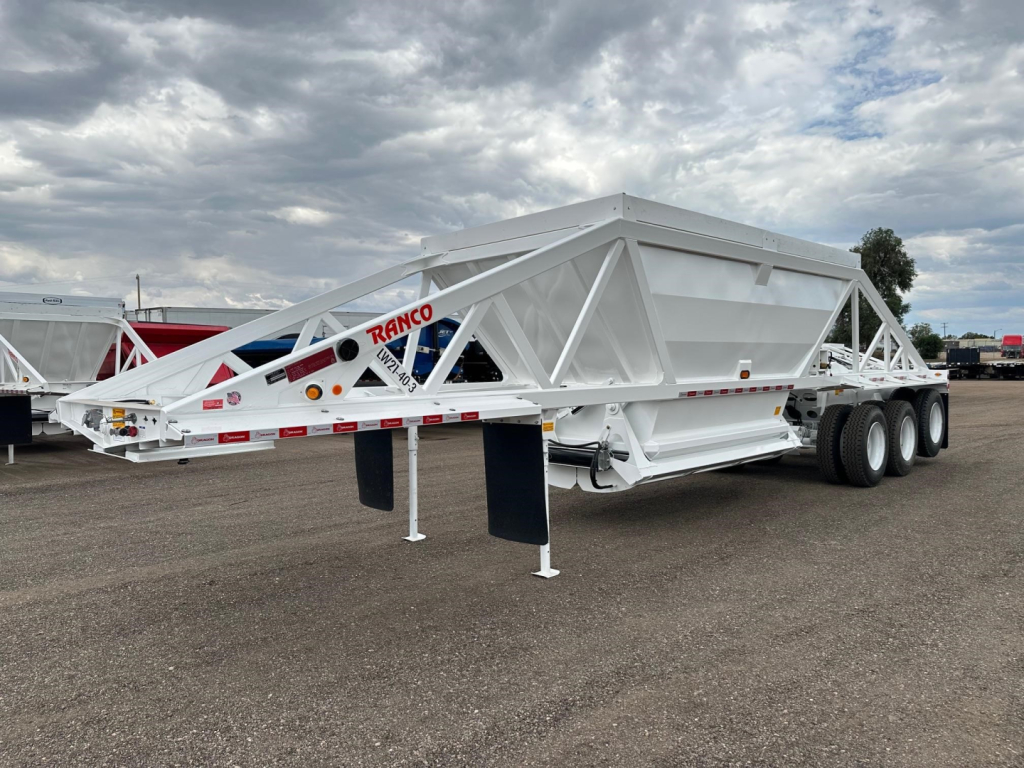
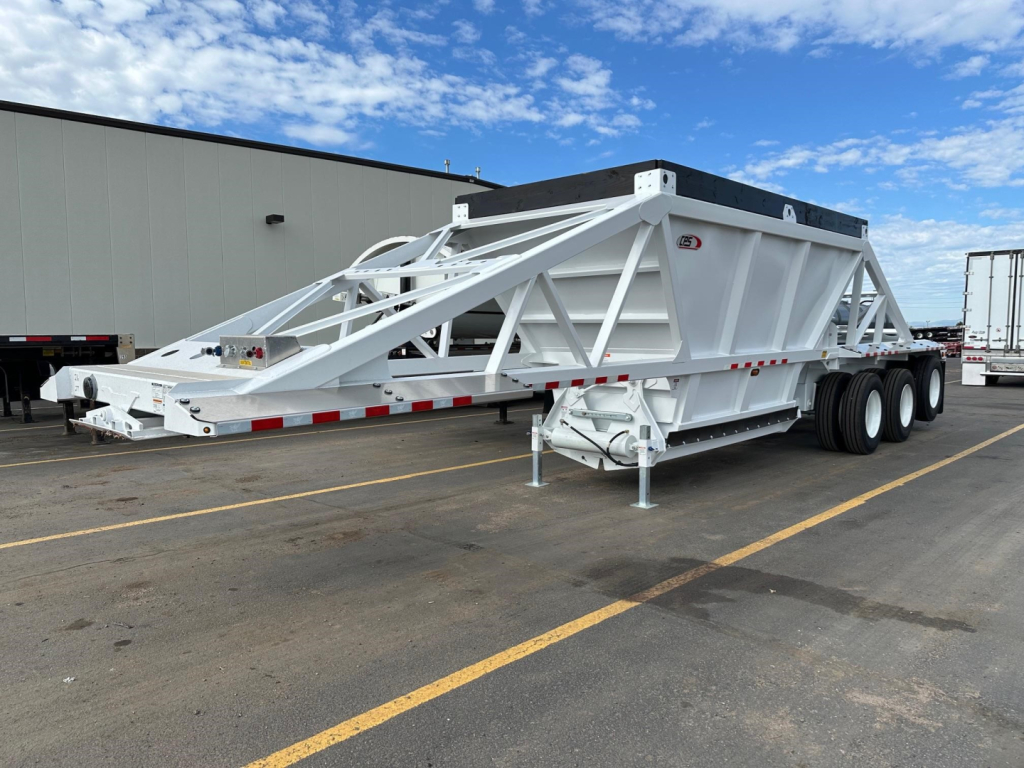
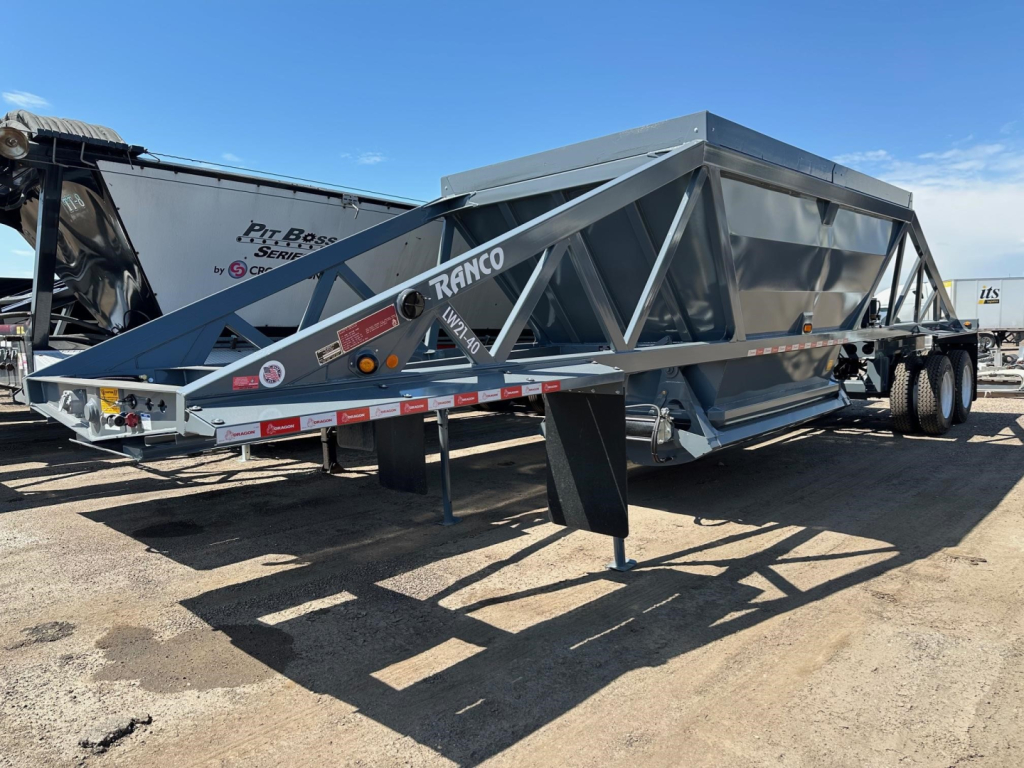
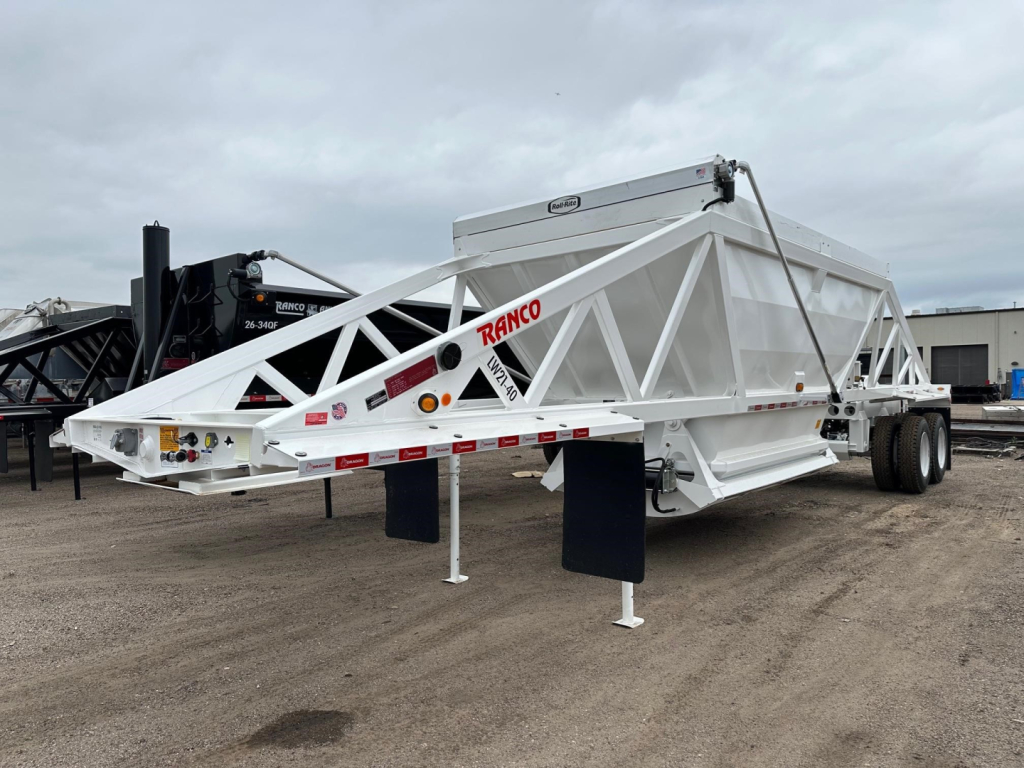
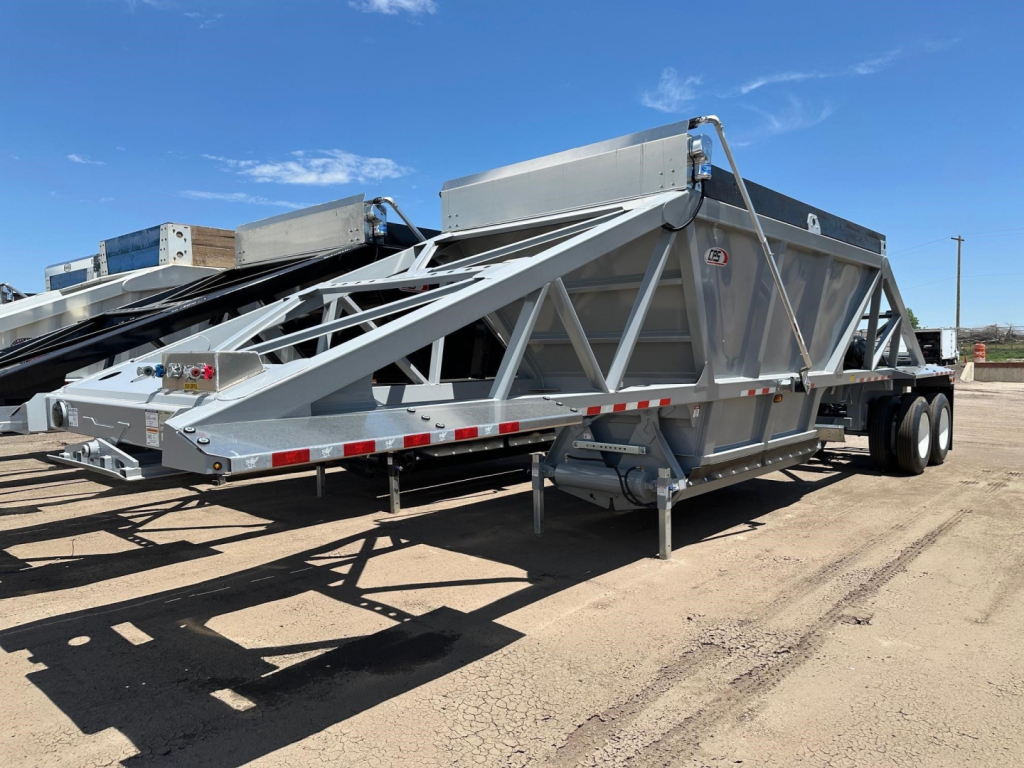
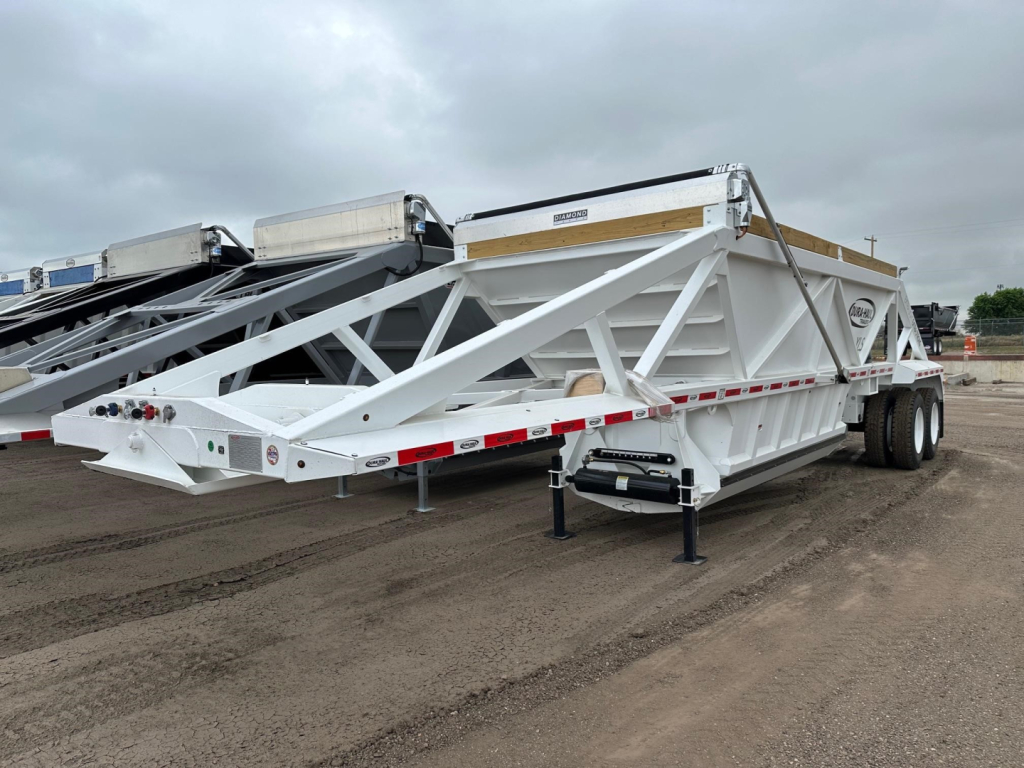
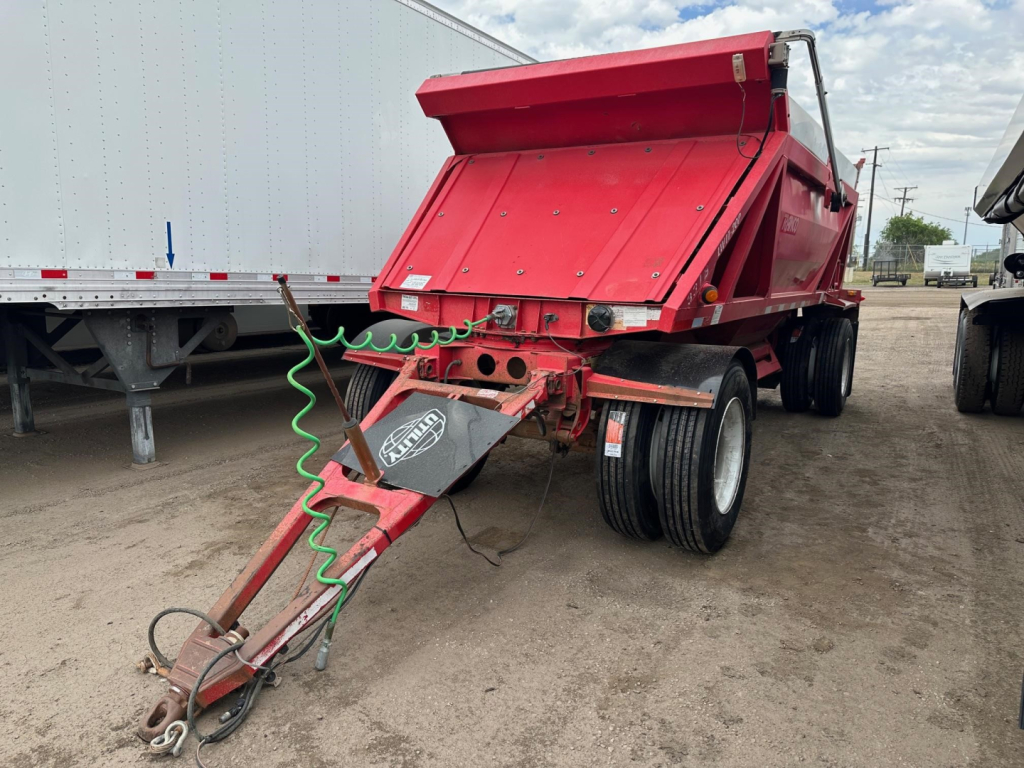
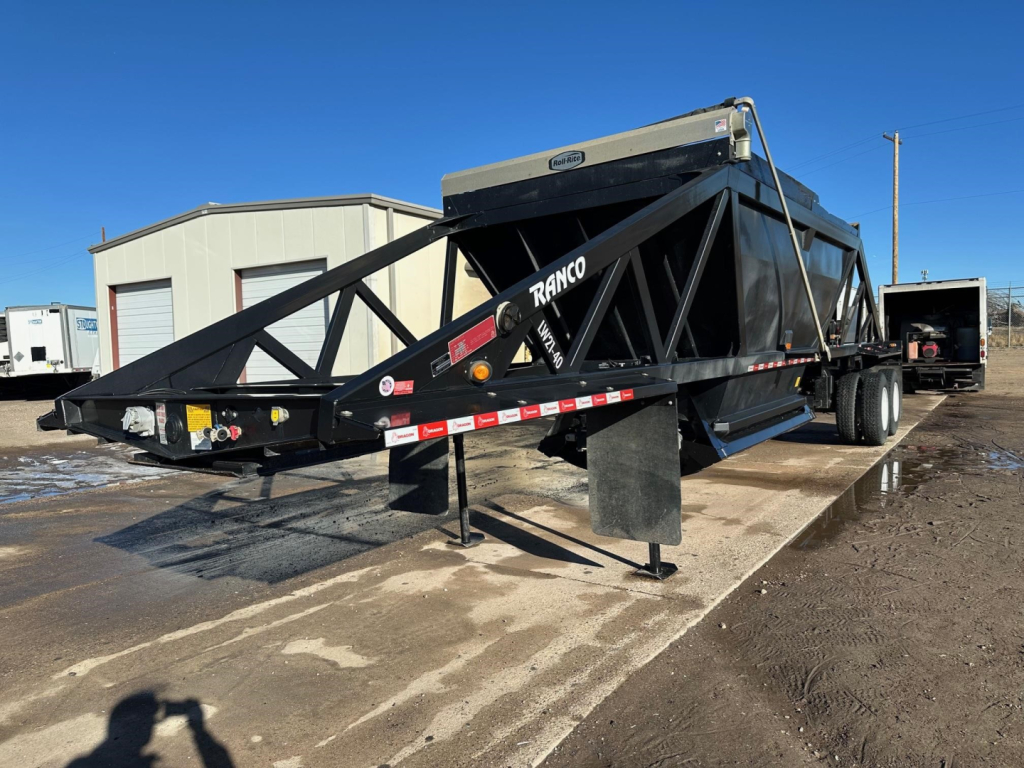
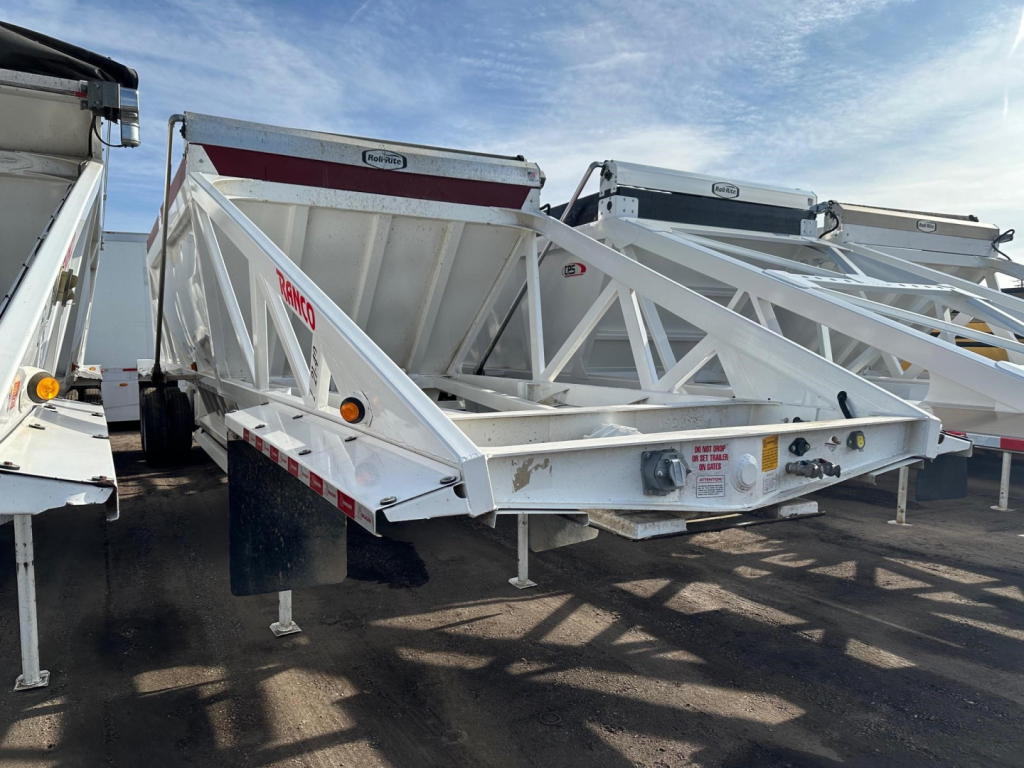
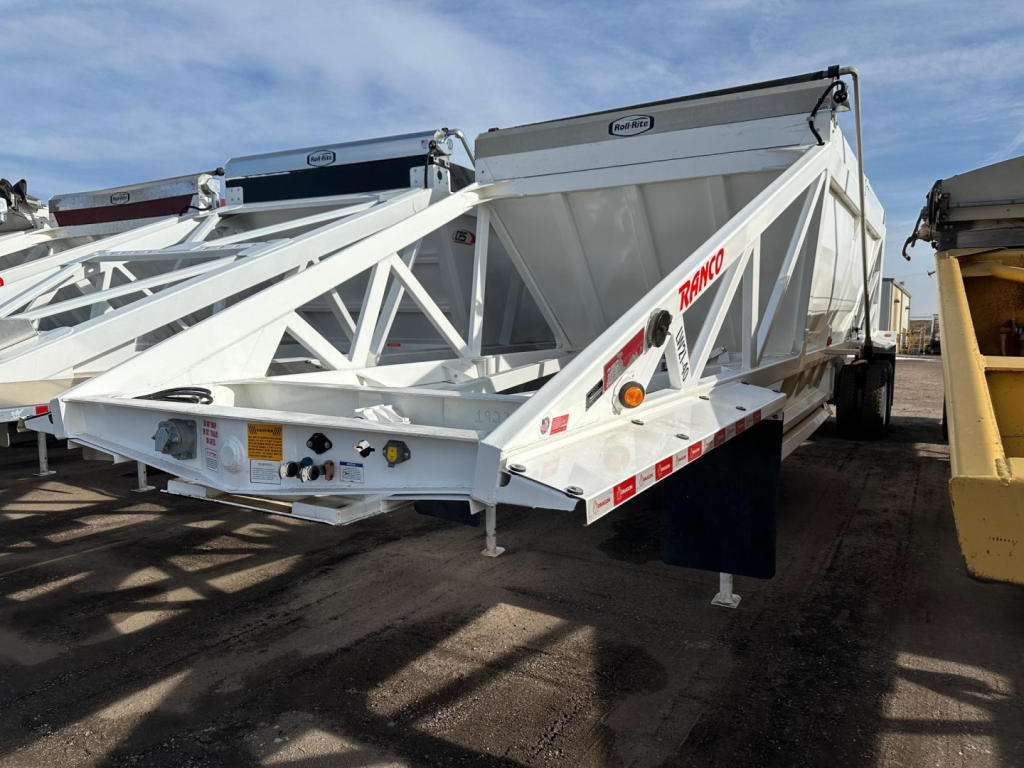
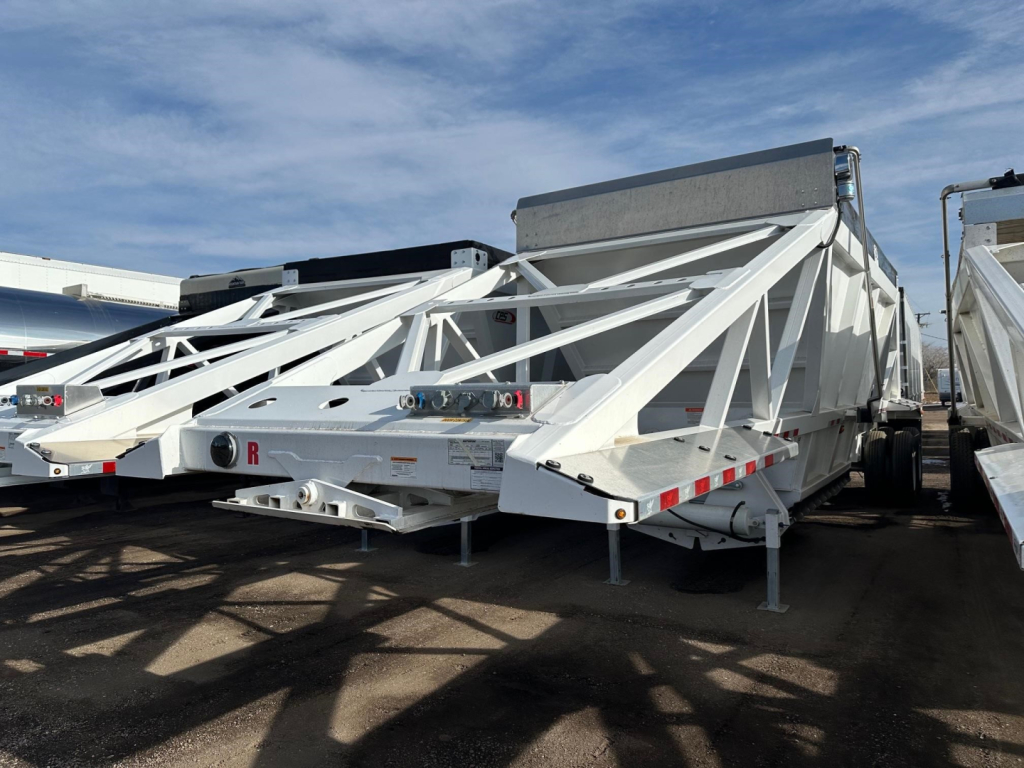
Showing 29 to 56 of 98 results
Looking for the easiest place to sell your dump trailer? List it here to reach thousands of buyers.
Dump Trailers in Colorado
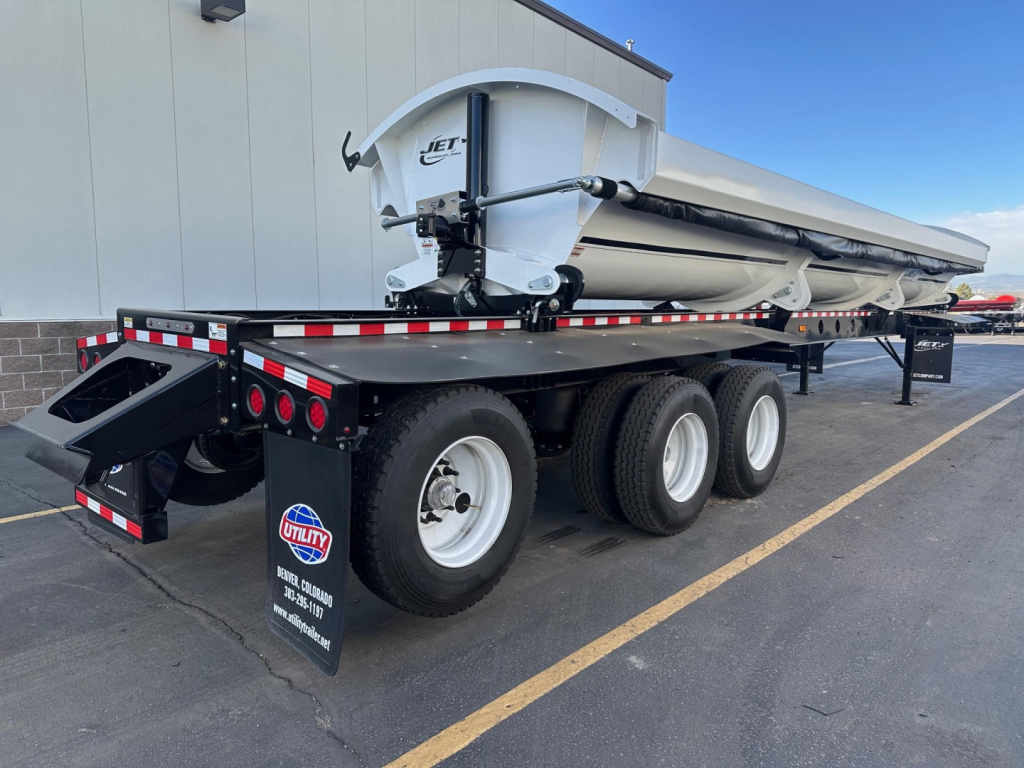
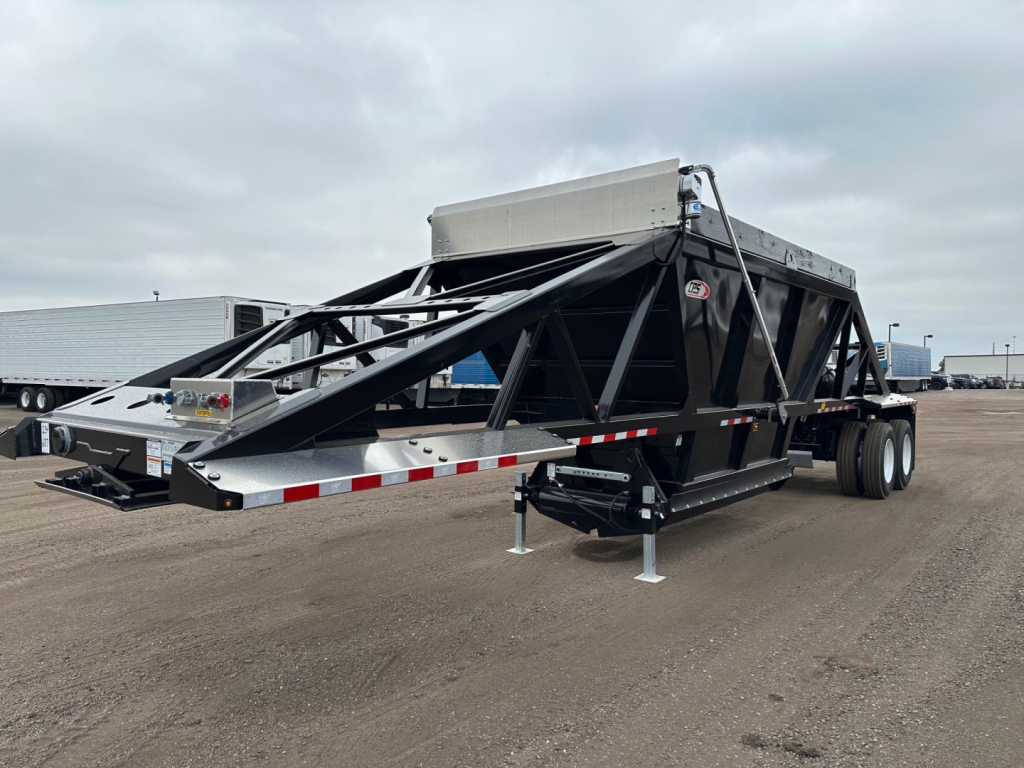
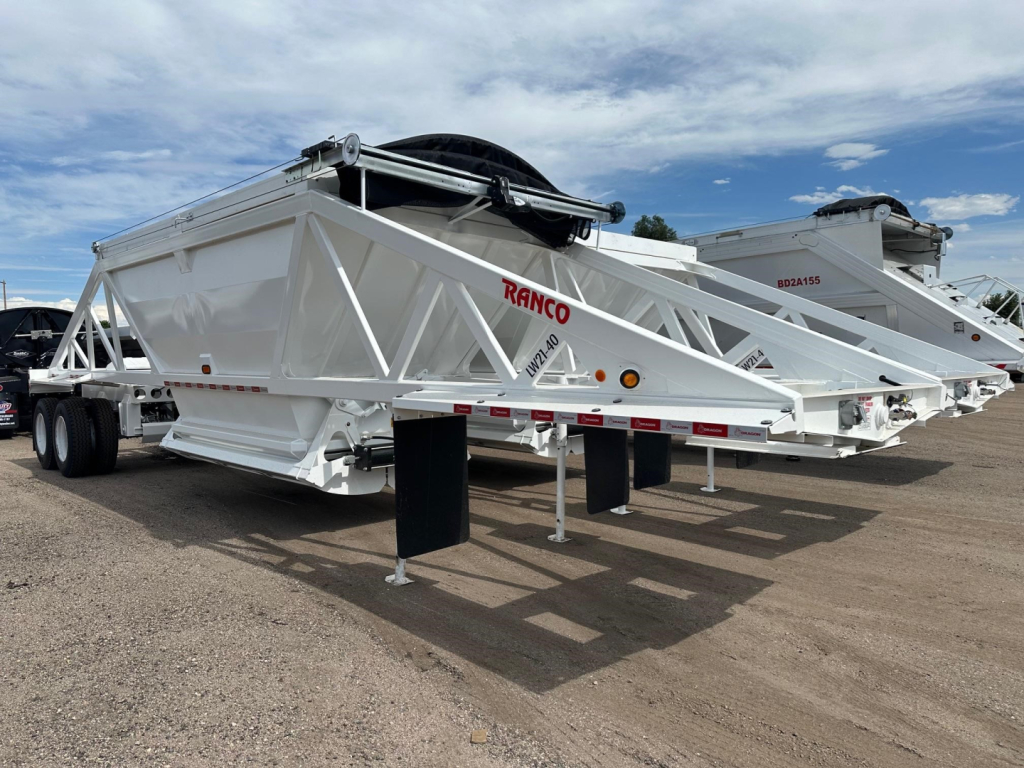
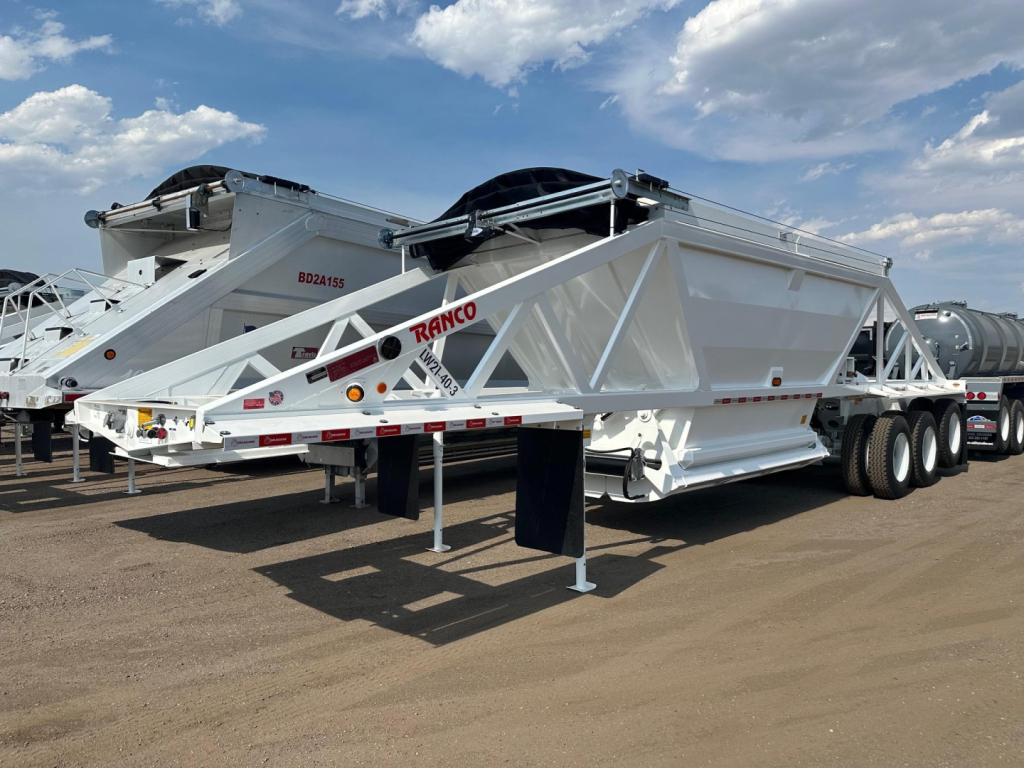
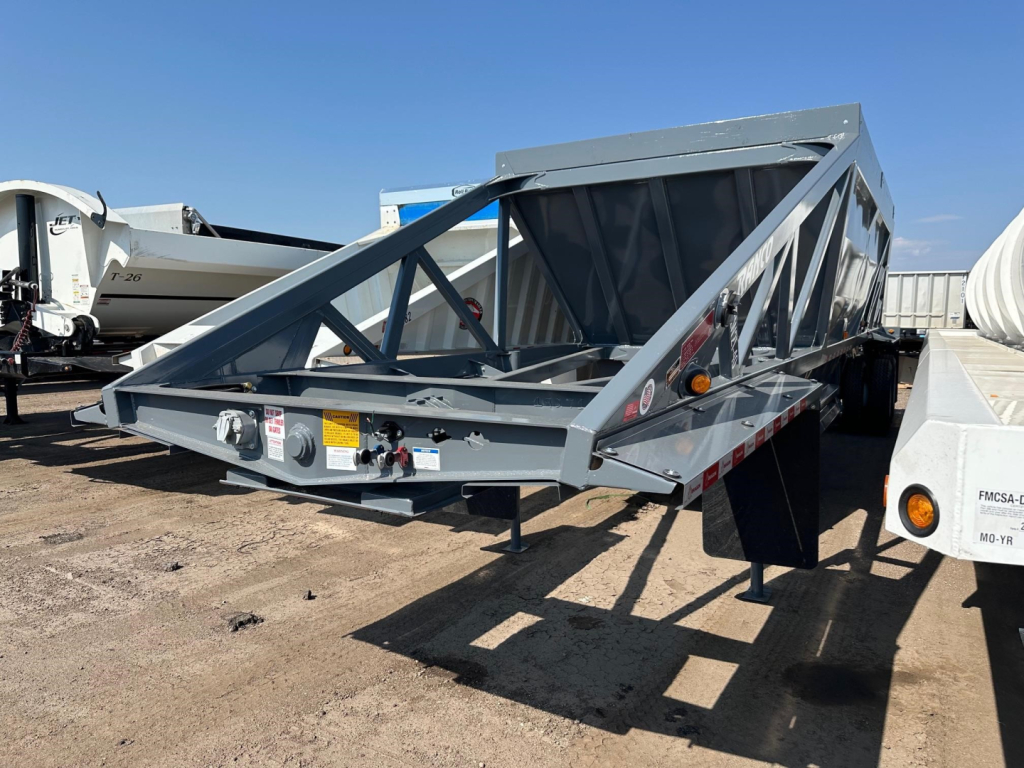
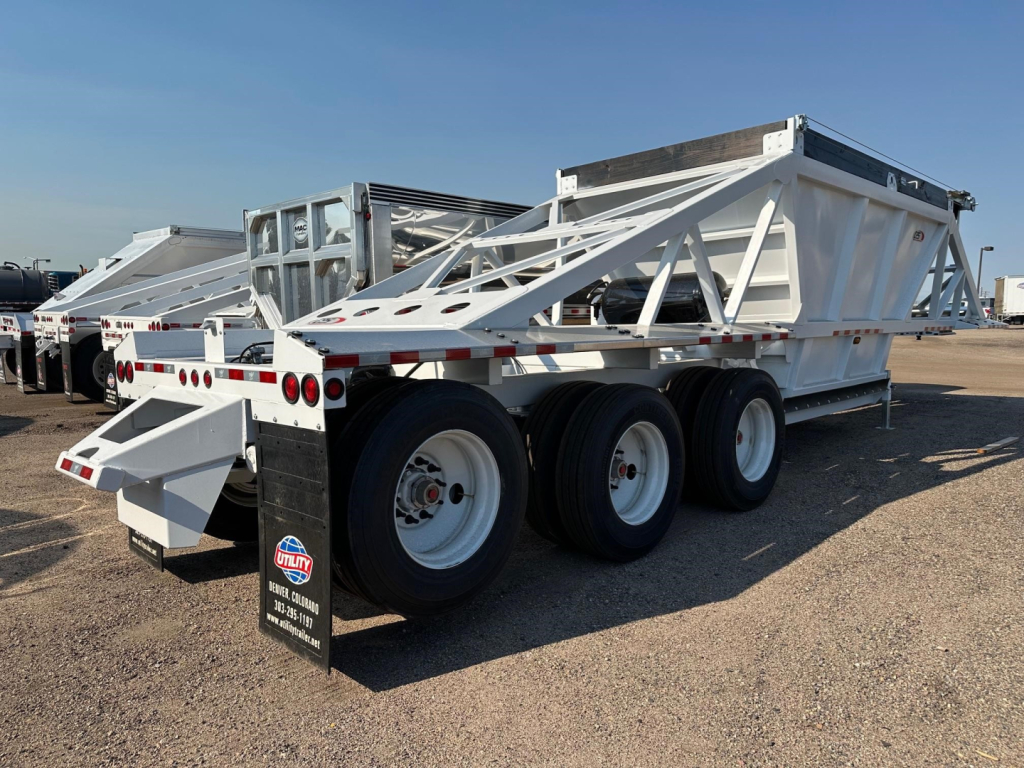
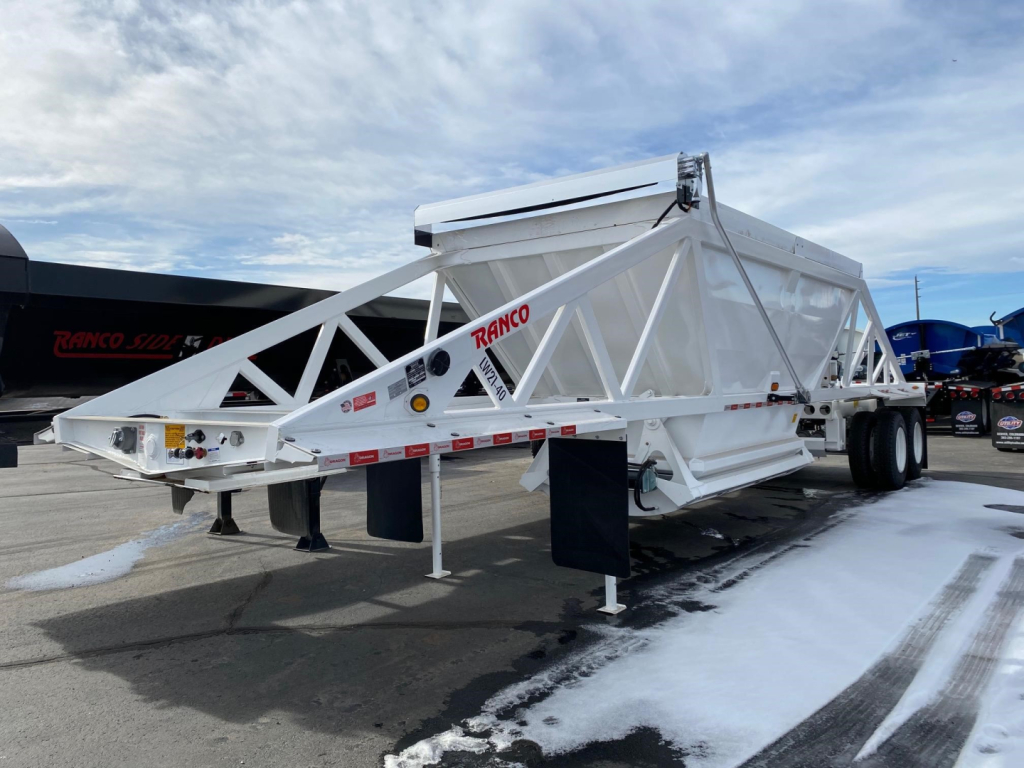
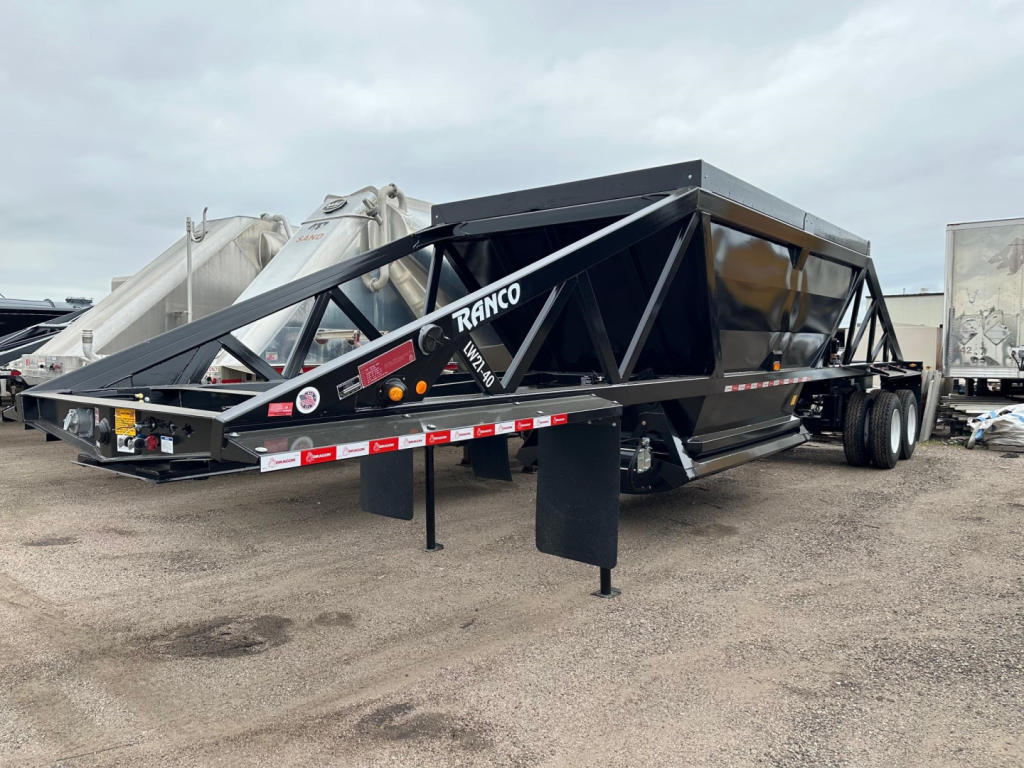
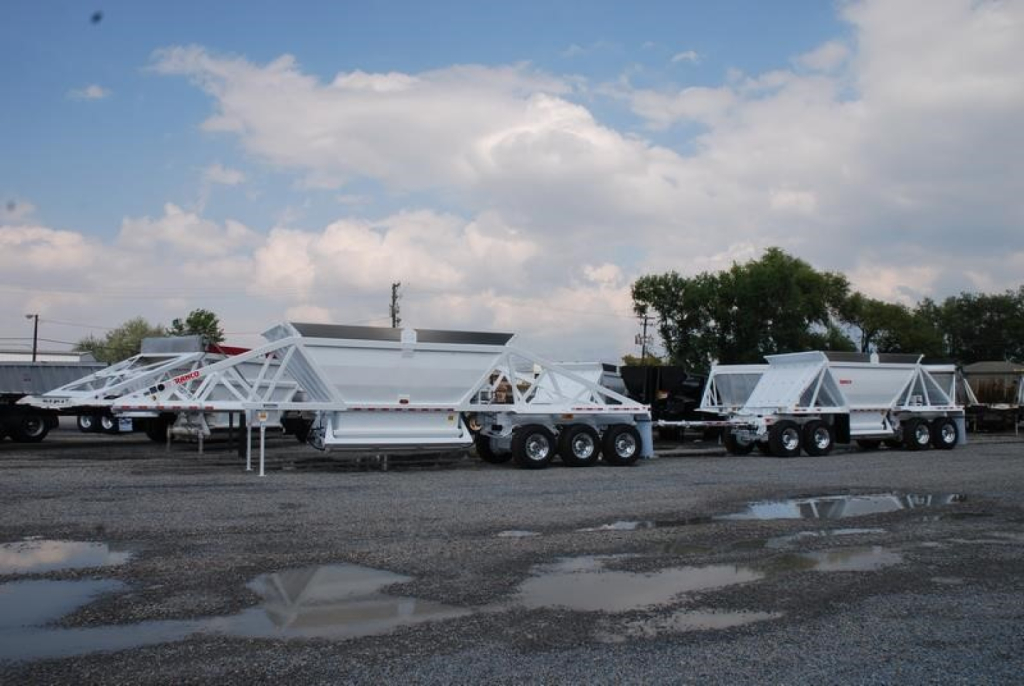
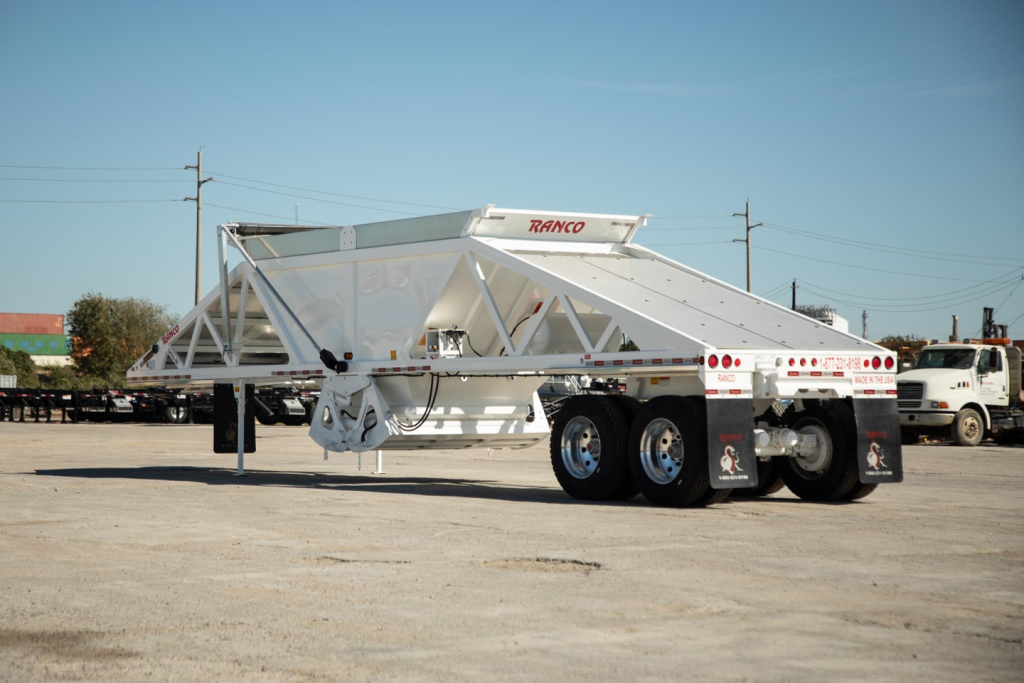
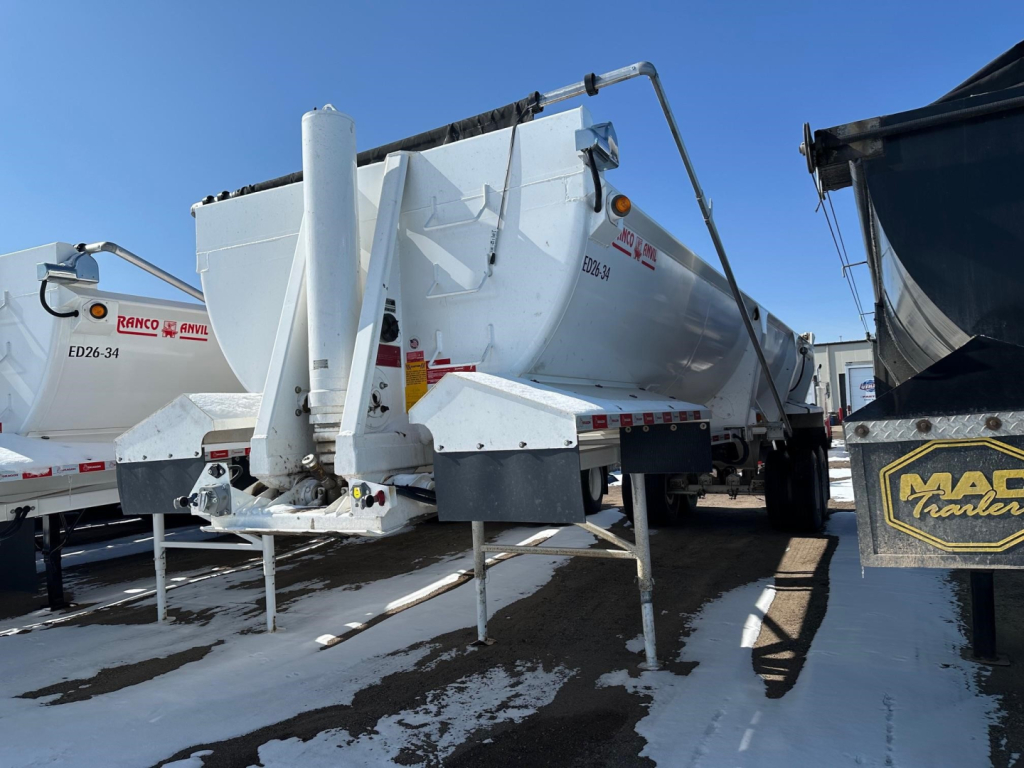
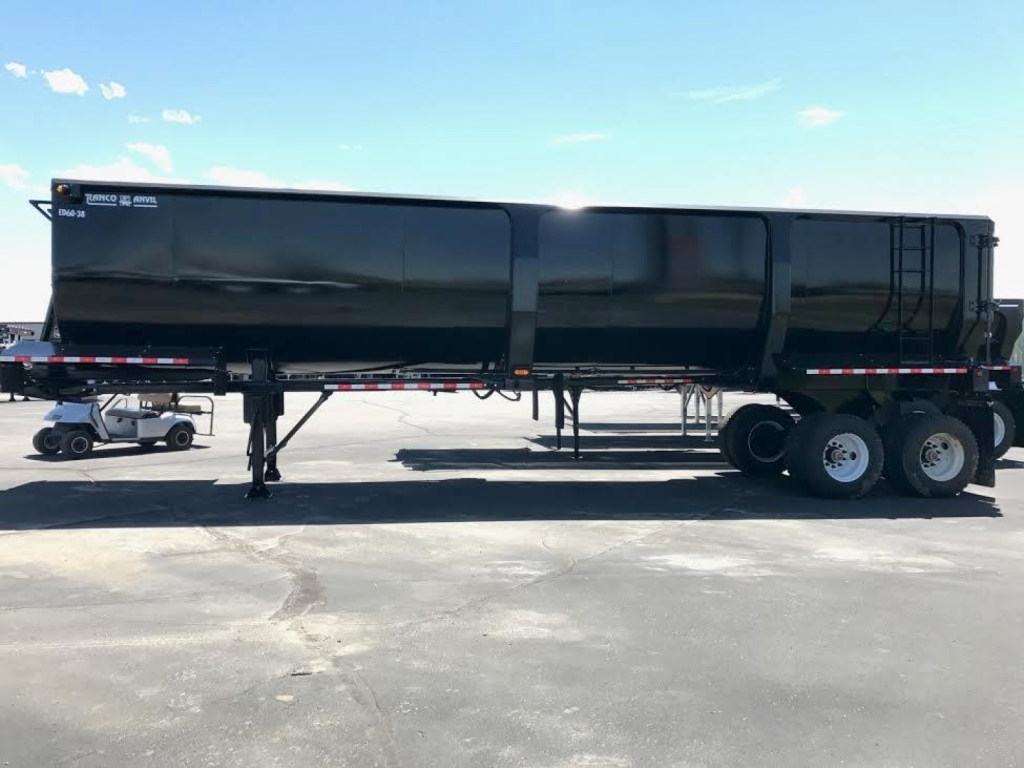
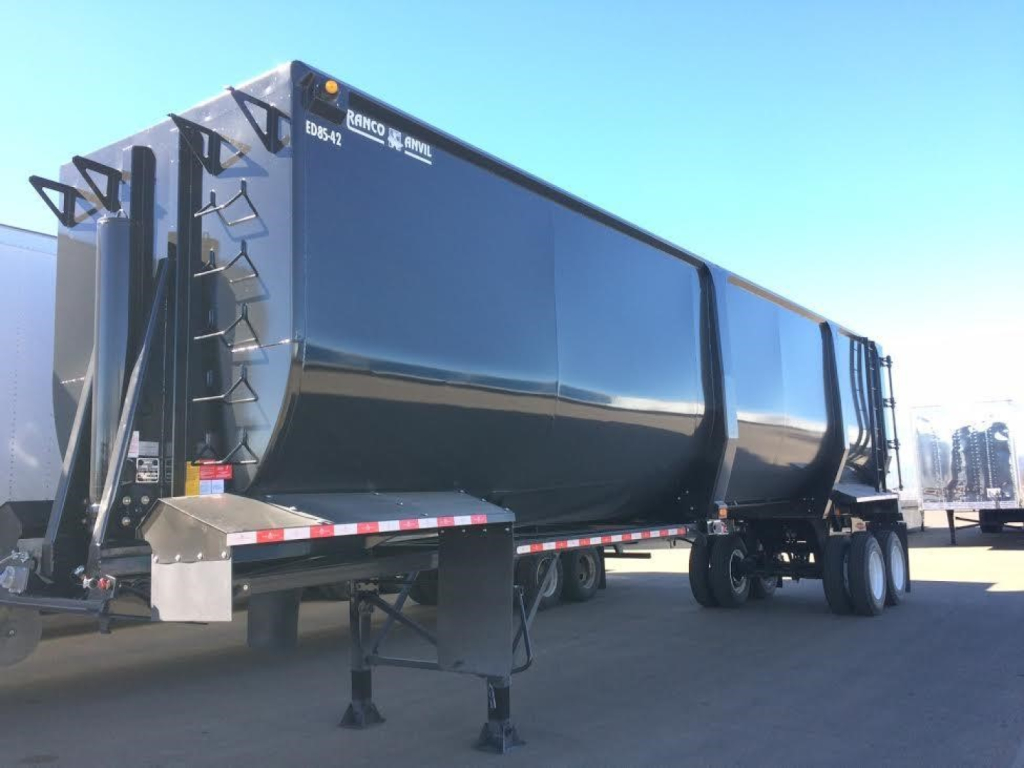
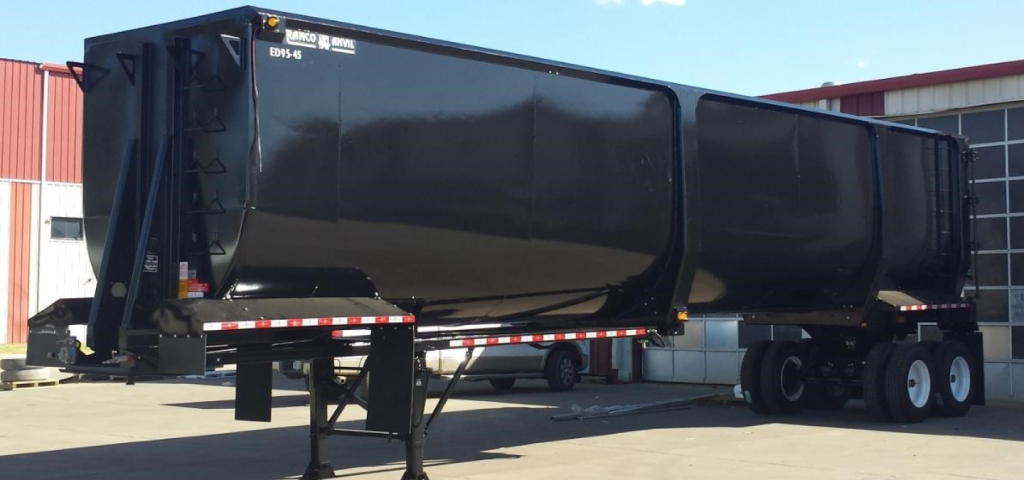
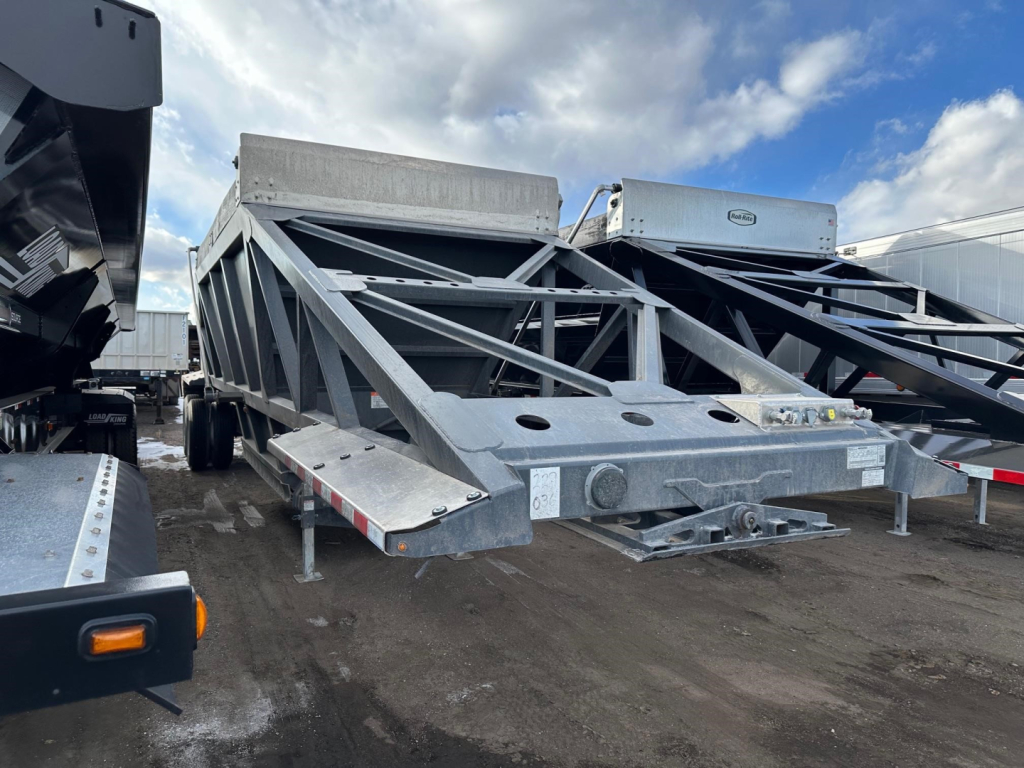
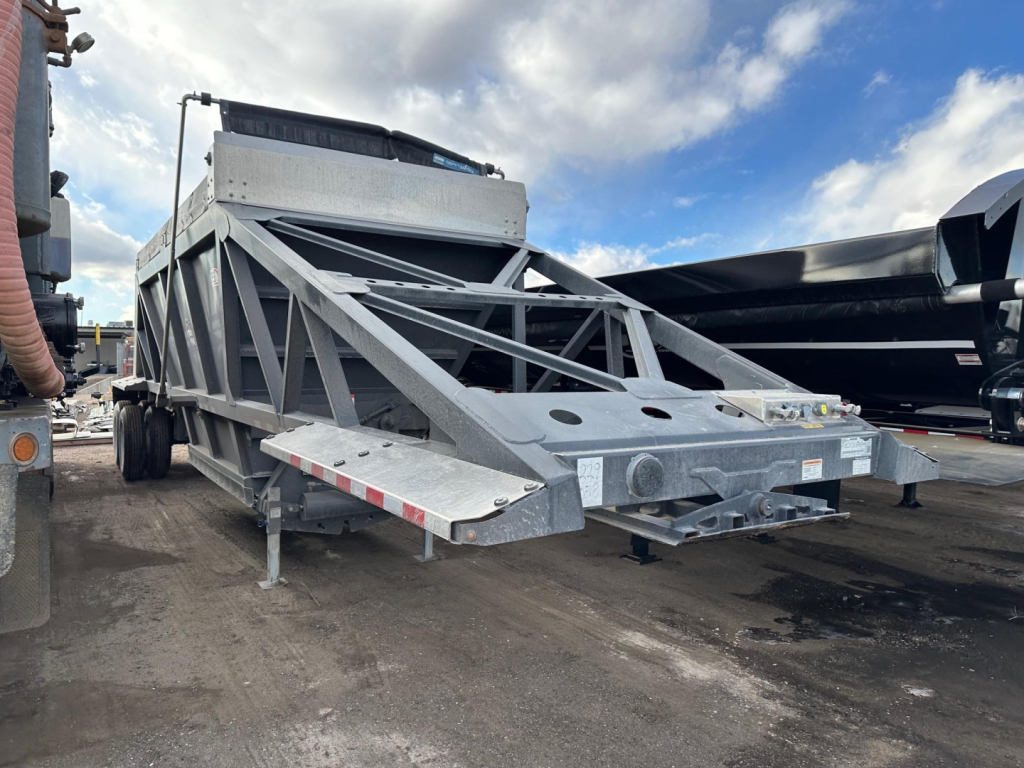
A typical dump trailer in this category is a 40-foot tandem axle unit with air ride suspension, 11R24.5 tires, steel wheels, and a steel body or tub. On bottom dumps, buyers should pay close attention to hopper design, gate controls, pin-setting gate limiters, and valve configuration because those features affect spread consistency and cycle speed. Details like bang boards, windrow deflectors, electric slide or flip tarps, and push blocks are not cosmetic add-ons. They directly affect usability in paving support, road base delivery, and multi-stop aggregate work. On side dumps, tub construction matters just as much. AR400 steel tubs, reinforced corners, and multi-pivot designs help resist cracking and improve durability under abrasive loads like riprap, shot rock, millings, and demolition debris.
Colorado conditions make suspension, frame integrity, and tare weight especially important. Air ride remains popular because it helps protect the trailer on mixed pavement and gravel routes while improving ride quality for the chassis and load. Buyers running mountain corridors, county roads, and construction access routes should inspect crossmember condition, suspension wear, bushing life, and signs of stress around pivot points or hinge areas on side dumps. Lightweight configurations can improve payload, but they should be balanced against the material being hauled and the trailer's long-term resistance to twisting, abrasion, and impact. A steel dump trailer is often the preferred choice when the freight is harsh and uptime matters more than shaving every possible pound.
The best dump trailer is the one matched to the material and unloading method. For aggregate producers, road contractors, and excavation fleets, useful comparison points include cubic capacity, tub length, gate control precision, tarp style, pivot design, tandem spacing, and whether the trailer has a push block for pup or truck-trailer combinations. Used dump trailers can offer strong value if the tub, gates, tarp system, suspension, and running gear have been maintained, but structural condition is the real deciding factor. Cracks, floor wear, tub distortion, hinge repairs, and uneven tire wear tell more than paint ever will. Buyers comparing dump trailers for sale in Colorado should focus on duty cycle, legal payload targets, and how the trailer will handle local terrain, weather, and material type over time.
Frequently Asked Questions about Dump Trailers in Colorado
What is the difference between a bottom dump trailer and a side dump trailer?
A bottom dump trailer discharges material through gates underneath the hopper, which makes it ideal for controlled spreading of aggregate, sand, and road base. A side dump trailer unloads by tipping the tub to one side, which is better for excavation, demolition, and off-road work where material needs to be placed in a pile rather than spread in a line. Bottom dumps are typically favored for road building and paving support, while side dumps are often chosen for jobsite versatility and unloading stability.
What specs matter most when buying a dump trailer in Colorado?
The most important specs are dump style, length, axle configuration, suspension, tub or body material, cubic capacity, and tarp setup. In Colorado, buyers should also pay close attention to structural durability because mountain grades, gravel roads, and variable weather put more stress on frames, suspensions, and tubs. For side dumps, pivot design and tub steel such as AR400 matter. For bottom dumps, hopper layout, gate control, and spread accuracy are key.
Is air ride a good choice for a dump trailer?
Air ride is a common and practical choice for many dump trailers because it improves ride quality, helps reduce shock to the trailer structure, and can be beneficial on mixed highway and jobsite routes. It is especially useful for fleets that spend significant time on pavement but still need to access gravel yards, plants, and construction entrances. The tradeoff is that the suspension system must be maintained properly, including airbags, bushings, shocks, and height control components.
What should I inspect on a used dump trailer before buying?
Start with the structure. Look closely at the tub, floor, sidewalls, hinge points, pivot assemblies, gate hardware, frame rails, crossmembers, and suspension mounts for cracks, repairs, distortion, or unusual wear. Then inspect the tarp system, air system, brakes, tires, wheels, lights, and suspension components. Uneven tire wear, poor gate sealing, and visible cracking around stress points can indicate expensive problems even if the trailer still looks presentable from a distance.
What materials are dump trailers commonly used to haul?
Dump trailers are commonly used for aggregate, sand, gravel, road base, asphalt millings, dirt, demolition debris, riprap, and other bulk construction materials. The material type should influence trailer selection because abrasive or impact-heavy loads demand stronger tub construction and wear-resistant steel. Flowable material that needs controlled placement is usually best handled by a bottom dump, while larger rock and mixed debris are often better suited to a side dump.