
Curtainside Trailers For Sale
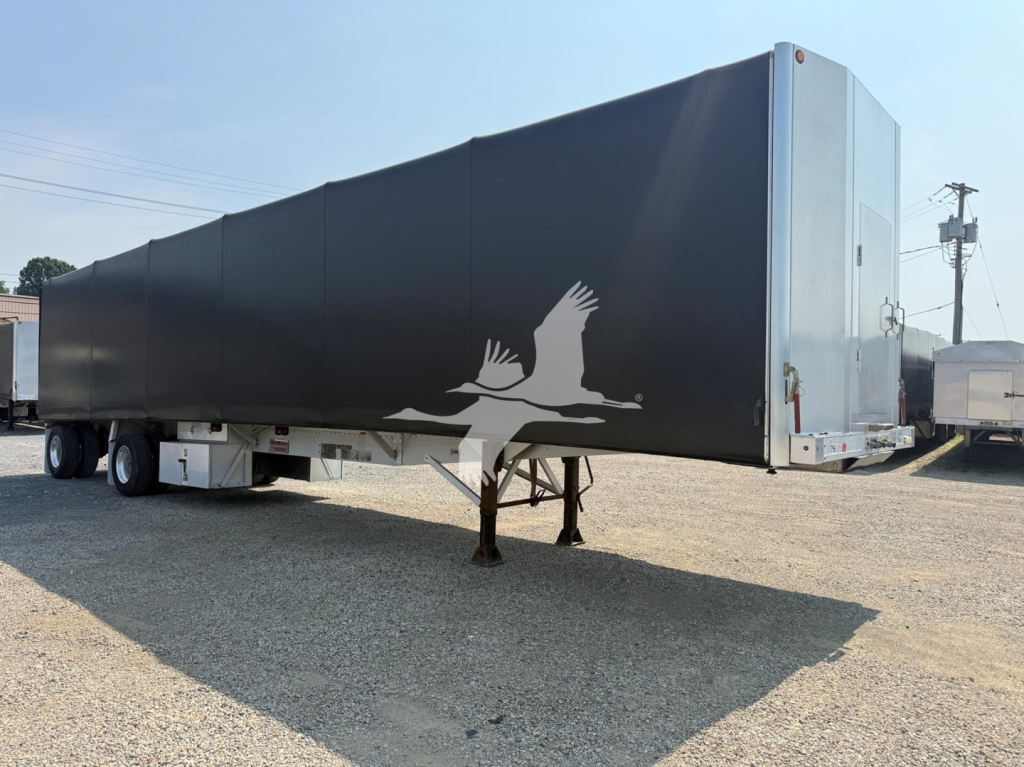
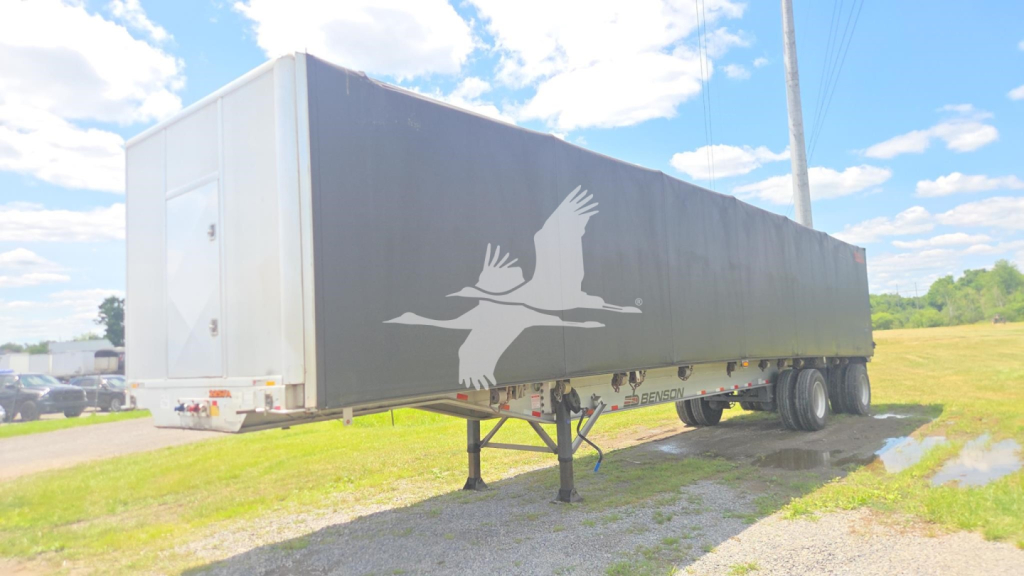
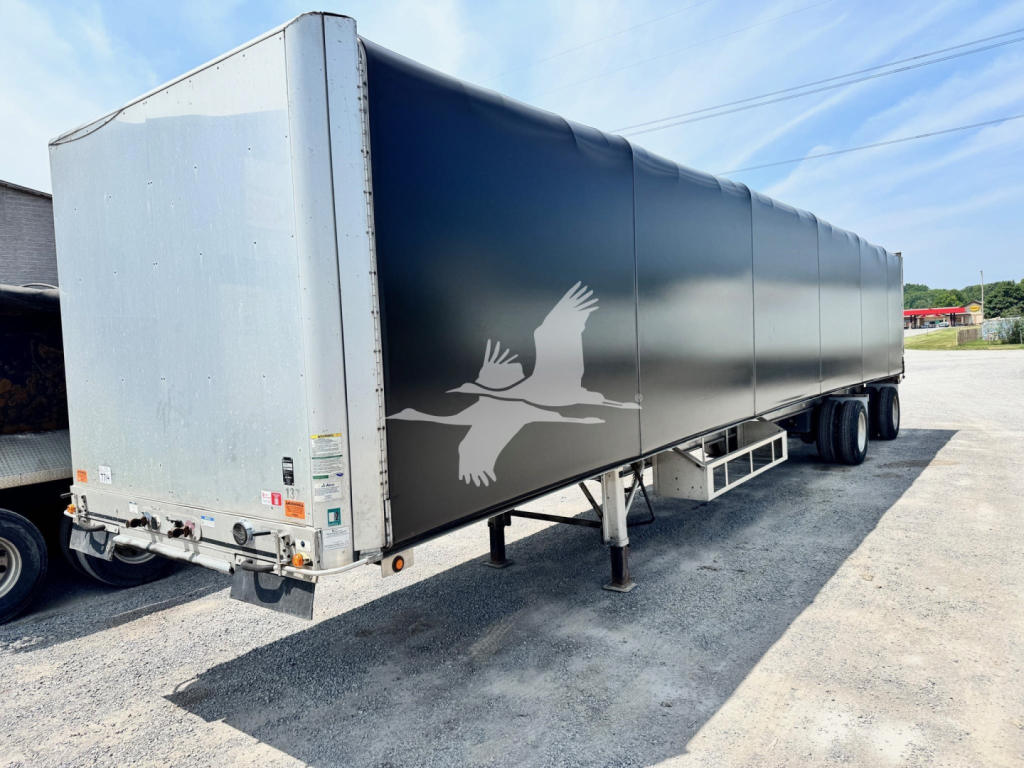
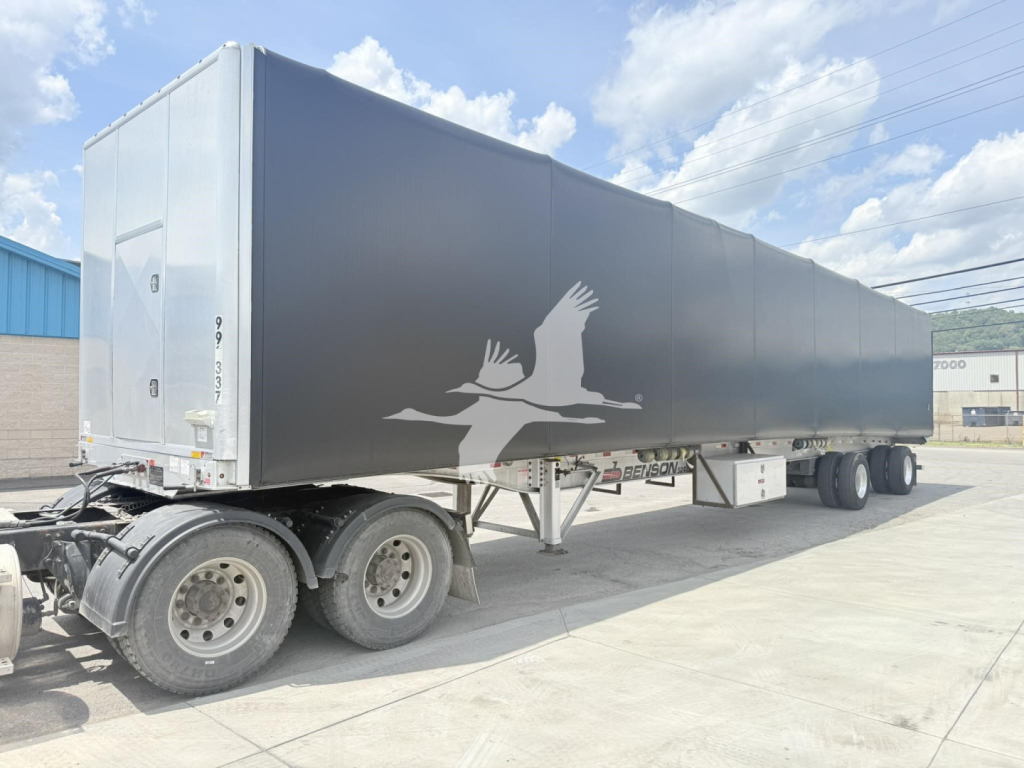
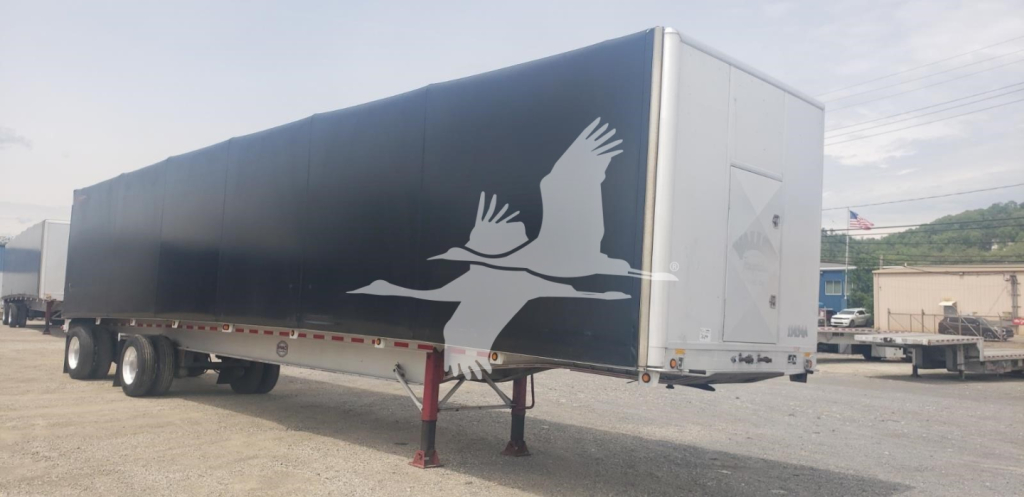
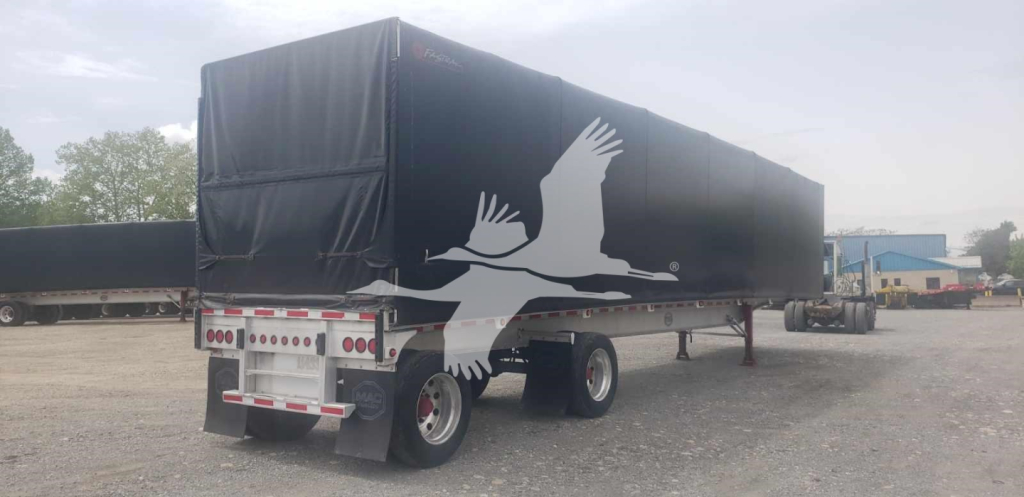
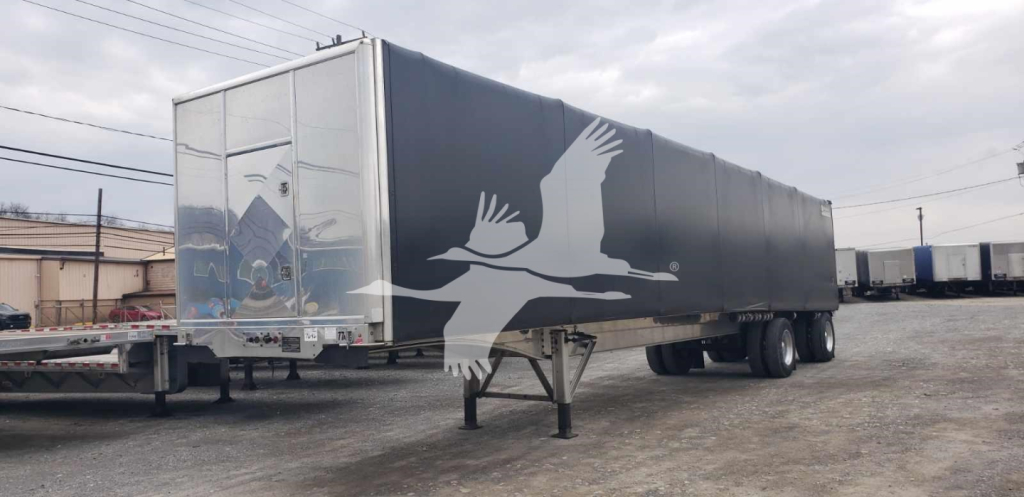
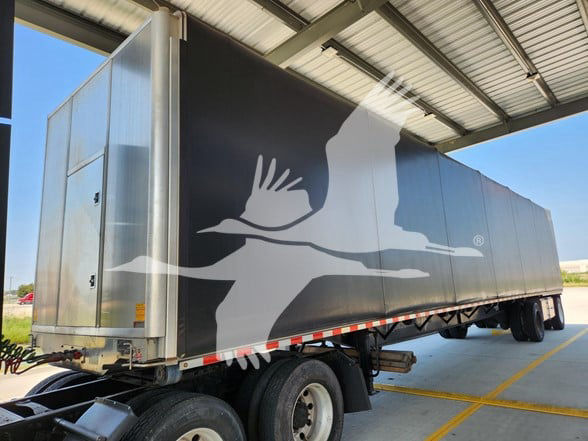
Showing 1 to 24 of 34 results
Have curtainside trailer to sell? List it here to reach thousands of buyers.
Curtainside Trailers
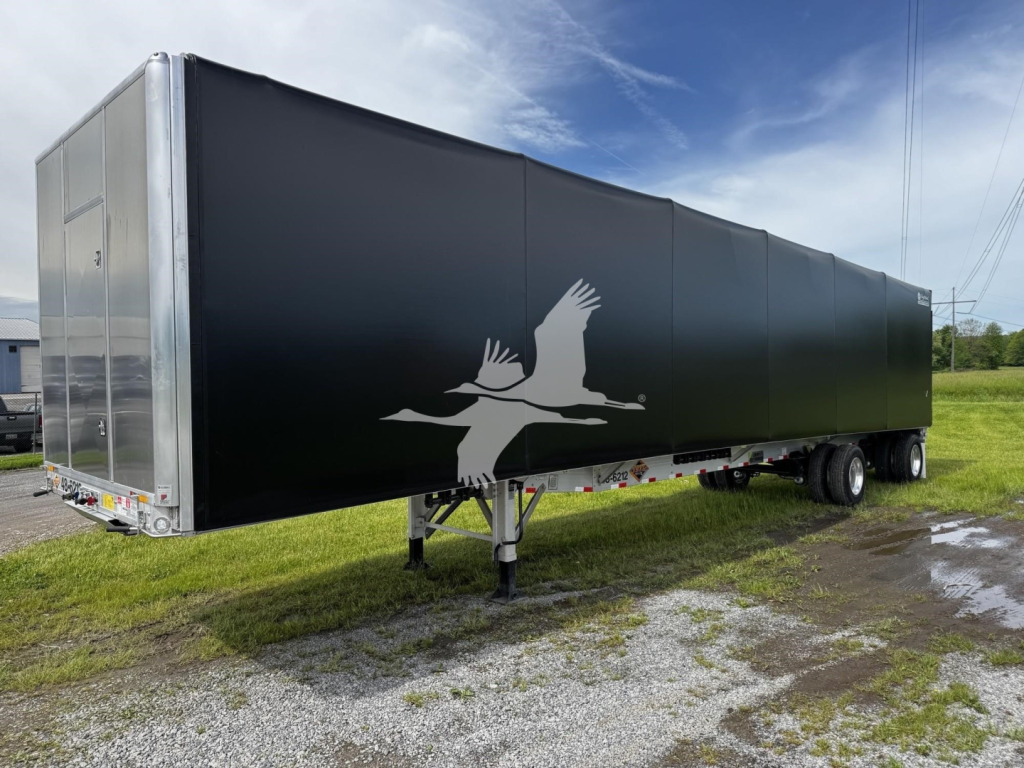
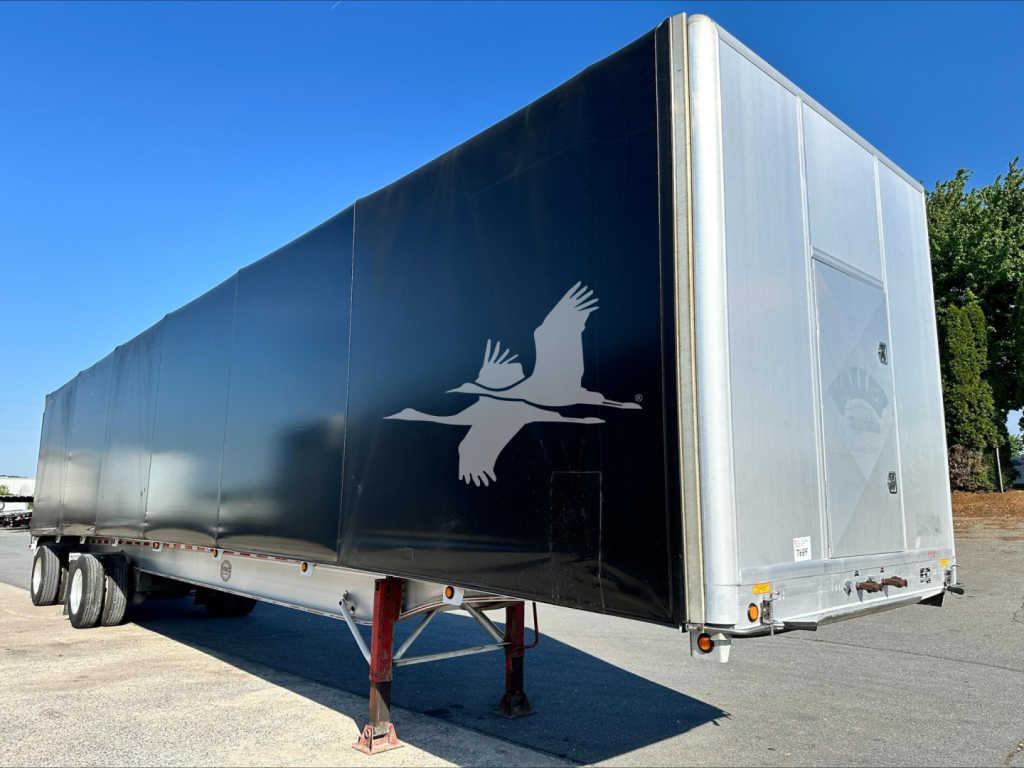
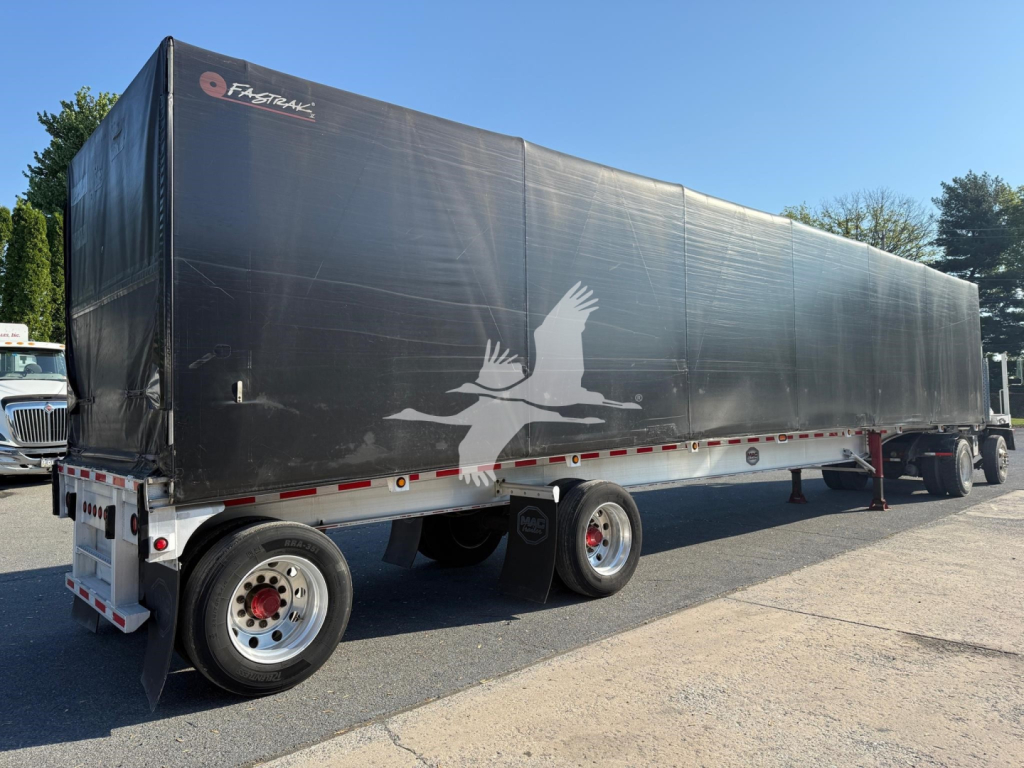
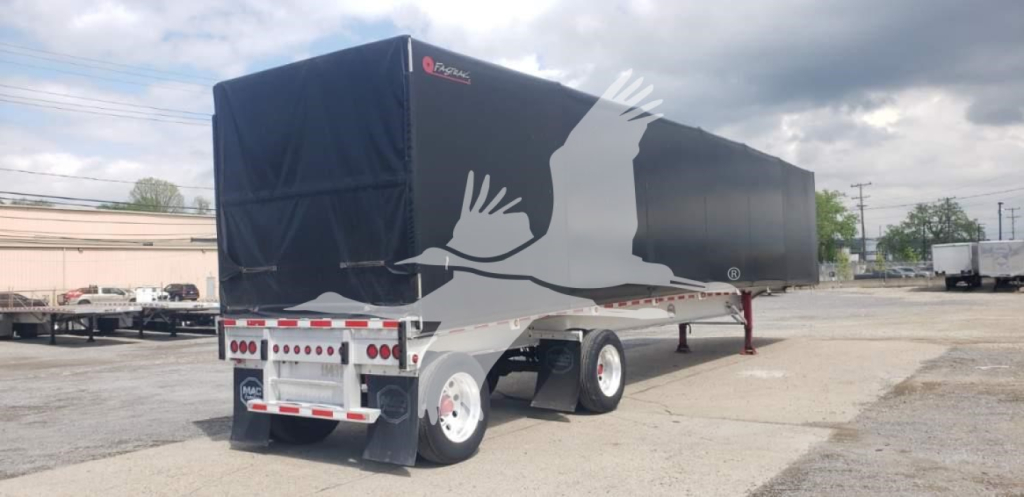
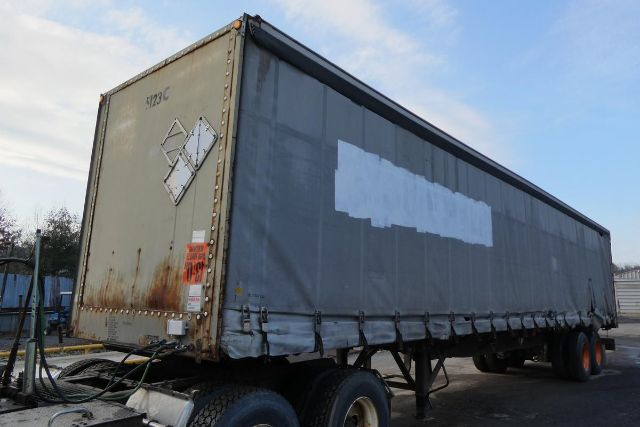
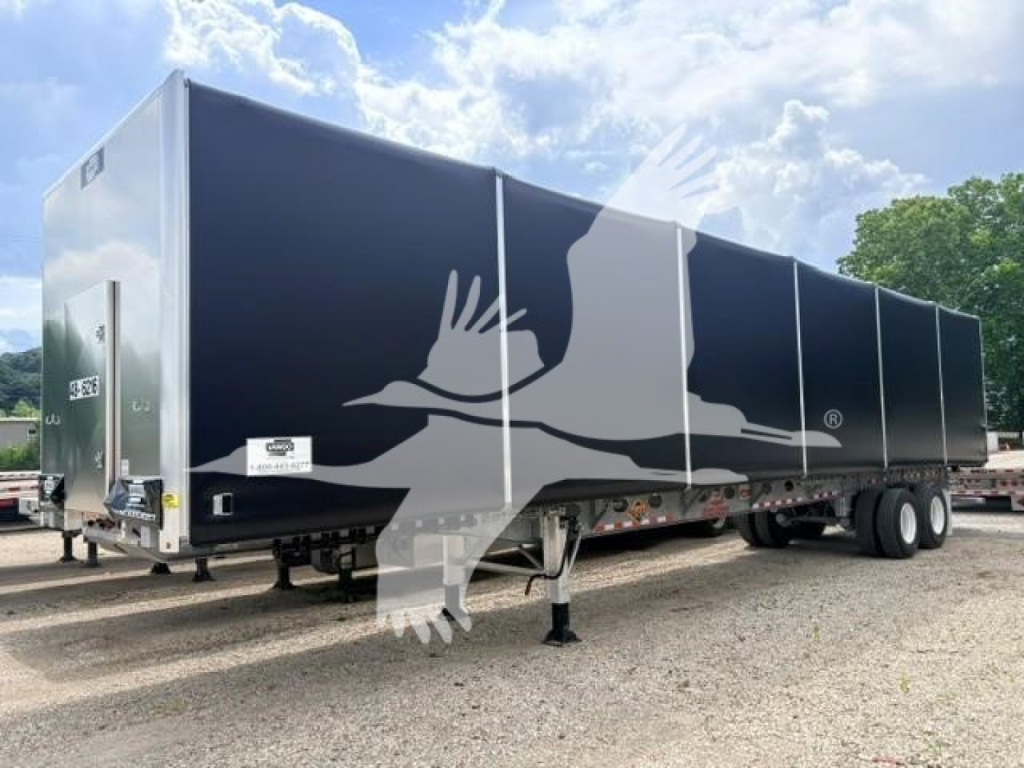
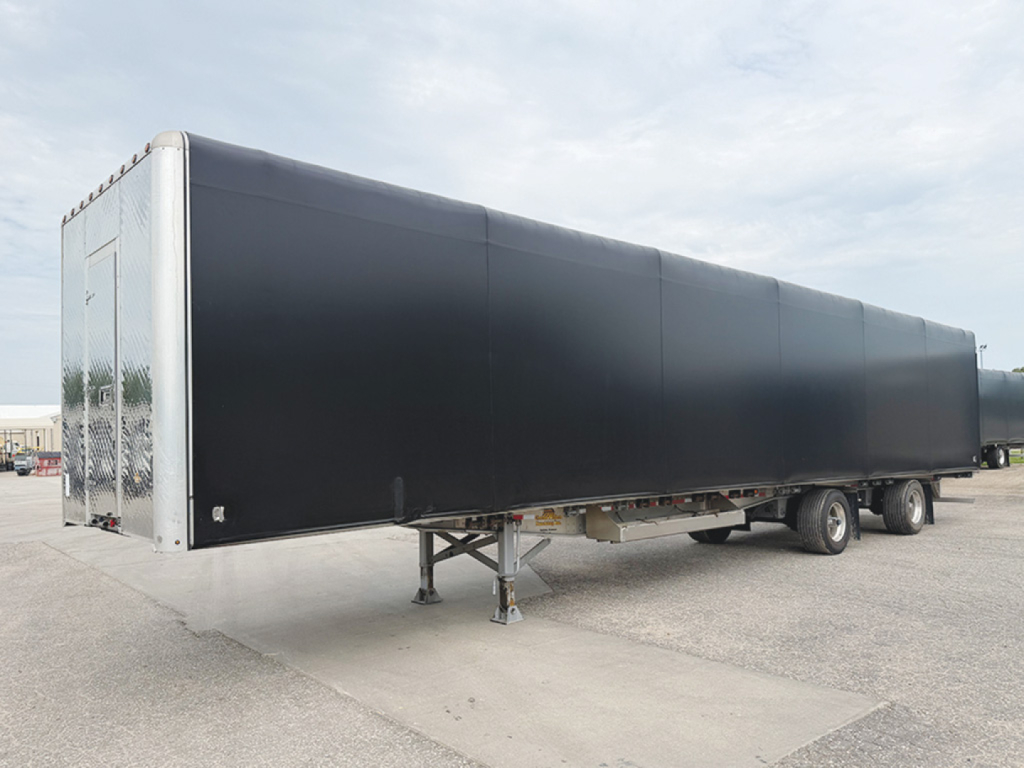
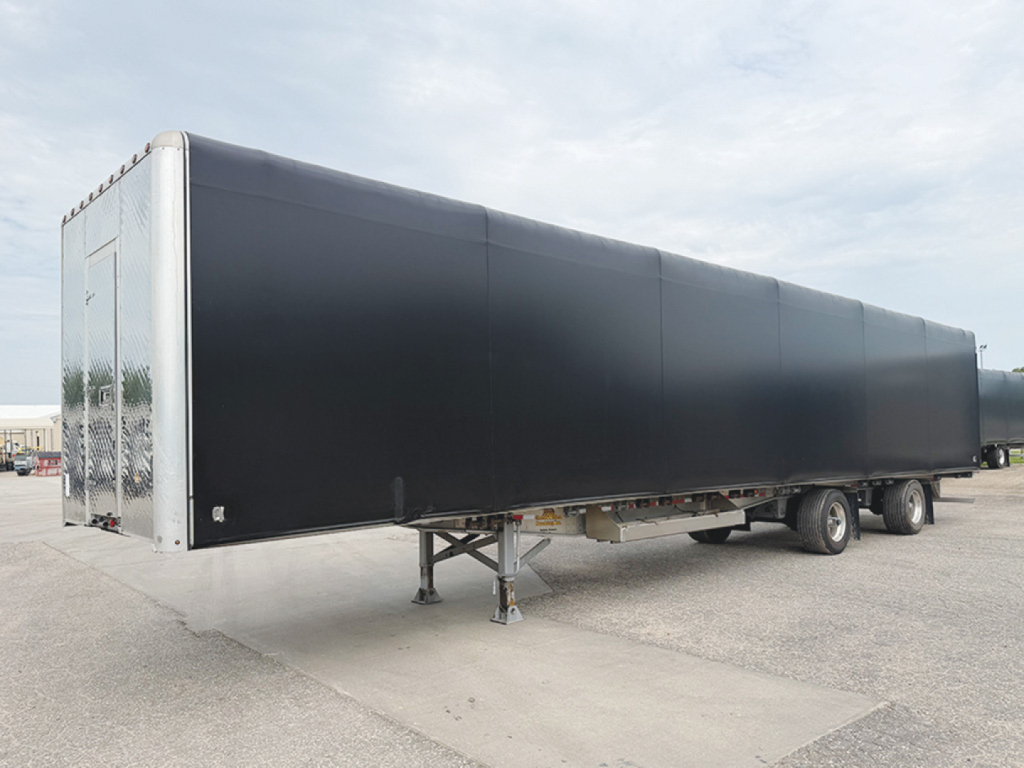
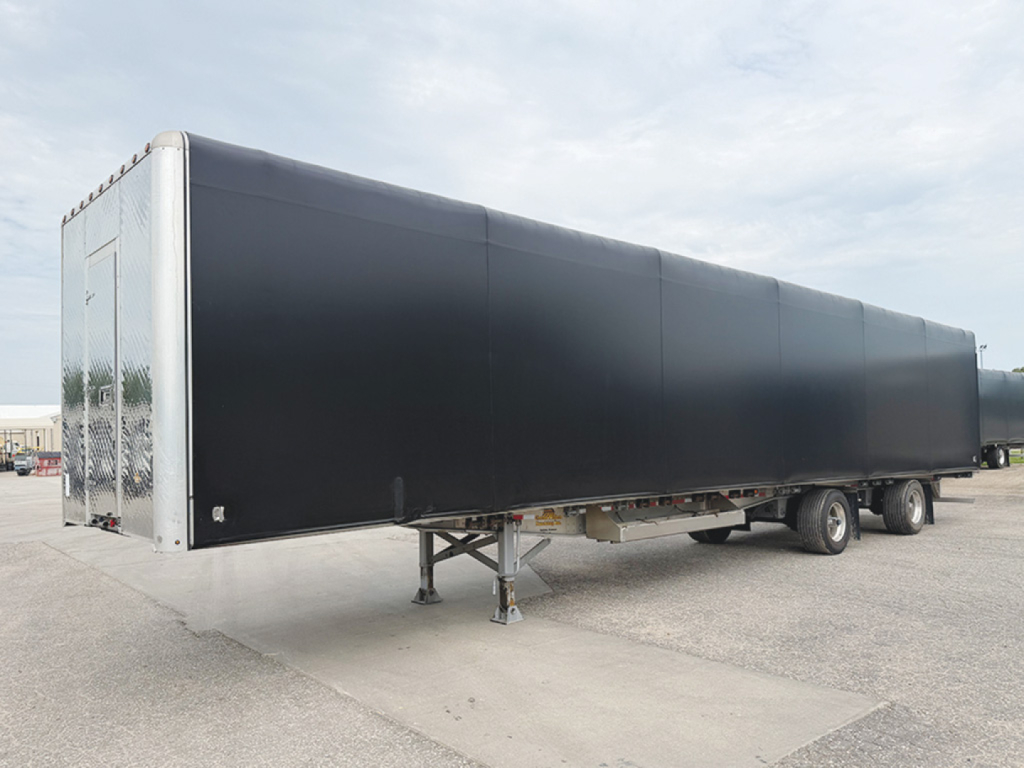
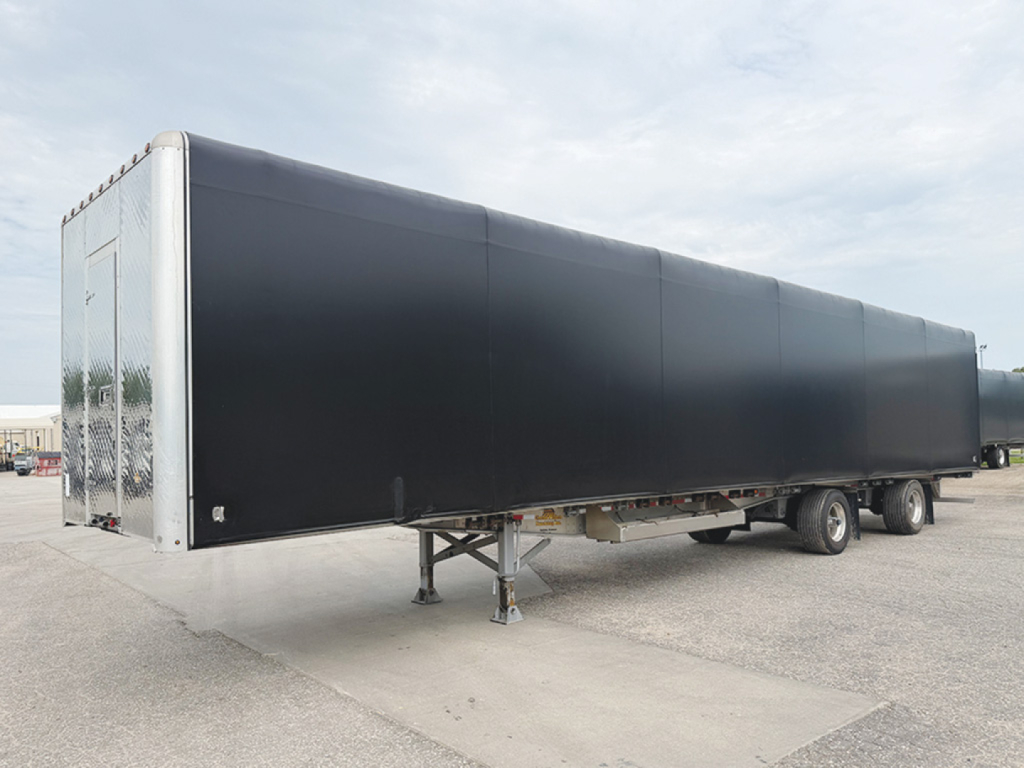
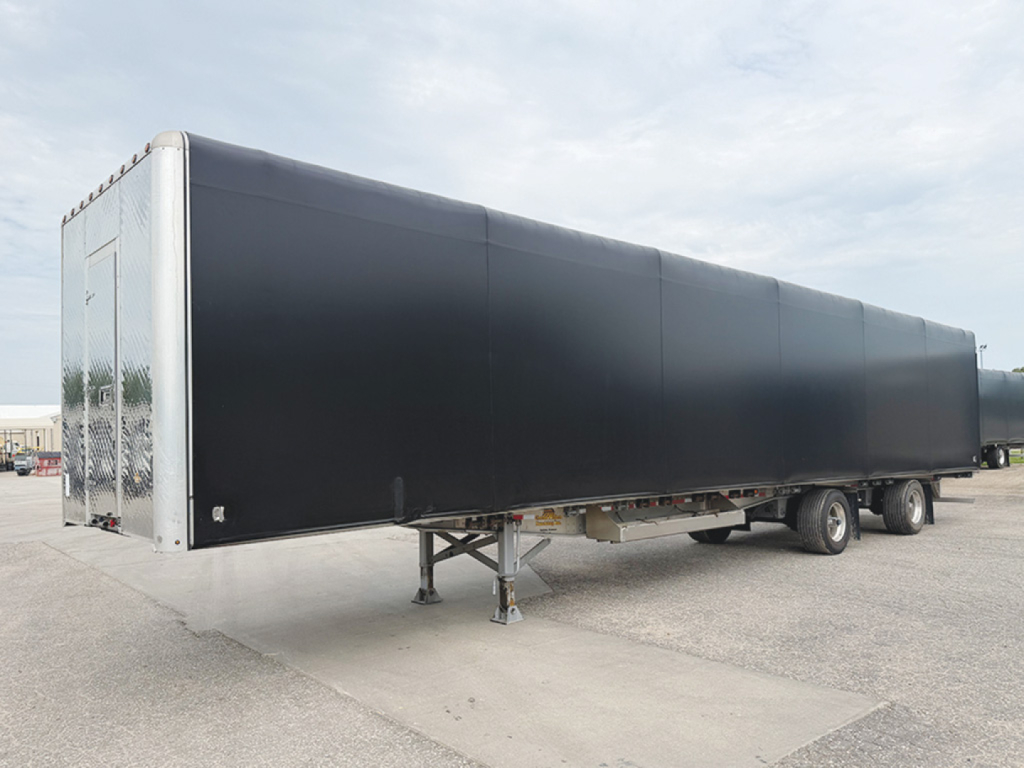
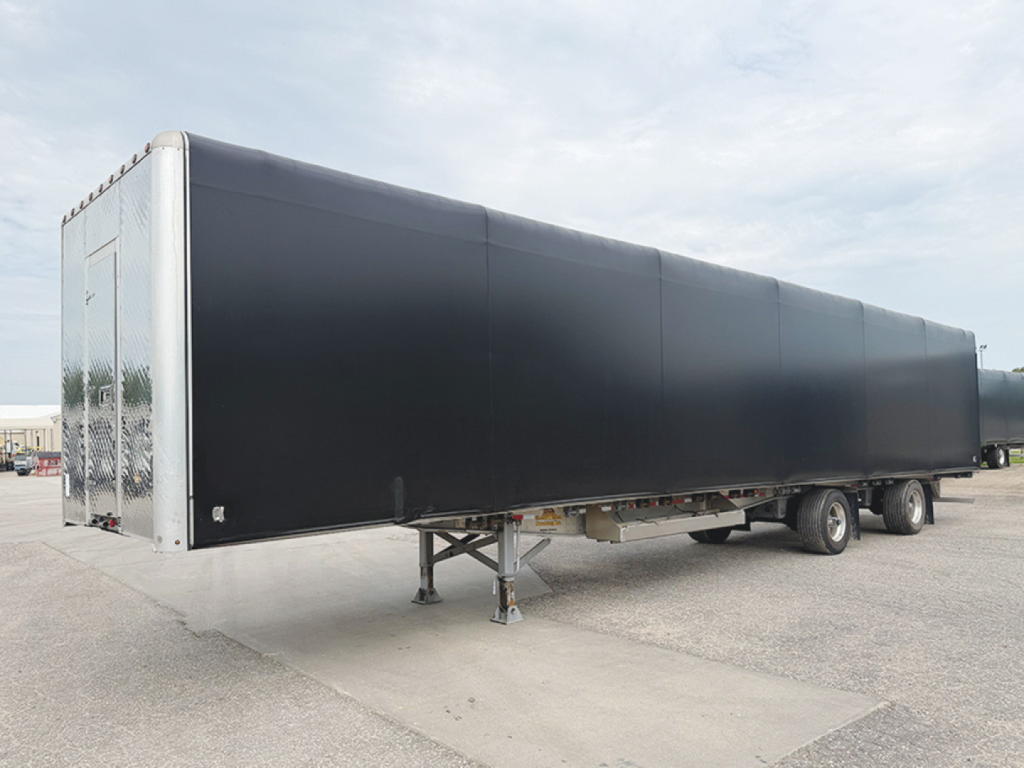
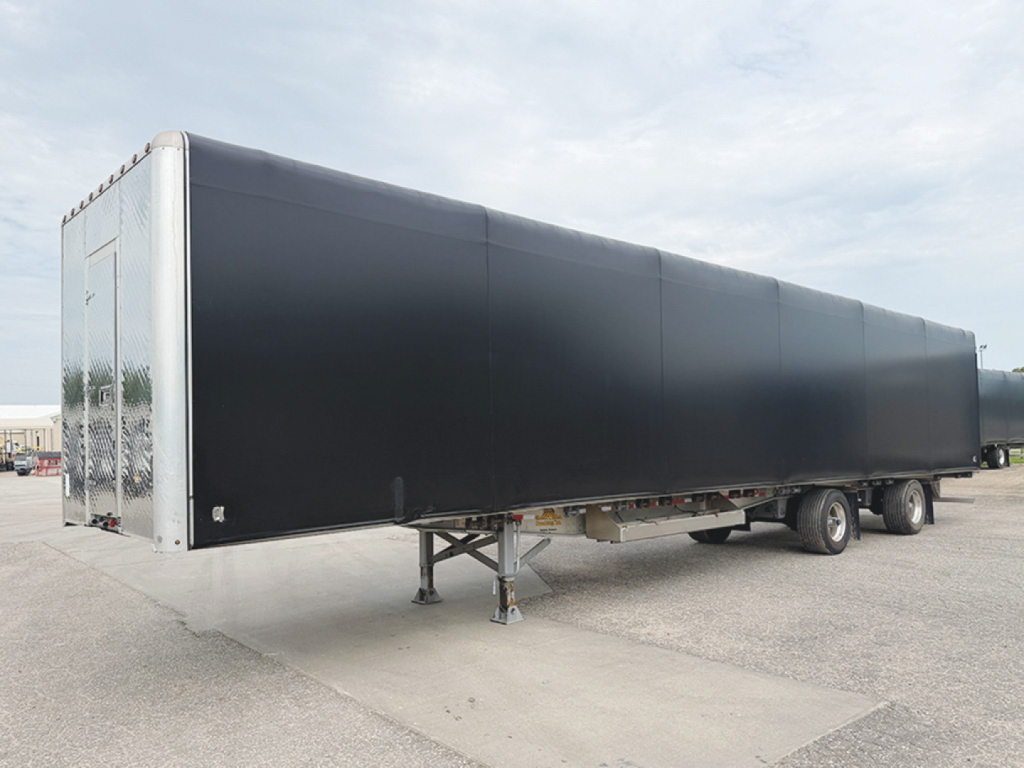
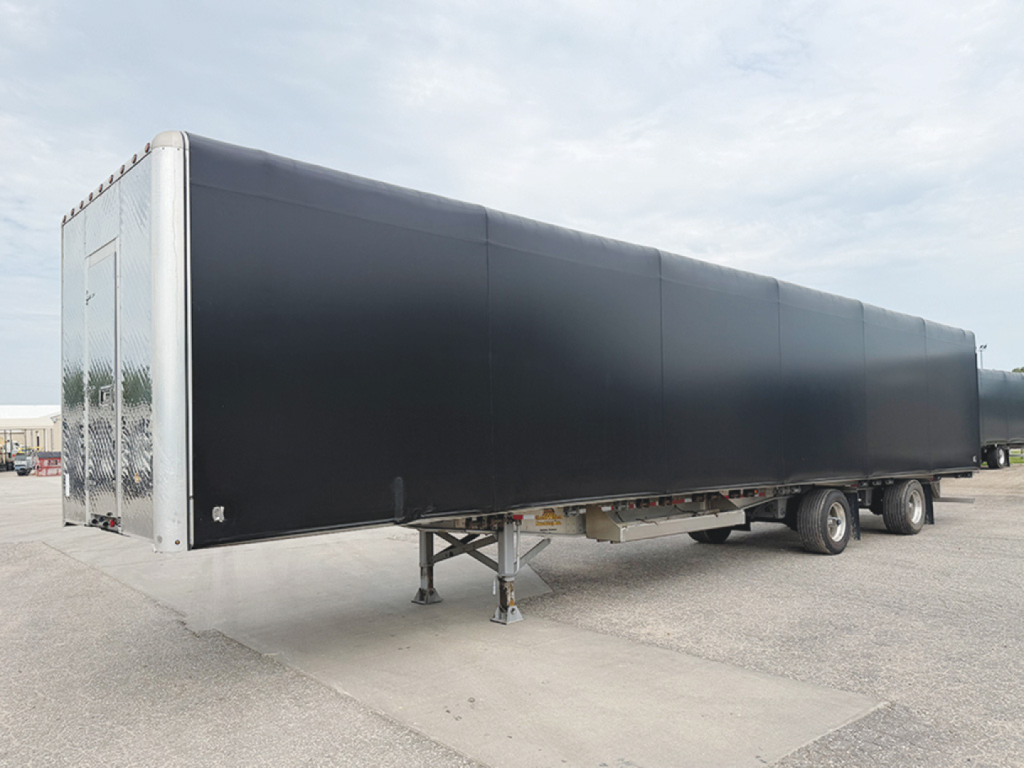
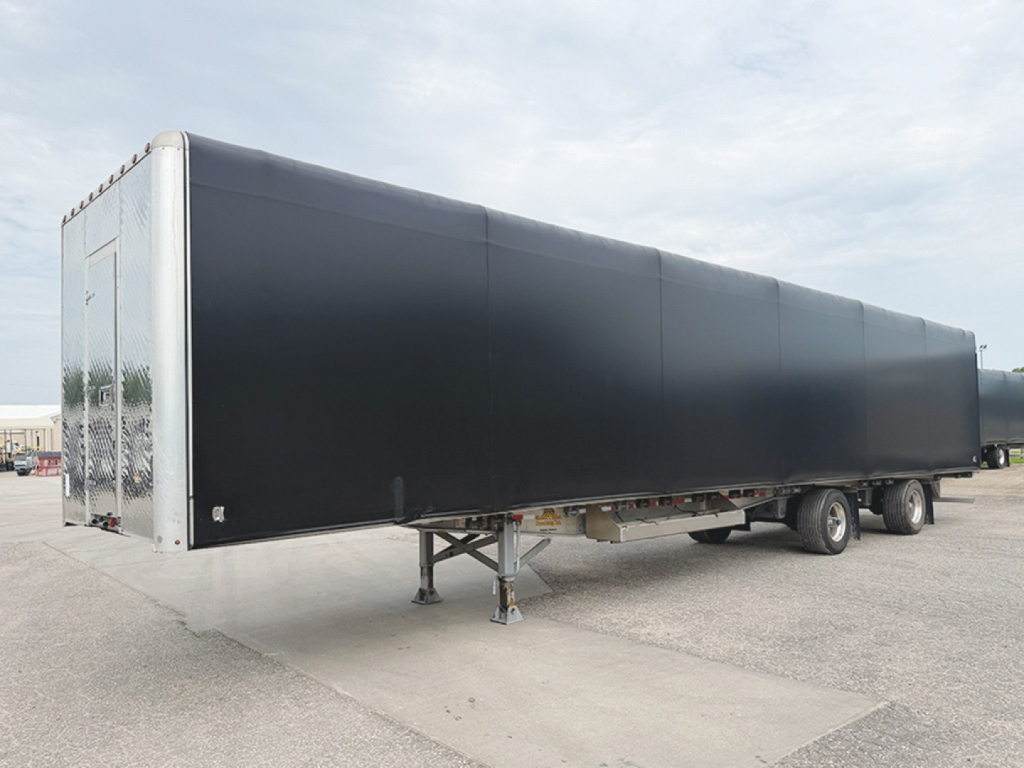
The biggest buying decision is the body style and curtain system. Some units are true curtainside trailers with fixed roof structures and retractable side curtains. Others are flatbeds equipped with a Conestoga rolling tarp system that slides forward or backward over the deck. Both designs are common in 45-foot and 48-foot lengths, with 102-inch width being standard. Aluminum construction is popular for lower tare weight and higher payload, while steel or composite builds may appeal to buyers focused on durability and lower acquisition cost. Floor type matters too. Aluminum floors save weight, but wood floors and nailer strips can be more forgiving for certain freight and forklift traffic.
Axle layout, kingpin setting, and suspension spec should match the lanes you run and the freight you load. Sliding tandems offer flexibility for bridge laws and dock positioning, while fixed spread axles are common on lightweight aluminum trailers built for payload and stability. Air ride suspension is the norm because it helps protect delicate cargo and reduces shock transfer. Buyers should also look closely at inside clearance, curtain condition, roof bows, roller tracks, bulkheads, crossmember spacing, and winch-track layout. Many curtainside and Conestoga trailers are equipped with sliding winches, straps, coil packages, chain racks, toolboxes, and nailer strips, so the trailer can handle both palletized freight and more specialized securement needs.
Condition on this category is often about the moving parts as much as the frame. Inspect curtain wear, tears, latch systems, buckles, tarp tension, roller operation, and water sealing points. On Conestoga systems, make sure the frame rolls smoothly and the tarp structure is not bent or binding. Check for forklift damage in the floor, side rail wear, corrosion around crossmembers, and tire and brake condition, especially on older spread-axle units. A well-spec'd curtainside trailer can reduce tarping labor, shorten loading time, and expand the kind of weather-sensitive flatbed freight a carrier can accept.
Frequently Asked Questions about Curtainside Trailers
What is the difference between a curtainside trailer and a Conestoga trailer?
A curtainside trailer usually has a fixed roof structure with retractable side curtains, while a Conestoga trailer is typically a flatbed with a rolling tarp frame that moves along the trailer to cover or uncover the deck. Both protect cargo and allow easier loading than hand tarping, but a Conestoga often appeals to flatbed operators who want to keep an open-deck trailer configuration under the tarp system.
What freight is a curtainside trailer best suited for?
Curtainside trailers are commonly used for palletized products, packaged building materials, paper, beverages, machinery, and other freight that benefits from side loading and weather protection. They are a strong fit when a forklift needs access from the side but the cargo still needs more protection than a standard flatbed provides. Freight that requires a fully sealed environment may still be better suited to a dry van.
Are aluminum curtainside trailers better than steel models?
Aluminum curtainside trailers usually offer lower empty weight, which can improve payload capacity and fuel efficiency. Steel models often cost less up front and may hold up well in demanding applications where impact resistance matters more than tare weight. The better choice depends on the freight mix, target payload, operating region, and how long the trailer is expected to stay in service.
What should I inspect first on a used curtainside trailer?
Start with the curtain or tarp system, because that is the main feature that separates this trailer type from a standard flatbed. Look for tears, worn rollers, damaged bows, poor sealing, and signs the system binds when opening or closing. After that, inspect the floor, crossmembers, side rails, suspension, brakes, tires, and axle configuration, with special attention to forklift damage and corrosion in high-stress areas.
Do curtainside trailers use the same securement equipment as flatbeds?
Many do. Depending on the trailer design, you may find winch tracks, sliding winches, straps, chain racks, coil packages, and nailer strips similar to what is used on flatbeds. The curtain or tarp system protects the freight, but the load still needs to be properly secured to meet safety requirements and prevent movement in transit.