
2025 Curtainside Trailers For Sale
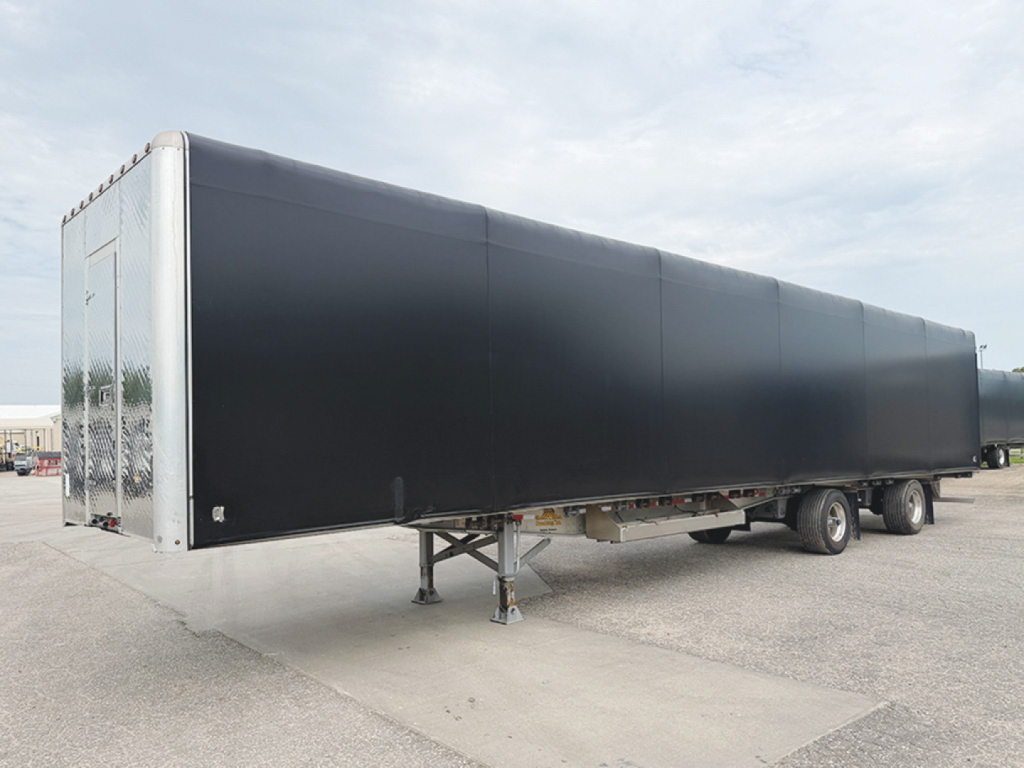
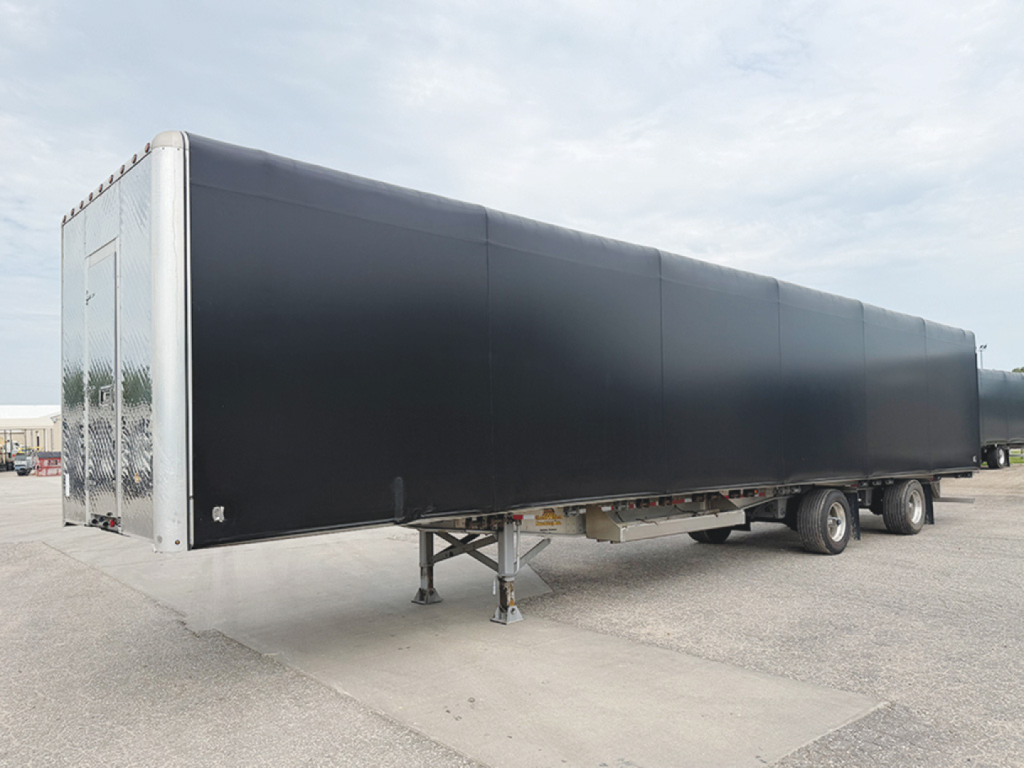
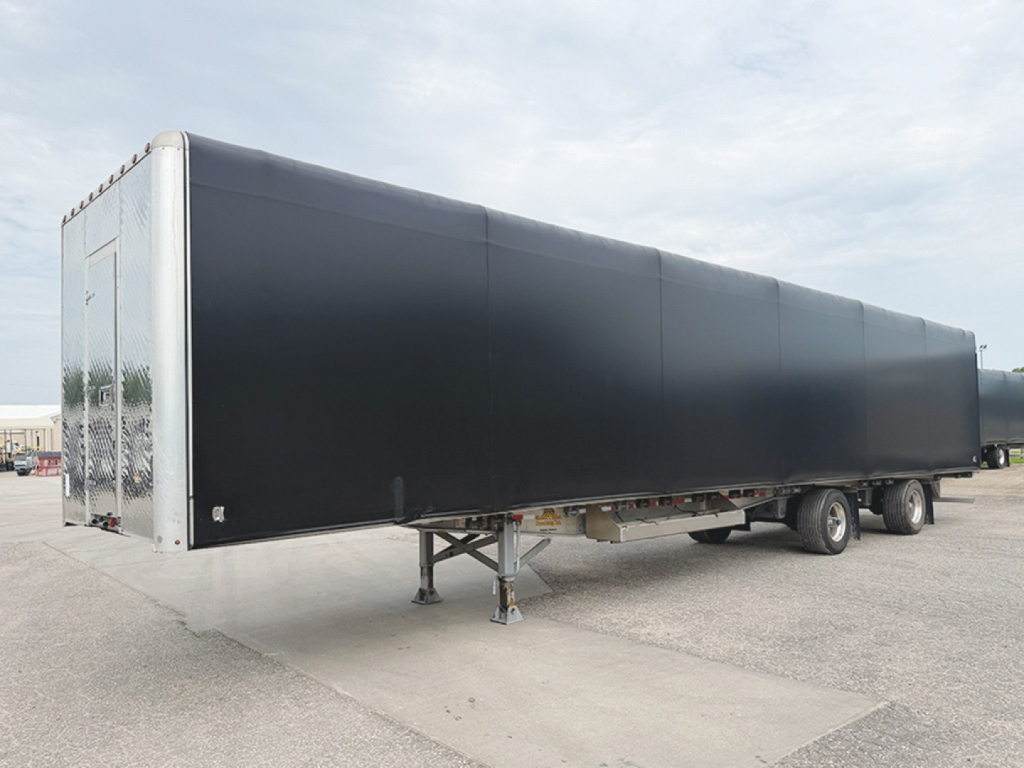
Have 2025 curtainside trailer to sell? List it here to reach thousands of buyers.
2025 Curtainside Trailers
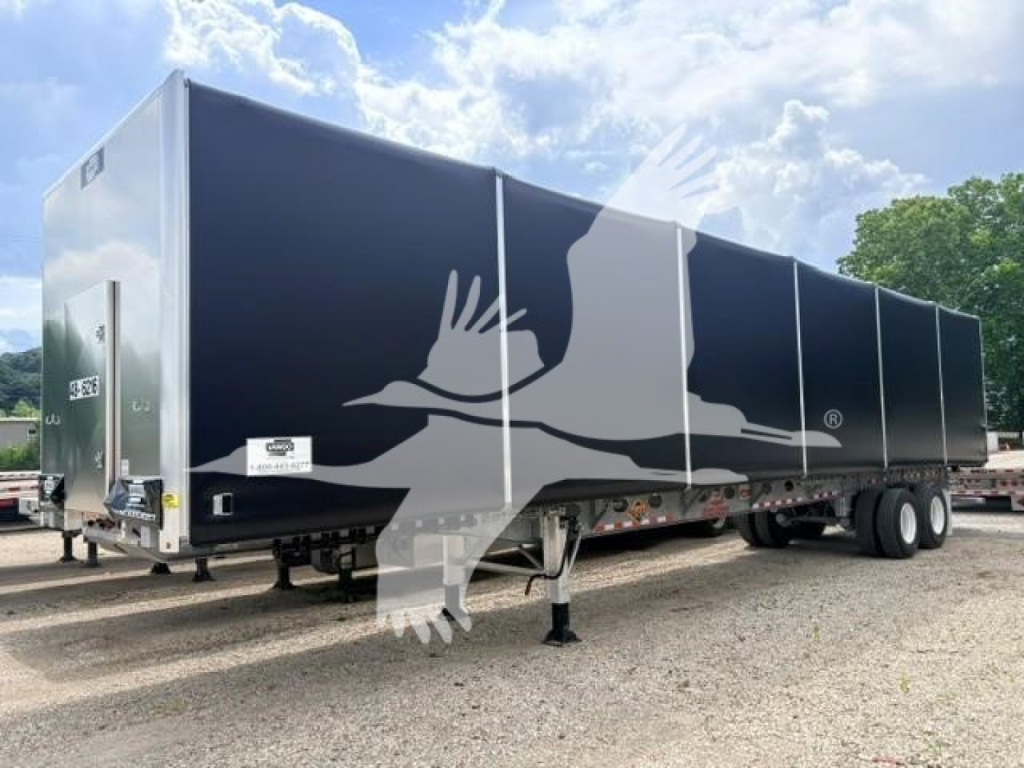
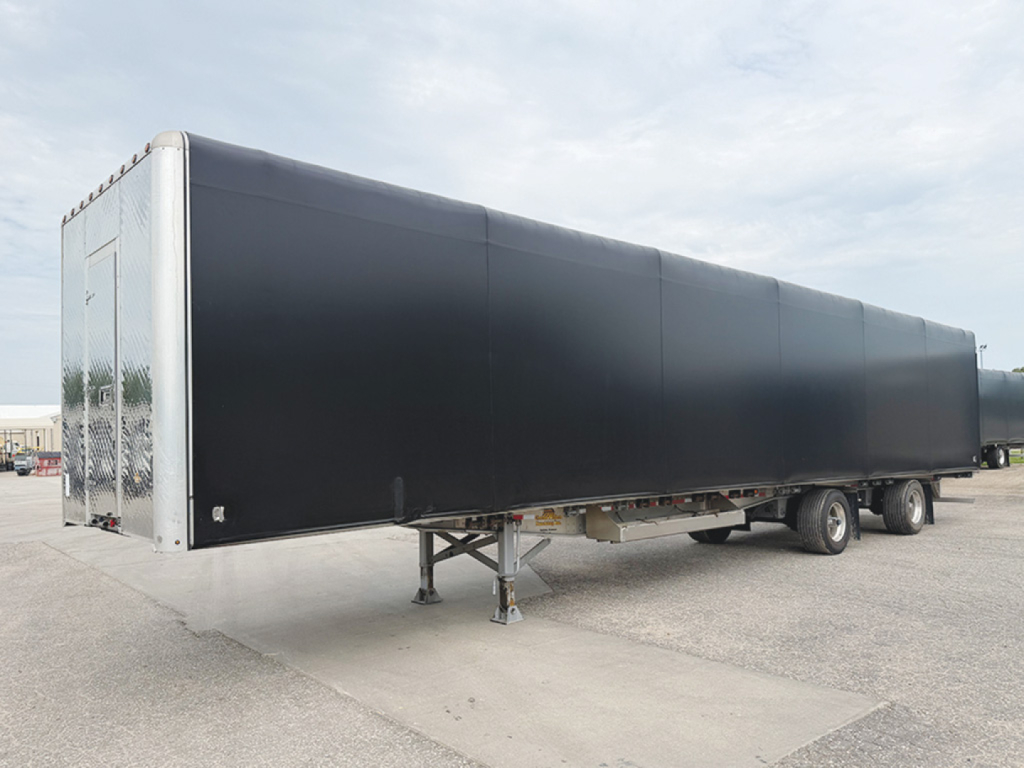
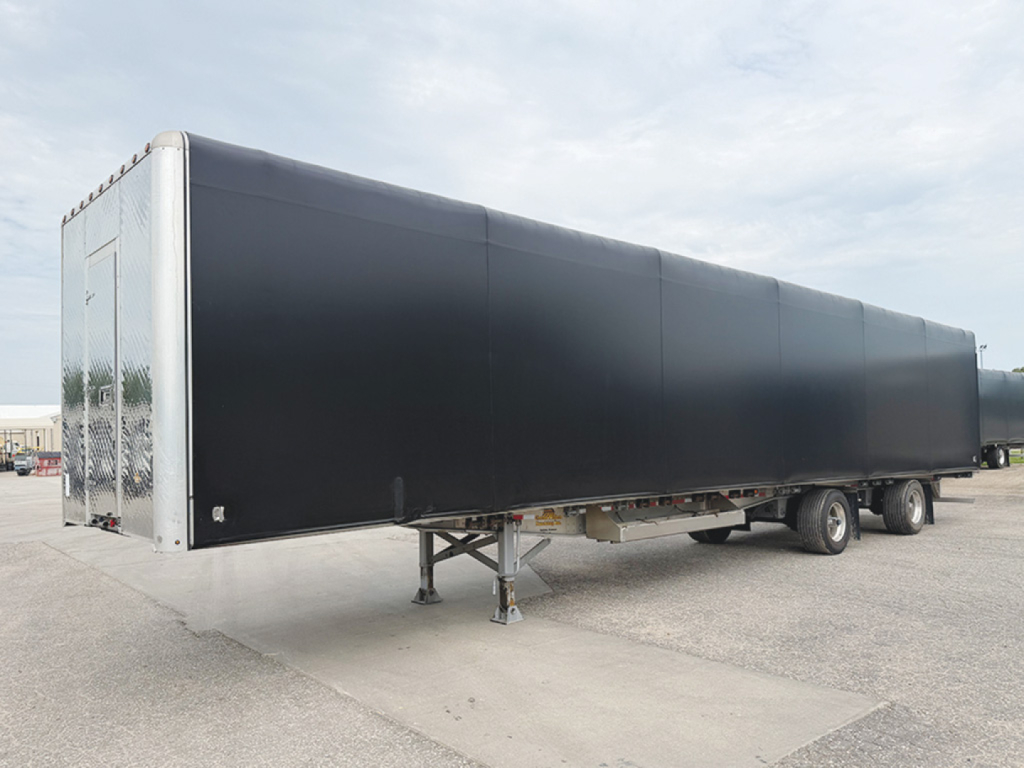
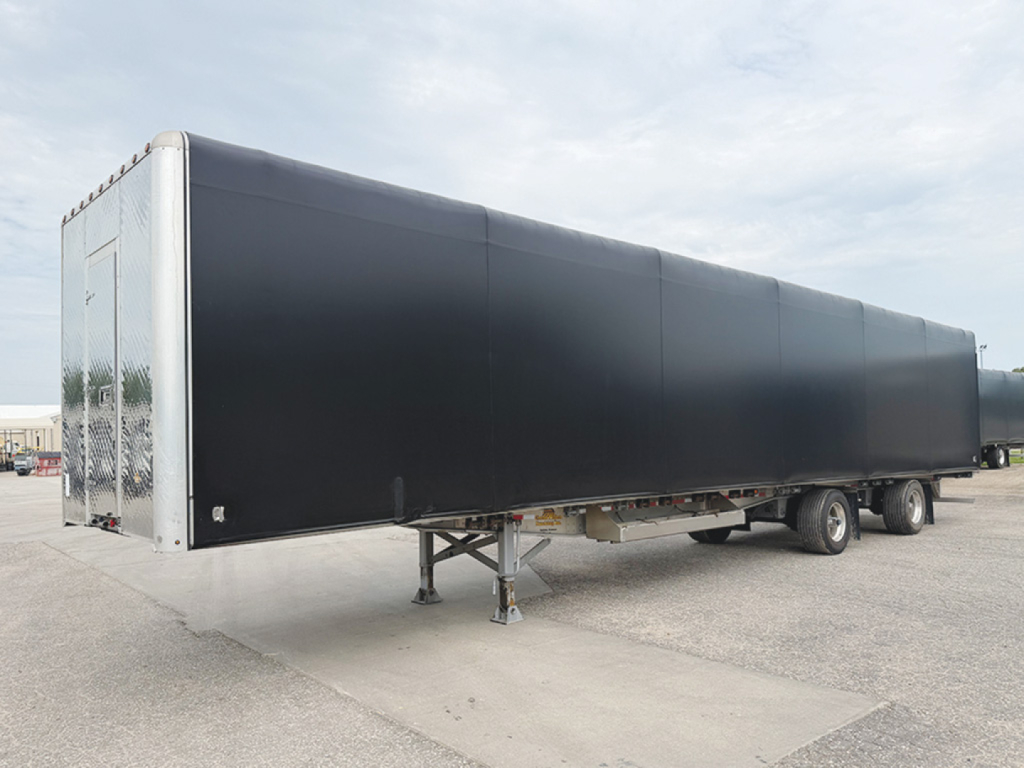
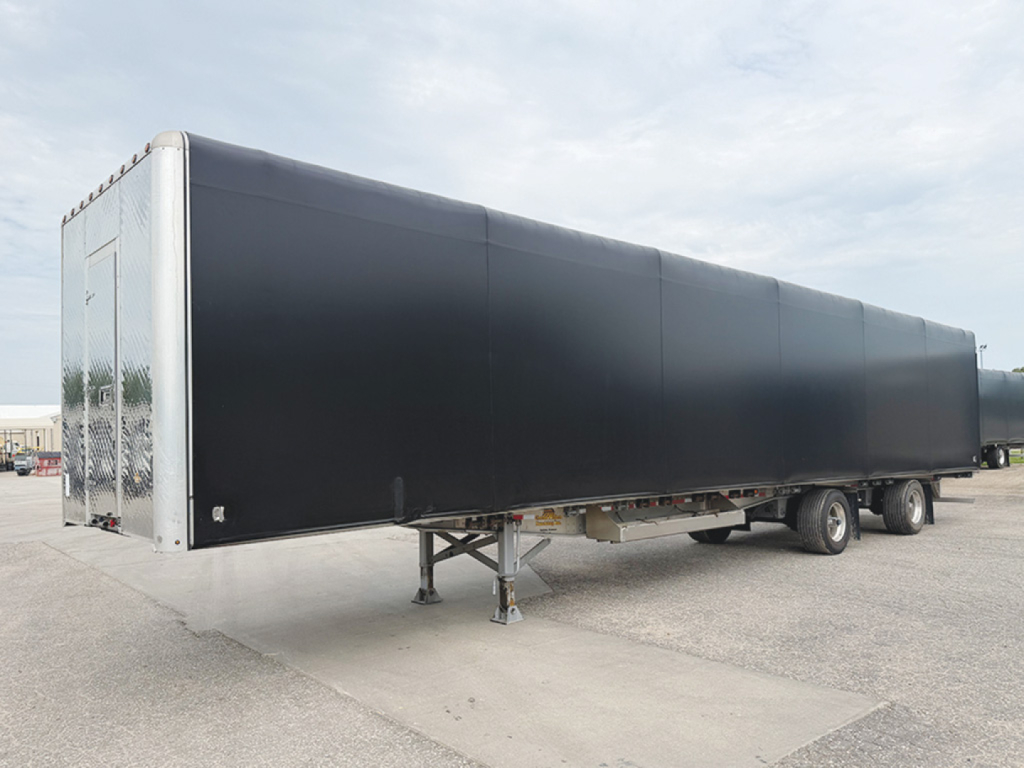
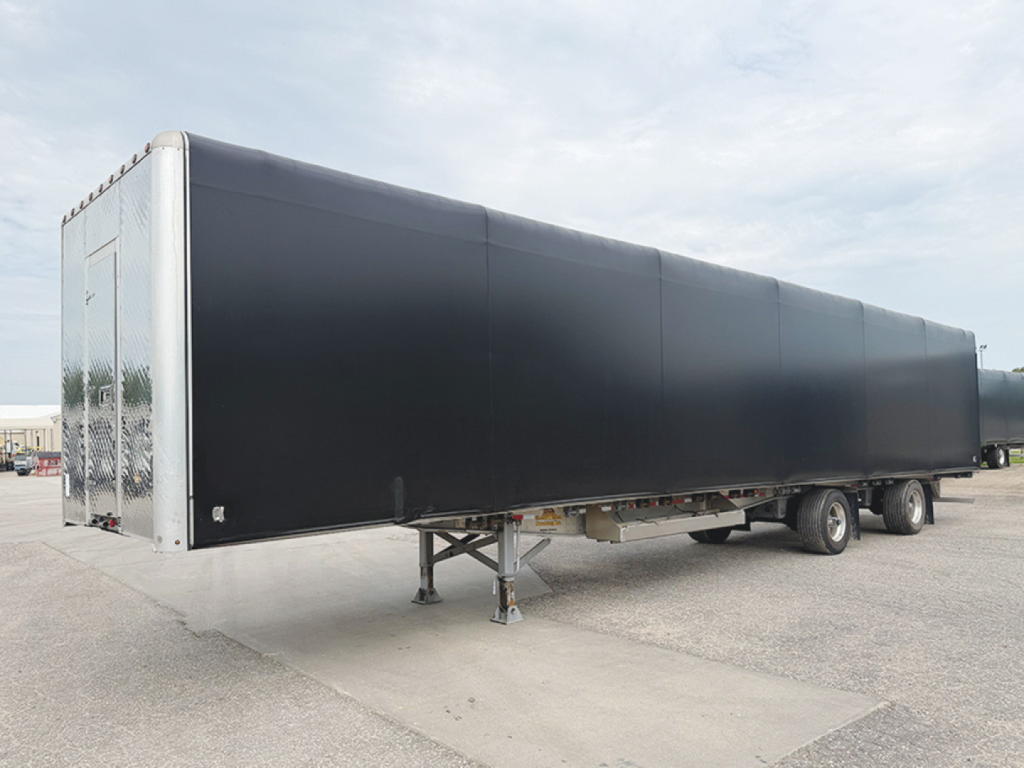
The biggest buying decisions usually start with body style and deck configuration. Most 2025 curtainside trailers in the market are 48-foot or 53-foot units at 102 inches wide, often built with aluminum construction to cut tare weight and improve payload. Common specs include aluminum floors, nail strips, stainless or aluminum bulkheads, sliding winch tracks, double spools, and coil packages for steel hauling. Buyers should also look closely at kingpin setting, axle spread, crossmember spacing, and floor rating, especially if the trailer will handle concentrated loads, forklifts, or dense freight. A spread axle air ride setup is common on newer units, and tire inflation systems, super singles, and aluminum disc wheels are often selected to improve weight, maintenance, and operating efficiency.
Curtainside trailers are popular in freight lanes where fast loading and load security matter more than cube. The side curtain system allows wide, unobstructed access for forklifts, which makes them effective for jobsite materials, crated freight, bagged products, and mixed loads with multiple stops. Compared with a standard flatbed, a curtainside reduces exposure to rain, road grime, and torn tarps. Compared with a dry van, it handles freight that is easier to load from the side or top and may not fit through swing doors. Buyers hauling coils, pipe, or machinery should confirm the trailer has the right securement features such as winch tracks, tie-down points, bulkhead design, and a properly spec'd coil package.
On a 2025 model, condition often comes down less to age and more to how the curtain hardware, rollers, tracks, buckles, and rear closure have been maintained. Curtain tension, roof bow alignment, and smooth operation of the opening system affect uptime just as much as tires and brakes. It also pays to inspect for floor wear from forklift traffic, damage around side posts, and any signs of cargo abrasion on the curtain material. For buyers comparing listings, the best curtainside trailer is usually the one whose length, axle layout, securement package, and curtain system match the freight mix you actually haul.
Frequently Asked Questions about 2025 Curtainside Trailers
What is the difference between a curtainside trailer and a Conestoga trailer?
A curtainside trailer has a fixed roof with retractable side curtains that open for side loading, while a Conestoga-style trailer uses a rolling tarp framework that retracts to expose the deck more like a flatbed. Both provide weather protection, but a curtainside is typically better for frequent side loading of palletized freight, while a Conestoga can offer more open access for oversized or irregular loads depending on the frame design.
What freight is a 2025 curtainside trailer best suited for?
Curtainside trailers are commonly used for packaged building materials, palletized products, machinery, bagged goods, crated freight, and some steel products. They work best for cargo that needs weather protection but benefits from side access by forklift. They are less ideal for freight that requires full dry van security, temperature control, or maximum cubic capacity.
What specs matter most when buying a curtainside trailer?
The most important specs are trailer length, axle configuration, overall tare weight, floor construction, bulkhead design, securement equipment, and the curtain system itself. Buyers should also review kingpin setting, crossmember spacing, floor rating, coil package details, winch track layout, and suspension type. Those items determine how well the trailer matches dense freight, forklift loading, and legal bridge requirements.
Are aluminum curtainside trailers better than steel?
Aluminum curtainside trailers are popular because they reduce tare weight and can improve payload, fuel economy, and corrosion resistance. Steel components may still be used in high-stress areas depending on the build. The better choice depends on application, but for many general freight and building product operations, an aluminum trailer offers a strong balance of durability and weight savings.
How do I inspect the curtain system on a used or late-model curtainside trailer?
Check that the curtain opens and closes smoothly, holds proper tension, and seals correctly at the front, rear, and along the roofline. Inspect rollers, tracks, buckles, straps, rear frames, and support hardware for wear or damage. Also look for tears, patches, abrasion points, and bent roof bows or side structure. A clean-looking trailer can still have curtain hardware issues that affect loading speed and weather protection.