
2025 Curtainside Trailers For Sale in Kansas
Have 2025 curtainside trailer to sell? List it here to reach thousands of buyers.
2025 Curtainside Trailers in Kansas
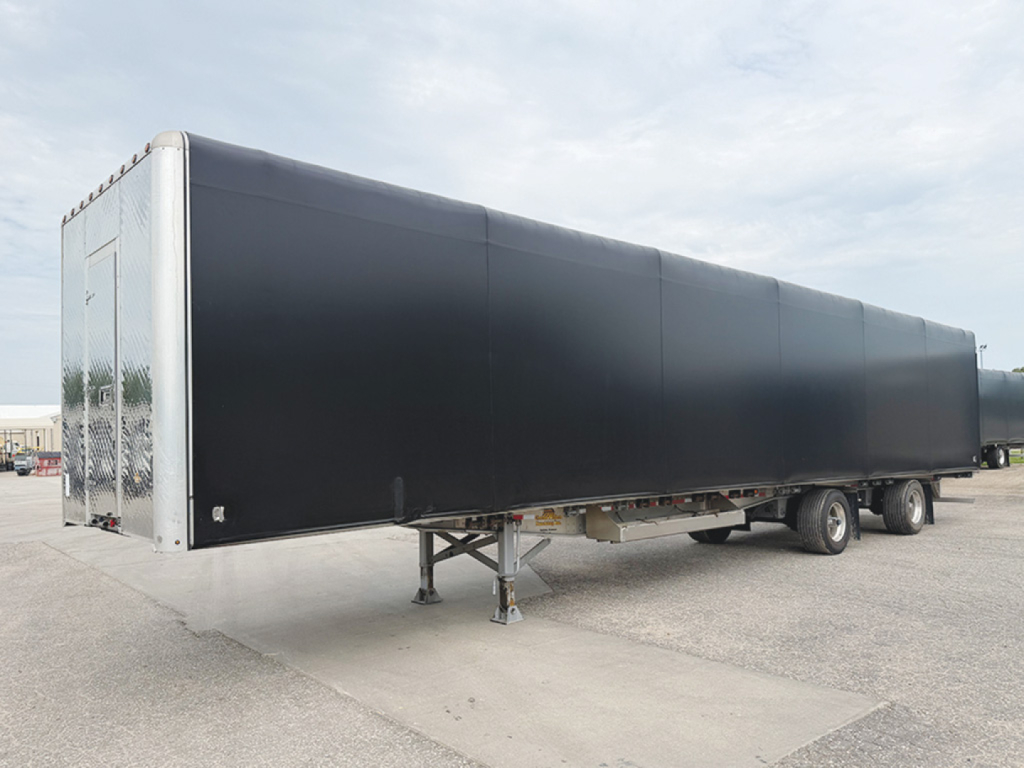
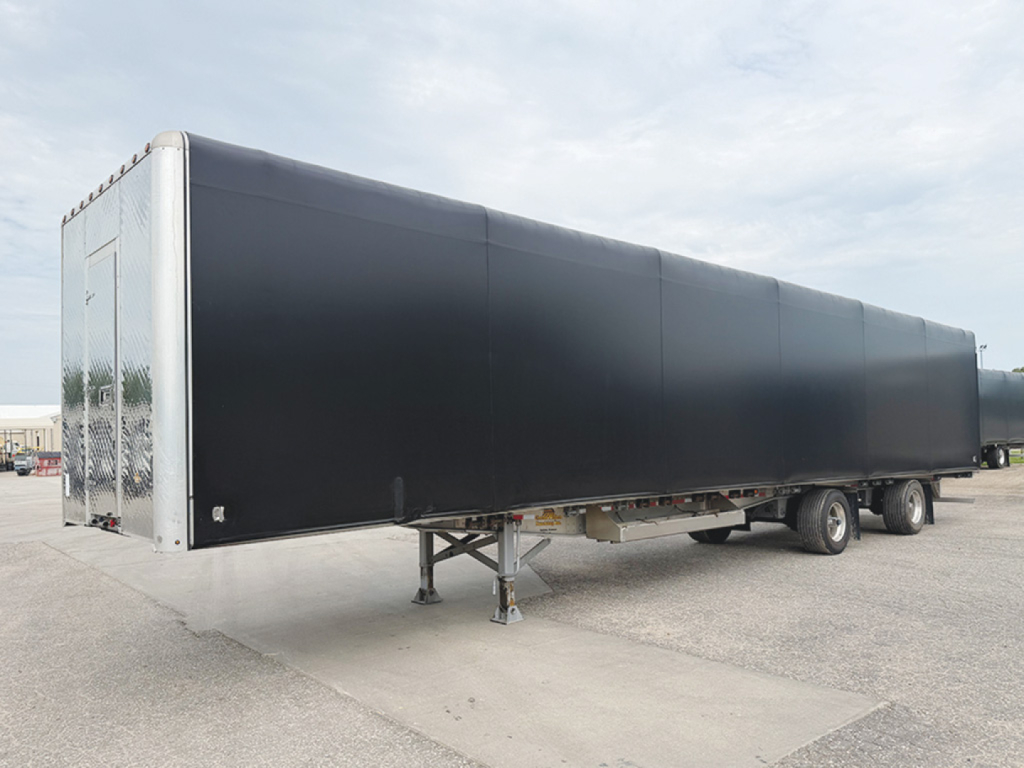
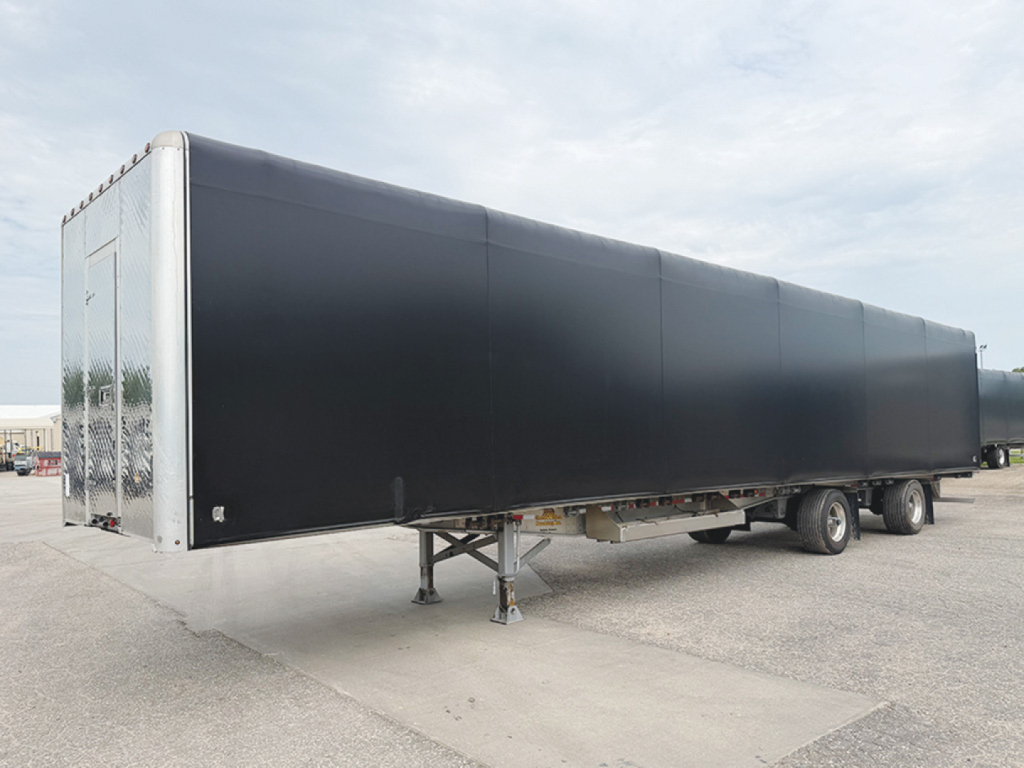
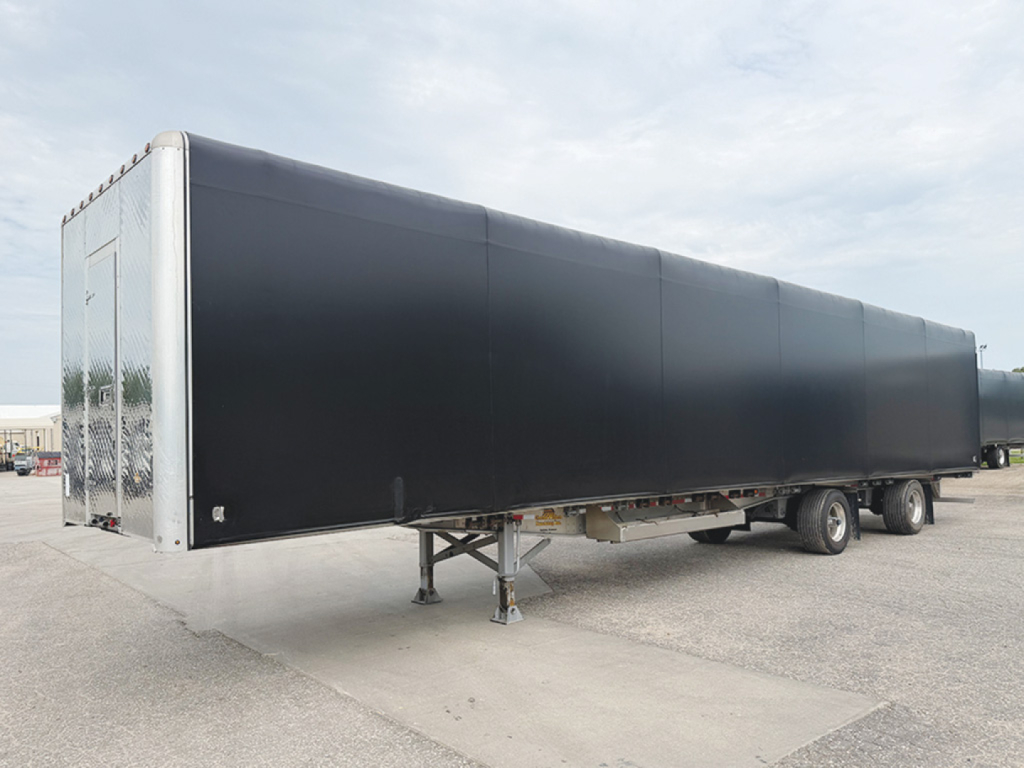
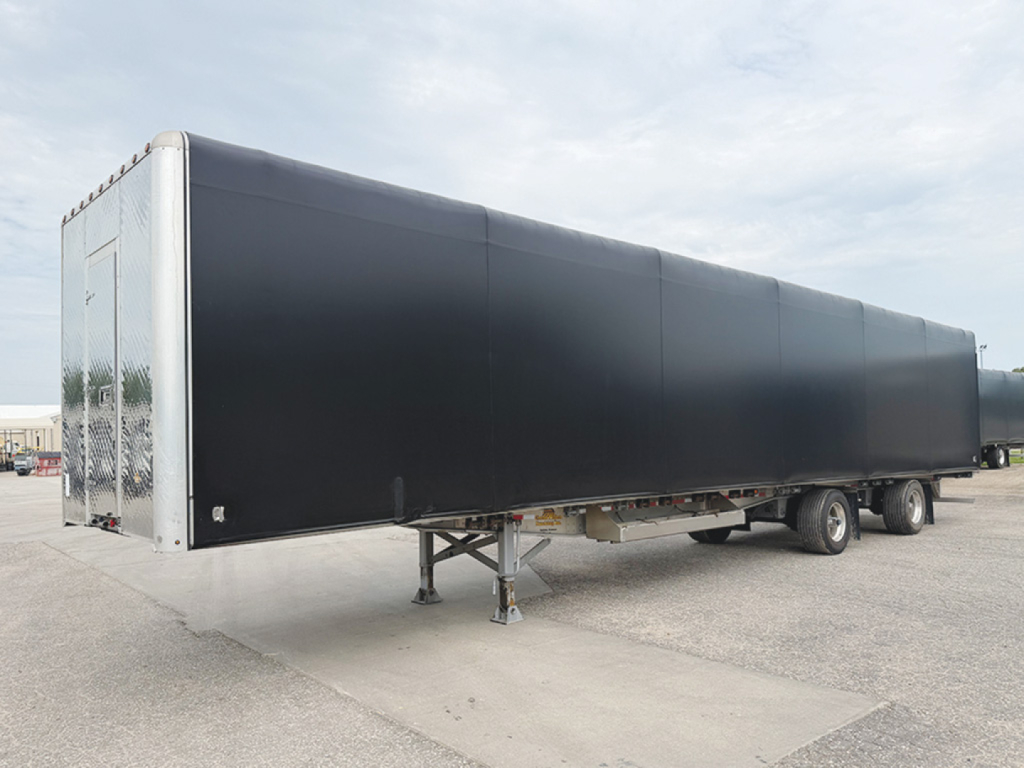
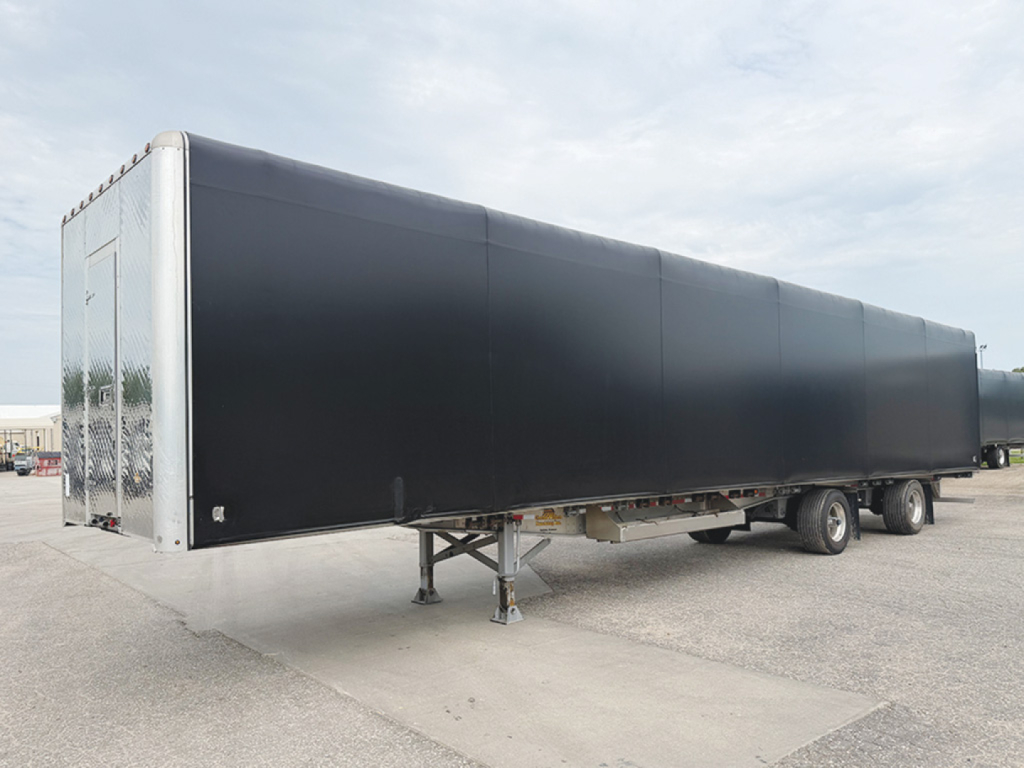
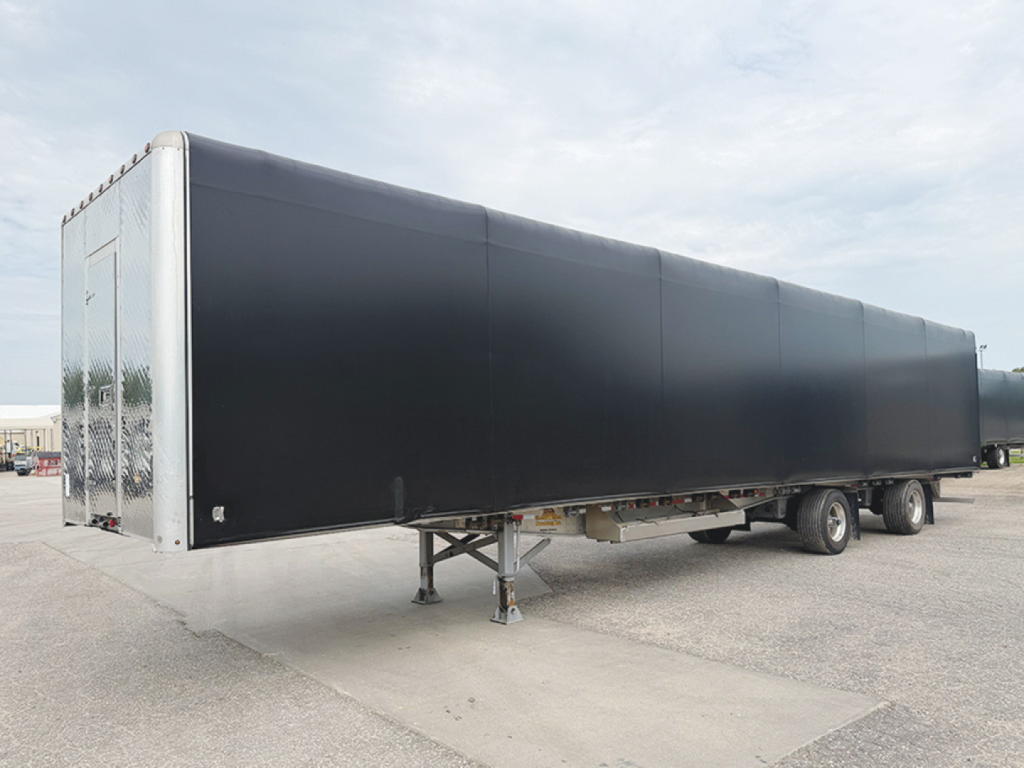
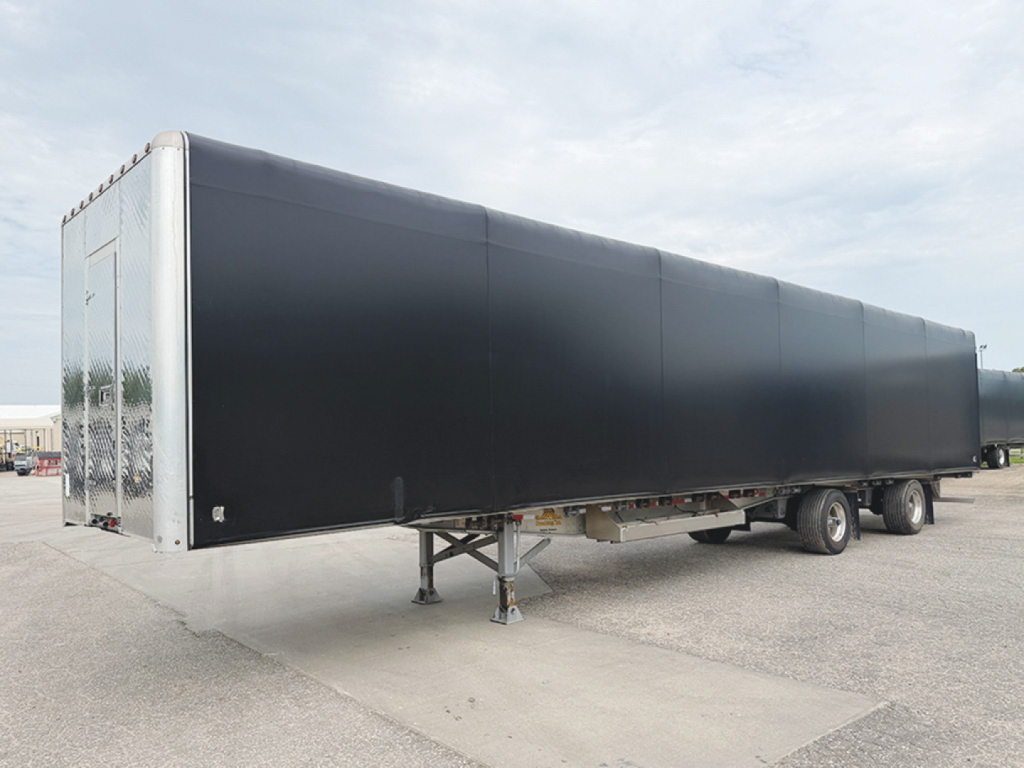
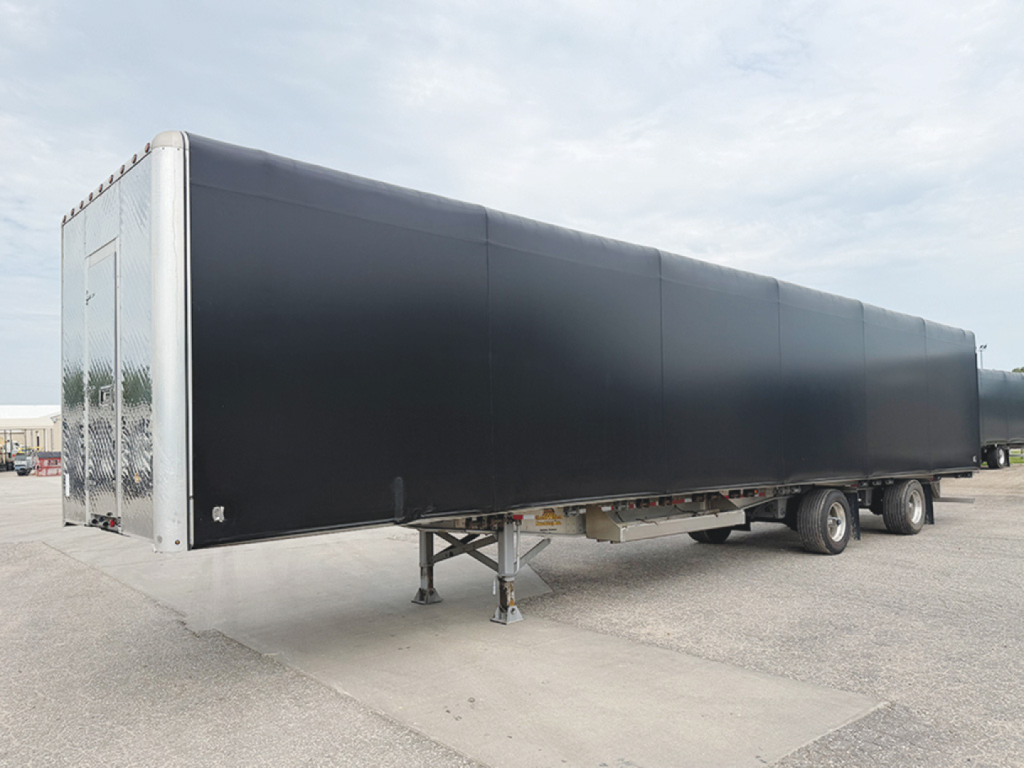
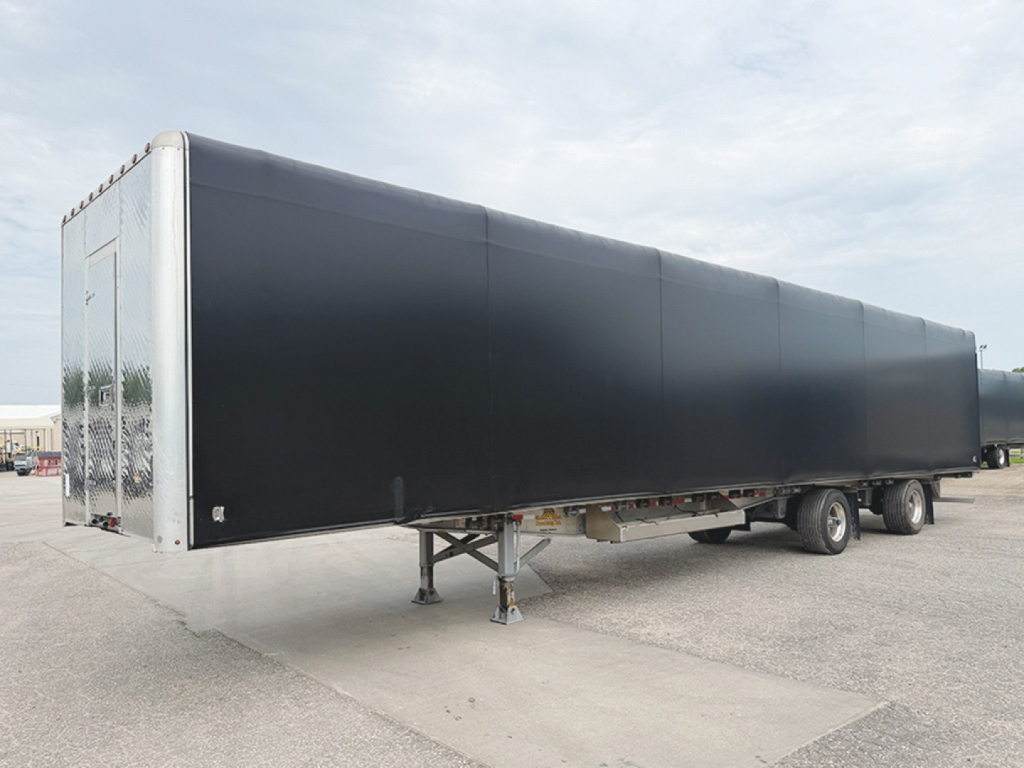
Most curtainside trailers in this class are designed around palletized building products, bagged material, machinery, steel, fabricated components, and other freight that benefits from full side entry. The key distinction is that the curtain is not typically the primary cargo securement device. Buyers should look closely at the deck and tie-down package, including sliding winch tracks, winches, stake pockets, chain ties, nail strips, and coil package provisions if dense freight is part of the mix. A bulkhead with center door or access door can add flexibility for partial loads and front access, while an aluminum floor and aluminum frame help reduce tare weight and improve payload capacity.
Suspension and axle layout matter more than many first-time curtainside buyers expect. Air ride is common because it helps protect sensitive freight and improves ride quality, and spread axle configurations can help with load distribution and stability. Tire inflation systems are a useful spec for fleets running long regional miles across Kansas and surrounding states, since they can reduce downtime and help manage irregular tire wear. Wheel and tire setup also affects serviceability and weight. Super singles may offer a payload and maintenance advantage in some operations, while duals may still appeal to fleets prioritizing roadside familiarity and replacement flexibility.
Buyers comparing 2025 curtainside trailers should pay attention to curtain condition and hardware design just as much as they would on a van door or reefer body. Inspect rollers, buckles, tensioners, roof bows, curtain tracks, rear frame structure, and the ease of opening and closing from either side. Also confirm deck height, clear side opening dimensions, and any restrictions created by internal posts or roof support design. A well-specced curtainside trailer can cover freight that would otherwise require both a flatbed and a dry van, so the best value usually comes from matching the securement package, structure, and tare weight to the freight you haul every week, not just the maximum payload on paper.
Frequently Asked Questions about 2025 Curtainside Trailers in Kansas
What is a curtainside trailer used for?
A curtainside trailer is used to haul freight that needs weather protection but also benefits from full side loading access. Common applications include palletized building materials, packaged steel, machinery, manufactured components, and bagged products. It combines many of the loading advantages of a flatbed with the cargo protection of an enclosed trailer, which makes it useful for shippers that load by forklift from the side instead of only through the rear doors.
Is the curtain on a curtainside trailer considered cargo securement?
In most operations, the curtain itself is not the primary cargo securement system. The load should still be properly secured using the trailer's winch track, straps, chains, stake pockets, chain ties, or other approved tie-down equipment based on the freight being hauled. Buyers should confirm the trailer has the right securement package for their commodity, especially if they haul steel, coils, machinery, or other dense cargo.
What specs matter most when buying a 2025 curtainside trailer?
The most important specs usually include trailer length, axle spacing, suspension type, tare weight, floor construction, curtain hardware, and the available tie-down system. Many buyers also check for air ride suspension, spread axles, tire inflation systems, bulkhead design, coil package equipment, and toolboxes. Side opening clearance and the practicality of the curtain system are just as important as published dimensions, because they directly affect loading speed and the types of freight the trailer can handle.
Are aluminum curtainside trailers a good choice for payload-sensitive freight?
Aluminum curtainside trailers are often a strong choice when payload matters because they generally keep empty weight lower than heavier all-steel designs. Lower tare weight can translate into more legal payload, which is important for dense but not oversized freight. Buyers should still weigh payload benefits against repair environment, expected duty cycle, and the type of cargo securement loads the trailer will see over time.
Why do many curtainside trailers use air ride and spread axles?
Air ride suspension helps reduce shock to the cargo and can improve ride quality for sensitive freight, packaged products, and higher-value loads. Spread axles can improve weight distribution and trailer stability, especially on longer 53-foot configurations. That combination is popular on curtainside trailers because these units often carry mixed freight and need to perform well across regional and long-haul lanes while maintaining cargo condition.