
Curtainside Trailers For Sale in Pennsylvania
Browse curtainside trailers for sale in Pennsylvania. Compare Conestoga-style specs, lengths, tarping systems, axle setups, and aluminum construction.
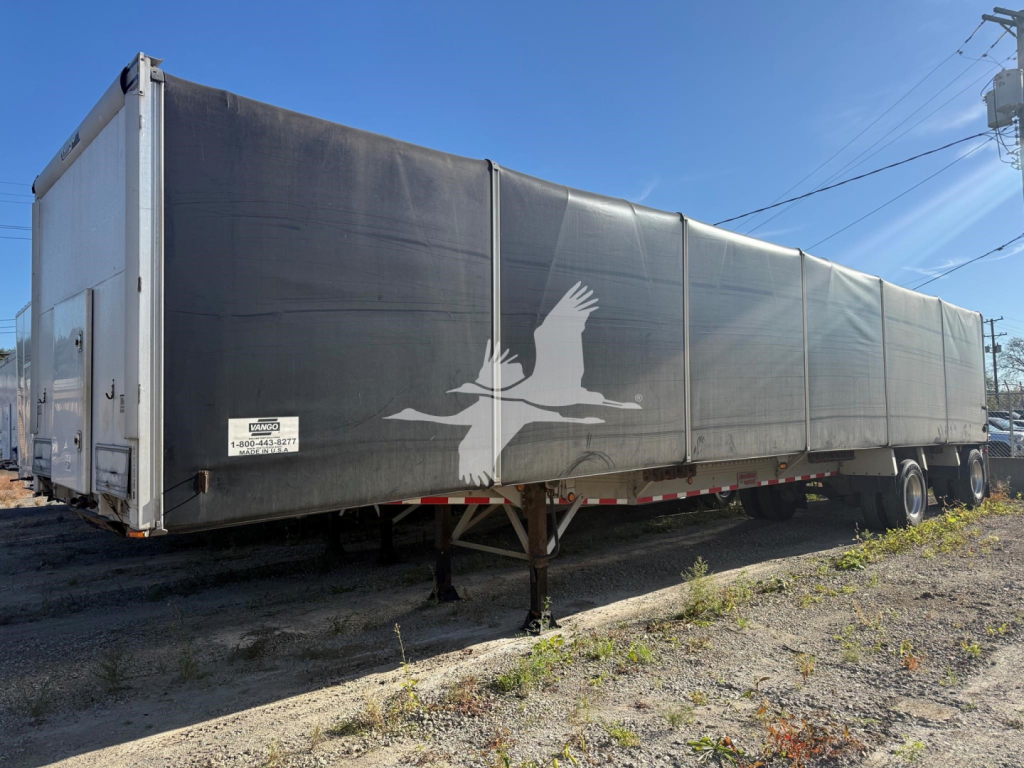
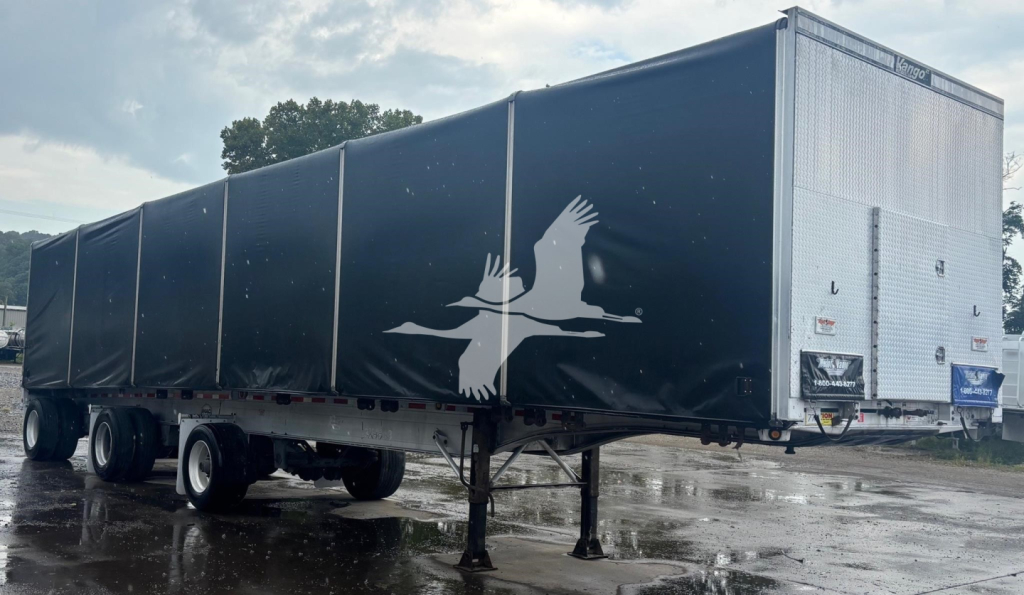
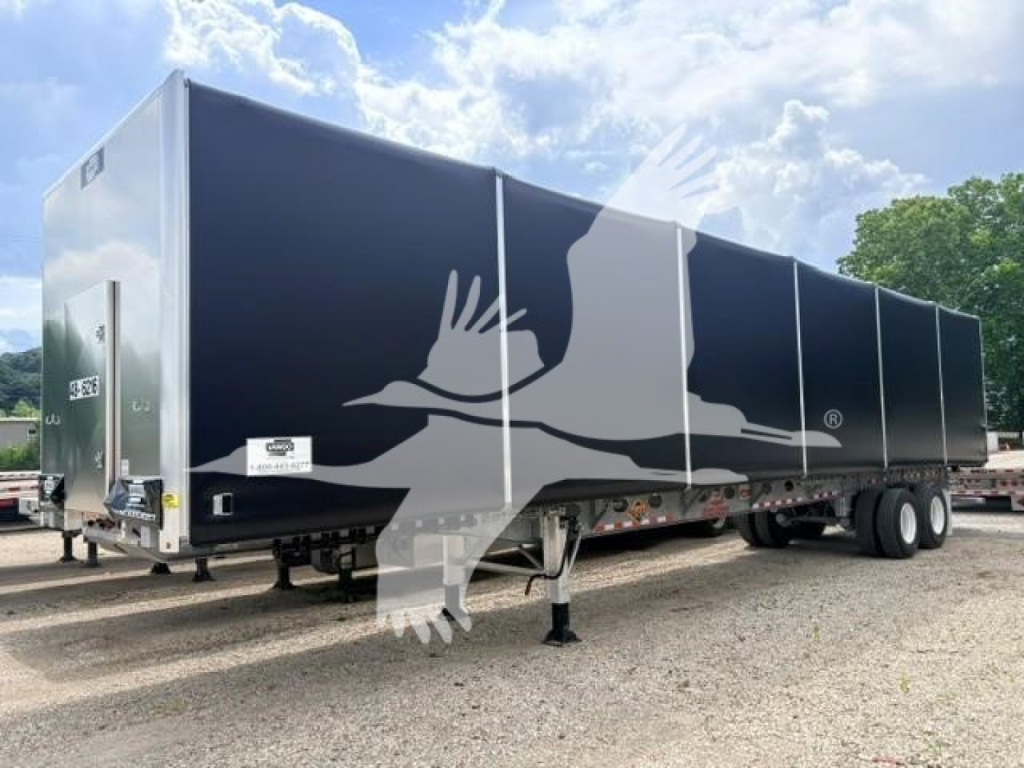
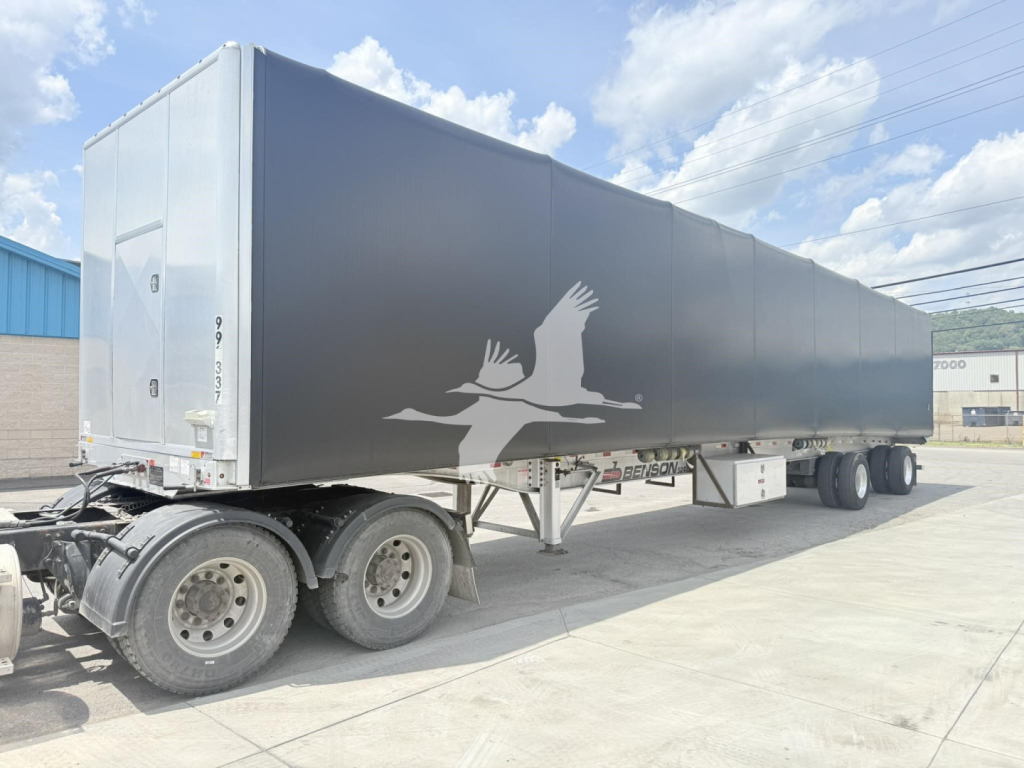
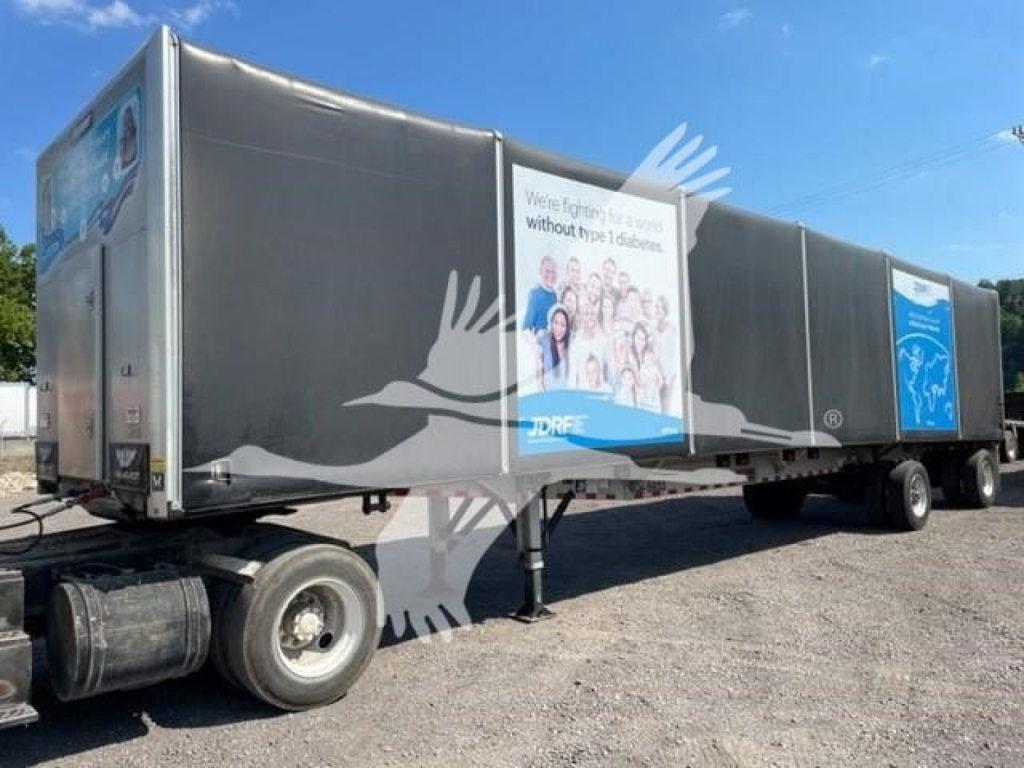
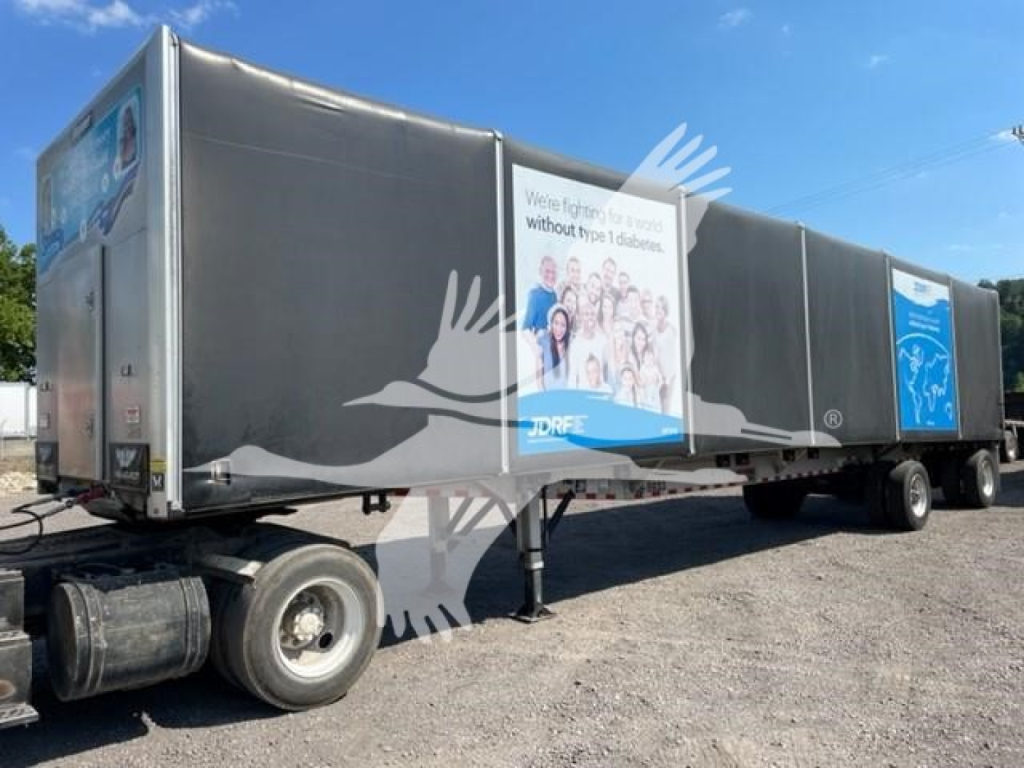
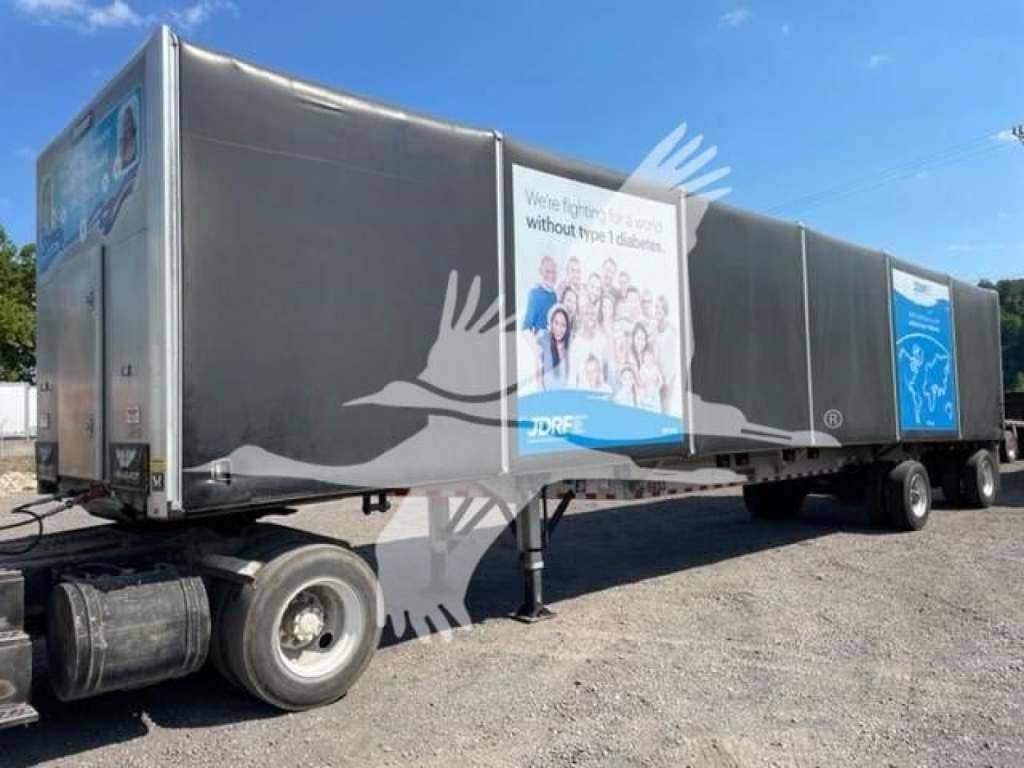
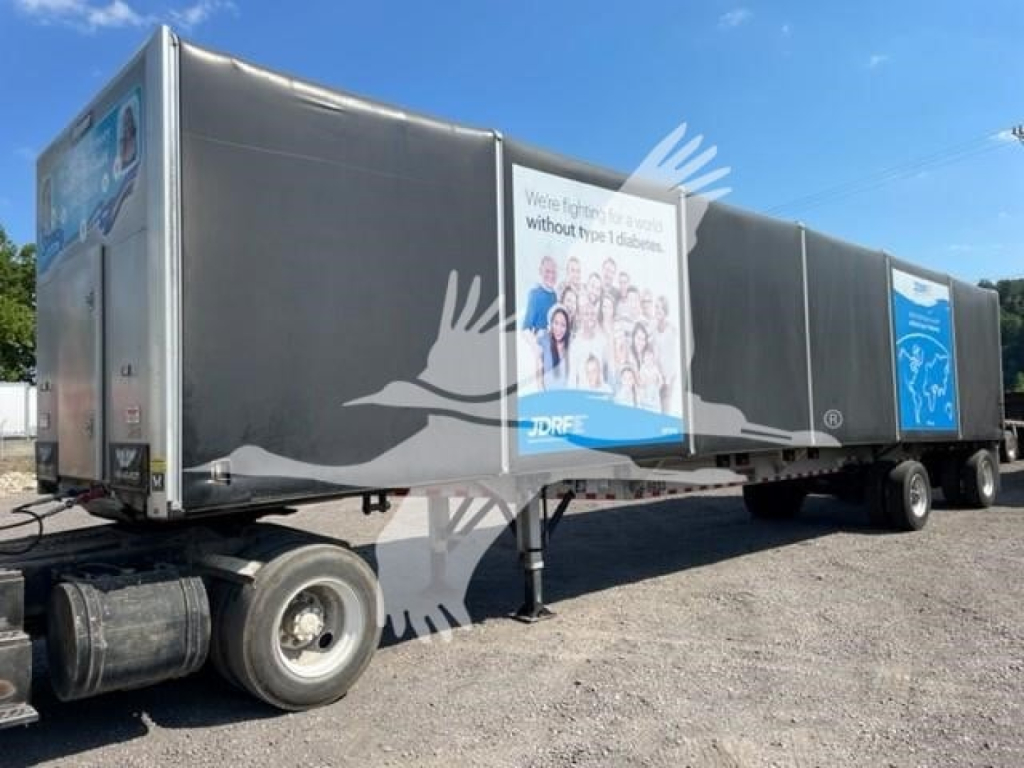
Selling a curtainside trailer? List your curtainside trailer for sale and reach thousands of commercial buyers.
Curtainside Trailers in Pennsylvania
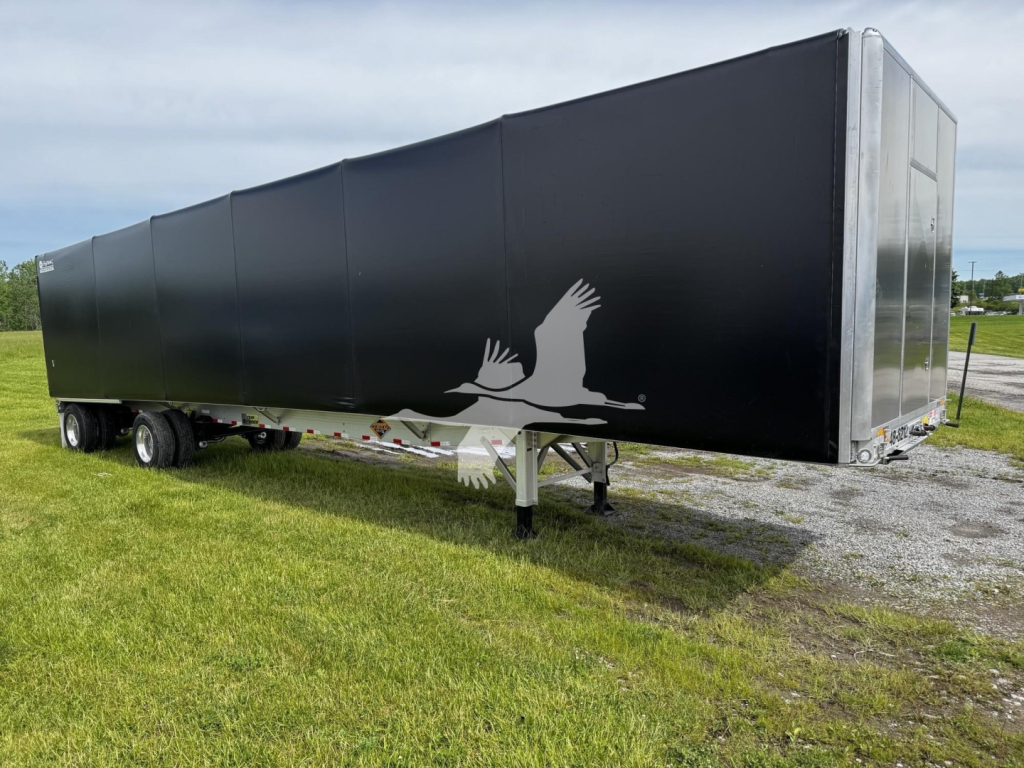
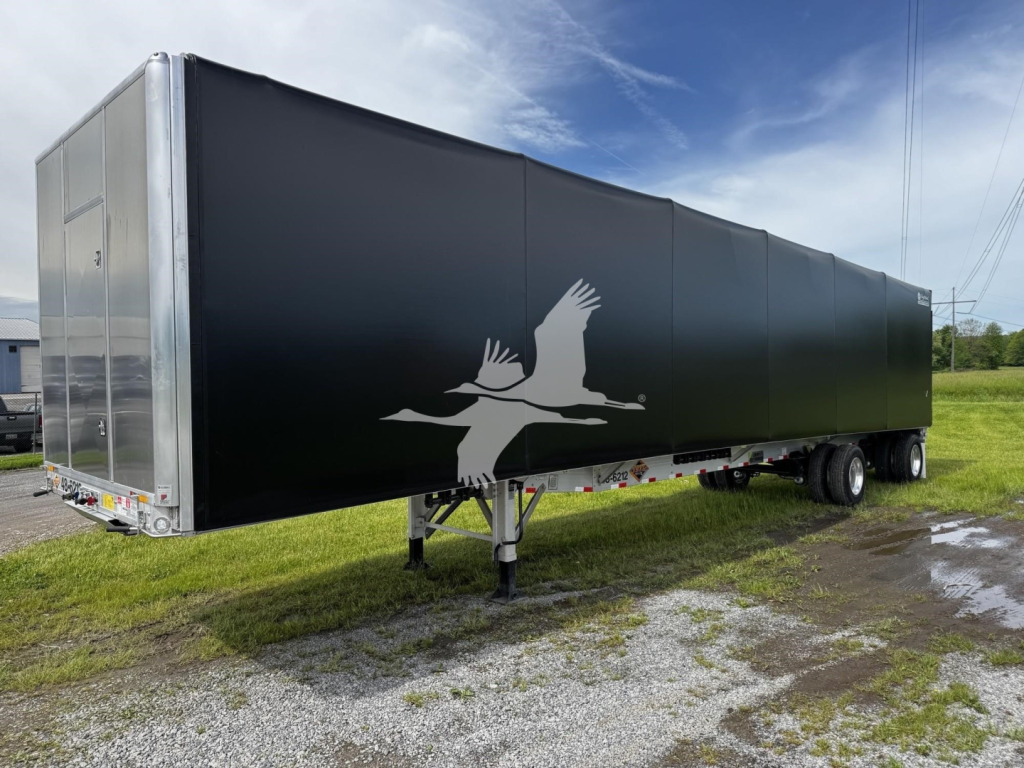
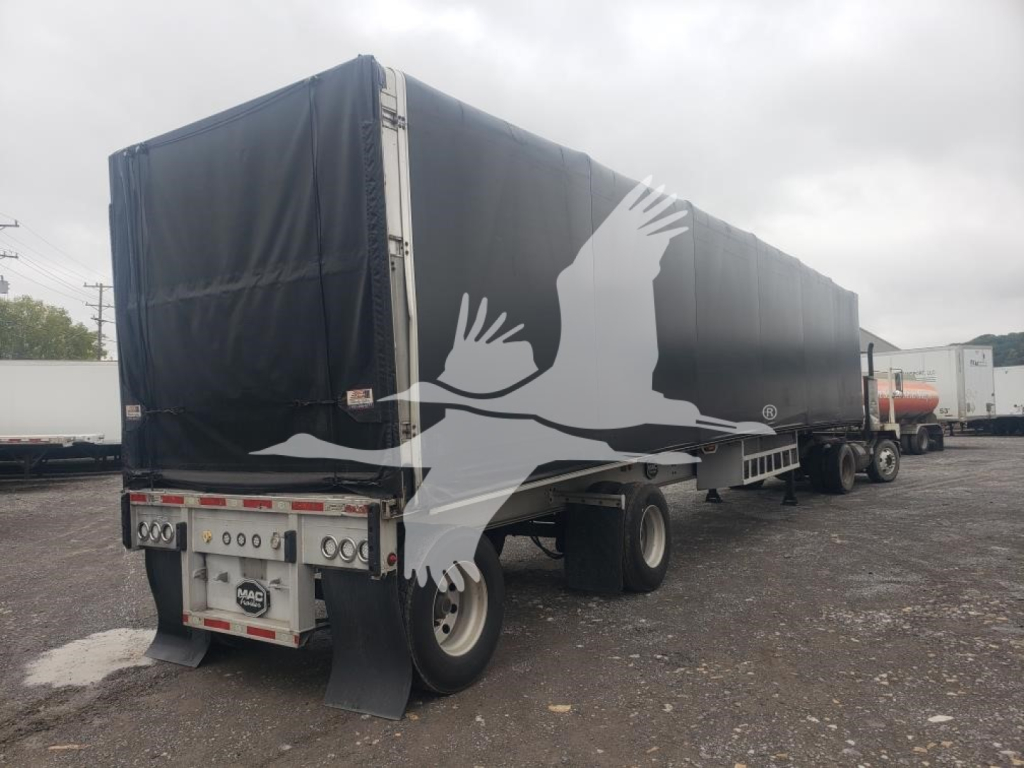
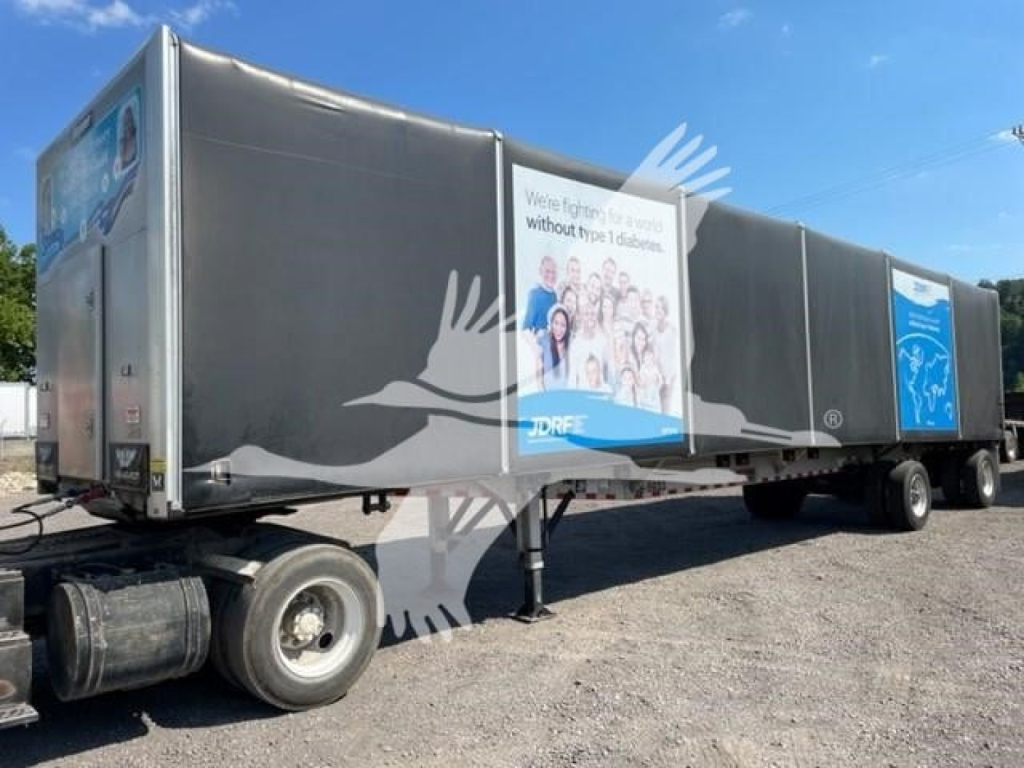
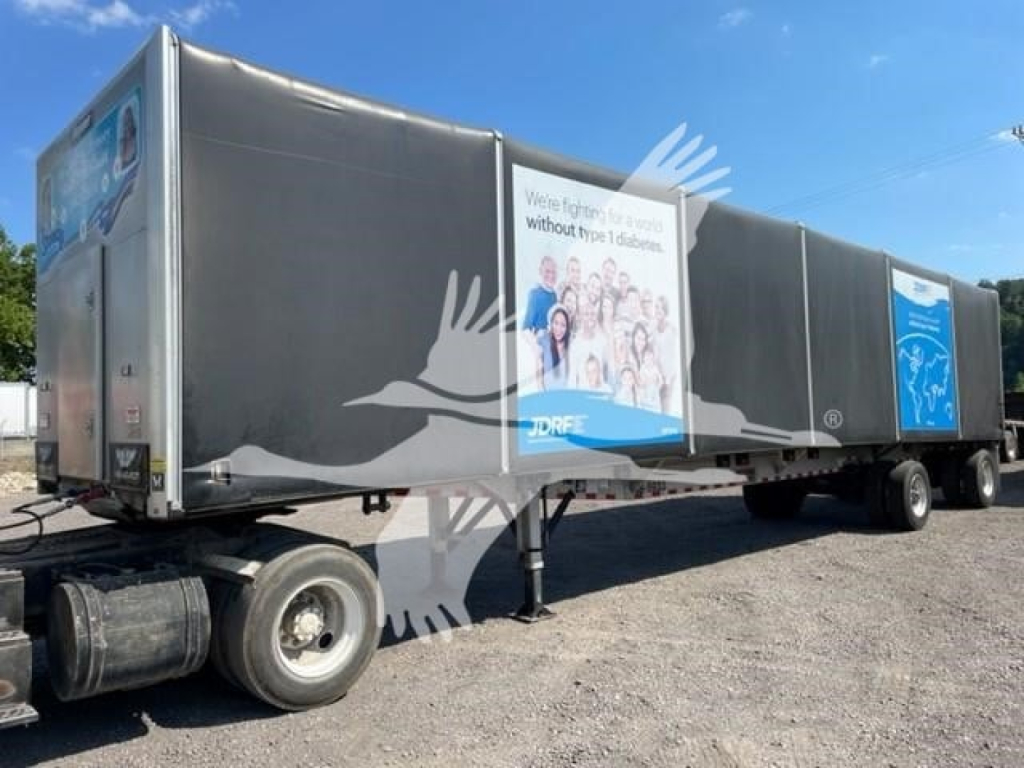
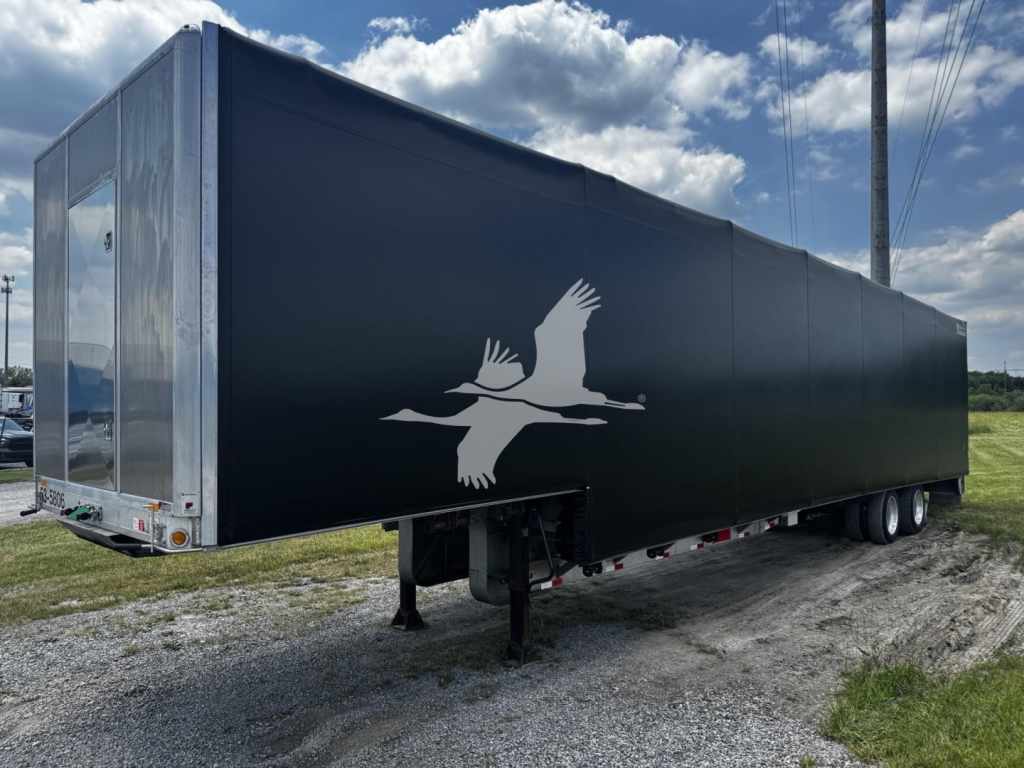
A lot of the buying decision comes down to the base trailer under the curtain system. Common specs in this class include 48-foot by 102-inch dimensions, aluminum construction, aluminum floors, nailer strips, bulkheads with man doors, roadside winch tracks, sliding winches, and coil package reinforcement. Air ride suspension is typical because it helps protect sensitive or higher-value cargo, and spread or fixed-spread axle setups are common on flatbed-based curtainside units. Buyers should pay close attention to kingpin setting, crossmember spacing, arch height, and interior clearance under the tarp system. Those details affect bridge law compliance, forklift loading, coil hauling capability, and how easily the trailer fits your usual freight profile.
The curtain or tarping system deserves as much scrutiny as the running gear. Brands and hardware matter because tarp systems see constant wear from daily opening, closing, and weather exposure. Check the bows, rollers, rear closure, tarp condition, track alignment, and how smoothly the system travels front to rear. Also look at practical freight-handling details such as bulkhead chain racks, pipe spools, toolbox space, disc or drum brake condition, tire size, and wheel material. A curtainside trailer can save labor compared with hand tarping, but only if the system is square, seals reasonably well, and can be operated quickly at the dock or jobsite.
For many fleets, the main question is not simply curtainside versus flatbed. It is how much protection you need without losing loading flexibility and payload. Aluminum curtainside and Conestoga-style trailers are popular because they keep tare weight down while still giving shippers a cleaner, more secure presentation than an open deck. Buyers hauling steel, packaged lumber, finished products, or weather-sensitive freight should compare floor type, securement layout, bulkhead design, suspension condition, and any signs of frame stress around concentrated load areas. When matched to the right lanes, a curtainside trailer can broaden the kind of freight you can accept while reducing tarp-related downtime and cargo exposure.
Frequently Asked Questions about Curtainside Trailers in Pennsylvania
What is the difference between a curtainside trailer and a Conestoga trailer?
In the used market, these terms are often used interchangeably, but they are not always exactly the same. A traditional curtainside trailer usually has a more enclosed body with side curtains that slide for loading, while a Conestoga-style trailer is commonly a flatbed with a rolling tarp system that covers the deck and retracts for side or overhead access. Many listings in this category are flatbed-based Conestoga units, so buyers should confirm the trailer body style, side access, interior clearance, and securement setup before comparing units.
What freight is a curtainside trailer best suited for?
Curtainside trailers are well suited for freight that needs protection from rain, road spray, and dirt but still benefits from side loading or crane loading. Common examples include palletized building materials, bagged products, crated equipment, finished metal products, and some machinery. They are also useful for customers that want the loading flexibility of a flatbed without the labor and inconsistency of manual tarping. The trailer still needs the right securement equipment for the cargo, especially when hauling steel, coils, or dense industrial freight.
What specs matter most when buying a used curtainside trailer?
The most important specs are usually trailer length and width, aluminum or steel construction, axle configuration, suspension type, floor condition, kingpin setting, crossmember spacing, and the condition of the curtain or tarp system. On flatbed-based units, buyers should also inspect nailer strips, winch tracks, sliding winches, coil package reinforcement, bulkhead design, and overall frame condition. The tarp system should open and close smoothly, the bows and tracks should be straight, and the trailer should show no unusual wear around concentrated load areas.
Are aluminum curtainside trailers a good choice for Pennsylvania hauling?
Aluminum trailers are a strong fit for many Pennsylvania operations because they help preserve payload on regional and multi-stop freight while resisting corrosion better than heavier steel designs. That can be useful in areas where trailers see winter road treatment, changing weather, and a mix of highway and local delivery work. The tradeoff is that buyers still need to inspect the floor, crossmembers, side rails, and suspension mounts carefully, because lightweight construction only pays off if the trailer has been used within its intended freight profile.
Does a curtainside trailer replace the need for tarping labor?
It often reduces tarping time and driver effort significantly, but it does not eliminate the need for proper cargo securement or routine system maintenance. A rolling tarp or curtain system can speed loading, protect freight, and improve consistency from one stop to the next, but the hardware must stay aligned and the tarp material must remain serviceable. If the system is worn, binds in the track, or does not seal well, the labor savings disappear quickly. Buyers should treat the curtain system as a major mechanical component, not just an accessory.