
Curtainside Trailers For Sale in Kansas
Have curtainside trailer to sell? List it here to reach thousands of buyers.
Curtainside Trailers in Kansas
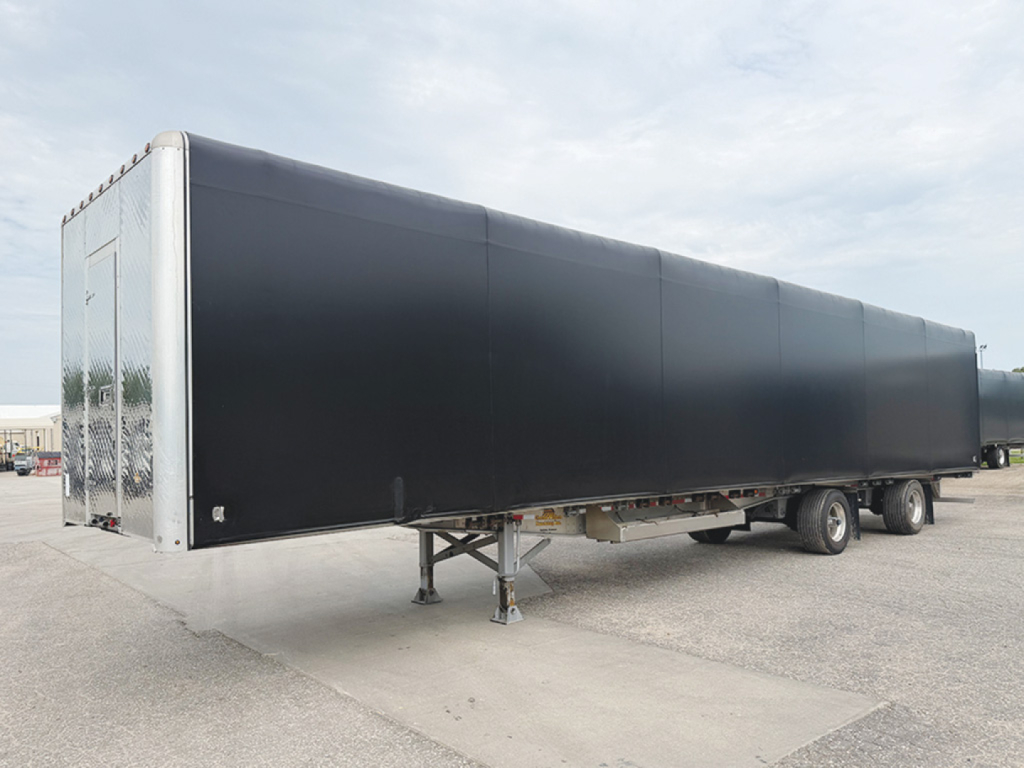
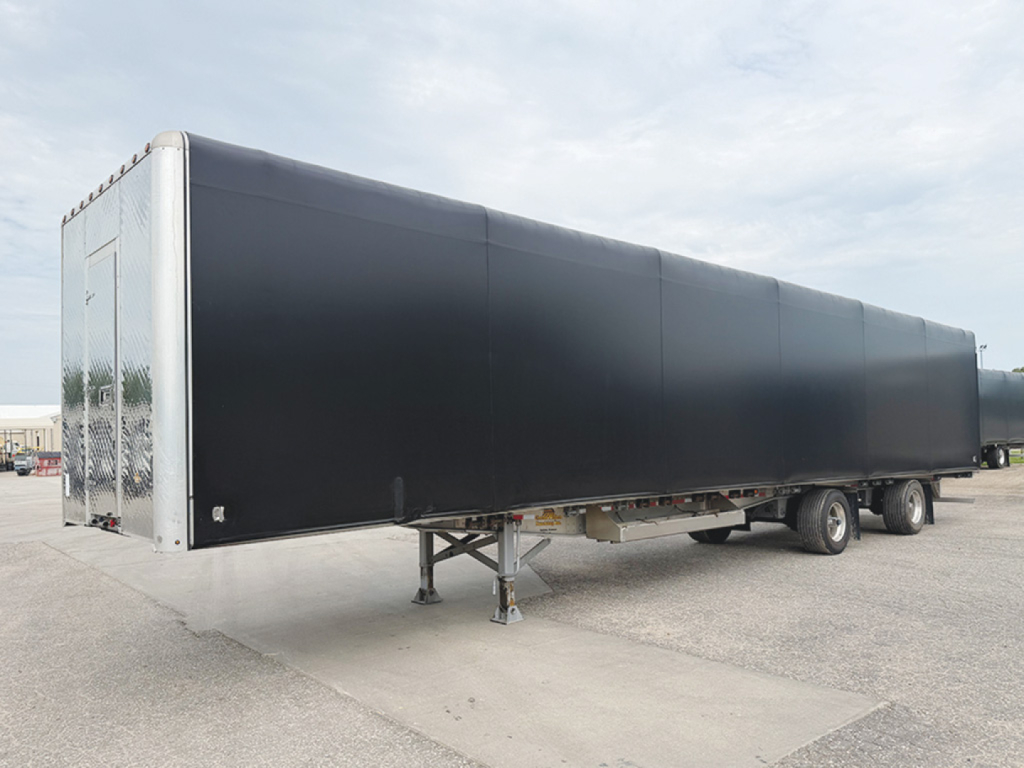
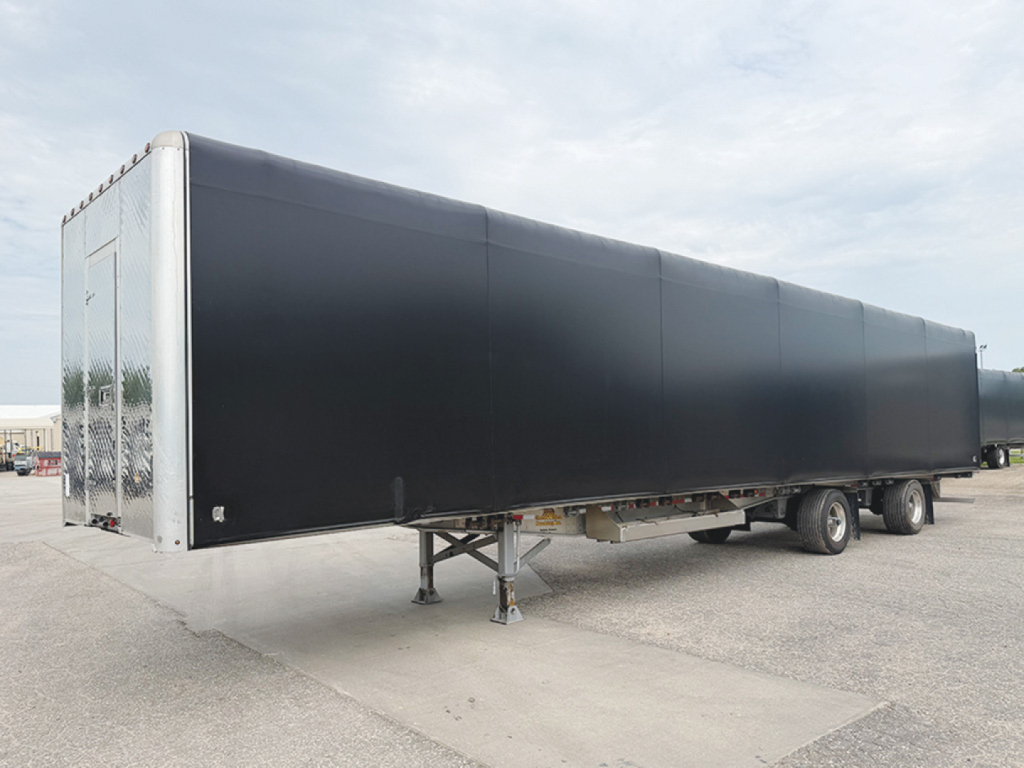
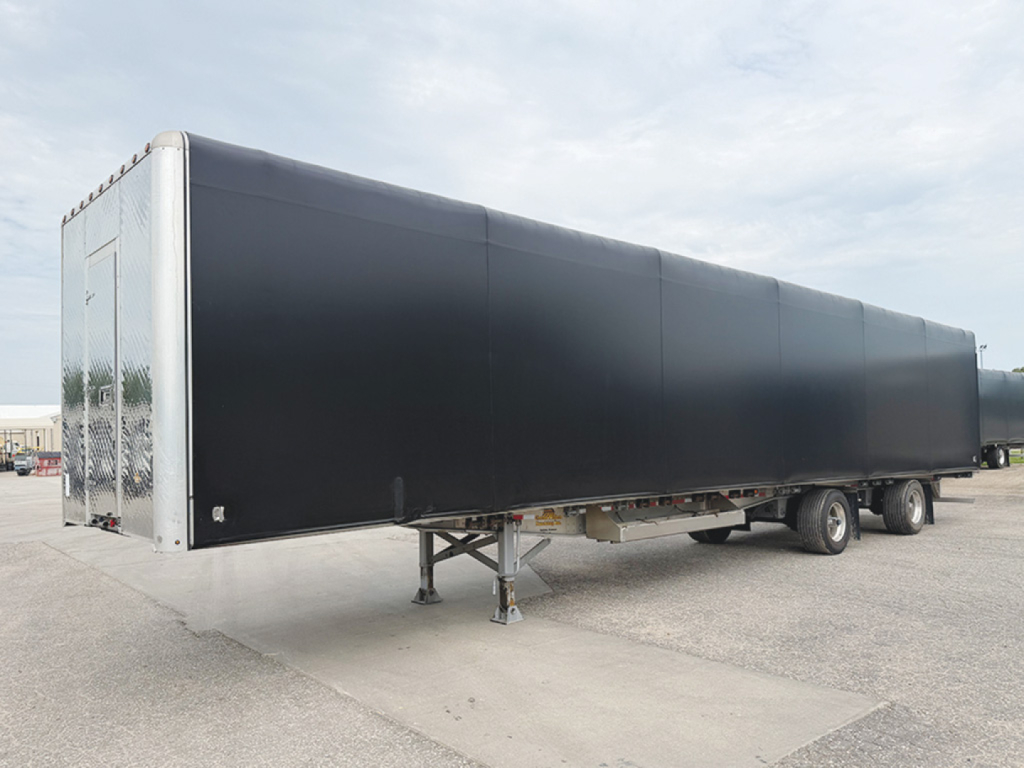
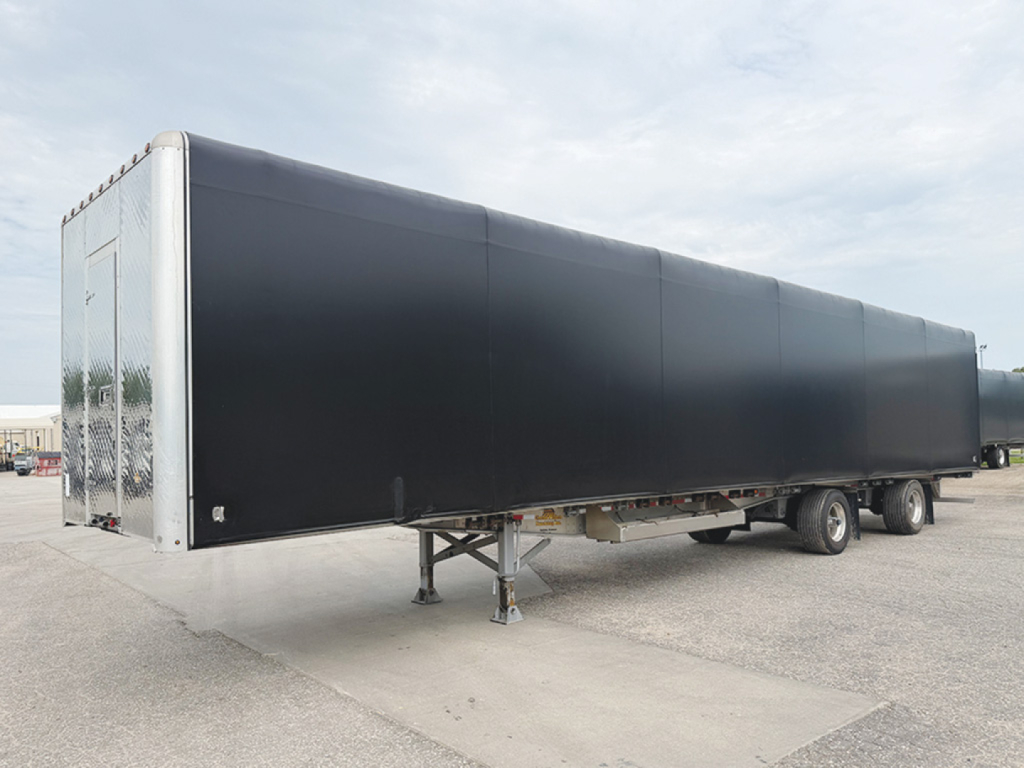
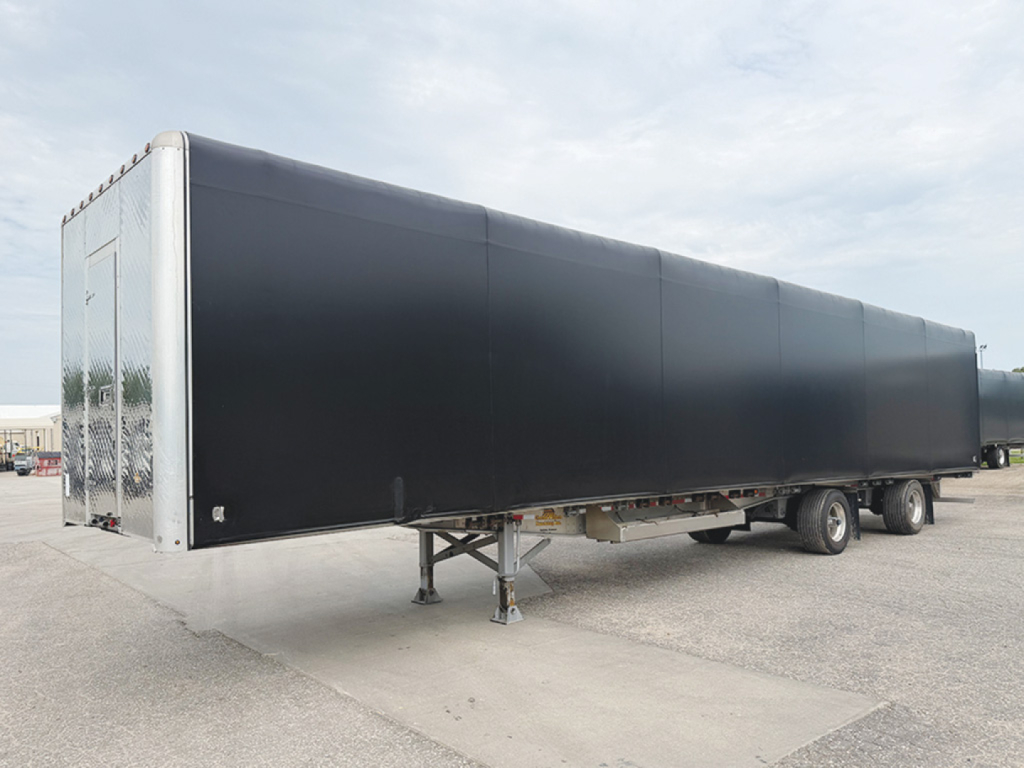
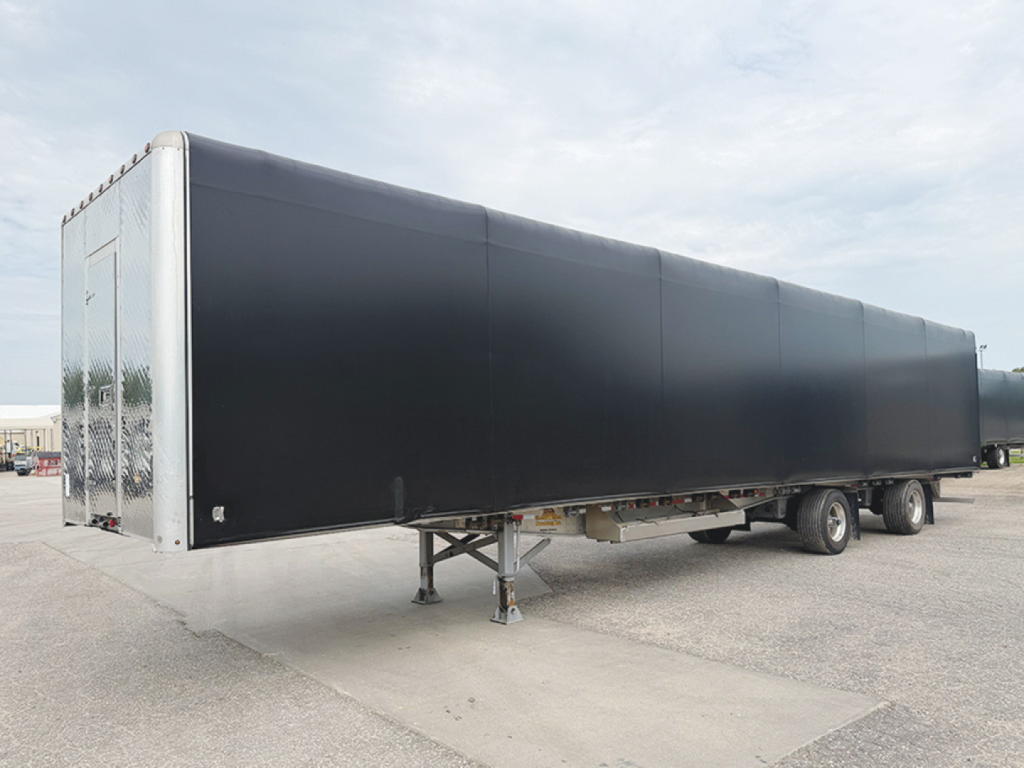
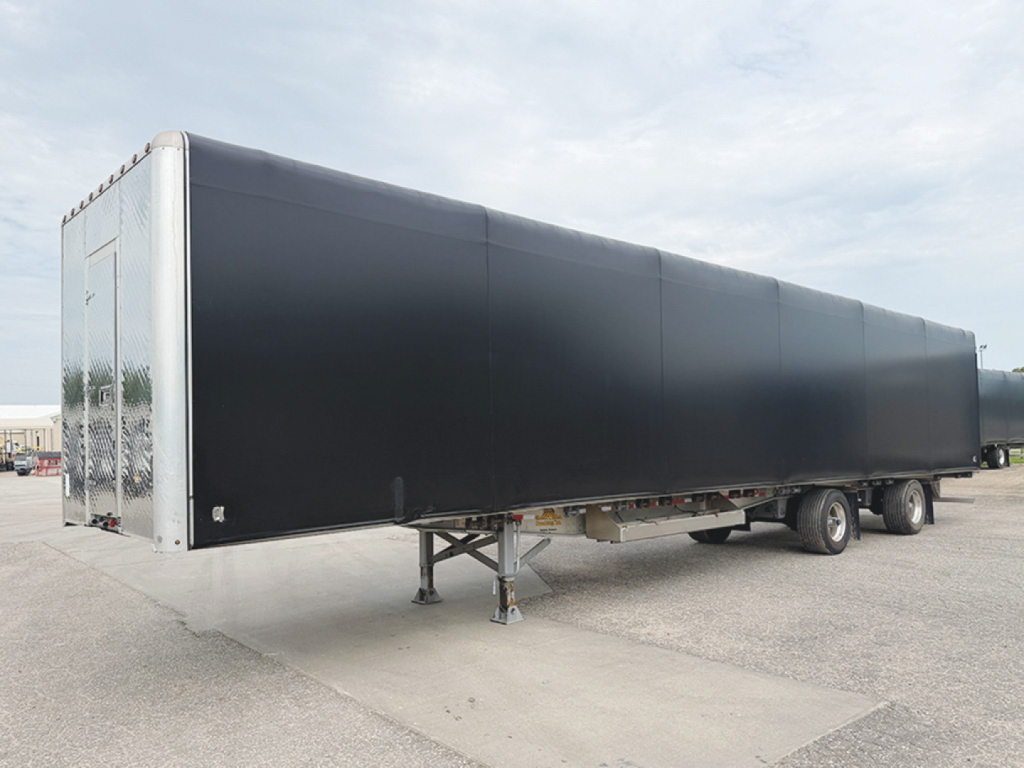
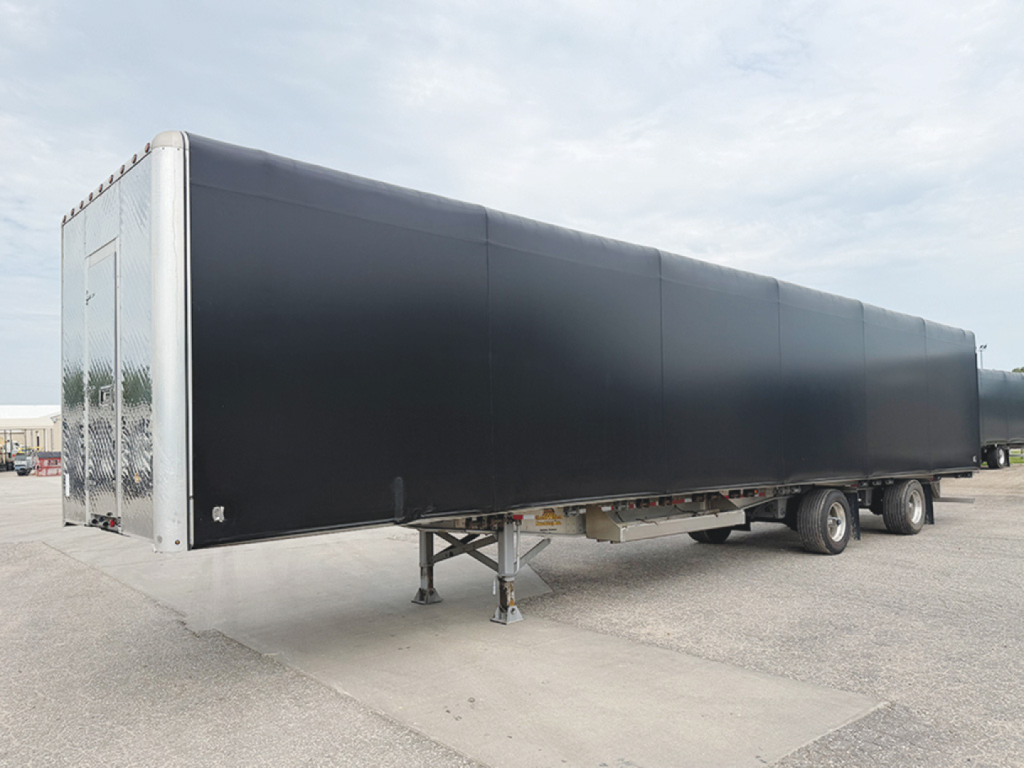
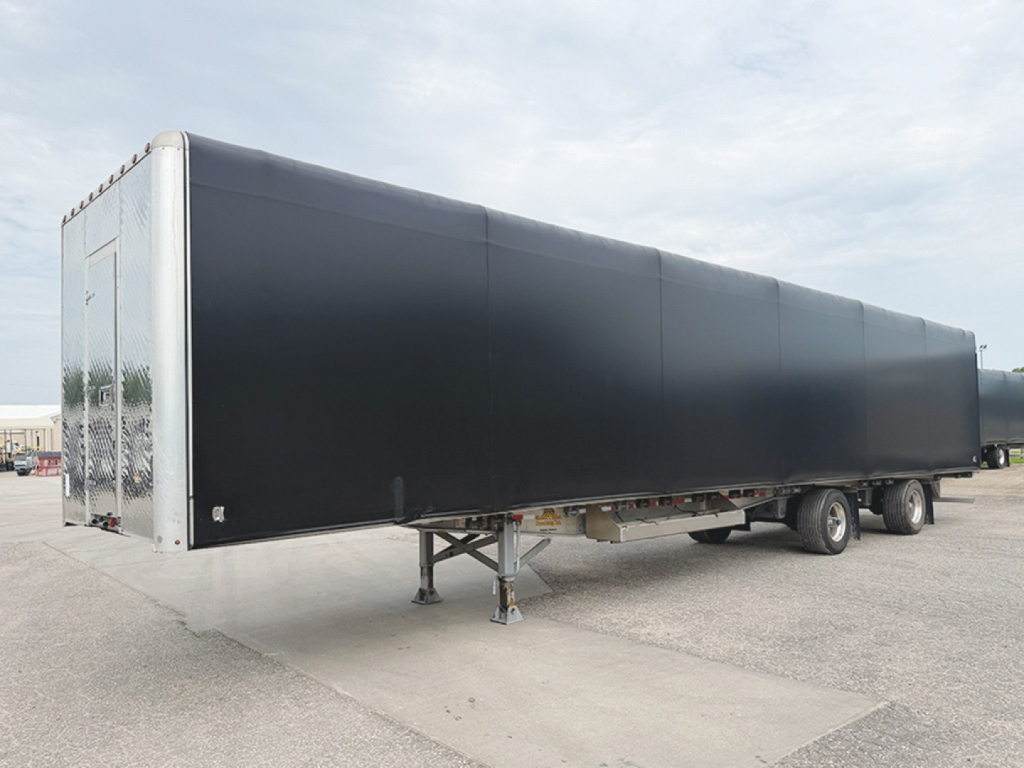
Most buyers start with deck and curtain configuration. A common setup is a 53-foot by 102-inch trailer with a full sliding curtain system, front bulkhead, and rear swing or roll-up door arrangement. Aluminum construction is popular because it cuts tare weight and helps maximize payload, while steel components are often used in high-wear areas such as the bulkhead, thresholds, and securement hardware. If you haul concentrated freight, look closely at floor ratings, nail strips, coil package equipment, and the placement of winch tracks. Curtainsides may look like vans from the outside, but the understructure and securement package matter as much as they do on a flatbed.
Axle layout and ride spec affect both legal payload and day-to-day handling. Air ride spread axle configurations are common on curtainsides because they help with load stability and dock approach while supporting heavier freight. Tire inflation systems, super singles or duals, wheel material, and brake type all influence operating cost and service intervals. Buyers should also inspect the curtain tracks, rollers, tensioners, buckles, and roof bows, since those parts see constant use and directly affect how fast the trailer can be loaded and sealed. A damaged curtain or misaligned track can create just as much downtime as a floor or suspension issue.
The right curtainside trailer depends on how often you side-load, how dense your freight is, and how much securement flexibility you need. Some operations need a clean, lightweight platform for palletized commodities. Others need bulkheads with doors, double spool securement, sliding winch tracks, and coil-rated equipment for more demanding freight. A well-spec'd curtainside saves labor at each stop, reduces cargo exposure, and gives shippers many of the advantages of a dry van without giving up side access.
Frequently Asked Questions about Curtainside Trailers in Kansas
What is a curtainside trailer used for?
A curtainside trailer is used for freight that benefits from full side access but still needs weather protection. Common cargo includes palletized building materials, packaged agricultural products, bagged goods, machinery, steel products, and other loads handled by forklift from the side. It is also called a curtain van or curtainside flatbed in some specifications, depending on the deck and body design.
What should I inspect first on a used curtainside trailer?
Start with the curtain system, deck condition, and securement package. Check the curtain fabric for tears, patched areas, UV damage, and proper tension. Inspect the tracks, rollers, buckles, and latches for smooth operation and alignment. Then look at the floor, crossmembers, bulkhead, axle suspension, brakes, and tire condition. If the trailer is advertised with winch tracks, coil package equipment, or a tire inflation system, verify that those features are complete and functional.
Are curtainside trailers better than dry vans for forklift loading?
For side loading, a curtainside trailer is usually much more efficient than a dry van. The curtain opens the full side of the trailer, which allows forklifts to place freight directly along the deck without backing through the rear. That speeds loading, helps with mixed stop freight, and reduces handling time. A dry van still makes sense for fully enclosed, high-cube freight, but it does not offer the same side access.
Do curtainside trailers haul heavy freight like steel coils or dense building products?
Many curtainside trailers can be spec'd for dense freight, but capacity depends on the frame, floor rating, axle spread, and securement equipment. Buyers hauling steel, machinery, or concentrated pallet loads should look for coil package features, reinforced flooring, bulkhead strength, winch tracks, and appropriate axle ratings. The curtain itself is not the primary restraint system, so the trailer must have the right tie-down and load securement hardware for the freight class.
What specs matter most when buying a curtainside trailer in Kansas?
The most important specs are trailer length and width, tare weight, axle configuration, suspension type, floor construction, curtain system design, and cargo securement setup. In Kansas, many buyers also pay attention to durability on long regional runs, ease of side loading in wind, and serviceability of tires, brakes, and inflation systems. A 53-foot aluminum trailer with air ride spread axles is a common choice when payload, versatility, and ride quality all matter.