
Benson Curtainside Trailers For Sale
Shop Benson curtainside trailers and Conestoga-style trailer options built for protected freight, fast side access, and flatbed versatility.
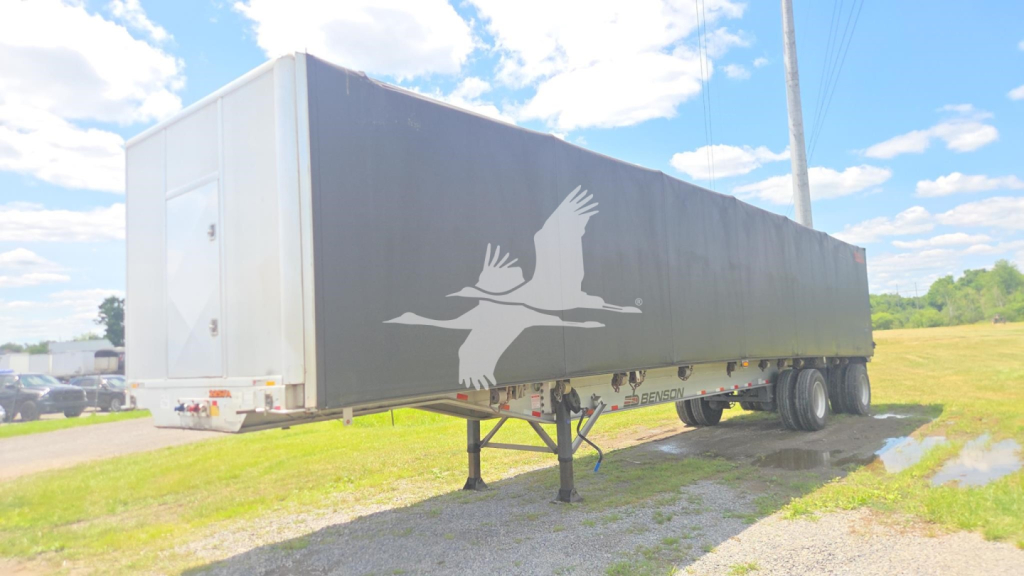
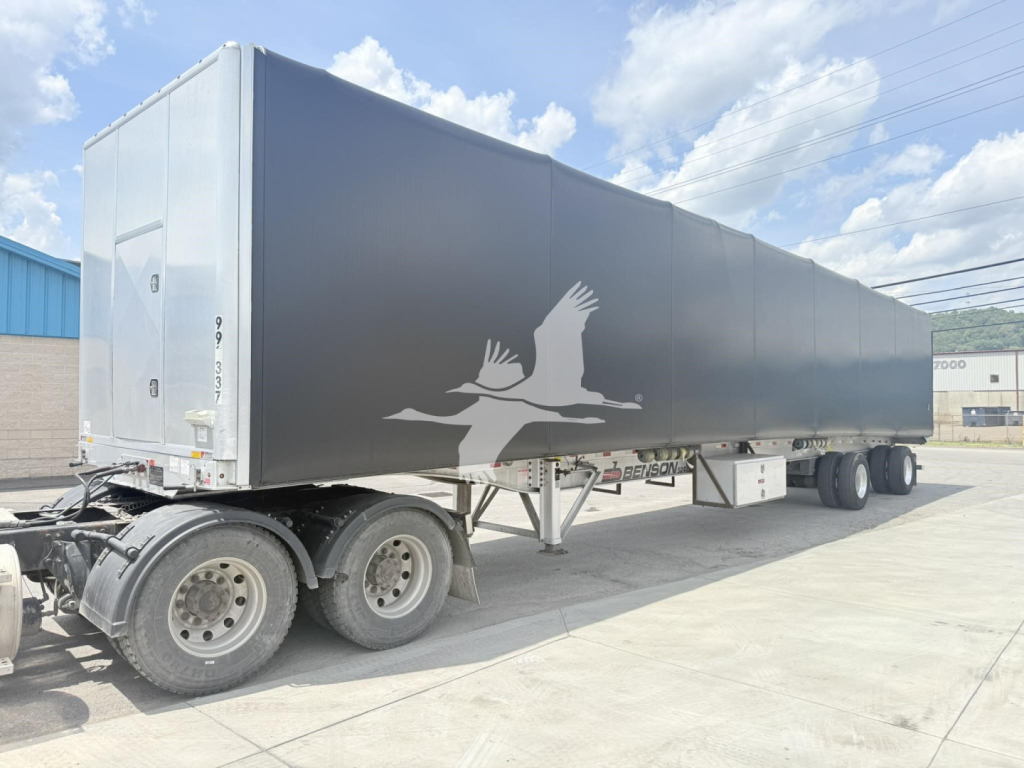
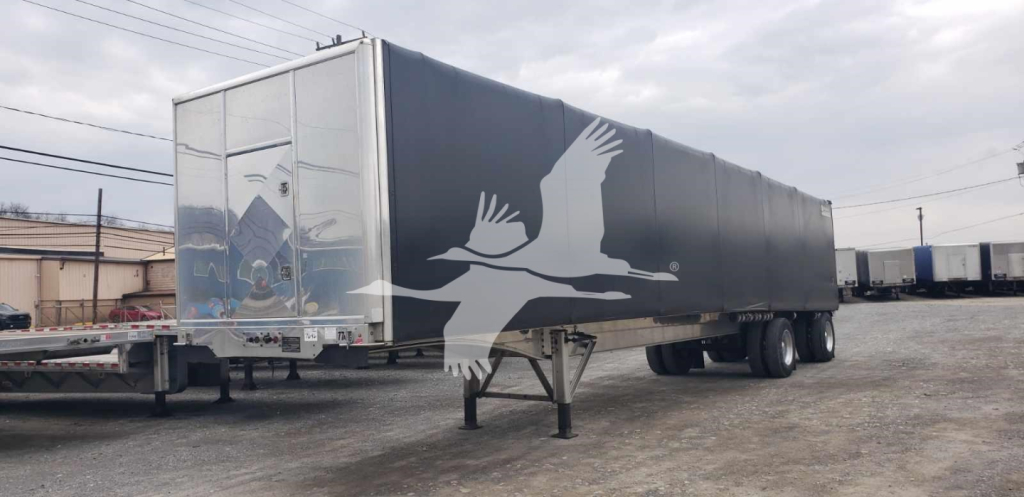

Selling a benson curtainside trailer? List your benson curtainside trailer for sale and reach thousands of commercial buyers.
Benson Curtainside Trailers
On Benson equipment, pay close attention to the trailer foundation first. Frame material, crossmember spacing, side rail construction, and floor type will tell you how the trailer will hold up under your freight mix. Aluminum construction is a major selling point for buyers focused on tare weight and payload, but you still want to confirm the trailer has the right support for concentrated loads, coil package requirements, and frequent forklift traffic. Common specs in this class include 48-foot length, 102-inch width, tandem air ride suspension, sliding winches, winch tracks, chain racks, bulkheads, and aluminum wheels or mixed aluminum-steel wheel setups. Kingpin setting, axle spread, and suspension position also matter if the trailer will run in multiple states with different bridge-law considerations.
The curtain or Conestoga system deserves the same level of scrutiny as the trailer itself. Track condition, rear crank operation, roller wear, tarp fabric condition, bow alignment, and seal integrity all affect daily uptime. A trailer with a good chassis but a worn tarp system can quickly turn into a maintenance item if the curtain binds, leaks, or will not open smoothly in cold weather or dirty yard conditions. Buyers should also look at inside clearance, bulkhead design, scuff protection, and how the system handles odd-height freight. If the freight mix includes lumber, bagged materials, crated freight, or finished products, side access and weather protection can improve turnaround while reducing cargo claims compared with open-deck hauling.
For most operations, the right Benson curtainside trailer is the one that matches freight density, loading method, and route profile. Air ride suspension is preferred for more sensitive cargo and better ride quality, while details like nailing strips, pipe spools, coil package equipment, and landing gear spec can make a real difference in daily usability. Buyers comparing listings should look beyond year model and focus on structural condition, tarp system operation, tire and brake life, and how the trailer is already spec'd for their lanes. A well-configured Benson in this category can serve as a practical middle ground between a standard flatbed and a dry van, giving carriers flexible loading access without giving up cargo protection.
Frequently Asked Questions about Benson Curtainside Trailers
What is the difference between a Benson curtainside trailer and a Conestoga trailer?
In many listings, the terms are used interchangeably when the trailer is a flatbed chassis fitted with a rolling tarp enclosure. A traditional curtainside trailer usually has side curtains that slide or buckle open along a more integrated body structure, while a Conestoga-style trailer uses a rolling frame and tarp system that retracts to expose the deck. For a buyer, the important issue is not just the label but how the enclosure opens, how much side and top access it provides, and whether the trailer still functions like a flatbed for securement and loading.
What freight is a Benson curtainside trailer best suited for?
This category is commonly used for palletized building materials, packaged steel, machinery, dimensional freight, bagged products, and other cargo that needs weather protection but benefits from side loading. It is a strong fit for freight that is difficult to load through swing doors or that would otherwise require repeated tarping on an open deck. The combination of side access and enclosed protection can reduce loading time and help prevent moisture-related cargo issues.
What specs matter most when comparing Benson curtainside trailers for sale?
The most important specs usually include trailer length and width, frame and floor construction, suspension type, axle configuration, kingpin setting, inside clearance, and the condition of the tarp or curtain system. Buyers should also review crossmember spacing, coil package equipment, bulkhead design, winch track layout, and wheel and tire setup. These details affect payload, loading compatibility, bridge compliance, and long-term durability far more than the year model alone.
Is an aluminum Benson curtainside trailer a good choice for heavy freight?
It can be, provided the trailer is spec'd correctly for the load. Aluminum construction helps reduce tare weight and increase payload, which is attractive for many operations, but heavy or concentrated cargo still requires the right floor, crossmember spacing, and reinforcement package. If the trailer will haul steel, coils, or frequent forklift loads, buyers should verify that the structural spec matches that application rather than assuming all aluminum trailers are built the same.
What should I inspect on a used Benson curtainside trailer before buying?
Start with the chassis and understructure, including side rails, crossmembers, floor condition, landing gear, suspension, brakes, hubs, and tire wear. Then inspect the enclosure system closely by checking tarp fabric, rollers, tracks, bows, rear crank hardware, and how smoothly the system opens and closes. Water intrusion, torn fabric, bent framework, and binding track components can turn a usable trailer into a repair project, so operational condition is just as important as cosmetic appearance.