
2027 Trailers For Sale in Ohio
Browse 2027 trailers for sale in Ohio, including flatbeds, tags, and specialty trailers with specs on length, axle setups, suspension, and payload.
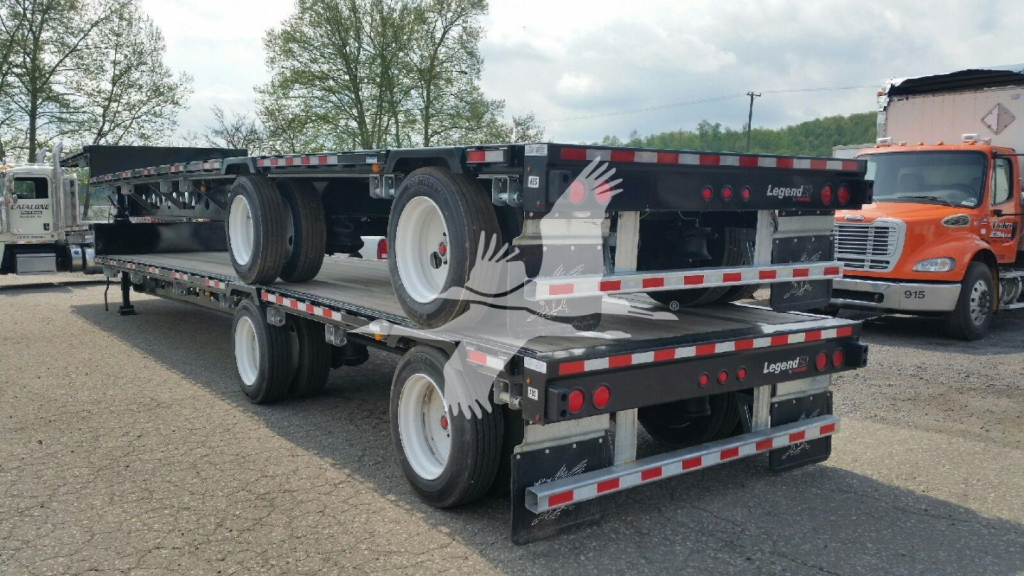
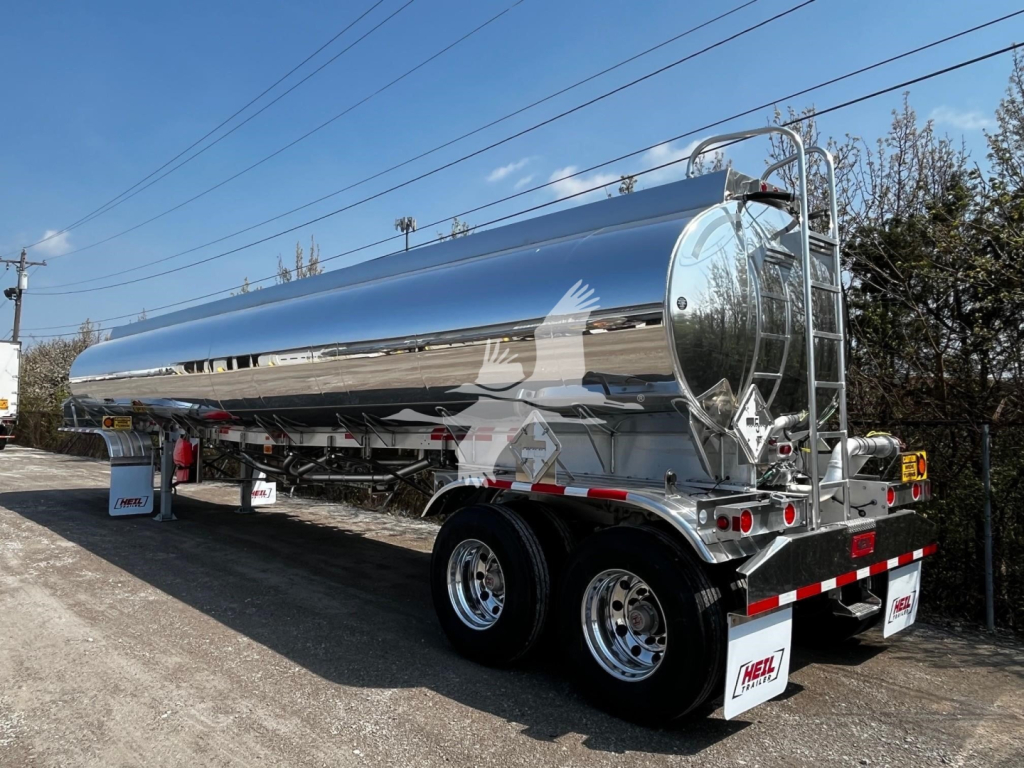
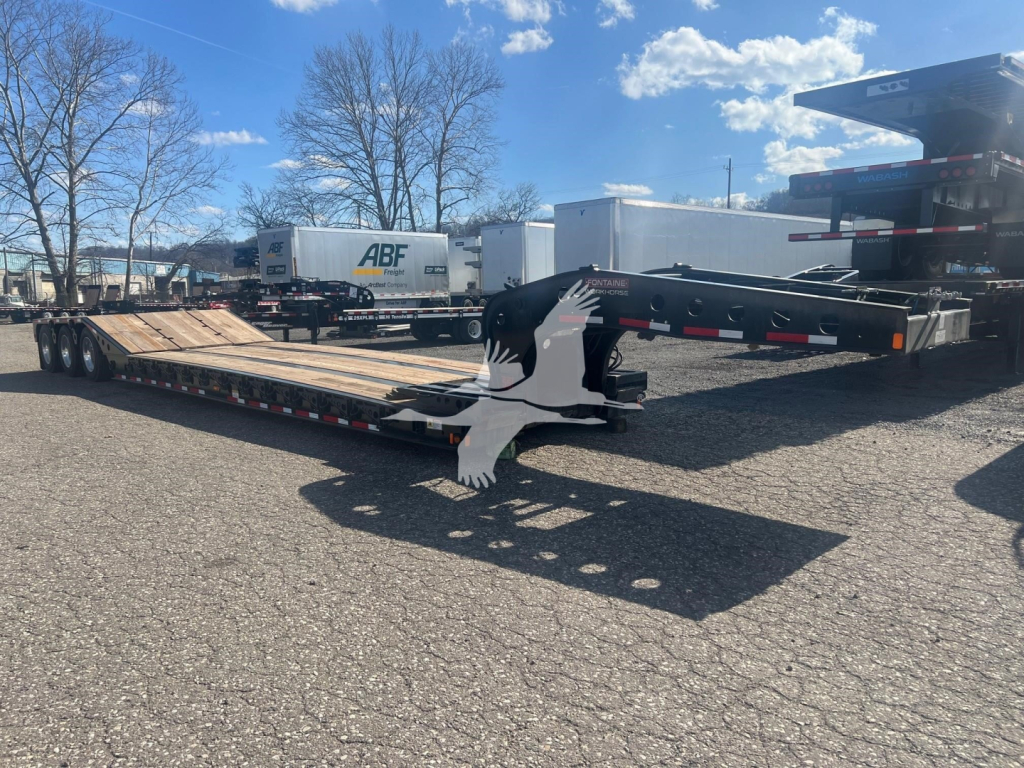
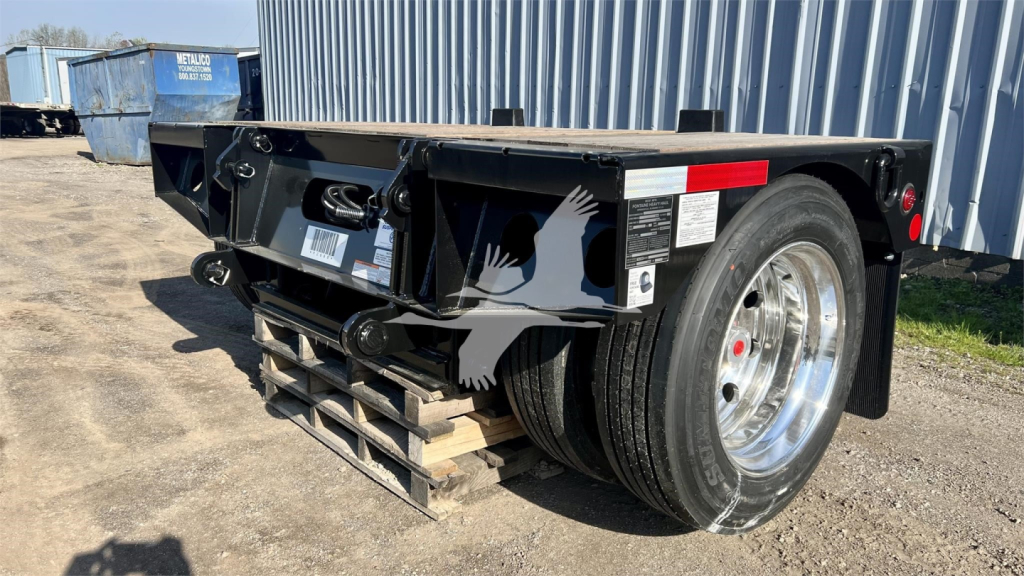
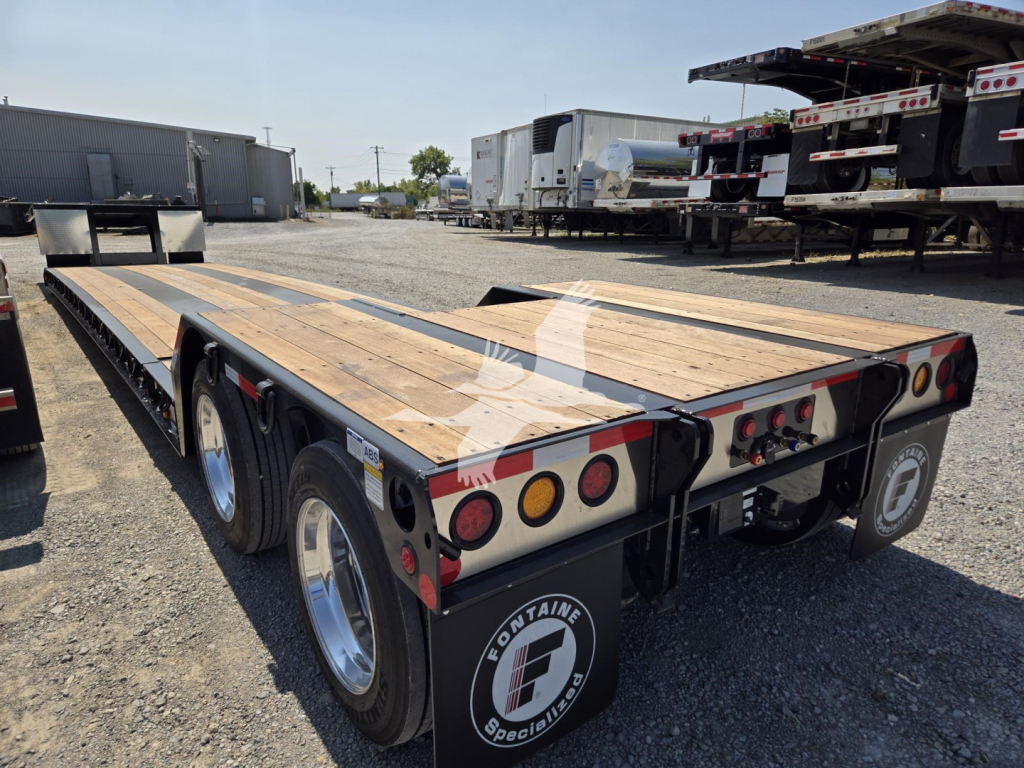
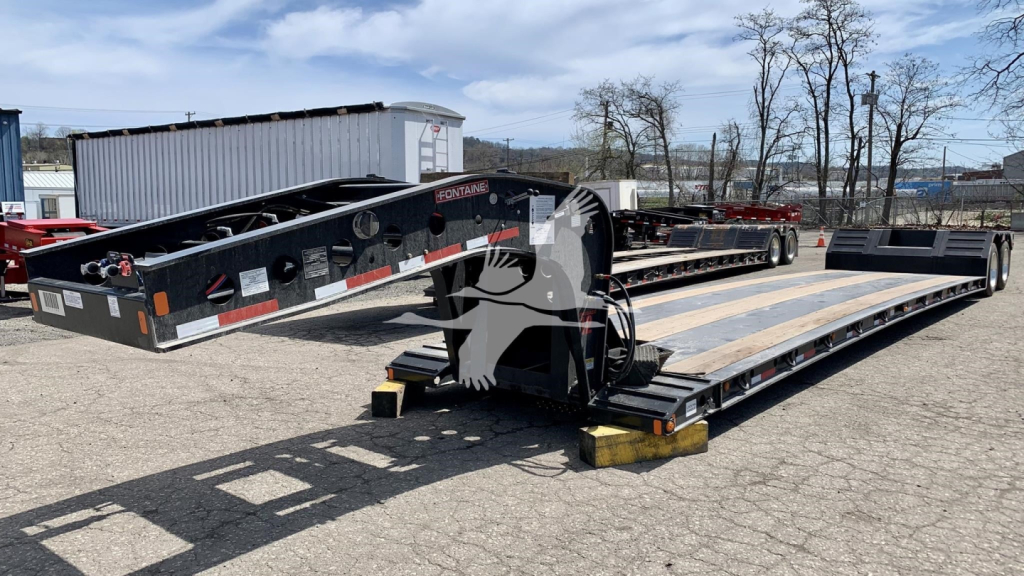
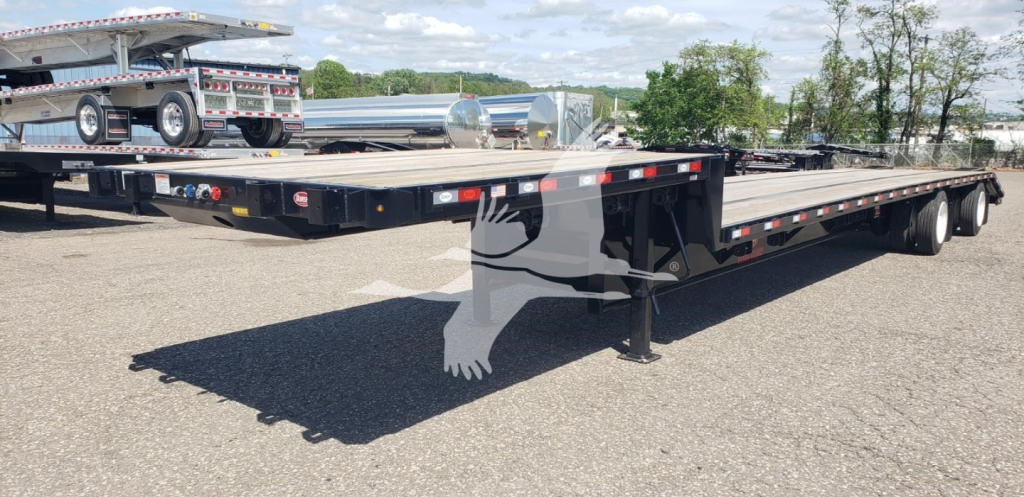
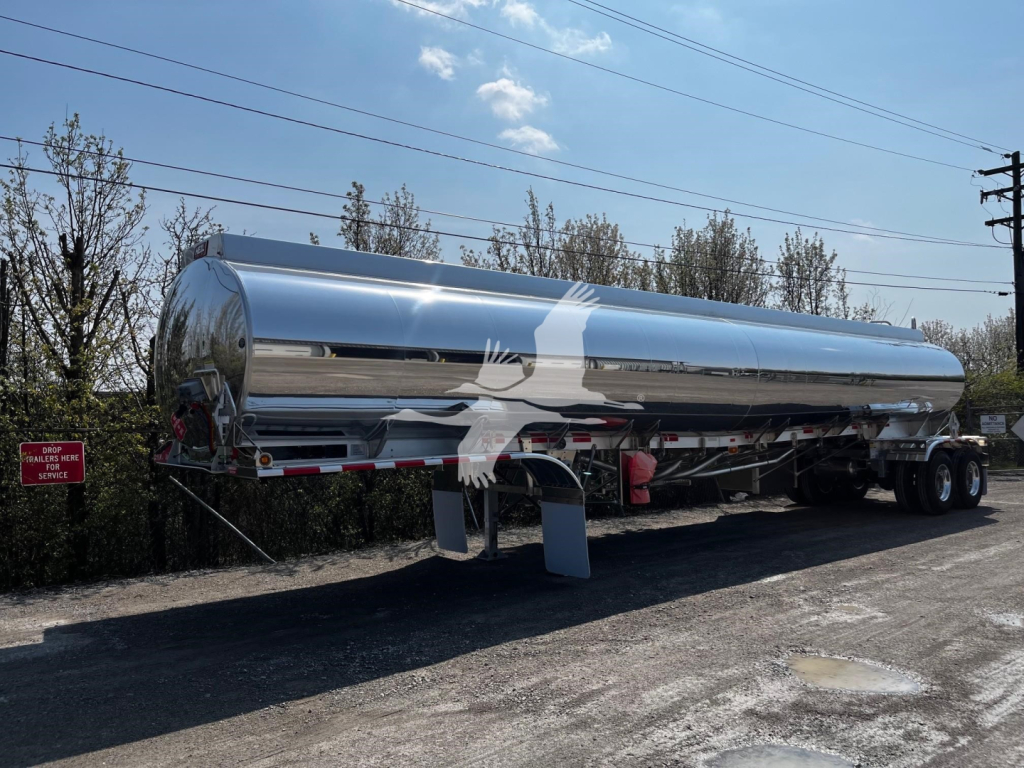
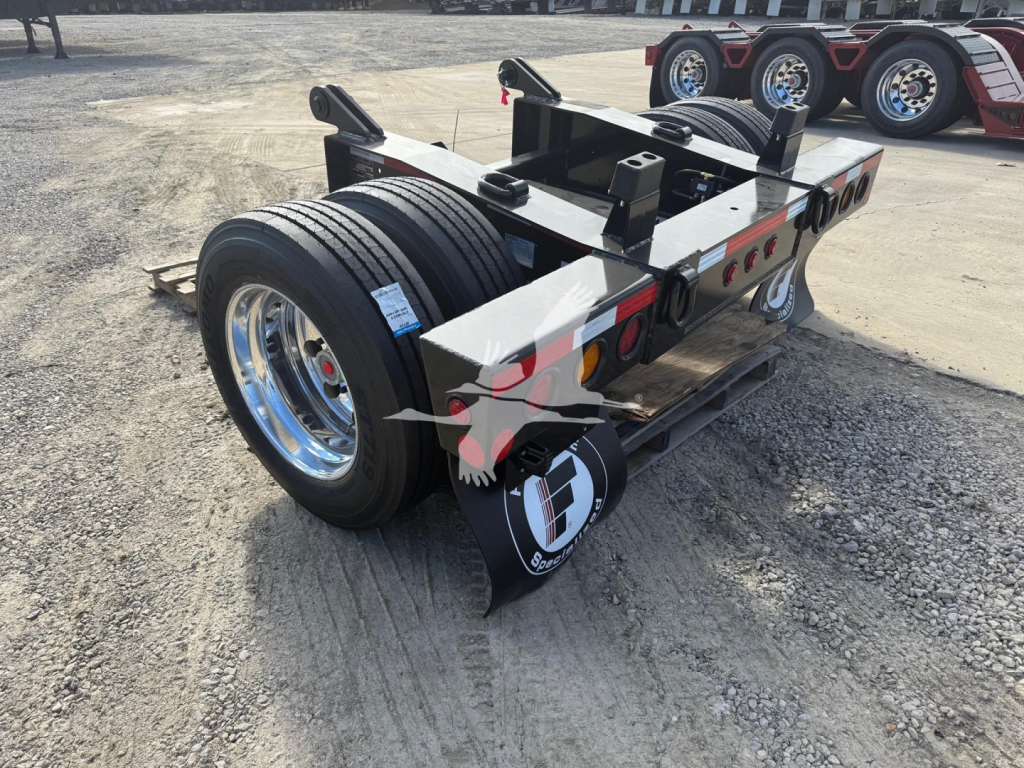
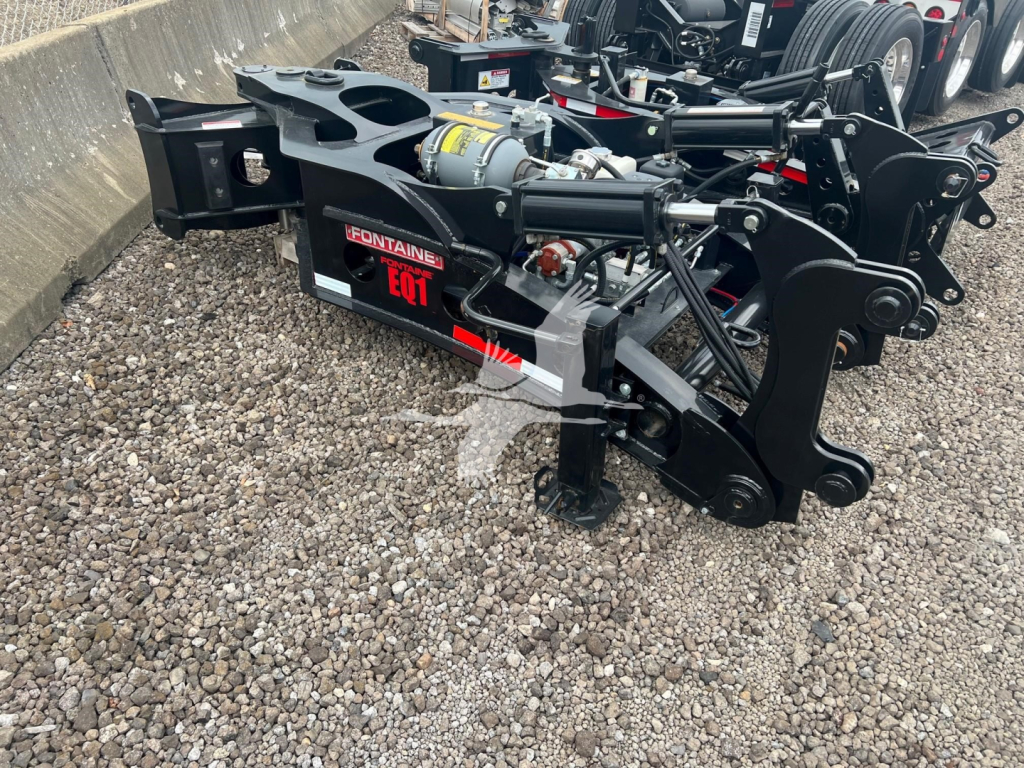
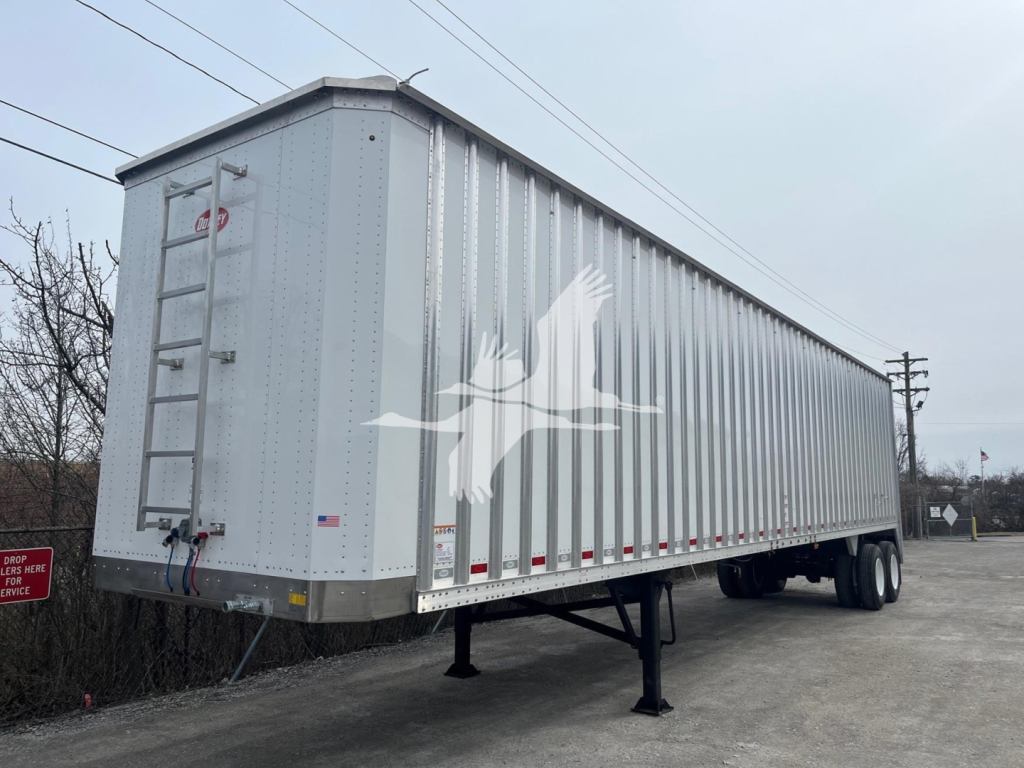
Showing 25 to 46 of 46 results
Have 2027 trailer to sell? List it here to reach thousands of buyers.
2027 Trailers in Ohio
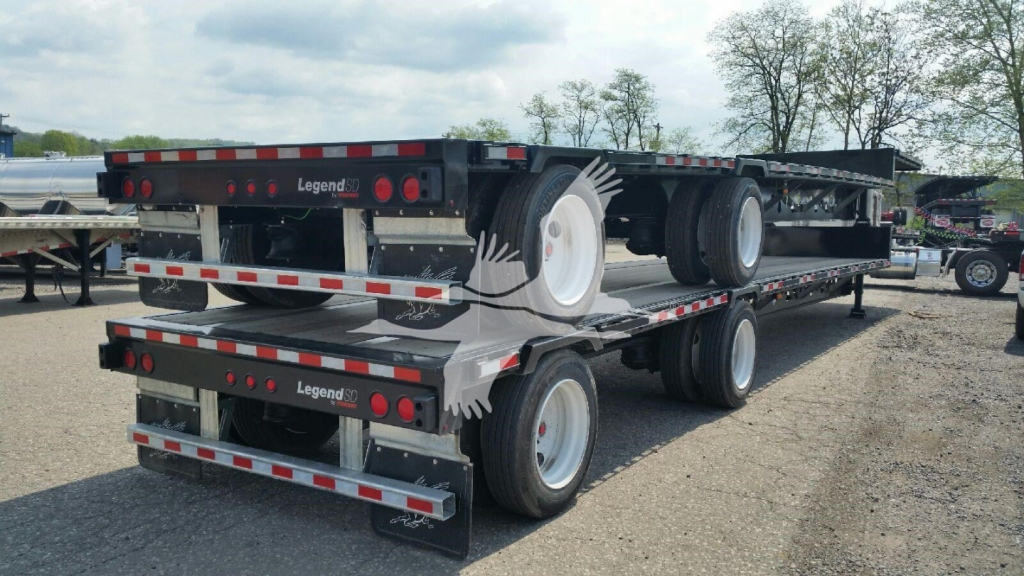
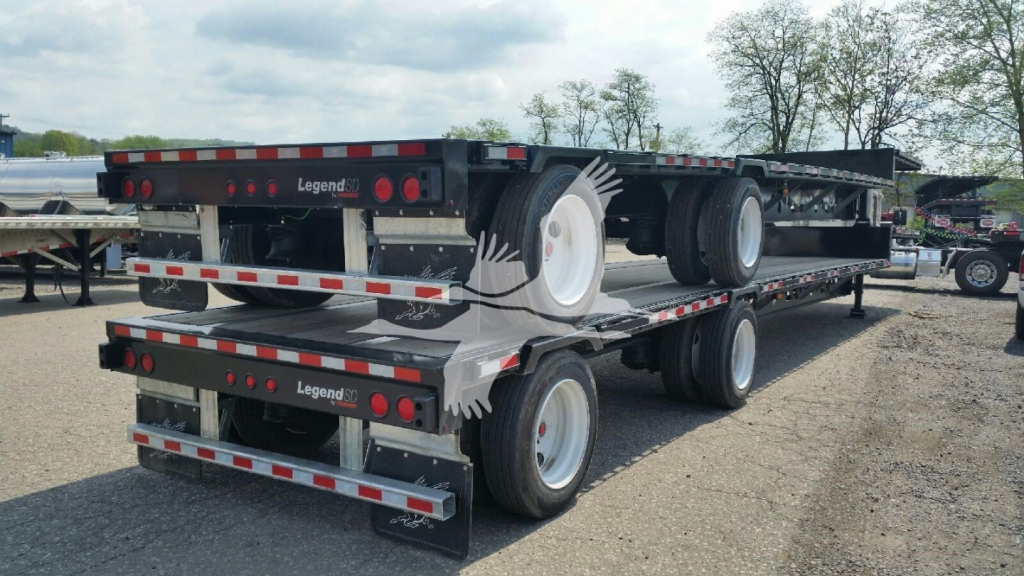
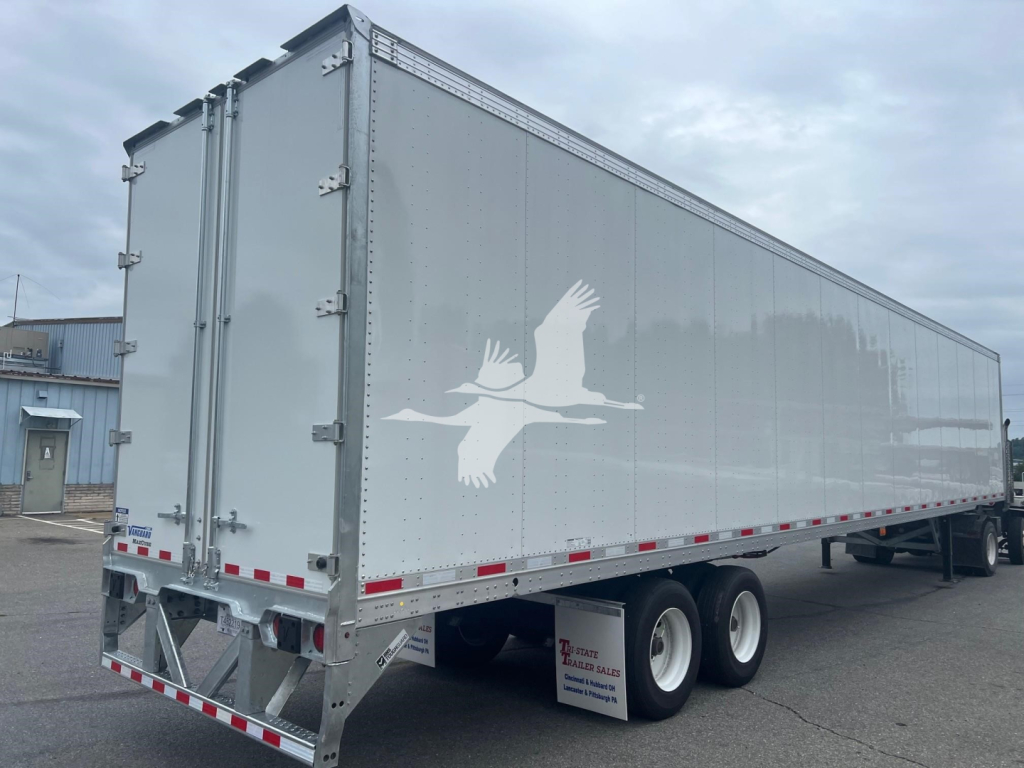
For buyers comparing 2027 flatbed trailers, the most important specs are usually 48-foot versus 53-foot length, 102-inch width, tandem or spread axle configuration, and aluminum versus steel construction. Aluminum flatbeds reduce tare weight and help maximize payload, while steel components may still be used in high-stress areas depending on the build. Features like sliding winches, full-length winch tracks, pipe spools, stake pockets, coil packages, and apitong nail strips make a noticeable difference in day-to-day versatility. Suspension brand and rating also matter, especially on air ride setups with 23K or 25K capacities, and buyers should pay attention to kingpin setting, crossmember spacing, disc versus drum brakes, and tire inflation systems when uptime is a priority.
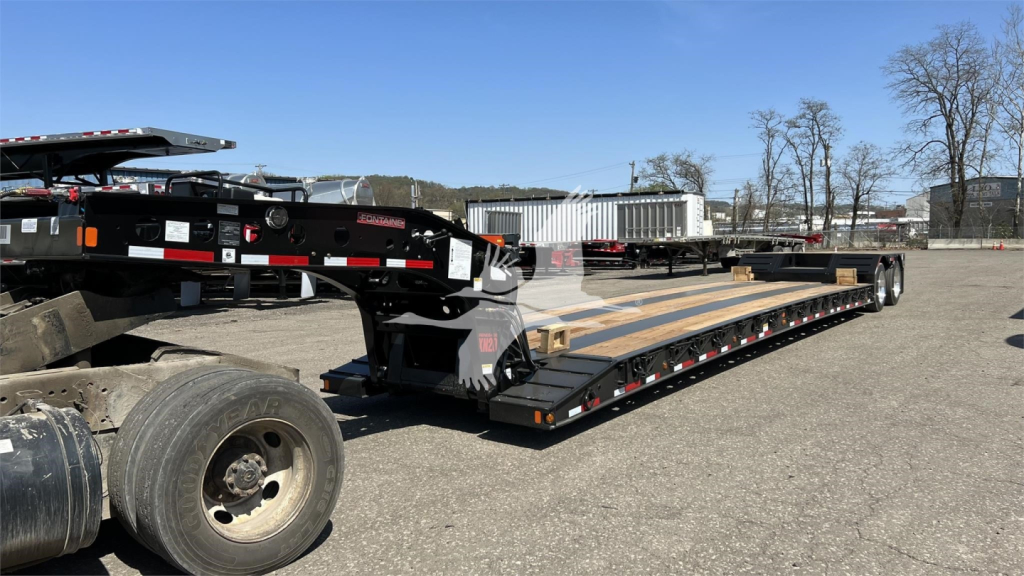
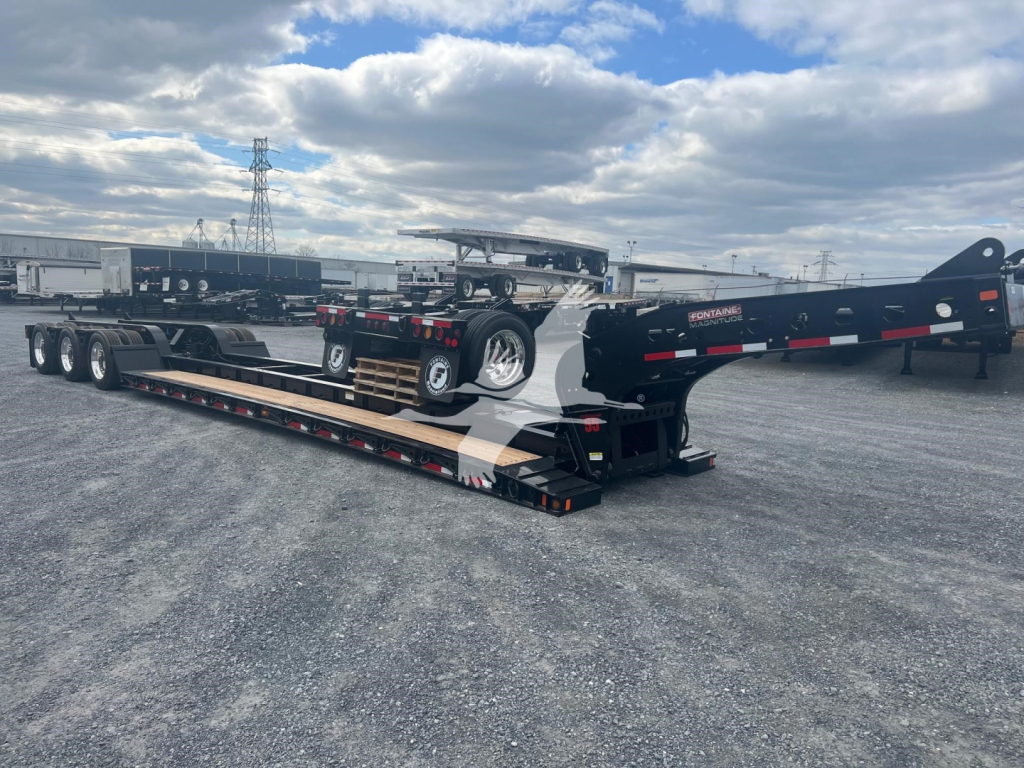
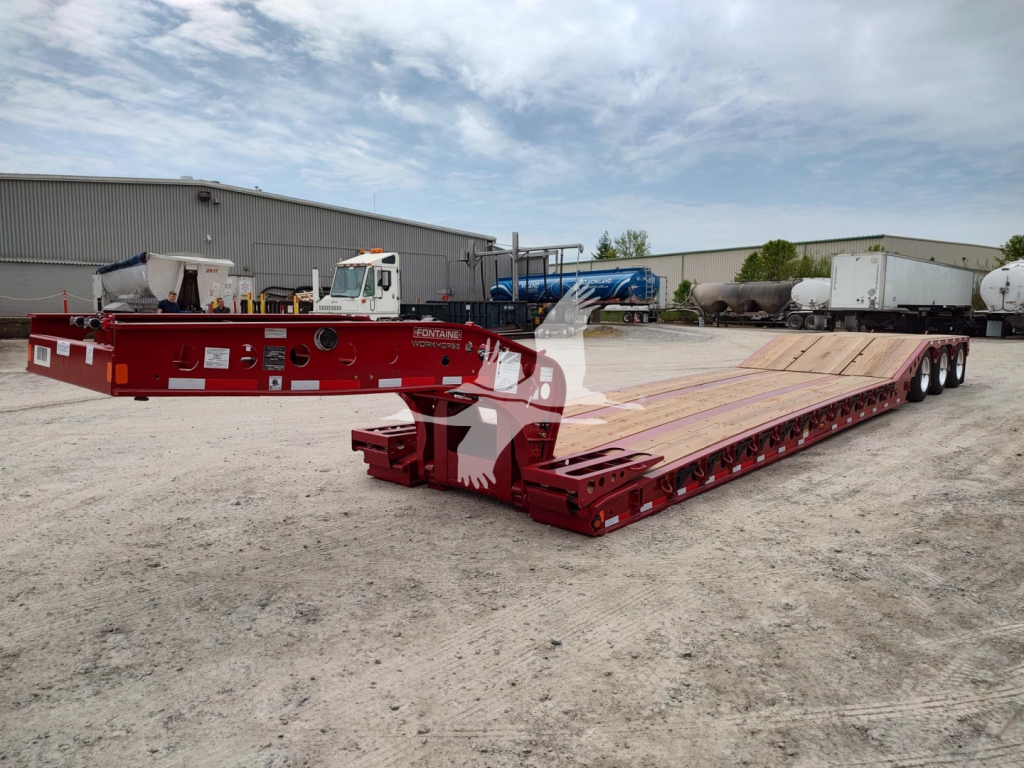
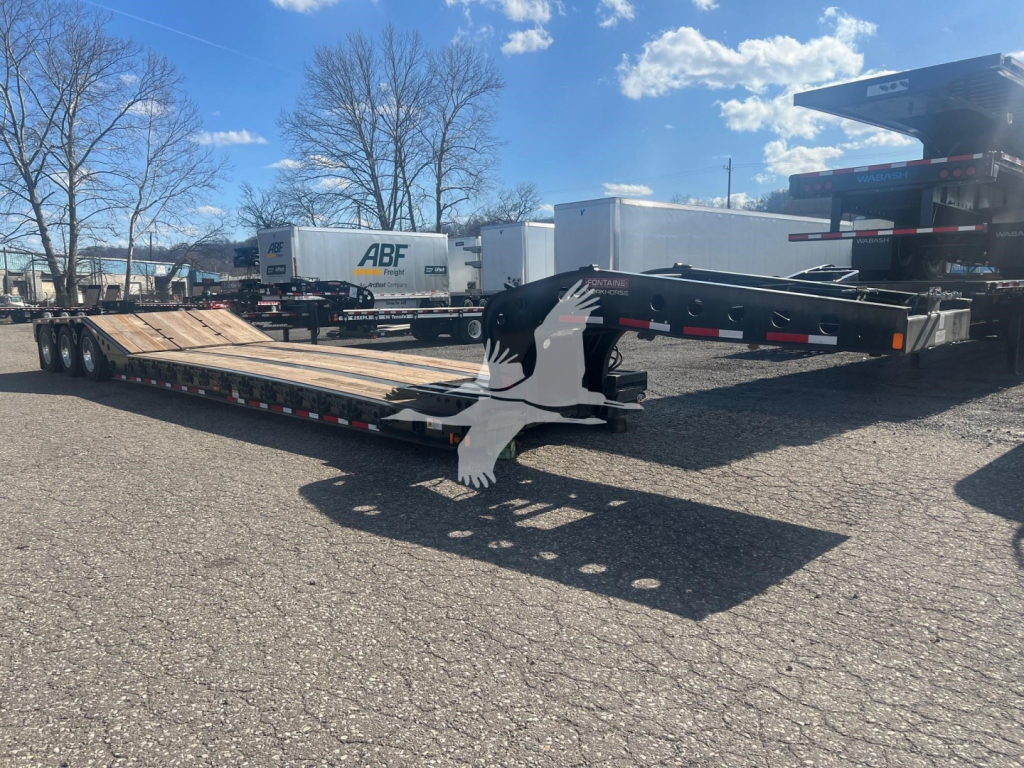
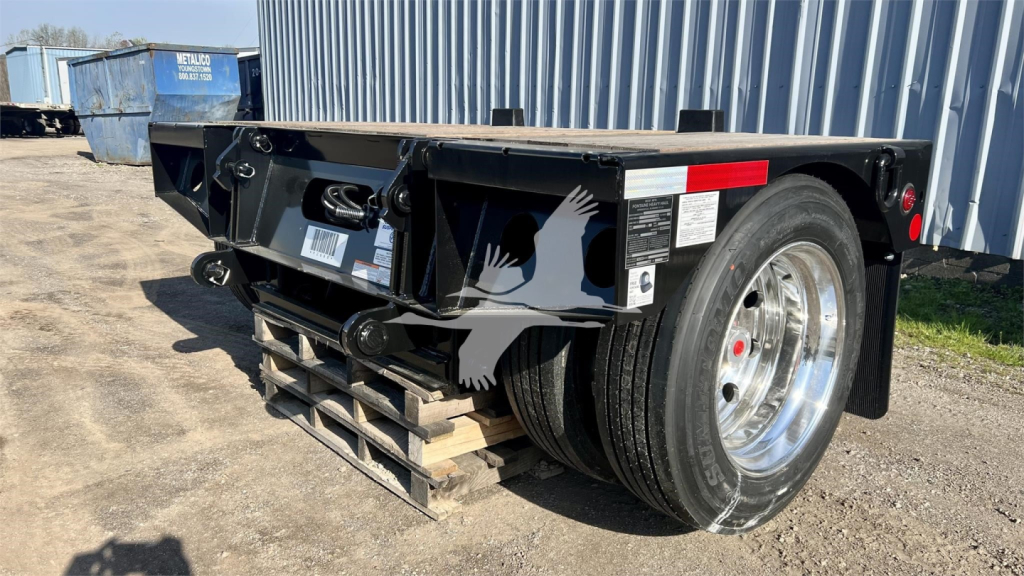
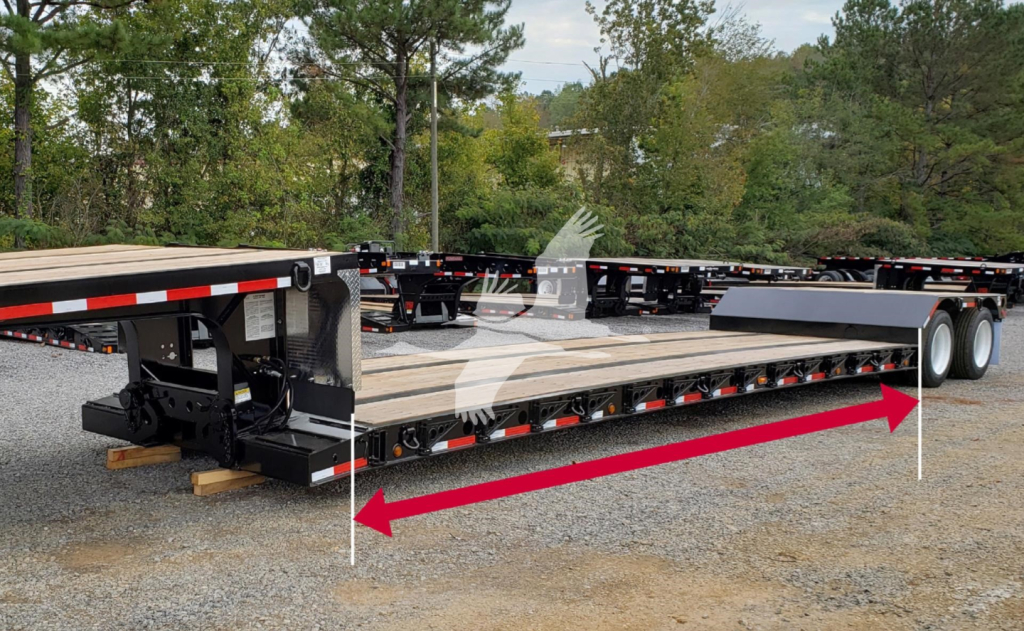
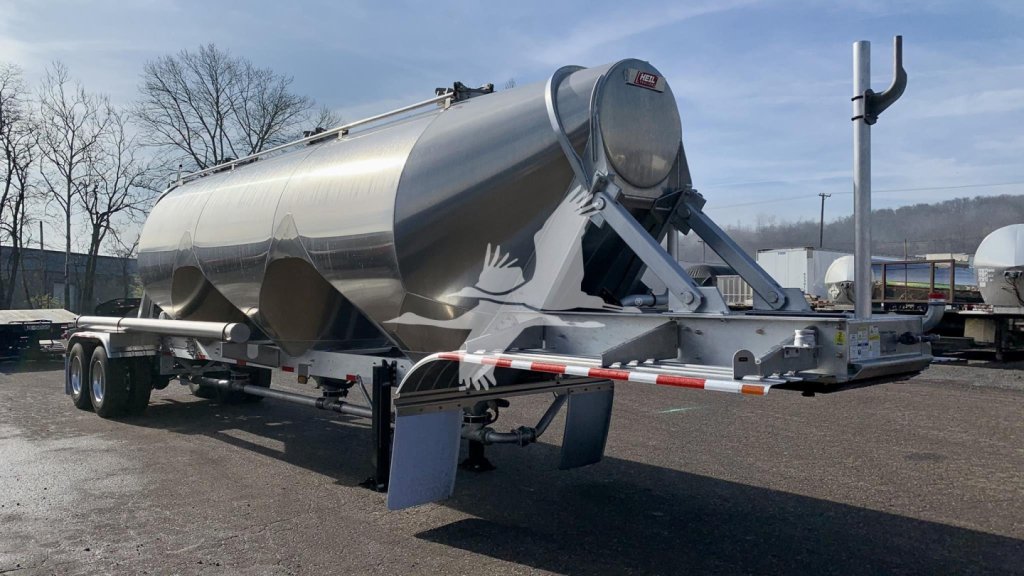
If the job is equipment hauling, a 2027 tag trailer or equipment trailer should be evaluated by ton rating, main deck length, loaded deck height, beavertail angle, ramp design, and axle count. Spring ride remains common on many heavy-duty tags because of simplicity and durability, while lift axles can add flexibility on higher-capacity tri-axle configurations. Pintle hook height range, landing gear design, D-ring placement, wood floor construction, and brake configuration all affect how well the trailer fits a contractor’s fleet. For bulk hauling, a 2027 pneumatic trailer is a different buying process entirely. Capacity in cubic feet, number of hoppers, barrel material, manhole count, steel or aluminum piping, and rear discharge setup determine how efficiently the trailer can move cement, lime, fly ash, or similar dry products.
Ohio buyers should also keep an eye on practical fleet considerations that affect resale and compliance. LED light packages, ABS configuration, mud flap placement, current suspension geometry, and common tire sizes can make service and parts support easier across a mixed fleet. Newer 2027 trailers may also reflect more current axle spread settings, reduced-arch deck designs, lighter wheel-end packages, and cleaner accessory layouts for toolbox or dunnage rack installation. The right trailer is less about model year alone and more about matching deck design, axle layout, structural rating, and securement package to the freight it will carry every week.
Frequently Asked Questions about 2027 Trailers in Ohio
What should I look for first when comparing 2027 trailers for sale?
Start with the trailer’s intended application, because that determines which specs actually matter. For a flatbed, focus on length, axle configuration, tare weight, tie-down equipment, and concentrated load rating. For a tag or equipment trailer, prioritize ton rating, deck height, ramp capacity, beavertail angle, and pintle compatibility. For a pneumatic dry bulk trailer, look at cubic capacity, hopper layout, discharge system, and material construction. Buyers usually make better decisions when they match the trailer to the freight first and the brand second.
Are aluminum flatbed trailers better than steel flatbed trailers?
Aluminum flatbed trailers are typically chosen for lower empty weight and higher payload potential, which is valuable in general freight, building materials, and steel service that needs every legal pound. Steel flatbeds or mixed-material designs can offer durability in high-impact areas and may fit certain severe-duty applications better. The best choice depends on the freight mix, operating environment, and how important tare weight is to the revenue side of the operation. Crossmember spacing, side rail design, and load rating are just as important as the base material.
What is the difference between a tag trailer and a flatbed trailer?
A flatbed trailer is usually a fifth-wheel trailer built for palletized freight, building products, machinery, and other open-deck loads that are loaded from the side, rear, or overhead. A tag trailer uses a pintle-style connection and is generally set up for equipment hauling with ramps, a lower deck, and a beavertail for easier loading. Tag trailers are common in construction and equipment rental fleets because they are practical for moving skid steers, compact excavators, rollers, and similar machines. The choice depends on towing equipment, load style, and how often self-loading equipment is part of the job.
Which specs matter most on a pneumatic dry bulk trailer?
The most important specs are cubic-foot capacity, number of hoppers, barrel material, discharge plumbing, and the type of product being hauled. Cement, lime, sand, and fly ash operations may require different liner, piping, or discharge preferences depending on flow characteristics and unloading methods. Buyers should also check axle setup, suspension type, manhole count, and kingpin setting because those details affect loading, unloading, and maintenance. A dry bulk trailer that is correctly spec’d for the product will usually unload faster and with fewer service issues.
Why does axle spread and suspension type matter on a trailer?
Axle spread and suspension type affect legal loading, ride quality, tire wear, and how the trailer tracks under different freight conditions. Spread axle flatbeds can improve weight distribution and help on certain load profiles, while tandem settings may be preferable for maneuverability or specific state bridge considerations. Air ride is common where cargo protection and ride quality matter, while spring ride remains popular on some equipment trailers for its simplicity and ruggedness. Buyers should compare the axle layout to their normal lanes, freight density, and the tractors already in the fleet.