
2027 Flatbed Trailers For Sale in Ohio
Shop 2027 flatbed trailers for sale in Ohio. Compare 48-foot to extendable specs, deck materials, suspension types, tiedowns, and payload setups.
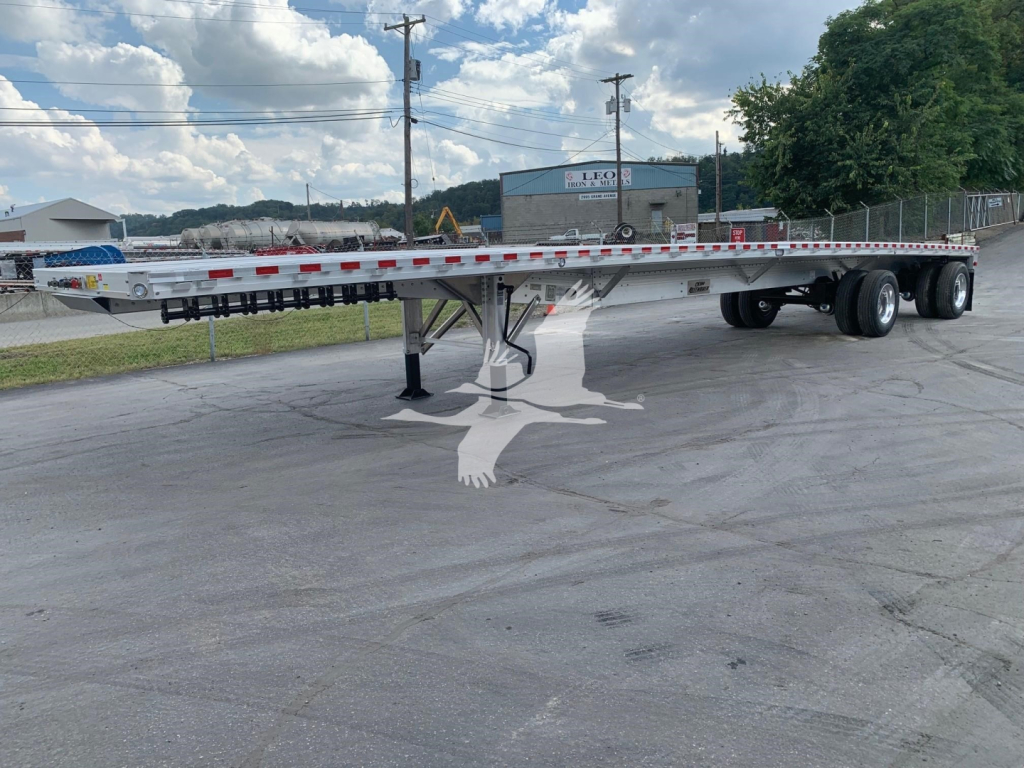
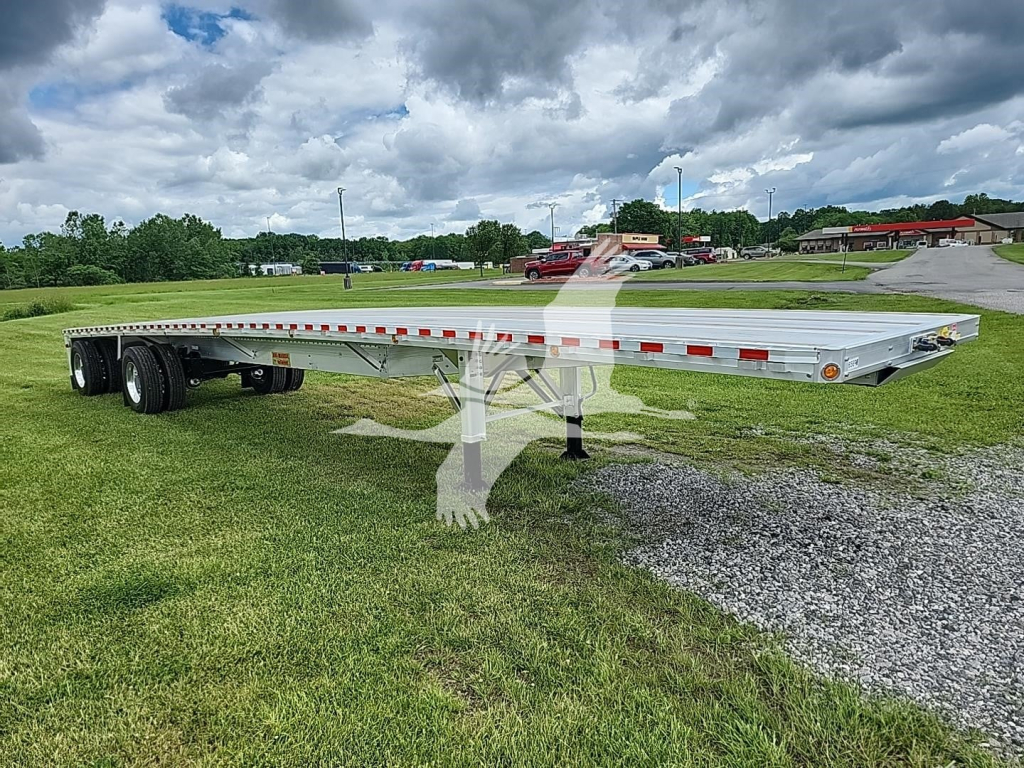
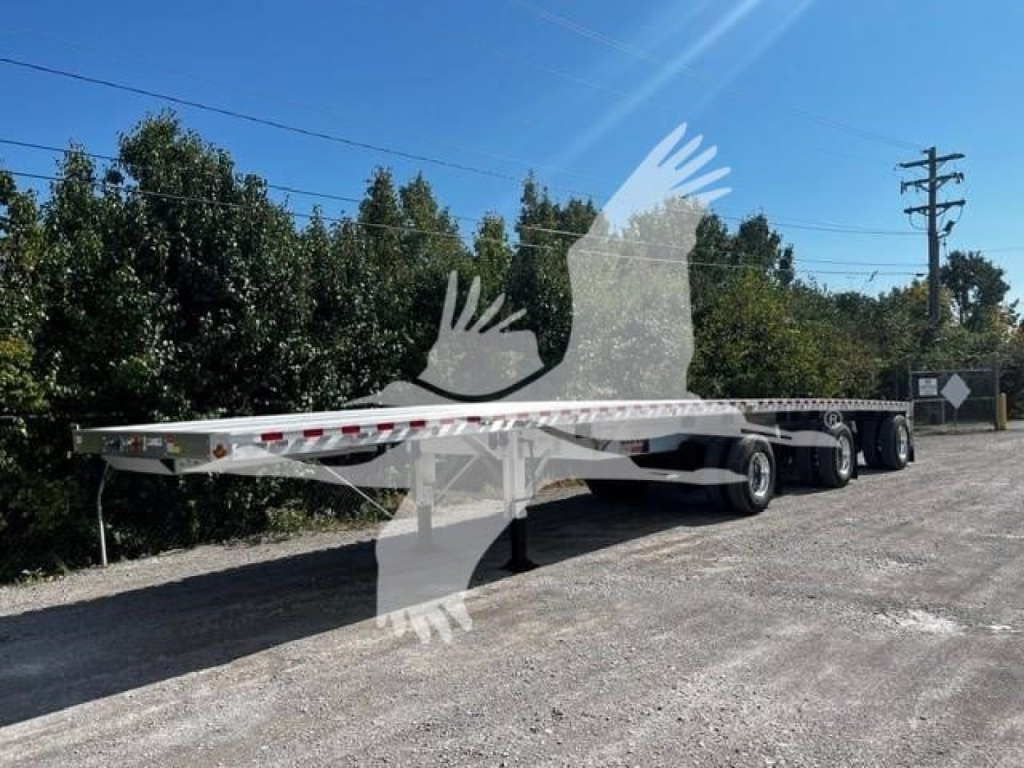
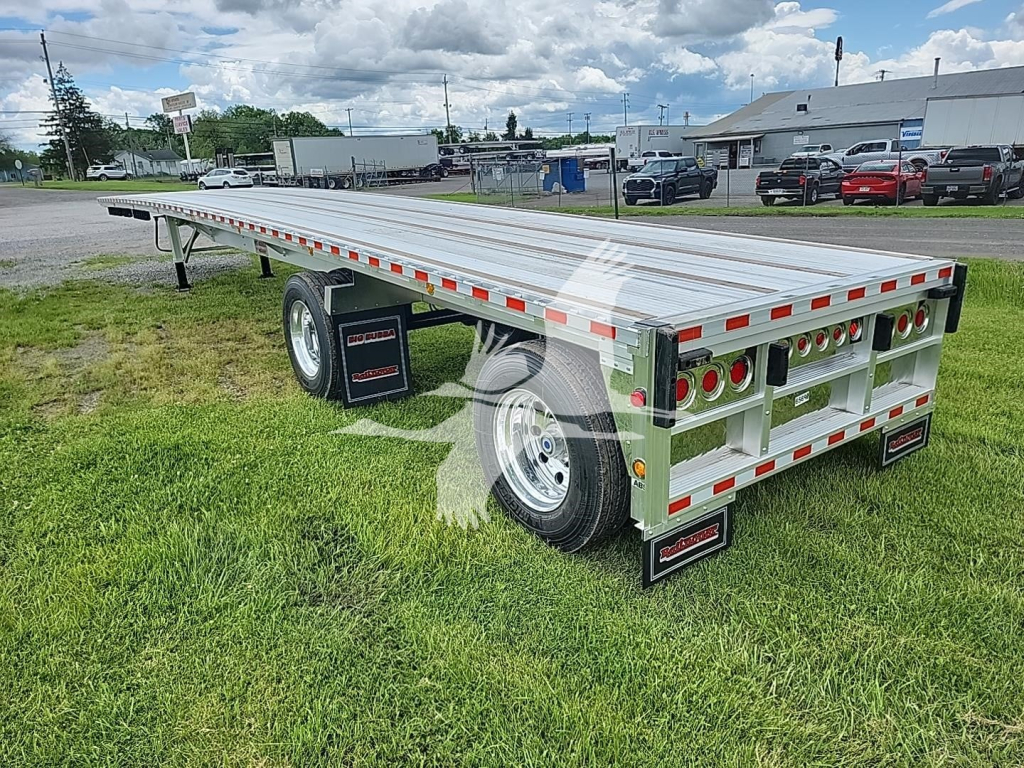
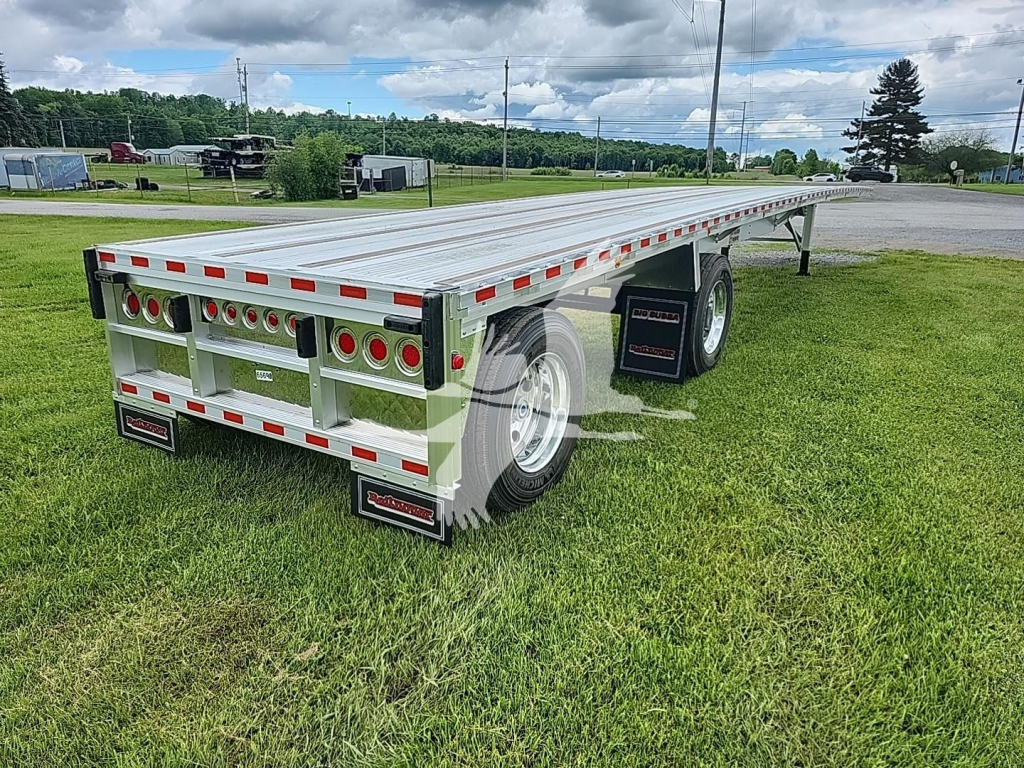
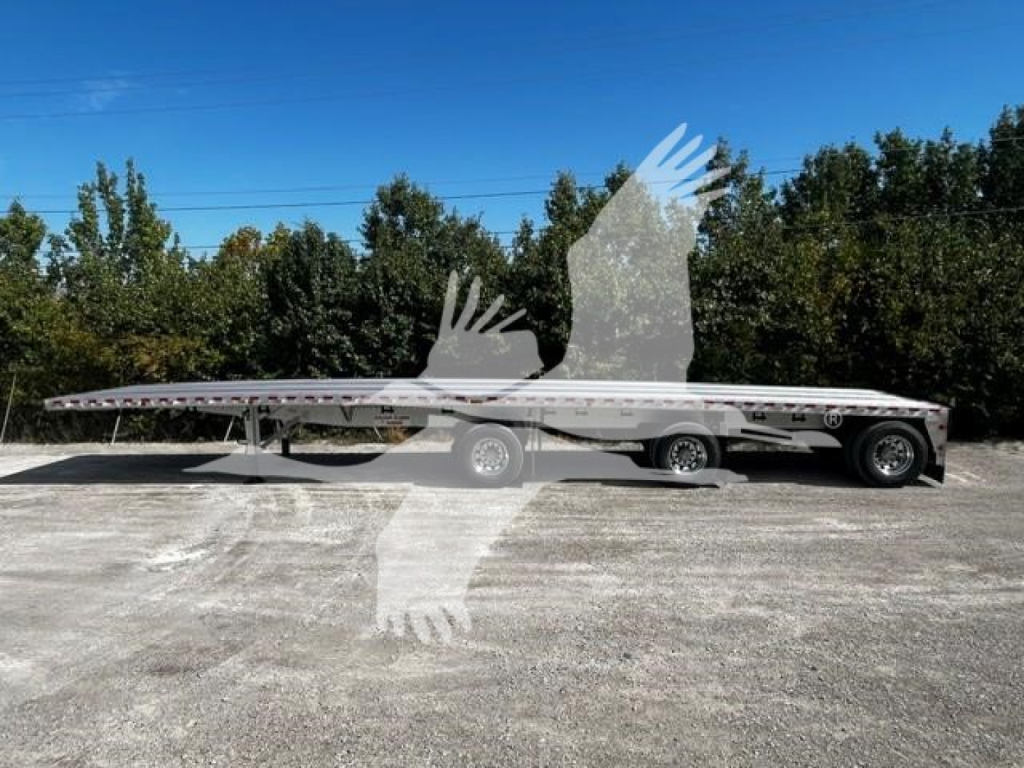
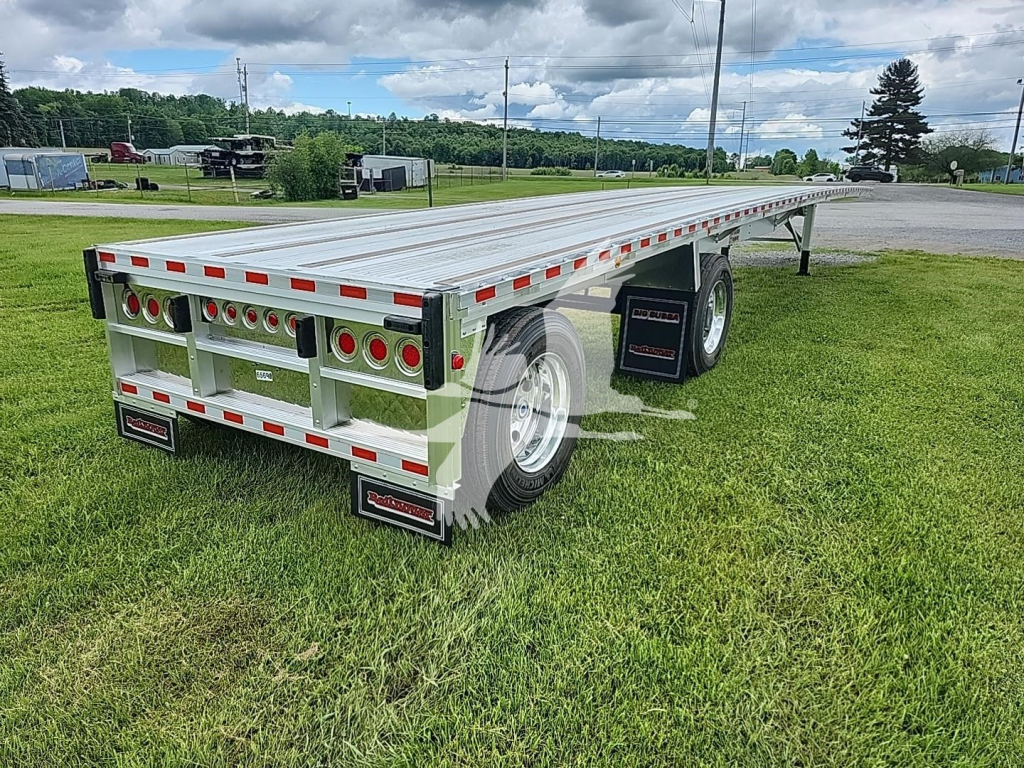
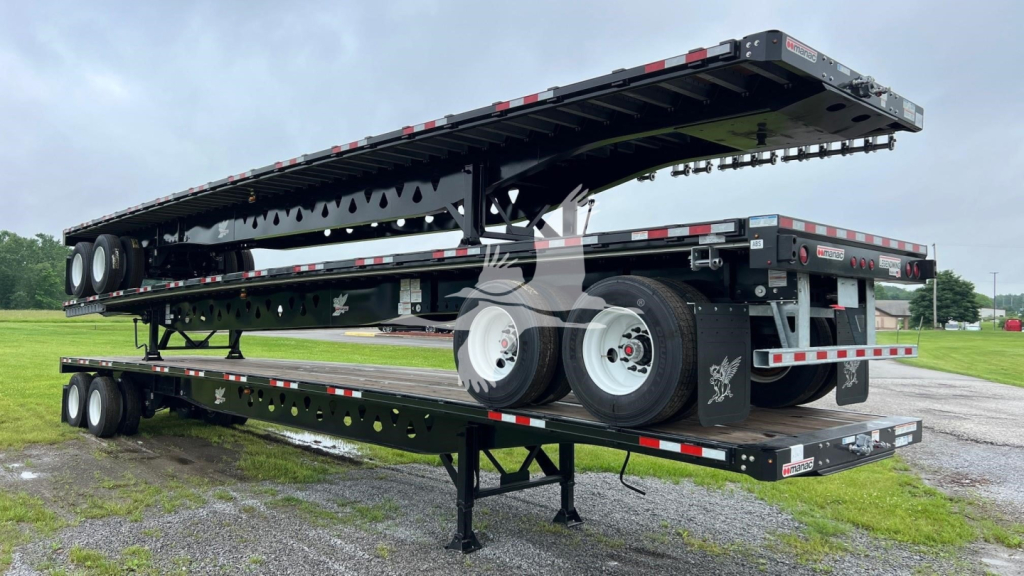
Selling a 2027 flatbed trailer? List your 2027 flatbed trailer for sale and reach thousands of commercial buyers.
2027 Flatbed Trailers in Ohio
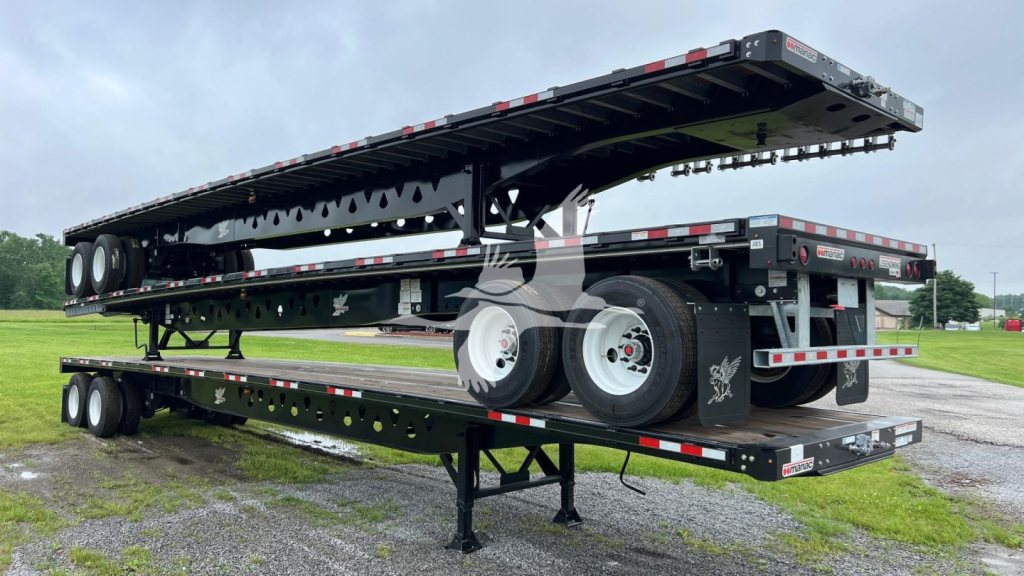
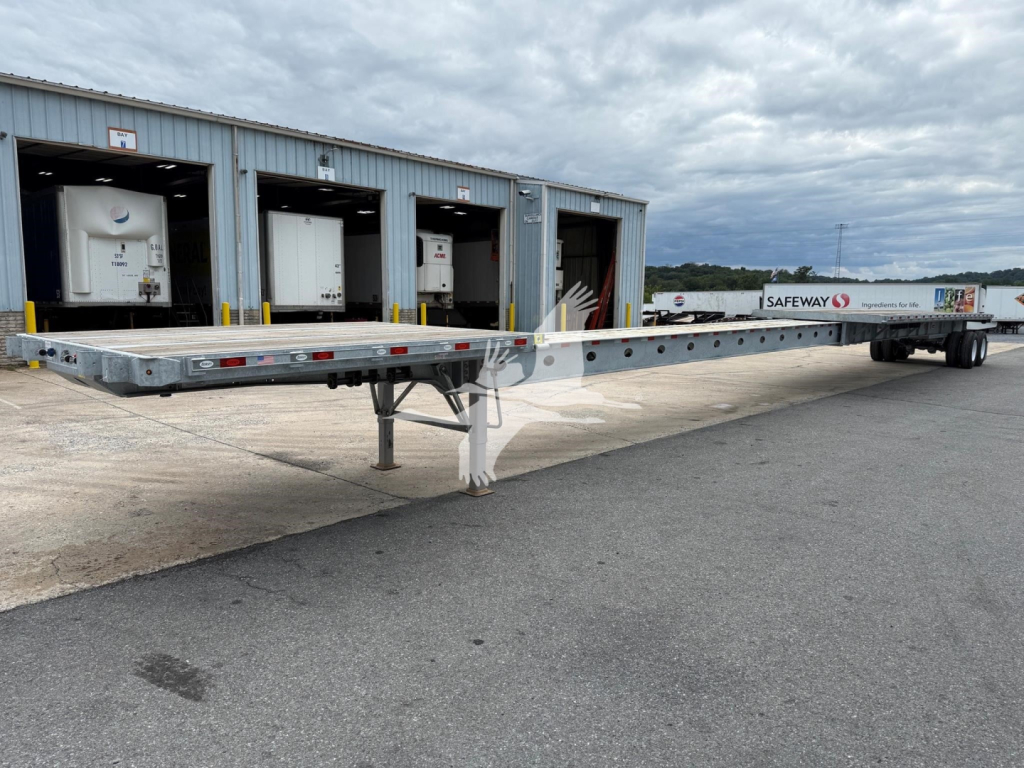
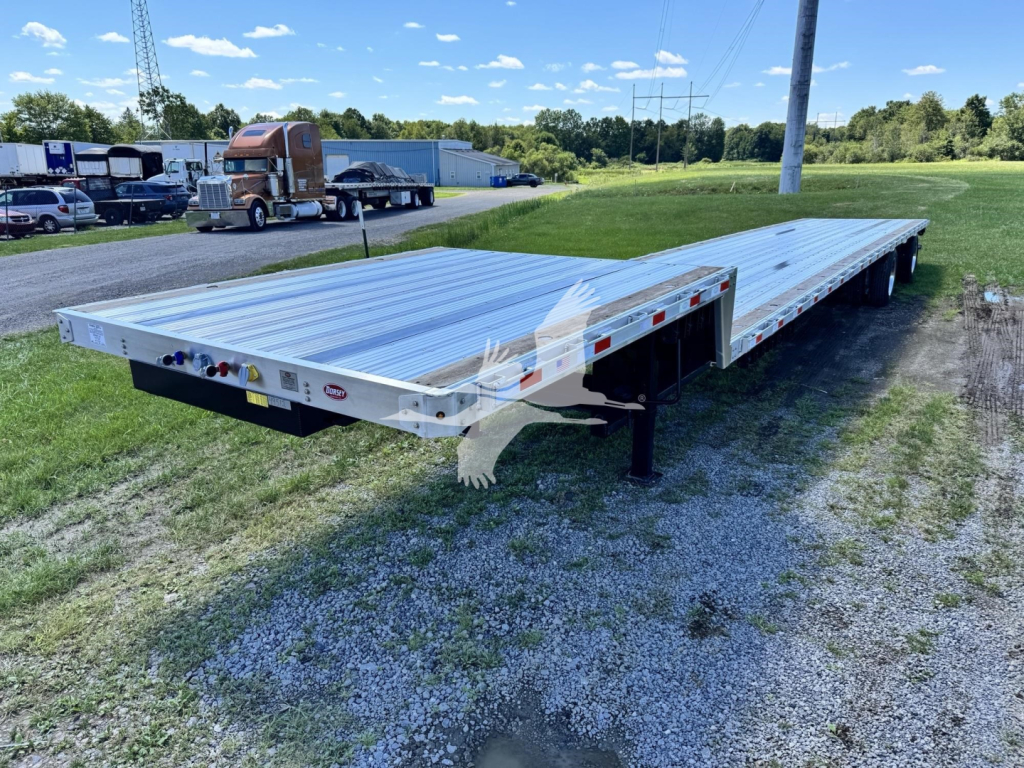
The first buying decision is deck style and construction. A standard flatbed is usually the lightest and simplest option for general commodity work, while an extendable trailer adds flexibility for long freight at the cost of additional weight and mechanical complexity. Many buyers also compare all-steel, combo, galvanized, and aluminum-heavy builds. Apitong wood flooring remains common because it handles concentrated point loads, forklifts, and securement hardware well. Crossmember spacing, often 12-inch centers on work-oriented trailers, affects deck stiffness and durability. Side rail design, winch track placement, pipe spool count, chain tiedown capacity, and coil package options are worth checking closely if the trailer will see steel service or mixed freight.
Suspension and axle layout should match the lanes and cargo profile. Tandem axle flatbeds in this class commonly use air ride or spring ride with a sliding tandem, often around a 49-inch setting on standard decks. Air ride is favored for ride quality and cargo protection, while spring ride remains attractive for simplicity and cost control. On drop-deck and combo configurations, suspension spread and closed settings can matter for bridge compliance and regional legality. Tire size, wheel material, kingpin setting, landing gear brand, and GVWR are not just spec-sheet items. They influence tare weight, turning clearance, maintenance cost, and how easily the trailer fits the tractors and freight you already run.
A strong flatbed spec is one that matches your securement routine and freight mix without adding unnecessary tare weight. Look at sliding winch count, chain pockets, rub rail design, bulkhead preference, coil package reinforcement, nailing strips, dump valves, and corrosion resistance features such as galvanized crossmembers or a fully galvanized frame. In Ohio, where weather, road salt, and mixed seasonal freight can be hard on open-deck equipment, finish quality and structural protection deserve extra attention. Buyers comparing 2027 flatbed trailers should focus on legal payload, deck usability, securement options, and long-term durability before brand preference alone.
Frequently Asked Questions about 2027 Flatbed Trailers in Ohio
What size flatbed trailer is most common for general freight?
The most common general-purpose flatbed trailer size is 48 feet long and 102 inches wide. That setup works well for lumber, machinery, steel, palletized freight, and most building materials. Buyers who routinely handle overlength freight often move to an extendable flatbed, while those loading taller equipment or needing lower deck height may look at a drop-deck or combo design instead of a standard deck.
What is the difference between a standard flatbed and an extendable flatbed trailer?
A standard flatbed has a fixed deck length, usually 48 feet or sometimes 53 feet, and is typically lighter and simpler to maintain. An extendable flatbed, also called a stretch flatbed, can slide out to carry long loads such as pipe, steel beams, and utility poles. The tradeoff is higher empty weight, more moving parts, and the need to inspect extension mechanisms, locks, and slide components more carefully over time.
Is air ride or spring ride better on a flatbed trailer?
Air ride is generally preferred when cargo protection and ride quality matter, especially for higher-value freight, machinery, or loads sensitive to shock and vibration. Spring ride is simpler, less expensive, and still common on work-focused flatbeds and some extendable trailers. The better choice depends on your freight, maintenance preferences, and how much value you place on reduced cargo movement versus lower upfront and repair costs.
What flatbed specs matter most for steel or coil hauling?
For steel service, buyers should pay close attention to coil package reinforcement, crossmember spacing, chain tiedown capacity, pipe spools, winch track design, and floor condition. A wood floor such as Apitong is common because it handles hard use and concentrated weight well. You should also confirm the trailer's weight rating in a short section of deck, because coil and steel loads put heavy stress into a small footprint rather than spreading weight evenly across the trailer.
Why do galvanized components matter on a flatbed trailer in Ohio?
Galvanized crossmembers, side rails, bumpers, or a fully galvanized frame can significantly improve corrosion resistance in Ohio conditions. Open-deck trailers are exposed to road salt, moisture, and repeated loading damage, so rust protection has a direct effect on service life and maintenance cost. Buyers planning year-round use often place a premium on galvanized structural components because they help preserve the trailer in a harsh Midwest operating environment.