
Used Forklifts For Sale
Compare used forklifts for sale by rated capacity, mast clearance, tire type, and power source. Learn what to inspect before buying a used lift truck.
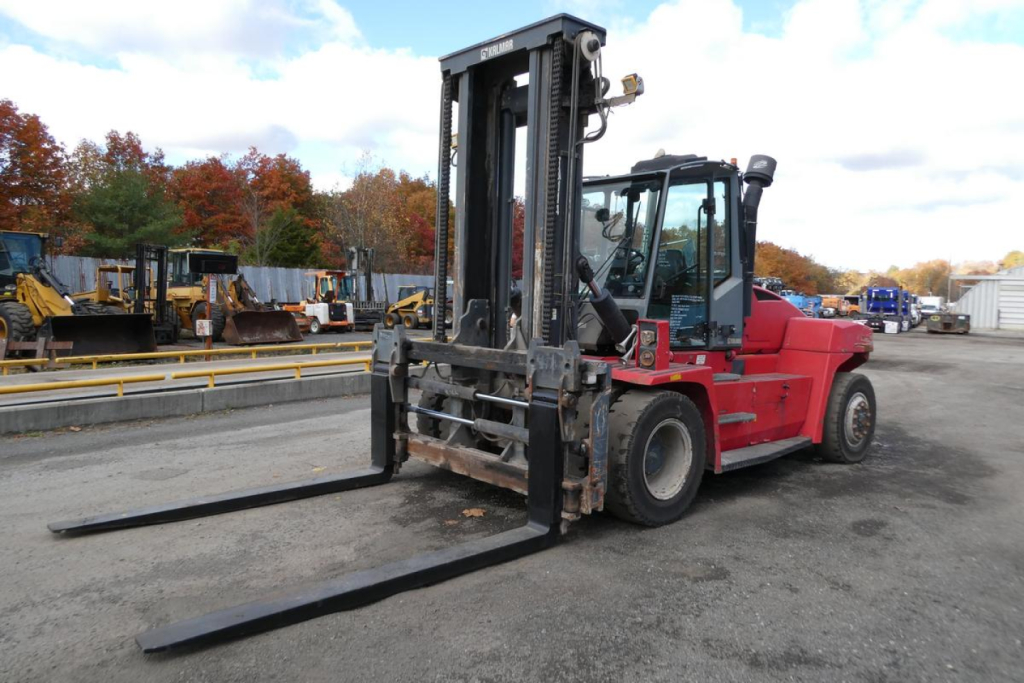
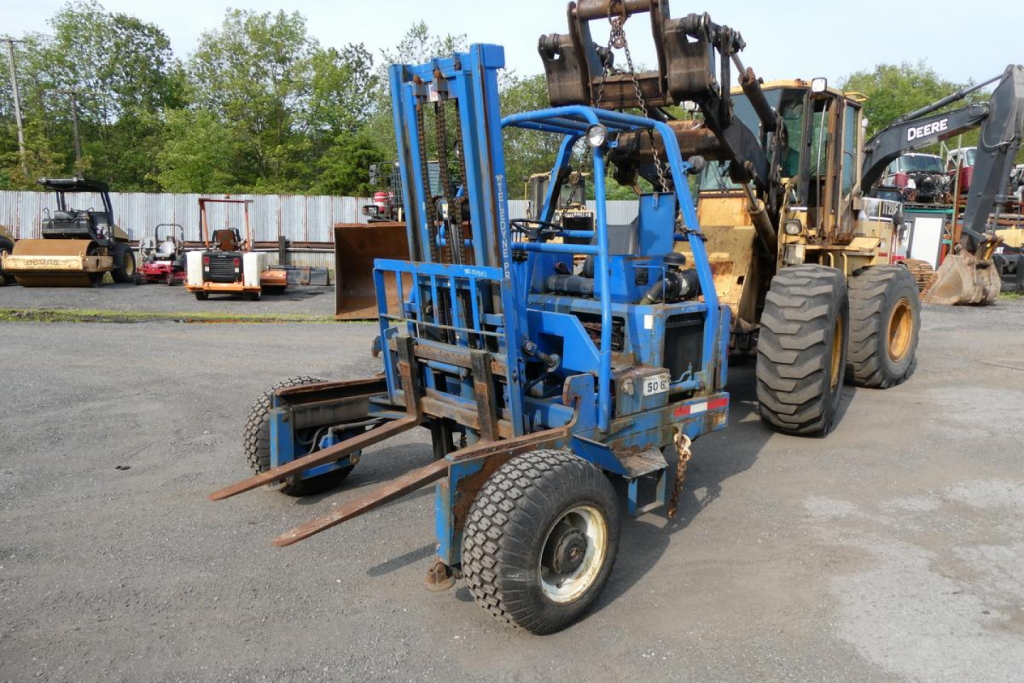
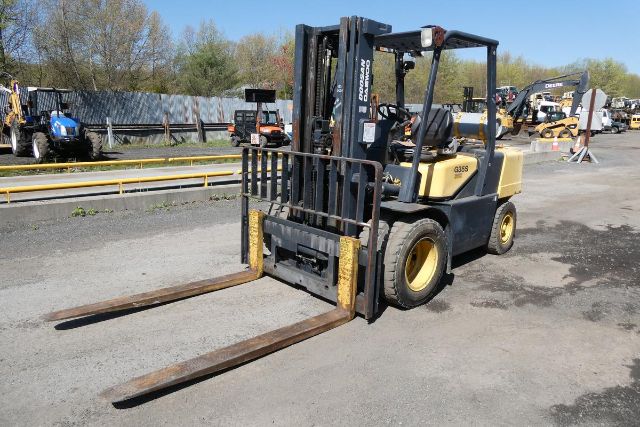
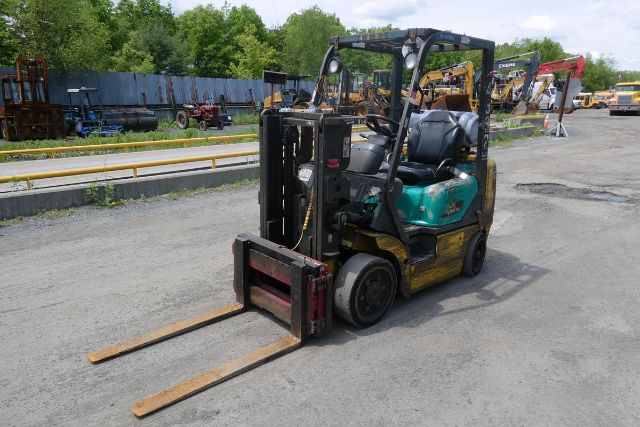
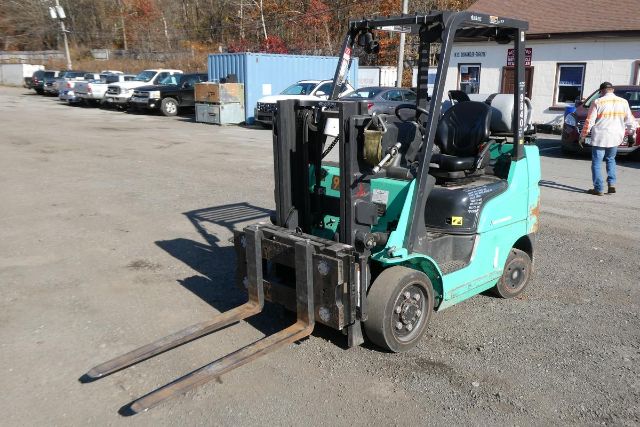
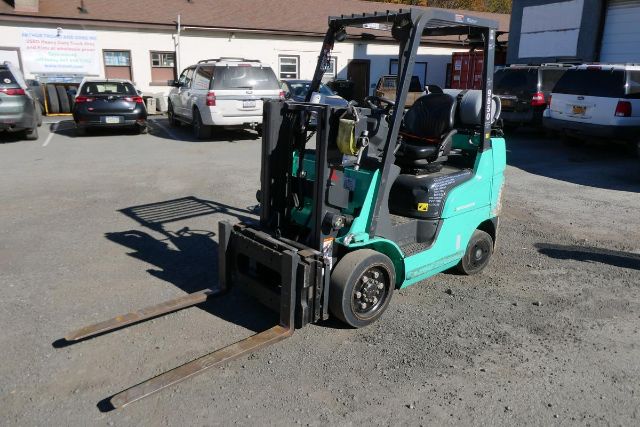
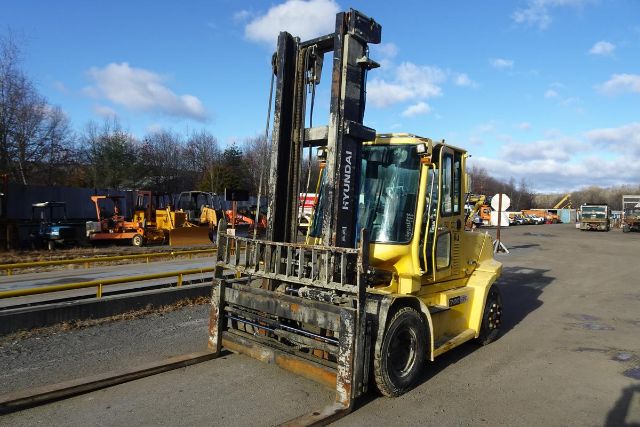
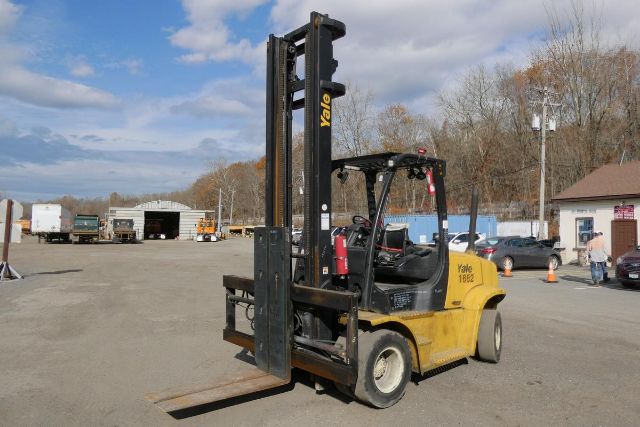
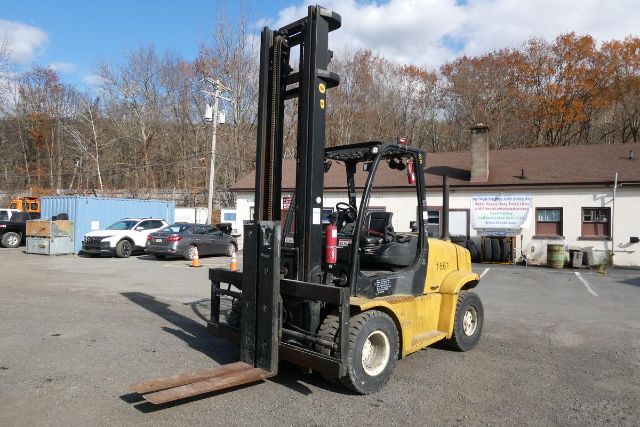
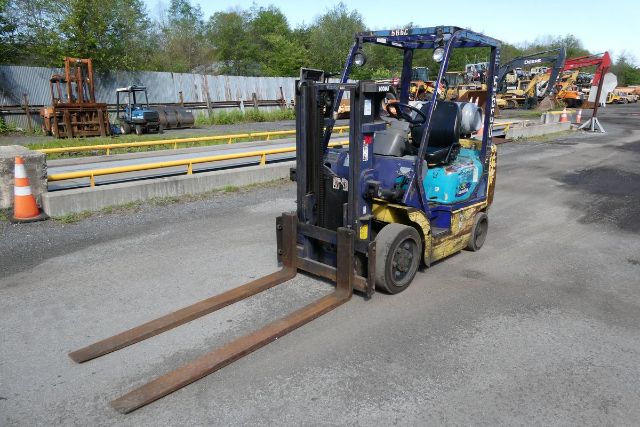
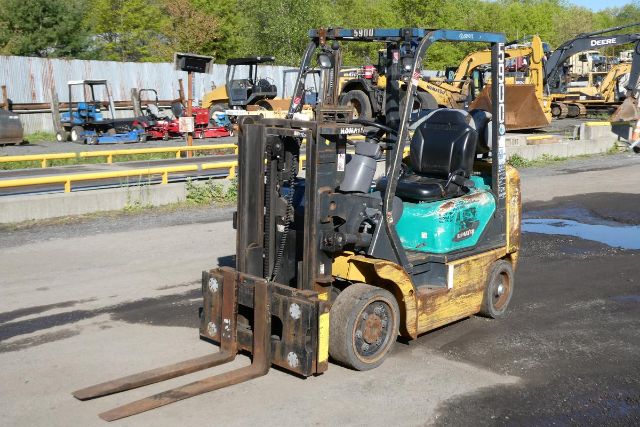
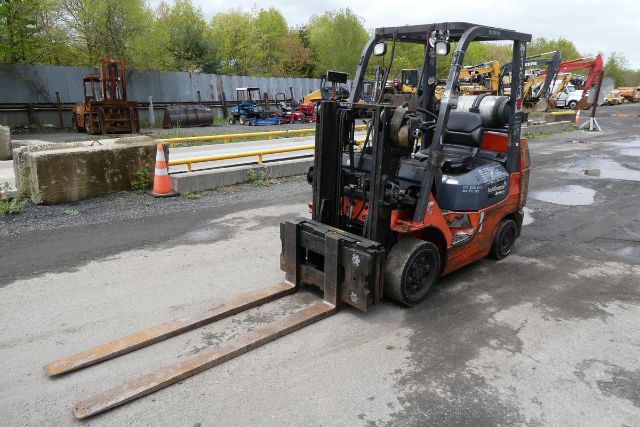
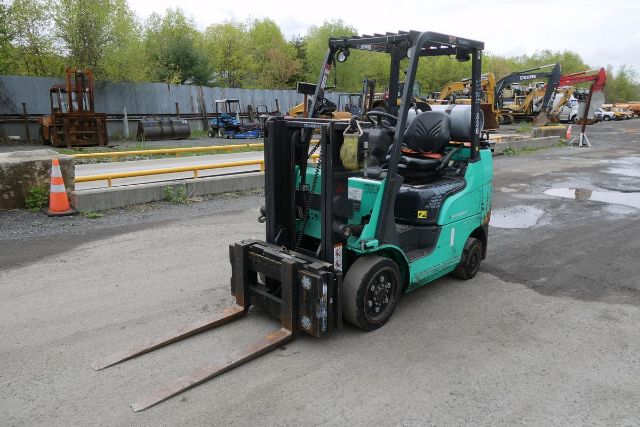
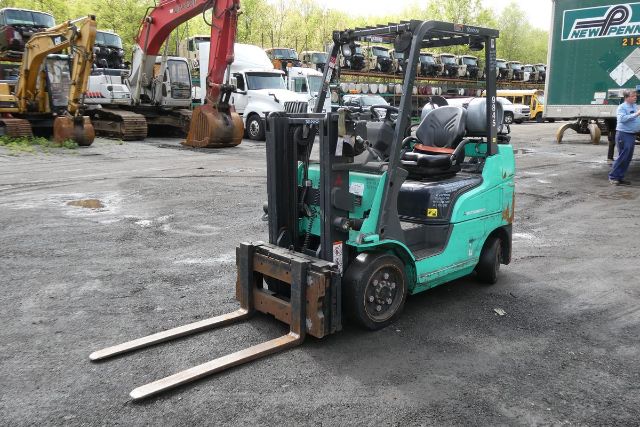
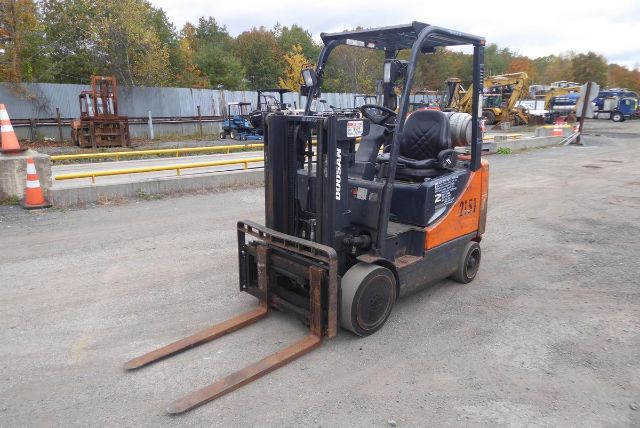
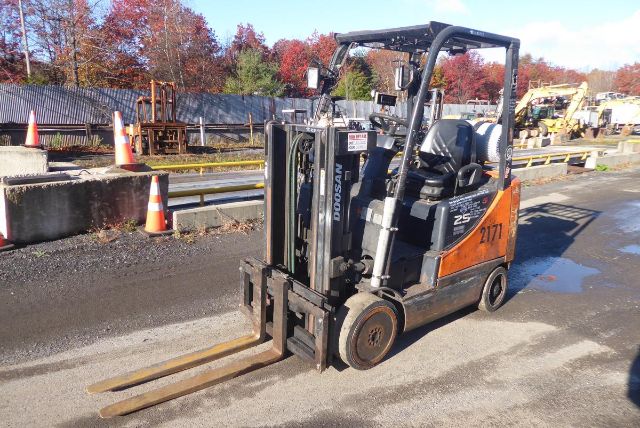
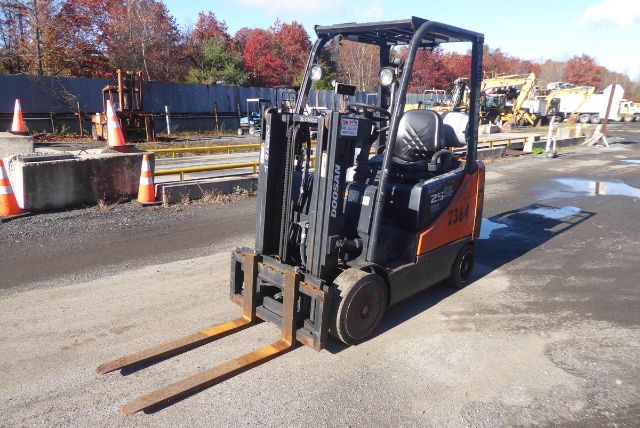
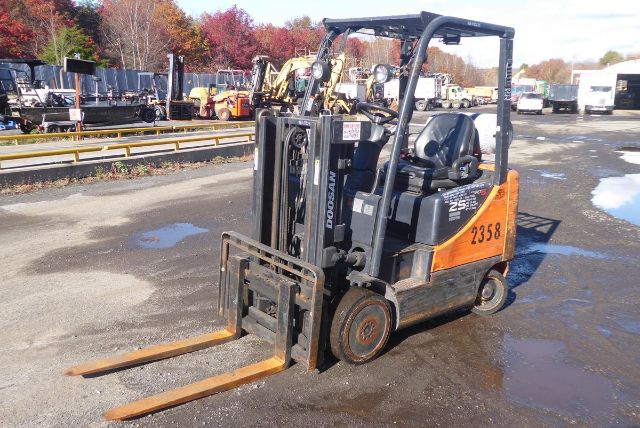
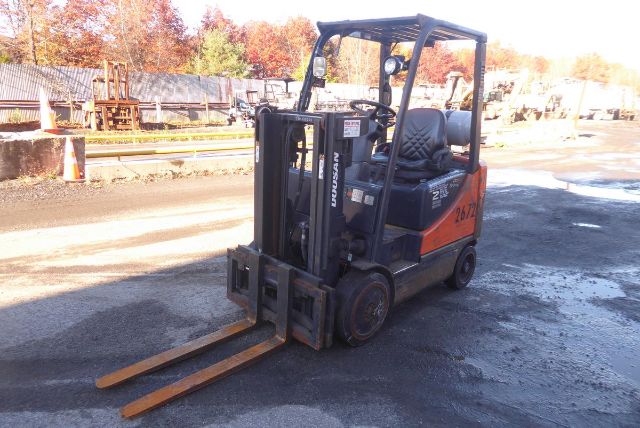
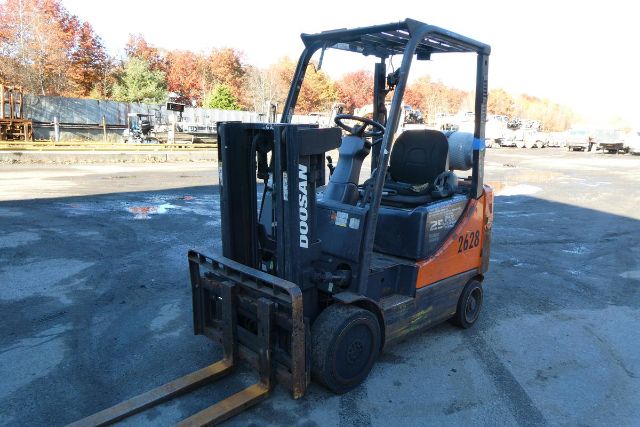
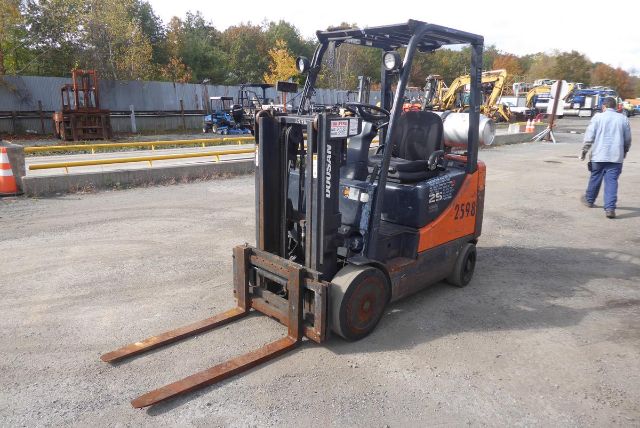
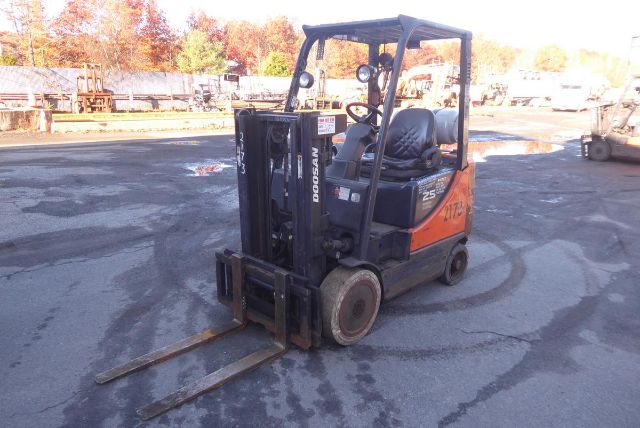
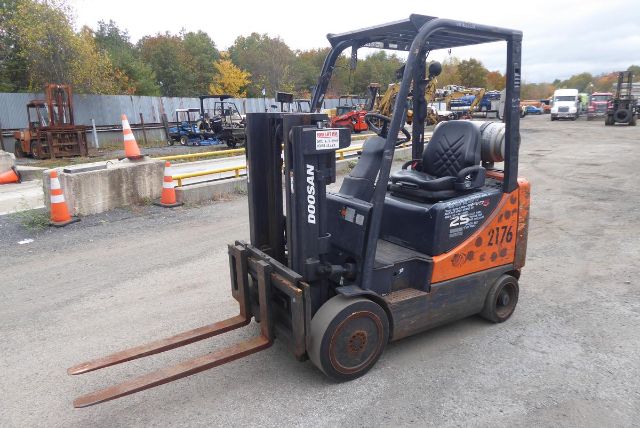
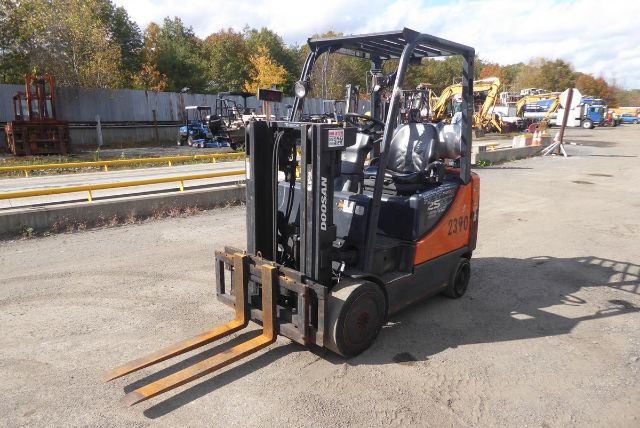
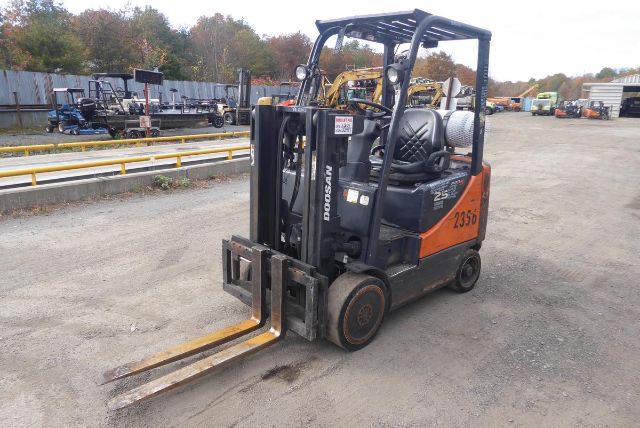
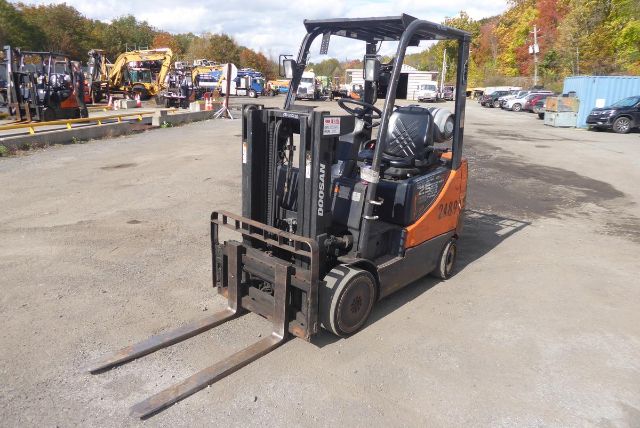
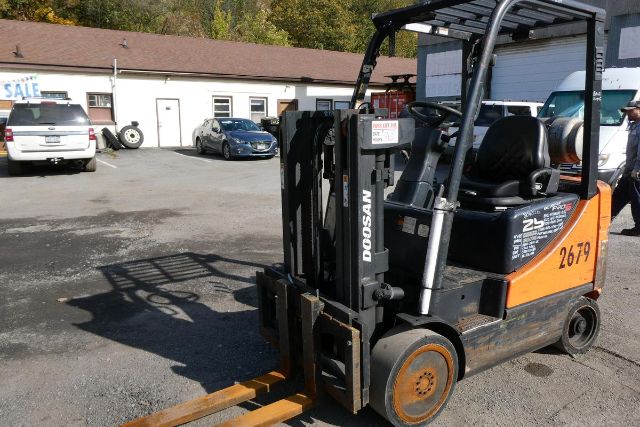
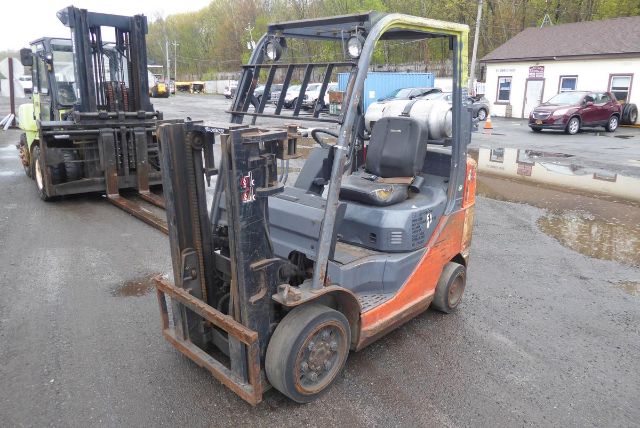
Showing 1 to 28 of 87 results
Selling a used forklift? List your used forklift for sale and reach thousands of commercial buyers.
Used Forklifts
Cushion-tire machines suit smooth concrete and compact indoor work; pneumatic-tire forklifts provide better clearance for yards and uneven surfaces. Pneumatic-style solid tires resist punctures but do not turn a warehouse machine into a rough-terrain forklift. Electric power suits enclosed facilities, while propane supports quick refueling and diesel commonly serves heavier outdoor applications. On a used electric truck, battery condition, charger compatibility, and available electrical service belong in the purchase assessment. Lumber, steel, and port work also demand careful attention to fork dimensions and attachment ratings.
Inspect a used fork truck cold, then test travel, braking, steering, and hydraulics at operating temperature. A running engine does not prove the transmission will pull under load. Review maintenance records, hour-meter consistency, and ECM or controller history where supported; pedal, seat, and mast wear can expose an incomplete history. Check fork heels, retaining locks, carriage rollers, lift chains, cylinder rods, steering pivots, and drive-axle leaks. Damaged overhead guards or undocumented structural welds require qualified assessment. Have a trained technician check lifting performance with an appropriate test load.
Age changes the inspection: older propane machines may use mechanical fuel systems, while newer equipment can require electronic diagnostics. Diesel emissions equipment varies with nonroad engine year and power rating, so highway-truck emissions dates are not a reliable guide. Across the United States and Canada, inspect outdoor machines for salt corrosion, damaged wiring, and freeze-related cooling-system problems. Cold-climate buyers should verify battery performance and suitable fluids. Confirm replacement-part identification and service documentation across makes, particularly for older or rebranded equipment.
Frequently Asked Questions about Used Forklifts
How much fork wear is too much on a used forklift?
Fork heels worn by 10% from their original thickness should be removed from service pending replacement or manufacturer-approved assessment. That thickness loss can reduce fork strength by roughly 20%. A qualified inspector should measure both forks against their original dimensions and check for cracks, bent blades, unequal tip heights, and damaged mounting hooks. Welding or heating forks without manufacturer authorization is not an acceptable repair.
How do I test the battery before buying a used electric forklift?
A controlled battery capacity test is more reliable than a voltage reading or a short demonstration drive. For a lead-acid forklift battery, inspect electrolyte levels, cell condition, connector damage, and evidence of overheating, then request documented discharge-test results. Verify that the battery's voltage, dimensions, and weight meet the truck manufacturer's requirements because the battery can form part of the forklift's counterweight.
Do forklift operators need a license in the United States and Canada?
US forklift operators need employer-provided training and evaluation under OSHA rules, not a standard driver's license or a universal government-issued forklift license. OSHA requires a performance evaluation at least once every three years, with refresher training triggered by specified unsafe practices or workplace changes. Canadian requirements fall under provincial, territorial, or federal workplace jurisdiction, so employers must verify the rules governing their operation.
Can I safely use a propane forklift inside a warehouse?
A propane forklift can operate indoors only where ventilation and engine condition keep exhaust exposure within applicable workplace limits. Propane combustion still produces carbon monoxide, particularly when fuel controls or ignition components are faulty. Assess exposure under actual operating conditions rather than assuming an open doorway is sufficient. An electric forklift eliminates combustion exhaust at the machine and is often the better choice for tightly enclosed spaces.
What weight should I use when arranging transport for a forklift?
Use the forklift's actual transport weight, not its lifting capacity, when selecting a trailer and loading equipment. Verify whether the stated weight includes the battery, fuel, forks, and attachments. A loading ramp or dock must support the machine and concentrated axle loads. Measure transport height with the mast lowered, confirm ground clearance at ramp transitions, and use manufacturer-designated securement points.