
Used 2016 Forklifts For Sale
Used 2016 forklifts for sale: compare capacity plates, mast clearance, tire types, battery condition, and service history before choosing a lift truck.
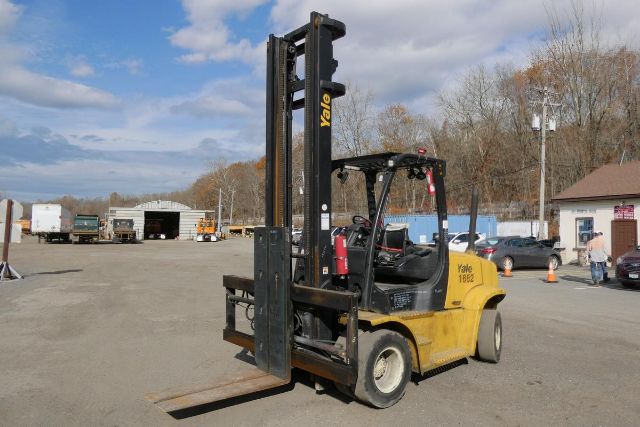
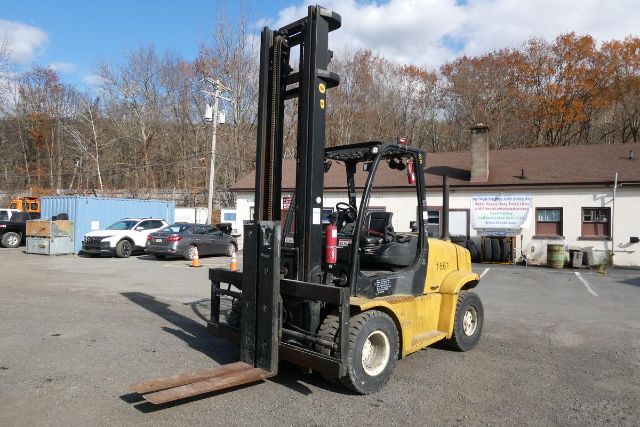
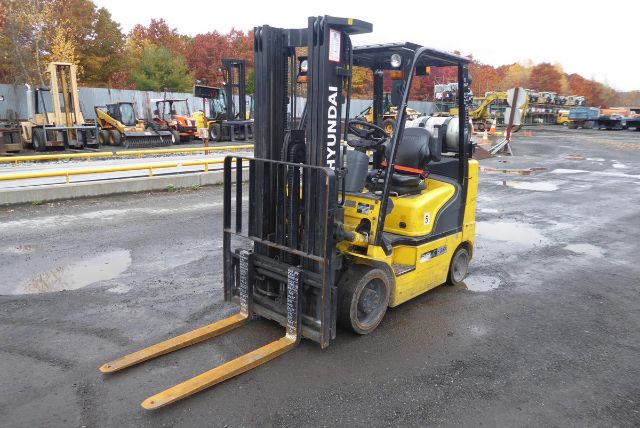
Selling a used 2016 forklift? List your used 2016 forklift for sale and reach thousands of commercial buyers.
Used 2016 Forklifts
Cushion-tire trucks suit smooth warehouse floors; pneumatic-tire trucks are better suited to yards and uneven hard surfaces. Unfinished jobsites call for purpose-built rough-terrain forklifts. Electric models eliminate tailpipe exhaust but require a compatible battery and charging setup. Propane models offer quick refueling, while diesel models serve heavier outdoor work. Diesel forklifts from the 2016 emissions era may have Tier 4 equipment; verify the engine certification label and installed hardware rather than assuming every machine uses a DPF or DEF.
Inspect a used fork truck cold, then operate it until the drivetrain and hydraulics reach working temperature. Test forward and reverse engagement, service and parking brakes, steering play, mast operation, and attachment functions with a suitable test load. Check chain elongation, mast rollers, carriage play, cylinder leakage, fork heels, and tire damage. Compare the hour meter with service records and controller or ECM data where accessible. On electric trucks, record battery age, voltage, connector condition, and charger compatibility. On combustion models, investigate hard starting, smoke, overheating, and transmission hesitation rather than accepting a brief unloaded demonstration.
Across the United States and Canada, floor condition and climate can change the right specification. Salt exposure warrants close inspection of the frame, battery compartment, wiring, and brake components. Cold storage requires equipment suitable for low temperatures and condensation, not simply an enclosed cab. Confirm operator-training requirements and workplace rules with the applicable US or provincial authority, and verify that the truck's designation suits any hazardous location where it will operate.
Frequently Asked Questions about Used 2016 Forklifts
Do I need a special license to operate a used 2016 forklift?
US workplace forklift operation requires employer-certified training and evaluation, not simply a driver's license or a purchased operator card. OSHA requires operator performance evaluation at least once every three years, with refresher training triggered by specified events or deficiencies. Canadian requirements follow provincial or territorial workplace rules. Prior experience does not replace familiarization with the particular forklift and workplace hazards.
How much fork wear is too much on a used forklift?
A 10% loss of original fork-blade thickness is a commonly used removal-from-service threshold for forklift forks. Measure wear with an appropriate fork caliper, especially around the heel, and follow the fork manufacturer's inspection criteria. Cracks, bent blades, damaged hooks, or defective positioning locks can require removal even when thickness remains acceptable. Replacement forks must match the truck's carriage and required capacity.
Can a 2016 propane forklift be used inside a warehouse?
Yes, a propane forklift can operate indoors where ventilation controls exhaust exposure and the truck is suitable for the location. Propane exhaust can contain dangerous carbon monoxide, particularly with poor engine adjustment or inadequate ventilation. Assess ventilation under actual operating conditions, maintain the fuel and ignition systems, and follow applicable exposure limits. Electric forklifts avoid tailpipe emissions but still require appropriate battery-charging precautions.
How do I check the battery on a 2016 electric forklift?
A battery load test is more informative than a full-charge indicator on a used electric forklift. Identify battery chemistry, rated voltage, amp-hour capacity, and manufacturing date before testing. For serviceable lead-acid batteries, a qualified technician can compare cell voltages and electrolyte specific gravity. Record voltage drop during lifting and travel, and confirm the battery's weight meets the forklift manufacturer's required range.
What weight should I use when arranging transport for a forklift?
Use the forklift's actual shipping weight, including installed attachments and any battery traveling with the machine, rather than its lifting capacity. A forklift rated to lift a particular load weighs substantially more than that rating suggests. Verify trailer payload, axle loading, deck strength, ramp capacity, and loaded height. Secure the forklift according to applicable US or Canadian cargo-securement requirements.