
Used Mitsubishi Forklifts For Sale
Used Mitsubishi forklifts for sale: compare FGC, FG, FD, and FB models, load ratings, tire types, and inspection points for warehouse or yard work.
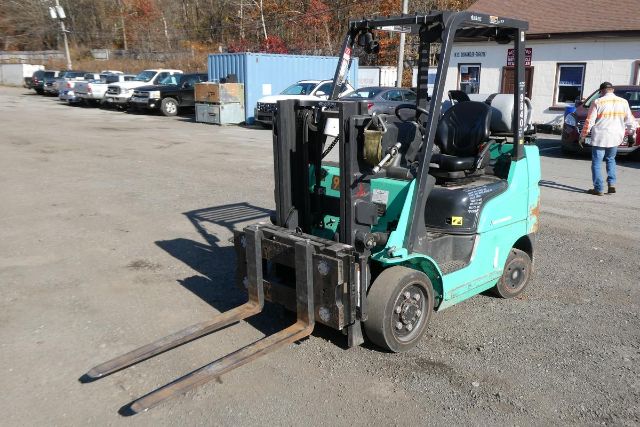
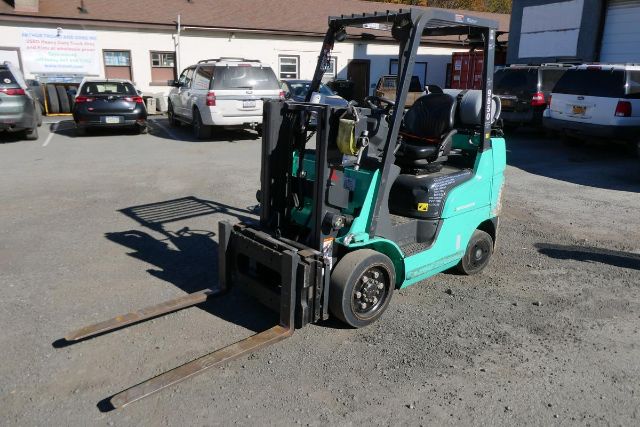
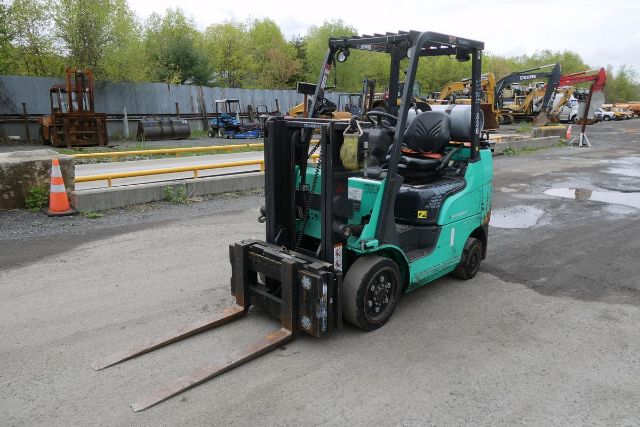
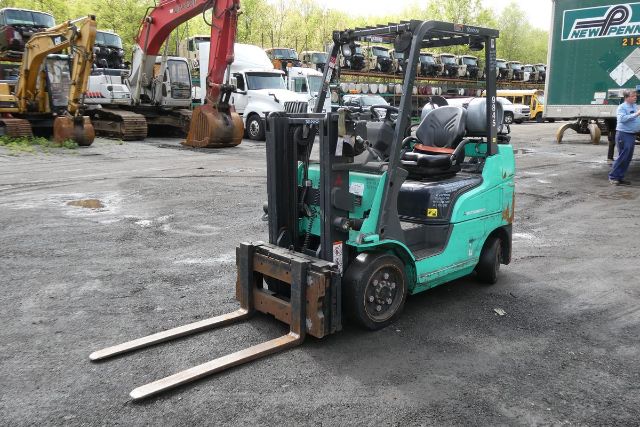
Selling a used mitsubishi forklift? List your used mitsubishi forklift for sale and reach thousands of commercial buyers.
Used Mitsubishi Forklifts
Start capacity comparisons with the truck's data plate, which must match its mast and installed attachments. Longer load centers, higher lift heights, sideshifters, and fork positioners can reduce usable capacity. Measure collapsed mast height against doorways and trailer openings, then check maximum fork height and free lift against the actual job. Fork length, carriage width, turning clearance, and right-angle stacking space matter as much as nominal tonnage. Verify that floors, dockboards, and trailers can support the loaded forklift's concentrated wheel loads.
A used lift truck should be tested cold and again after the engine, transmission, and hydraulic oil reach operating temperature. Check forward and reverse engagement, service and parking brakes, steering play, mast roller clearance, chain condition, and cylinder leakage. Raise a suitable test load and watch for excessive carriage movement or hydraulic drift. Inspect fork heels for wear and cracks, tire condition, overhead guard damage, and repairs around the mast mounts. Compare hour-meter readings with maintenance records and electronic operating history where accessible; low indicated hours alone do not establish condition.
Electric Mitsubishi models require a separate assessment of the traction battery, charger, cables, connectors, and hydraulic and drive motors. Confirm battery voltage, compartment dimensions, and required battery weight against the truck's specifications. A charger must match the battery chemistry and electrical supply. On LP-gas trucks, inspect the fuel system and cooling system, and test starting, idle quality, and acceleration under load rather than accepting a brief unloaded demonstration.
Across the United States and Canada, match the forklift to both climate and workplace rules. Cushion tires belong on firm, smooth surfaces, not gravel yards or snow-covered approaches; pneumatic tires do not turn a warehouse forklift into a rough-terrain machine. Salt exposure warrants close inspection of brake components, electrical connections, and chassis corrosion. Electric power avoids tailpipe emissions indoors, while LP-gas operation still requires adequate ventilation and carbon monoxide controls. For diesel units, identify the engine's emissions certification and installed aftertreatment before evaluating local operating restrictions and maintenance needs.
Frequently Asked Questions about Used Mitsubishi Forklifts
Can I put pneumatic tires on a Mitsubishi FGC cushion-tire forklift?
Keep the factory tire configuration on a Mitsubishi FGC unless the manufacturer approves a conversion. Cushion-tire and pneumatic-tire forklifts use different wheel arrangements, clearances, and chassis designs, so changing tire types is not a straightforward swap. Solid pneumatic tires fit pneumatic-style wheels and are not the same as the press-on cushion tires commonly fitted to FGC models.
How much fork wear is too much on a used Mitsubishi forklift?
A 10% reduction from original fork blade thickness is a common removal-from-service limit for forklift forks. Measure a used Mitsubishi forklift's forks against the manufacturer's original dimensions, especially near the heel, rather than estimating wear visually. Cracks, bent blades, damaged hooks, or unequal fork heights also require qualified inspection. Replacement forks must have suitable capacity, length, and carriage mounting dimensions.
How do I check the battery before buying a used Mitsubishi electric forklift?
A documented battery capacity test is more useful than a dashboard charge reading on a used Mitsubishi electric forklift. Have a qualified battery technician assess performance under load, cell condition where applicable, connector heating, and compatibility with the charger. Confirm the battery meets the truck's specified weight range because the traction battery contributes to counterbalance stability. Different battery chemistries require compatible charging equipment and controls.
Do I need a forklift license to operate a used Mitsubishi at work?
U.S. OSHA requires employer-certified operator training and evaluation for Mitsubishi forklifts, not a government-issued forklift driver's license. Training must address the truck type and workplace hazards, and operator performance must be evaluated at least once every three years. Refresher training is required under specified circumstances, including unsafe operation. Canadian requirements vary by province or territory, so verify the applicable occupational safety rules.
Can a 5,000-pound Mitsubishi forklift lift 5,000 pounds on long forks?
A 5,000-pound rating at a 24-inch load center does not authorize lifting 5,000 pounds centered at 30 inches. That longer load center creates 25% more load moment before accounting for other configuration differences. Long forks do not automatically mean a longer load center, but long loads often do. Use the Mitsubishi forklift's applicable capacity plate or obtain manufacturer-approved capacity information for the proposed load and attachments.