
Used 2001 Forklifts For Sale
Used 2001 forklifts for sale: compare load ratings, mast clearance, tire types, and aging powertrains before choosing a lift truck for your operation.
Selling a used 2001 forklift? List your used 2001 forklift for sale and reach thousands of commercial buyers.
Used 2001 Forklifts
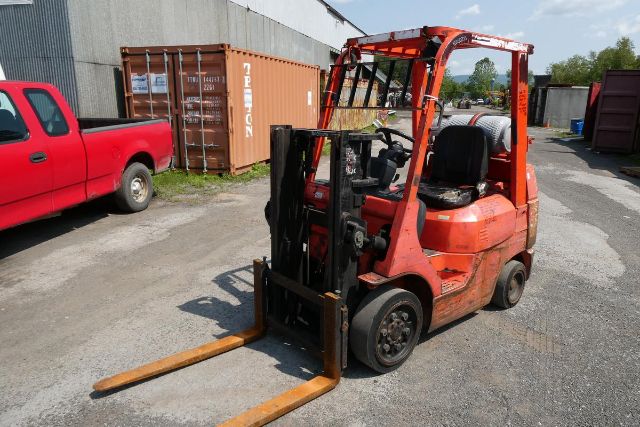
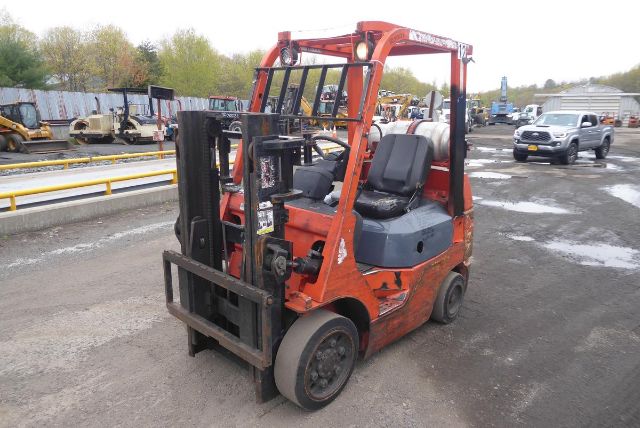
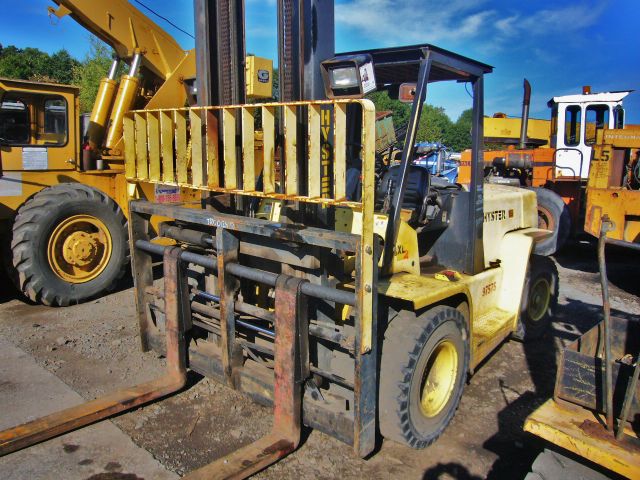
Tire type and operating surface should narrow the choice before horsepower does. Cushion-tire counterbalance trucks, including Toyota's 7FGCU series, suit smooth warehouse floors and tight aisles; larger Hyster XL-series diesel trucks illustrate the heavier industrial end of this era. Pneumatic-tire configurations suit yard work, but solid pneumatic tires do not turn a standard forklift into a rough-terrain machine. Electric forklifts remain another option for indoor work across makes. Confirm overall width, turning clearance, collapsed mast height, free lift, and maximum fork height against the building and rack layout. Rated capacity applies at a specified load center and lift height; long loads, high lifts, and attachments can reduce the permissible load.
Have a qualified forklift technician inspect a used machine under controlled conditions, including a load test within its rated limits. Look for fork heel wear, cracked or repaired forks, stretched lift chains, worn mast rollers, carriage play, and cylinder leakage. Test service and parking brakes, steering response, transmission engagement, and hydraulic operation after warmup. Check the steer axle pivot and mounting points, which can accumulate substantial wear even when the engine sounds healthy. Compare indicated hours with pedal, seat, and control wear, service invoices, and electronic records where the machine supports them.
Many 2001 internal-combustion forklifts use relatively straightforward fuel and control systems, but age still affects seals, hoses, wiring, and cooling components. On propane trucks, inspect the tank mounting, fuel hoses, regulator or vaporizer, and exhaust condition; propane operation still requires adequate ventilation. Diesel inspection should include a cold start, crankcase blowby assessment, and cooling-system checks. For battery-powered trucks, require a battery capacity test and verify charger compatibility. Confirm replacement parts support by serial number rather than assuming a familiar brand guarantees every component.
Across the United States and Canada, storage history and working environment can matter as much as geography. Inspect northern outdoor machines for corrosion around frame seams, wiring connections, and battery compartments; abrasive yard work can accelerate mast and linkage wear in any region. Operator training and workplace inspection requirements follow the applicable US or provincial rules, not the truck's age. Before arranging transport, verify actual operating weight, mast height, and loading access, since a forklift's lifting capacity is not its shipping weight.
Frequently Asked Questions about Used 2001 Forklifts
Can longer forks increase the lifting capacity of a 2001 forklift?
No, longer forks do not increase a 2001 forklift's lifting capacity. Longer forks may allow a load to sit farther forward, increasing the load center and reducing permissible capacity. Fork extensions and attachments also add weight and can shift the load forward. Use manufacturer-approved capacity information for the actual mast, attachment, lift height, and load center rather than relying on the truck's nominal rating.
How much fork wear is too much on a used 2001 forklift?
A 10% loss of original fork thickness is a standard removal-from-service threshold for forklift forks. A qualified inspector should measure wear at the heel and compare it with the original thickness, not an already-worn reference point. Cracks, damaged hooks, excessive bending, or a faulty positioning lock can also require removal from service even before the thickness limit is reached.
Can I use a modern charger with a 2001 electric forklift?
A modern charger can serve a 2001 electric forklift if the charger matches the battery's voltage, chemistry, capacity range, and charging requirements. Matching the plug alone is insufficient. Verify connector polarity and confirm that the building supplies the charger's required input voltage and phase. A replacement charger should be selected from the battery specifications, not merely the forklift's model year.
Do operators need certification to use a 2001 forklift in the US or Canada?
US workplace forklift operators need employer-certified training and evaluation under OSHA's powered industrial truck rules, regardless of the forklift's age. OSHA requires operator performance evaluation at least once every three years, with refresher training triggered by specified conditions. Canadian requirements follow the applicable jurisdiction's occupational health and safety rules. Buying a used forklift does not transfer an operator qualification or eliminate workplace-specific training.
Does a 2001 diesel forklift need DEF or a DPF?
A 2001 diesel forklift would not ordinarily have factory-installed DEF equipment or a diesel particulate filter. Verify the actual engine and any retrofit equipment because an older chassis may have been modified. The absence of factory aftertreatment does not establish permission for every application: local emissions requirements, workplace exposure limits, and indoor ventilation restrictions still need review before putting a diesel lift truck to work.