
Winch Trucks For Sale in Florida
Browse winch trucks for sale in Florida. Compare light-duty self-loader wreckers, chassis ratings, winch capacity, underlift specs, and towing setup.
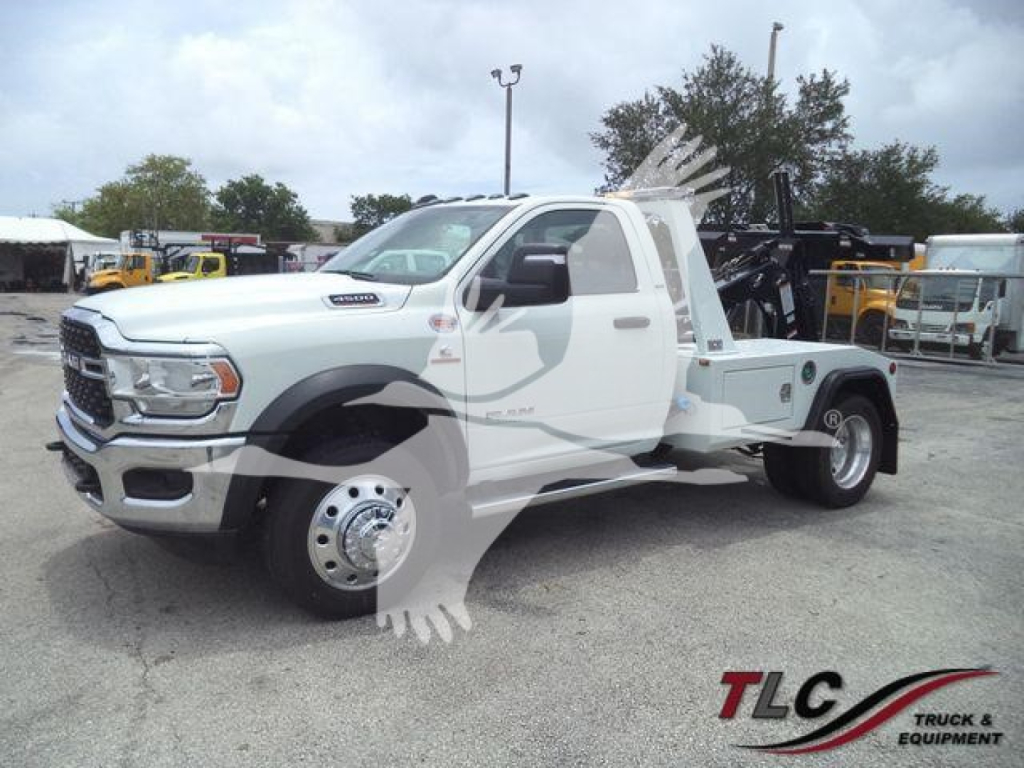
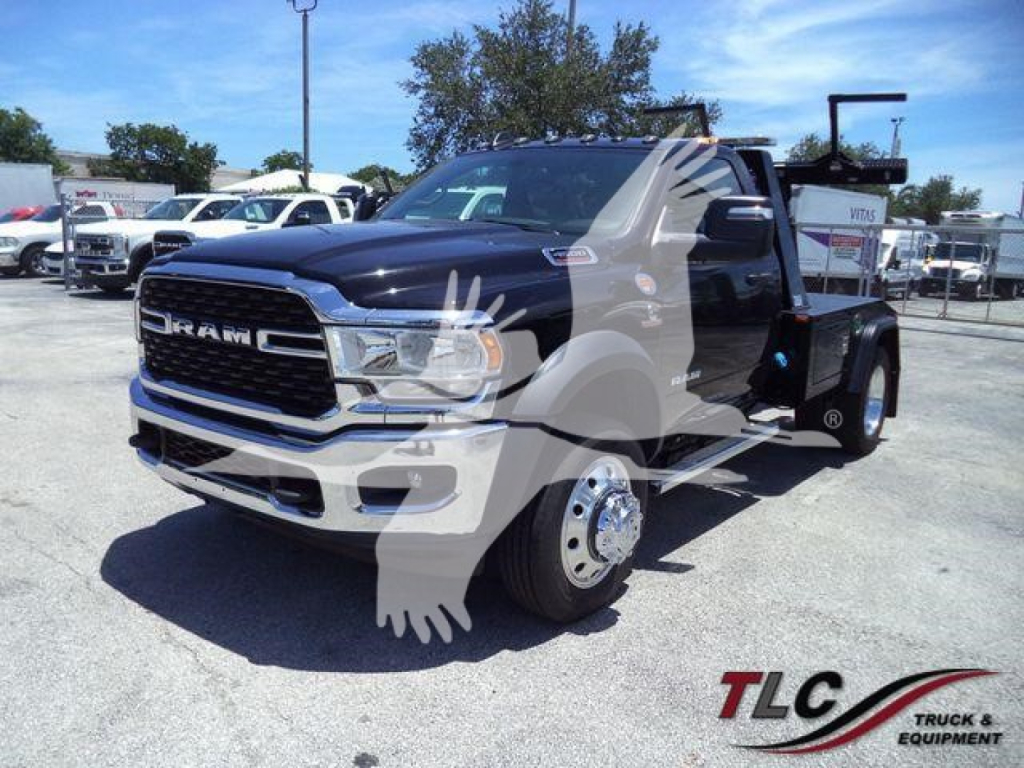
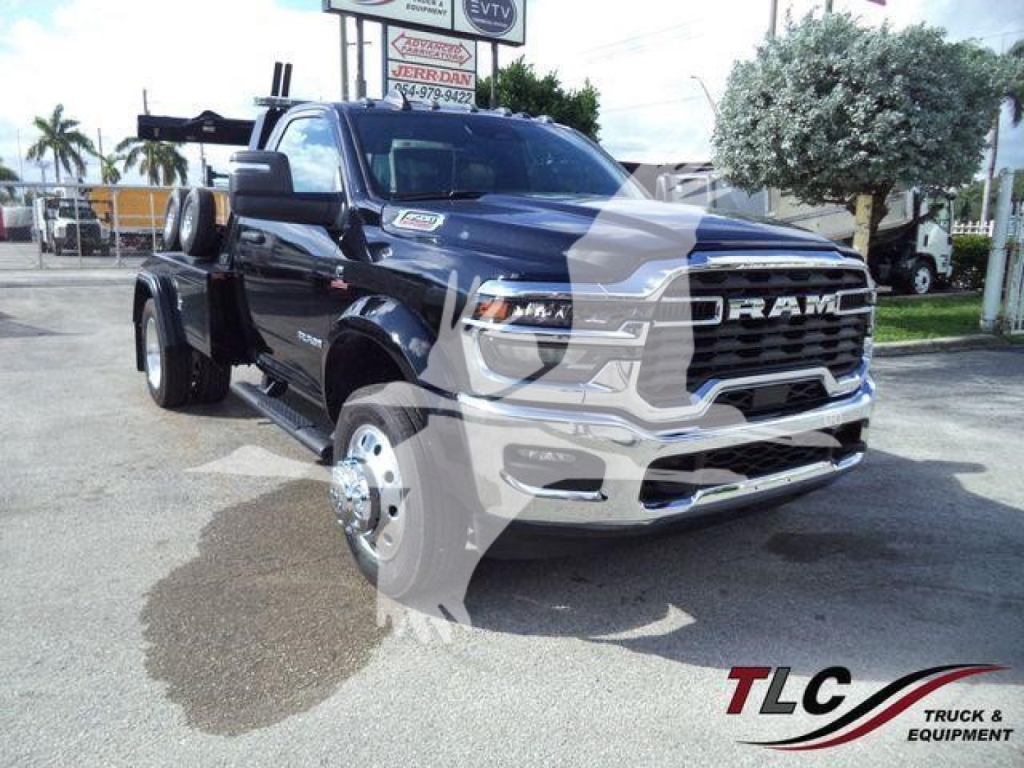
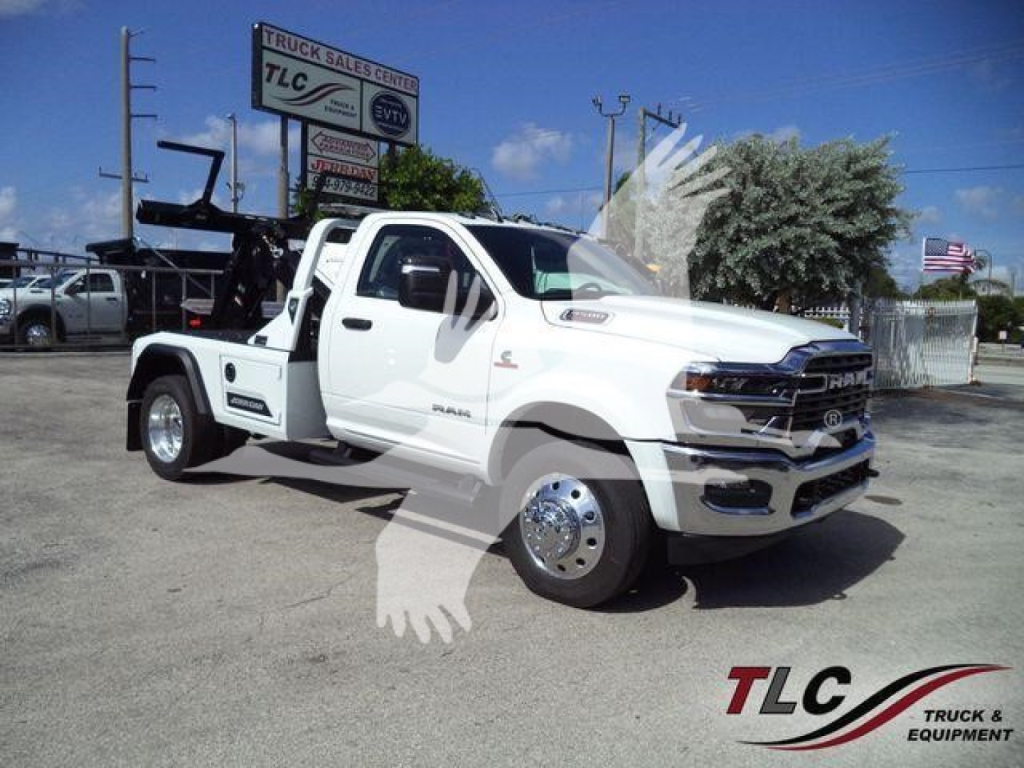
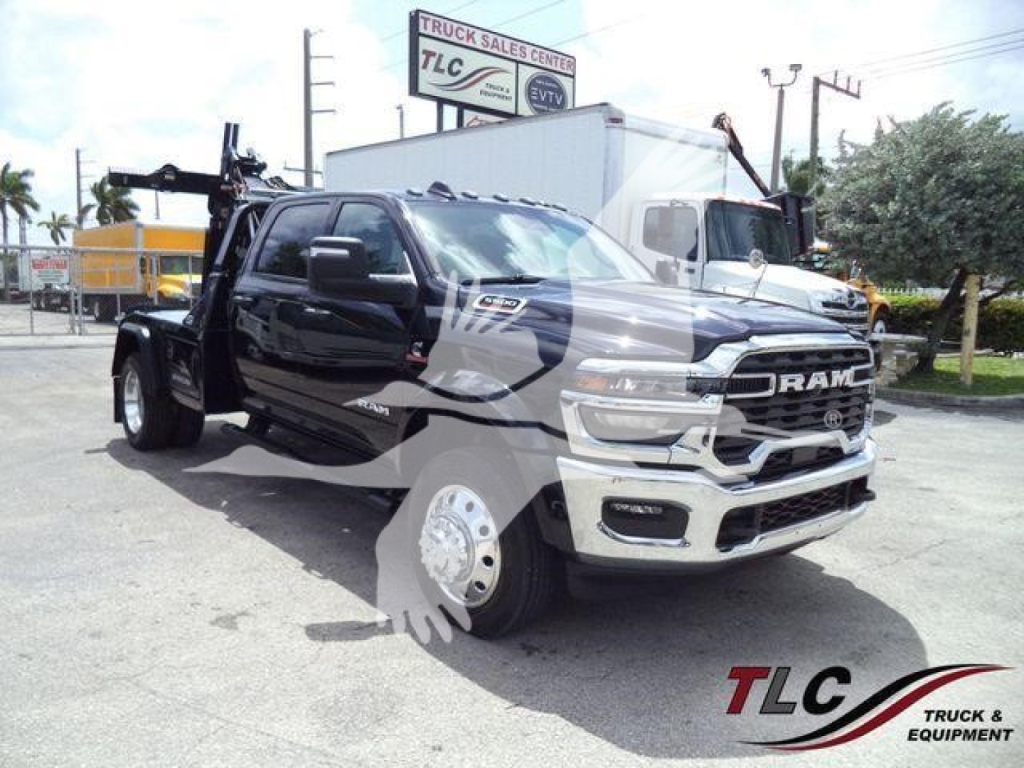
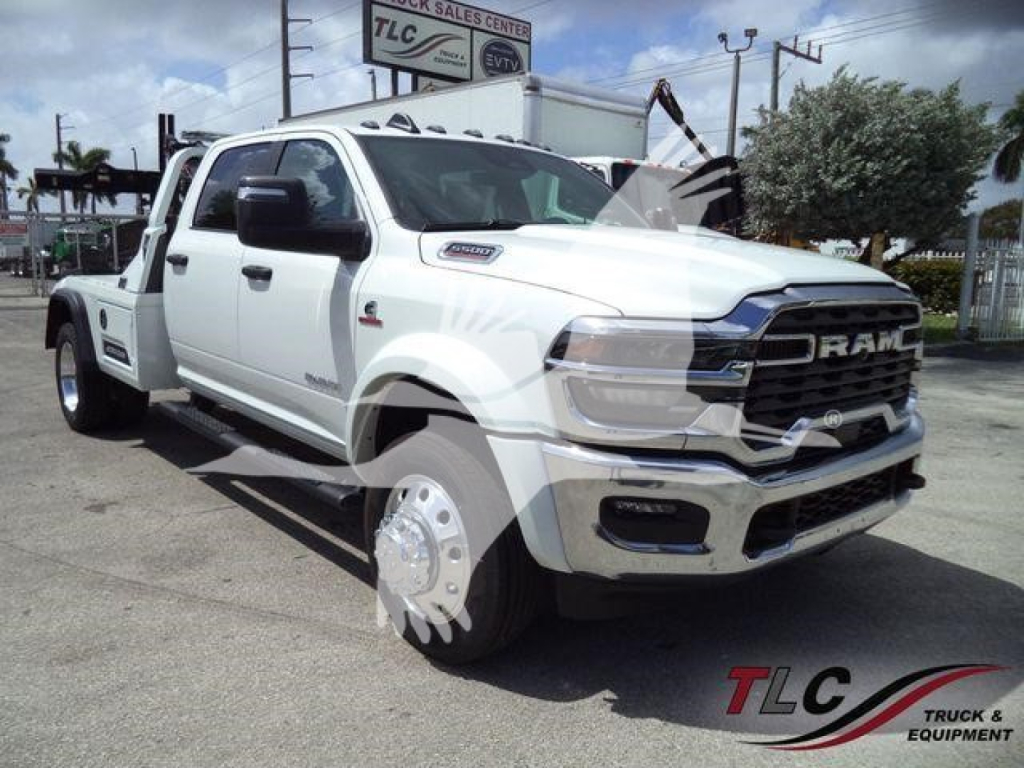
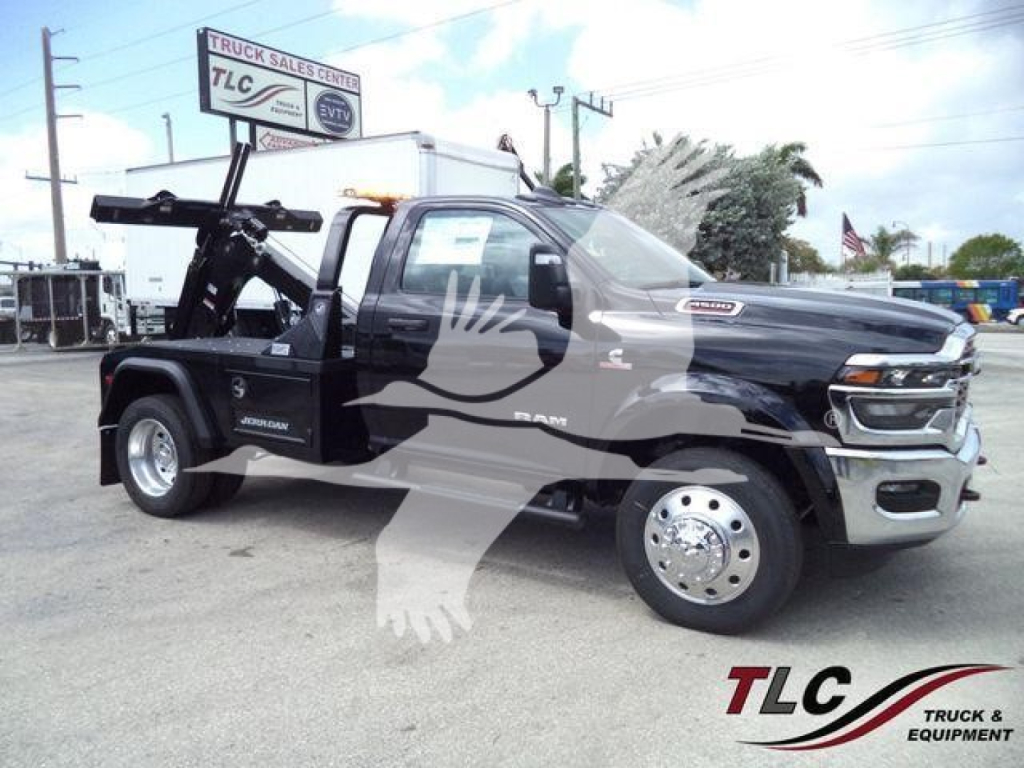
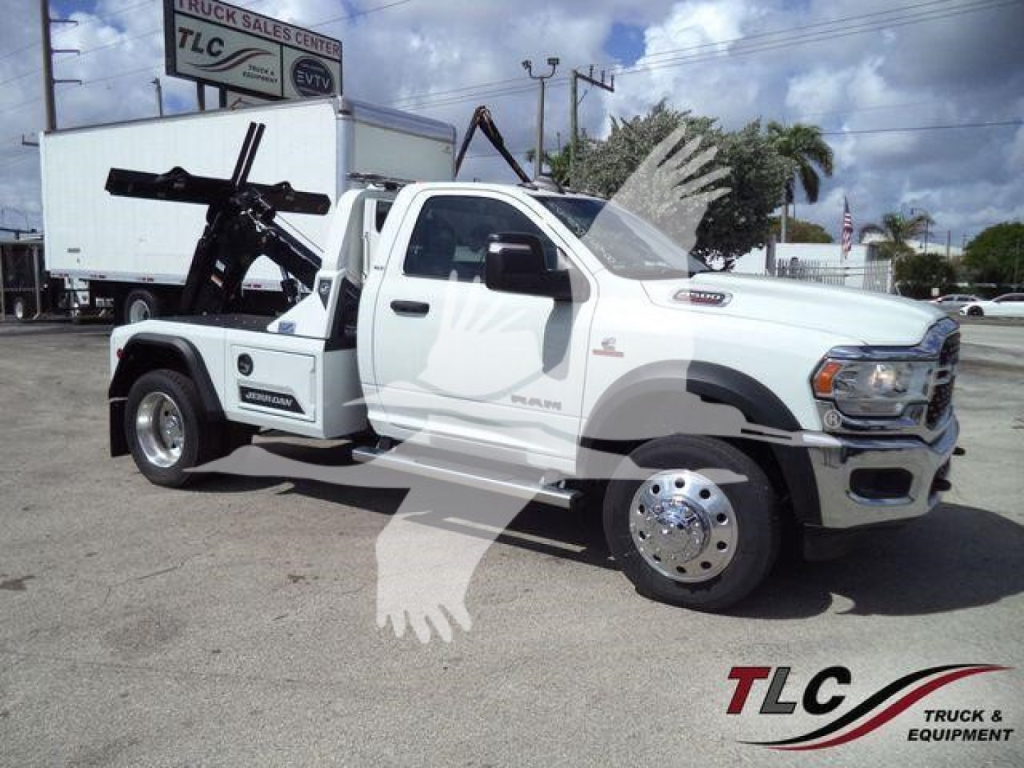
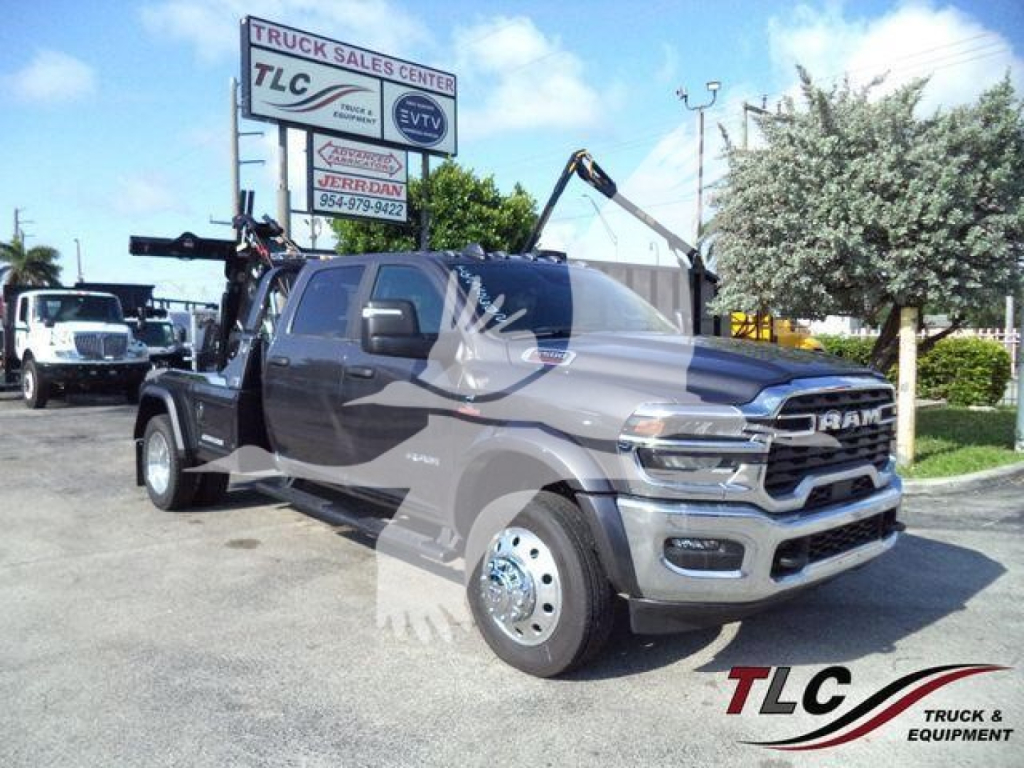
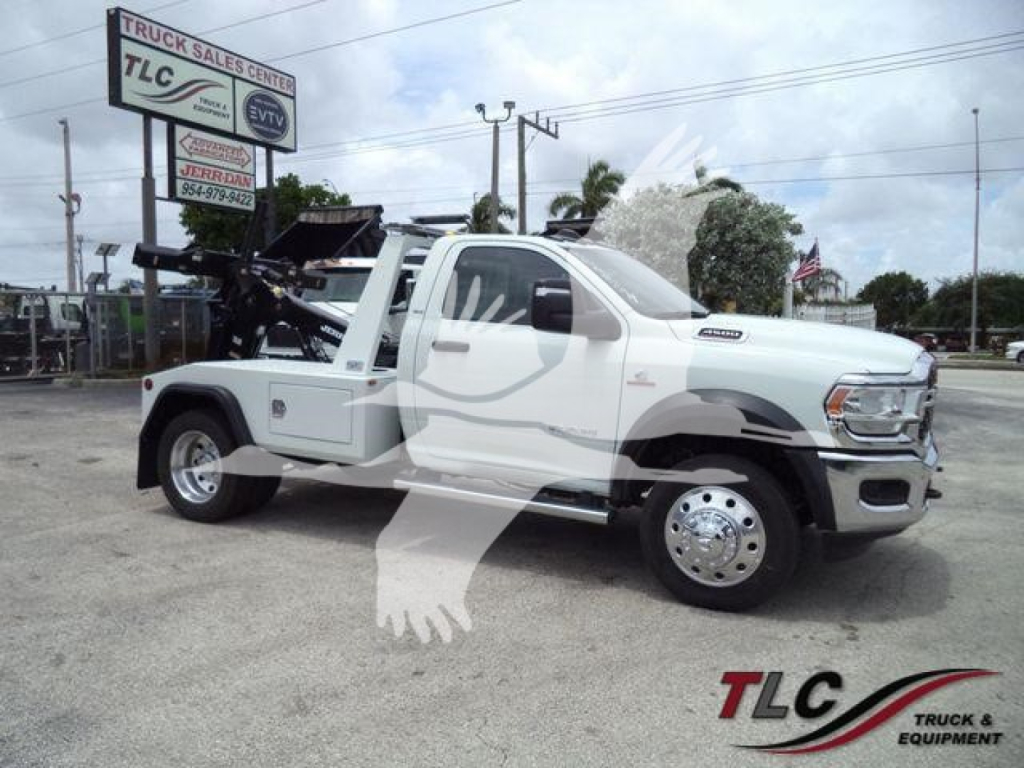
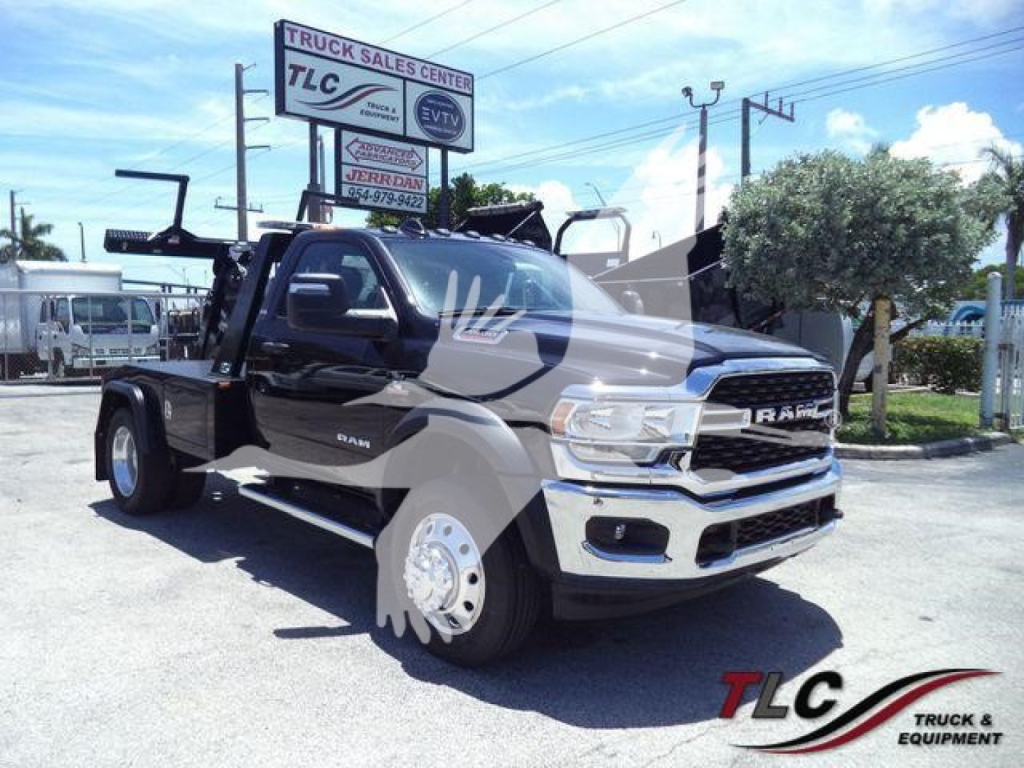
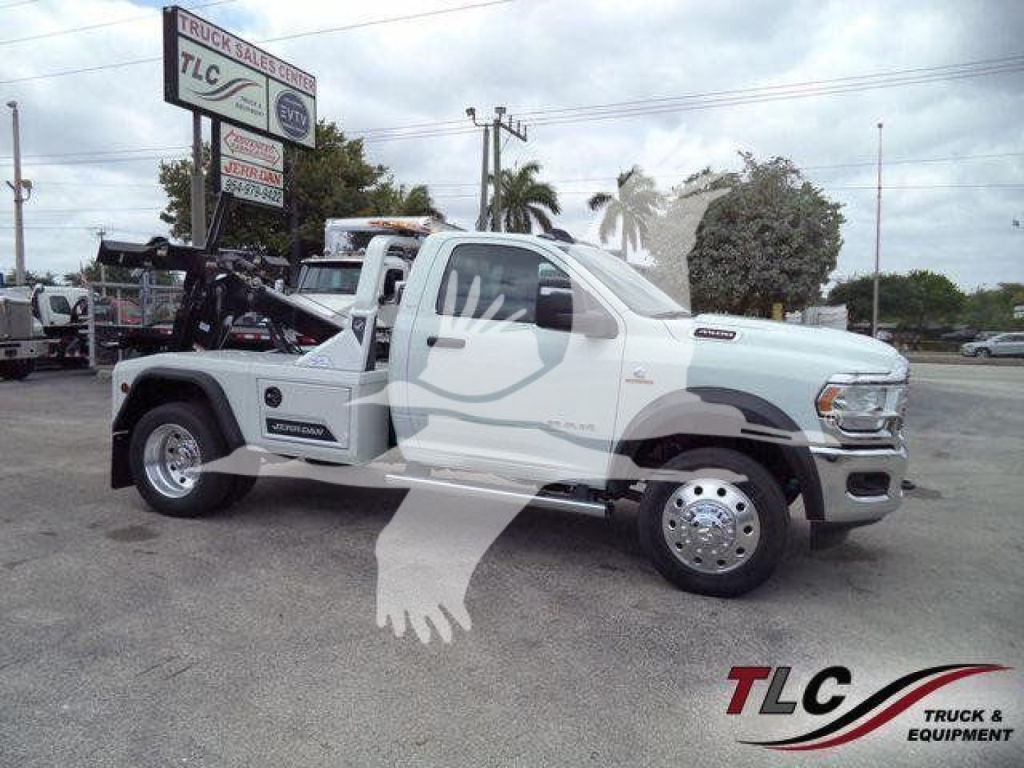
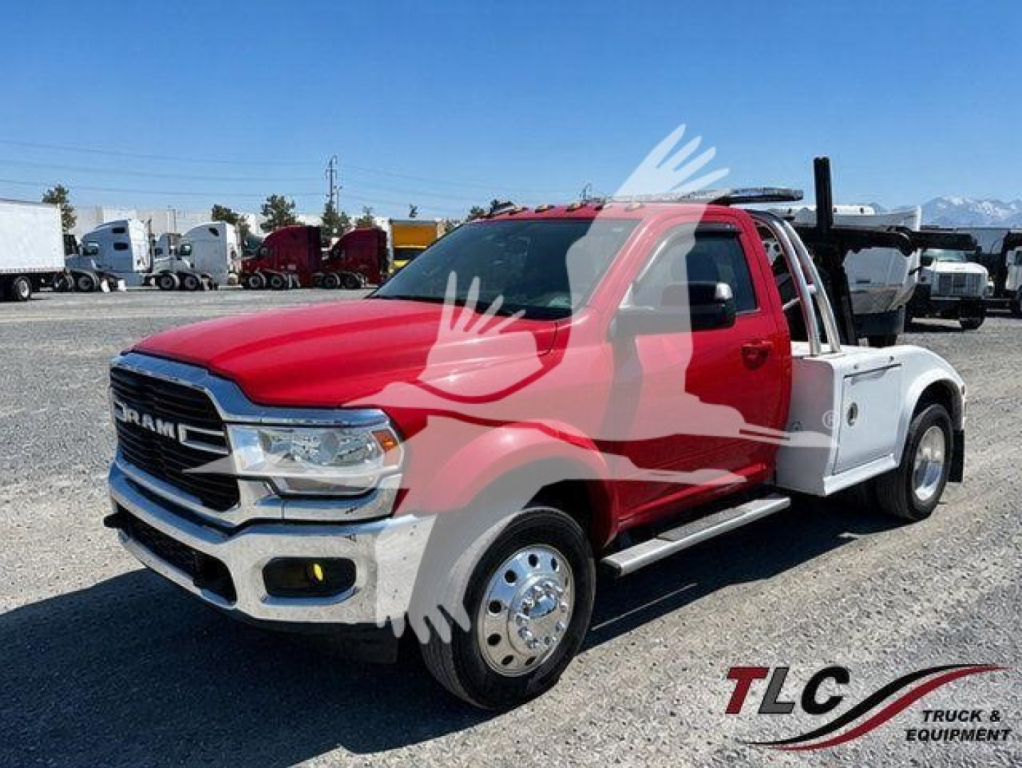
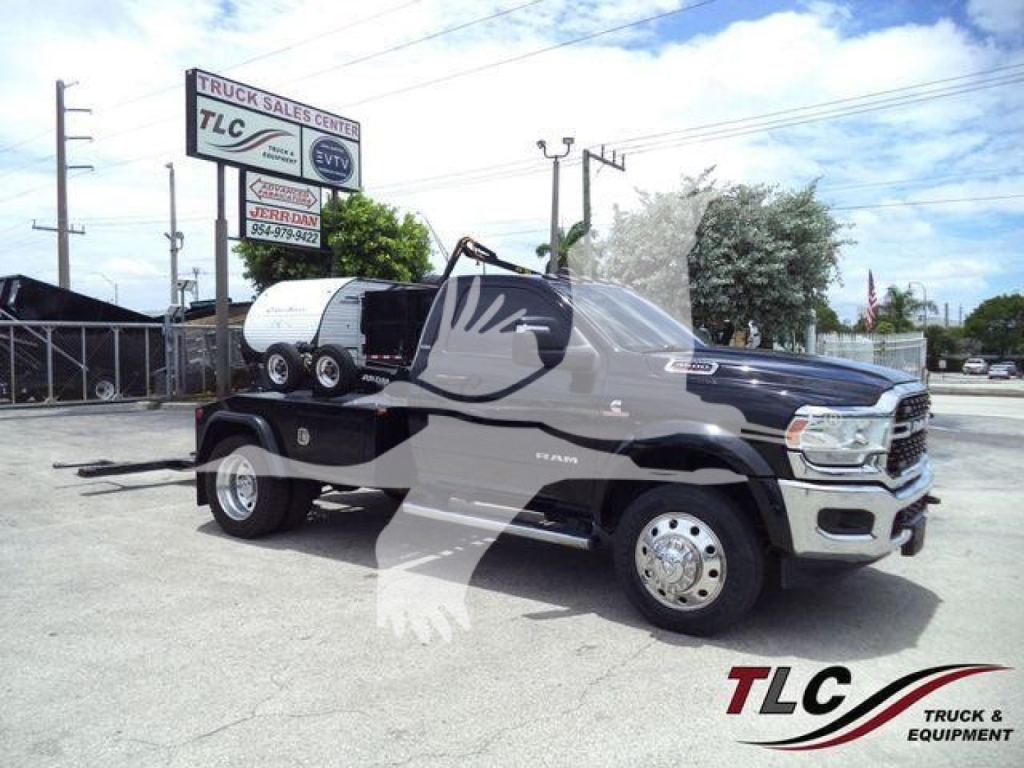
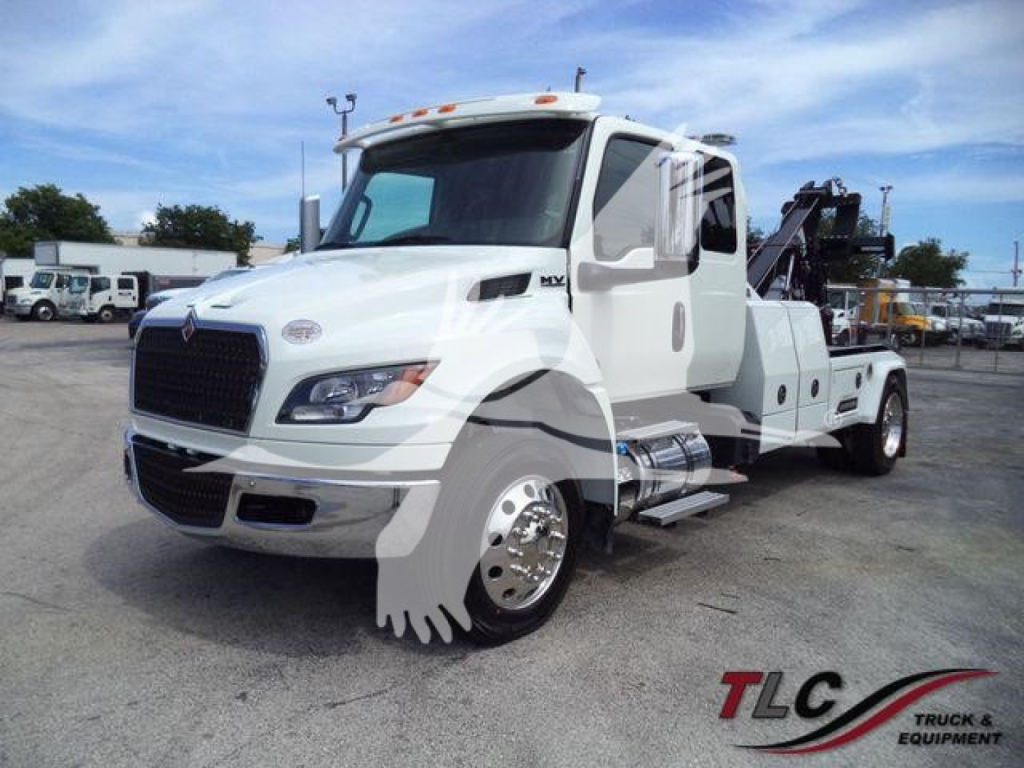
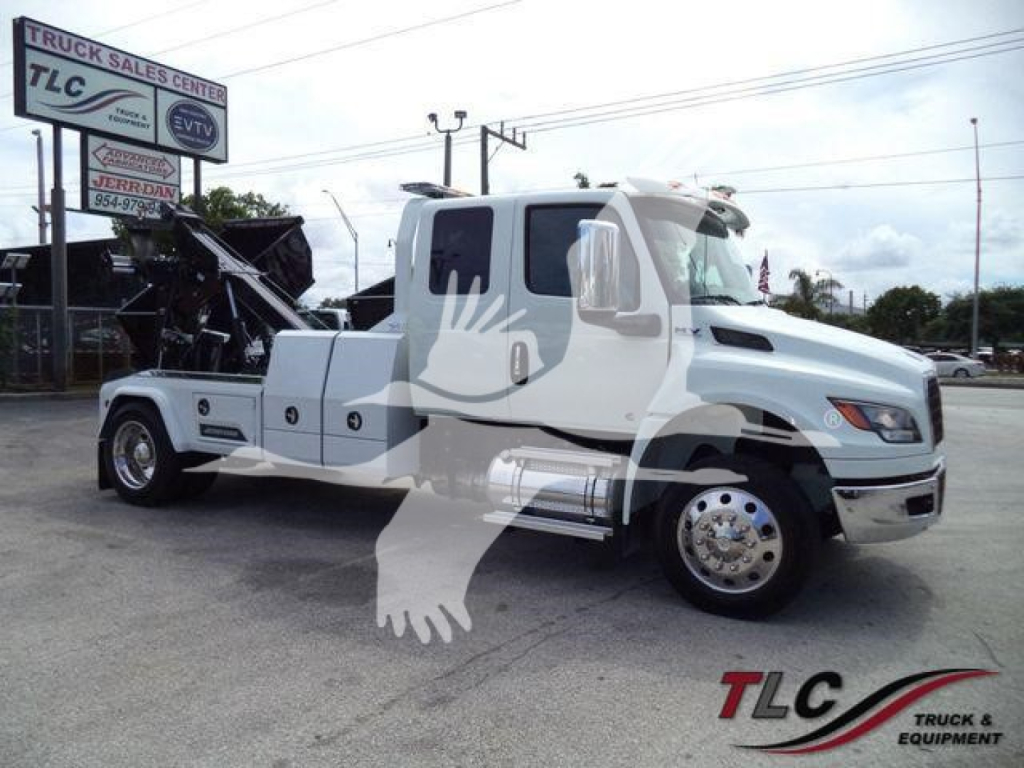
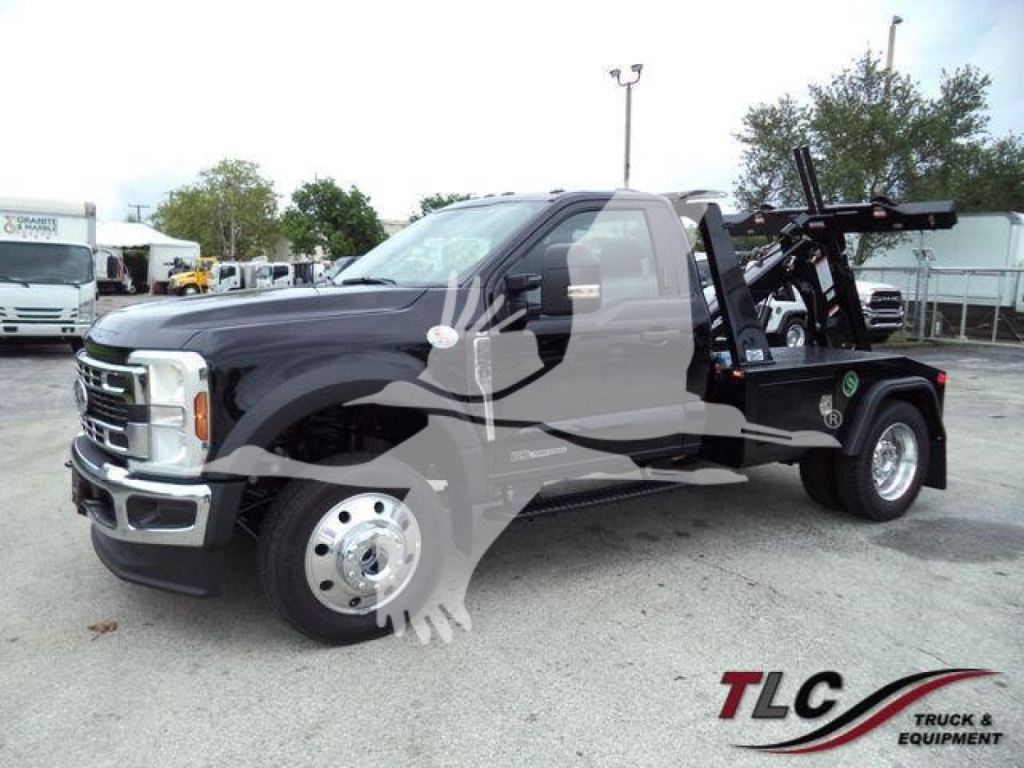
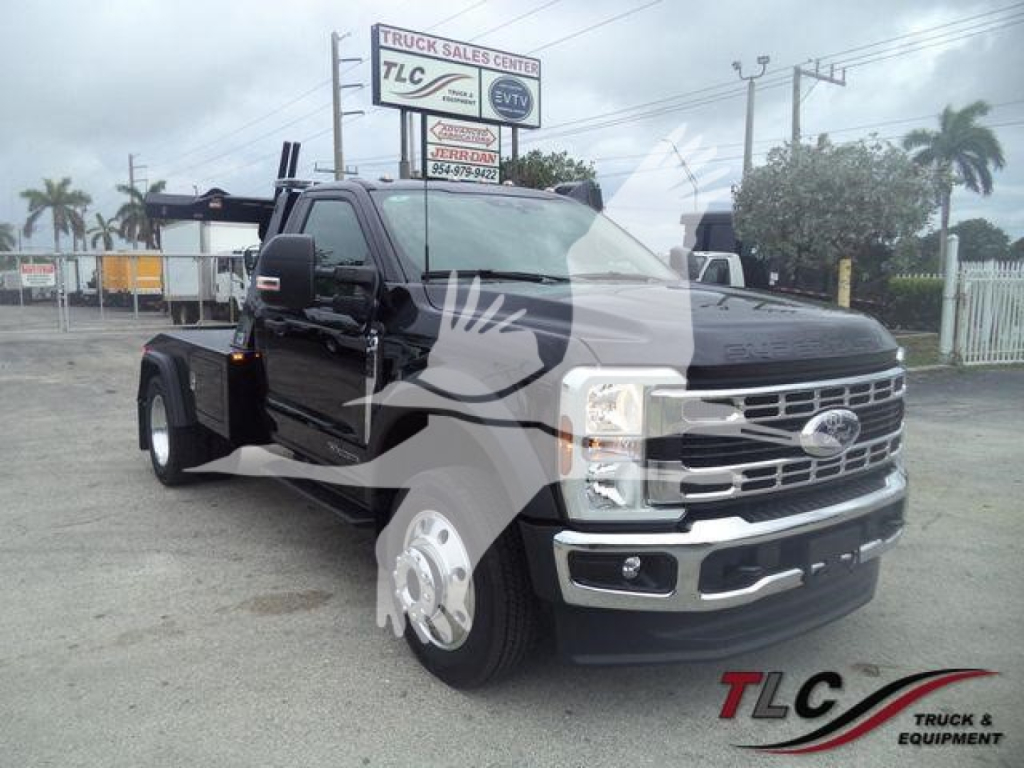
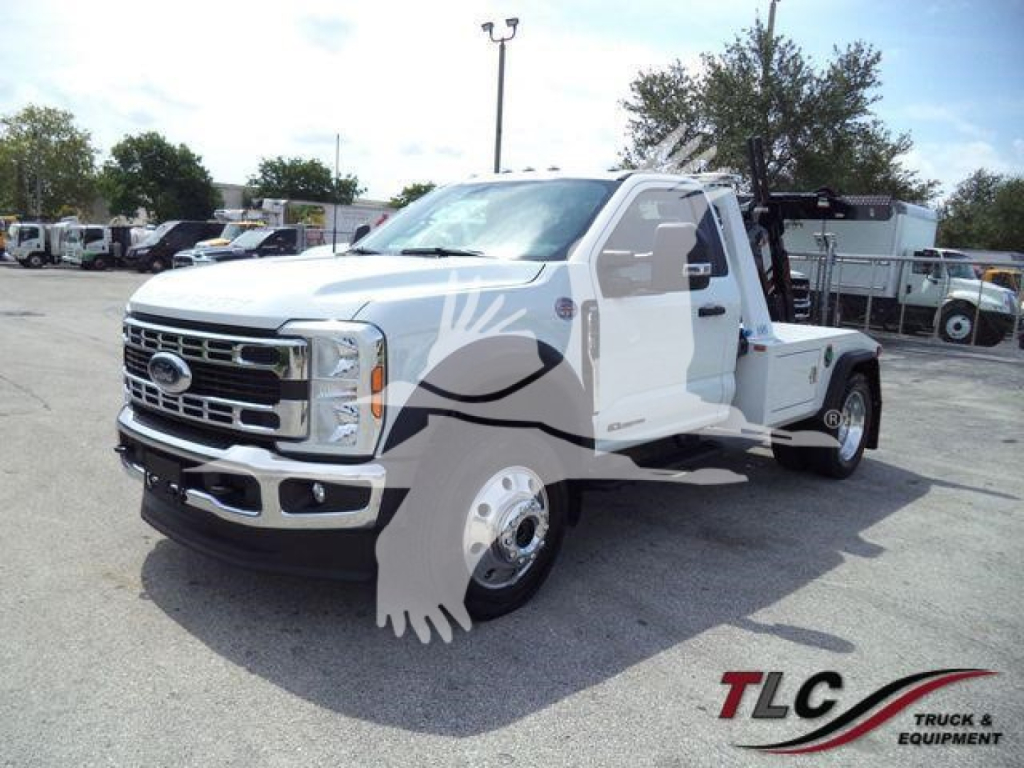
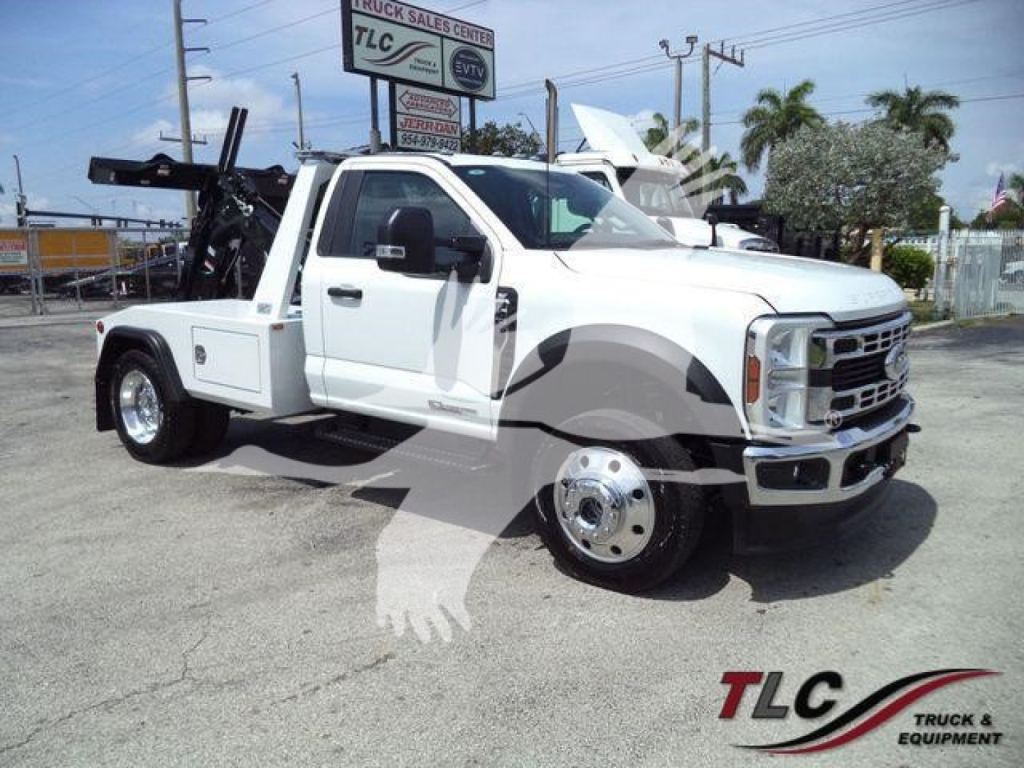
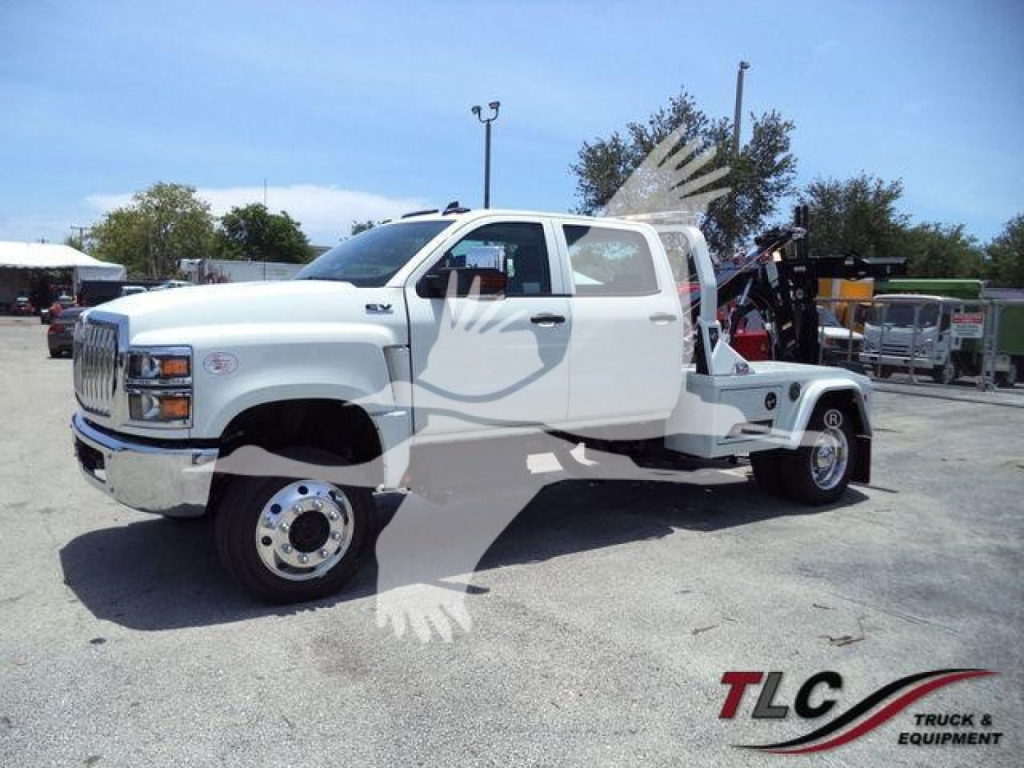
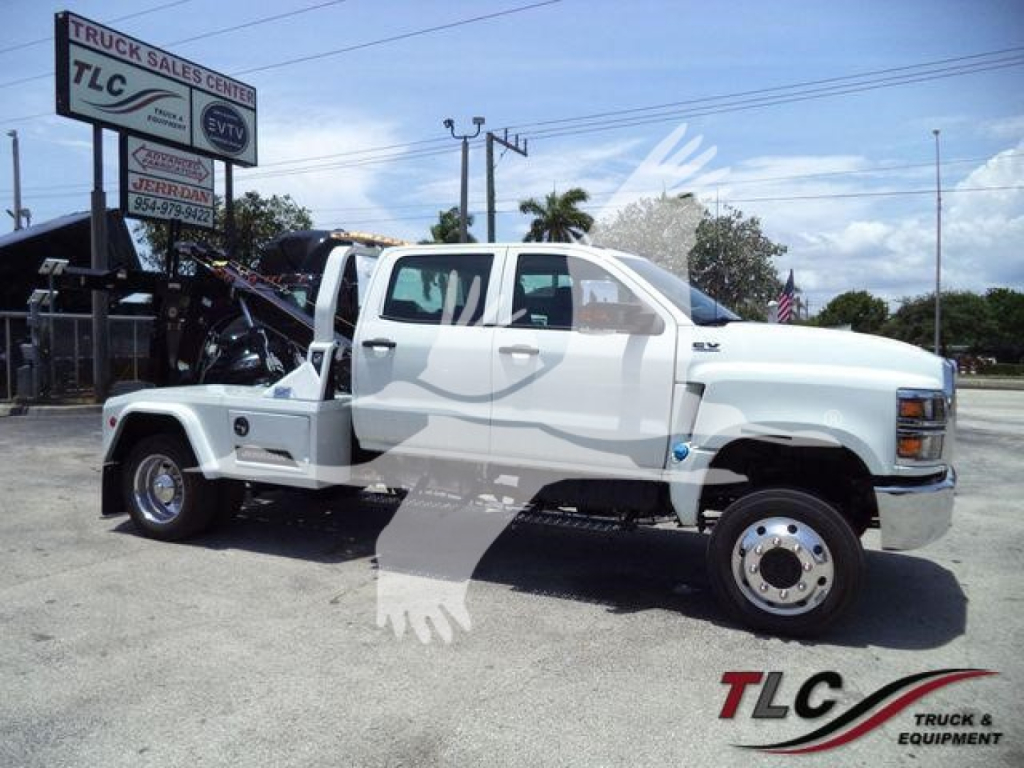
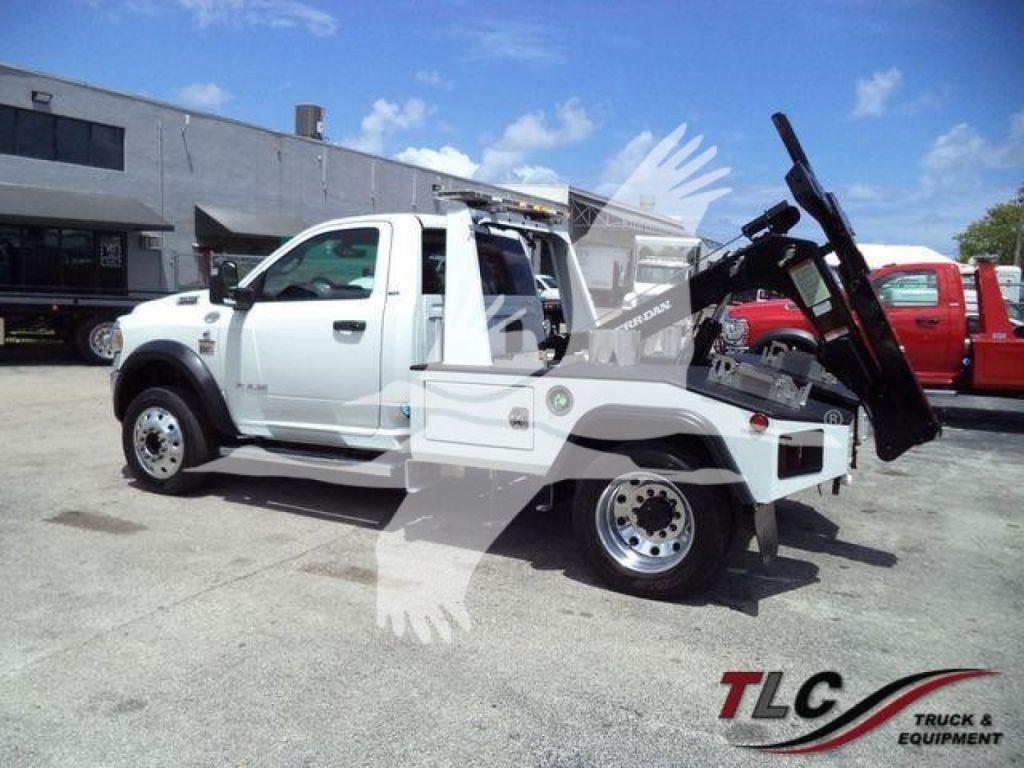
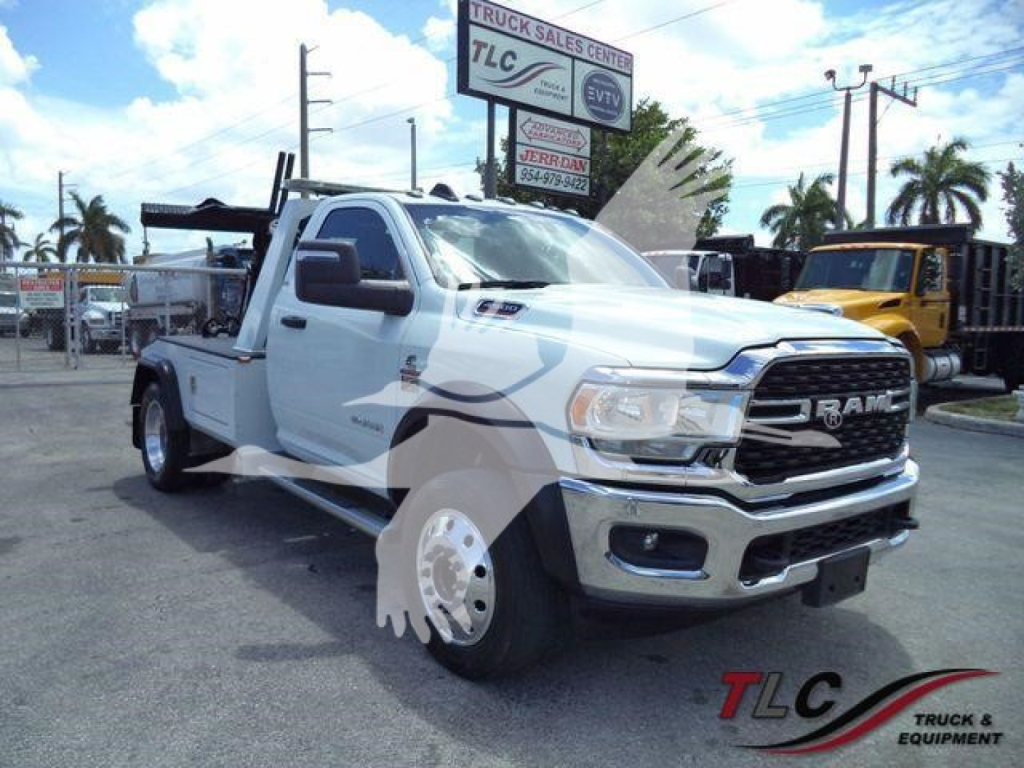
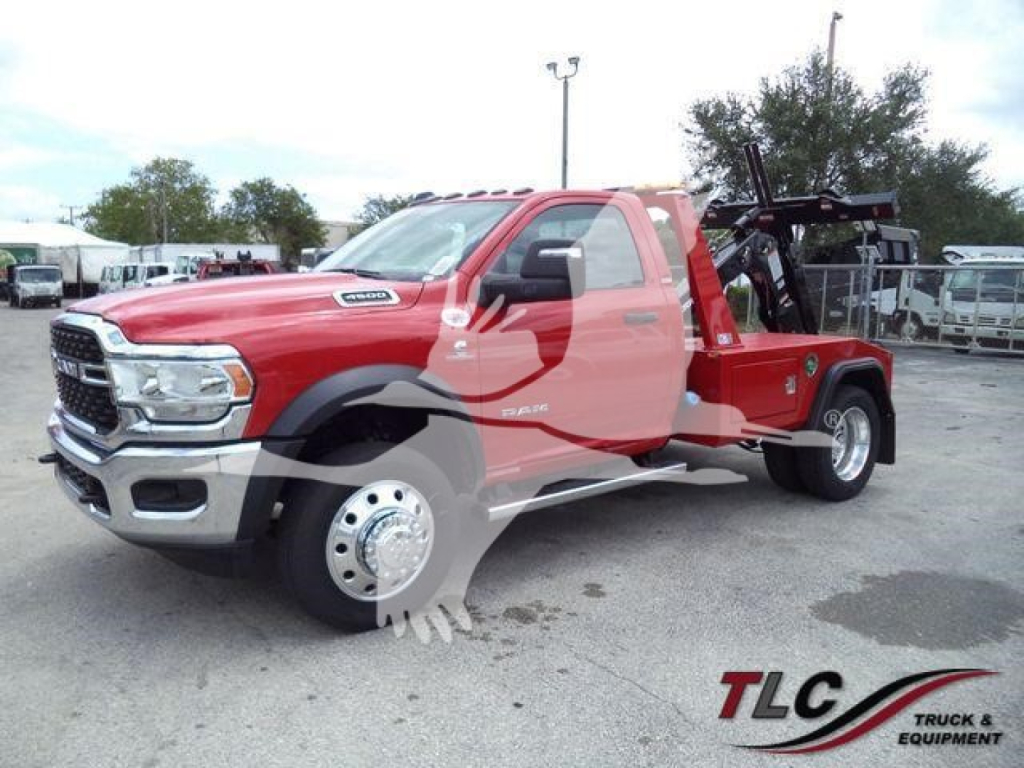
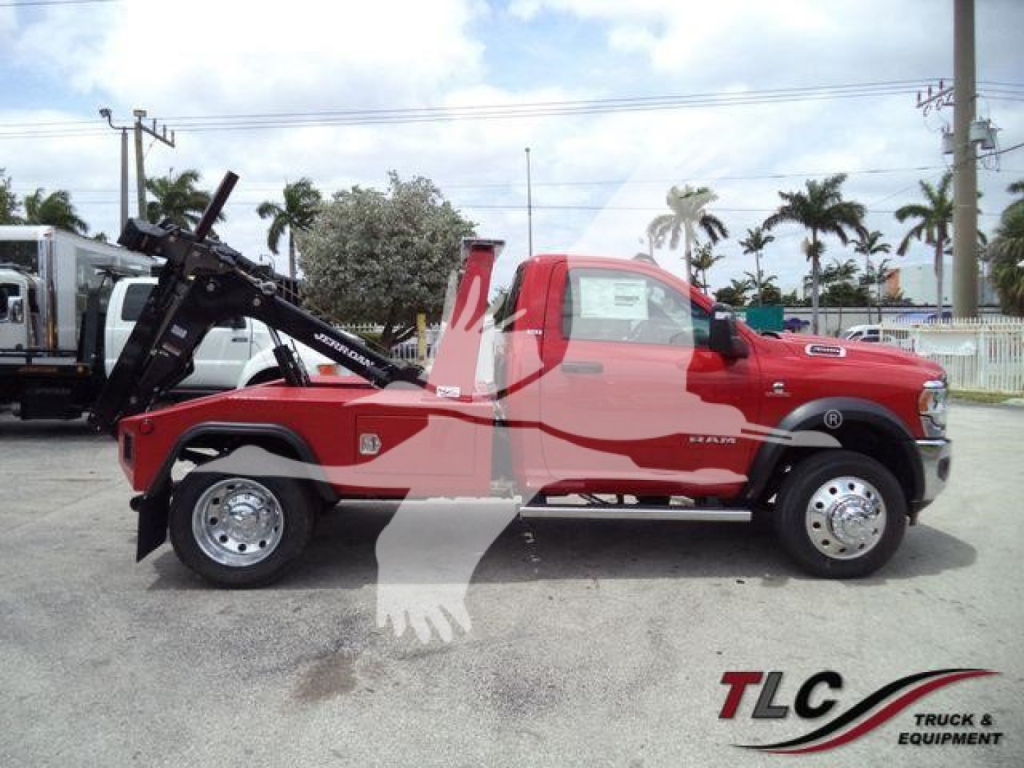
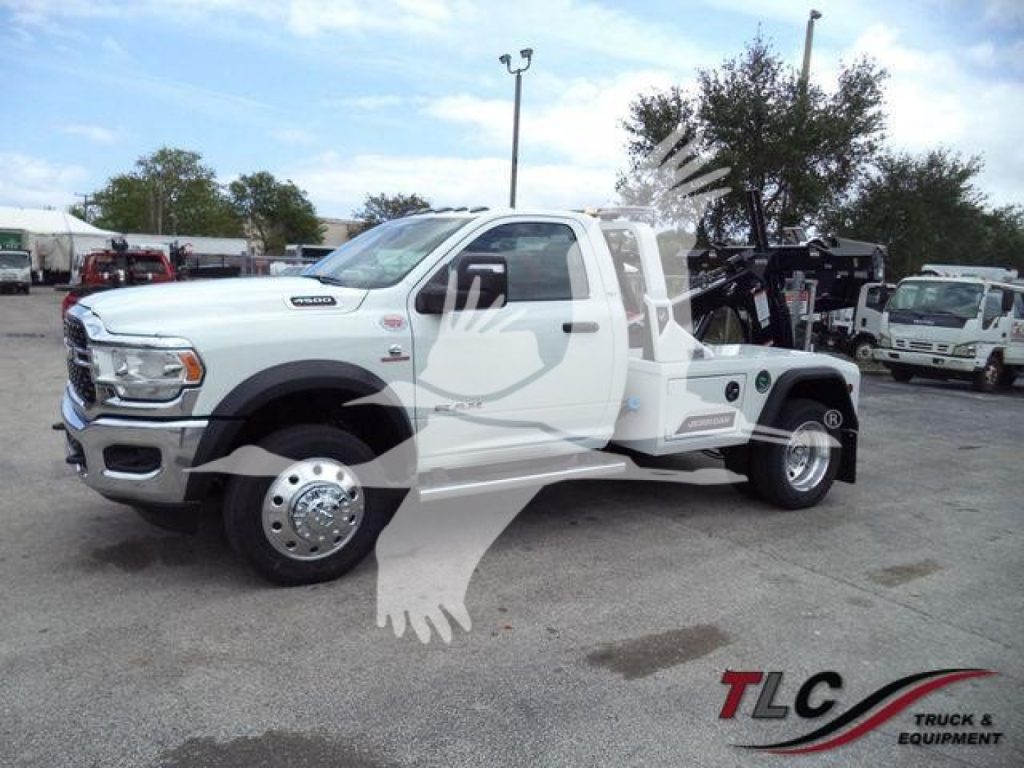
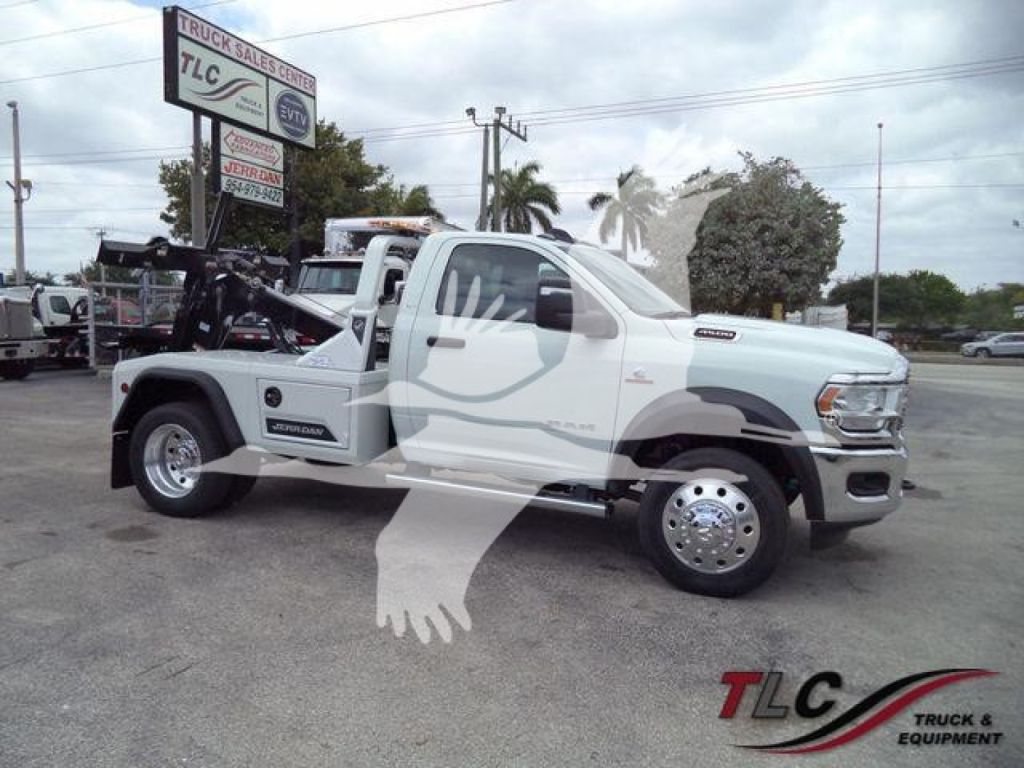
Showing 1 to 28 of 66 results
Selling a winch truck? List your winch truck for sale and reach thousands of commercial buyers.
Winch Trucks in Florida
The first buying decision is usually chassis and GVWR. A 4500 can be a solid fit for lighter daily towing and maneuverability, while a 5500 gives you more chassis capacity and a stronger foundation for body, tools, dollies, and constant service use. Many units in this class run a 6.7L Cummins diesel paired with an automatic, and 4x2 or 4x4 drivetrains are both common. In Florida, 4x2 may suit paved-route operators, but 4x4 can be useful for wet shoulders, unpaved lots, boatyard work, and storm-season recovery conditions.
Body and underlift specs matter more than cosmetic trim. Buyers should compare wheel-lift capacity, extended reach, tow rating, boom geometry, and control layout. A typical self-loader in this class may offer around 4,000 lb wheel-lift capacity, roughly 7,500 lb tow capacity, and a drag winch rated near 8,000 lb with cable sized for light recovery work. Jerr-Dan MPL-NG and Vulcan 810 style bodies are common examples, with features such as self-centering crossbars, wired or in-cab controls, work lights, backup alarms, toolboxes, composite or aluminum body construction, and no-lube pivot points. Aluminum and composite bodies can help with corrosion resistance in coastal Florida service.
A good used or new winch truck should be matched to the calls you actually run. Check cab-to-axle dimensions, body width, storage needs, tie-down equipment, safety chain setup, lighting package, camera visibility, and whether the unit includes dollies or wheel grids that fit your target vehicles. If the truck will spend its life on high-frequency repossession, parking enforcement, and local police rotation work, fast underlift operation and tight turning radius usually matter more than raw size. If you expect heavier pickups, vans, and work trucks, pay closer attention to chassis rating, rear suspension, brake capacity, and how the underlift performs at full extension.
Frequently Asked Questions about Winch Trucks in Florida
What is a winch truck in the towing industry?
A winch truck in this category is usually a light-duty wrecker equipped with a drag winch and a wheel-lift or self-loading underlift. These trucks are designed to recover, lift, and tow passenger vehicles, light pickups, and some vans. Many buyers use the terms winch truck, self-loader, autoloader, and light-duty wrecker interchangeably, although the exact body design and recovery equipment can vary by manufacturer.
How much can a light-duty winch truck typically tow?
Many light-duty self-loader winch trucks are built around an underlift rated near 4,000 lb and a tow capacity around 7,500 lb, with an 8,000 lb drag winch being a common spec. Actual towing capability depends on the chassis GVWR, body manufacturer rating, wheelbase, axle setup, and how far the underlift is extended. Buyers should always verify the body data plate and chassis limitations instead of relying on a general class description.
Is a Ram 4500 or Ram 5500 better for a winch truck?
A Ram 4500 is often chosen for maneuverability, lower overall size, and lighter daily towing work. A Ram 5500 generally offers more GVWR and a stronger platform for operators who carry more equipment or regularly tow heavier vehicles. The better choice depends on route density, the type of vehicles being recovered, and how much reserve capacity you want in the chassis.
What features matter most on a Florida winch truck?
Corrosion resistance, cooling performance, visibility, and reliable lighting are high priorities in Florida. Aluminum or composite body construction can be attractive near the coast, and bright work lights, backup cameras, and amber warning systems help in heavy traffic and storm-related recovery work. If the truck will work on wet grass, sandy lots, or boat ramps, 4x4 may also be worth the extra cost.
What should I inspect on a used winch truck?
Focus on the underlift, winch, hydraulic system, frame condition, body mounts, PTO operation, cable or synthetic line condition, pivot wear, lighting, and all safety equipment. Check for rust or corrosion around toolboxes, crossmembers, and electrical connections, especially on coastal trucks. Service records, hours of towing use, and evidence of overload damage are often more important than mileage alone on a wrecker.