
International Winch Trucks For Sale in Florida
Shop International winch trucks in Florida. Compare MV and CV chassis, winch ratings, boom setups, GVWR, towing equipment, and body specs.
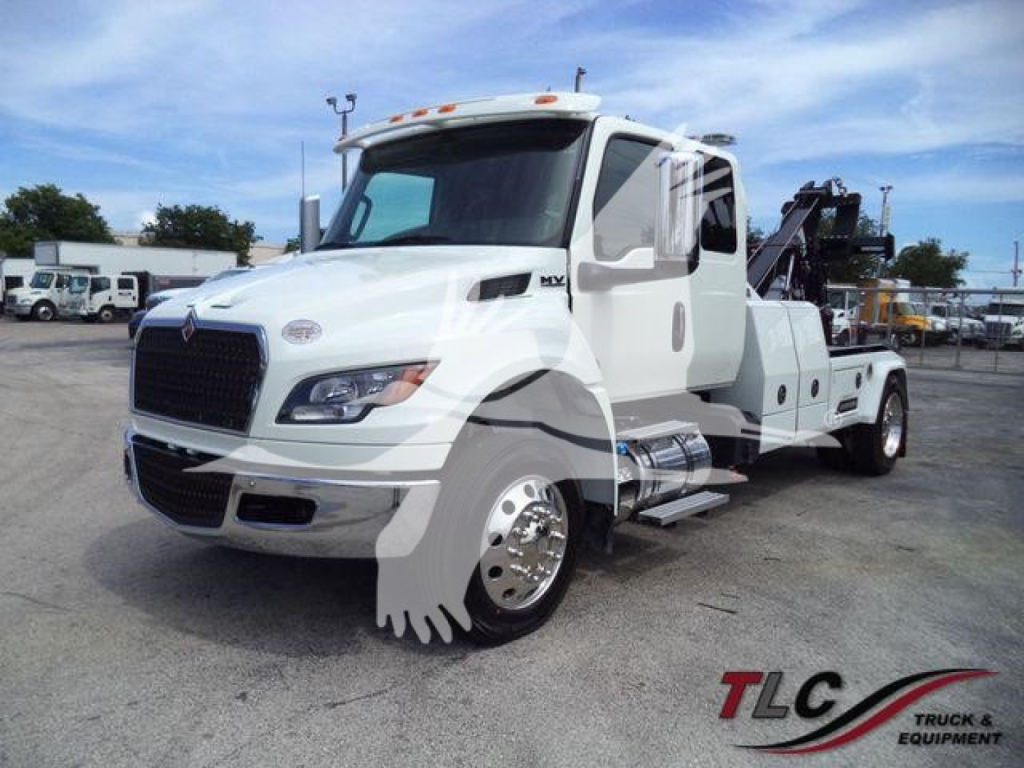
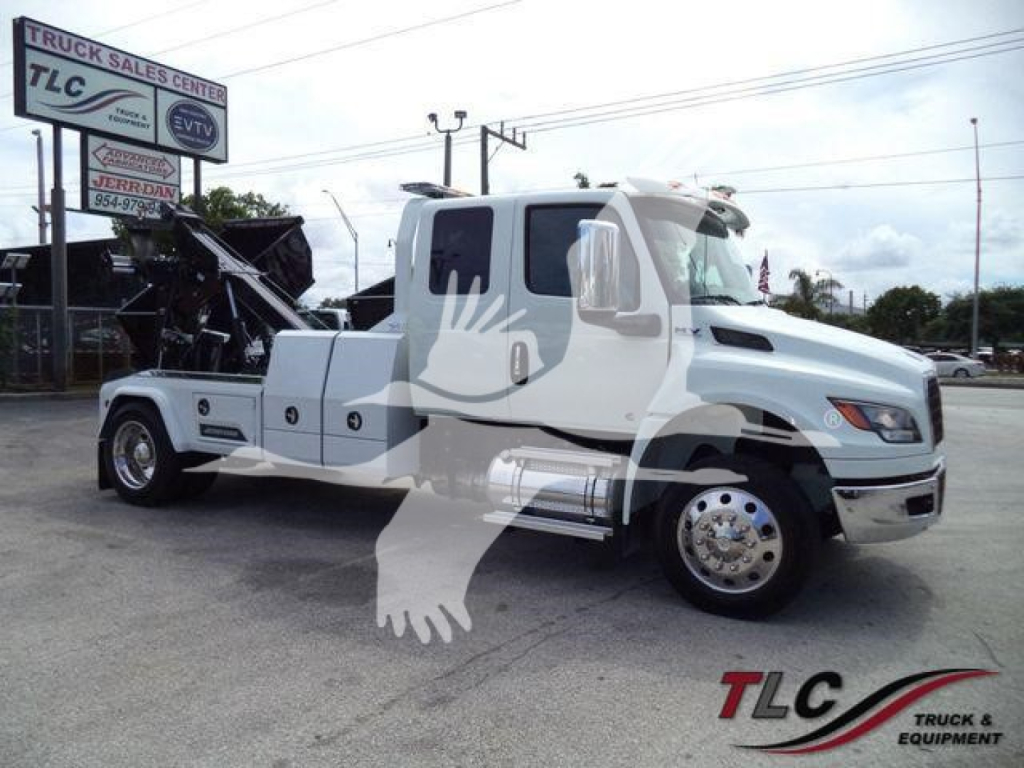
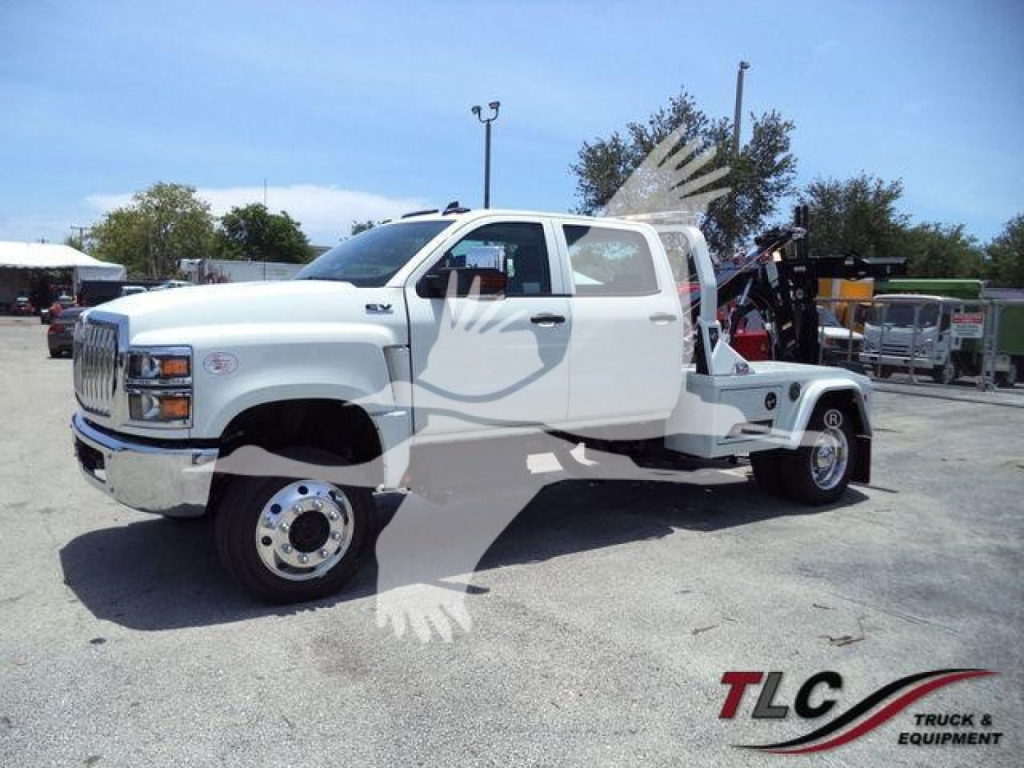
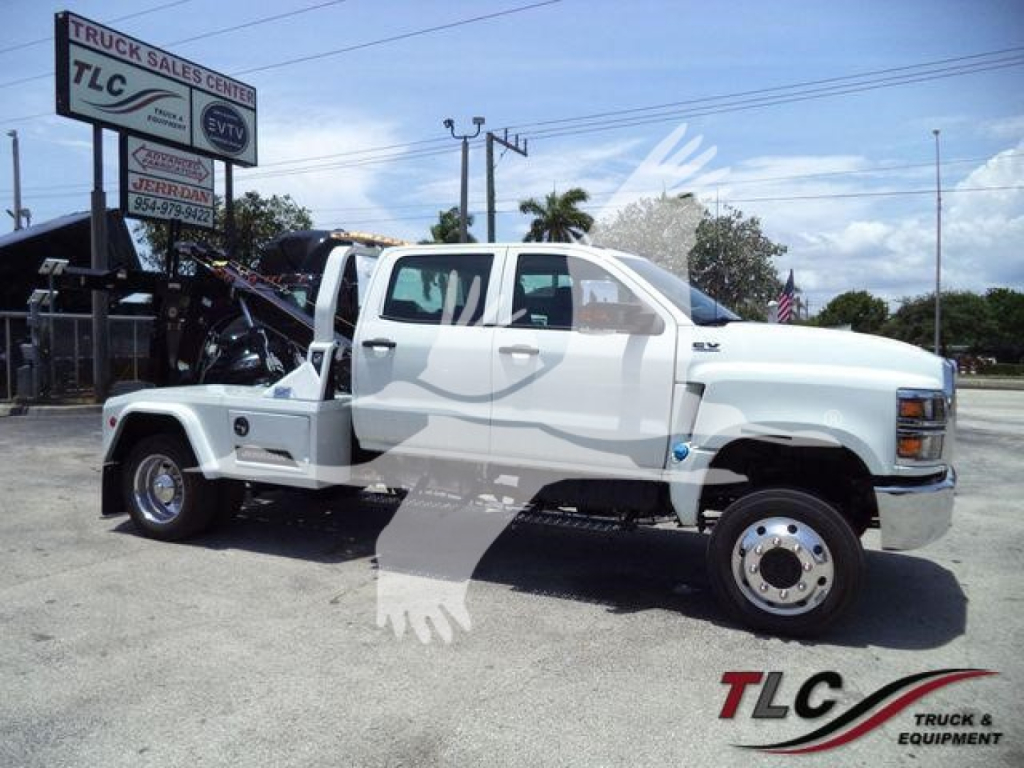
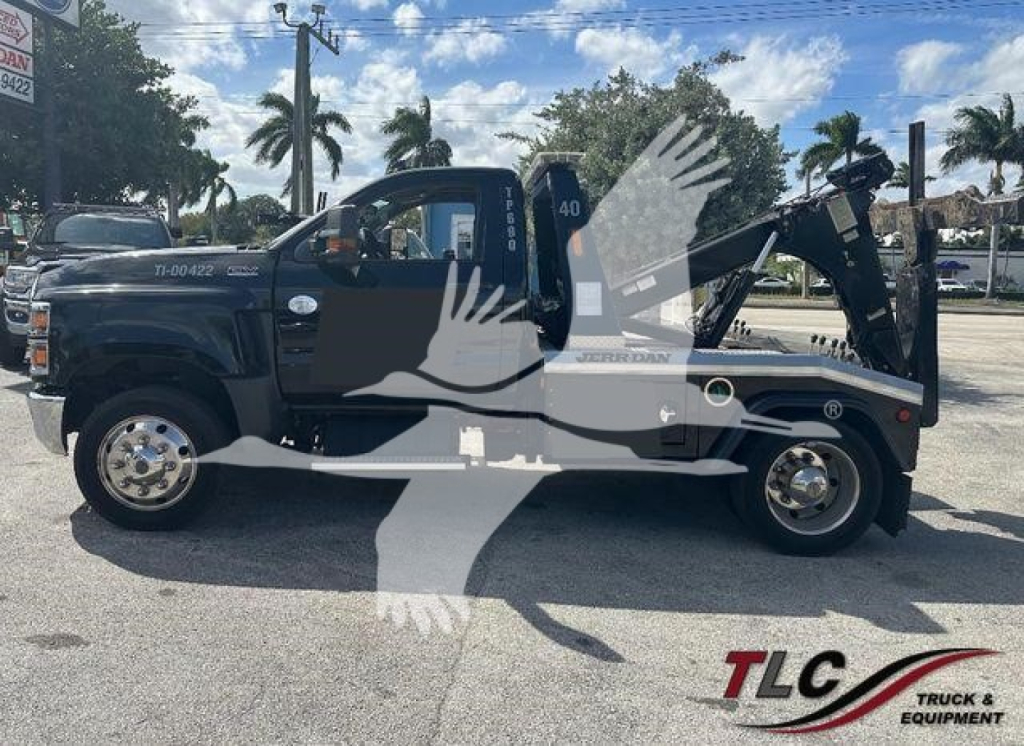
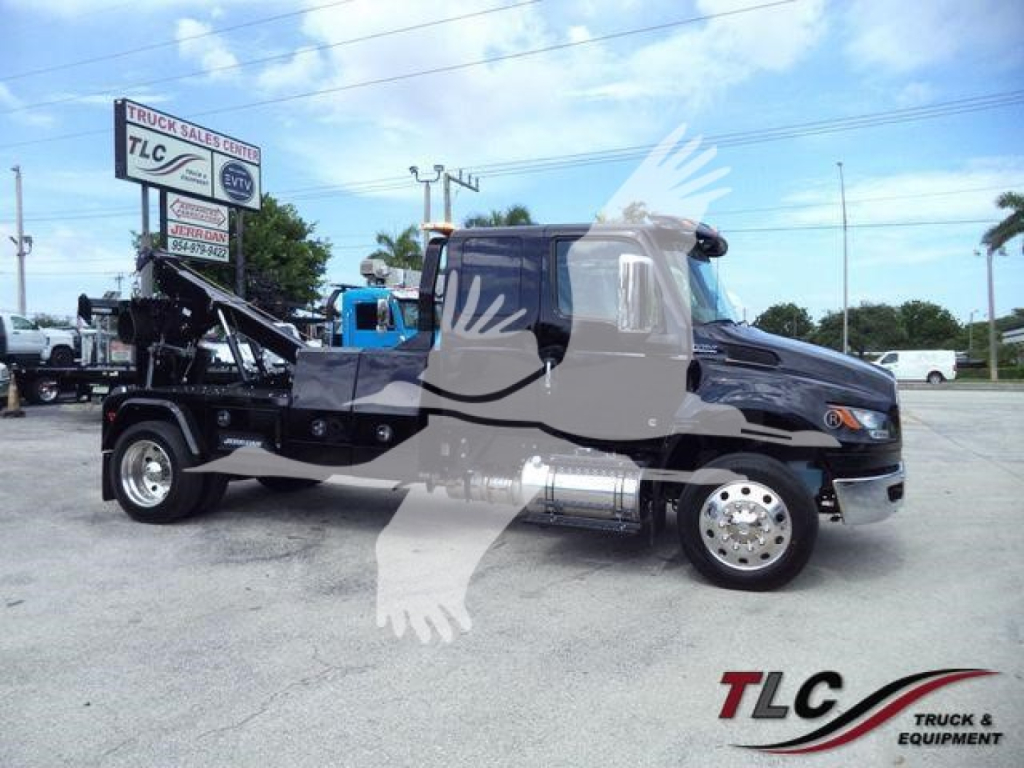
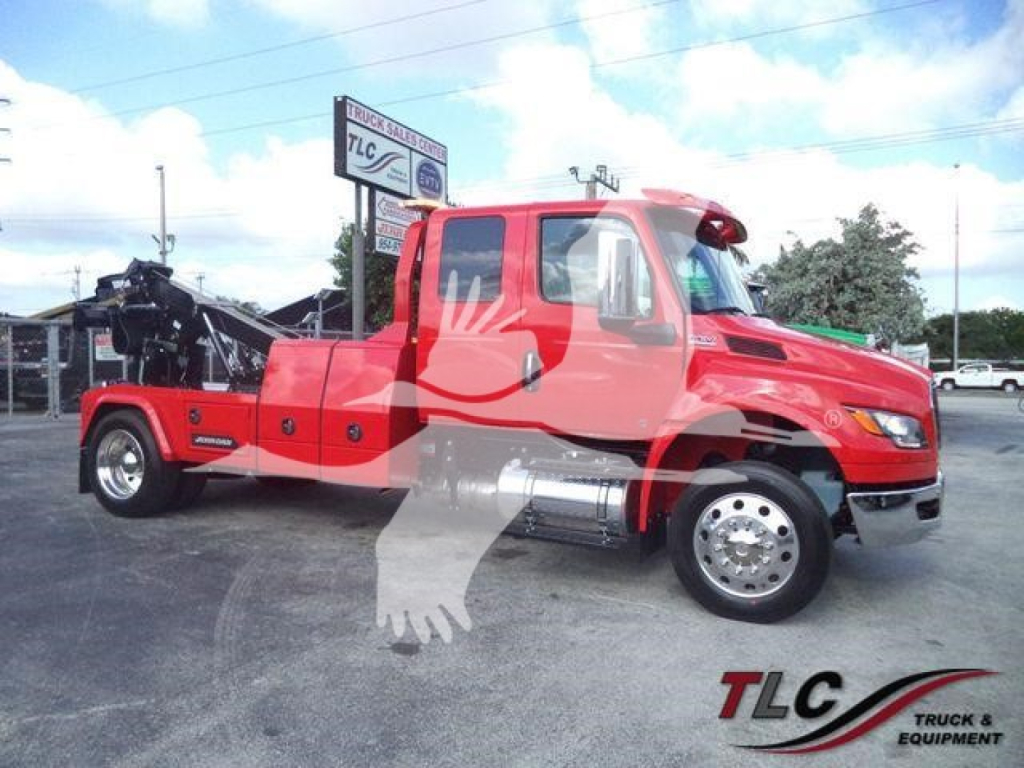
Selling a international winch truck? List your international winch truck for sale and reach thousands of commercial buyers.
International Winch Trucks in Florida
Frequently Asked Questions about International Winch Trucks in Florida
What should I look at first when comparing International winch trucks?
Start with the chassis series, GVWR, and the wrecker body rating because those three items determine what the truck can legally and practically handle. International CV models are commonly used for lighter-duty towing, especially when 4x4 capability matters, while MV models are more common in medium-duty applications with higher GVWR and more body capacity. After that, compare winch ratings, boom capacity, wheel-lift equipment, axle configuration, brake type, and cab layout. Those details affect recovery capability, operator efficiency, and long-term operating cost.
Are International MV and CV winch trucks used for different jobs?
Yes. International CV winch trucks are often chosen for lighter towing, auto-loader work, and service in tighter urban areas or mixed on-road and off-road conditions. They are typically easier to position and can be a strong choice for passenger vehicles, light trucks, and municipal support. International MV winch trucks are generally better for heavier daily towing demands, larger body packages, and higher-capacity recovery equipment such as 12-ton wreckers, extendable booms, hydraulic stiff legs, and larger dual winches.
What winch and boom specs are common on this type of truck?
Common configurations in this category include dual drag winches in the 8,000 lb to 12,000 lb range, extendable recovery booms, hydraulic wheel lifts, and self-loader or integrated wrecker bodies from established manufacturers such as Jerr-Dan. Buyers should confirm whether the truck uses worm gear winches, cable length and diameter, boom retracted and extended ratings, and the included towing attachments like L-arms, frame forks, spades, safety chains, and tow slings. Those included components directly affect how ready the truck is for daily dispatch.
Does Florida use change what matters on an International winch truck?
Florida buyers often put extra weight on cooling performance, corrosion resistance, and lighting. Heat, humidity, and coastal exposure can make aluminum wheels, polished tanks, stainless trim, and protected electrical connections more valuable over time. Air conditioning performance, LED work lights, amber light bars, and easy-clean storage are also important for trucks running frequent roadside calls in hot weather and high-traffic conditions. If the truck will operate in soft shoulders, beachside areas, or storm response work, tire choice and 4x4 capability can matter more than they would in other regions.
What cab and driveline features are most useful on a winch truck?
Automatic transmissions are very common because they simplify operation during repeated stops, recoveries, and tight maneuvering. Buyers also tend to prioritize diesel engine output, air brakes on heavier GVWR units, air ride suspension for stability and ride quality, and extended or crew cab layouts when extra operators or equipment storage are needed. Practical features such as power mirrors, heated mirrors, weatherband radio, air ride seating, and accessible tunnel tool boxes improve daily usability, especially for operators spending long shifts in traffic and on roadside recoveries.