
Freightliner Winch Trucks For Sale in Florida
Shop Freightliner winch trucks for towing and recovery work in Florida. Compare M2 chassis, boom capacity, winches, GVWR, and upfit details.
Selling a freightliner winch truck? List your freightliner winch truck for sale and reach thousands of commercial buyers.
Freightliner Winch Trucks in Florida
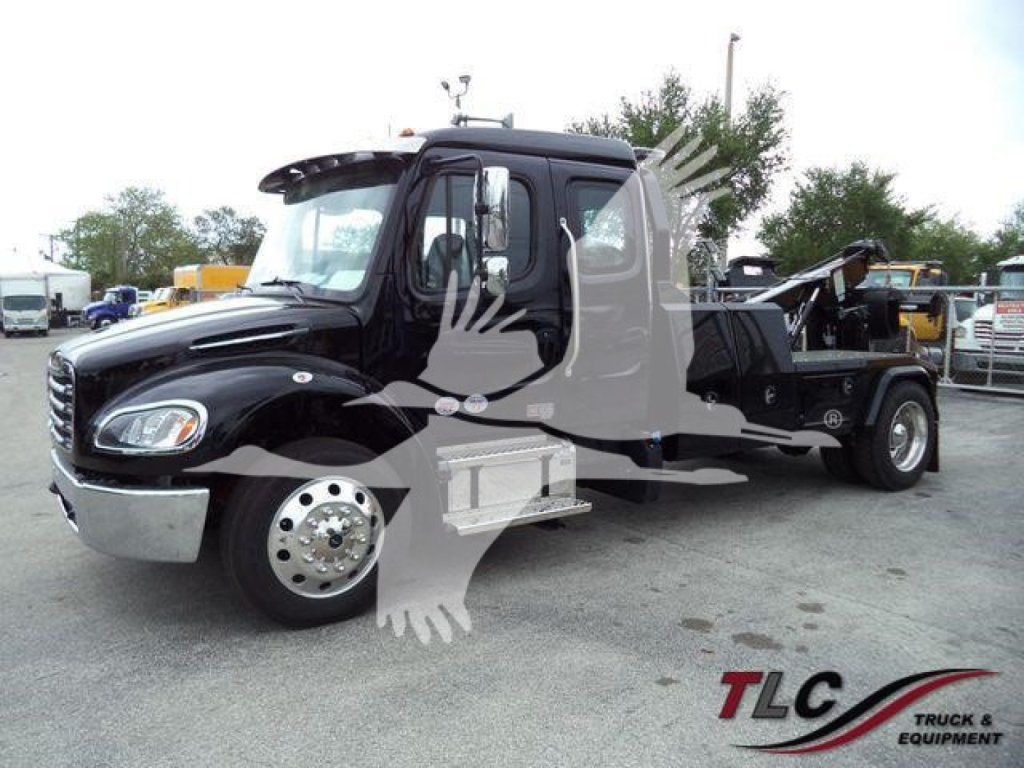
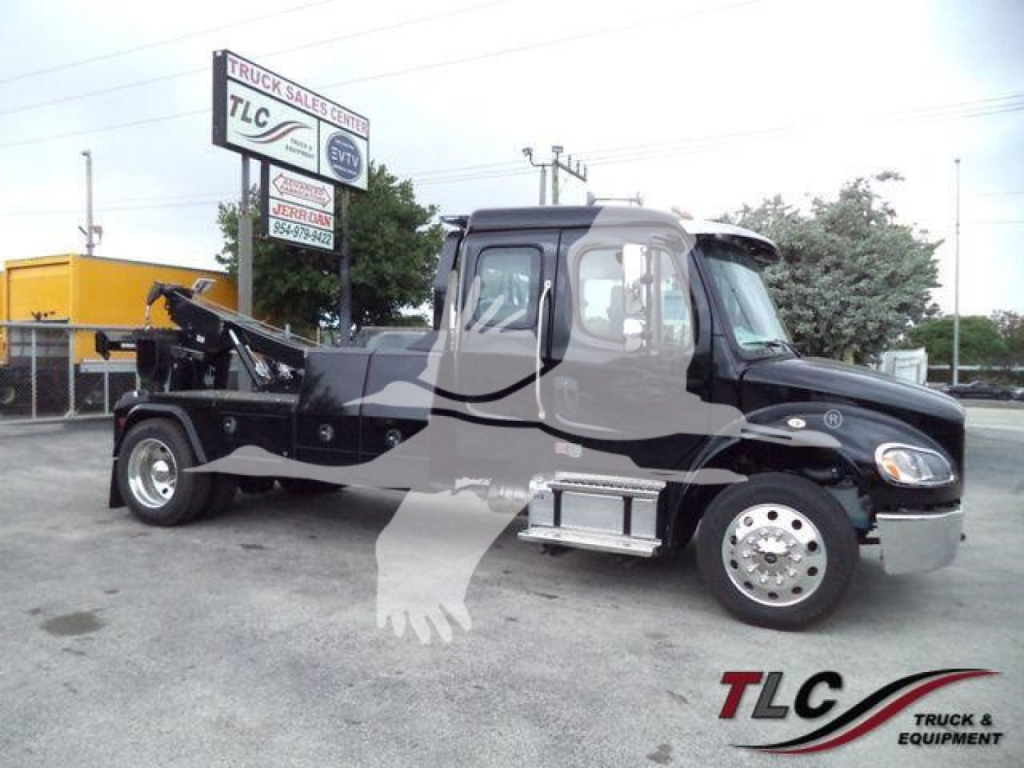
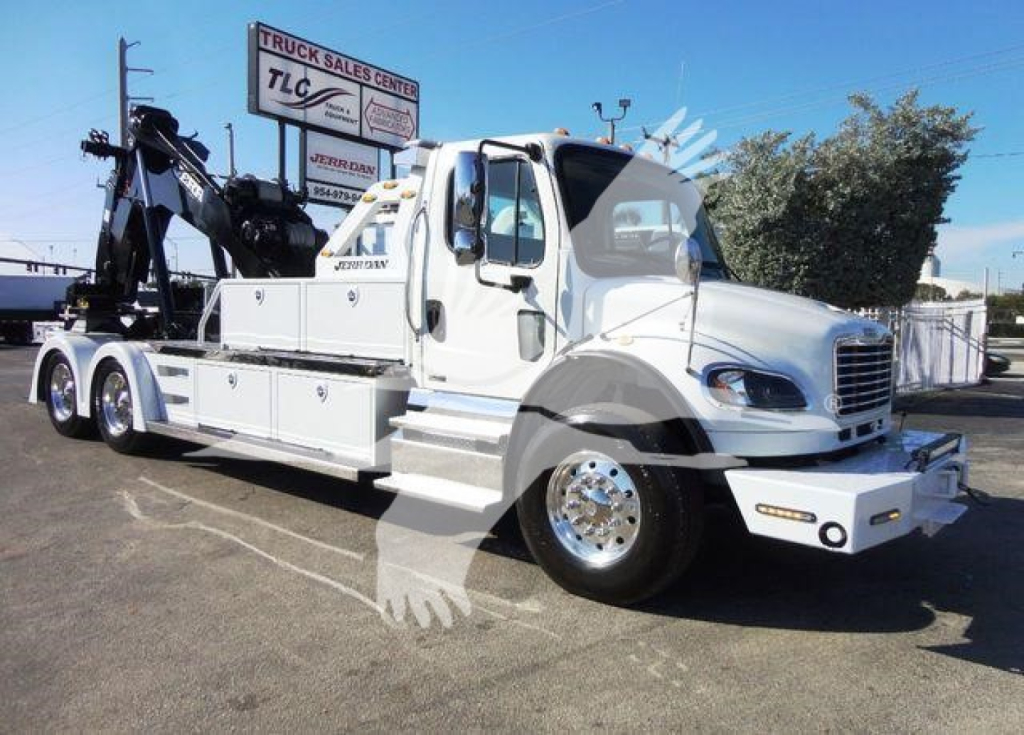
For most operators, the key decision is whether the truck is built as a 10-ton, 12-ton, or heavier recovery unit and how the boom, winches, and underlift are configured. Many Freightliner winch trucks use dual winches, often in the 12,000-lb class, with extendable booms, hydraulic stiff legs or rear stabilizers, and towing gear such as wheel grids, L-arms, frame forks, and spade attachments. On a used truck, check the condition of the winch cables or synthetic line, hydraulic controls, free-spool operation, PTO engagement, cylinder seals, and the wear points around the boom, pivot areas, and stabilizers. If the truck has a wireless remote, verify function and replacement cost, since electronics and control components can be expensive compared with standard mechanical towing gear.
The Freightliner side of the equation matters just as much as the body. M2 106 chassis are often spec'd with Cummins diesel engines in the 300 to 370 hp range and Allison automatic transmissions, a practical combination for stop-and-go recovery work and multi-driver fleets. Front and rear axle ratings, suspension type, fuel capacity, tire size, and brake configuration all affect how the truck handles a loaded wheel-lift or recovery assignment. In Florida, corrosion is usually less severe than in northern snow-belt states, but buyers should still inspect crossmembers, wiring, light harnesses, hydraulic lines, and any steel body components for rust, salt exposure history, or coastal deterioration. A clean service history on both the chassis and the wrecker body is especially important because downtime on a tow truck quickly turns into lost revenue.
A good Freightliner winch truck should match the calls you actually run. If the work centers on passenger vehicles, pickups, and roadside recoveries, a medium-duty M2 with a 12-ton wrecker package may be the right balance of maneuverability and lifting capability. If the route mix includes tighter urban work, condo parking structures, or busy highway response, pay close attention to overall length, turning radius, storage layout, scene lighting, and visibility from the cab. Toolboxes, work lights, strobes, winch bumpers, fender configuration, and pylon layout are not cosmetic details on this equipment class. They directly affect operator efficiency, safety, and how fast the truck can get in and out of a job.
Frequently Asked Questions about Freightliner Winch Trucks in Florida
What should I look for first when buying a Freightliner winch truck?
Start with the recovery equipment rating and configuration, not just the truck year or mileage. A buyer should confirm boom capacity, winch capacity, underlift or wheel-lift equipment, stabilizer design, and included towing attachments before moving to chassis details. After that, review the Freightliner chassis specs such as GVWR, axle ratings, transmission, engine horsepower, wheelbase, and suspension. The truck has to fit the calls you run and stay legal on weight while carrying the body, tools, and towing gear.
Is a Freightliner M2 106 a good chassis for a winch truck?
Yes. The Freightliner M2 106 is widely used for medium-duty wreckers and winch trucks because it offers a solid balance of cab comfort, serviceability, parts access, and upfit compatibility. It is commonly paired with Cummins diesel power and Allison automatic transmissions, which suit stop-and-go towing and recovery work well. Buyers still need to verify axle ratings, wheelbase, frame condition, and the quality of the body installation, because the same model chassis can be configured very differently from one truck to another.
What capacity winch truck is typical for light and medium recovery work?
A 10-ton to 12-ton wrecker or winch truck is a common range for passenger vehicles, pickups, vans, and many roadside recovery jobs. Dual winches in the 12,000-lb class, an extendable boom, and hydraulic stiff legs are common features in this segment. Capacity alone does not tell the whole story, though. Buyers should also evaluate boom geometry, wheel-lift equipment, chassis balance, and how the truck is equipped for real-world towing tasks.
What are the most important inspection points on a used winch truck?
Pay close attention to the hydraulic system, PTO operation, winches, boom structure, stabilizers, controls, and all wear areas in the towing body. Check for leaks, damaged hoses, cable condition, uneven boom movement, cracked welds, and slop in pivot points. On the chassis, inspect frame rails, suspension, brakes, tires, steering components, electrical wiring, and engine-transmission service records. A used winch truck can look clean cosmetically while still needing major hydraulic or structural work, so body-condition verification is critical.
Are Florida winch trucks different from trucks from other regions?
Florida trucks can be attractive because they often avoid the heavy road-salt exposure common in northern states, which may mean less frame and underbody corrosion. That said, coastal humidity and salt air can still affect wiring, lights, steel components, hydraulic fittings, and exposed hardware. Buyers should inspect for corrosion around body mounts, toolboxes, crossmembers, and electrical connections instead of assuming every Florida truck is rust-free. The regional advantage is real, but condition still depends on use, maintenance, and storage.