
Freightliner Winch Trucks For Sale
Browse Freightliner winch trucks built for towing and recovery, with medium-duty chassis, Jerr-Dan bodies, dual winches, and strong GVWR options.
Selling a freightliner winch truck? List your freightliner winch truck for sale and reach thousands of commercial buyers.
Freightliner Winch Trucks
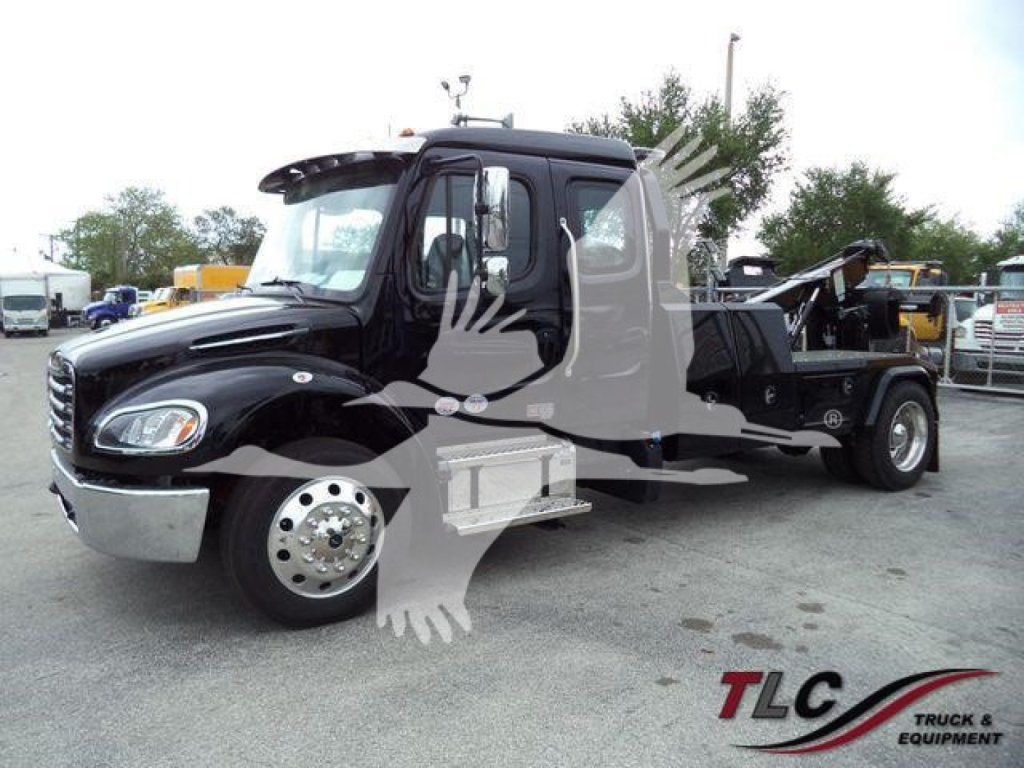
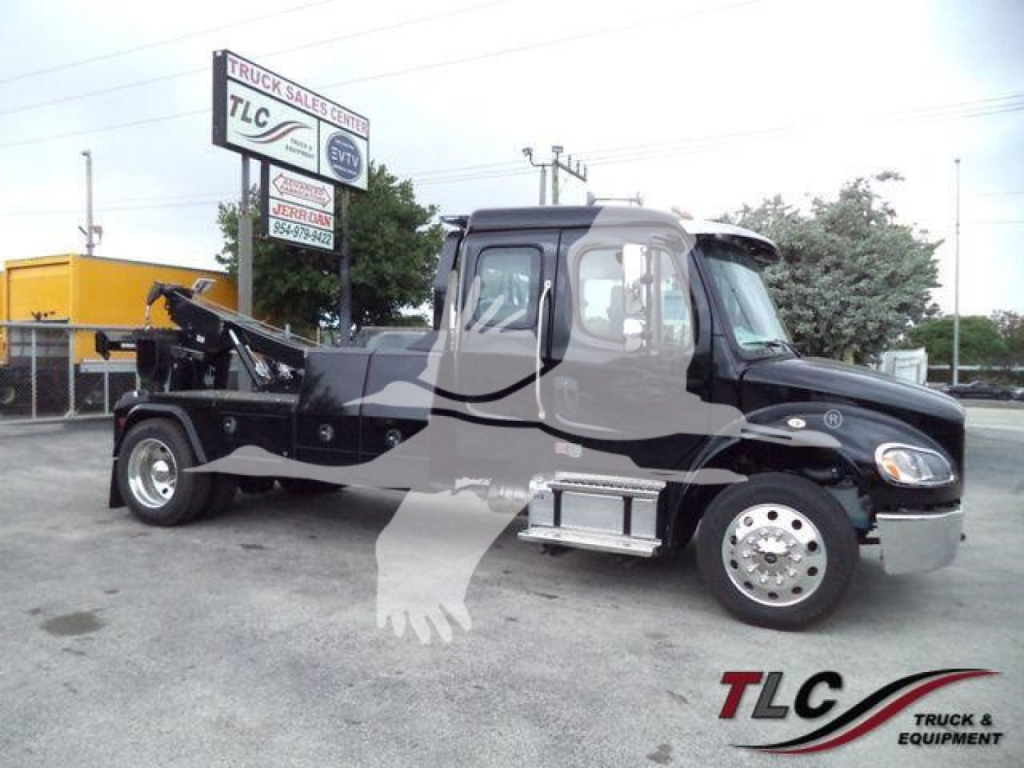
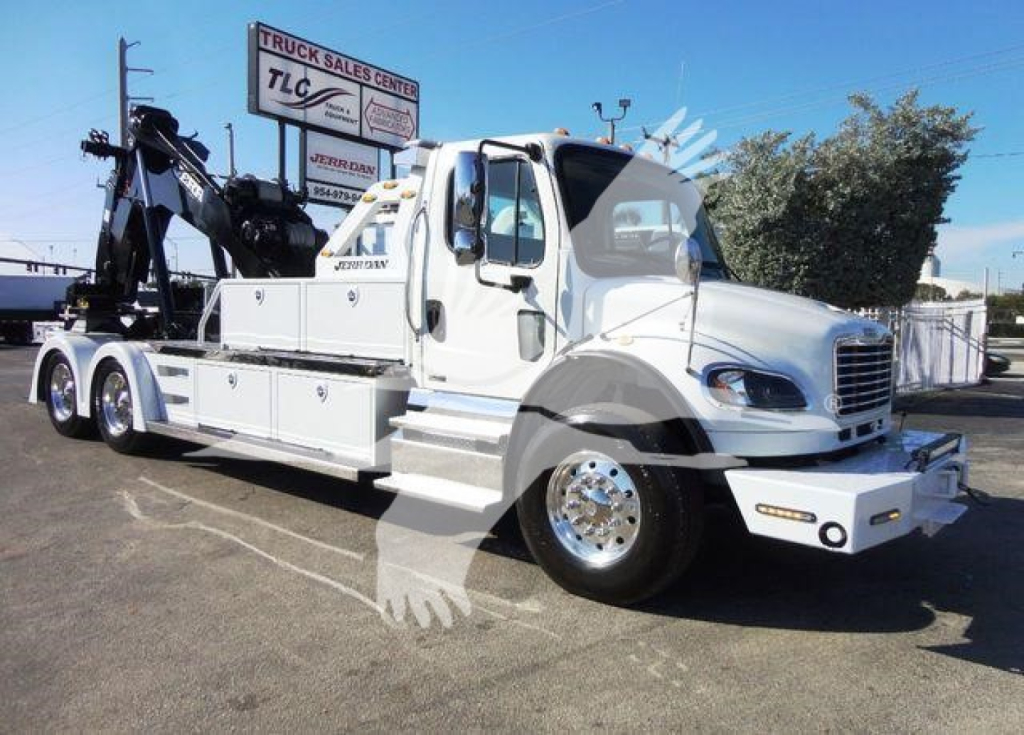
A typical Freightliner winch truck in this class may carry a 12-ton to 25-ton wrecker body, often from brands like Jerr-Dan, with dual winches, an extendable boom, hydraulic stiff legs or stabilizers, and a winch bumper. Common specs include Cummins diesel power in the 300 to 370 hp range, Allison automatic transmissions, air brakes, and air ride suspension. On many units, GVWR lands around the 26,000-pound range, though axle ratings tell the real story on usable capacity and stability. Buyers should look closely at winch line size and length, boom reach, underlift equipment, free spool operation, remote controls, and included towing gear such as wheel grids, L-arms, forks, and spade attachments.
For day-to-day recovery work, Freightliner winch trucks are often selected for repossession support, roadside recovery, accident work, municipal towing, and moving disabled straight trucks, buses, delivery vehicles, and equipment. Visibility from the cab, turning radius, and storage layout matter more than many first-time buyers expect. Toolboxes, fender design, work lights, strobe packages, and control placement all affect speed and safety on the shoulder. If the truck will spend time in urban traffic, an automatic transmission and medium wheelbase can be a practical advantage. If it will handle heavier pulls or more frequent highway recoveries, pay close attention to rear suspension, frame reinforcement, pylon design, and stabilizer setup.
When comparing Freightliner winch trucks for sale, condition and upfit quality are as important as year and mileage. A clean maintenance history on the chassis, especially for engine, transmission, brakes, and suspension, can matter more than cosmetic appearance. On the wrecker side, inspect hydraulic function, boom wear points, winch operation, cable condition, PTO engagement, cylinder seals, and the integrity of the body installation. Freightliner remains a popular platform in this segment because it is easy to spec, widely supported, and familiar to fleets and independent operators alike. For buyers who need a practical recovery truck with mainstream components and proven vocational durability, a Freightliner winch truck is a well-established option.
Frequently Asked Questions about Freightliner Winch Trucks
What is a Freightliner winch truck typically used for?
A Freightliner winch truck is typically used for towing and recovery work, including disabled vehicle recovery, accident response, roadside assistance, and moving commercial vehicles or equipment. Most units in this category are medium-duty wreckers built to handle light- to medium-duty recovery jobs. The exact capability depends on the body rating, boom design, winch capacity, underlift equipment, and axle configuration.
What should I check first when buying a used Freightliner winch truck?
Start with the chassis ratings and the wrecker body specifications together, not separately. Confirm GVWR, front and rear axle ratings, engine and transmission specs, and then compare that to the boom rating, winch capacity, stabilizers, and installed towing gear. After that, inspect hydraulic performance, PTO engagement, cable condition, body mounting quality, and service history. A well-maintained chassis with a properly installed body is usually a better long-term buy than a newer truck with an unknown upfit history.
Are Freightliner M2 106 winch trucks good for towing fleets?
Yes, the Freightliner M2 106 is a popular platform for towing fleets because it offers a good mix of maneuverability, serviceability, and vocational chassis strength. It is commonly paired with 12-ton class wreckers and similar recovery bodies, making it suitable for municipal towing, commercial roadside service, and everyday recovery work. Its wide parts availability and familiarity among technicians also help reduce downtime.
What features matter most on a winch truck body?
The most important body features usually include boom rating, dual winch capacity, cable size and length, stabilizer design, underlift equipment, and control layout. Buyers should also pay attention to free spool operation, remote controls, toolbox capacity, work lighting, and warning light packages. These details affect not only recovery capability but also operator efficiency and safety on the job.
Is an automatic transmission a good choice in a Freightliner winch truck?
For many towing and recovery applications, an Allison automatic transmission is a strong choice because it simplifies operation in traffic, improves low-speed control, and reduces driver fatigue during repeated stops and recoveries. That can be especially useful in urban service, highway incident response, and fleet environments with multiple drivers. The right transmission choice still depends on truck weight, duty cycle, and operator preference, but automatics are very common in this category for practical reasons.