
2023 Winch Trucks For Sale in Florida
Shop 2023 winch trucks for sale in Florida. Compare light-duty wreckers, self-loaders, chassis specs, winch ratings, and towing setups.
Selling a 2023 winch truck? List your 2023 winch truck for sale and reach thousands of commercial buyers.
2023 Winch Trucks in Florida
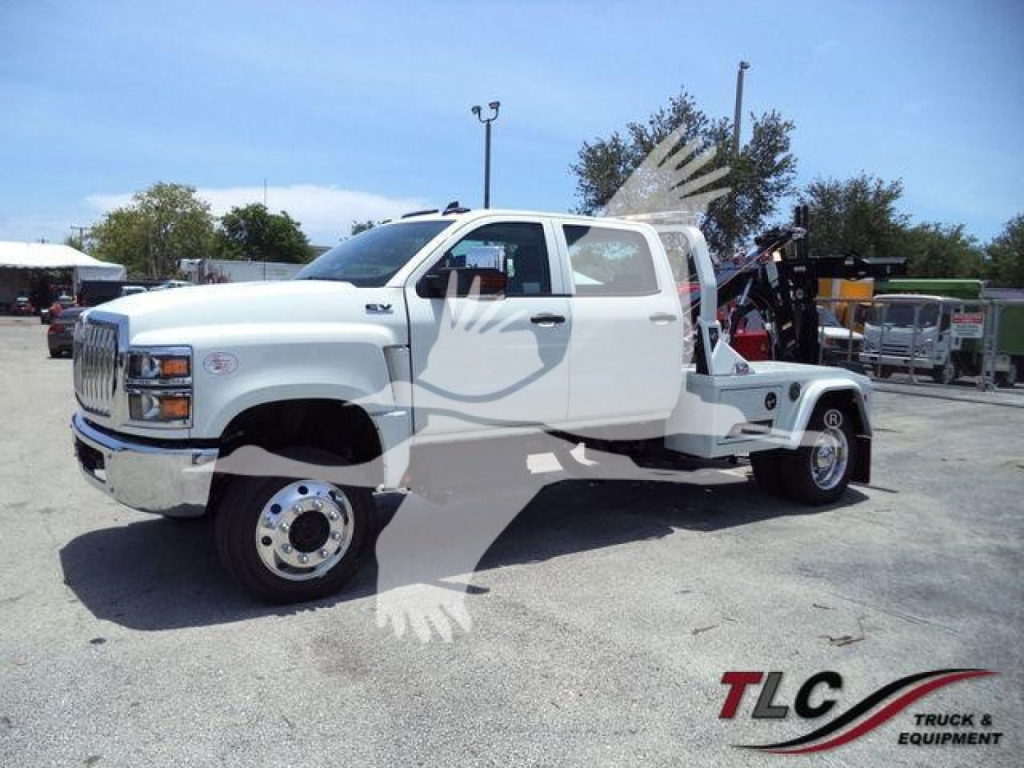
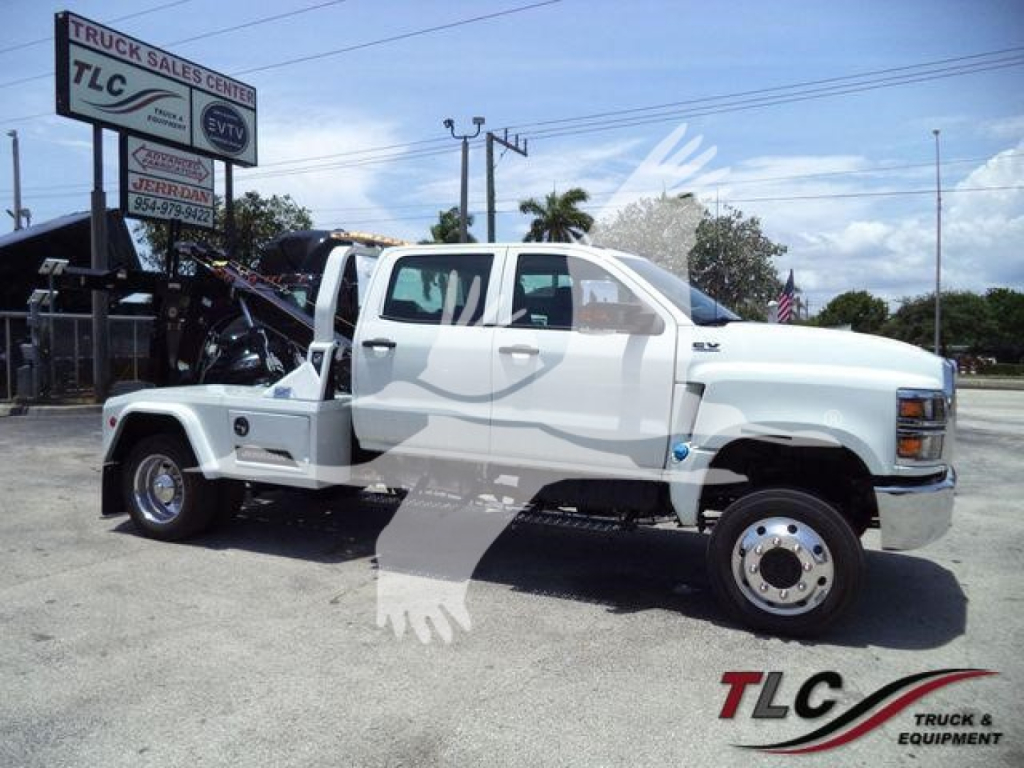
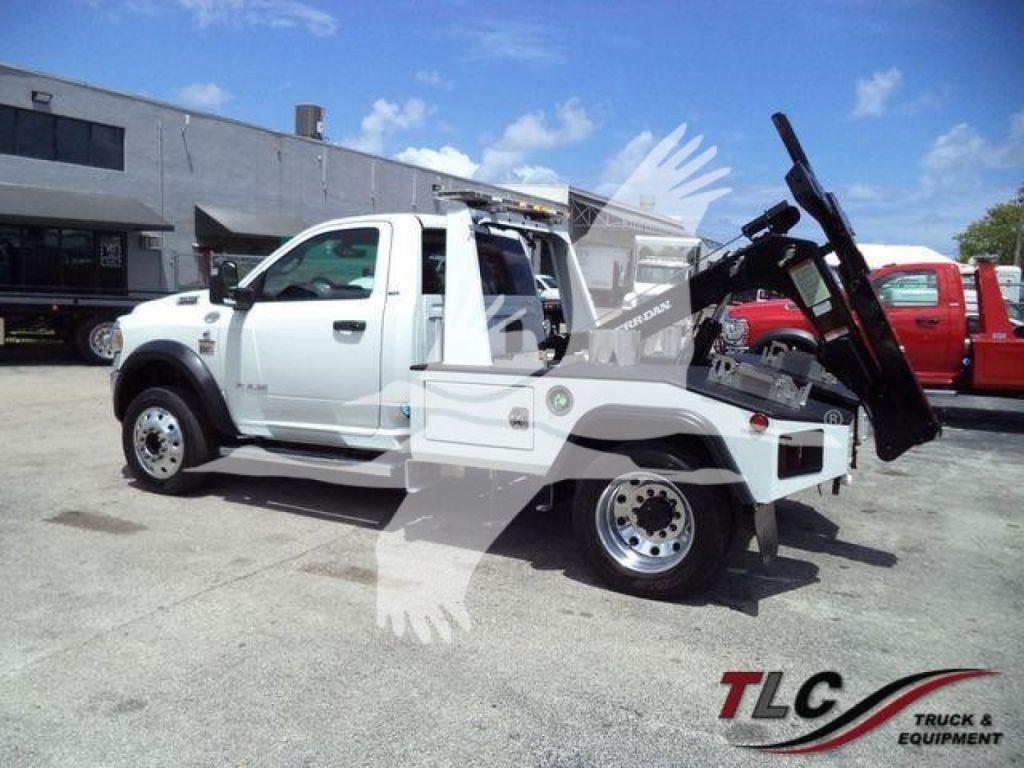
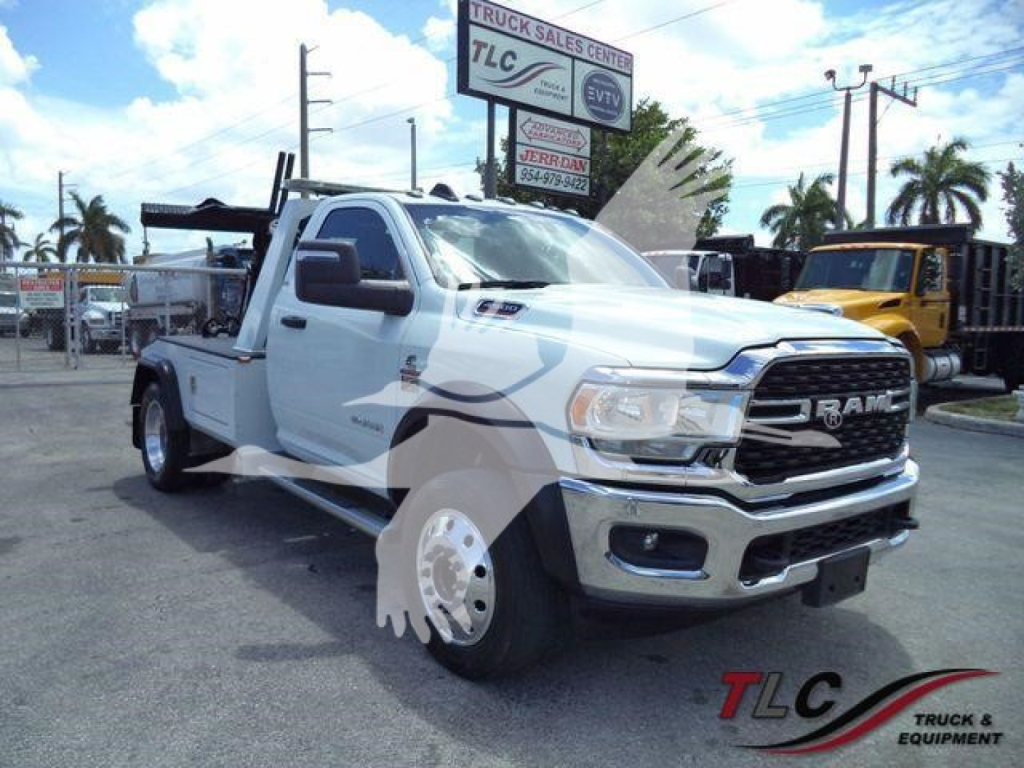
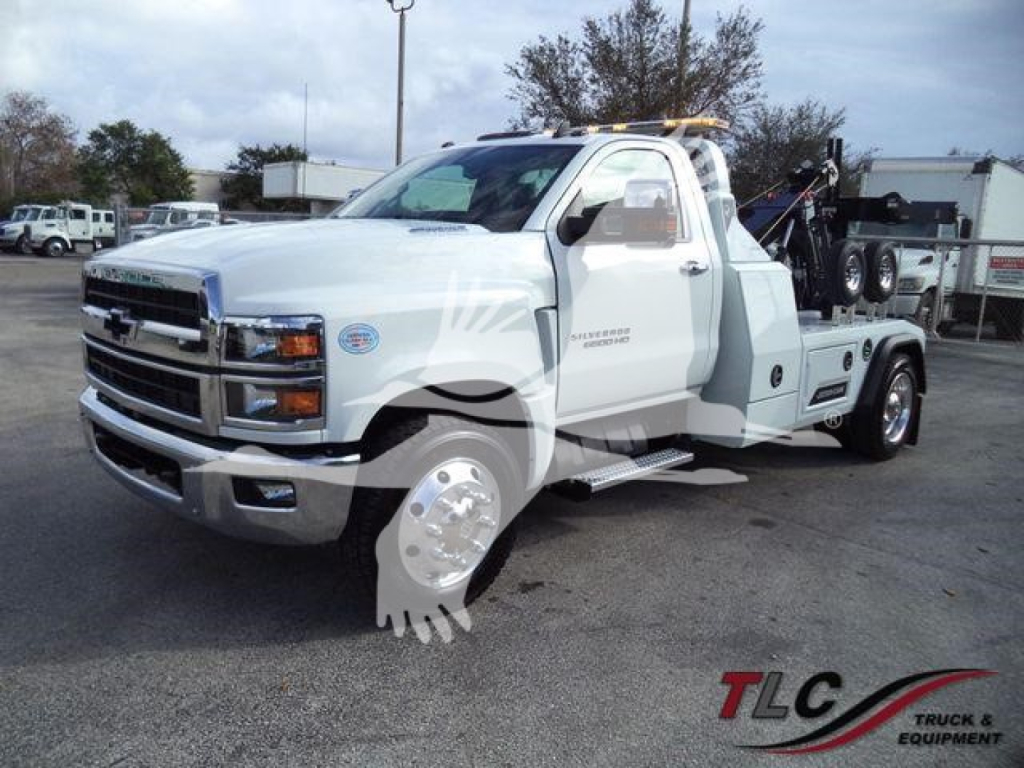
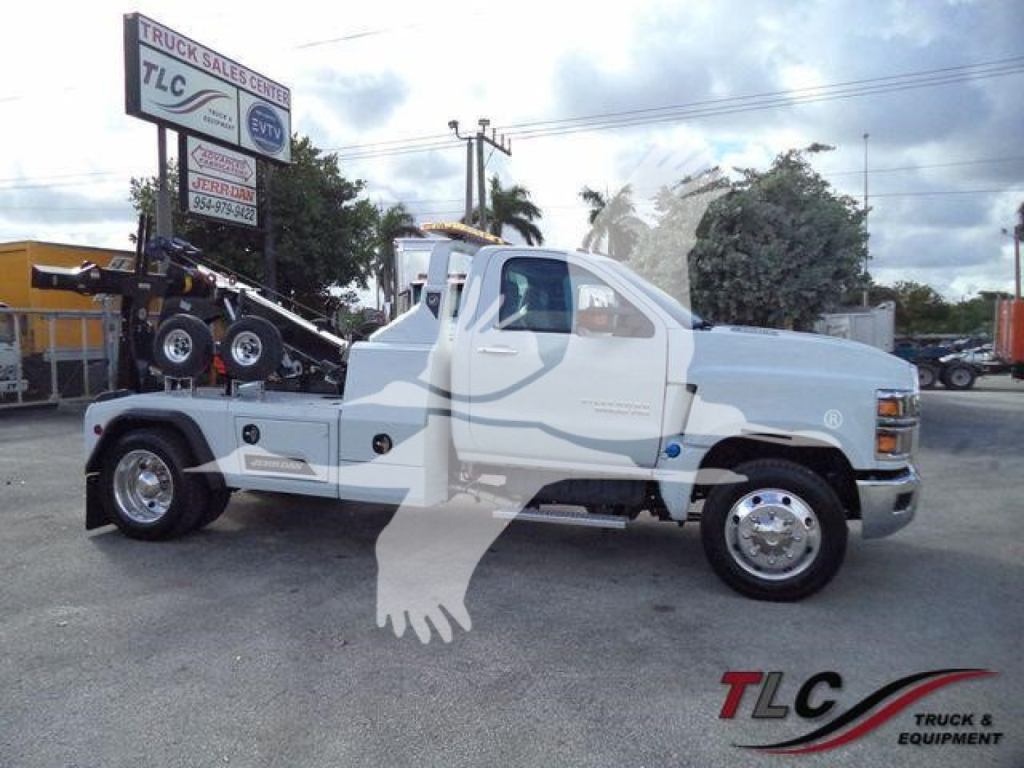
For light-duty service, many 2023 winch trucks use 4X2 or 4X4 diesel chassis with automatic transmissions and integrated self-loading bodies from builders such as Jerr-Dan. Typical specs in this class include 8,000 lb drag winches, wheel-grid or L-arm pickup systems, rear work lights, backup cameras, amber light bars, and toolbox storage for chains, straps, forks, and rigging. If the truck will spend most of its time on passenger cars, pickups, and parking enforcement work, focus on underlift geometry, reach, negative tilt, and how quickly the self-loader can secure a vehicle. In tight urban and coastal Florida markets, turning radius, cab configuration, and overall body length matter just as much as published tow ratings.
Moving up into medium-duty 2023 winch trucks, buyers should pay close attention to dual winch configurations, extendable recovery booms, air brakes, suspension type, and axle ratings. A 12-ton wrecker body with dual 12,000 lb worm winches is a very different tool than a light-duty self-loader, even if both fall under the winch truck category. For commercial recovery, disabled box trucks, utility units, and work trucks, the important details are boom structure, cable size and length, stiff-leg design, PTO and hydraulic performance, and how the chassis is spec'd for stability under load. Florida operators also tend to value corrosion resistance, sealed lighting, durable deck coatings, and easy service access because heat, humidity, and salt exposure can shorten the life of electrical and hydraulic components.
A strong 2023 winch truck should be matched to the calls it will actually run. Look at GVWR, wheelbase, front axle capacity, diesel engine output, transmission pairing, and the compatibility of the body with your towing accessories and local enforcement or contract requirements. Buyers comparing listings should also check for included tow gear such as safety chains, tow slings, frame forks, spade attachments, wheel-lift straps, and work lighting, since those details affect readiness and replacement cost. The best choice in this category is usually the one with the right balance of maneuverability, recovery capability, legal payload, and service-body durability for daily tow work.
Frequently Asked Questions about 2023 Winch Trucks in Florida
What is a winch truck in the towing industry?
A winch truck is a tow or recovery truck equipped with one or more hydraulic winches used to pull, recover, or position disabled vehicles. In many listings, the term includes light-duty self-loader wreckers, wheel-lift tow trucks, and medium-duty wreckers with booms and dual winches. The exact capability depends on the chassis, body manufacturer, underlift rating, boom design, and the size and number of winches installed.
What winch capacity is common on a 2023 light-duty winch truck?
A common light-duty setup uses an 8,000 lb drag winch on an integrated self-loader body. That is typical for passenger cars, SUVs, and many pickups. Heavier wreckers may carry dual 8,000 lb winches or move into dual 12,000 lb worm winches with a larger boom and stronger hydraulic package. Buyers should not rely on winch rating alone, because underlift capacity, chassis GVWR, axle ratings, and boom structure ultimately determine what the truck can safely recover and tow.
Is 4X2 or 4X4 better for a winch truck in Florida?
The right choice depends on where the truck will work. A 4X2 chassis is common for paved-road towing, city impounds, and highway service because it usually costs less, weighs less, and can be easier to maintain. A 4X4 chassis can be a better fit for beach communities, construction access, wet grass, storm recovery, and uneven shoulders where traction matters. In Florida, buyers often weigh traction needs against payload, purchase price, and turning characteristics.
What should I inspect first on a used 2023 winch truck?
Start with the body and recovery system before looking at cosmetic items. Check the winches, cable condition, hydraulic leaks, PTO engagement, boom pins, underlift wear points, wheel-grid or L-arm hardware, lighting, and all safety equipment. Then confirm the chassis specs, brake type, tire condition, suspension, and service history. On Florida trucks, inspect connectors, light housings, exposed steel, and hydraulic fittings carefully for corrosion from humidity and salt exposure.
What is the difference between a self-loader and a heavier recovery wrecker?
A self-loader is built for speed and efficiency on routine tows, repossessions, relocations, and parking work. It uses an integrated wheel-lift system that allows quick hookup with minimal manual handling. A heavier recovery wrecker adds a larger boom, stronger hydraulic components, and often dual winches for recovering larger disabled vehicles or handling more demanding pulls. The self-loader is usually the better fit for volume towing, while the heavier wrecker is designed for broader recovery capability and higher-duty commercial calls.