
Western Star Trucks For Sale
Shop Western Star trucks for sale, from 47X and 49X vocational to 57X and 5700 sleepers. Compare engines, specs, heavy-haul ratings, and applications.
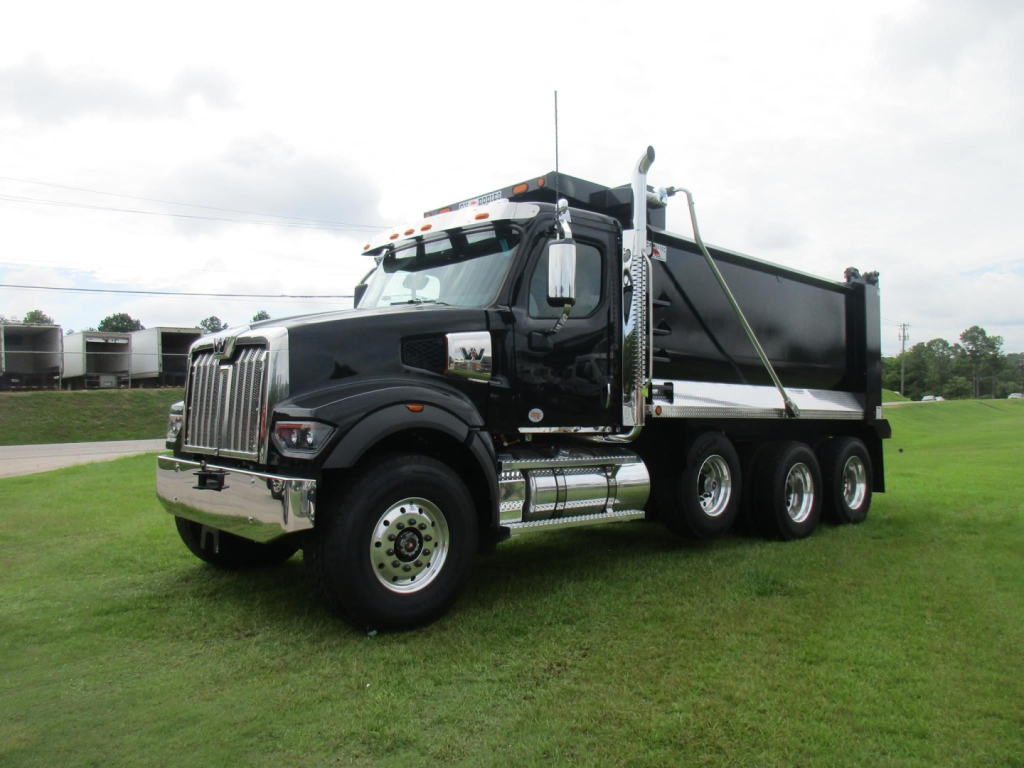
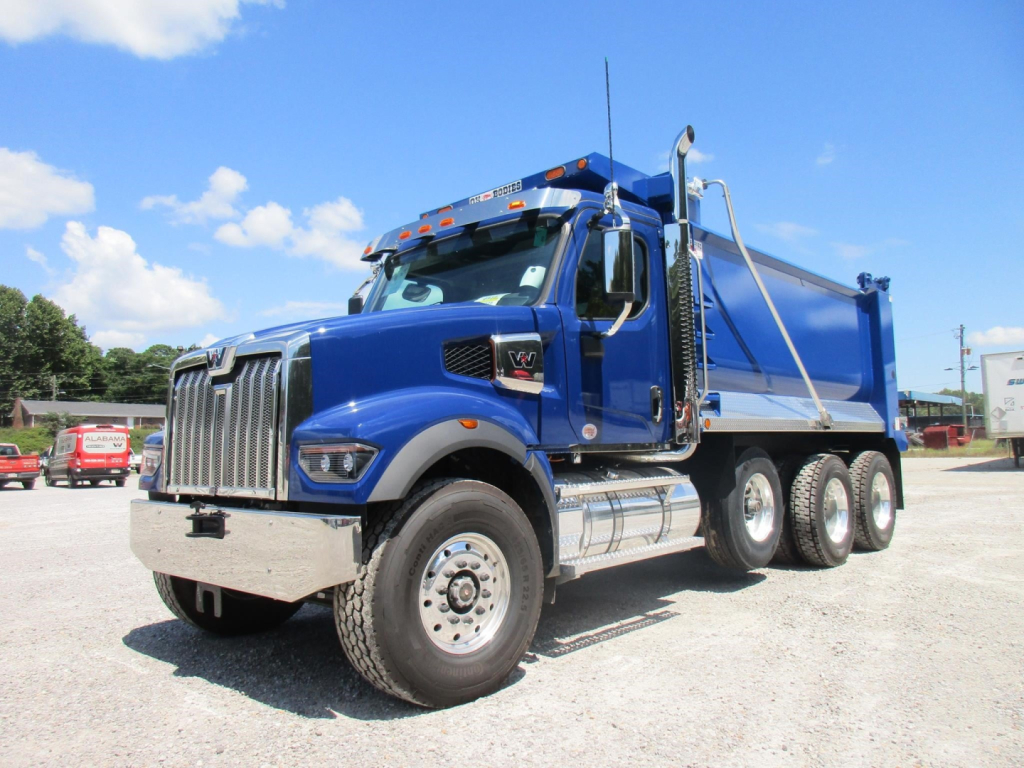
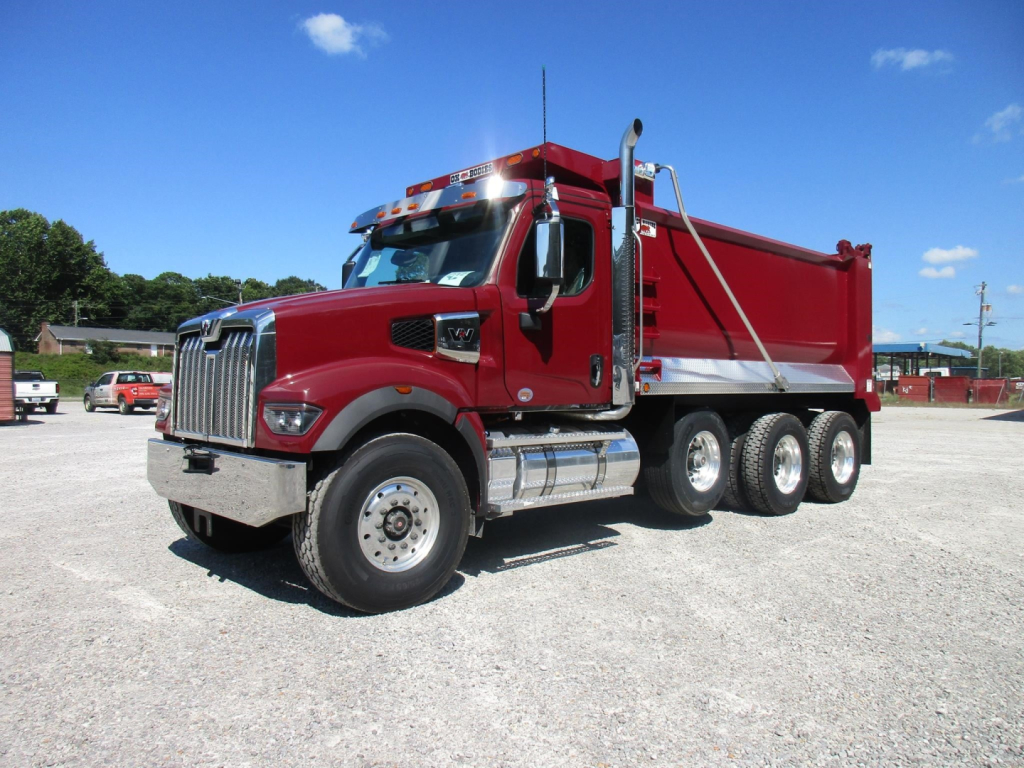
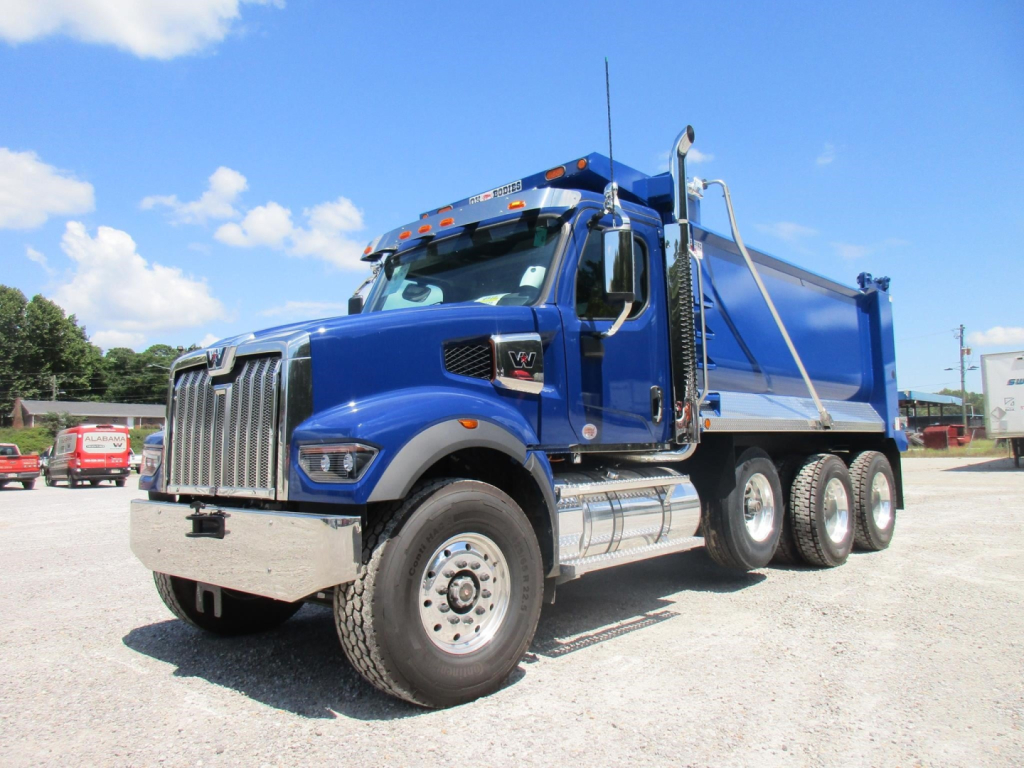
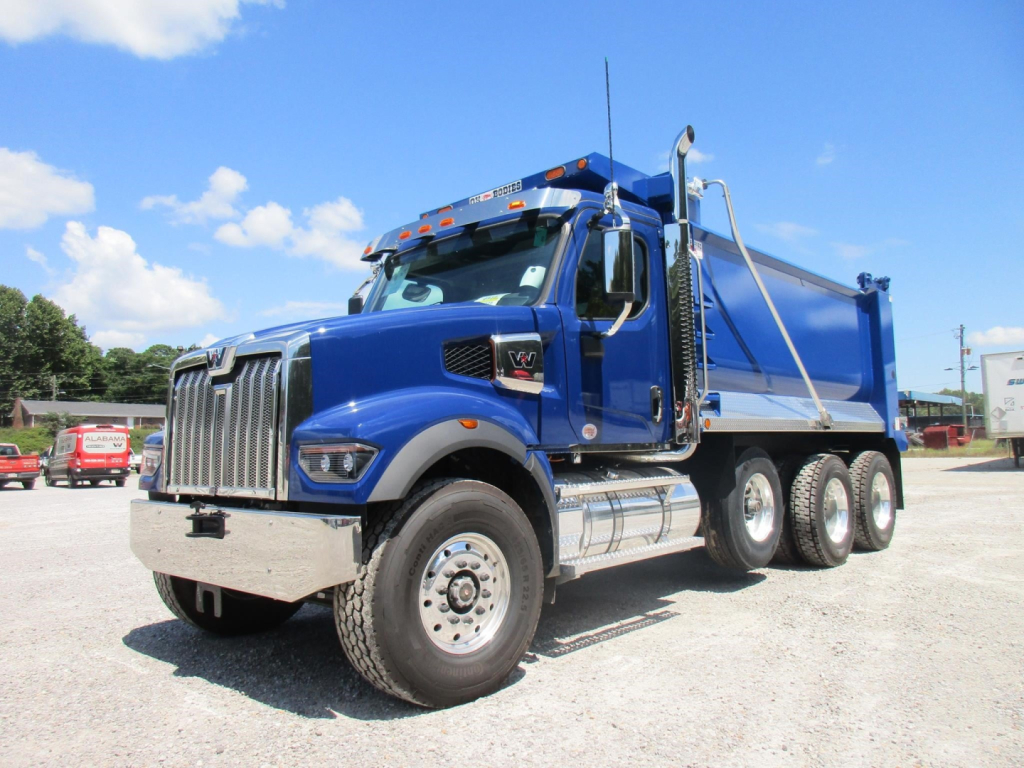
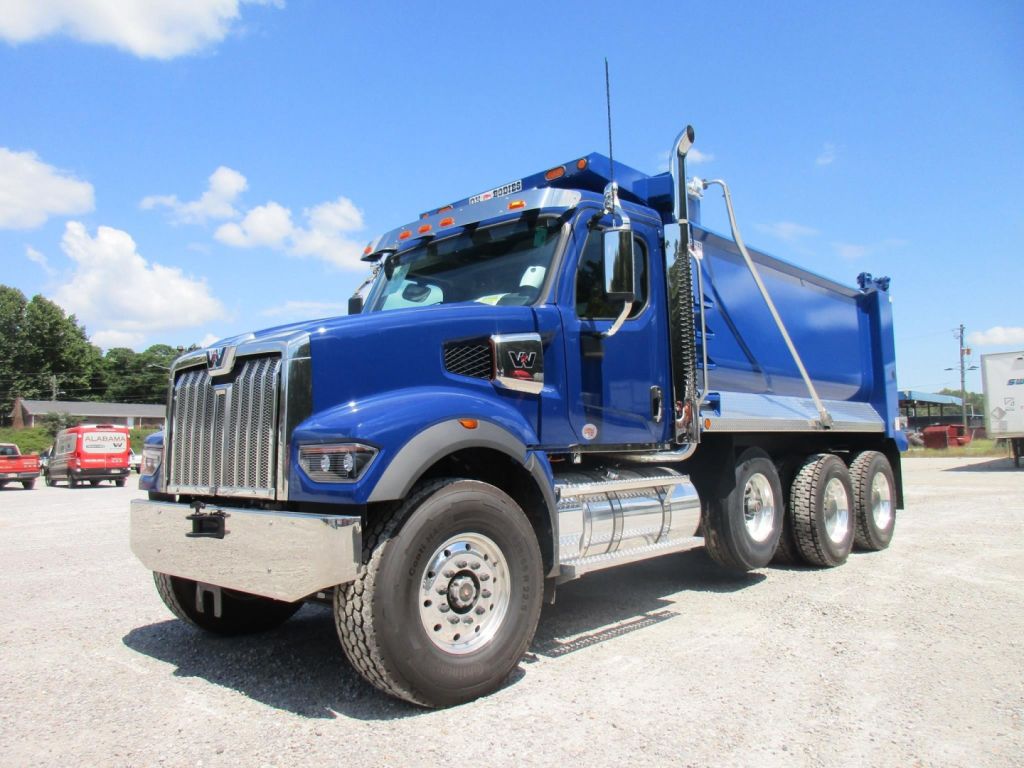
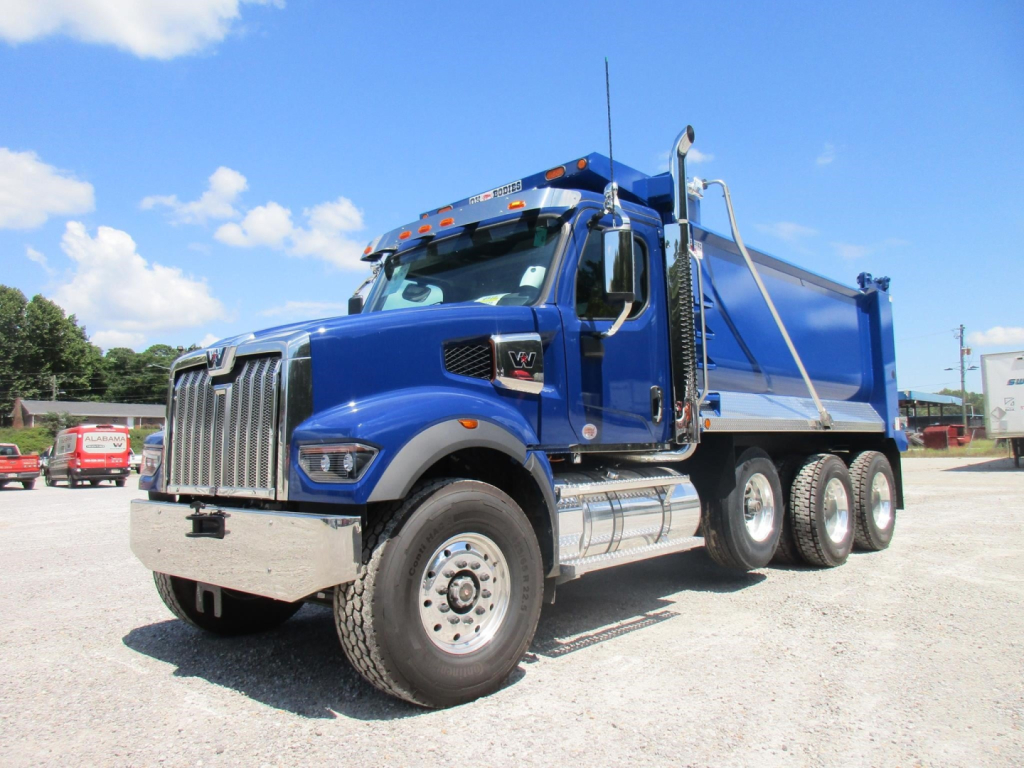
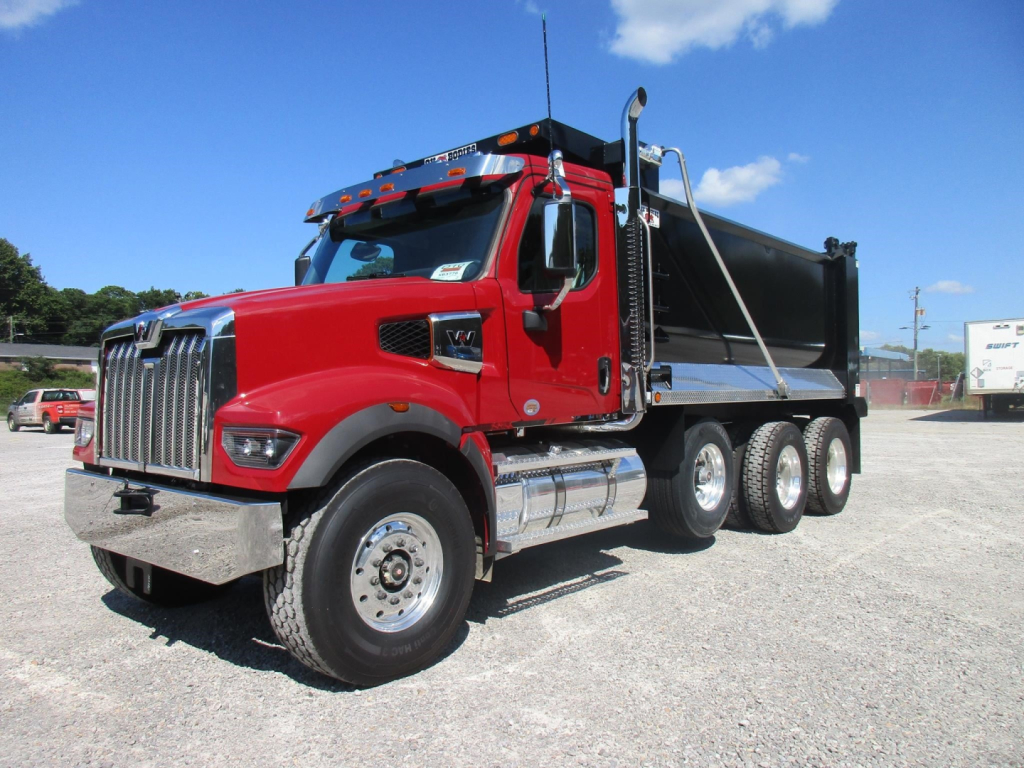
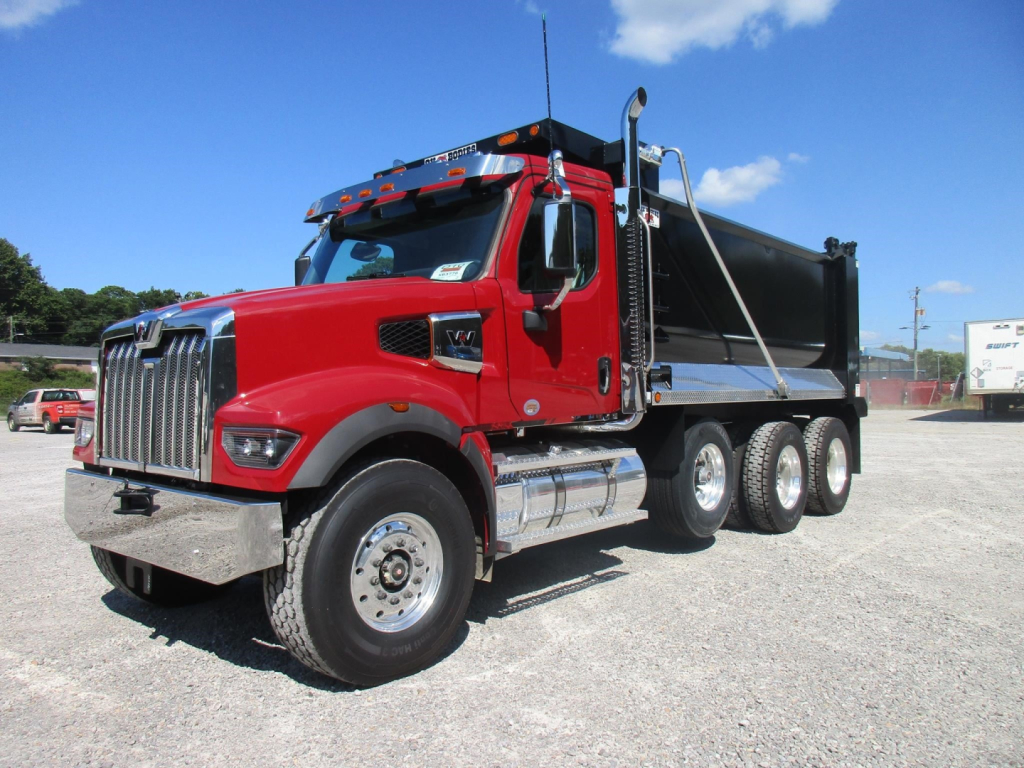
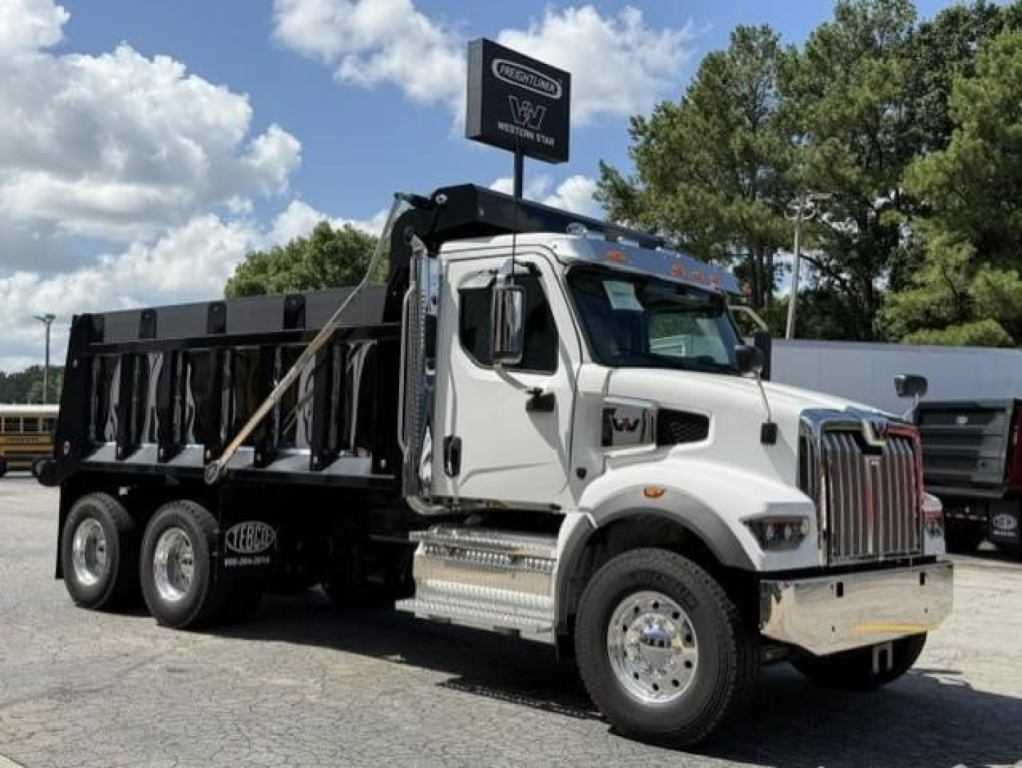
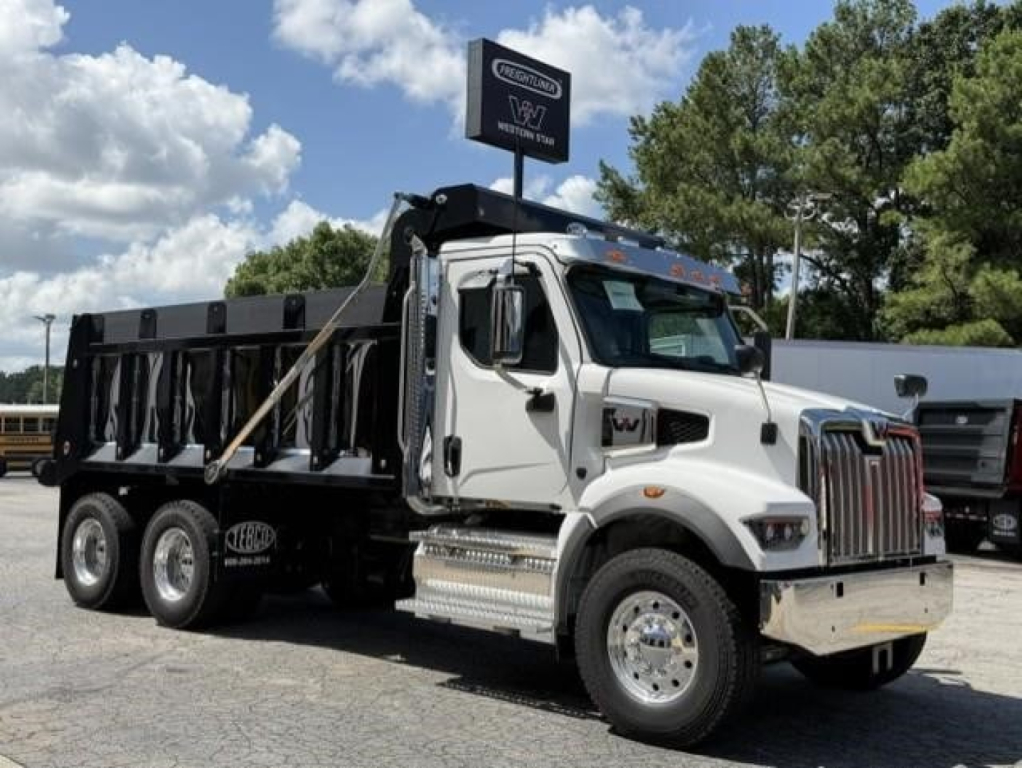
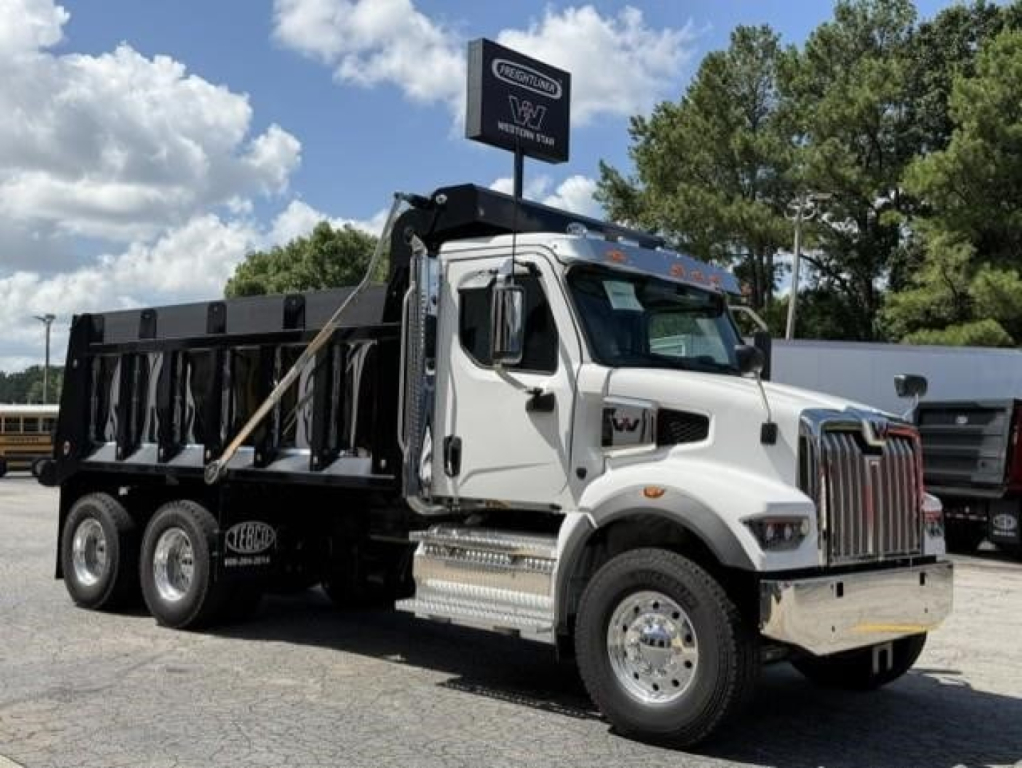
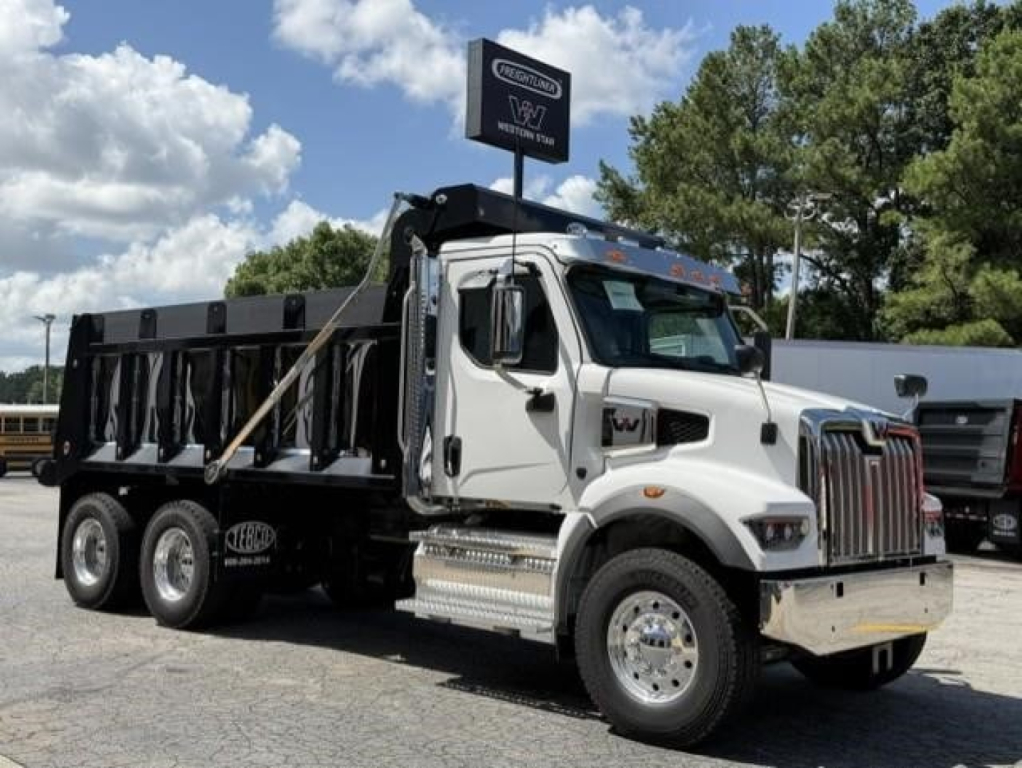
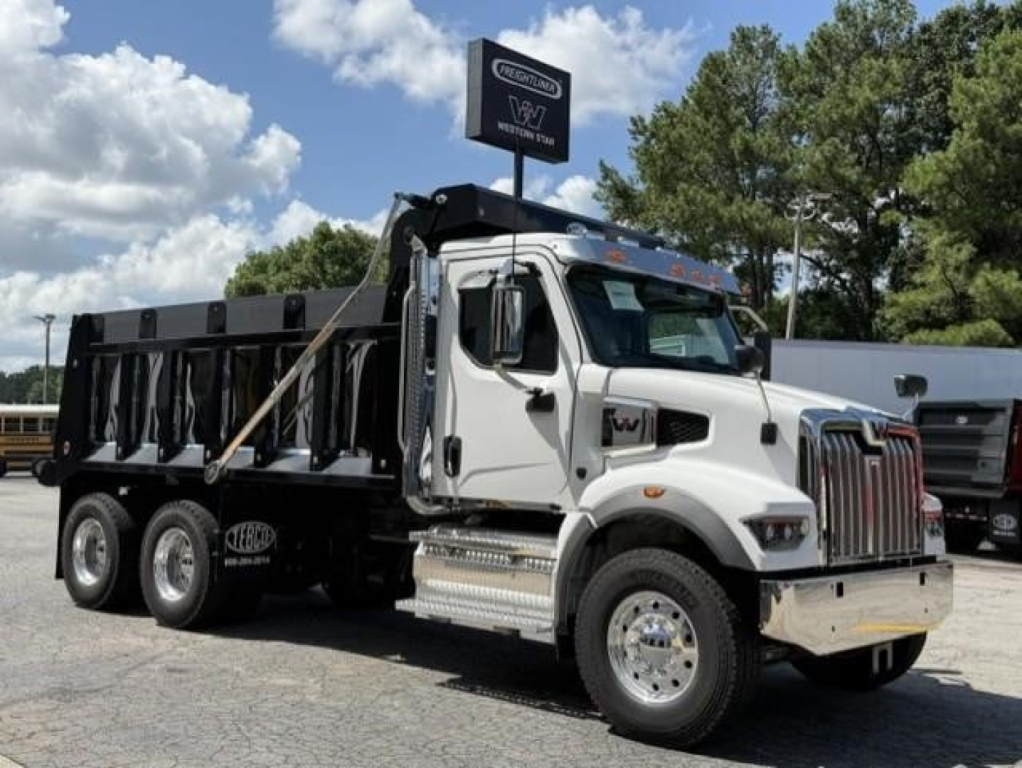
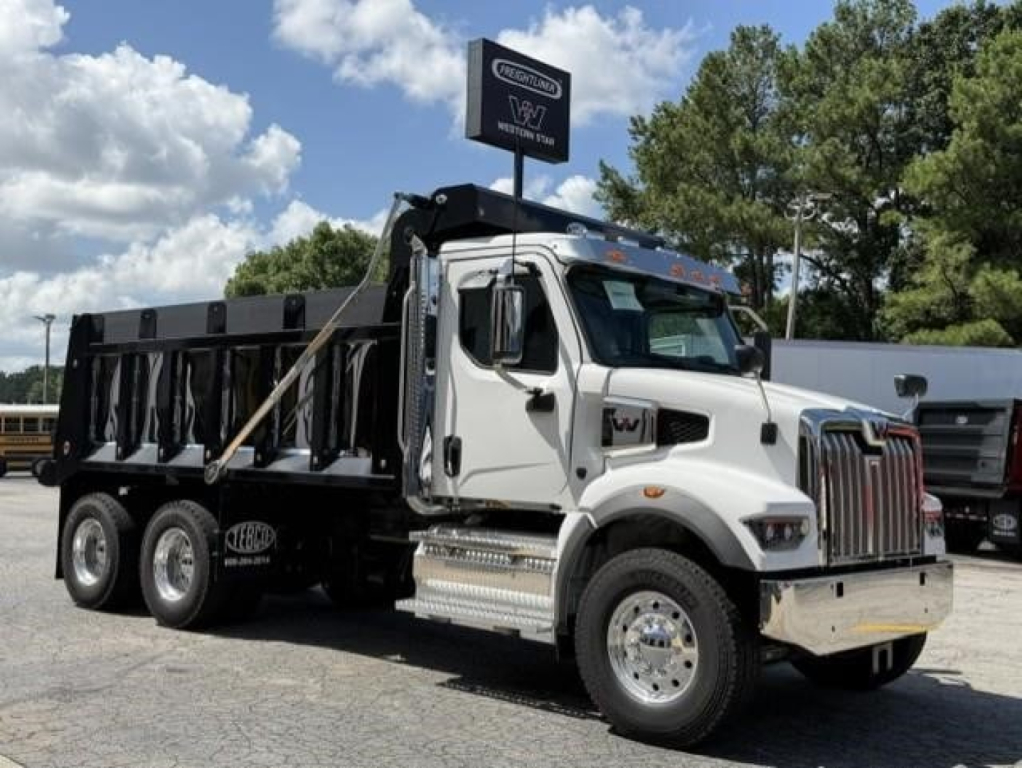
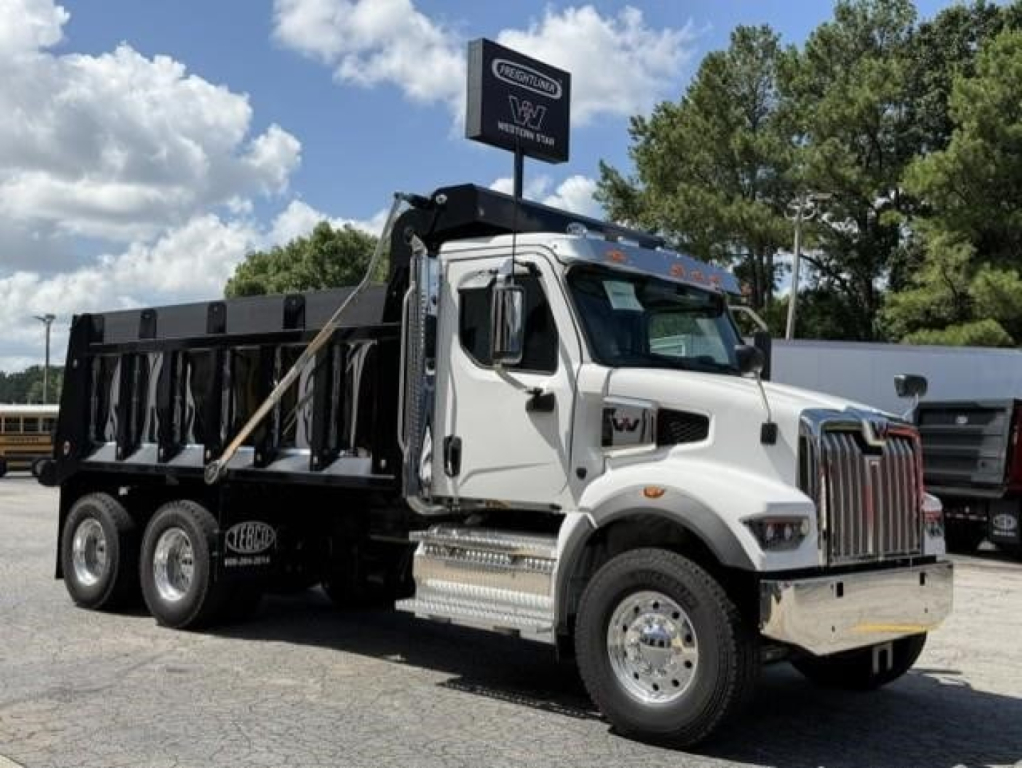
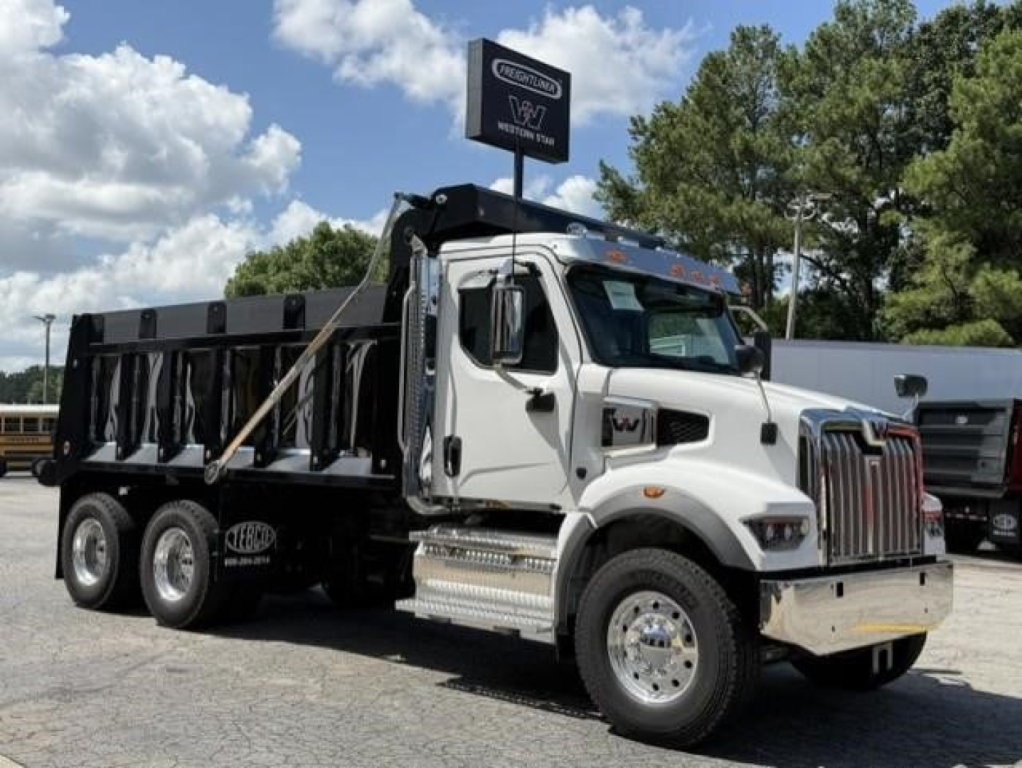
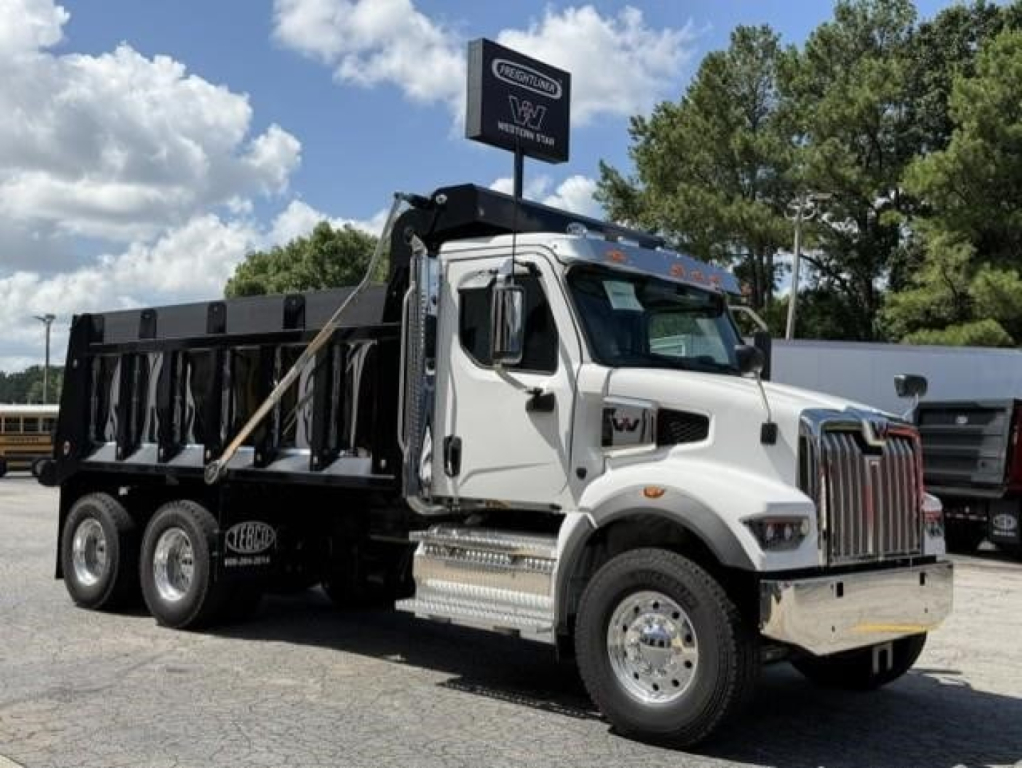
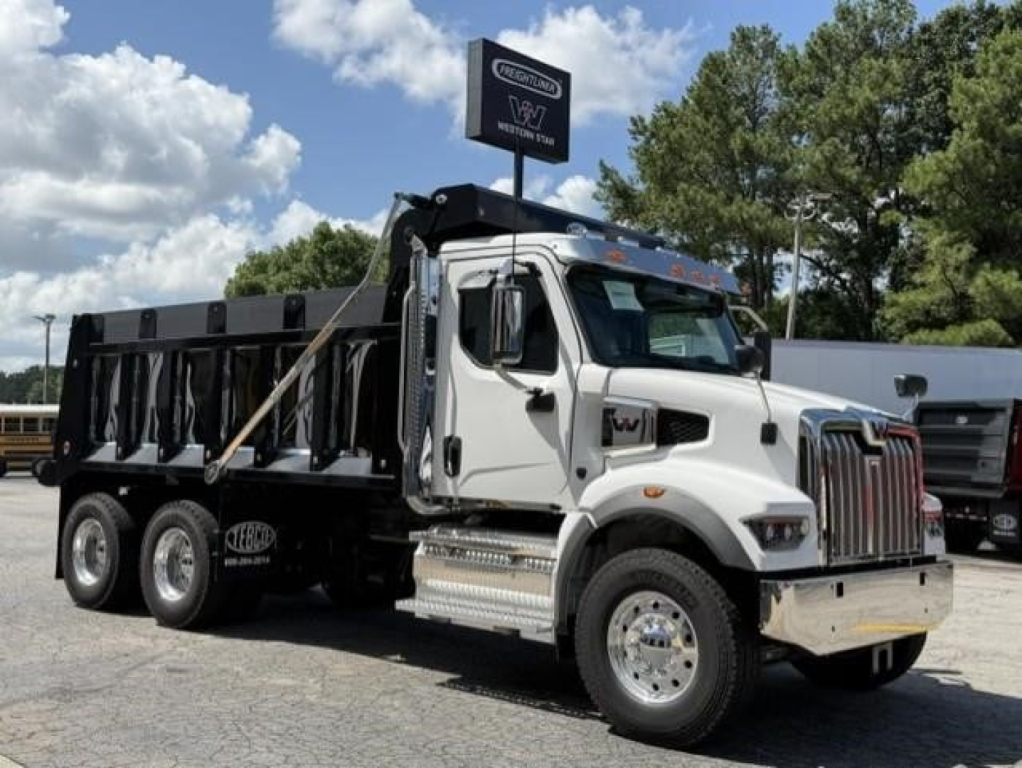
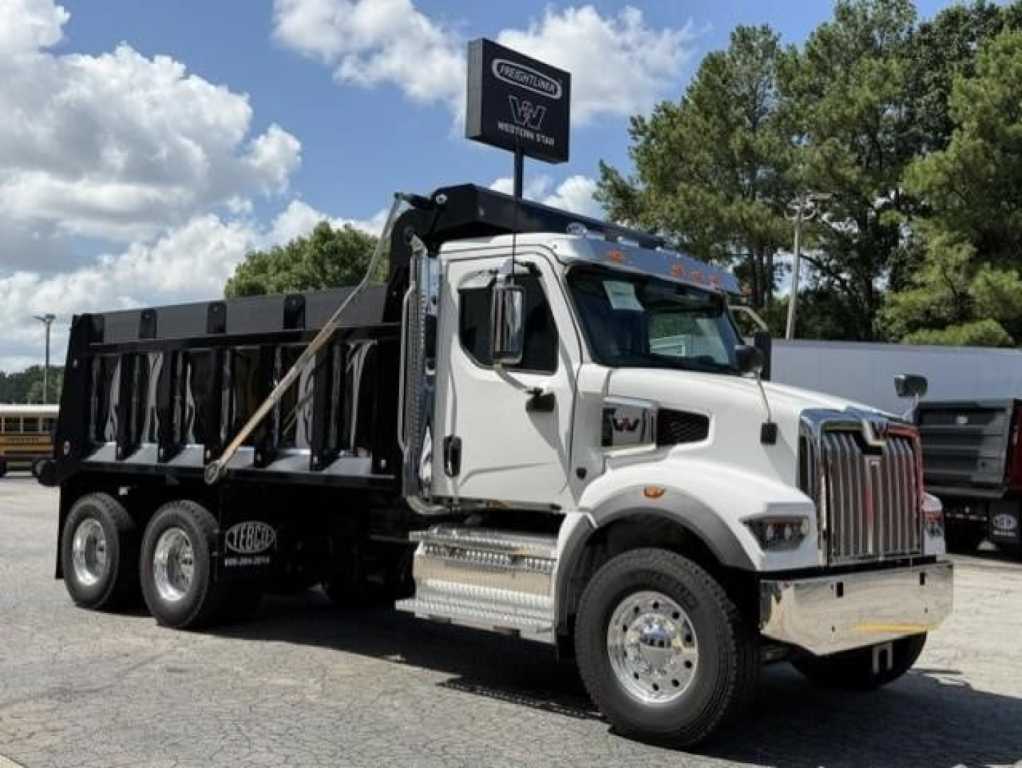
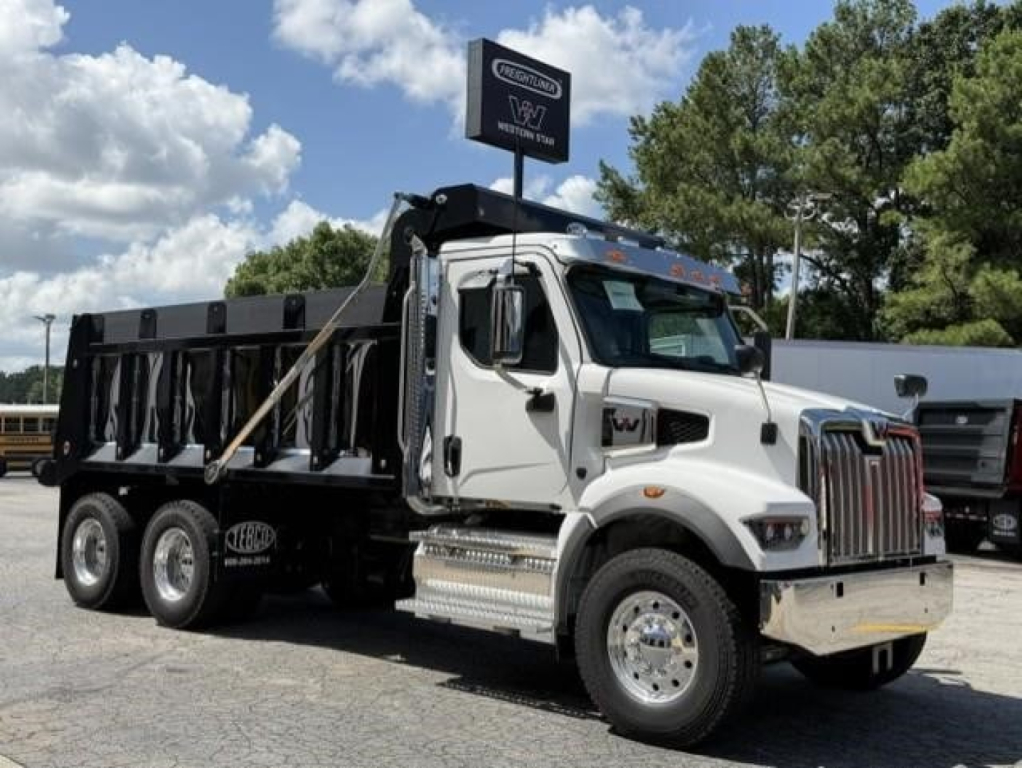
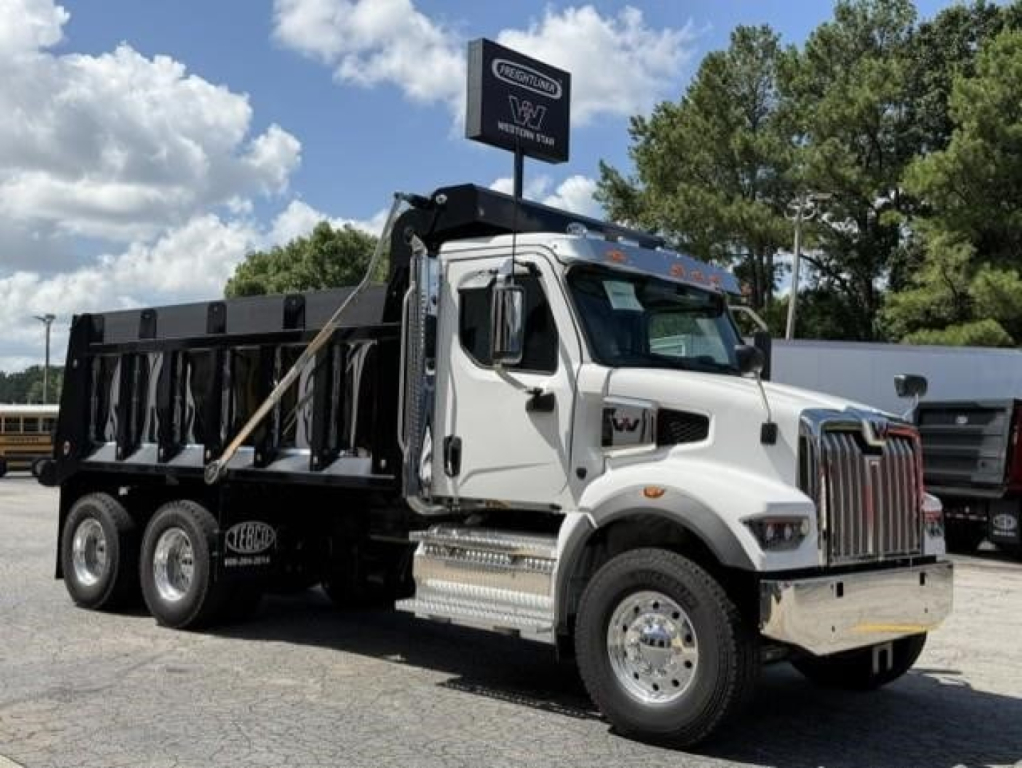
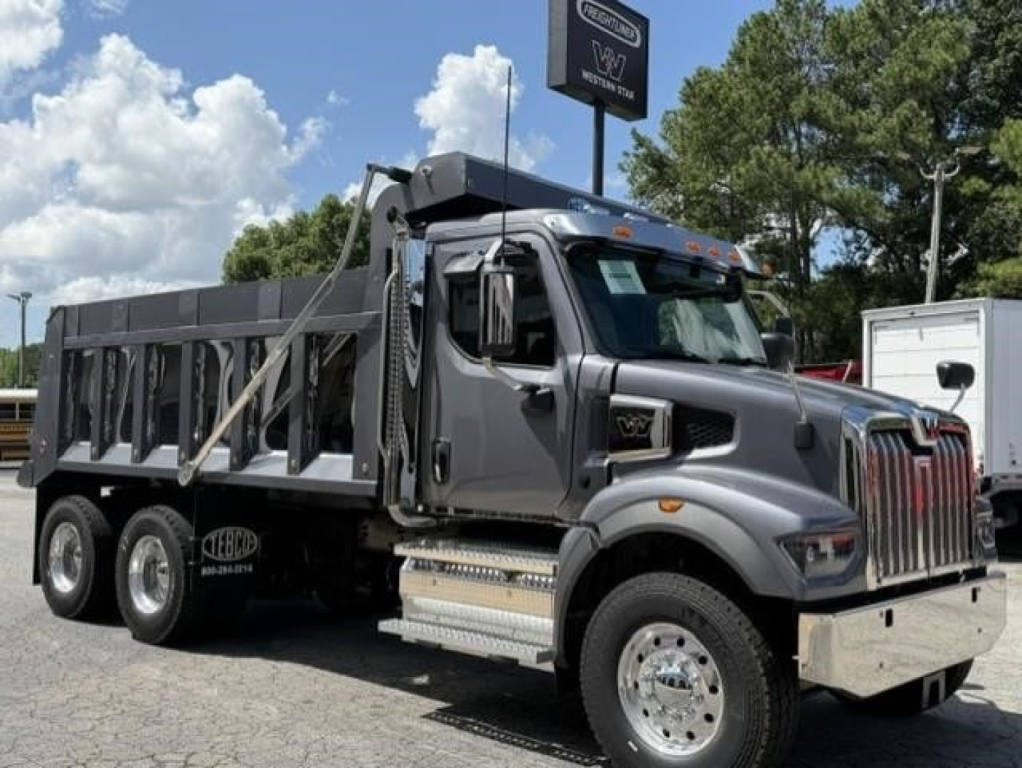
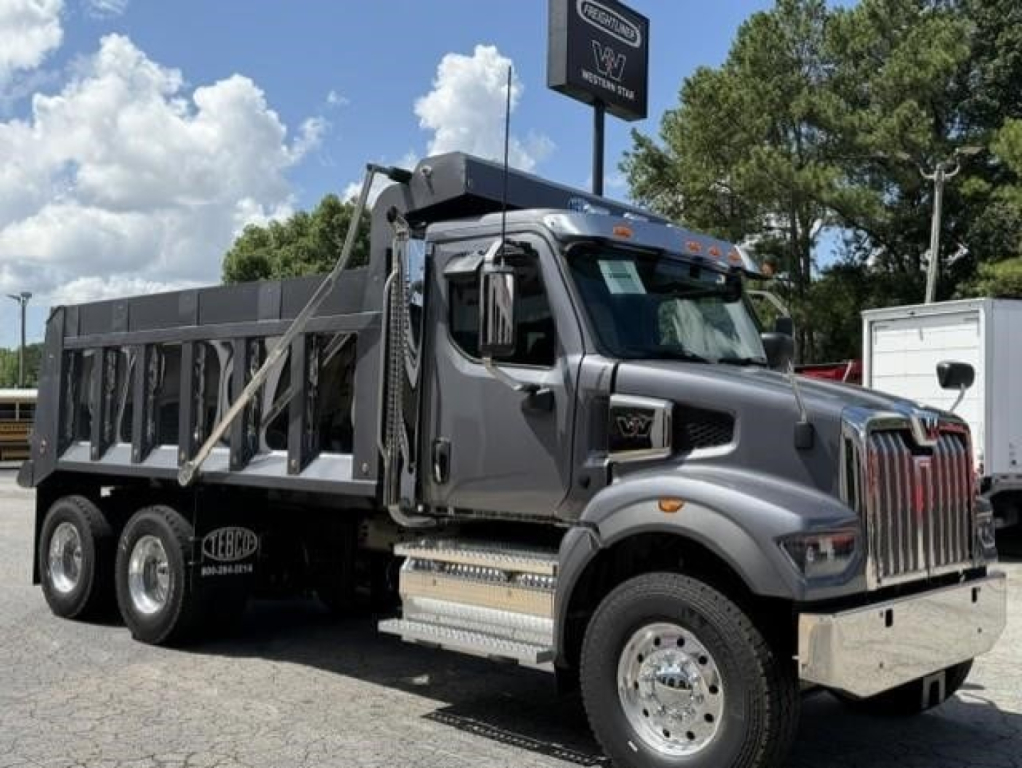
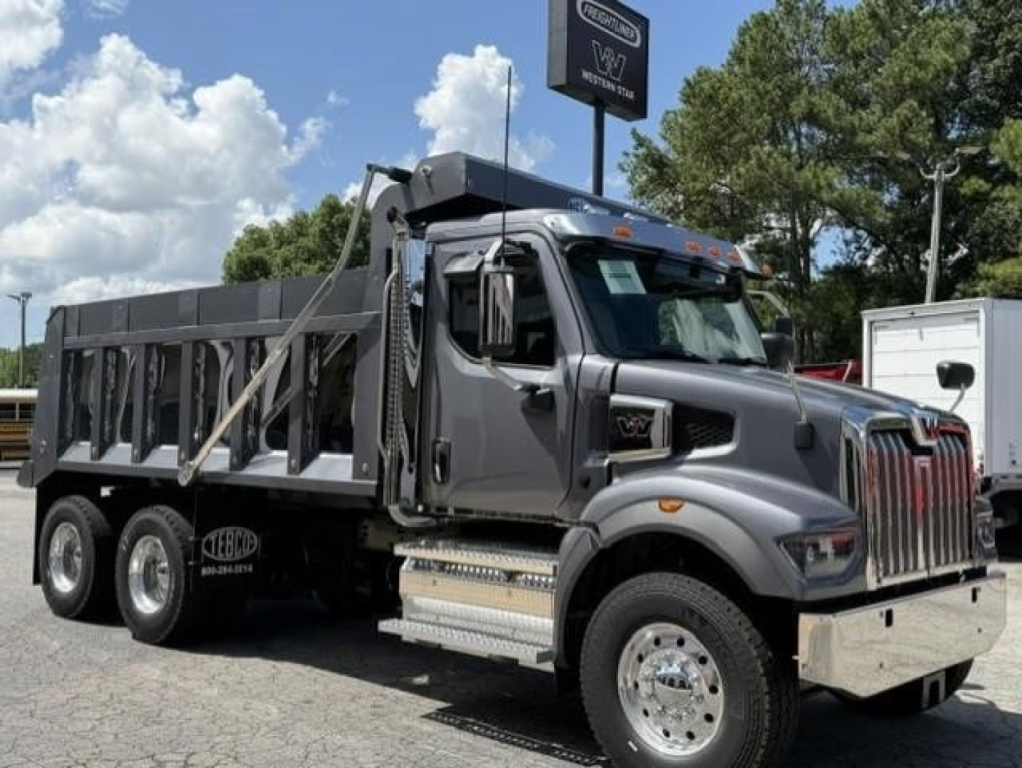
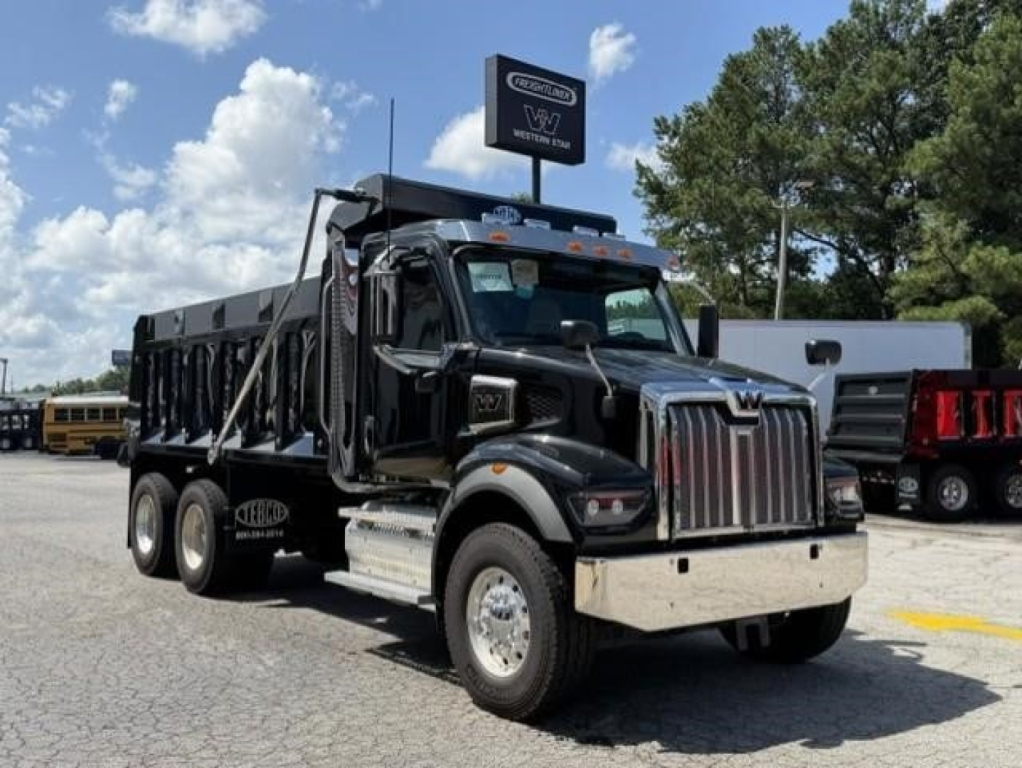
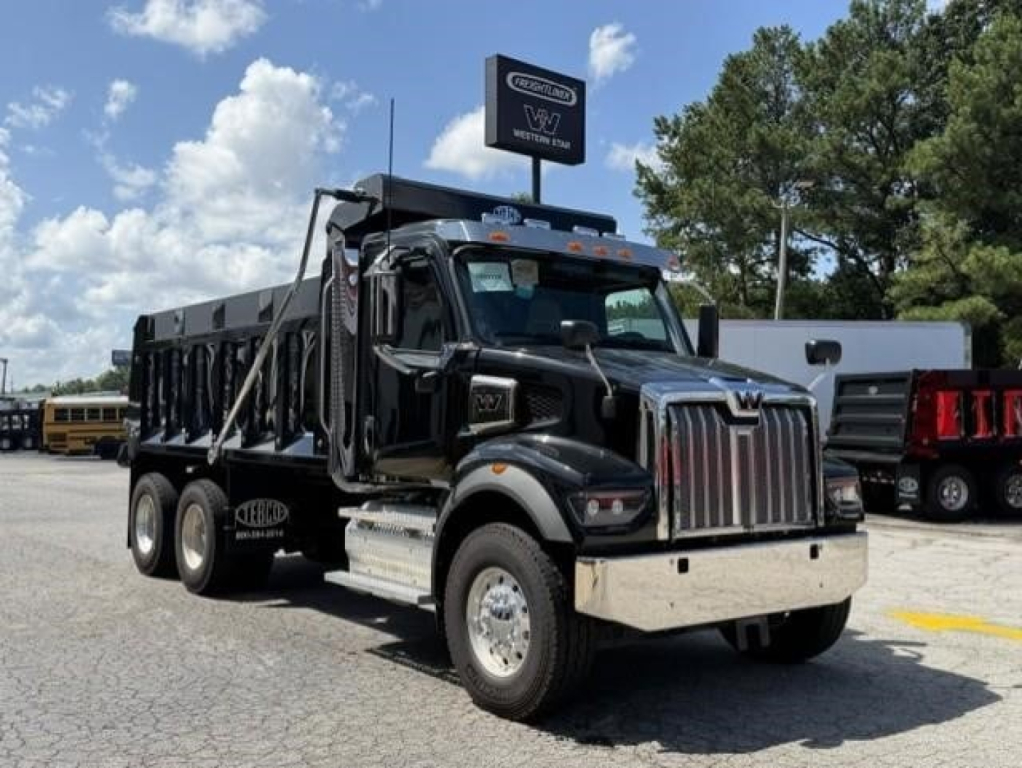
Showing 57 to 84 of 151 results
Selling a western star truck? List your western star truck for sale and reach thousands of commercial buyers.
Western Star Trucks
Model families cover both highway and severe service. The X-Series centers on the 47X for weight-sensitive vocational work with shorter BBC and tight cowl-to-axle dimensions, the 49X for heavier specs and extreme vocational or heavy-haul prep, and the 57X for linehaul with aero gains over classic long-hood designs. Many listings also include legacy 4700, 4800, 4900 and 5700XE highway tractors, plus the ultra-capable 6900 for off-highway or permitted heavy haul. Day cabs and sleepers are widely available, with bunk lengths that typically range from compact 36 in to 72 in premium configurations.
Powertrain choice defines performance and lifecycle cost. Detroit DD13, DD15 and DD16 are common, along with Cummins X12 and X15 in certain model years. Transmissions include Eaton Fuller manuals, Eaton UltraShift and Endurant AMTs, Detroit DT12 automated manuals for highway tractors, and Allison 4000 Series automatics in stop-start vocational roles. You will see Meritor or Dana drive axles, factory driver-controlled differential locks, and vocational suspensions like Hendrickson Haulmaax or Primaax, Chalmers, Neway ADZ, plus air-ride options such as Detroit AirLiner for highway comfort. Safety and uptime features on newer units can include air disc brakes, electronic stability control, tire inflation systems, LED lighting, and Detroit Assurance collision mitigation with adaptive cruise.
Trade-offs are straightforward. Western Star vocational trucks tend to weigh a bit more than light-spec competitors but deliver frame rigidity, bumper-to-back-of-cab options, and body-builder friendliness that reduce upfit time and improve service life. Highway models like the 57X and 5700XE narrow the fuel-economy gap with aero hoods and integrated powertrains, while classic long-hood specs prioritize cooling and durability over mpg. For regional considerations, cold-weather packages, heated fuel lines, deep-sump axles, and corrosion-resistant hardware matter in the North and coastal markets. When screening used units, review frame and crossmember condition, suspension bushings, kingpins, PTO pumps and lines, fifth wheel wear, and aftertreatment service history to confirm it matches the truck’s duty cycle and idle profile. Strong DTNA dealer support and broad parts availability help on long-term ownership and resale.
Frequently Asked Questions about Western Star Trucks
What is the difference between the 47X, 49X, and 57X models?
The 47X is a shorter BBC vocational platform aimed at weight-sensitive and municipal work where maneuverability and cowl-to-axle dimensions are critical. The 49X is the heavier-spec vocational and heavy-haul platform with higher axle ratings, larger cooling packages, and more frame and suspension options. The 57X is an aero-focused highway tractor with integrated powertrains and driver-assist technology designed for fuel economy and long-haul comfort.
Which engines and transmissions are most common in Western Star trucks?
Detroit DD13, DD15 and DD16 engines are widely used, with Cummins X12 and X15 available in certain applications and years. Transmissions include Eaton Fuller manual boxes, Eaton UltraShift or Endurant AMTs, Detroit DT12 automated manuals on highway tractors, and Allison 3000 or 4000 Series automatics for stop-start vocational duty. Pair the engine to rear axle ratios and tire size to hit your target cruise rpm and gradeability.
Are Western Star trucks good for heavy haul and off-highway service?
Yes. Western Star’s heavy frames, high-capacity axles, and cooling packages suit permitted heavy haul and demanding off-highway work. Properly spec’d 49X and legacy 4900 platforms commonly run 46k to 52k tandems with tridems or pushers for permitted GCWs well above 80k. The 6900 platform extends capability further with planetary options for extreme duty. Always verify local regulations, axle spacing, and bridge law requirements when targeting specific permitted weights.
What should I look for when evaluating a used Western Star vocational truck?
Check frame rails and crossmembers for corrosion or twist, inspect suspension bushings, torque rods, and spring pins, and verify kingpin and steering gear play. On PTO-equipped units, look for wet kit condition, pump and line leaks, and reservoir cleanliness. Confirm differential lock function, air system health, and brake lining or rotor thickness. Review aftertreatment history, regen frequency, DOC/DPF replacement dates, and any SCR repairs to ensure the emissions system aligns with the truck’s duty cycle.
How do set-forward vs set-back steer axles impact performance and compliance?
A set-forward steer axle helps keep weight on the steer for bridge law and axle load compliance, useful on dumps and mixers with heavy front gear. A set-back steer axle shortens the wheelbase for tighter turning and can improve driver visibility and approach angle. The right choice depends on payload distribution, regional bridge formulas, and your typical jobsite constraints.