
Volvo Trucks For Sale in Texas
Browse Volvo trucks for sale in Texas, including VNL highway tractors and VHD vocational models for long haul, construction, mixer, and fleet use.
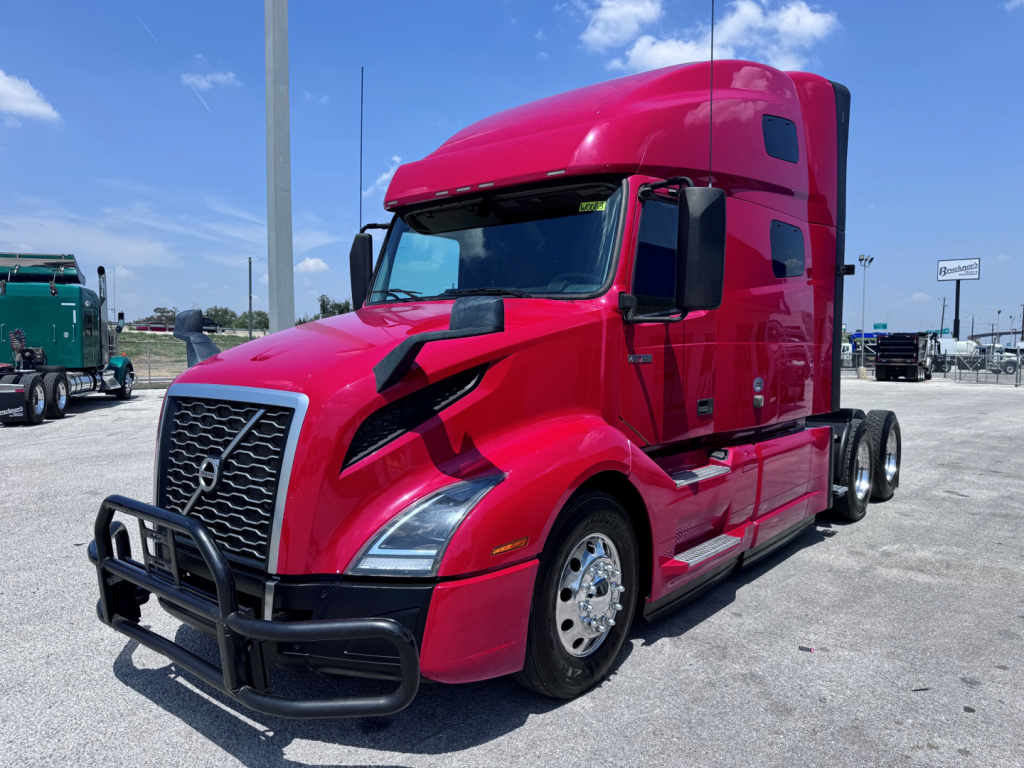
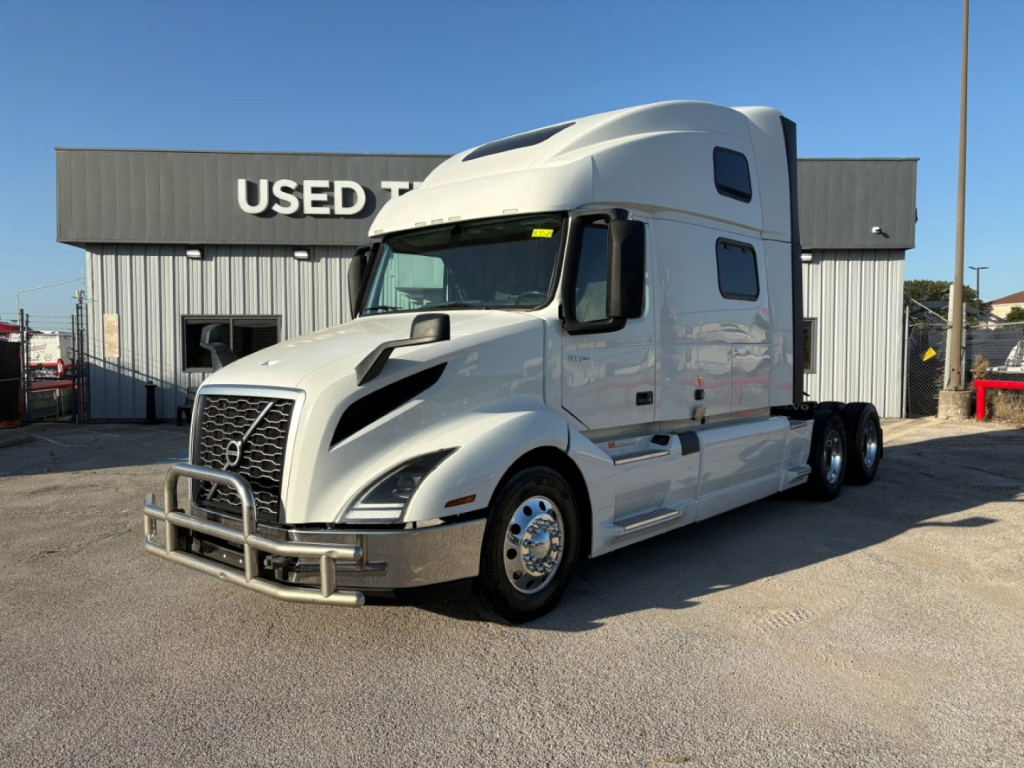
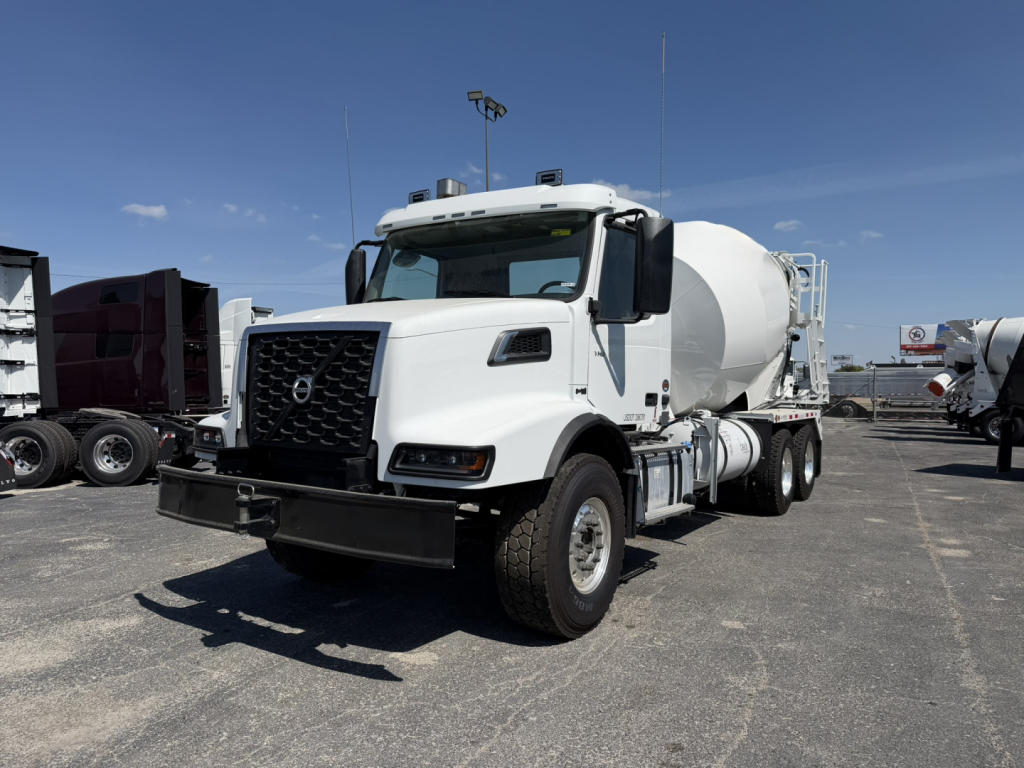
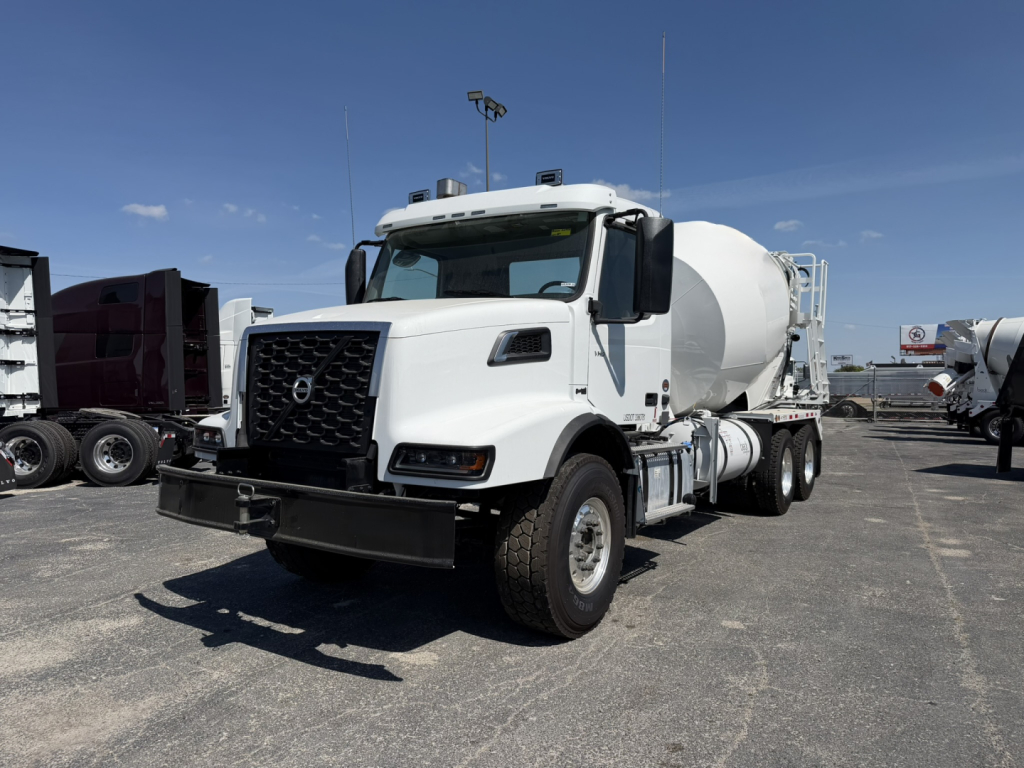
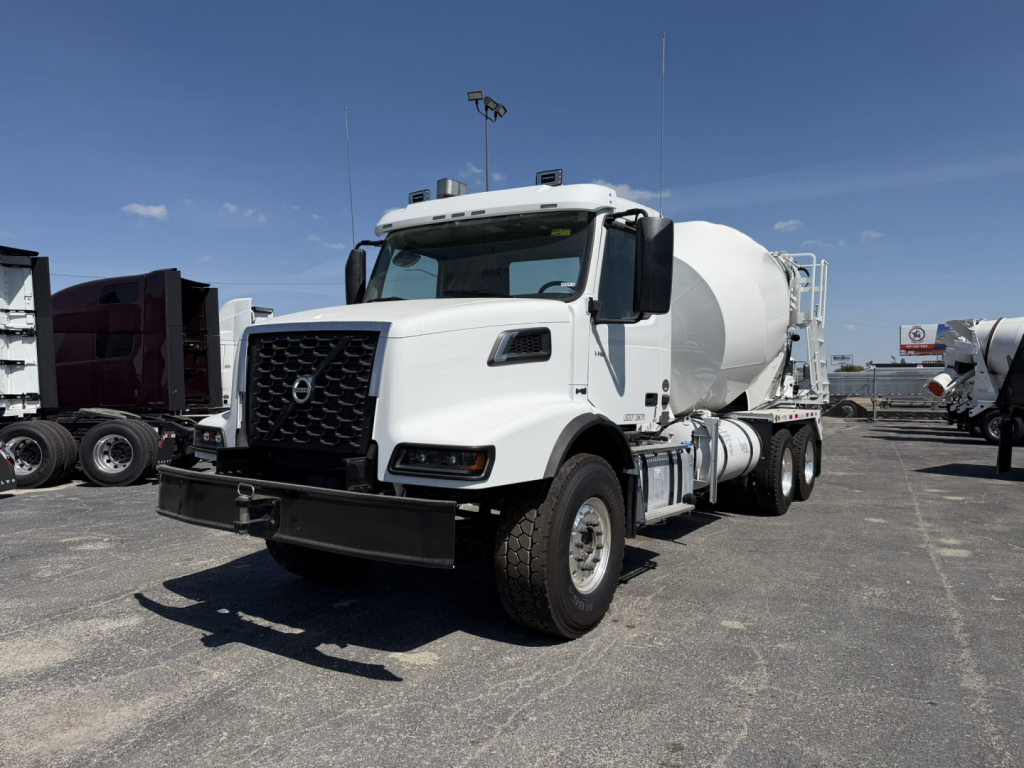
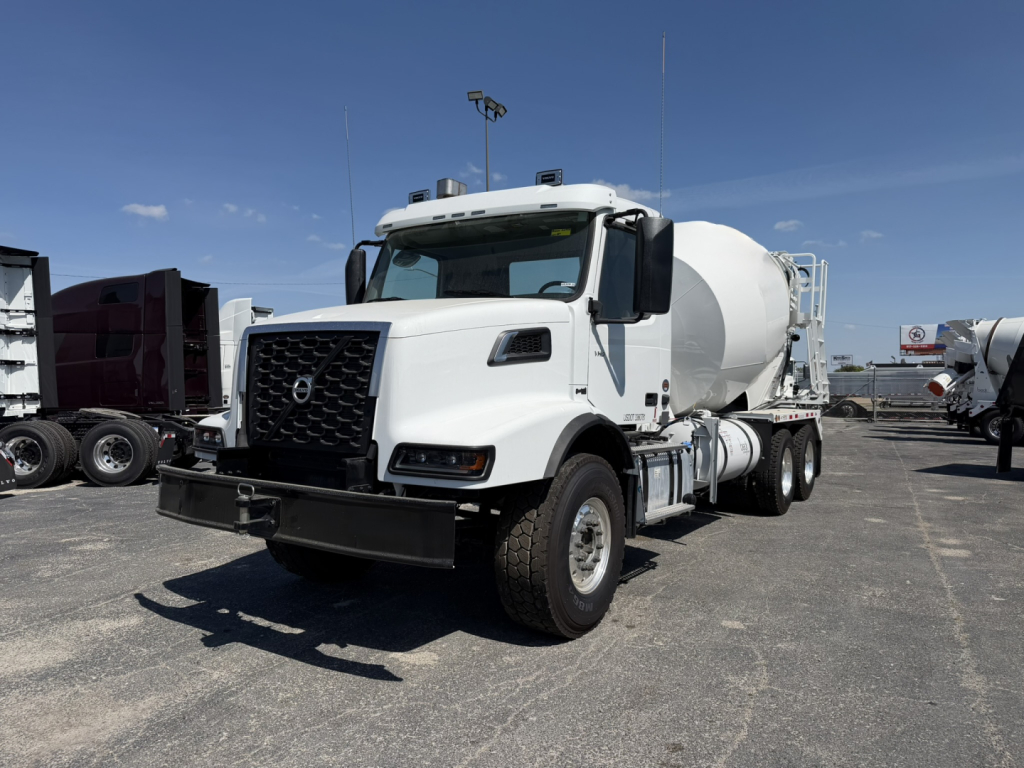
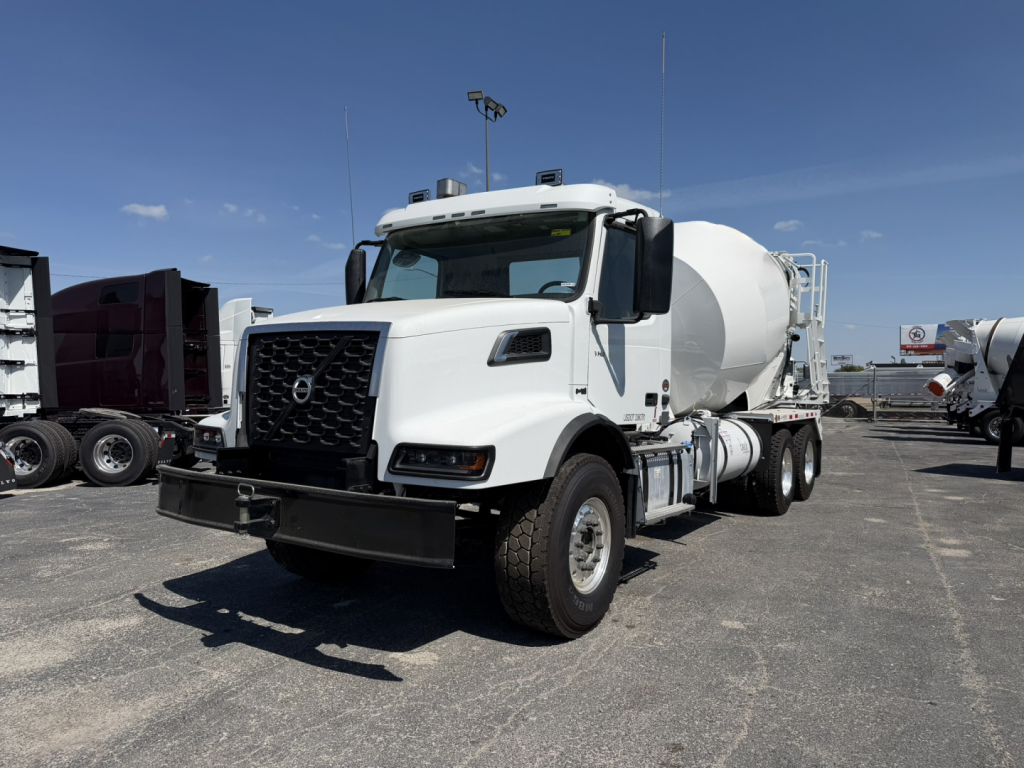
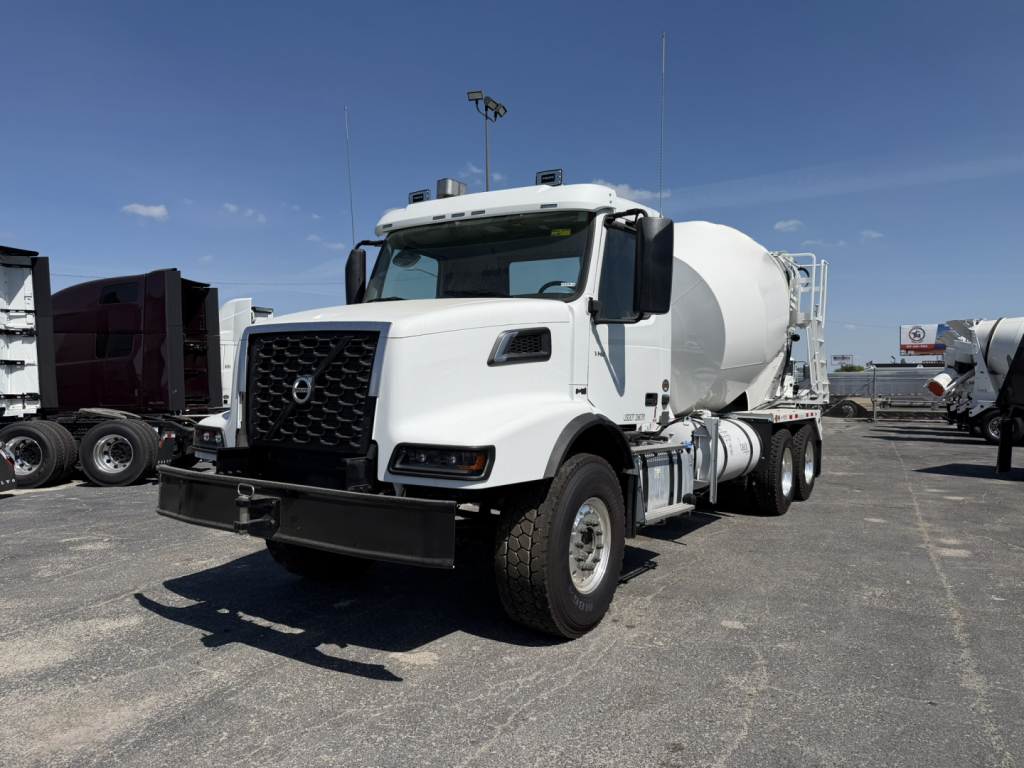
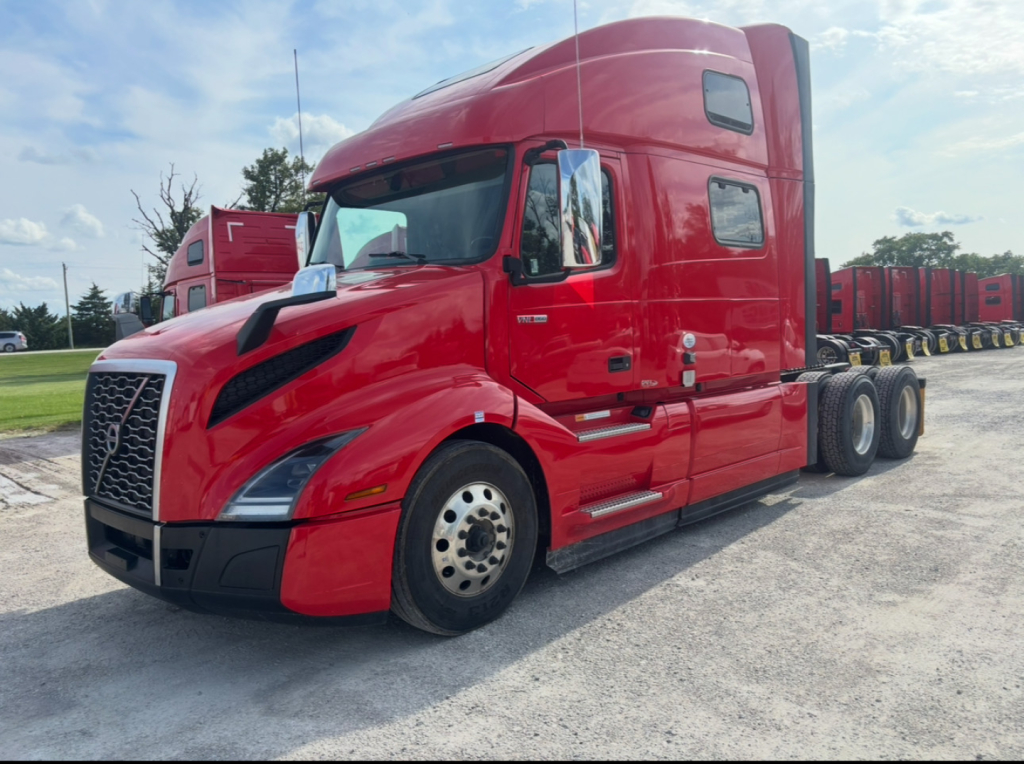
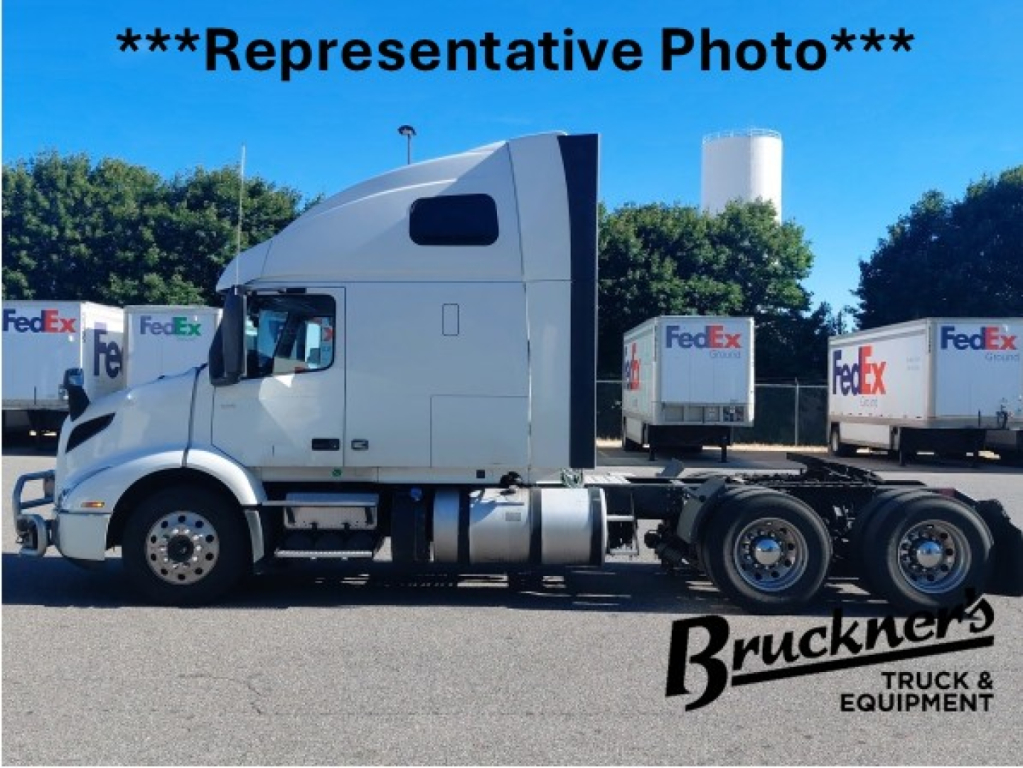
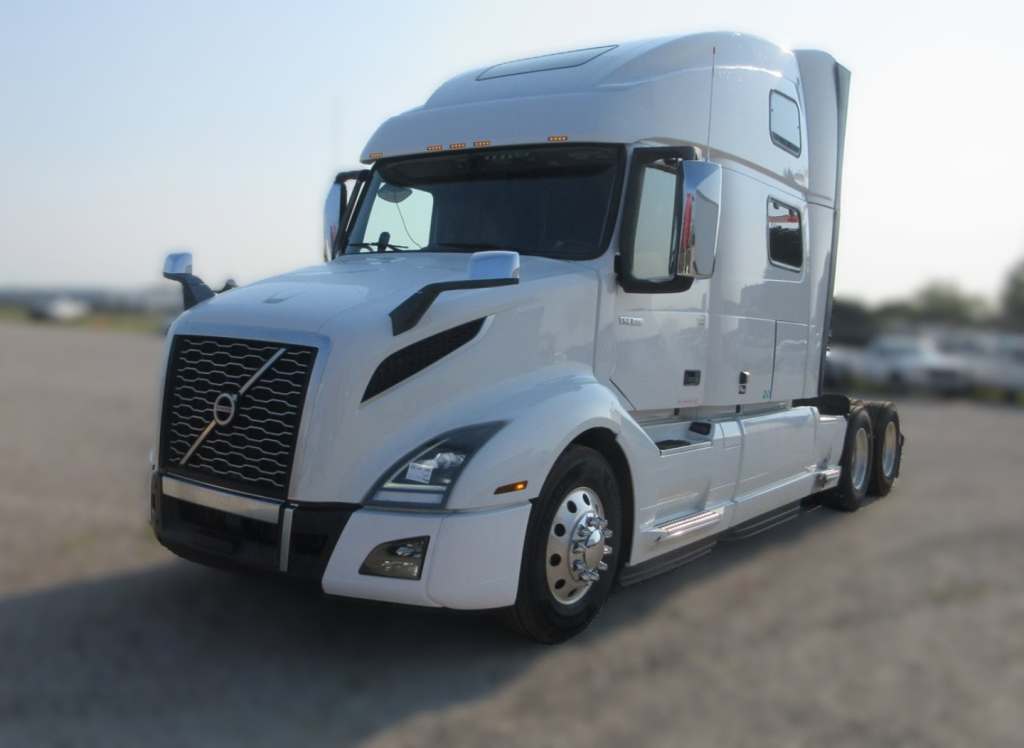
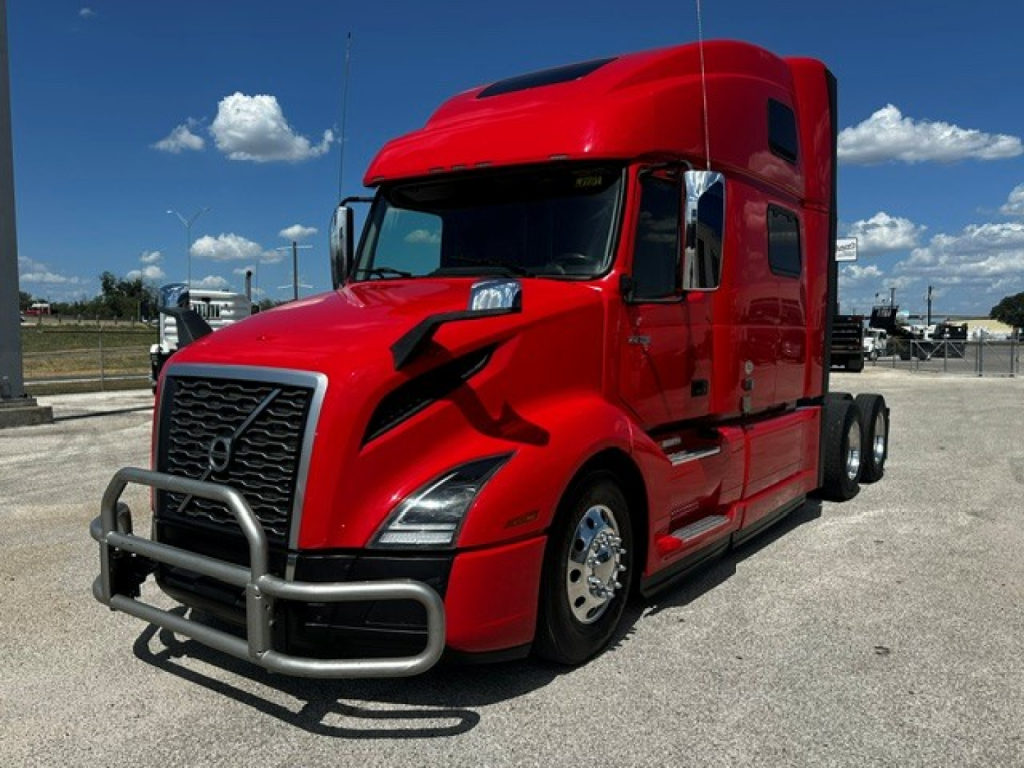
2024 Volvo VNL64T860
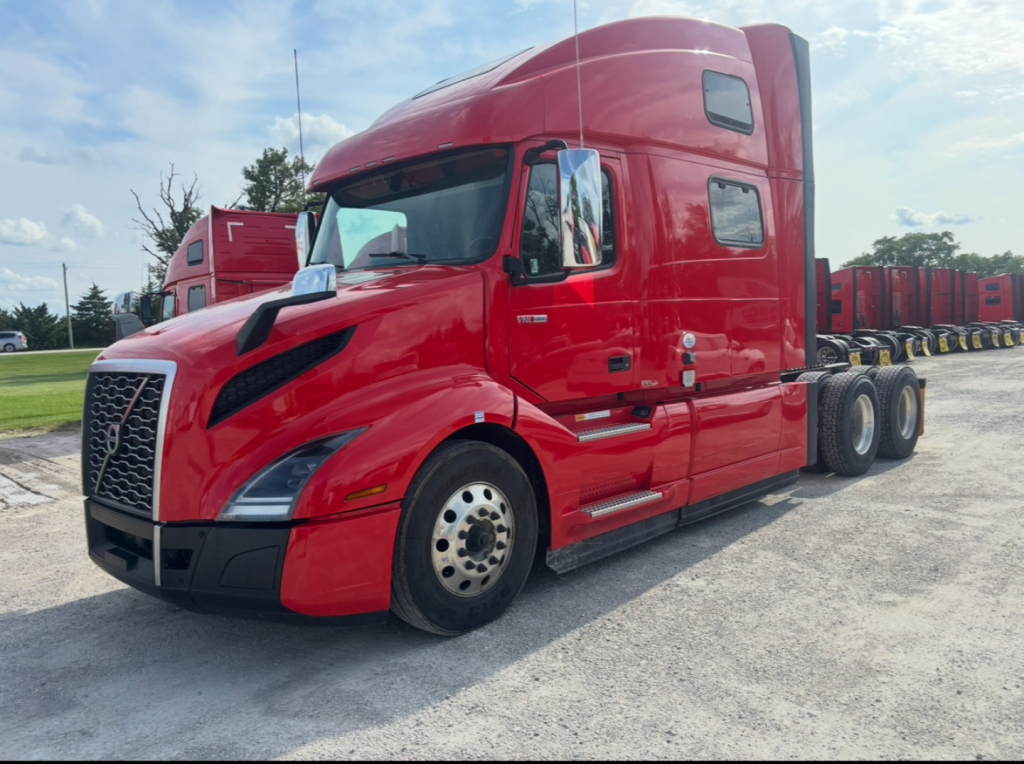
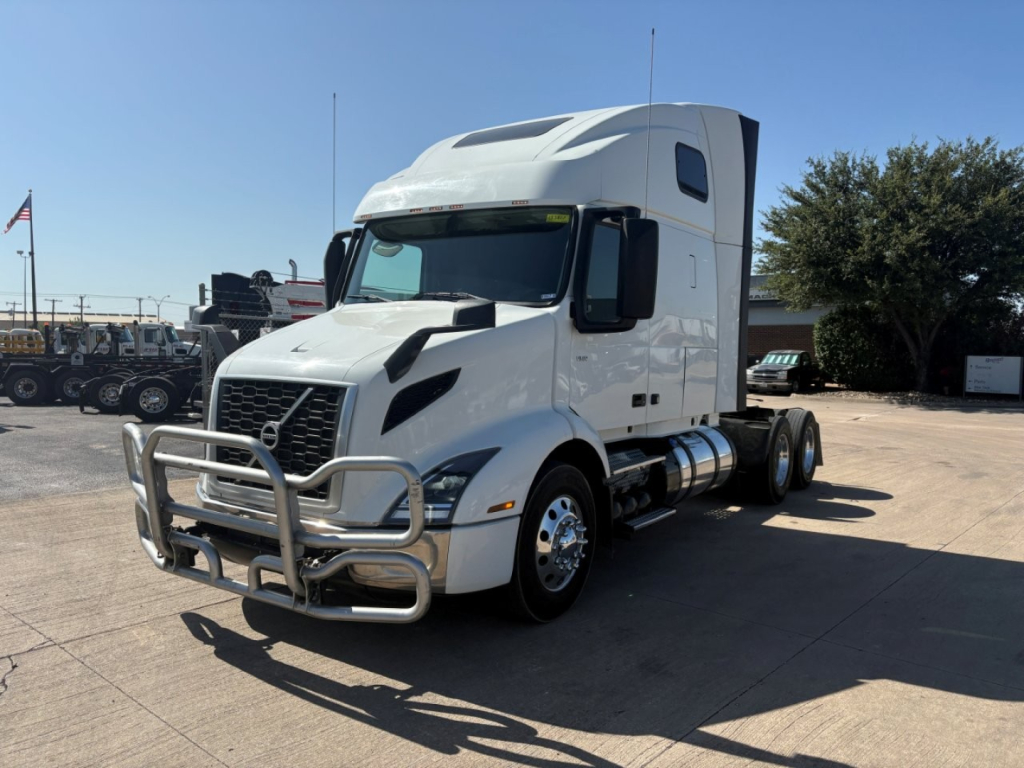
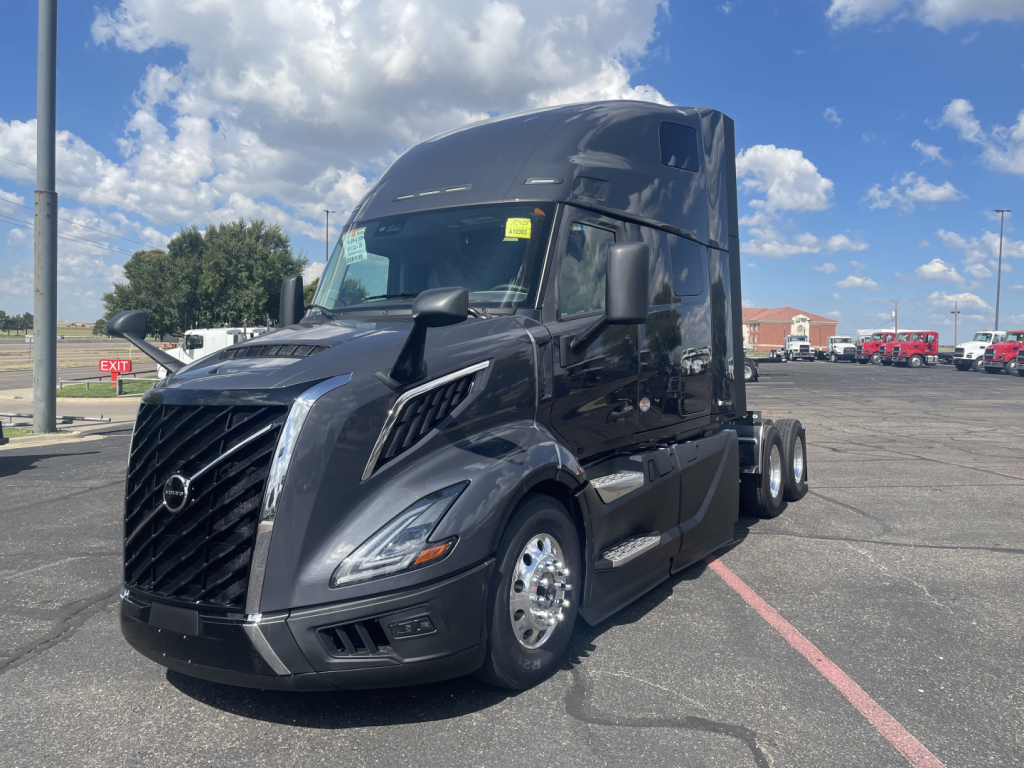
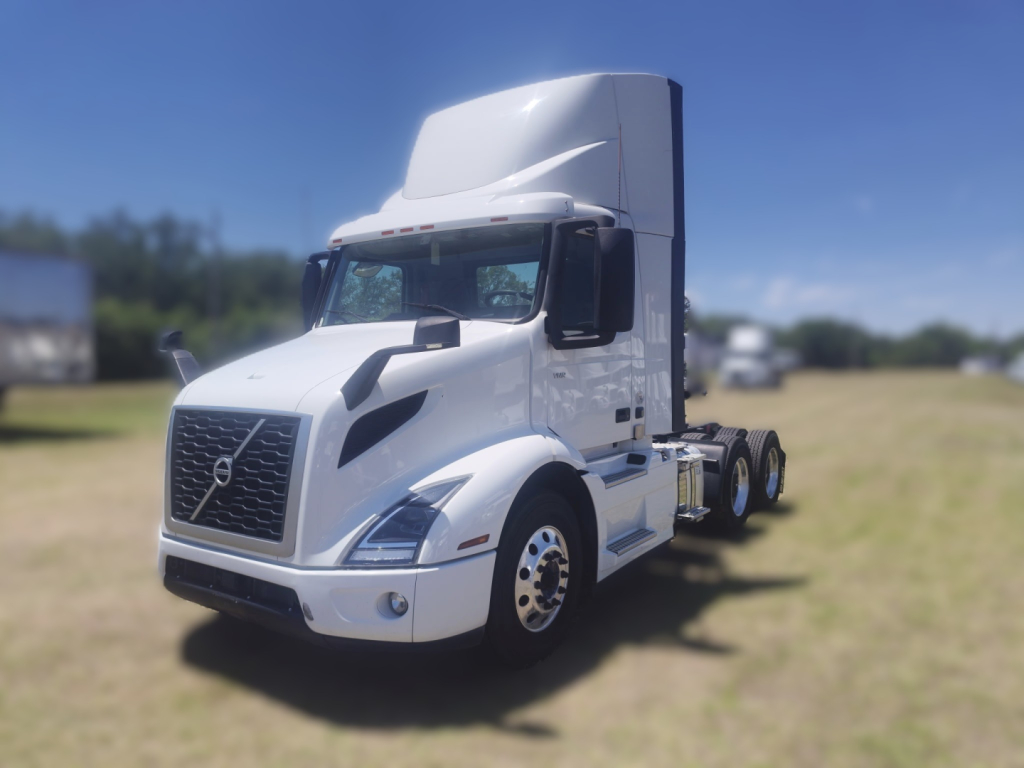
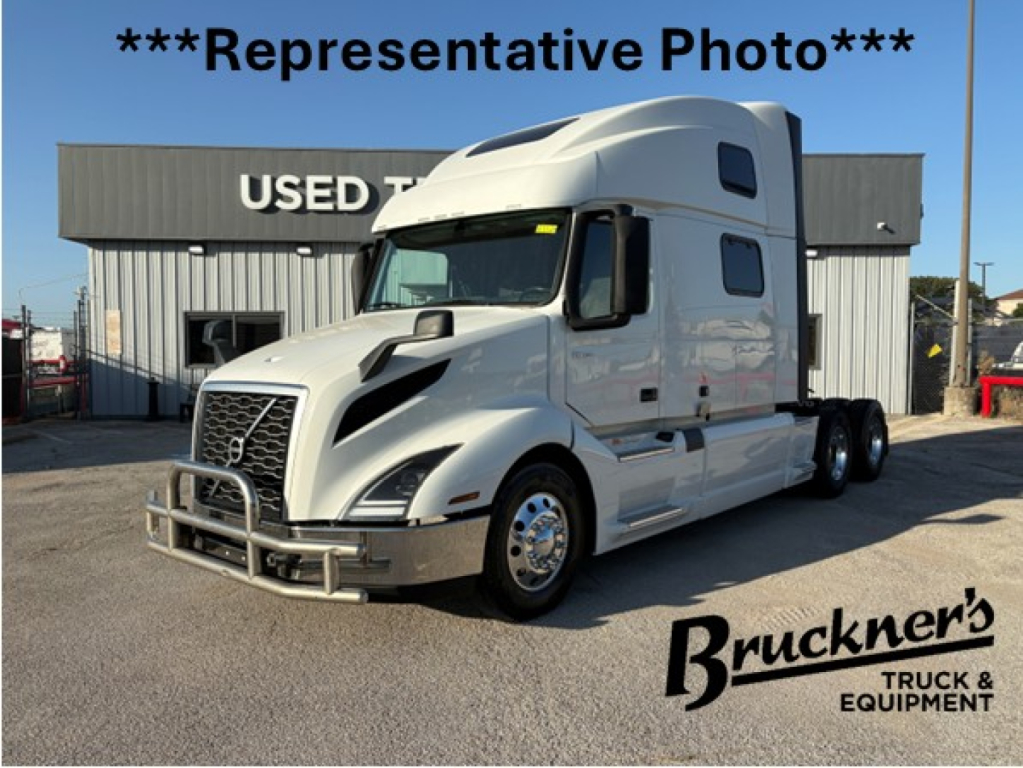
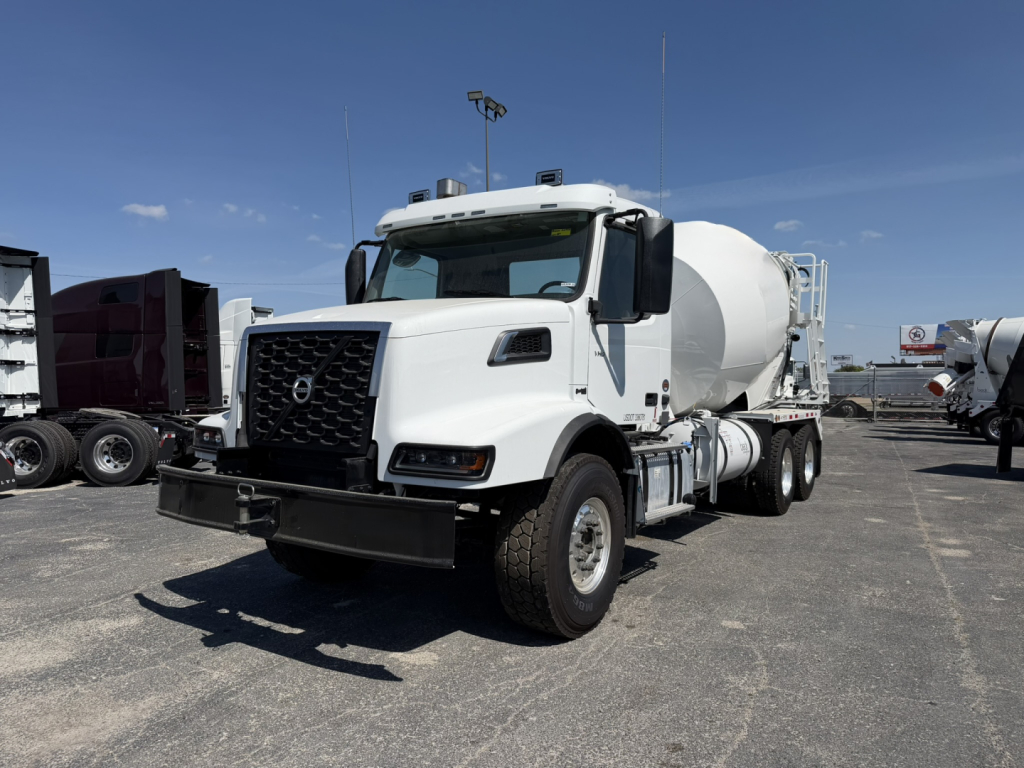
2022 Volvo VNR64T300
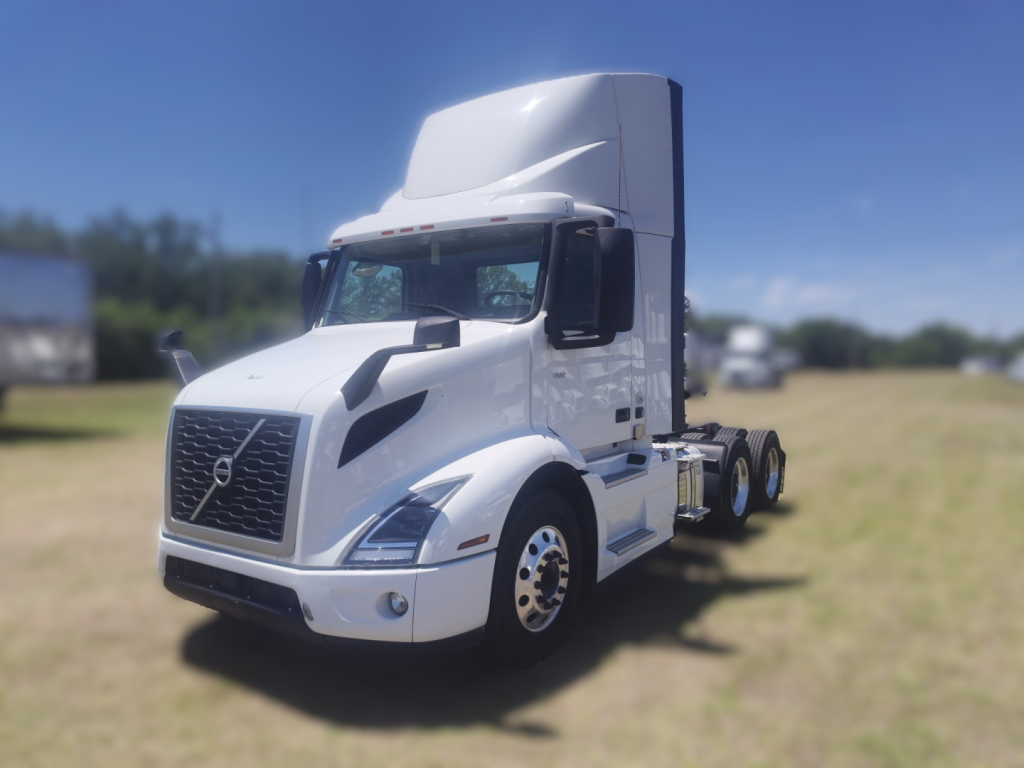
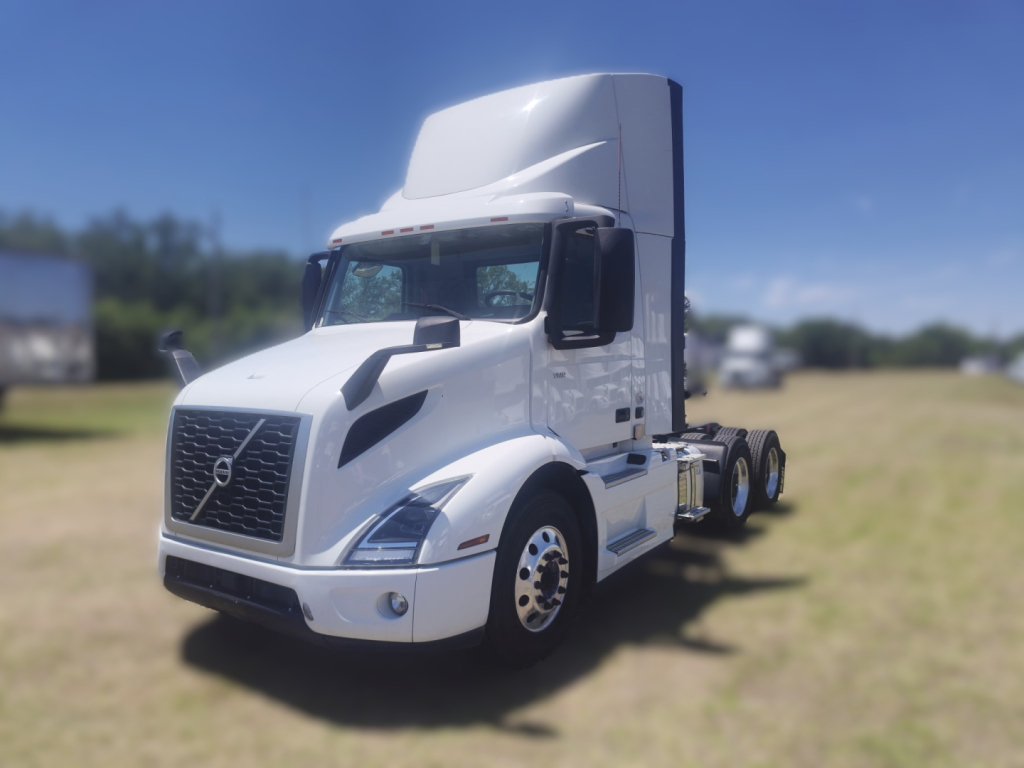
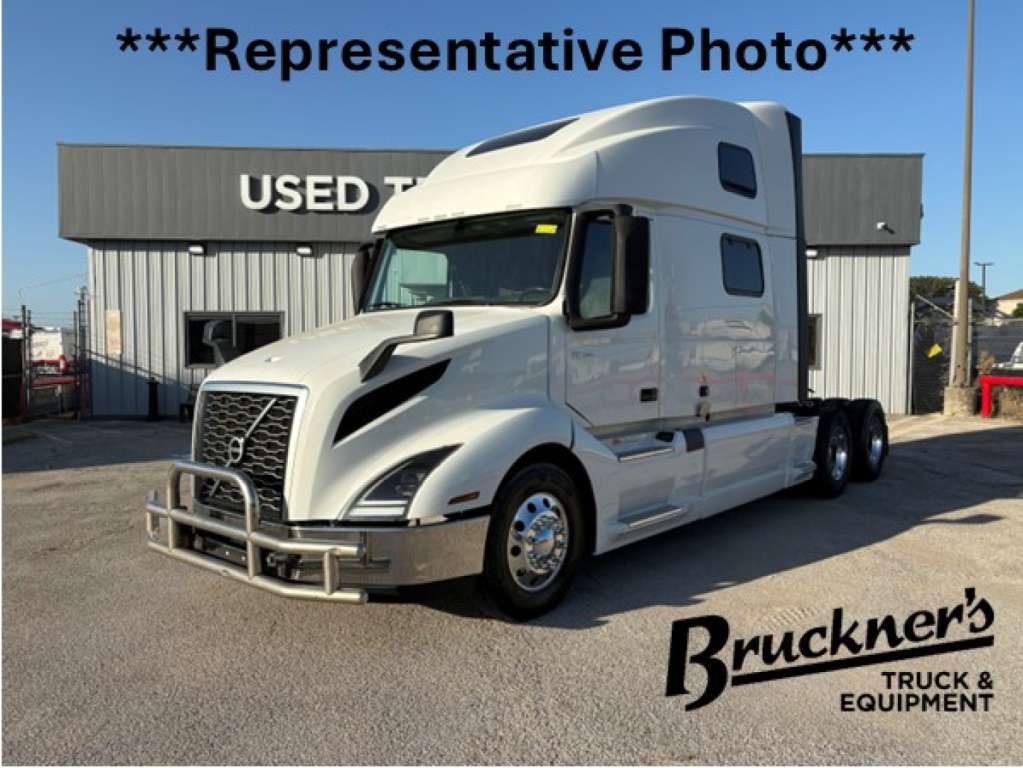
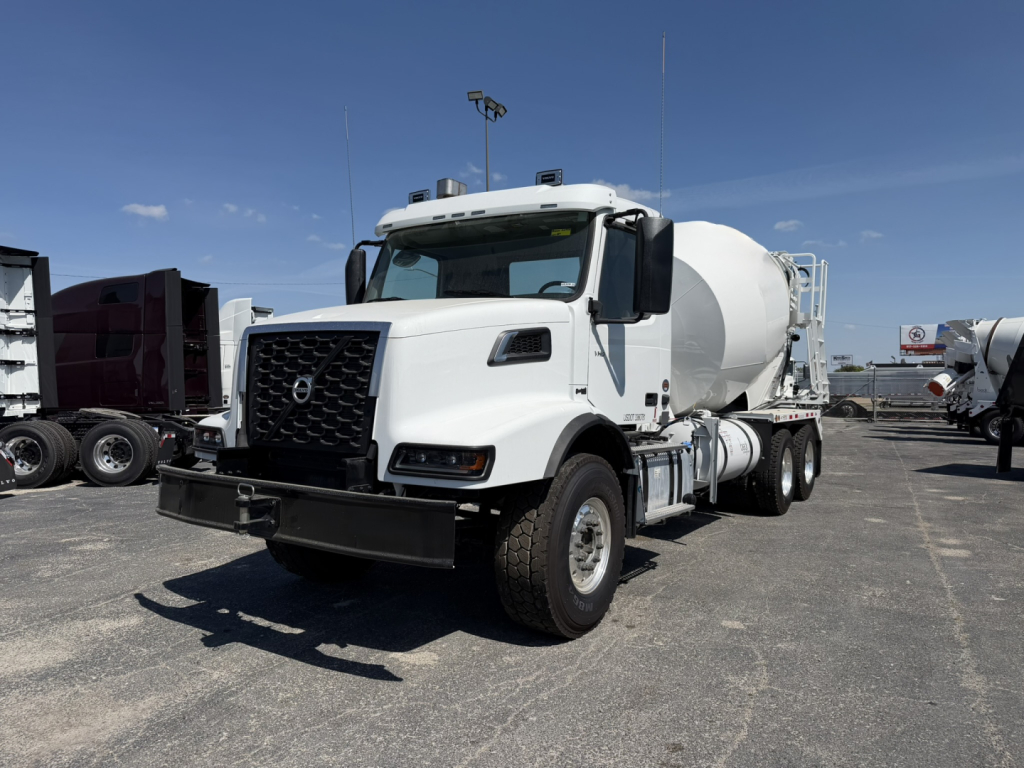
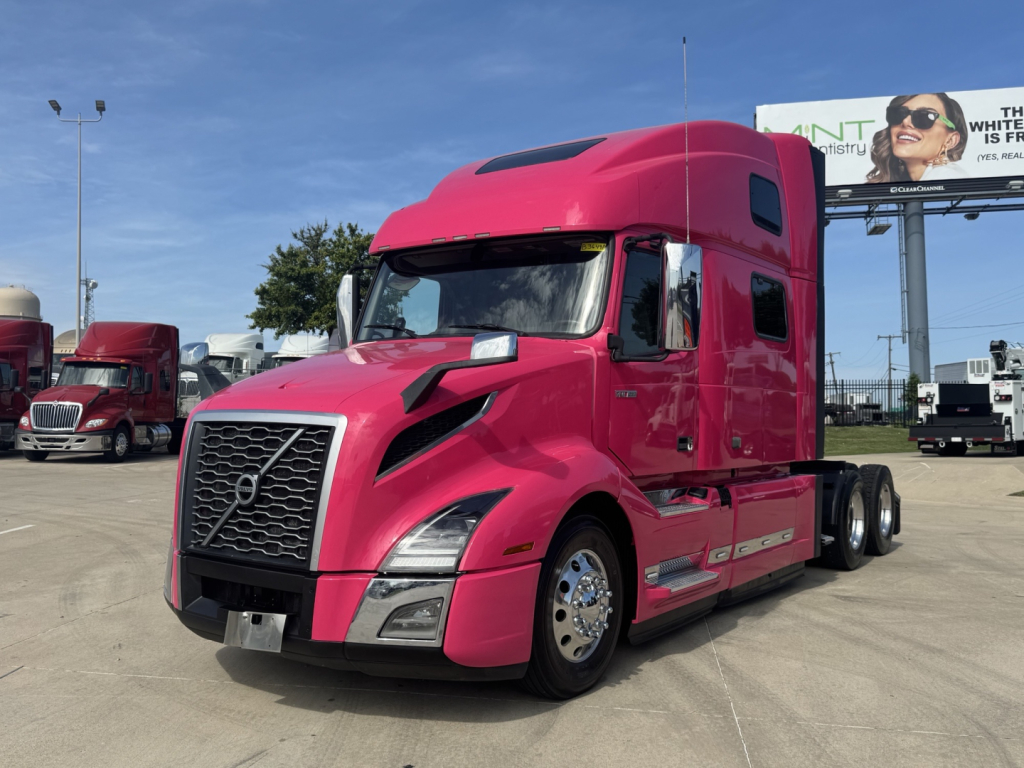
2022 Volvo VNR64T300
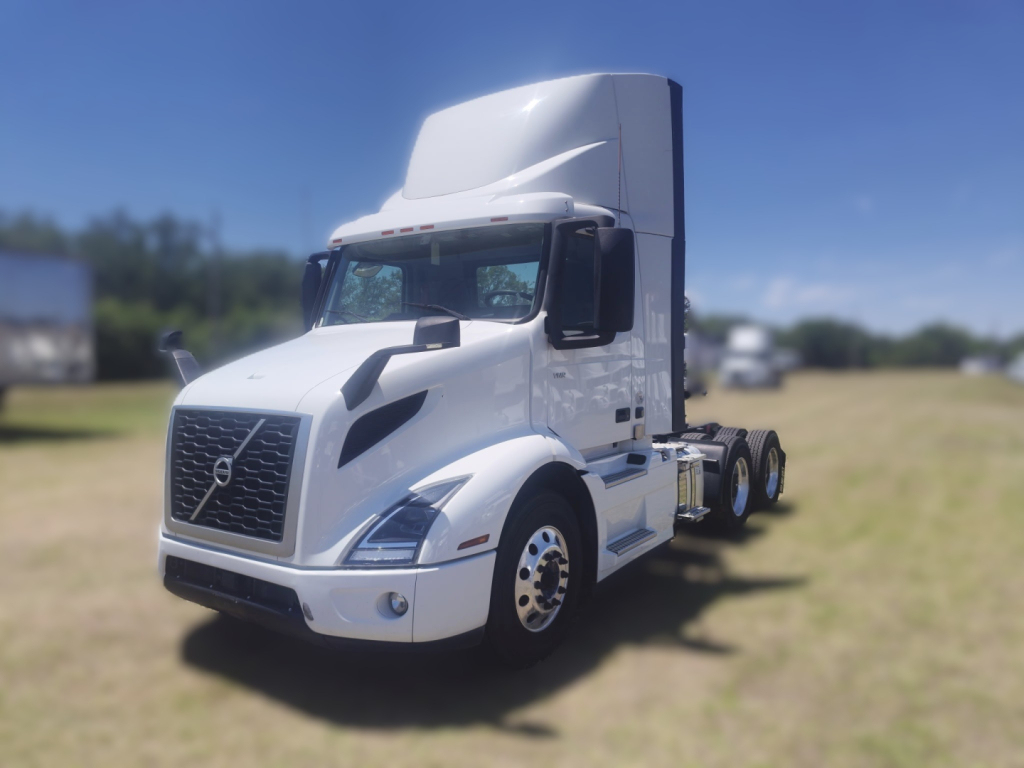
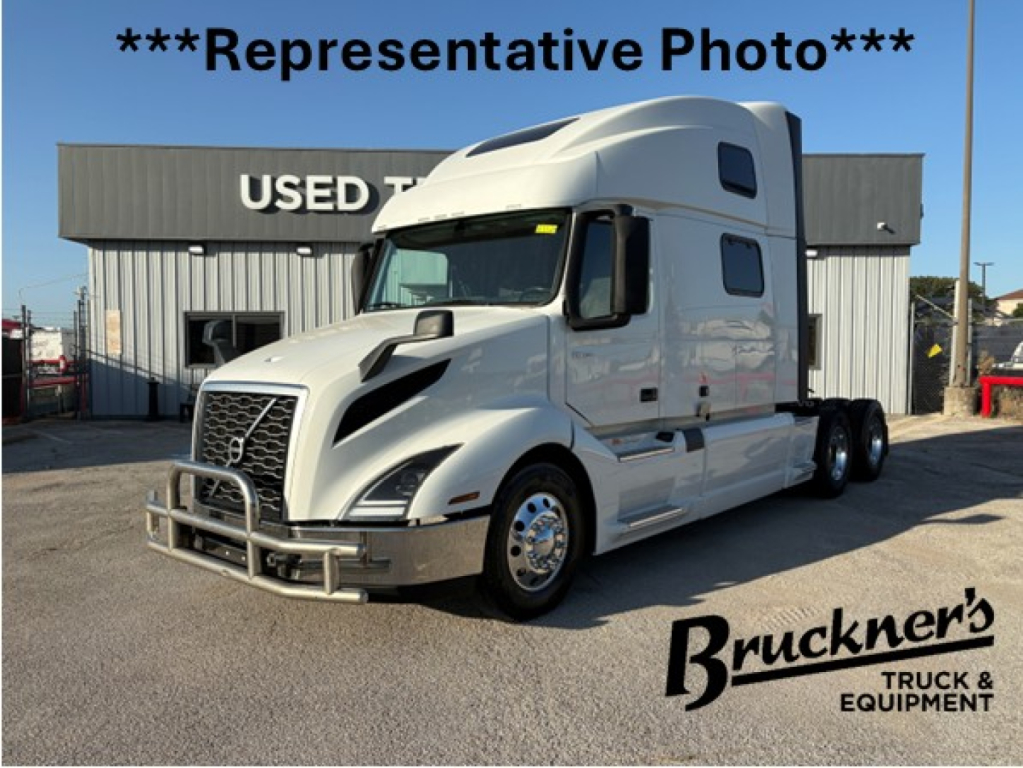
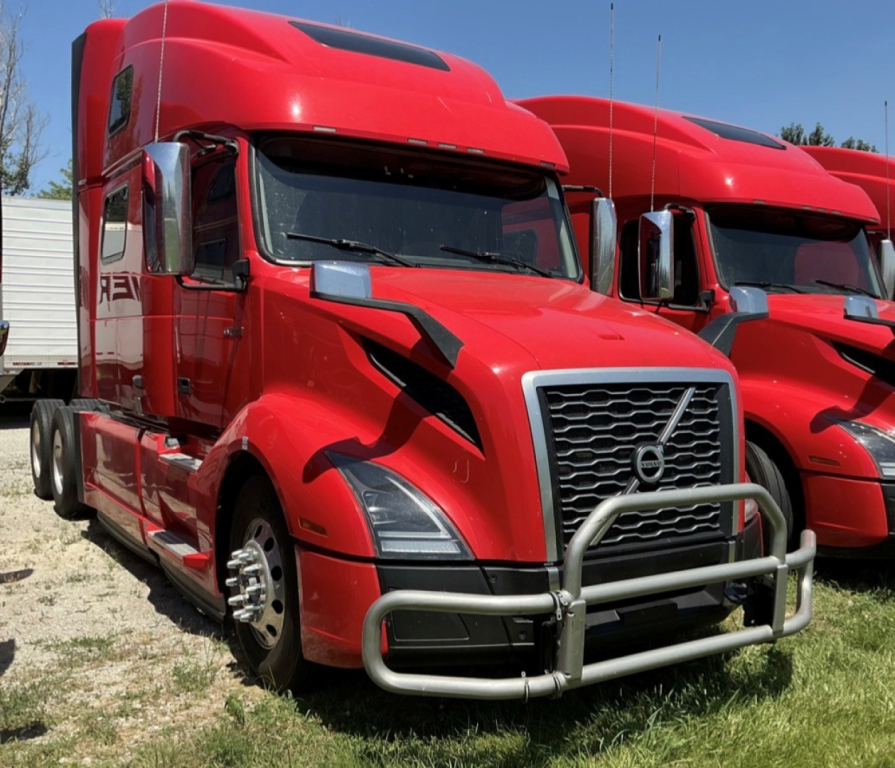
2022 Volvo VNR64T300
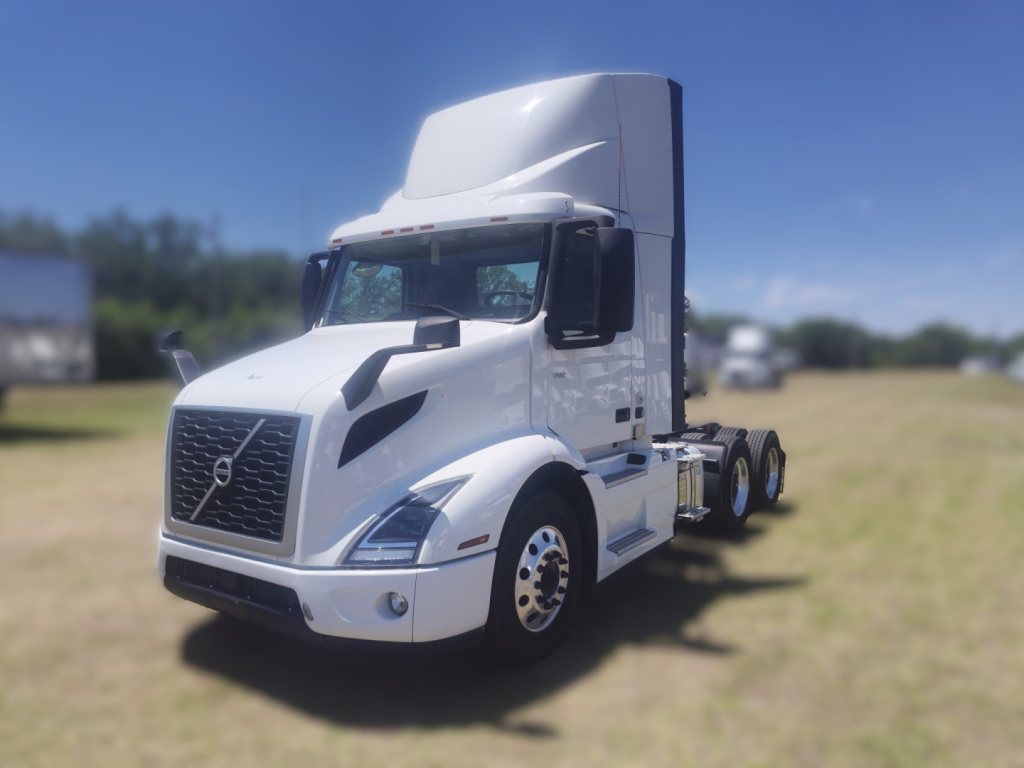
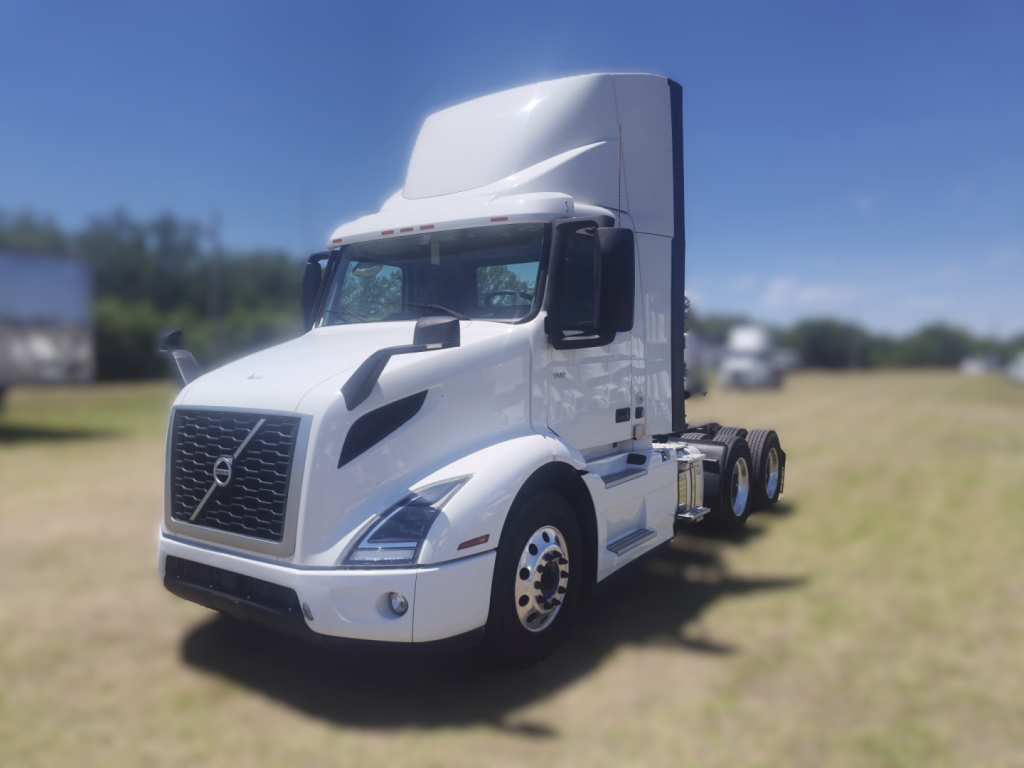
Showing 1 to 28 of 85 results
Selling a volvo truck? List your volvo truck for sale and reach thousands of commercial buyers.
Volvo Trucks in Texas
On the highway side, Volvo VNL models are well known for aerodynamic design, quiet cabs, and integrated powertrains centered around the Volvo D11 or D13 engine and the I-Shift automated manual transmission. Buyers comparing sleepers often look at horsepower and torque ratings, wheelbase, bunk size, fuel capacity, and rear axle ratio to match the truck to freight type and average cruise speed. Texas fleets also pay close attention to cooling capacity, idle management, and driver comfort features because long distances, summer heat, and high annual miles can expose weak specs quickly. A well-matched VNL can be a strong choice for dry van, reefer, flatbed, and dedicated regional work where fuel burn, uptime, and driver retention all matter.
On the vocational side, Volvo VHD trucks are commonly spec'd as day cabs, cab and chassis units, mixers, dumps, and other specialty body applications. Key buying points include front axle capacity, bridge formula needs, suspension type, axle ratio, locking differentials, PTO provisions, and transmission selection. Many severe-duty VHD configurations use the Volvo D13 or D11 with either an Allison automatic for stop-and-go work or an I-Shift or Eaton manual style transmission for specific jobsite demands. In Texas, these trucks are often considered for construction, aggregates, ready-mix, municipal work, utility service, and oilfield applications where traction, cooling, brake performance, and body-upfit compatibility are more important than sleeper amenities.
A smart Volvo truck purchase starts with the application, not just the model name. Check GVWR and GCWR targets, verify axle and suspension ratings, and confirm the truck has the gearing, PTO setup, and wheelbase your body builder or trailer operation requires. For used Volvo trucks, review service history, aftertreatment maintenance, clutch or I-Shift performance, and signs of frame or suspension wear from off-road use. For newer trucks, focus on emissions package, safety systems, and how closely the spec matches your lane, payload, and driver expectations. Volvo remains a strong brand in both on-highway and vocational segments because the product range covers fuel-efficient sleepers, regional tractors, and hard-working severe-duty chassis with consistent attention to driver ergonomics and uptime.
Frequently Asked Questions about Volvo Trucks in Texas
What is the difference between a Volvo VNL and a Volvo VHD?
The Volvo VNL is an on-highway tractor platform designed for freight hauling, fuel efficiency, and driver comfort, with common use in sleeper and day cab applications. The Volvo VHD is a vocational platform built for heavier chassis demands such as mixers, dumps, cranes, and severe-duty body installations. The main differences are frame and axle configurations, PTO and upfit flexibility, suspension options, and the overall emphasis on highway efficiency versus jobsite durability.
Are Volvo trucks a good choice for Texas operations?
Volvo trucks are a practical fit for Texas because the lineup covers both long-haul freight and heavy vocational work. The VNL suits high-mileage routes across large regional footprints where cab comfort, fuel economy, and integrated powertrain performance matter. The VHD fits construction, oilfield, municipal, and ready-mix applications where axle ratings, cooling systems, traction devices, and body-builder support are critical. The right spec matters more than the badge alone, especially in high heat and long-distance service.
What engine and transmission options are common in Volvo trucks?
Common Volvo truck configurations use the Volvo D11 or D13 diesel engine, depending on the application and power requirement. Highway tractors frequently pair these engines with the Volvo I-Shift automated manual transmission for fuel economy and drivability. Vocational trucks may also use I-Shift, but many body-specific applications use Allison automatic transmissions or manual-style gearboxes where low-speed control, PTO use, or repeated stop-and-go operation is a priority.
What should I check when buying a used Volvo truck?
Start with the truck's original application and verify that the axle ratings, wheelbase, and gearing fit your current job. Review maintenance records for engine, aftertreatment, transmission, brakes, and suspension service. On VNL models, pay close attention to mileage, idle hours, and sleeper or cab condition. On VHD models, inspect the frame, crossmembers, suspension articulation points, PTO operation, and any evidence of overload or off-road damage. A truck that was properly spec'd and maintained usually matters more than model year alone.
Which Volvo truck is better for vocational upfitting?
The Volvo VHD is usually the better platform for vocational upfitting because it is designed around heavier front axles, stronger frame options, PTO access, and body-builder compatibility. It is commonly used for mixers, dumps, utility bodies, vacuum systems, and oilfield equipment. Buyers should still confirm wheelbase, frame rail dimensions, rear suspension, and transmission PTO provisions before finalizing any body installation, since those details directly affect upfit cost and performance.