
Volvo Trenchers Trucks For Sale in Texas
Shop Volvo trencher trucks for utility and micro trenching work in Texas. Compare specs, chassis setups, cutting systems, and application fit.
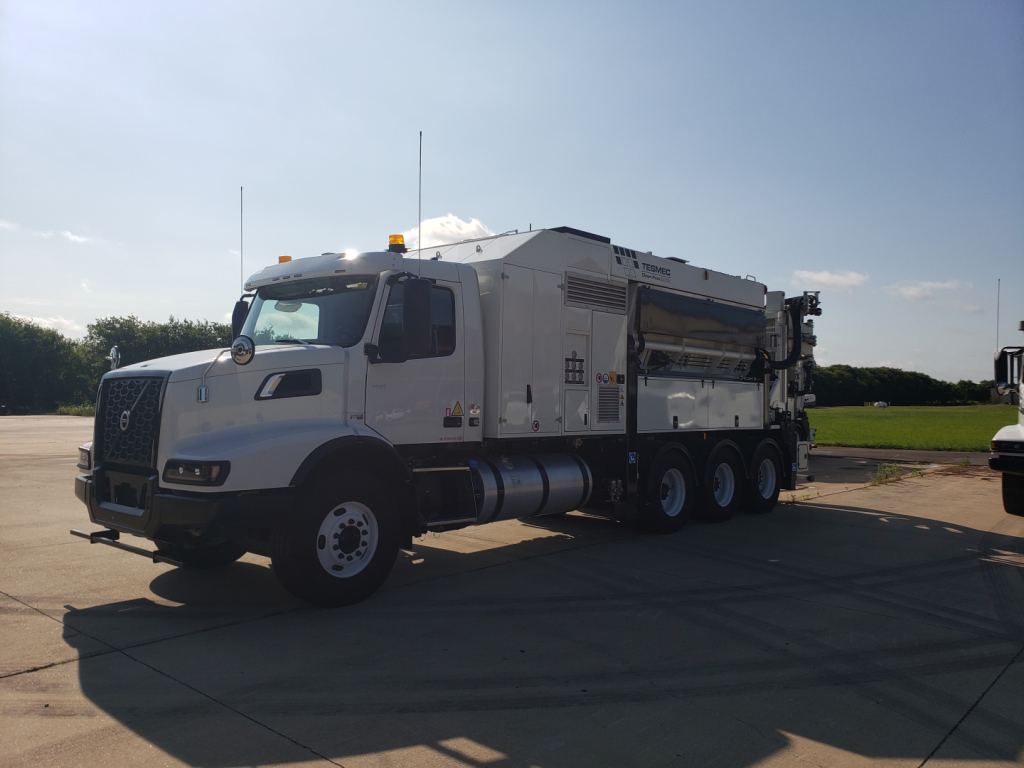
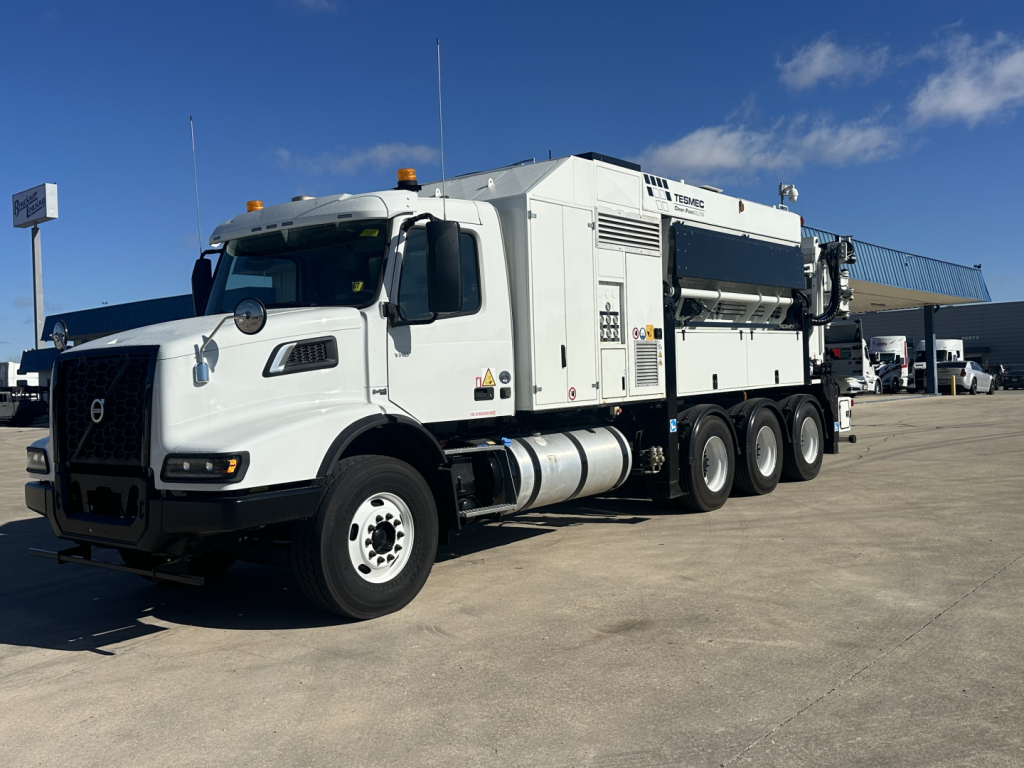
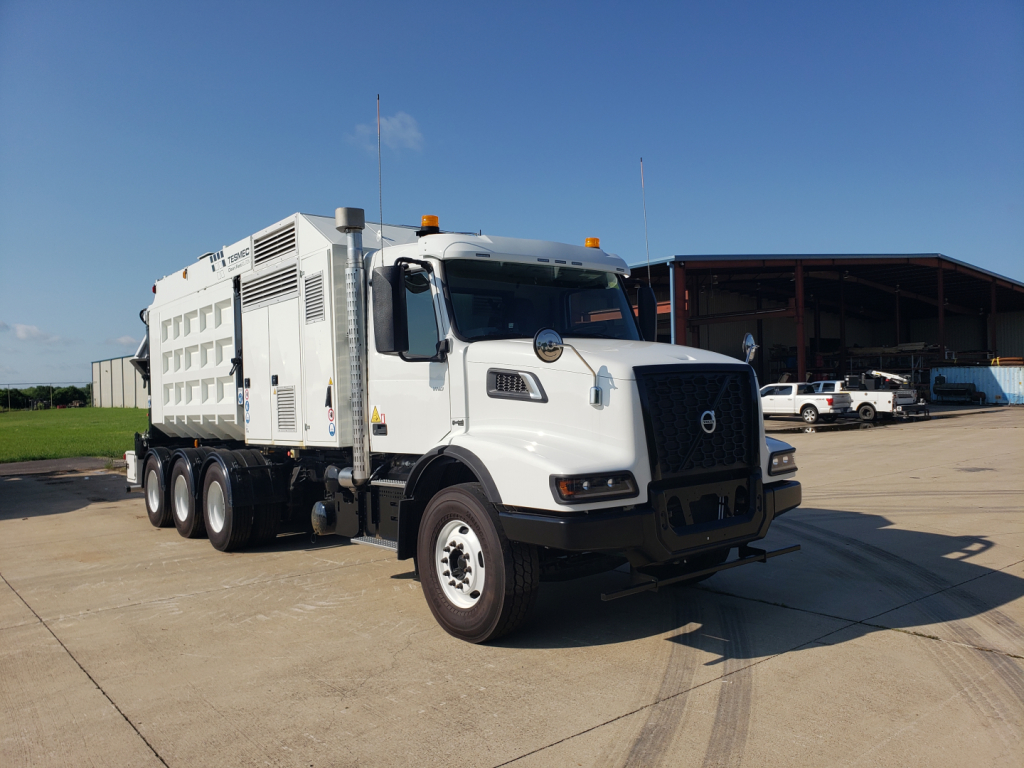
Selling a volvo trenchers truck? List your volvo trenchers truck for sale and reach thousands of commercial buyers.
Volvo Trenchers Trucks in Texas
The chassis matters as much as the trenching attachment. Volvo VHD models are common in this class because they offer the frame strength, axle capacity, and vocational durability needed to carry specialized trenching equipment, debris handling systems, and support components. Buyers should pay close attention to GVWR, wheelbase, axle layout, and suspension because these directly affect body integration, legal weight distribution, and jobsite stability. A tri-axle configuration with a high-capacity rear setup is often used when the truck carries a trencher system plus vacuum, spoil containment, water, or auxiliary equipment. Engine ratings in the 400-plus horsepower range are typical when the truck needs to support PTO-driven systems and maintain performance in hot weather, stop-and-go utility work, and loaded road travel.
For the trenching side, the main buying questions are cut width, cut depth, spoil removal method, and surface type compatibility. Micro trenchers are designed for narrow trench profiles used in fiber and similar utility installs, and many modern systems integrate cutting and vacuum recovery to leave a cleaner path behind the truck. That is especially valuable in Texas municipalities where dust control, lane reopening speed, and reduced neighborhood disruption can affect permit compliance and crew productivity. Operator controls, visibility around the work zone, service access to the cutting system, and replacement cost for wear items such as teeth, chains, and vacuum components should all be part of the evaluation. A truck that trenches fast but is difficult to maintain can become expensive in a hurry.
Transmission choice, gearing, and brake spec also deserve a close look because trencher trucks live a different life than a standard road tractor or straight truck. Manual and automated manual setups are both seen, but the priority is low-speed control, PTO compatibility, and durability under frequent starts, short relocations, and vocational load cycles. Drum brakes, heavy front axles, and vocational rear ratios are common on these builds. Buyers comparing Volvo trencher trucks should focus on how well the chassis and body package match the actual utility program, not just the engine badge or model year. The best fit is the one that balances trench precision, legal payload distribution, ease of service, and predictable uptime across long municipal and contractor schedules.
Frequently Asked Questions about Volvo Trenchers Trucks in Texas
What is a Volvo trencher truck typically used for?
A Volvo trencher truck is commonly used for shallow utility installation, especially fiber optic, telecom, electrical, and water line projects. Many units in this category are configured for micro trenching, which creates a narrow, controlled cut in paved surfaces and often removes spoil at the same time. That makes them well suited for urban and suburban work where minimizing traffic disruption, cleanup, and surface damage is important.
Why are Volvo VHD chassis often used for trencher truck applications?
Volvo VHD chassis are popular for trencher applications because they are built for demanding vocational work and can handle the weight and stress of specialized body equipment. Important advantages include a strong frame, high axle capacity, multiple wheelbase options, and driveline configurations that support PTO-driven systems. Those factors help body installers integrate trenching, vacuum, spoil handling, and auxiliary systems without compromising durability or weight distribution.
What specs matter most when buying a trencher truck in Texas?
The most important specs usually include GVWR, axle ratings, wheelbase, transmission type, rear ratio, PTO compatibility, and the trenching system's cut width and depth. In Texas, buyers also need to consider high ambient temperatures, municipal paving conditions, and travel distances between jobs. A properly matched cooling package, vocational gearing, and chassis layout can make a major difference in uptime and performance during long utility projects.
What is the difference between a standard trencher truck and a micro trencher truck?
A standard trencher truck is generally built for wider or deeper trenching, while a micro trencher truck is designed to cut a much narrower slot, usually for fiber and other shallow utility installations. Micro trenching reduces restoration cost, shortens cleanup time, and can speed up lane reopening in paved urban areas. The narrower cut is the main advantage, but buyers need to confirm that the trench dimensions match local utility specifications and permitting requirements.
What maintenance points should buyers check on a used trencher truck?
Buyers should inspect both the truck chassis and the trenching system as separate but related assets. On the chassis side, focus on engine hours, transmission operation, axle condition, suspension wear, brake life, and PTO function. On the trenching side, check cutter wear, chain or wheel condition, vacuum performance if equipped, hydraulic system integrity, debris handling components, and service records for major wear parts. A detailed review of body installation quality and parts support is also important because specialty equipment downtime can be costly.