
Volvo Cab and Chassis Trucks For Sale in Texas
Shop Volvo cab and chassis trucks in Texas. Compare VHD vocational specs, axle ratings, wheelbases, PTO options, and upfit readiness.
Selling a volvo cab and chassis truck? List your volvo cab and chassis truck for sale and reach thousands of commercial buyers.
Volvo Cab and Chassis Trucks in Texas
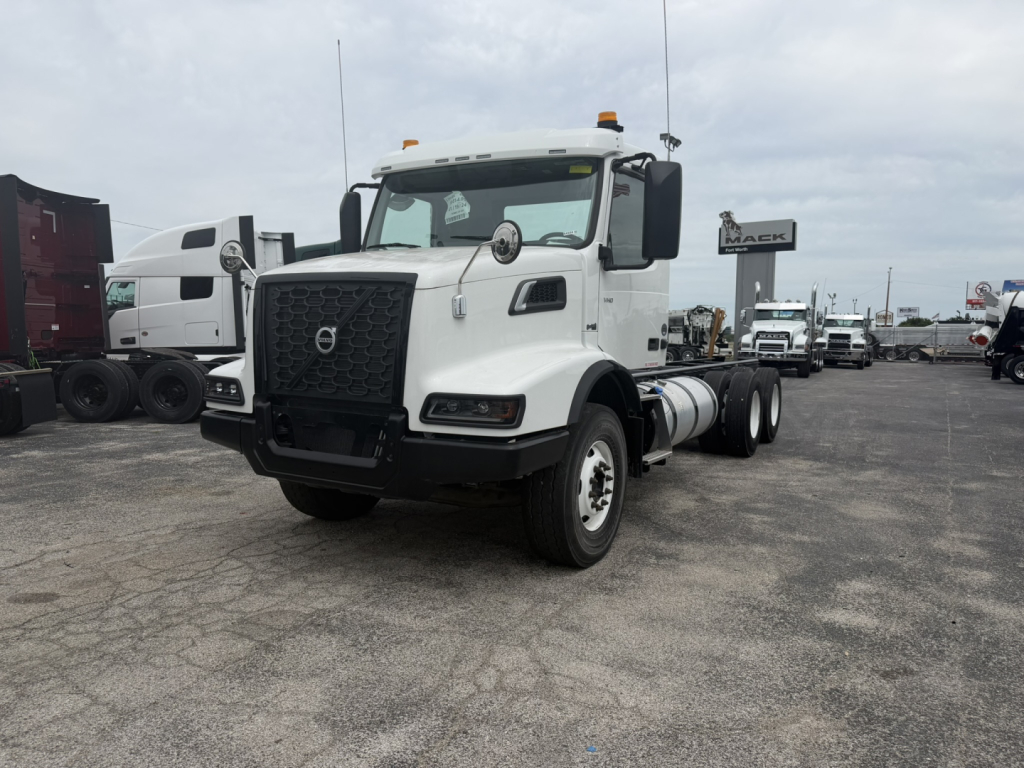
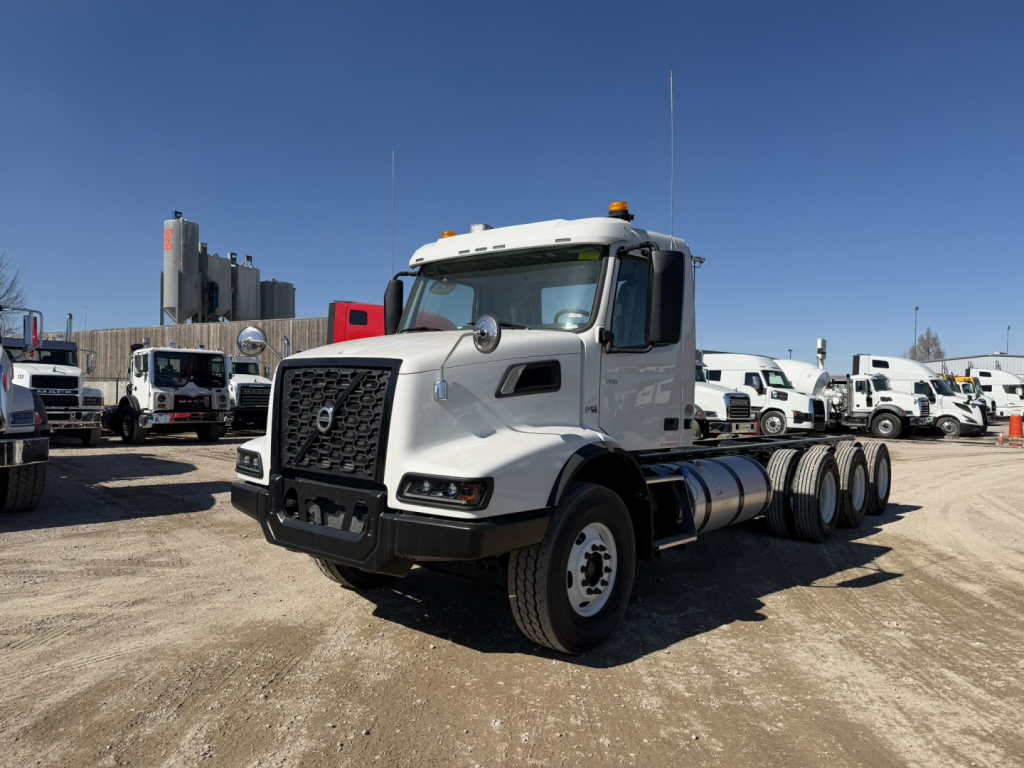
For heavier applications, many Volvo cab and chassis trucks are spec'd with the Volvo D13 engine in the 400-plus horsepower range, often paired with Eaton Fuller manual or deep-reduction transmissions for slow-speed control and PTO work. Tri-drive and tri-axle setups are common when traction, rear axle capacity, and jobsite stability are priorities. Buyers should look closely at front axle ratings, rear suspension type, rear axle ratio, and gross vehicle weight rating, since those numbers determine how well the truck will handle a loaded body, off-road access, and low-speed pulling. A 4.89 rear ratio, for example, points to a truck spec'd for grunt and startability rather than highway fuel economy.
Wheelbase is one of the most important cab and chassis measurements because it directly affects body fit, weight distribution, and turning performance. A longer wheelbase may be ideal for tanks, cranes, and certain utility bodies, while a tighter setup can work better for maneuvering in crowded jobsites or urban municipal work. Buyers should also check frame rail dimensions, back-of-cab to end-of-frame measurement, fuel tank placement, and clear frame space for outriggers, pumps, toolboxes, or hydraulic equipment. If the truck is intended for dump, mixer, vacuum, or roll-off duty, confirm PTO openings, transmission compatibility, and cooling capacity for continuous auxiliary loads.
Volvo stands out in the vocational cab and chassis segment for cab ergonomics, visibility, and a chassis design that can be tailored to severe service without giving up driver comfort. On Texas jobsites, that matters for crews running long days in construction, aggregates, utilities, and energy support. When comparing Volvo cab and chassis trucks for sale, the best value is usually the spec that matches the finished application with the fewest compromises. A truck with the right axle package, suspension, wheelbase, and drivetrain will be easier to upfit, more stable under load, and less expensive to operate over the life of the body.
Frequently Asked Questions about Volvo Cab and Chassis Trucks in Texas
What is a Volvo cab and chassis truck used for?
A Volvo cab and chassis truck is used as a base for installing a vocational body or specialized equipment. Common applications include dump bodies, water tanks, vacuum systems, service bodies, cranes, roll-off hoists, mixers, and oilfield equipment. The truck is sold with the cab, frame, engine, transmission, and axles in place, which allows the buyer or body builder to match the chassis to a specific job.
Why do buyers choose a Volvo VHD cab and chassis for severe-duty work?
The Volvo VHD is a popular severe-duty cab and chassis because it is engineered for high axle ratings, durable frame configurations, and demanding vocational use. It is commonly spec'd with heavy front axles, tridem or tri-drive rear setups, deep-reduction transmissions, and PTO-ready drivetrains. That makes it well suited for off-road traction, low-speed pulling, and body installations that put constant stress on the chassis.
What specs matter most when buying a cab and chassis truck?
The most important specs are wheelbase, GVWR, front and rear axle ratings, suspension type, rear axle ratio, transmission model, and available PTO provisions. Buyers also need to confirm frame dimensions, back-of-cab measurement, and available frame space for body mounting and auxiliary equipment. These details determine whether the truck can be upfitted correctly and whether it will carry the finished load safely and efficiently.
Is a tri-axle or tri-drive Volvo cab and chassis better for Texas vocational work?
A tri-axle or tri-drive Volvo cab and chassis is often the better choice for Texas vocational work when the application involves heavy bodies, soft ground, or off-road access. Jobs in oilfield service, construction, pipeline work, and aggregate hauling often benefit from extra rear axle capacity and improved traction. The tradeoff is added weight, higher acquisition cost, and sometimes a wider turning radius compared with a lighter tandem setup.
How does wheelbase affect a Volvo cab and chassis upfit?
Wheelbase affects body length, axle loading, turning radius, and how the finished truck performs on the job. If the wheelbase is too short or too long for the intended body, the truck may have balance problems, poor maneuverability, or installation challenges. Matching the wheelbase and back-of-cab measurement to the body builder's requirements is one of the most important steps in selecting the right chassis.