
New Volvo Trucks For Sale in Texas
Shop new Volvo trucks in Texas, including VNL, VNR, and VHD models built for long haul, regional, vocational, and fleet use.
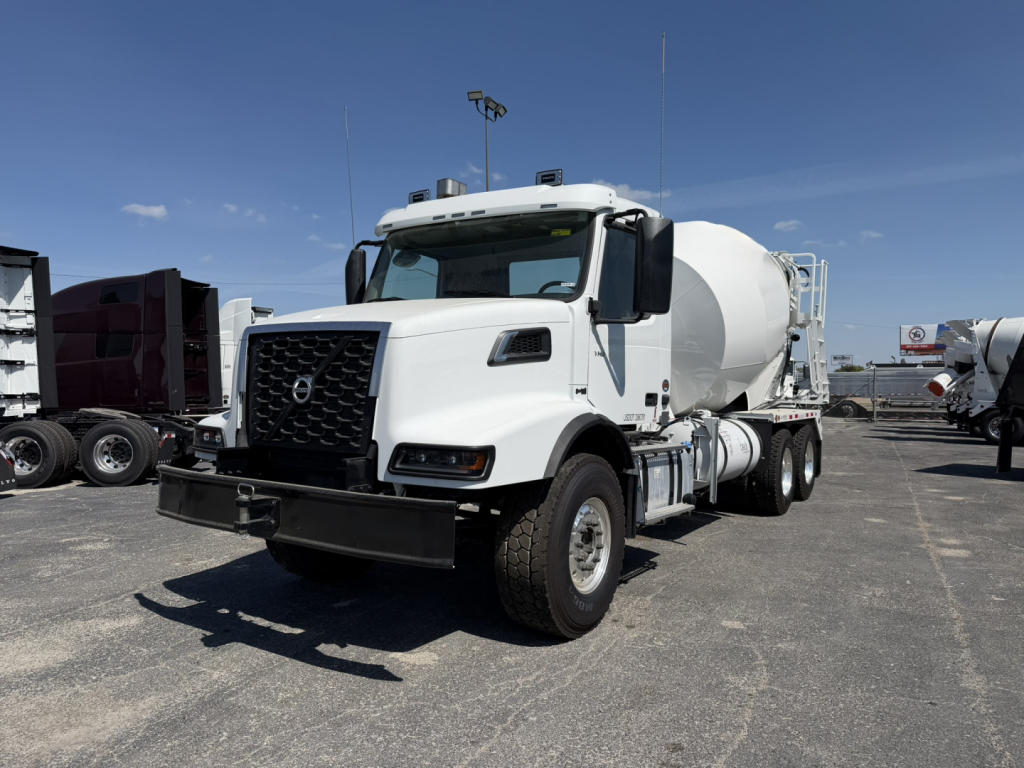
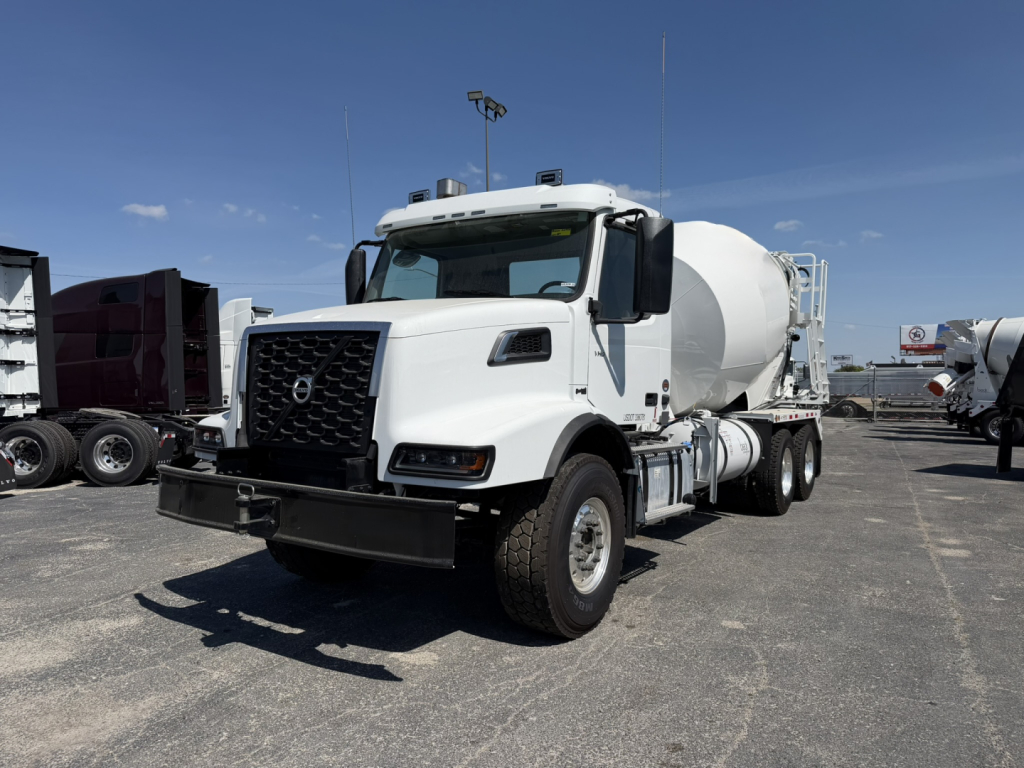
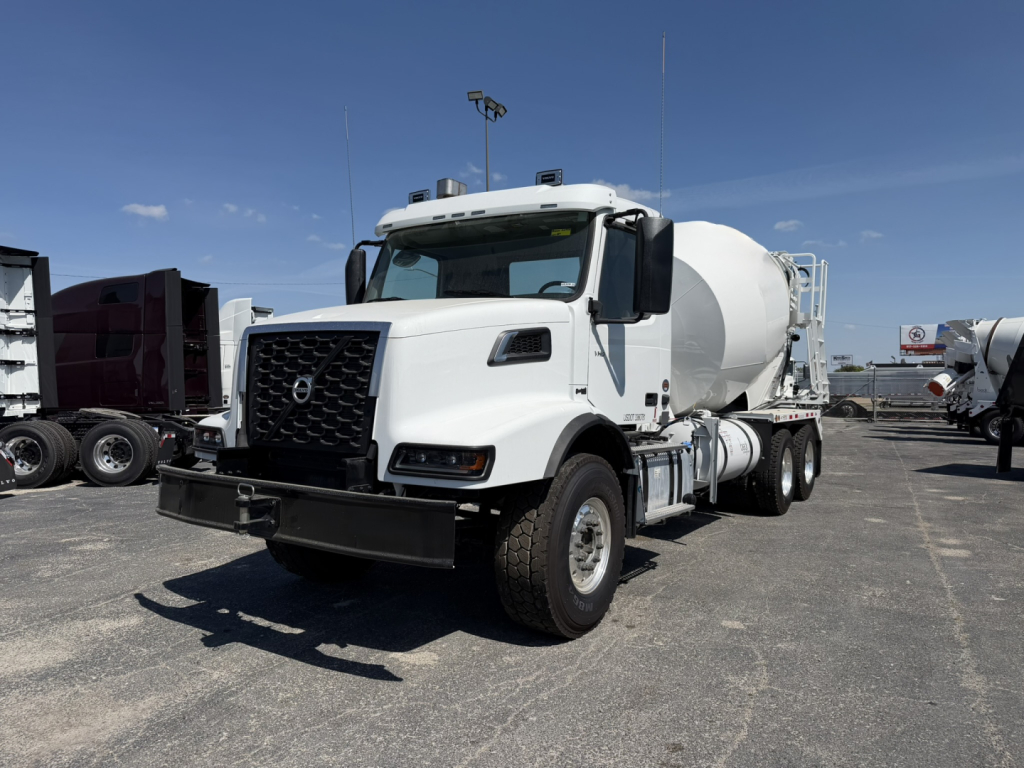
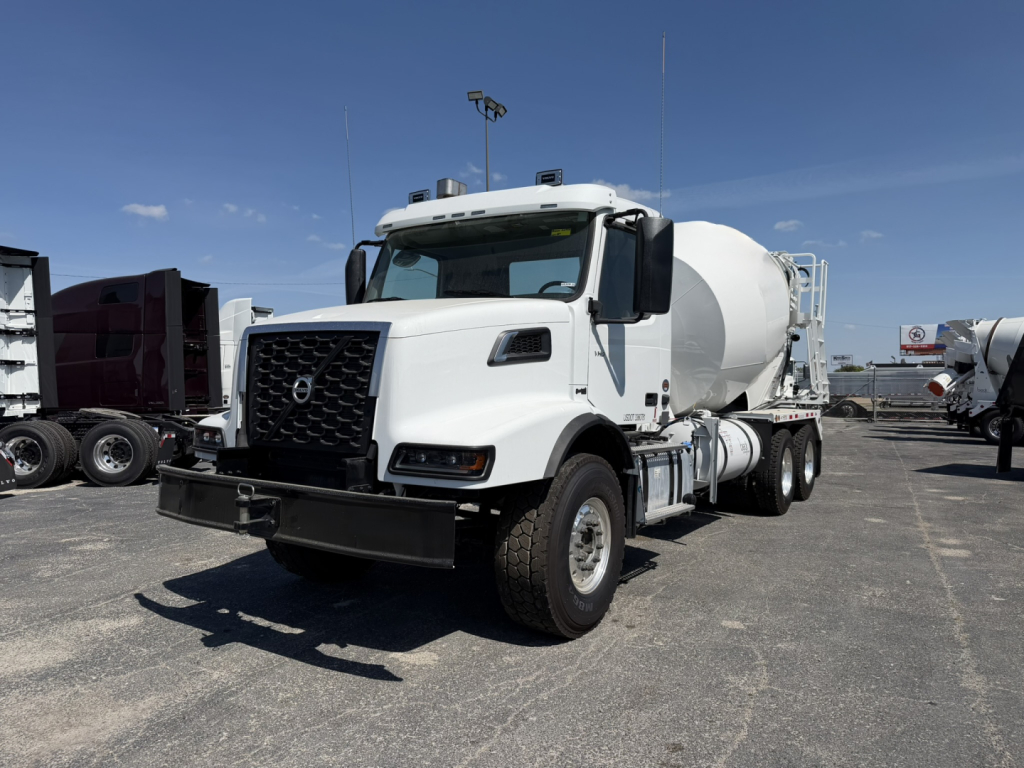
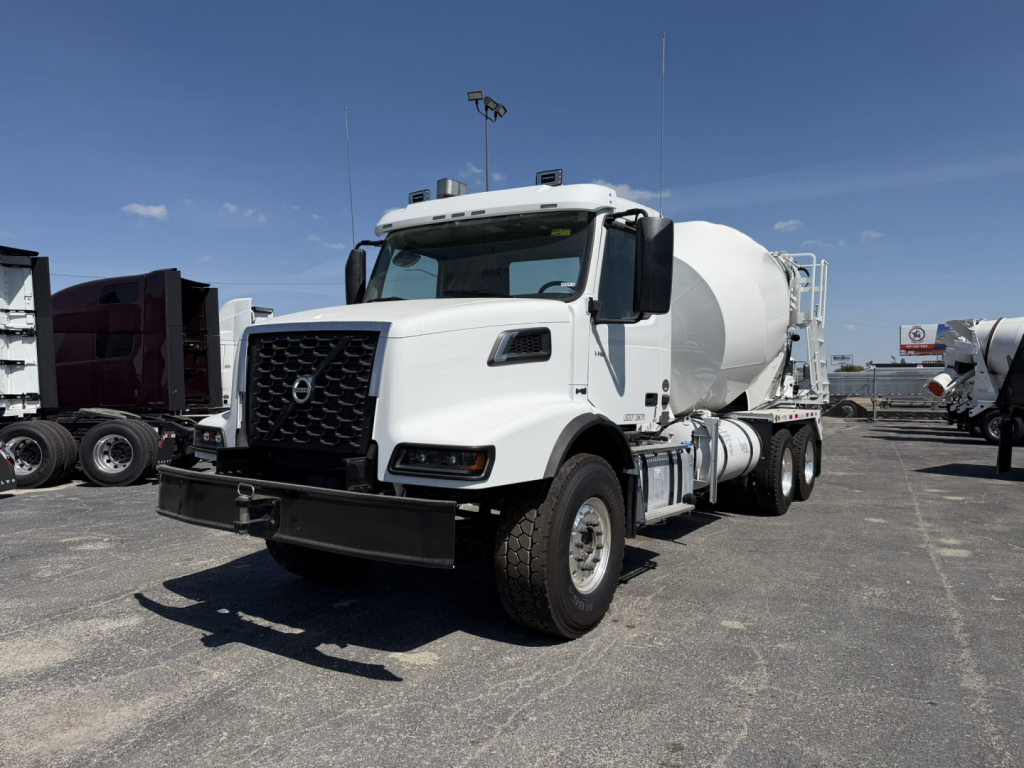
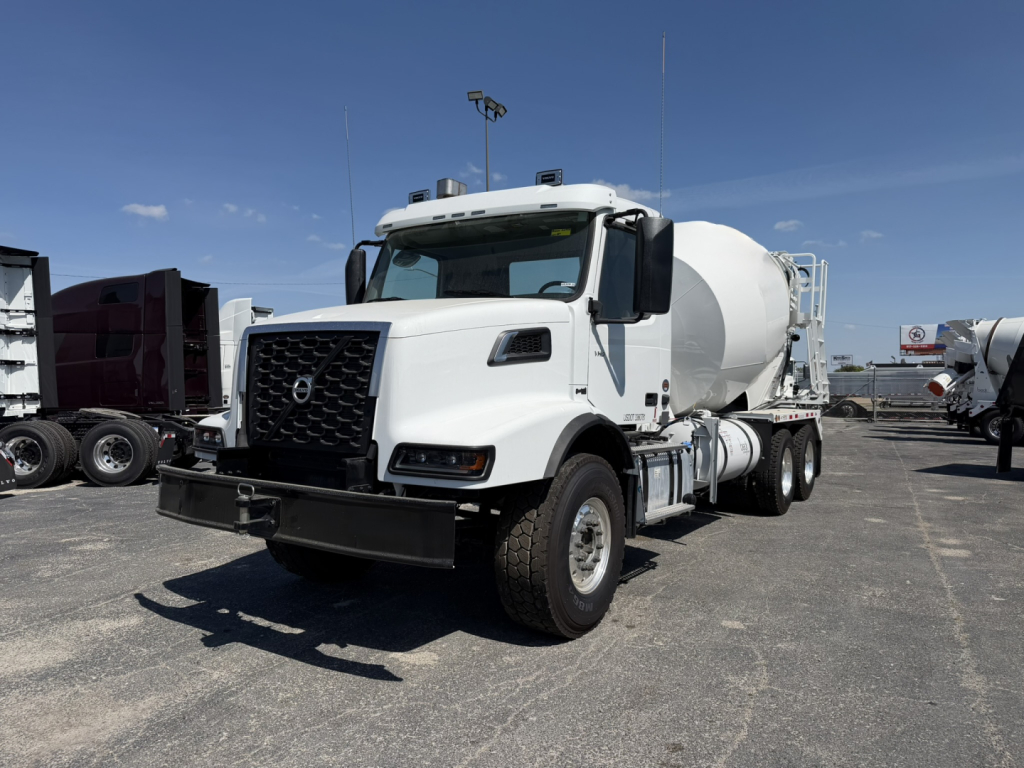
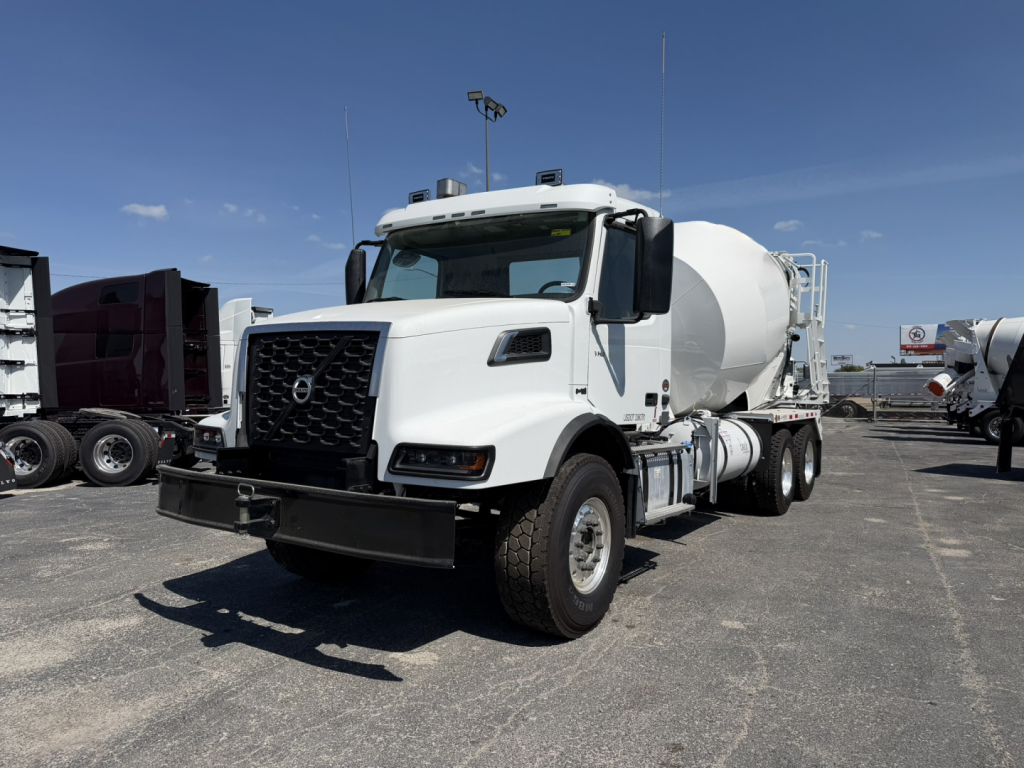
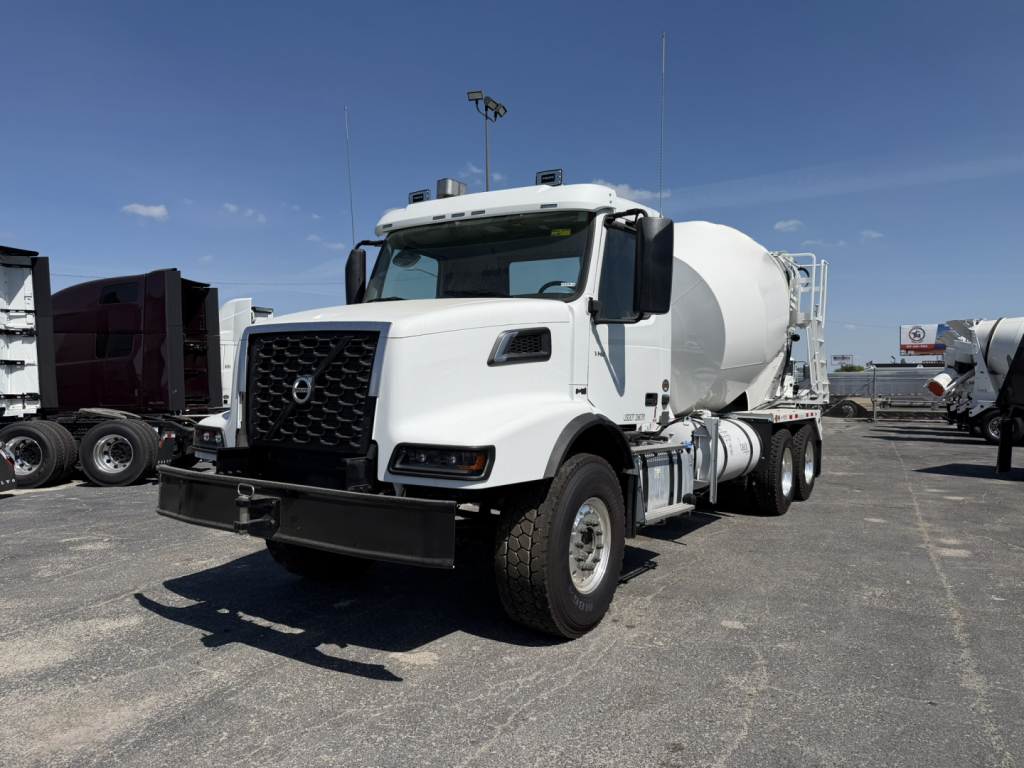
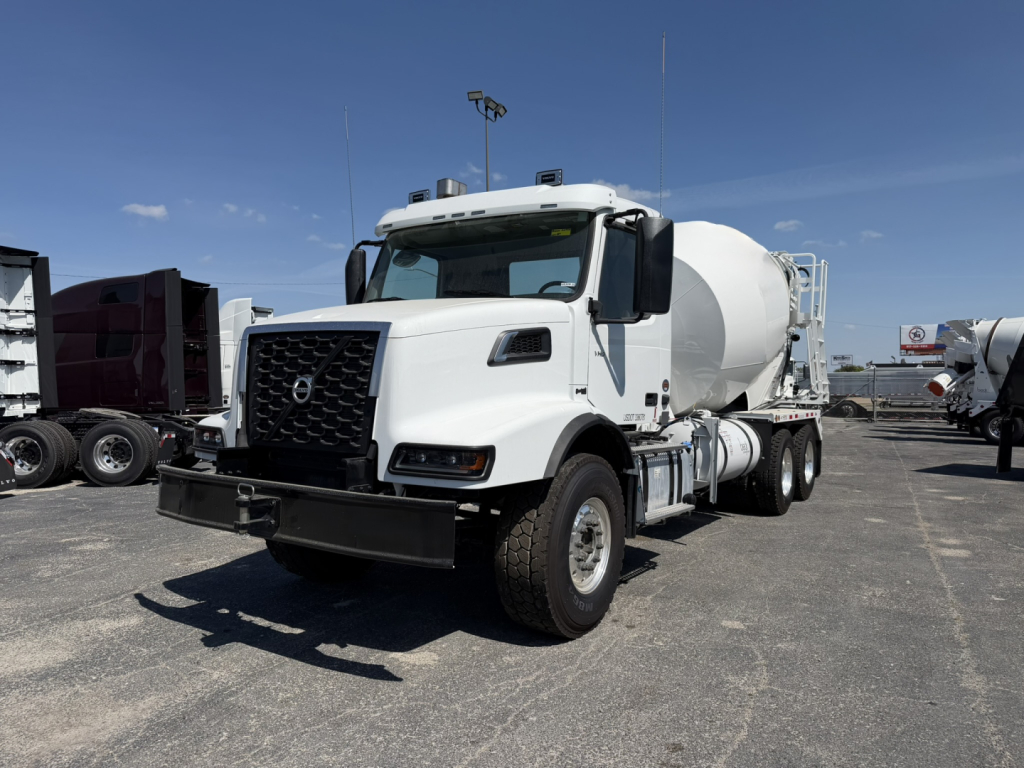
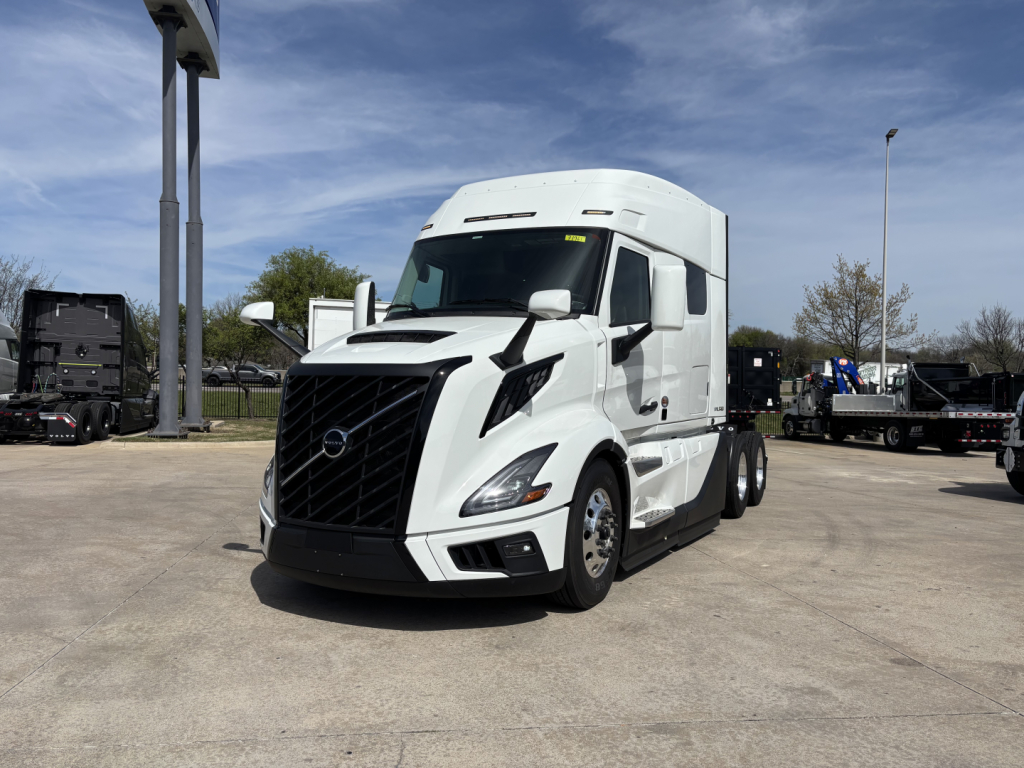
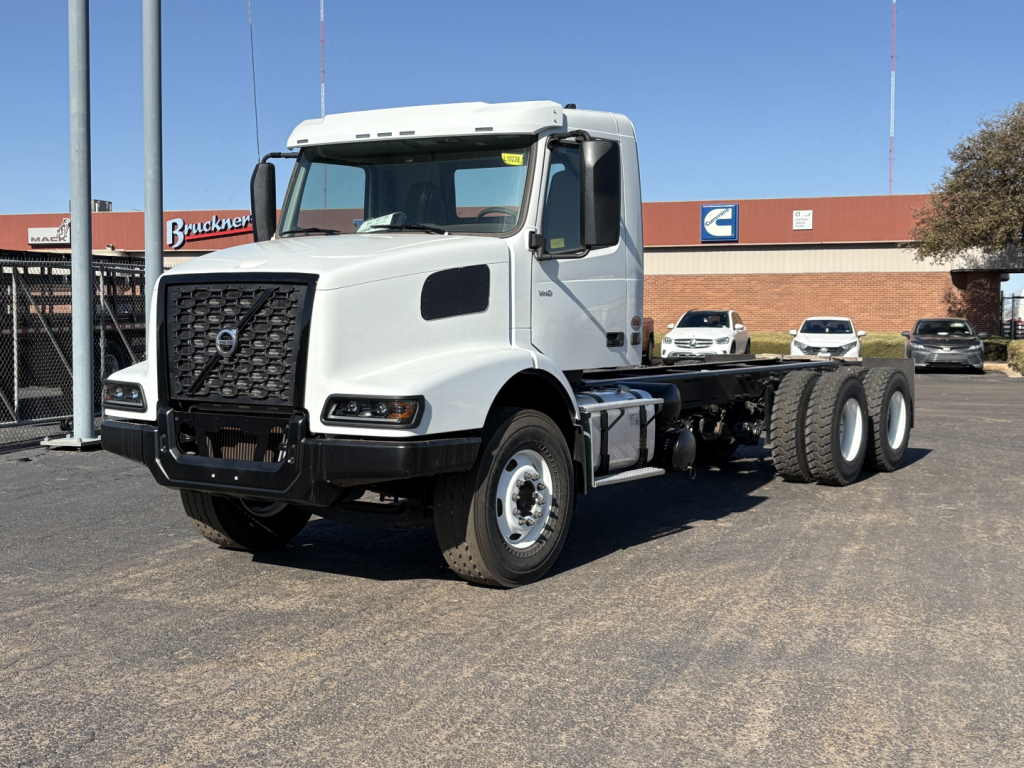
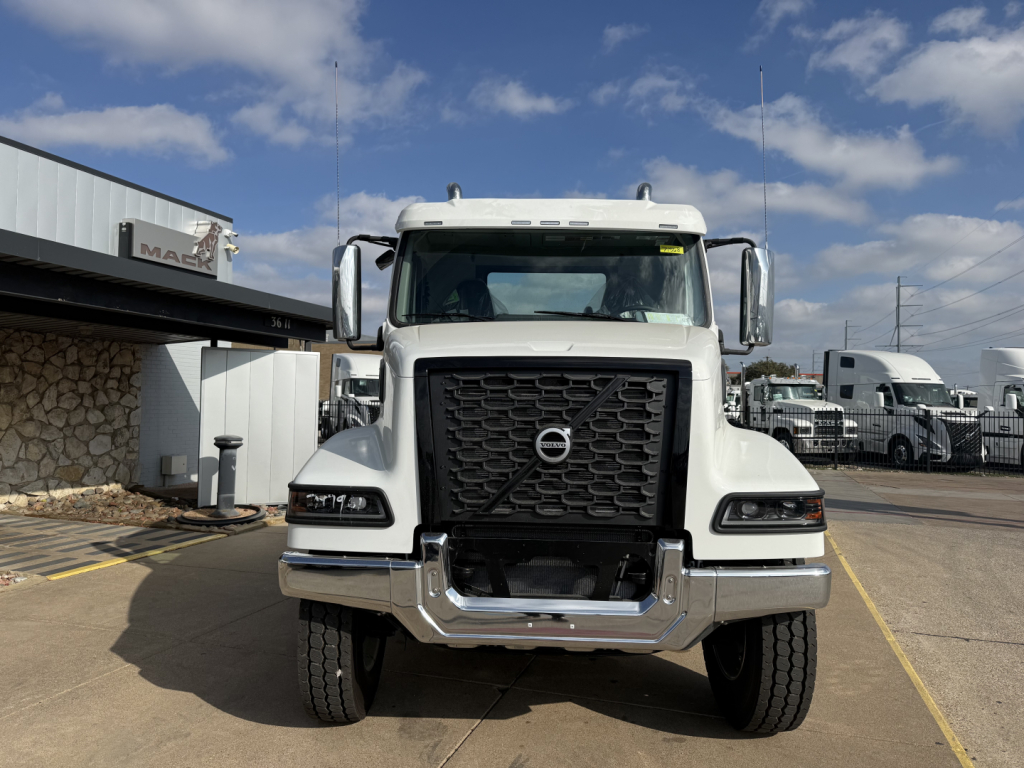
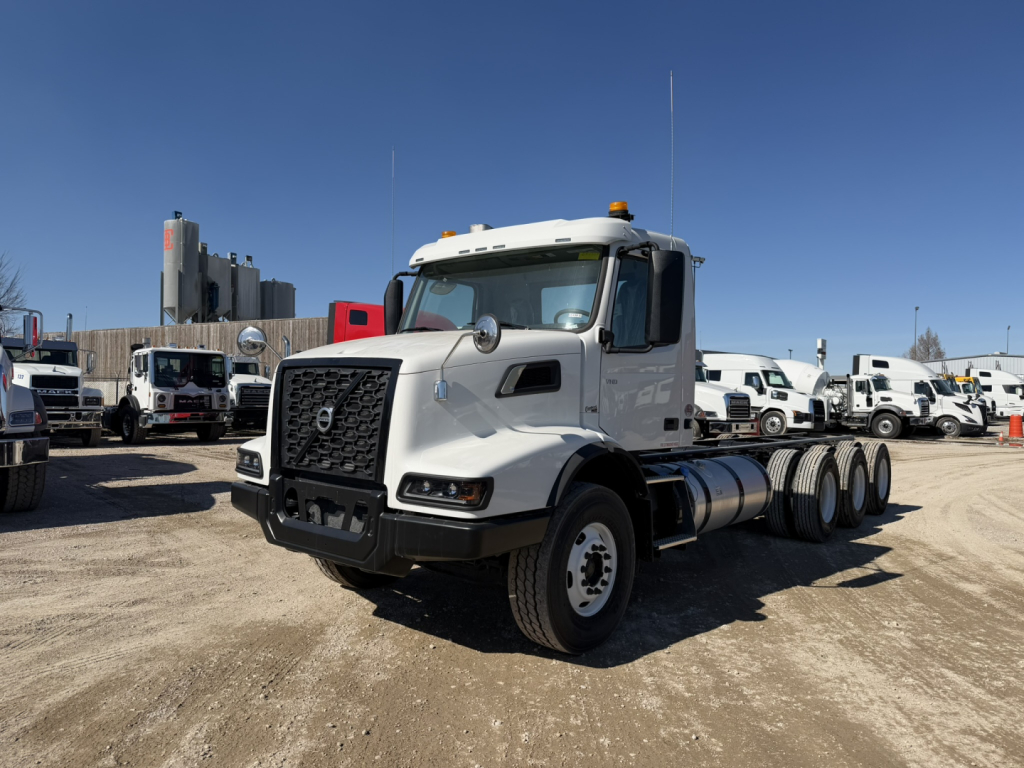
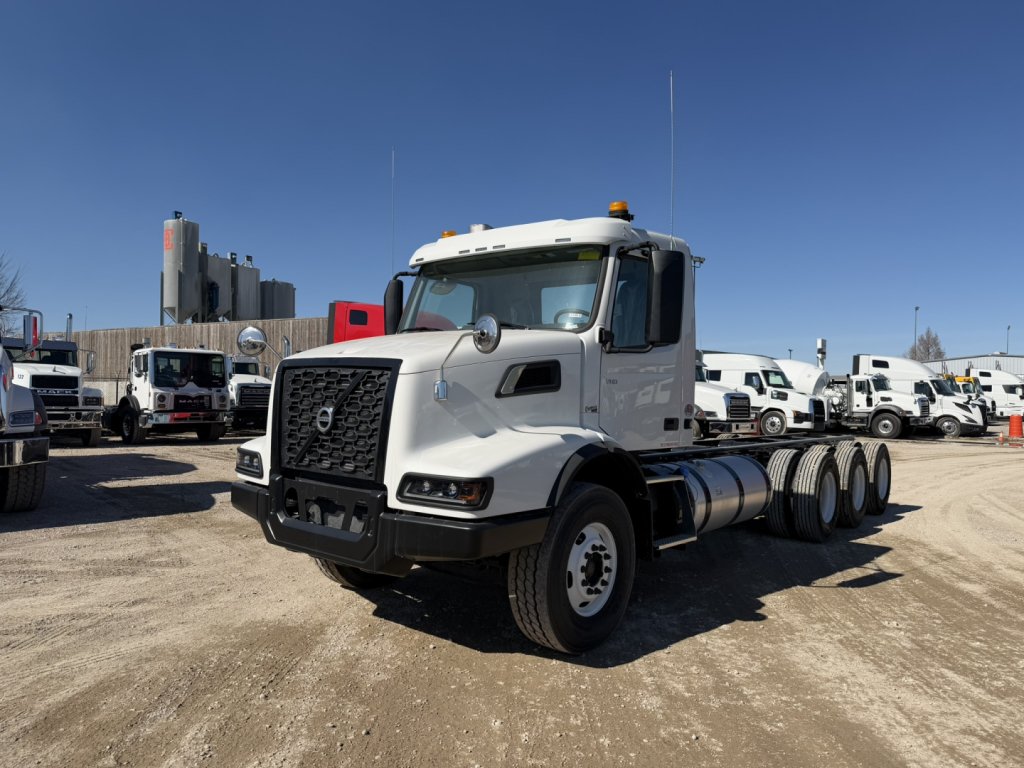
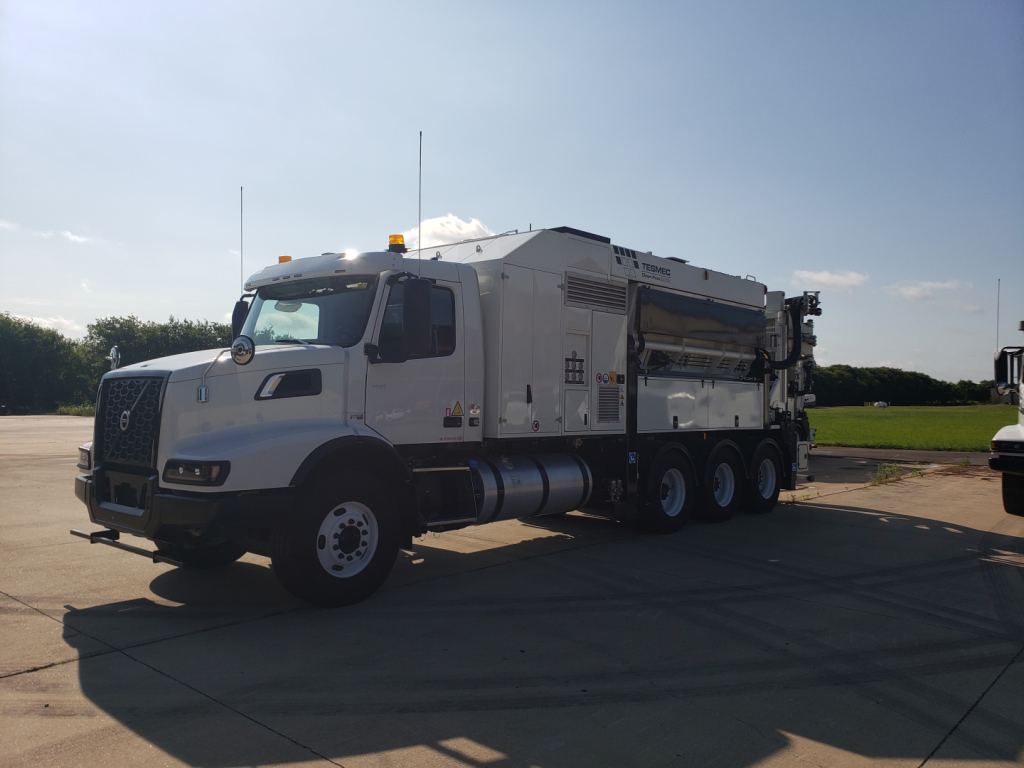
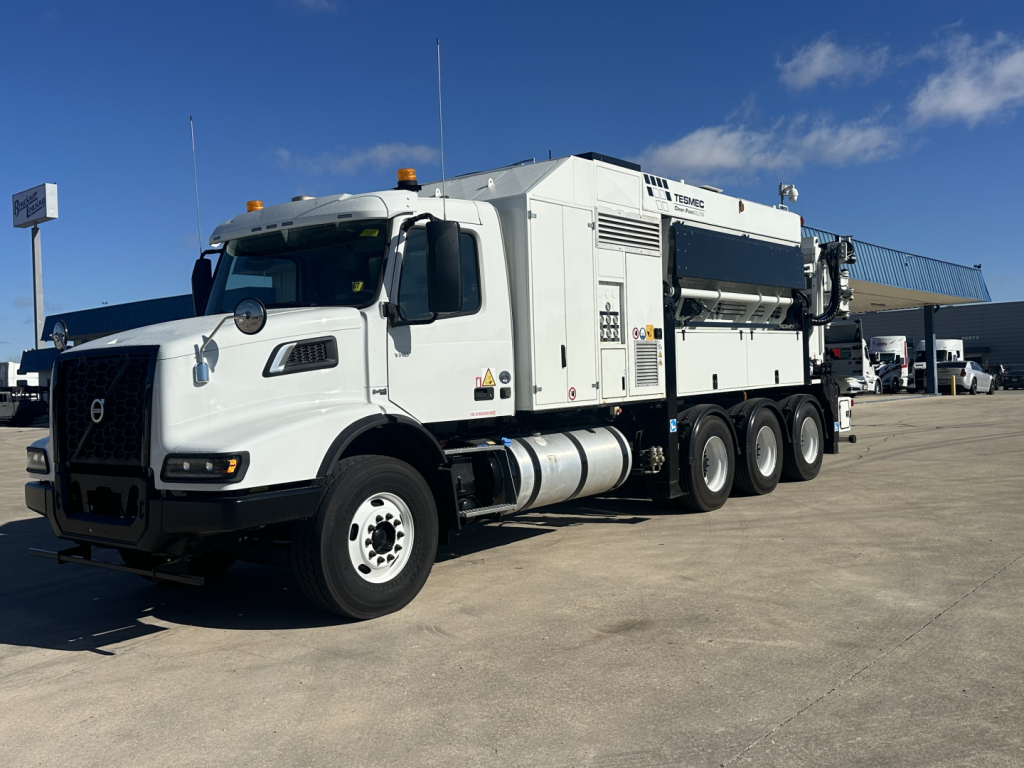
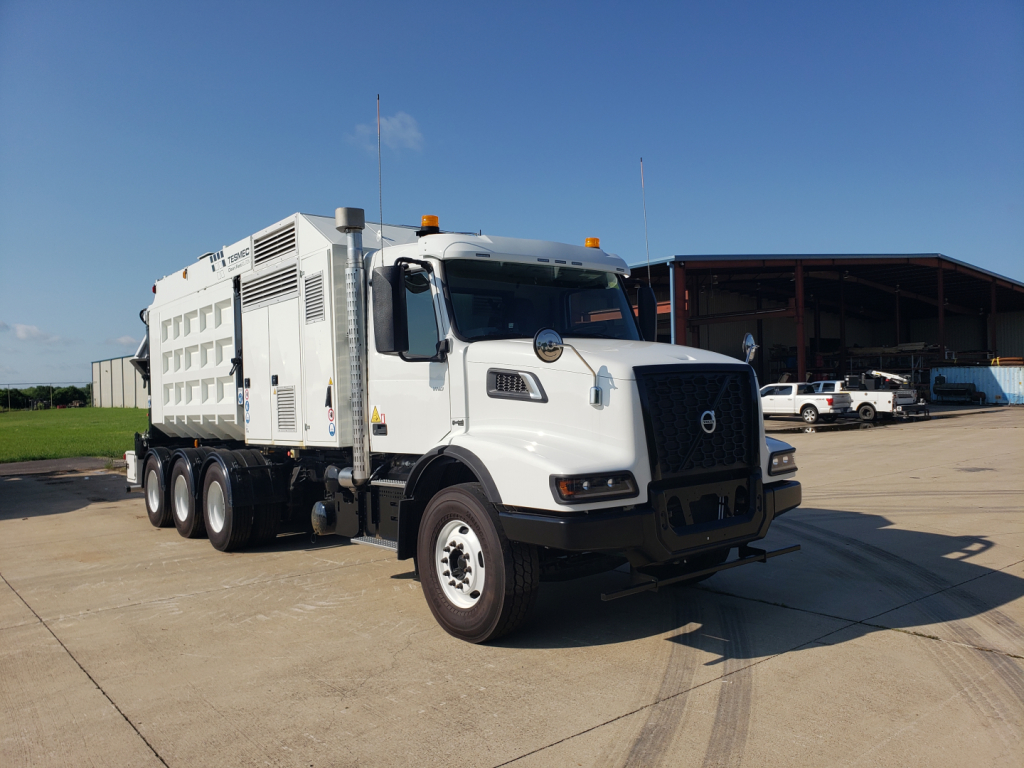
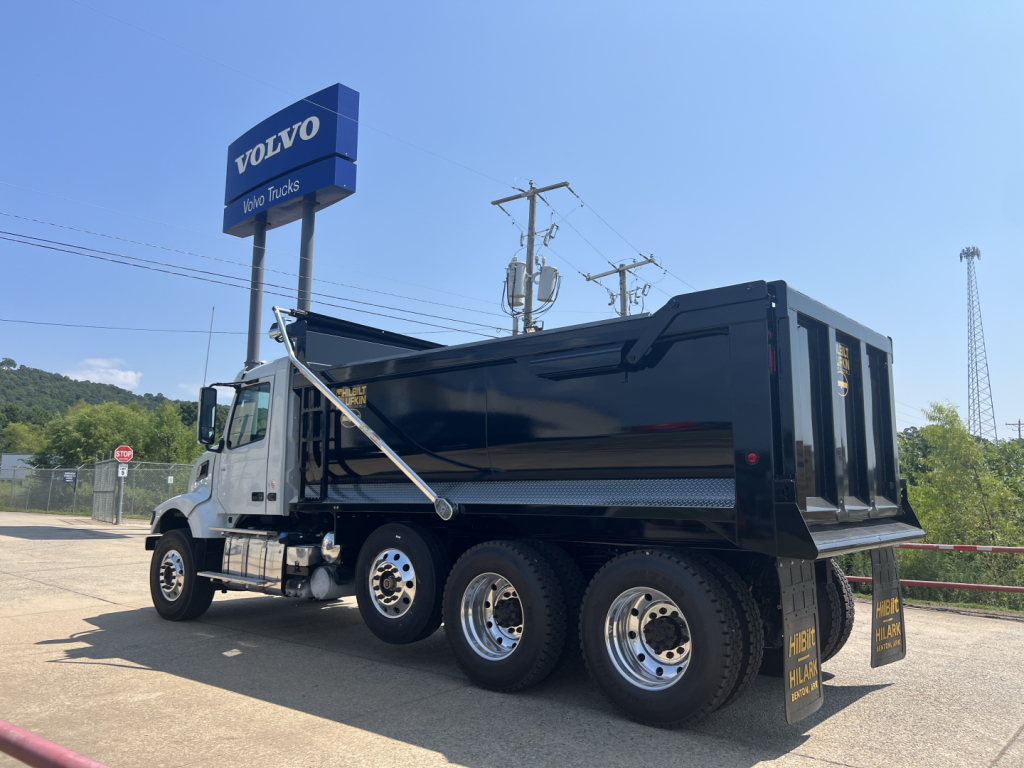
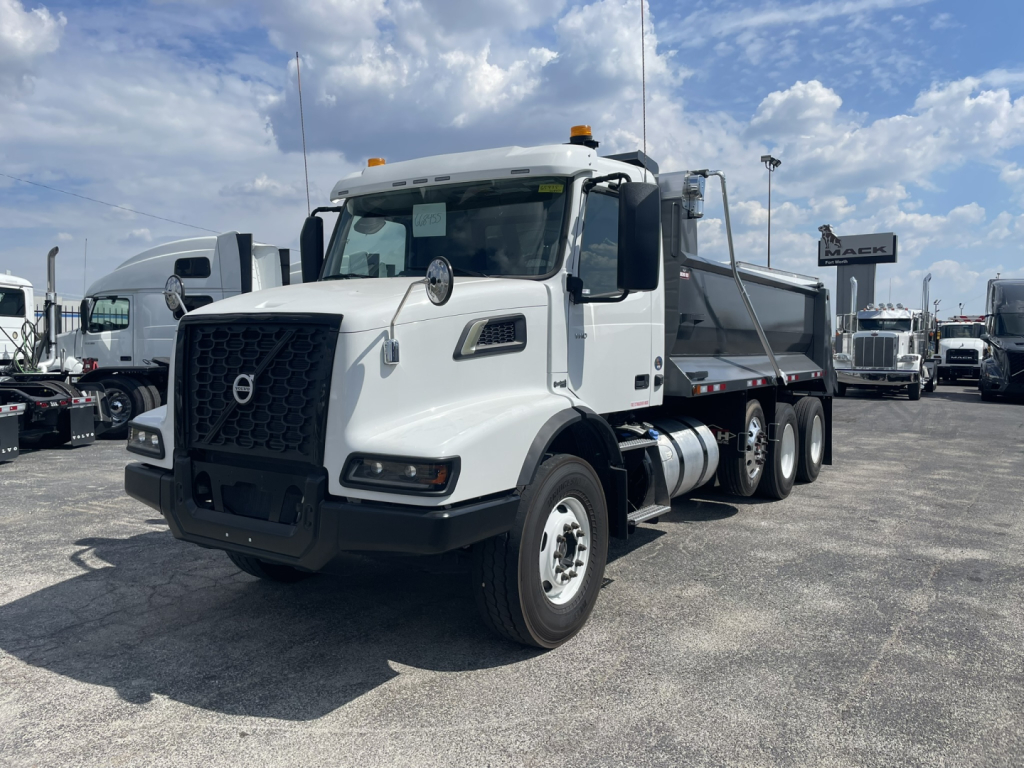

Showing 1 to 28 of 52 results
Selling a new volvo truck? List your new volvo truck for sale and reach thousands of commercial buyers.
New Volvo Trucks in Texas
Powertrain selection matters more than badge loyalty in this category. Many new Volvo trucks are spec'd with the Volvo D13, and vocational units may use the D11 depending on body type, payload, and duty cycle. Buyers should compare horsepower, torque curve, rear axle ratio, and transmission programming as a package instead of looking at engine rating alone. Volvo I-Shift automated manual transmissions remain a key draw in both VNL and VNR applications because they help with fuel economy, driver consistency, and reduced clutch wear in mixed-driver fleets. For vocational trucks, Allison automatic transmissions are still common where start-stop work, PTO operation, and low-speed jobsite control are priorities.
Chassis and driver-assist specs are just as important as engine choice. On highway tractors, common decision points include wheelbase, tandem axle rating, fuel capacity, fifth wheel setup, and suspension type such as Volvo's air-ride configurations. A Texas buyer should also pay attention to cooling performance, idle reduction options, and cab comfort features that matter in long heat cycles, including parking HVAC systems, heated mirrors, and APUs. New Volvo trucks are also frequently equipped with advanced safety technology such as adaptive cruise control, collision mitigation, lane support features, and disc brakes, all of which can influence insurance, driver retention, and total operating cost.
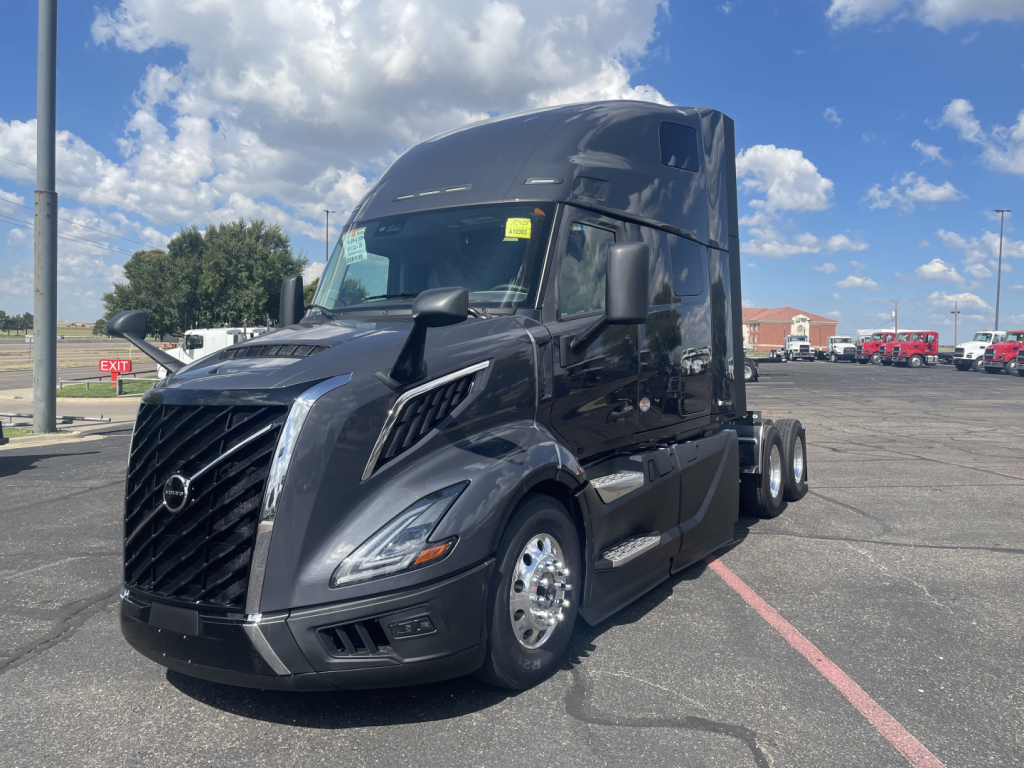
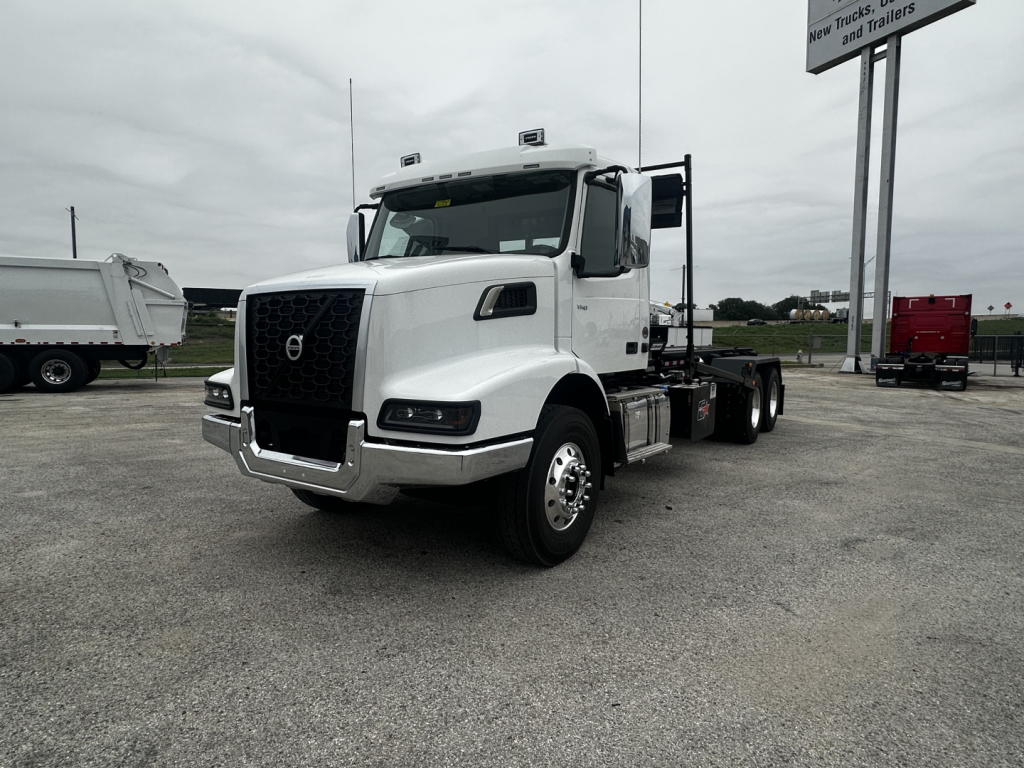
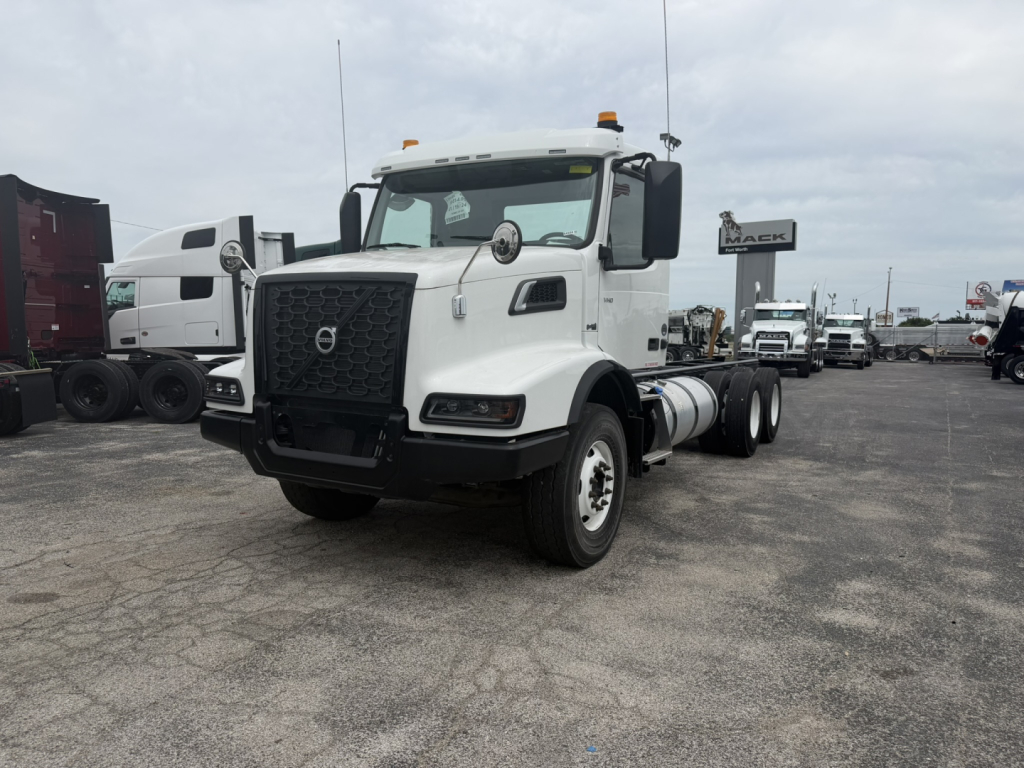
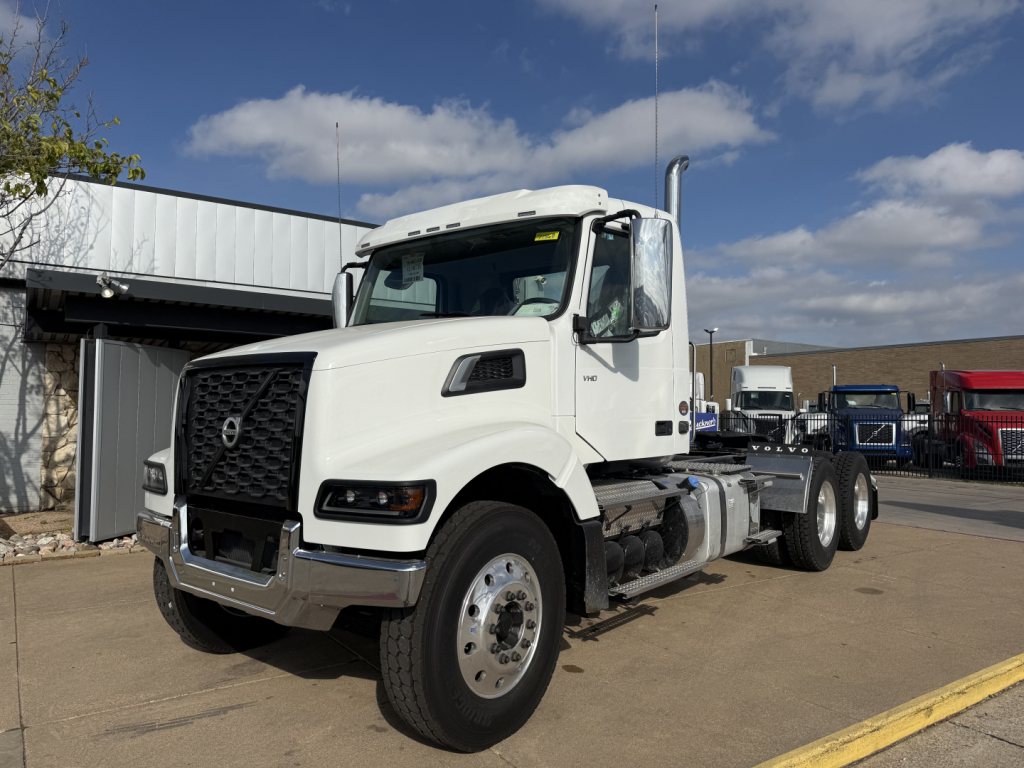
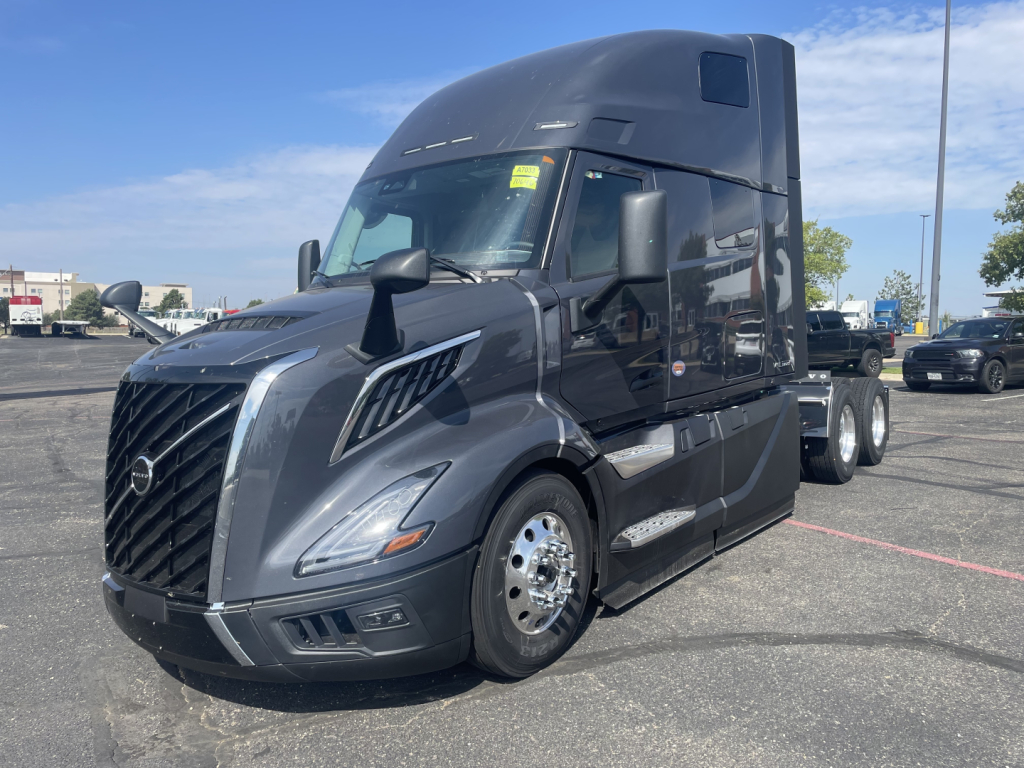
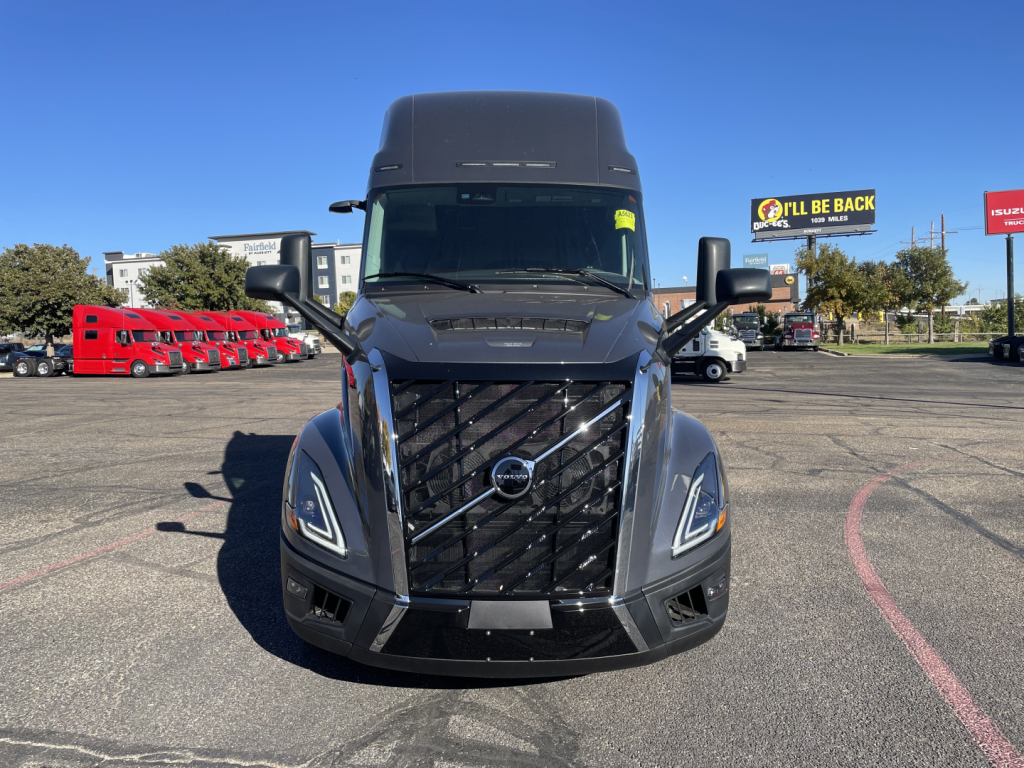
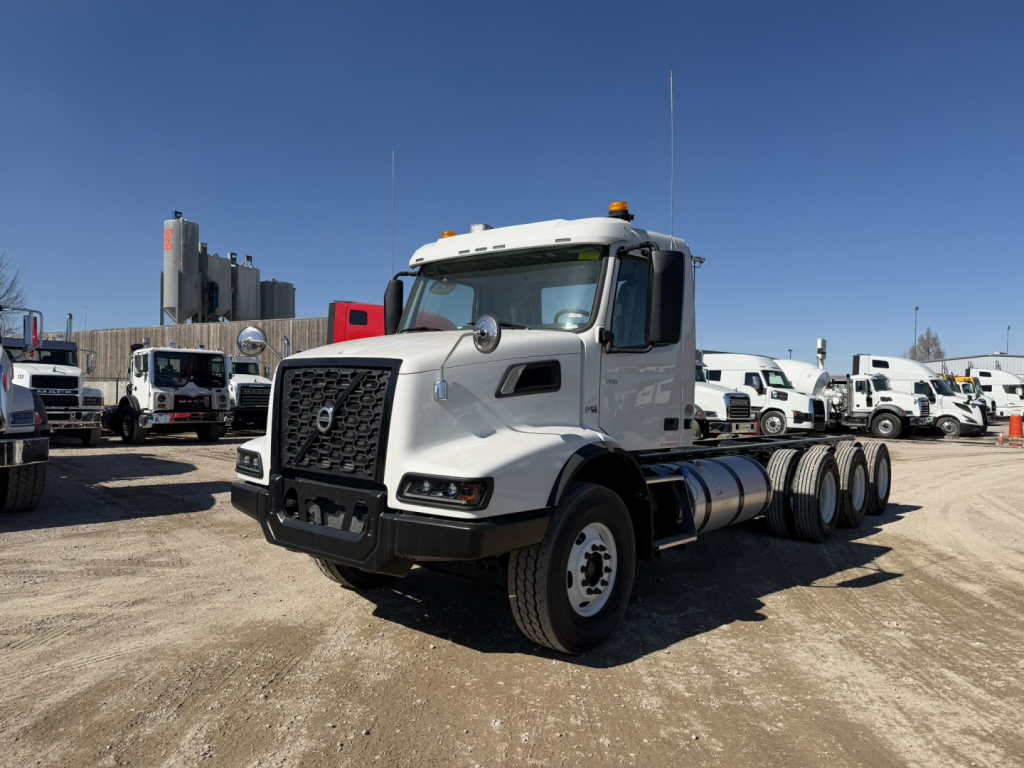
For buyers comparing new Volvo trucks for sale, the real question is application fit. A VNL sleeper is built for long-mile efficiency and driver comfort. A VNR day cab is usually aimed at regional freight, dedicated lanes, LTL work, and distribution. A VHD is designed for severe-service use where frame strength, body integration, PTO compatibility, and durability matter more than aerodynamics. Looking closely at axle ratings, suspension, body upfit readiness, and emissions compliance will tell you far more than model name alone. Volvo trucks have earned a strong place in fleet and owner-operator purchasing because they typically combine efficient drivetrains, modern safety systems, and a cab environment that supports uptime as much as driver comfort.
Frequently Asked Questions about New Volvo Trucks in Texas
What is the difference between a Volvo VNL, VNR, and VHD?
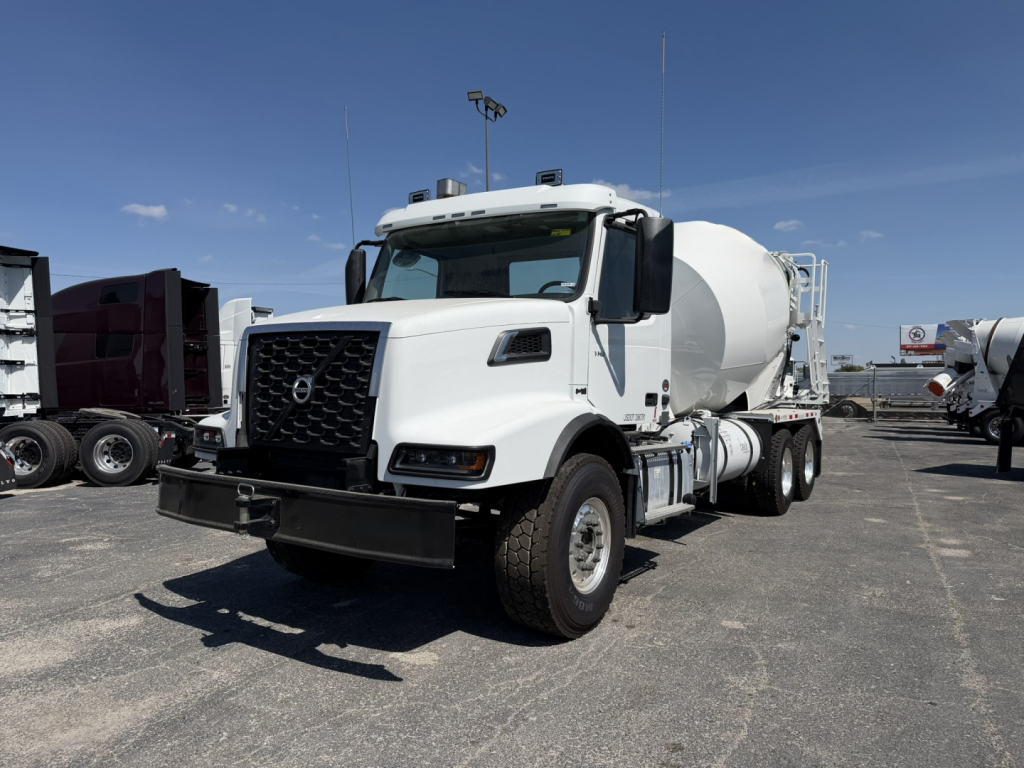
The Volvo VNL is primarily a highway tractor platform, often used in sleeper and long-haul applications where aerodynamics, fuel economy, and driver comfort are major priorities. The Volvo VNR is typically a regional or urban tractor, commonly seen as a day cab and favored for shorter hauls, dedicated freight, and distribution work. The Volvo VHD is a vocational chassis built for more demanding jobsite and severe-service applications such as mixer, dump, and construction work, where durability, body-builder compatibility, and low-speed control matter most.
Are new Volvo trucks a good choice for Texas operations?
New Volvo trucks are well suited for Texas because the state includes long interstate runs, major distribution corridors, oilfield and construction activity, and high-temperature operating conditions. Buyers often focus on fuel capacity, cooling performance, axle ratio, and cab HVAC options because those specs directly affect uptime and driver comfort in Texas. The lineup also covers highway, regional, and vocational needs well, which makes Volvo a practical option for mixed fleets operating across different duty cycles.
What engines and transmissions are common in new Volvo trucks?
The Volvo D13 is one of the most common engines in new Volvo highway and regional tractors because it offers a strong balance of fuel efficiency, power, and broad application range. The D11 is also used, especially in some vocational or weight-sensitive specs. Volvo I-Shift automated transmissions are extremely common in VNL and VNR models because they support consistent shifting, lower driver fatigue, and efficient operation. In vocational applications like mixers, Allison automatic transmissions are still popular for PTO work and repeated low-speed starts.
What should I look at first when comparing new Volvo truck specs?
Start with the intended application, then match the truck's powertrain and chassis to that work. For tractors, look closely at sleeper or day cab layout, horsepower, torque, rear axle ratio, wheelbase, fuel capacity, suspension, and axle ratings. For vocational trucks, focus on frame strength, PTO setup, transmission type, front axle capacity, and body integration. Safety systems, emissions compliance, and maintenance intervals should also be part of the comparison because they affect long-term operating cost, not just purchase price.
Do new Volvo trucks typically come with advanced safety and driver comfort features?
Yes. Many new Volvo trucks are spec'd with modern safety systems such as collision mitigation, adaptive cruise control, lane support features, and disc brakes. Driver comfort features can include upgraded interior trim, parking heaters or coolers, ergonomic controls, premium seating, and idle reduction equipment such as electric APUs. These features are not just convenience items because they can improve driver retention, reduce fatigue, and help protect uptime in long-haul and regional service.