
New Volvo Rolloff Trucks For Sale in Texas
New Volvo rolloff trucks for sale in Texas. Compare VHD specs, hoist capacity, axle ratings, hydraulics, and roll-off body options.
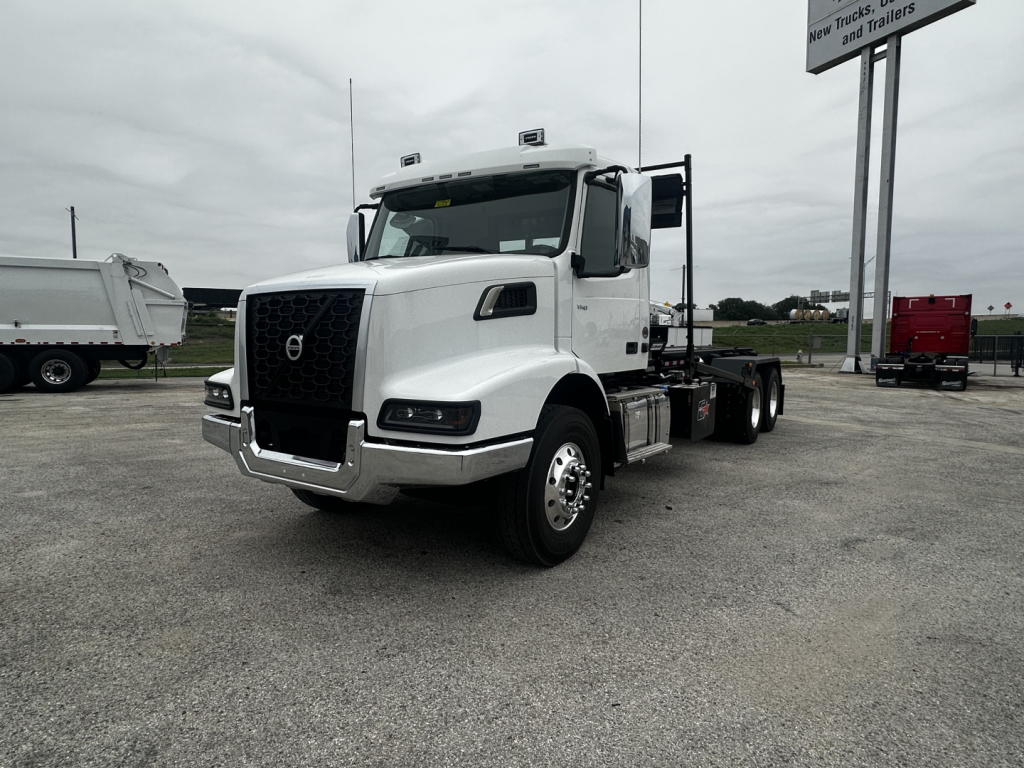

Selling a new volvo rolloff truck? List your new volvo rolloff truck for sale and reach thousands of commercial buyers.
New Volvo Rolloff Trucks in Texas
The first buying decision is usually hoist capacity and container range. Many new rolloff trucks in this class are equipped with 60,000 lb to 75,000 lb hoists, with 75,000 lb systems often preferred for heavier debris and broader container flexibility. Buyers should match the hoist to the container sizes they actually run, then verify axle ratings, frame reinforcement, and suspension spec so the truck can legally and reliably carry the work. Tandem axle configurations are standard for full-size rolloff applications, and a severe-duty suspension with a strong rear axle package is common. A typical Volvo VHD setup may include a 20,000 lb class front axle, 46,000 lb rears, a vocational rear ratio such as 4.10, and an automatic transmission like an Allison 4500 RDS for stop-and-go operation and easier driver training.
Hydraulic and body details make a major difference in daily productivity. Galbreath hoists are widely recognized in the roll-off market, but buyers should still look closely at valve configuration, in-cab air or electric controls, tarper integration, hold-down systems, and rear bumper design. Features like a multi-spool hydraulic valve, gantry-mounted window screen, pintle-ready rear bumper, LED work lights, steel fenders, and a toolbox are not just add-ons. They affect safety, turnaround time, and service access. A Diablo or similar tarper system is especially important when the truck is hauling mixed debris across urban corridors or longer Texas highway runs where load securement compliance and fast tarp deployment matter.
New Volvo rolloff trucks also appeal to fleets focused on driver retention and lower total operating stress. Volvo vocational cabs are known for good visibility, practical switch layout, and a quieter driving environment than many legacy severe-duty setups. That matters on roll-off routes where operators are in and out of the cab all day, backing into tight sites, and running PTO-driven equipment repeatedly. When comparing listings, buyers should pay attention to engine rating, transmission programming, PTO setup, wheelbase, cab-to-axle measurement, and the exact hoist model rather than judging by make alone. The right rolloff truck is the one that matches your container inventory, route density, legal weight targets, and maintenance capabilities from day one.
Frequently Asked Questions about New Volvo Rolloff Trucks in Texas
What chassis is most common for a new Volvo rolloff truck?
The Volvo VHD is one of the most common chassis choices for new Volvo rolloff trucks because it is built for severe-duty vocational work. In roll-off service, buyers typically look for a tandem axle VHD with a heavy front axle, strong rear suspension, and a frame spec that supports the hoist and repeated container loading cycles. Wheelbase, cab-to-axle dimension, and PTO compatibility are just as important as engine horsepower because they affect hoist fitment, container balance, and overall truck performance.
How much hoist capacity does a rolloff truck need?
The right hoist capacity depends on the containers, material stream, and legal payload targets. Many full-size tandem axle rolloff trucks use hoists rated between 60,000 lb and 75,000 lb. A 75,000 lb hoist is common for heavier demolition, scrap, and mixed debris work because it provides more flexibility across container sizes and load conditions. The hoist rating should always be considered alongside axle ratings, frame reinforcement, suspension capacity, and the actual weight of the container and material.
Why is an Allison automatic transmission common in rolloff applications?
An Allison automatic is popular in rolloff service because it handles constant stop-and-go operation well and reduces driver fatigue in urban and jobsite conditions. It also helps with smooth low-speed maneuvering when approaching containers, backing into tight spaces, and operating around transfer stations or construction sites. For many fleets, the automatic transmission also shortens training time and can reduce clutch-related wear compared with a manual in high-cycle vocational work.
What body and hydraulic features matter most on a new rolloff truck?
The most important body and hydraulic features are the hoist design, control system, tarper integration, and rear hold-down equipment. Buyers should look for dependable in-cab controls, a properly matched PTO and hydraulic pump setup, a multi-spool valve arrangement, and secure container retention. Practical features such as a gantry screen, work lights, steel treadplate fenders, toolbox, and a pintle-ready bumper also matter because they improve safety, reduce downtime, and make the truck easier to use every day.
Are Volvo rolloff trucks a good fit for Texas operations?
Volvo rolloff trucks are a strong fit for Texas fleets that need a severe-duty chassis for construction, demolition, recycling, and waste applications. Texas operations often involve a mix of city driving, jobsite access, and highway travel, so buyers tend to value a truck with a durable suspension, strong cooling performance, reliable PTO integration, and a comfortable vocational cab. The best Texas spec usually balances legal axle weights, heavy-duty hoist capacity, and route efficiency rather than focusing on engine output alone.