
New Volvo Rolloff Trucks For Sale
Shop new Volvo roll-off trucks built for waste, scrap, demolition, and construction with heavy-duty hoists, automatic transmissions, and tandem axles.
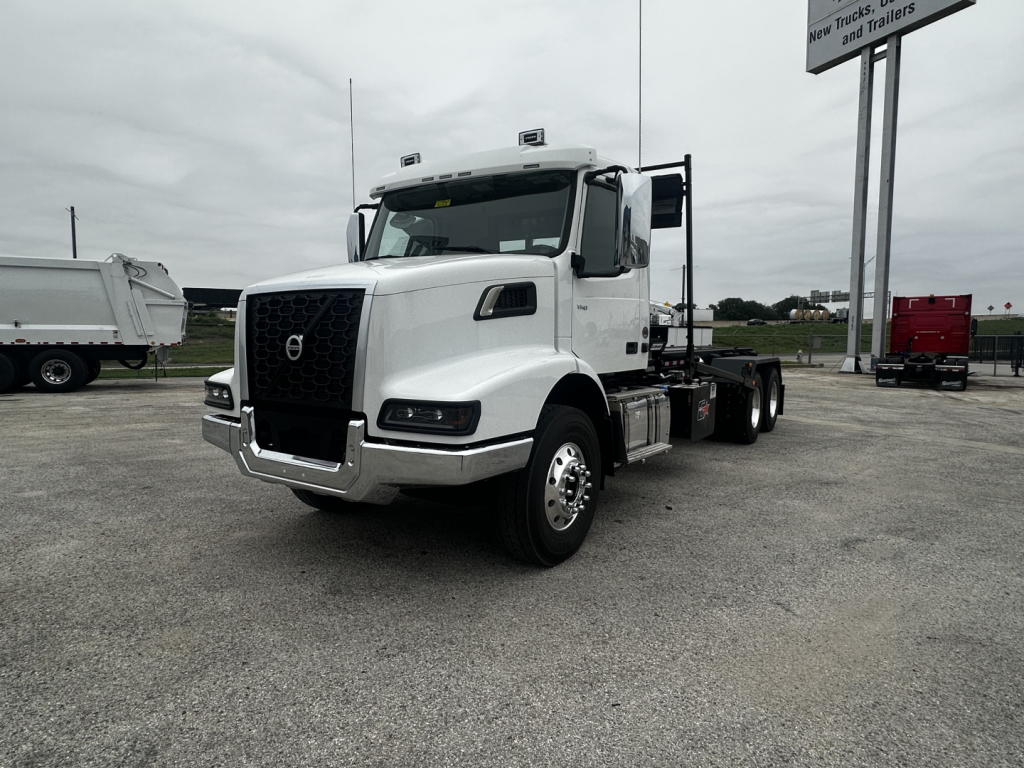
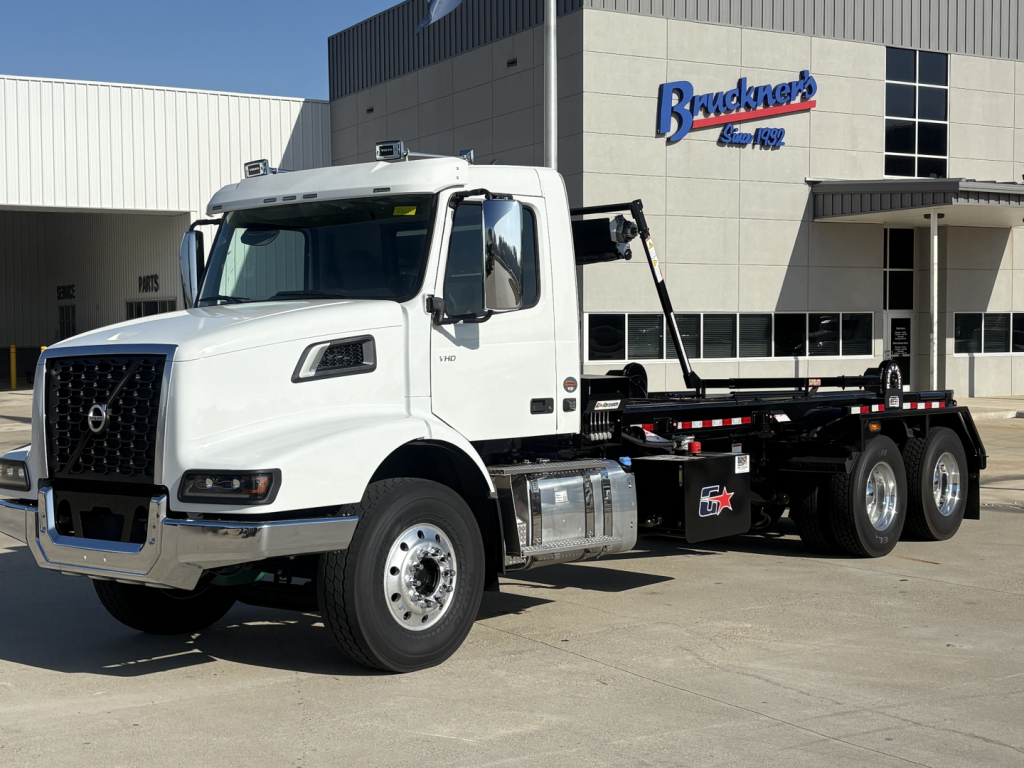

Selling a new volvo rolloff truck? List your new volvo rolloff truck for sale and reach thousands of commercial buyers.
New Volvo Rolloff Trucks
One of the biggest buying decisions is the chassis and powertrain match. Many new Volvo roll-off trucks use the Volvo D11 engine in the 400-plus horsepower range paired with an Allison automatic, often a 4500 RDS, for smoother operation in stop-and-go routes and tighter urban work. Rear axle ratios around 4.10 are common when the goal is a balance of launch, gradeability, and road speed. Heavy-duty leaf suspension remains popular in this application because it stands up well to body weight, shifting container loads, and rough transfer station or landfill surfaces. Buyers should also pay close attention to wheelbase, cab-to-axle, PTO setup, and hoist integration, since those specs directly affect container length compatibility, weight distribution, and body performance.
The hoist package is where roll-off trucks often separate themselves. Galbreath and similar premium hoist brands are common in this segment, along with features like cable or hook systems, integrated multi-spool hydraulic valves, in-cab air controls, hot-shift PTOs, and tarper systems. Details such as rear container hold-downs, pintle hitch-ready bumpers, steel tread plate fenders, toolboxes, gantry-mounted cab shields, and LED work lighting can make a real difference in daily use. For operators working long hours around transfer sites, recyclers, and demolition projects, those details improve loading efficiency, reduce damage exposure, and help with visibility and safety around containers.
A new Volvo roll-off truck makes the most sense for fleets that want current emissions technology, factory-backed chassis support, and a clean baseline for body integration and service planning. Volvo's vocational cab design is well regarded for driver comfort, steering feel, and sightlines, which matters on routes with frequent backing, container spotting, and alley or jobsite access. When comparing listings, focus less on model year alone and more on hoist rating, axle specs, hydraulic controls, suspension, and body-builder details. In this class, the right spec is the truck that matches the box sizes, legal payload targets, and route conditions you expect to run every day.
Frequently Asked Questions about New Volvo Rolloff Trucks
What is the typical configuration for a new Volvo roll-off truck?
Most new Volvo roll-off trucks are built on a Volvo VHD chassis with a tandem rear axle, a heavy front axle, and a vocational suspension package. Common specs include a Volvo D11 engine, Allison automatic transmission, rear axle ratios around 4.10, and hoists rated from about 60,000 to 75,000 lbs. These trucks are generally set up for waste, recycling, demolition, and construction container service where repeated loading cycles and rough-site durability are required.
Why do many roll-off buyers choose an Allison automatic transmission?
An Allison automatic is popular in roll-off service because it improves drivability in stop-and-go work, simplifies operation for multiple drivers, and reduces fatigue during repeated backing, spotting, and loading cycles. Automatic transmissions also work well in urban routes, transfer station traffic, and tight jobsite conditions where smooth low-speed control matters. For fleets focused on productivity and driver consistency, the Allison remains one of the most common vocational transmission choices.
How do I choose the right hoist capacity for a roll-off truck?
Hoist capacity should match the container sizes, material types, and duty cycle the truck will handle. A 60,000 lb hoist may be suitable for many standard waste and debris applications, while 75,000 lb class hoists are often chosen for heavier scrap, demolition, or dense construction loads. Buyers should also verify container compatibility, body installation quality, hydraulic specifications, and rear hold-down design, since overall roll-off performance depends on more than the hoist rating alone.
What features are worth paying attention to on a new roll-off body package?
Useful roll-off body features include a reliable tarper system, in-cab hoist and tarp controls, a hot-shift PTO, heavy-duty rear bumper, toolbox, LED work lights, and a gantry-mounted cab shield or window screen. Steel tread plate fenders and secure container hold-down systems are also important in demanding service. These features help with operator efficiency, container security, site visibility, and damage prevention during daily loading and unloading.
Are Volvo VHD roll-off trucks a good fit for municipal and private fleet work?
Yes. Volvo VHD roll-off trucks are commonly spec'd for both municipal and private fleet use because they combine a vocational chassis with a driver-friendly cab and strong support for body-builder applications. They are well suited for container hauling in waste, recycling, public works, and construction environments. The best fit depends on axle ratings, wheelbase, hoist package, and how closely the truck's spec matches the route, container lengths, and payload goals of the operation.