
New 2027 Volvo Trucks For Sale in Texas
Shop new 2027 Volvo trucks in Texas, including highway and vocational models with advanced safety, efficient powertrains, and driver-focused cabs.

Selling a new 2027 volvo truck? List your new 2027 volvo truck for sale and reach thousands of commercial buyers.
New 2027 Volvo Trucks in Texas
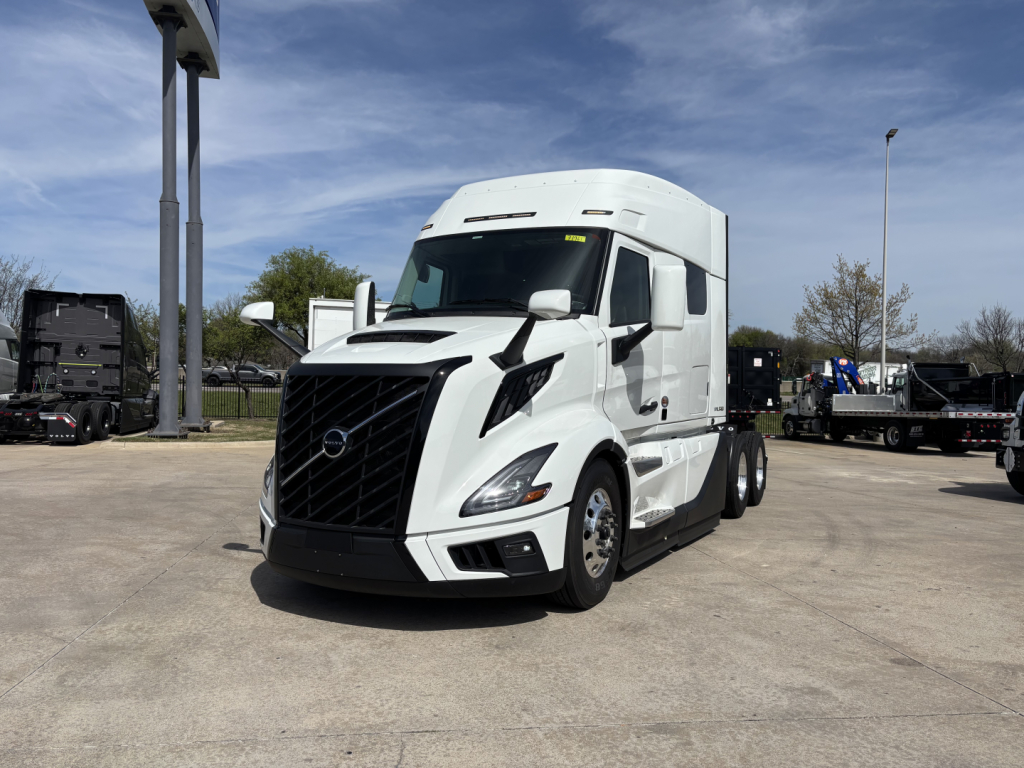
On highway models, buyers typically focus on sleeper size, wheelbase, axle configuration, and engine ratings that match lane weight and route profile. A 6x4 Volvo sleeper tractor such as a VNL is commonly spec'd for regional or over-the-road freight with Volvo power, automated manual transmission options, and aerodynamic packages that help reduce fuel burn at interstate speeds. In Texas, that often means balancing horsepower and torque for long stretches of highway travel, heavy gross combination weights, and hot-weather cooling performance. Cab features also matter more than many fleets admit. Factory-integrated driver assistance systems, ergonomic dash layouts, quiet interiors, and modern bunk design can make a real difference in recruiting and keeping drivers in competitive markets.
On vocational models, the key questions shift toward frame strength, front axle capacity, transmission type, PTO compatibility, and body upfit requirements. Volvo VHD models are commonly selected for mixers, dumps, roll-offs, utility builds, and specialty equipment because they can be spec'd with severe-duty suspensions, robust frame rails, differential locks, and automatic transmissions suited for stop-and-go or off-pavement work. Buyers in construction-heavy regions of Texas should pay close attention to bridge formula, turning radius, brake spec, and how the chassis is set up for the body and load cycle. A truck that spends its day on urban paving work needs a different suspension, cab-to-axle measurement, and controls package than one assigned to trenching or municipal utility service.
The biggest advantage in buying a new Volvo truck is the ability to match the chassis closely to the job instead of compromising with a generic spec. Engine family, transmission calibration, rear axle ratio, wheelbase, fuel capacity, and safety systems all need to fit the route, body, and gross weight target. Volvo trucks also hold strong appeal for fleets that prioritize advanced braking systems, integrated diagnostics, and a driver-friendly operating environment. When comparing listings, look past model name alone and study the actual chassis spec, axle ratings, body configuration, and intended duty cycle. That is what determines whether a new 2027 Volvo truck will be efficient on the highway, durable on the jobsite, or versatile enough to handle both.
Frequently Asked Questions about New 2027 Volvo Trucks in Texas
What is the difference between a Volvo VNL and a Volvo VHD?
The Volvo VNL is primarily a highway tractor platform designed for fuel efficiency, long-distance comfort, and aerodynamic performance. It is commonly used for regional haul, over-the-road freight, and sleeper applications. The Volvo VHD is a vocational platform designed for tougher duty cycles such as construction, concrete, utility, and municipal work. It typically offers heavier front axle options, stronger frame configurations, easier body integration, and specs better suited for PTO-driven equipment and off-pavement use.
What should I look at first when comparing new 2027 Volvo trucks?
Start with the truck’s intended application, then verify the chassis matches that job. For highway use, focus on sleeper configuration, horsepower, torque, rear axle ratio, wheelbase, and fuel capacity. For vocational use, focus on axle ratings, frame rail strength, suspension, transmission type, PTO provisions, and cab-to-axle dimensions. Buyers often compare model names first, but the actual spec sheet is what determines payload capability, operating efficiency, and compatibility with a body or trailer.
Are Volvo trucks a good choice for Texas operations?
Volvo trucks are a strong fit for Texas because the state demands equipment that can handle long highway runs, high ambient temperatures, heavy freight, and demanding vocational service. Highway operators benefit from aerodynamic cabs, integrated powertrains, and driver comfort features that support long-distance use. Vocational buyers benefit from severe-duty chassis options, cooling performance, and body-builder flexibility. The right spec is especially important in Texas because operating conditions can vary widely between metro delivery, oilfield support, construction work, and interstate freight.
What engine and transmission options are common on new Volvo trucks?
Common Volvo truck specs include Volvo diesel engines paired with integrated automated manual transmissions, especially on highway tractors where fuel economy and drivability are priorities. Vocational units may also be equipped with automatic transmissions for start-stop work, mixer service, or other applications where precise low-speed control matters. The best combination depends on gross weight, terrain, duty cycle, PTO needs, and driver preference. Matching the engine rating and transmission calibration to the actual job is more important than simply choosing the highest horsepower available.
Why does body-builder compatibility matter on a new Volvo vocational truck?
Body-builder compatibility affects how easily and correctly a chassis can be configured for equipment such as mixer drums, trenchers, dumps, utility bodies, or other specialty upfits. Important factors include frame layout, PTO access, electrical integration, cab-to-axle measurement, suspension placement, and axle capacity. If these details are not aligned with the body’s requirements, the truck may have reduced performance, poor weight distribution, or expensive modification needs after delivery. A properly matched vocational chassis improves uptime, compliance, and long-term durability.