
New 2027 Volvo Conventional Sleeper Trucks For Sale in Texas
Shop new 2027 Volvo conventional sleeper trucks in Texas, including VNL models with D13 power, I-Shift automation, safety tech, and driver-focused sleepers.
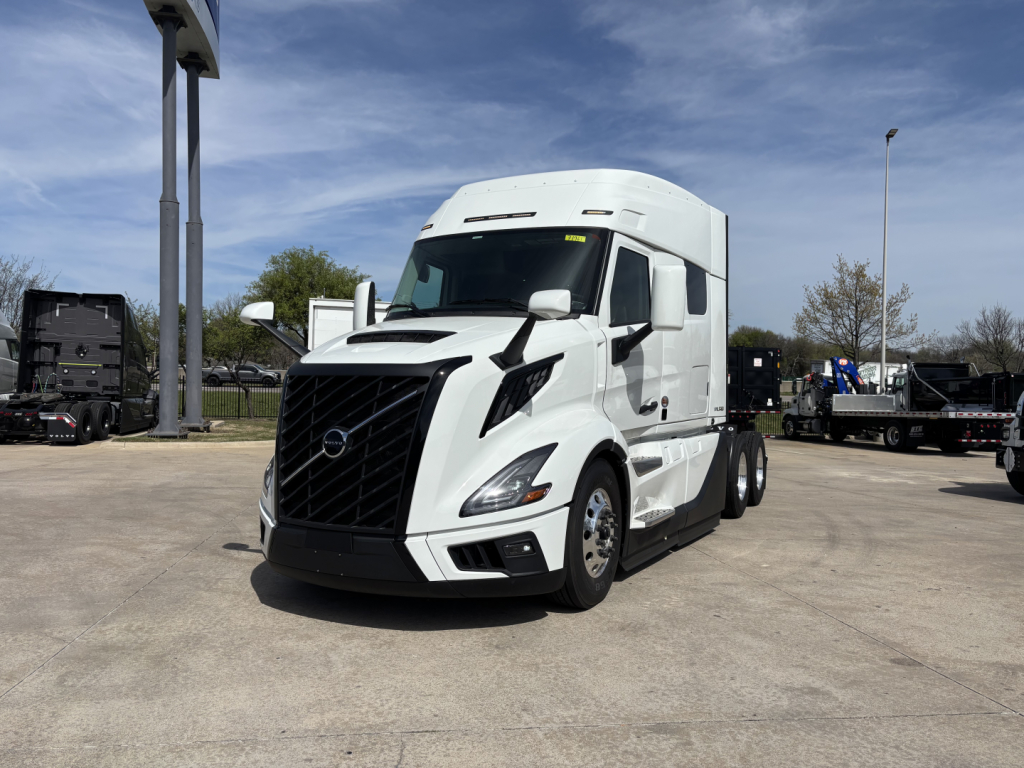

Selling a new 2027 volvo conventional sleeper truck? List your new 2027 volvo conventional sleeper truck for sale and reach thousands of commercial buyers.
New 2027 Volvo Conventional Sleeper Trucks in Texas
Powertrain spec is the first major decision. Many late-model Volvo sleepers are equipped with the Volvo D13 or D13TC engine paired with the Volvo I-Shift automated transmission, a combination known for smooth shifting, fuel-efficient cruise performance, and strong integration with predictive features and driver-assist systems. Common buyer checkpoints include horsepower ratings in the mid-400 to 500 HP range, rear axle ratios such as 2.47 for downsped highway use, tandem rears around 40,000 lbs, and wheelbases in the 230-inch range depending on sleeper size, fuel capacity, and fifth wheel position. For fleets operating heavy interstate miles out of Texas, these specs can directly affect gradeability, cruising RPM, maintenance intervals, and payload flexibility.
Cab and chassis details matter just as much as the engine. Volvo conventional sleepers are often ordered with air ride suspensions, 13,200-lb front axles, sliding fifth wheels, aluminum wheels, large dual fuel tank setups, and aerodynamic trim packages that support lower operating cost over time. Inside the cab, buyers often compare sleeper size, seat trim, storage layout, parking heaters and coolers, navigation, camera systems, and factory safety packages such as collision mitigation and advanced driver assistance features. On newer VNL configurations, the camera monitoring system, backup camera, and integrated safety technology can be especially important for fleets prioritizing accident reduction and driver retention.
For Texas buyers, application and route profile should guide the final spec. A truck running long stretches on I-10, I-20, I-35, or I-40 may benefit from a downsped drivetrain, larger fuel capacity, and a taller premium sleeper for team or extended solo use. A fleet with more regional turns may prefer a slightly shorter wheelbase and a sleeper optimized for comfort without adding unnecessary weight. When comparing new 2027 Volvo conventional sleeper trucks, pay close attention to engine rating, transmission programming, axle ratio, wheelbase, suspension brand and capacity, emissions compliance, and sleeper amenities, since those details determine how the truck will perform in real freight conditions, not just on a spec sheet.
Frequently Asked Questions about New 2027 Volvo Conventional Sleeper Trucks in Texas
What is a Volvo conventional sleeper truck?
A Volvo conventional sleeper truck is a hooded Class 8 highway tractor with a sleeper compartment mounted behind the cab. In Volvo's lineup, this usually refers to VNL models designed for over-the-road and regional haul service. These trucks are built to balance aerodynamics, driver comfort, fuel efficiency, and high-mileage durability, making them a common choice for carriers that need both highway performance and overnight accommodations.
What engine and transmission are common in new 2027 Volvo sleeper trucks?
Many new 2027 Volvo sleeper tractors are spec'd with the Volvo D13 engine and the Volvo I-Shift automated manual transmission. This pairing is popular because it is fully integrated, shifts consistently, and supports fuel-saving driveline strategies such as downsped axle ratios. Depending on the application, buyers may see horsepower ratings from the mid-400s up to 500 HP, with transmission programming tailored for linehaul, fuel economy, or more demanding weight profiles.
Which specs matter most when buying a conventional sleeper for Texas freight?
For Texas operations, the most important specs usually include horsepower, rear axle ratio, wheelbase, fuel capacity, front and rear axle ratings, and suspension type. Long interstate runs often favor a fuel-efficient ratio like 2.47, larger saddle tanks, and an air ride tandem setup for ride quality and highway stability. Buyers should also confirm the fifth wheel slide range, sleeper size, and cooling or heating amenities, especially for trucks expected to cover hot-weather routes and multi-day trips.
Are Volvo VNL sleeper trucks a good fit for fleet use?
Volvo VNL sleeper trucks are widely considered a strong fleet platform because they combine driver-focused interiors with integrated safety and powertrain technology. Fleets often value the I-Shift transmission for consistency across drivers, the D13 platform for highway efficiency, and the availability of advanced safety packages such as camera systems and collision mitigation features. The result is a truck that can support fuel management goals, driver retention, and predictable long-haul performance.
What is the difference between a VNL 660 and a VNL 860 sleeper?
The main difference is sleeper size, interior space, and overall long-haul emphasis. A VNL 660 typically suits operations that want a comfortable sleeper with a slightly more compact package, while a VNL 860 is generally chosen for premium over-the-road service where maximum living space, storage, and driver comfort are priorities. The right choice depends on route length, solo versus team operation, wheelbase requirements, and how much emphasis the buyer places on bunk area amenities.