
Used Trucks For Sale in Colorado
Shop used trucks in Colorado with specs for mountain grades, payload, corrosion resistance, floor strength, and thermal integrity, vetted fleet pros
Learn moreTop Categories
Top Makes
By Year
59 Listings

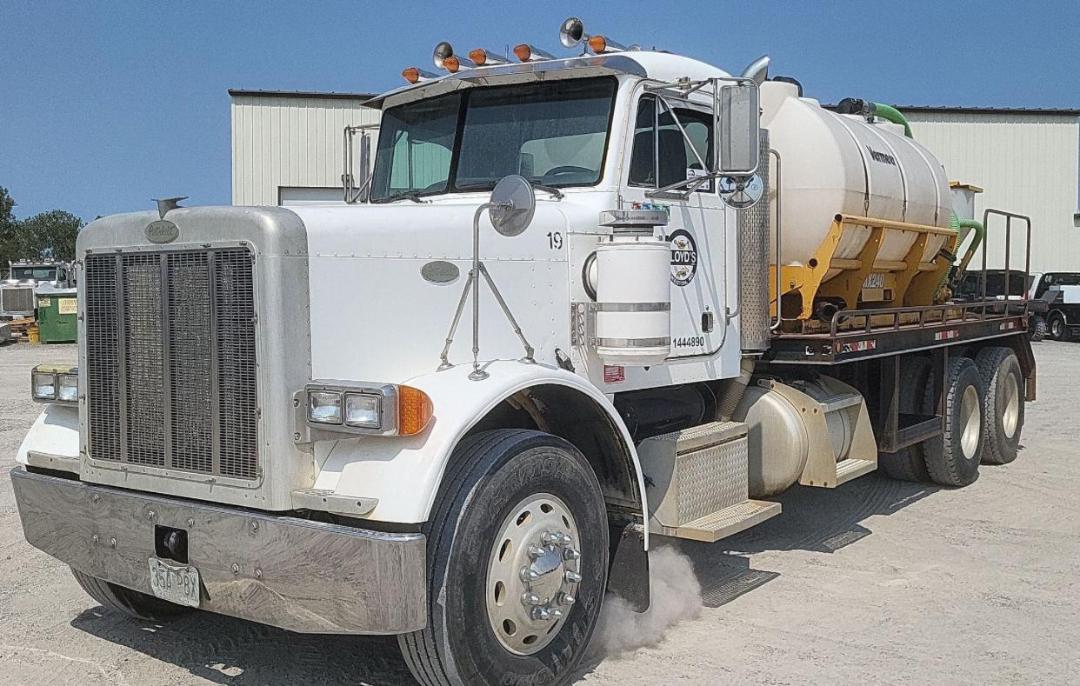
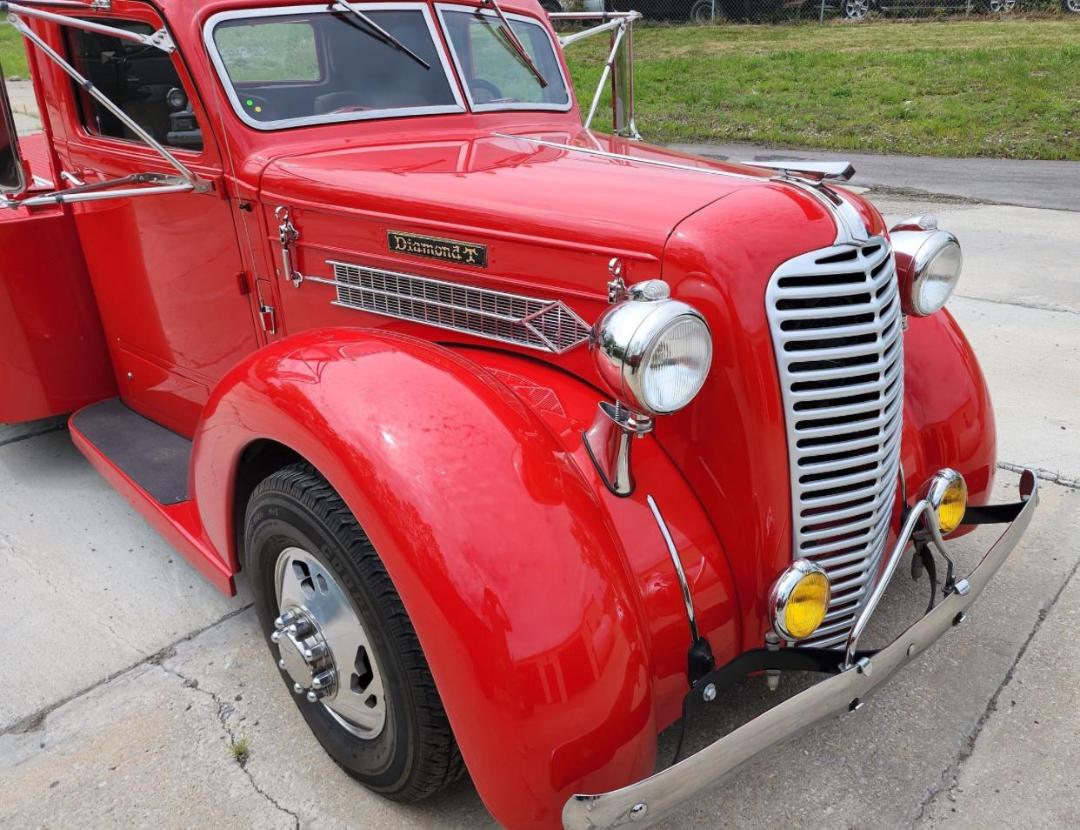
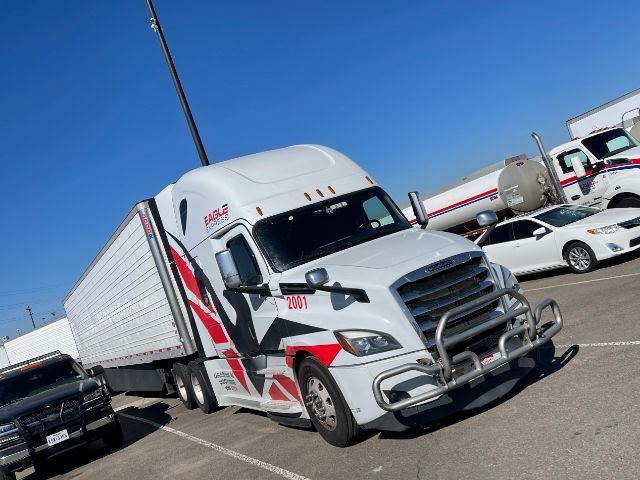
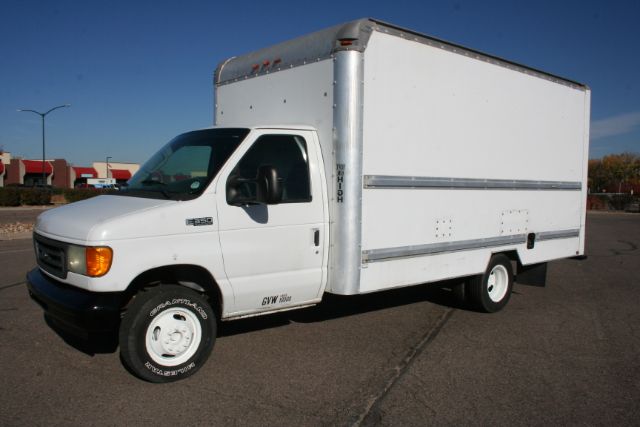
Showing 49 to 59 of 59 results
Have used truck to sell? List it here to reach thousands of buyers.
About Used Trucks in Colorado
Used trucks for sale in Colorado face steep grades, thin air, and winter traction laws, so thermal control and braking capacity matter as much as horsepower. Spec 400 to 500 hp with strong low rpm torque, a two or three stage engine brake, and, where available, a transmission retarder for long descents. Axle ratios in the 3.55 to 3.90 range help with mountain starts, lower numeric ratios suit lighter plains work and fuel economy. A heavy duty cooling package with increased radiator and charge air cooler capacity, high output fan clutch, and clean airflow management keeps EGT and coolant temps in check. Full locking differentials, interaxle lock, and aggressive drive tires improve compliance with Colorado traction laws; verify chain hangers and stability calibration.
Tare weight drives payload and profitability on Colorado highways that follow federal 80,000 lb limits. A 6x2 tandem cuts tare weight versus 6x4, but accepts a traction trade off on snow and ice; most fleets keep 6x4 with driver controlled locks. Aluminum wheels, right size fuel tanks, and battery APUs help trim weight, while double frame liners, heavy duty front axles, and steel bumpers add capacity with a weight penalty. Wide base singles reduce weight and rolling resistance, yet duals still offer better chain fit and redundancy in winter. Match wheelbase and axle spacing to bridge law, turning radius in mountain towns, and trailer swing clearance on tight grades.
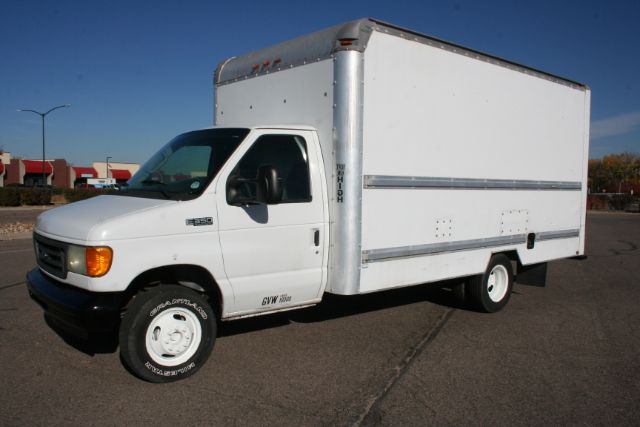
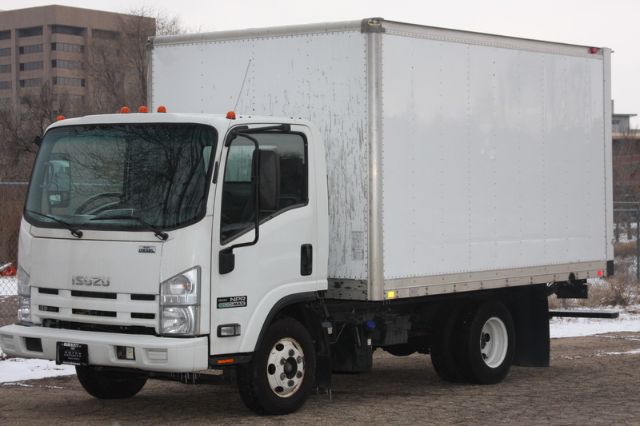
For box trucks and vans, floor strength is critical when loading with forklifts on uneven docks. Look for hardwood or laminated plank floors, close crossmember spacing, heavy threshold plates, and scuff liners that protect sidewalls from pallet impact. Forklift axle ratings in the 6,000 to 8,000 pound range indicate robust floors, and fastener heads should be tight and flush. On refrigerated bodies, thermal integrity depends on foam density, isolation at posts and sills, intact door gaskets, and undamaged duct floors; weak insulation adds fuel burn and risks hot spots at altitude. For dumps and other vocational bodies, abrasion resistant floor plate increases durability, with AR material and thickness chosen to balance tare weight and wear.
Corrosion resistance matters on Colorado roads treated with magnesium chloride; favor aluminum cabs, galvanized or e coated rails, stainless hardware, sealed harness connectors, and regular underbody washdowns. Inspect frame flanges for rust jacking between liners, suspension hangers and fifth wheel plates for scaling, and air system dryers and valves for winter moisture intrusion. Disc brakes resist fade on long grades and shed slush better than drums, but parts costs run higher; verify lining life, rotor condition, and auto slack adjuster function. Aftertreatment health is essential at altitude, so review DPF ash load, forced regen history, NOx sensor age, SCR dosing, and any EGR or turbo service, and confirm the cooling system, charge air integrity, and driveline seals are tight.
Tare weight drives payload and profitability on Colorado highways that follow federal 80,000 lb limits. A 6x2 tandem cuts tare weight versus 6x4, but accepts a traction trade off on snow and ice; most fleets keep 6x4 with driver controlled locks. Aluminum wheels, right size fuel tanks, and battery APUs help trim weight, while double frame liners, heavy duty front axles, and steel bumpers add capacity with a weight penalty. Wide base singles reduce weight and rolling resistance, yet duals still offer better chain fit and redundancy in winter. Match wheelbase and axle spacing to bridge law, turning radius in mountain towns, and trailer swing clearance on tight grades.
For box trucks and vans, floor strength is critical when loading with forklifts on uneven docks. Look for hardwood or laminated plank floors, close crossmember spacing, heavy threshold plates, and scuff liners that protect sidewalls from pallet impact. Forklift axle ratings in the 6,000 to 8,000 pound range indicate robust floors, and fastener heads should be tight and flush. On refrigerated bodies, thermal integrity depends on foam density, isolation at posts and sills, intact door gaskets, and undamaged duct floors; weak insulation adds fuel burn and risks hot spots at altitude. For dumps and other vocational bodies, abrasion resistant floor plate increases durability, with AR material and thickness chosen to balance tare weight and wear.
Corrosion resistance matters on Colorado roads treated with magnesium chloride; favor aluminum cabs, galvanized or e coated rails, stainless hardware, sealed harness connectors, and regular underbody washdowns. Inspect frame flanges for rust jacking between liners, suspension hangers and fifth wheel plates for scaling, and air system dryers and valves for winter moisture intrusion. Disc brakes resist fade on long grades and shed slush better than drums, but parts costs run higher; verify lining life, rotor condition, and auto slack adjuster function. Aftertreatment health is essential at altitude, so review DPF ash load, forced regen history, NOx sensor age, SCR dosing, and any EGR or turbo service, and confirm the cooling system, charge air integrity, and driveline seals are tight.