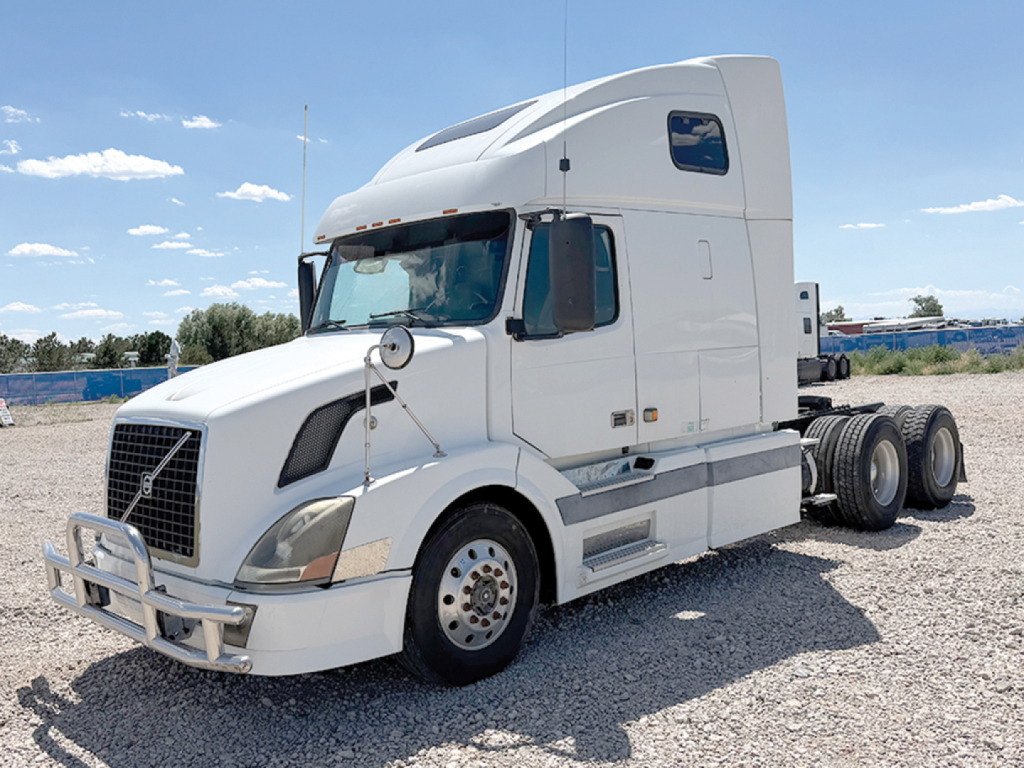
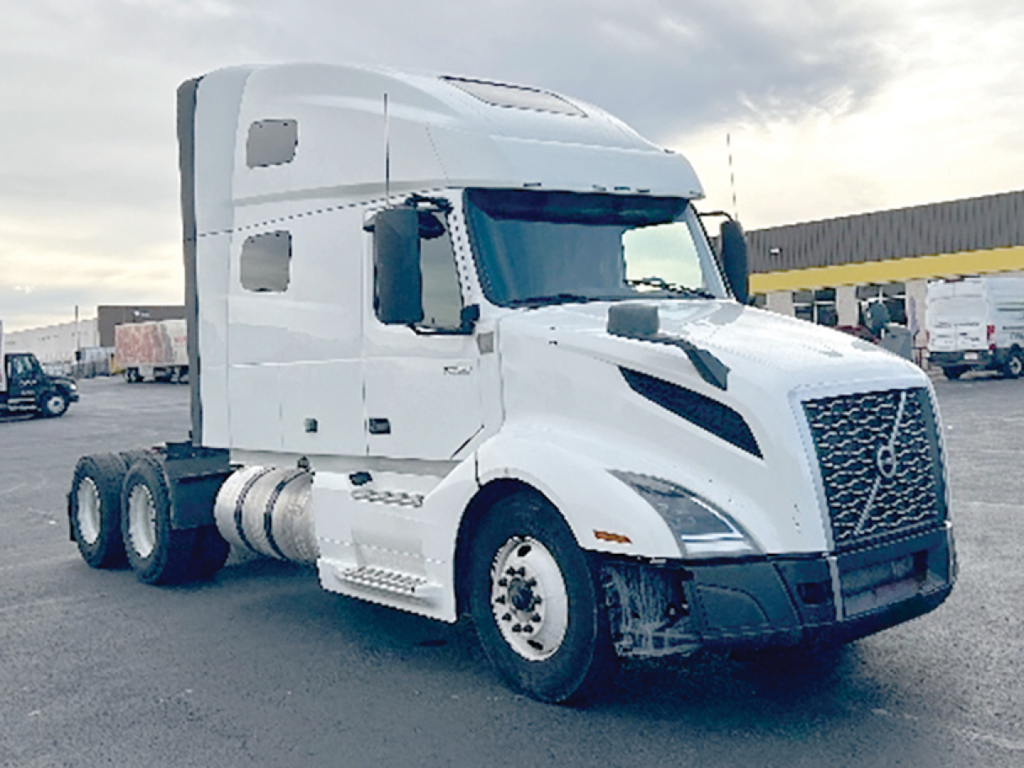
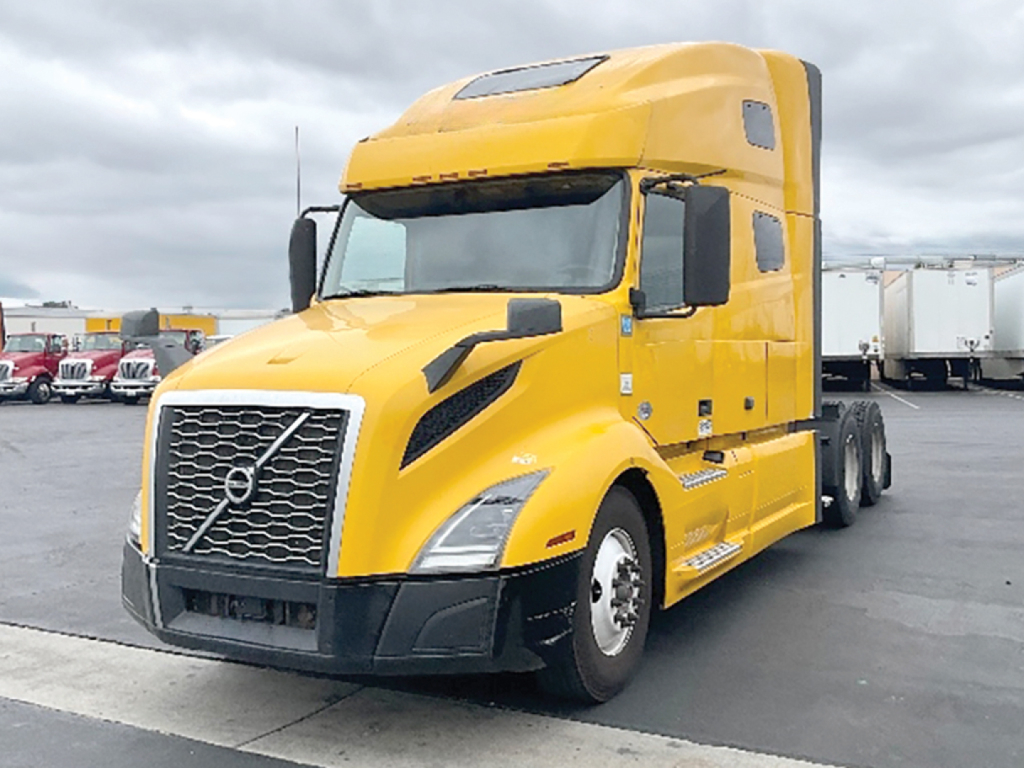
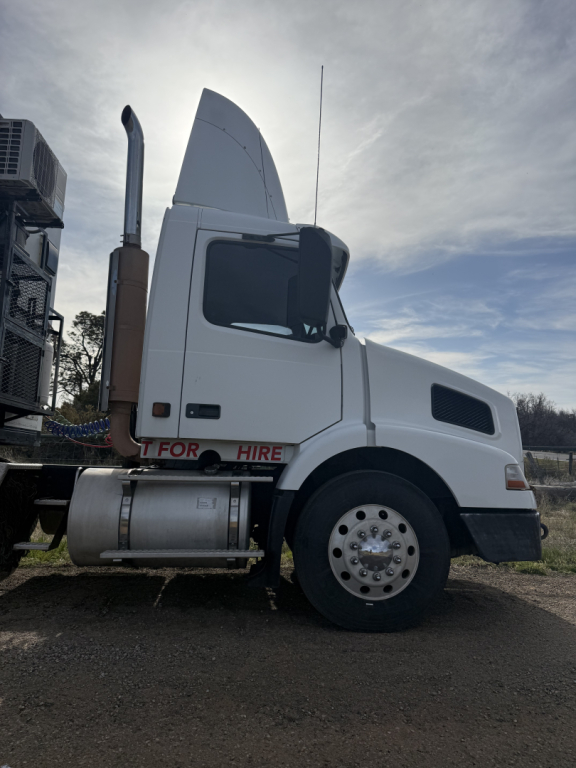
Used Volvo Trucks For Sale in Colorado
Shop used Volvo trucks in Colorado, including VNL, VNR, and VHD. D13 with I-Shift, VEB braking, lightweight specs, frames, and corrosion protection.
Learn moreTop Categories
By Year
5 Listings
Have used volvo truck to sell? List it here to reach thousands of buyers.

About Used Volvo Trucks in Colorado
Used Volvo trucks for sale in Colorado are popular with fleets that need strong gradeability, steady engine braking, and reliable fuel economy at altitude. The VNL highway series, VNR regional models, VHD vocational, and VNX heavy haul cover linehaul to construction. Common powertrains include the D11 and D13, often paired with the I-Shift automated manual for smooth shifts on climbs and descents. The VEB or VEB Plus engine brake delivers high retarding horsepower, valuable on passes where service brake fade is a risk. Rear axle ratios from the low 2s to mid 3s can be found, so verify startability and cruise rpm against route profiles in the Rockies.
Structural integrity is a Volvo strong suit. Frame rails use high tensile steel with robust section modulus and RBM, crossmembers are well triangulated, and fifth wheels are typically rated for standard highway GCWs with heavy haul options on VNX. Pay attention to floor strength in the cab and sleeper, Volvo reinforces cab floors and step structures to limit flex and squeaks over time. Deck plates, battery box lids, and catwalks should be solid underfoot, thicker plates and sound mounting hardware are better for repeated service access. For vocational work, look for full length frame liners, heavy front axles, and double frame options that handle lift axles and body loads without twist.
Thermal integrity matters in Colorado. Volvo cabs seal well, with insulation packages that hold temperature in winter and reduce HVAC load in summer, tight door seals, insulated sleepers, and good glazing help maintain comfort with less idling. Many units feature bunk heaters, battery HVAC or APUs, and engine preheaters that reduce cold starts and aftertreatment stress. Verify cooling package capacity, charge air plumbing condition, and fan drive function, high altitude and long grades test marginal systems. Corrosion resistance is aided by e coated and powder coated components, composite hoods, aluminum tanks and wheels, and sealed electrical connectors. Mag chloride is aggressive, so inspect frame paint under suspension hangers, under cab mounts, and around air tanks, stainless or treated hardware and intact harness loom are positives.
Tare weight influences payload and fuel burn. Volvo highway tractors can be spec’d light with aluminum wheels, single 150 gallon tanks, wide base tires, and 6x2 or tag options, or heavier with 6x4, full lockers, disc brakes, and larger sleepers. Expect a typical VNL day cab around the high 17k to low 19k pound range depending on wheelbase and axle set, sleepers add weight with cabinets, APU, and fairings. Lighter specs improve margin on bulk and beverage, the trade off is traction in snow where 6x4 and diff locks shine. Consider direct drive with taller gearing for steady interstate work, or overdrive with a slightly deeper ratio for mixed terrain. Check aftertreatment health, DPF service records, I Shift clutch life, and brake condition, then match wheelbase, fairings, and roof height to trailer profiles for the best aerodynamics on I 25 and I 70.
Structural integrity is a Volvo strong suit. Frame rails use high tensile steel with robust section modulus and RBM, crossmembers are well triangulated, and fifth wheels are typically rated for standard highway GCWs with heavy haul options on VNX. Pay attention to floor strength in the cab and sleeper, Volvo reinforces cab floors and step structures to limit flex and squeaks over time. Deck plates, battery box lids, and catwalks should be solid underfoot, thicker plates and sound mounting hardware are better for repeated service access. For vocational work, look for full length frame liners, heavy front axles, and double frame options that handle lift axles and body loads without twist.
Thermal integrity matters in Colorado. Volvo cabs seal well, with insulation packages that hold temperature in winter and reduce HVAC load in summer, tight door seals, insulated sleepers, and good glazing help maintain comfort with less idling. Many units feature bunk heaters, battery HVAC or APUs, and engine preheaters that reduce cold starts and aftertreatment stress. Verify cooling package capacity, charge air plumbing condition, and fan drive function, high altitude and long grades test marginal systems. Corrosion resistance is aided by e coated and powder coated components, composite hoods, aluminum tanks and wheels, and sealed electrical connectors. Mag chloride is aggressive, so inspect frame paint under suspension hangers, under cab mounts, and around air tanks, stainless or treated hardware and intact harness loom are positives.
Tare weight influences payload and fuel burn. Volvo highway tractors can be spec’d light with aluminum wheels, single 150 gallon tanks, wide base tires, and 6x2 or tag options, or heavier with 6x4, full lockers, disc brakes, and larger sleepers. Expect a typical VNL day cab around the high 17k to low 19k pound range depending on wheelbase and axle set, sleepers add weight with cabinets, APU, and fairings. Lighter specs improve margin on bulk and beverage, the trade off is traction in snow where 6x4 and diff locks shine. Consider direct drive with taller gearing for steady interstate work, or overdrive with a slightly deeper ratio for mixed terrain. Check aftertreatment health, DPF service records, I Shift clutch life, and brake condition, then match wheelbase, fairings, and roof height to trailer profiles for the best aerodynamics on I 25 and I 70.