
Used Mack Trucks For Sale in Colorado
Browse used Mack trucks for sale in Colorado, including highway day cabs with MP8 power, heavy rear axles, and fleet-friendly spec options.
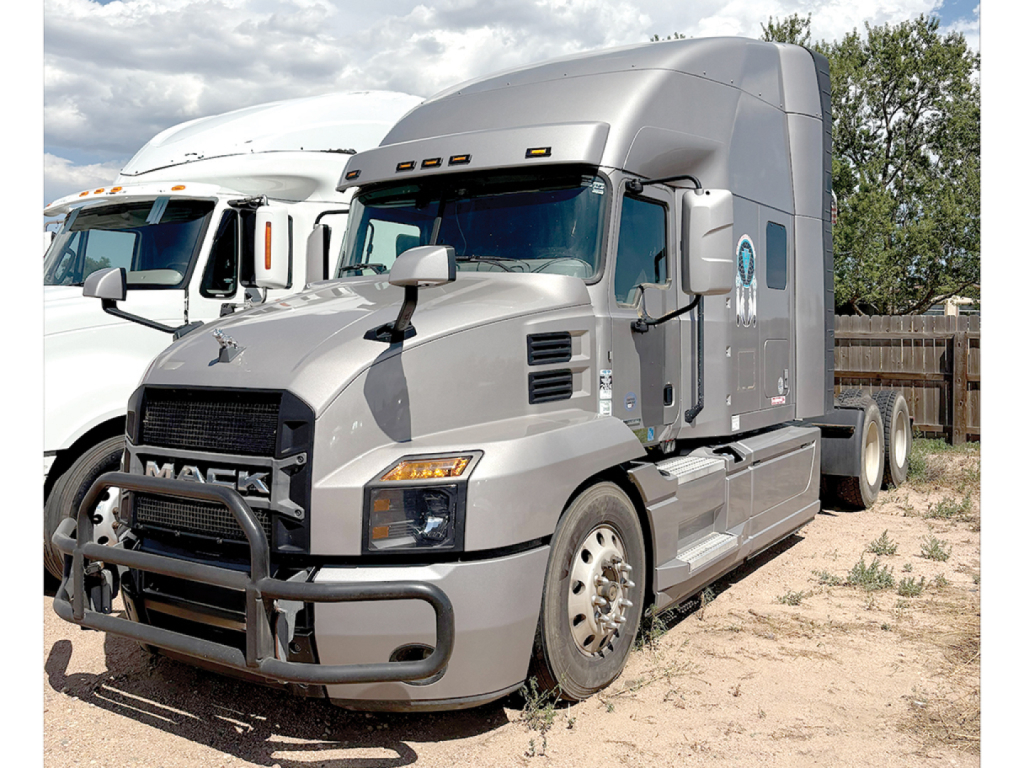

Have used mack truck to sell? List it here to reach thousands of buyers.
Used Mack Trucks in Colorado
Rear axle ratio, wheelbase, and suspension matter as much as horsepower. Listings in this class often show 40,000 lb rear axles, air ride suspension, sliding fifth wheels, and wheelbases in the high-180-inch range, which points to a versatile day cab tractor built for standard trailer work. A 3.08 ratio can be a balanced choice for mixed regional use, while a faster 2.64 ratio may favor fuel economy on longer highway runs if the operating profile supports it. In Colorado, buyers should think carefully about elevation, route profile, and gross combination weight. A truck that spends most of its time on I-25 or I-70 loaded into the hills may need a different ratio strategy than one running lighter freight on flatter dedicated routes.
Used Mack trucks also appeal to buyers who want brand-specific powertrain integration and a reputation for durable vocational and on-highway platforms. Mack has long been associated with heavy-duty chassis, solid cab structure, and drivability under load. Even when shopping late-model highway tractors, it is smart to inspect for the practical details that affect uptime and driver acceptance: engine brake performance, steering feel, air system condition, suspension wear, aftertreatment service history, tire wear pattern, brake type, and signs of frame or fifth wheel abuse. If the truck is a fleet retirement with several hundred thousand miles, ECM data, maintenance records, and idle hours can be just as important as the odometer reading.
Colorado buyers should also consider corrosion exposure, cooling system condition, and how the truck was operated seasonally. Snow, de-icing chemicals, and steep-grade use can accelerate wear on chassis components, brakes, and electrical connections. A well-matched used Mack should have the right axle spec, gearing, and cab configuration for the work rather than just the lowest purchase price. For many operations, that means choosing a truck with enough engine brake, the correct rear ratio, a serviceable fifth wheel, and a day cab layout that fits regional dispatch without carrying unnecessary weight.
Frequently Asked Questions about Used Mack Trucks in Colorado
What should I look for first when buying a used Mack truck in Colorado?
Start with the powertrain specification and maintenance history. Engine model, horsepower, transmission type, rear axle ratio, and axle rating tell you what the truck was built to do. In Colorado, those specs matter because elevation and mountain grades can expose an under-geared or poorly matched truck quickly. After that, review ECM data if available, confirm mileage and idle hours, inspect aftertreatment service records, and check for wear in suspension, brakes, tires, and the fifth wheel assembly.
Is a Mack Anthem day cab a good fit for regional and local freight?
Yes, a Mack Anthem day cab is commonly used for regional haul, dedicated freight, port and rail work, and local distribution where a sleeper is not necessary. Many are spec'd with Mack MP8 engines, 10-speed transmissions, air ride suspension, and 40,000 lb rears, which makes them suitable for standard van and reefer applications. The right fit depends on wheelbase, gearing, and the weights you plan to pull, but the Anthem day cab is a mainstream choice for fleets and owner-operators running practical highway routes.
How important is rear axle ratio on a used Mack tractor?
Rear axle ratio has a major effect on cruise rpm, fuel economy, gradeability, and launch performance. A 3.08 ratio is often chosen as a middle-ground spec for mixed regional use, while a 2.64 ratio may be better for steady highway operation at lighter average gross weights. In Colorado, the ratio choice should match terrain and payload. A truck that regularly climbs grades at higher gross combination weights may benefit from more aggressive gearing than a truck assigned to flatter interstate lanes.
Are high-mileage used Mack trucks still worth considering?
They can be, if the truck has been maintained correctly and the specification fits your operation. Many fleet tractors accumulate 600,000 miles or more in normal service, so mileage alone does not determine value. What matters is service documentation, oil and coolant history, aftertreatment repairs, clutch or transmission condition, suspension wear, and overall chassis integrity. A high-mileage Mack with consistent preventive maintenance can be a better buy than a lower-mile truck with poor records or an incorrect spec.
What components on a used Mack truck deserve a close inspection before purchase?
Focus on the engine brake, turbo response, cooling system, DPF and emissions components, transmission operation, clutch wear if manual, driveline play, suspension bushings, air leaks, brake condition, and tire wear pattern. Also inspect the frame rails, crossmembers, cab mounts, steering components, and the sliding fifth wheel for excess wear or damage. If the truck worked in Colorado winters, pay extra attention to corrosion on electrical connections, brake hardware, and chassis-mounted components.